Most people think the only difference between male and female lions is that males have manes while females don’t, but that’s just scratching the surface.

These two sexes are so different they’re practically living completely separate lives within the same pride, with distinct roles, behaviours, and even hunting strategies. Here are some of the ways these beautiful beasts behave and live differently based on whether they’re male or female.
1. Males are basically unemployed freeloaders most of the time.
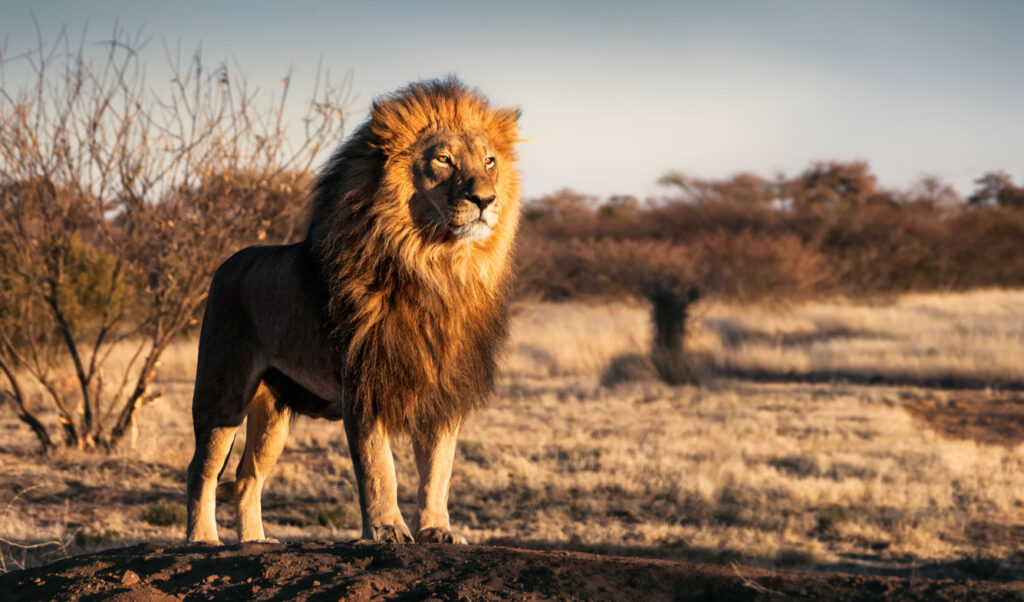
While lionesses do virtually all the hunting, males spend about 20 hours a day sleeping, grooming, or just lounging around looking impressive. They’re like those housemates who never do the washing up but always eat the food.
The only time males really earn their keep is when rival males threaten the pride or when there’s a really large prey animal that needs extra muscle to bring down. Otherwise, they’re living off the lionesses’ hard work.
2. Females are the actual rulers of lion society.
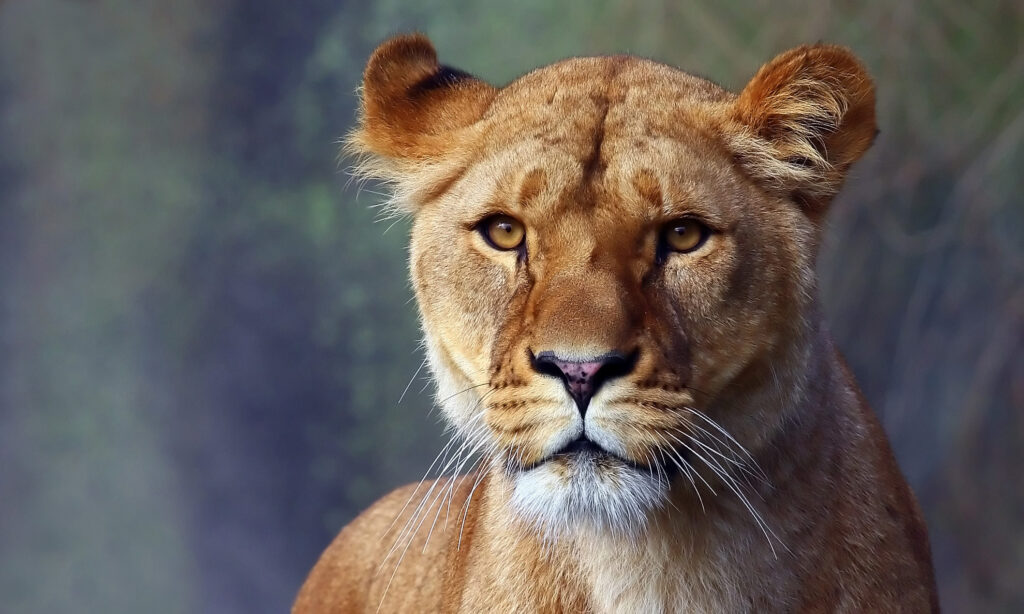
The pride structure revolves entirely around related females who’ve lived together their whole lives, while males are essentially temporary residents who get kicked out or replaced every few years. The lionesses are the permanent government.
These female coalitions make all the important decisions about territory, hunting grounds, and cub-rearing. Males might look like they’re in charge, but they’re really just hired security with impressive hair.
3. Male lions are terrible hunters compared to females.
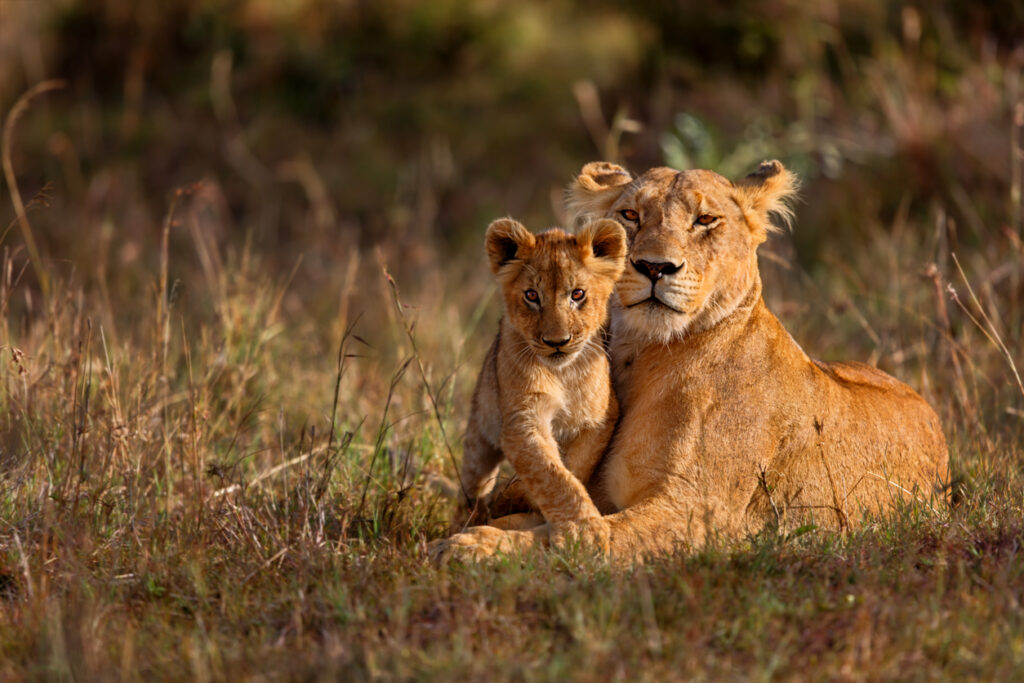
Males succeed in only about 10% of their hunting attempts, while females succeed in roughly 30%. That mane might look majestic, but it makes stealth hunting almost impossible, since it’s visible from miles away.
Males are built for fighting other males, not for the patience and precision required for successful hunting. Their massive size and obvious appearance make them walking advertisements that prey can spot immediately.
4. Females do all the actual parenting work.
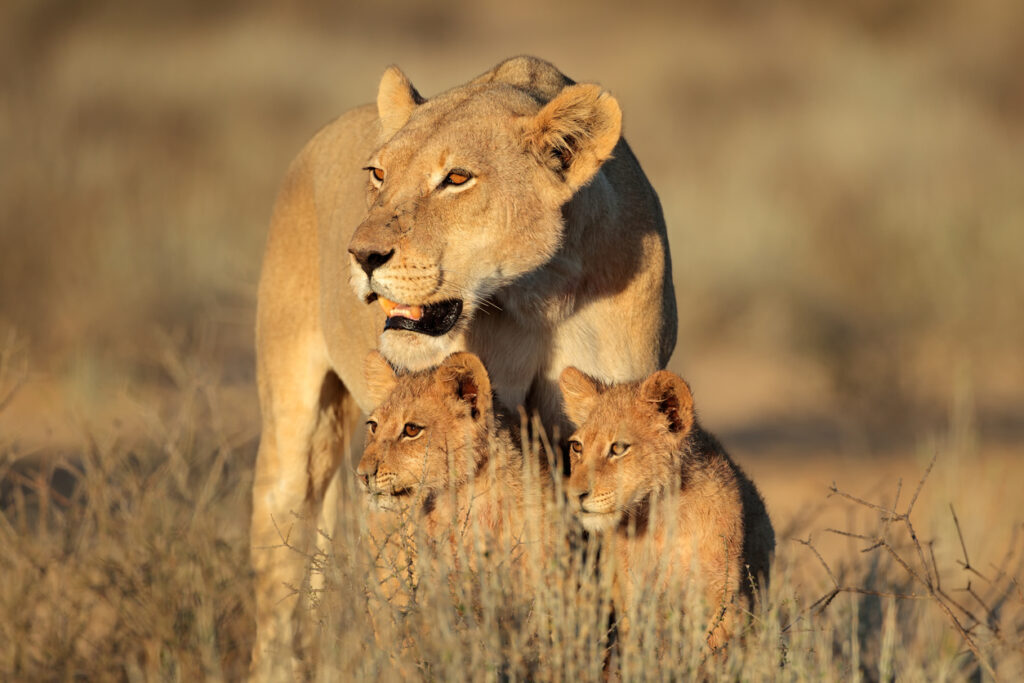
Male lions will play with cubs occasionally, but lionesses handle feeding, teaching, protecting, and disciplining. Males sometimes even pose a danger to cubs, particularly if they’re not the biological father.
New males taking over a pride often kill existing cubs to bring the females back into heat faster. The lionesses have to actively protect their young from the very males supposedly leading the pride.
5. Males get kicked out of home, while females stay forever.
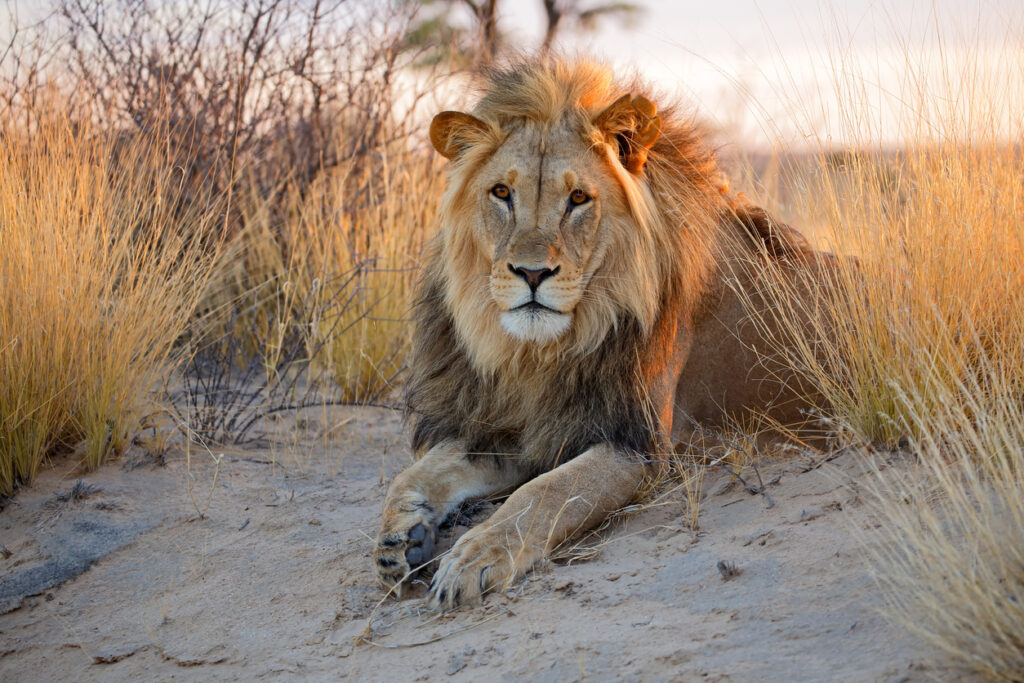
Young males are forced to leave their birth pride around age two, while females typically stay with their mothers and sisters for life. Males become homeless nomads who have to fight for the right to join a new pride.
This creates completely different life experiences: females live in stable family groups with lifelong relationships, while males face years of dangerous wandering and constant competition with other males.
6. Size differences are absolutely massive.
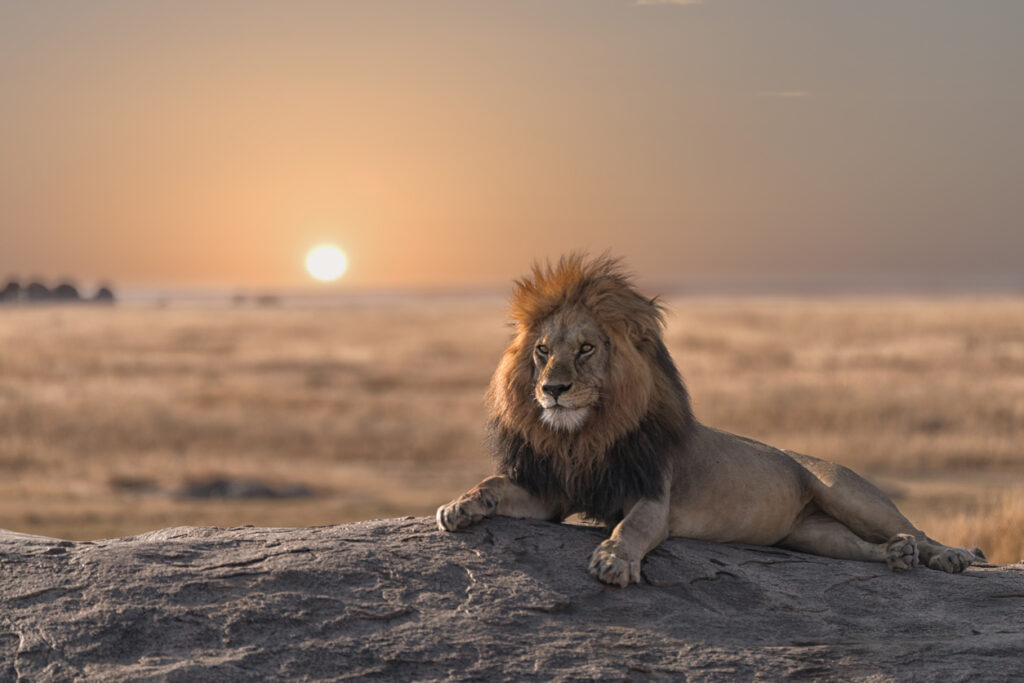
Male lions can weigh up to 420 lbs, or about 191 kg, while females typically max out around 280 lbs, or about 127 kg. That’s not just a little bigger—males can be 50% heavier than females, making them among the most sexually dimorphic big cats.
This size difference means they’re almost like different species when it comes to what they can hunt and how they move through their environment. Males are built like tanks, females like sports cars.
7. Their social lives are completely different.
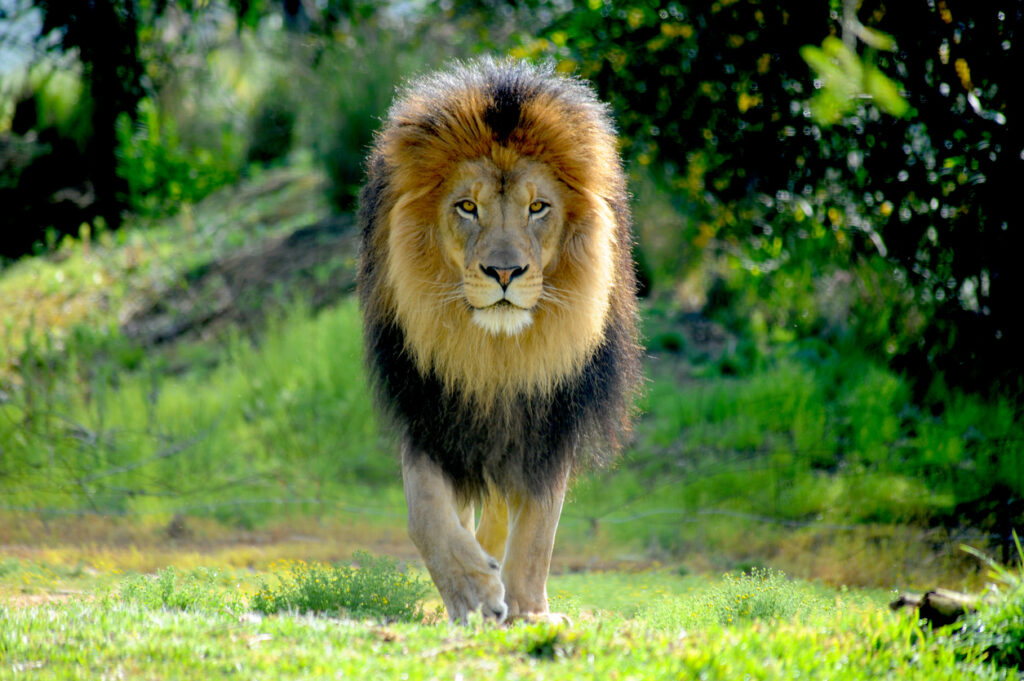
Lionesses spend their days in constant social interaction with other females, sharing cubs, grooming each other, and coordinating group activities. Males mostly interact with other pride members only during mating or conflicts.
Female lions have complex social relationships and hierarchies, while males are more solitary, even when living in a pride. They’re physically present but emotionally distant from most pride activities.
8. Females are way more aggressive when protecting cubs.
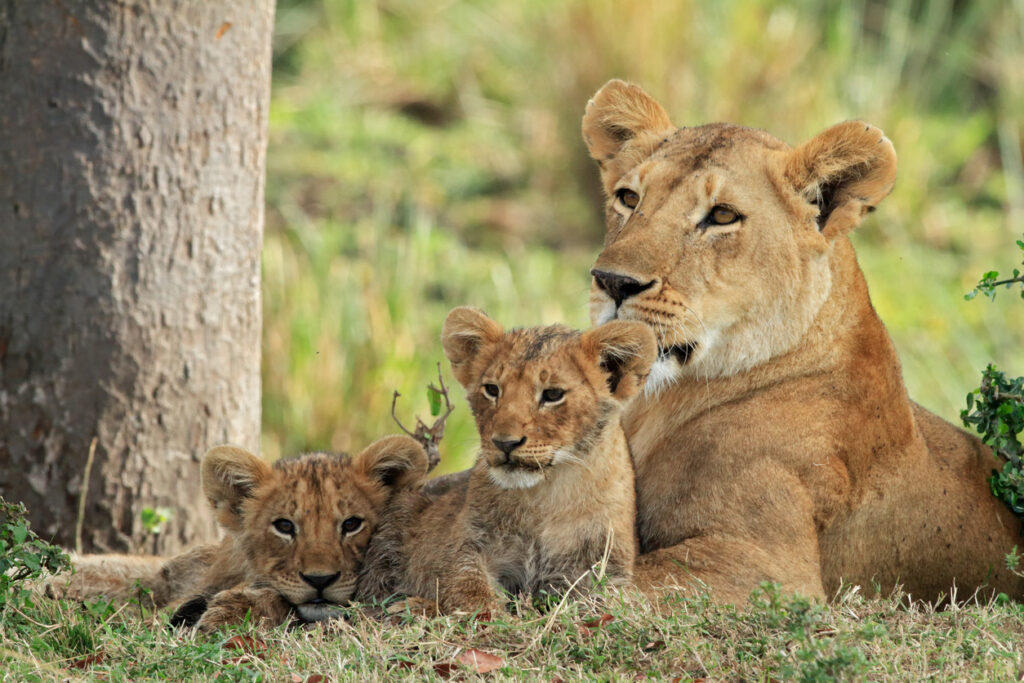
A lioness with cubs is one of the most dangerous animals in Africa, far more likely to attack humans or other threats than a male lion. Their protective instincts override normal caution completely.
Males might look more intimidating, but they’re generally less likely to actually attack unless directly challenged. Females defending cubs will take on animals twice their size without hesitation.
9. Males have shorter, more violent lives.
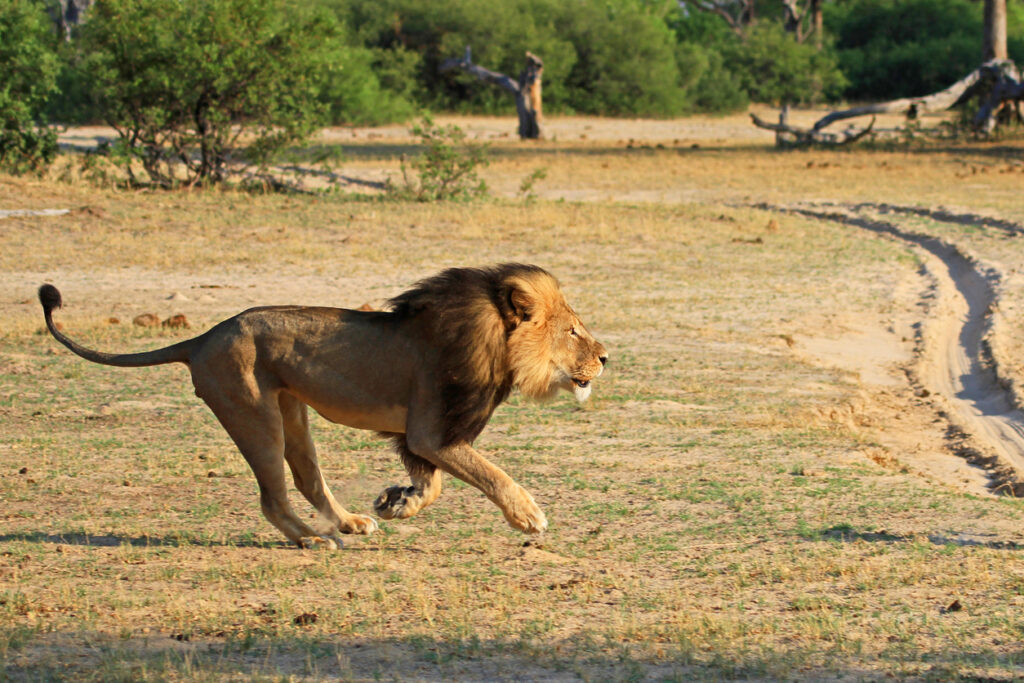
The average male lion lives only about 10 to 12 years in the wild, while females often reach 15 or 16 years. The constant fighting and dangerous nomadic period takes a serious toll on male survival rates.
Most males never successfully take over a pride and spend their entire lives as struggling bachelors. Even successful pride males only hold their position for 2 or 3 years before being overthrown by younger rivals.
10. Their roars serve completely different purposes.
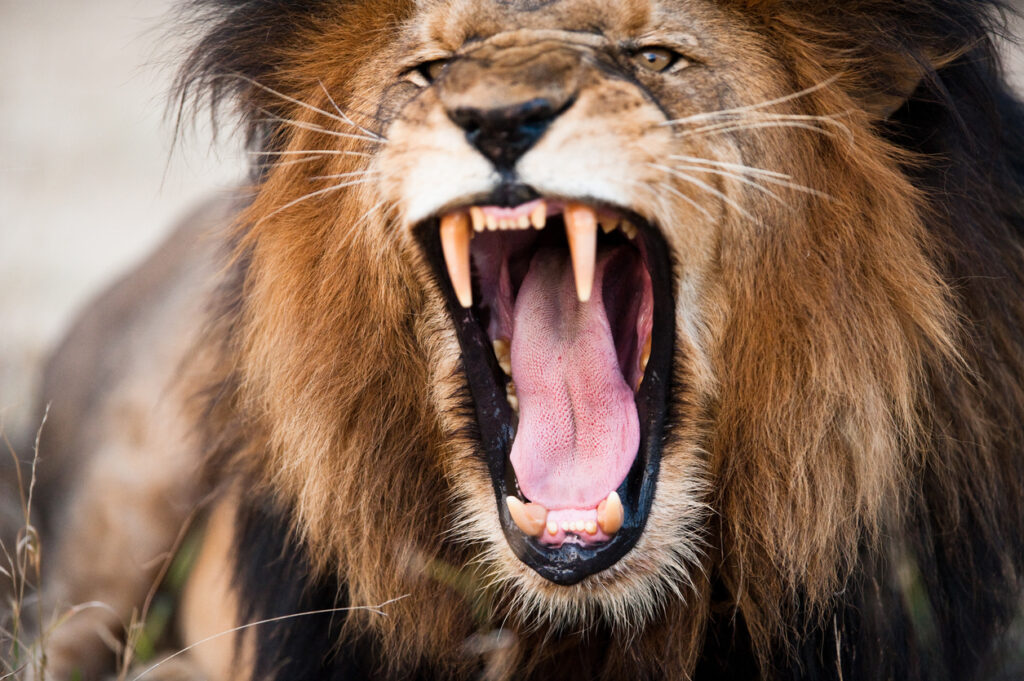
Male roars are primarily about territory and intimidating other males, while female roars are more about coordinating with pride members and calling cubs. Males roar to say “stay away,” females roar to say “come here.”
A male’s roar can be heard up to 5 miles (around 8 km) away and is designed to sound as threatening as possible. Female roars are more varied and communicative rather than purely intimidating.
11. Hunting strategies are totally different.
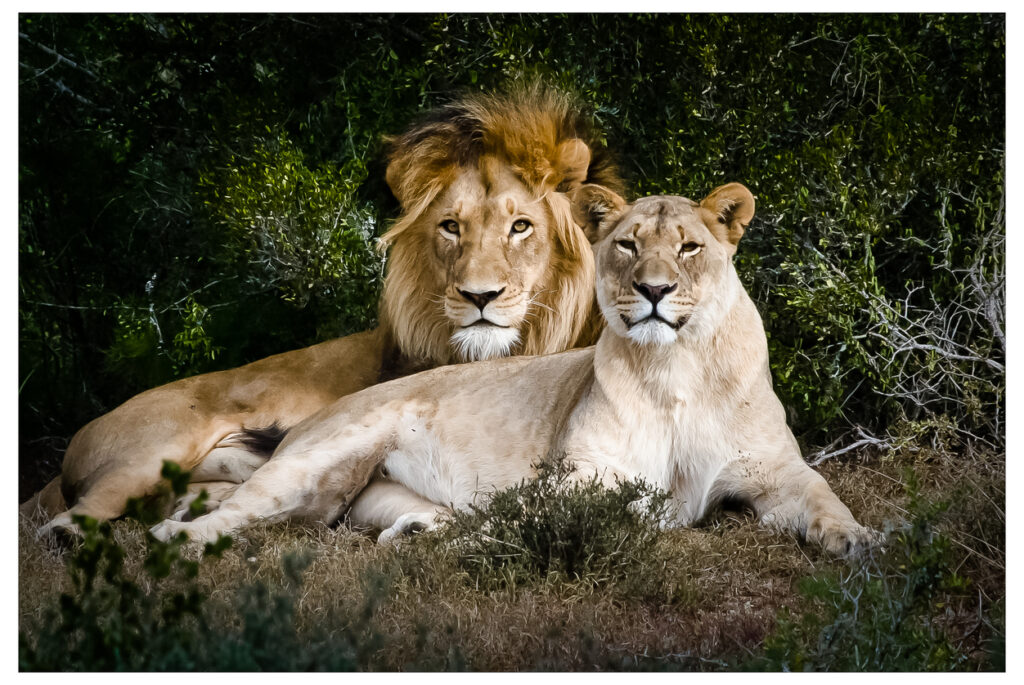
Lionesses hunt cooperatively using coordinated ambush tactics, with different individuals taking specific roles during hunts. Males typically hunt alone using brute force rather than strategy when they bother hunting at all.
Female hunting parties work like military units, with planned formations and communication. Male hunting looks more like a rugby player trying to tackle a gazelle, which is effective sometimes, but not elegant.
12. Mating behaviour shows who’s really in control.
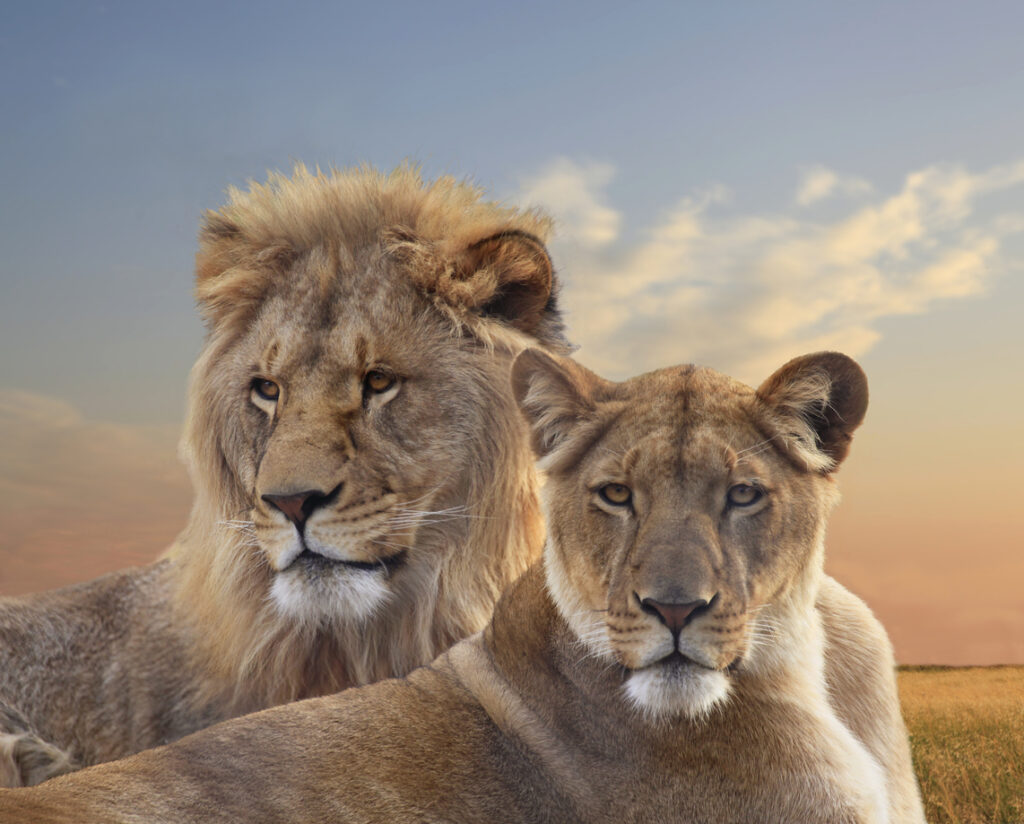
Despite male lions’ reputation for dominance, females actually choose when and with whom to mate. They can refuse males, look for specific males, or even mate with multiple males to confuse paternity.
Lionesses use mating strategically to manage pride dynamics and protect their cubs. They’re not passive recipients of male attention. They’re active players manipulating the system to their advantage.
13. Their territorial behaviour is completely opposite
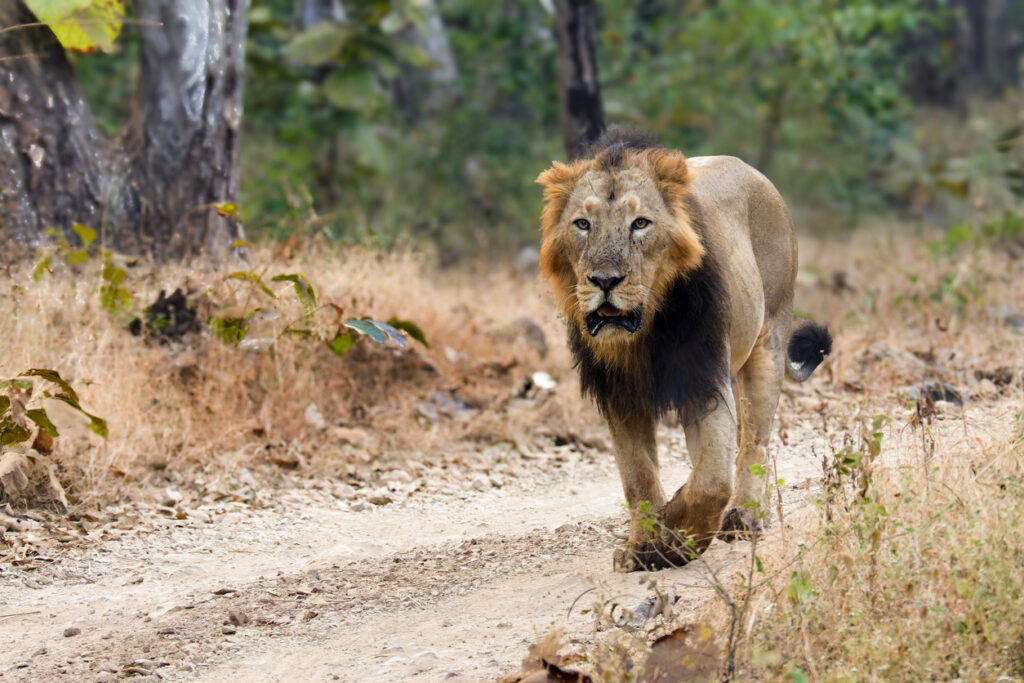
Males are obsessed with territory and will fight to the death over boundaries, while females are much more flexible about sharing space with neighbouring prides. Males see territory as everything, females see it as just a resource.
Female lions will sometimes hunt together across pride boundaries or share resources during tough times. Males would rather starve than allow another male to use “their” territory.
14. Even their sleeping patterns are different.

Males sleep more deeply and for longer periods, often becoming completely oblivious to their surroundings. Females maintain much lighter sleep patterns and are constantly alert for threats to cubs or hunting opportunities.
This difference in alertness means lionesses are usually the first to spot danger or prey, despite males being supposedly responsible for pride protection. The females are doing the actual watching while males enjoy uninterrupted beauty sleep.