Some flowers in Britain are here and gone almost before you’ve had a chance to notice them.
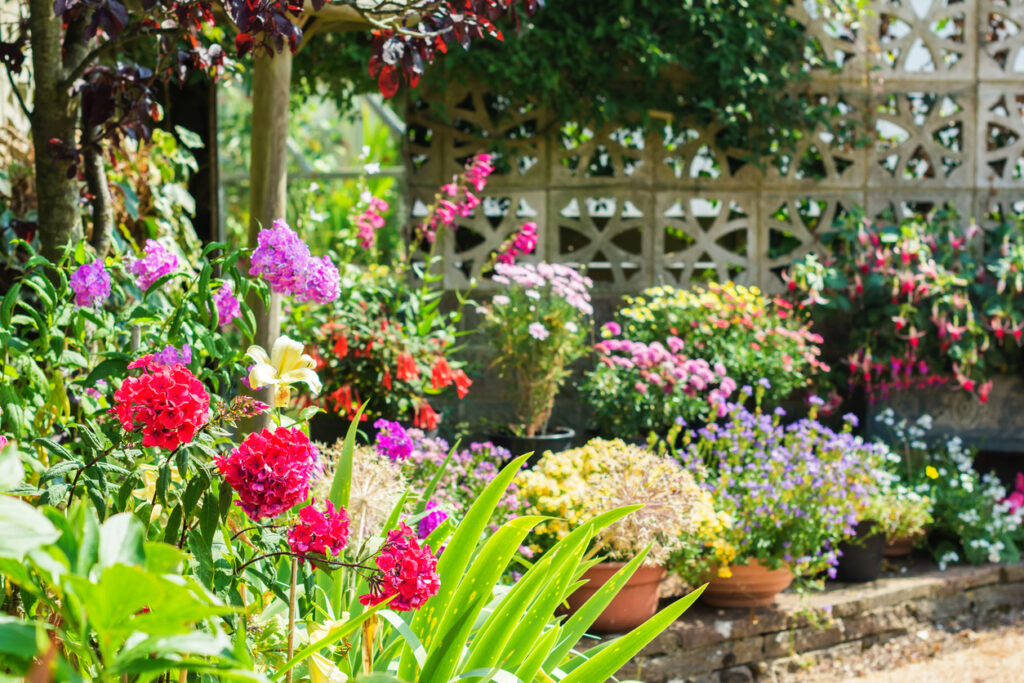
Their beauty is brief, which makes spotting them feel special. These are the blooms with the shortest lifespans, and why their fleeting nature has made them so fascinating to gardeners and nature lovers alike.
1. Daylilies only last for a single day.
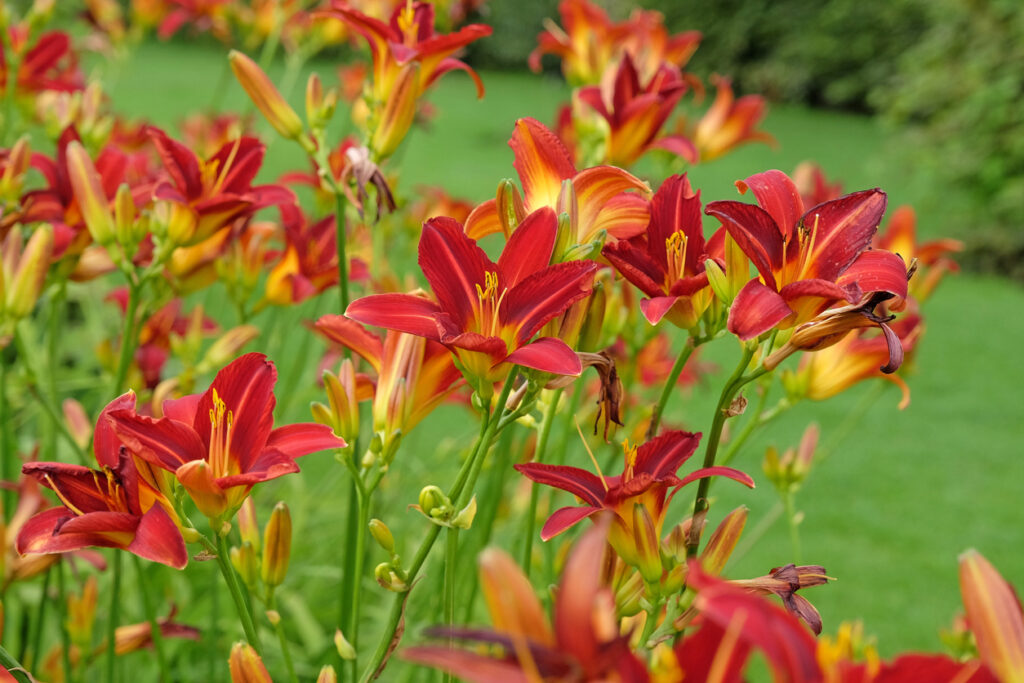
True to their name, each daylily flower opens in the morning and fades by night. They produce plenty of buds, so the display continues for weeks, but no single bloom sticks around for more than a day. That makes them one of the shortest-lived flowers in Britain. The magic lies in their constant renewal. While yesterday’s bloom is gone, another is ready to replace it, keeping the plant in colour despite each flower’s short stay.
2. Evening primrose opens for just one night.
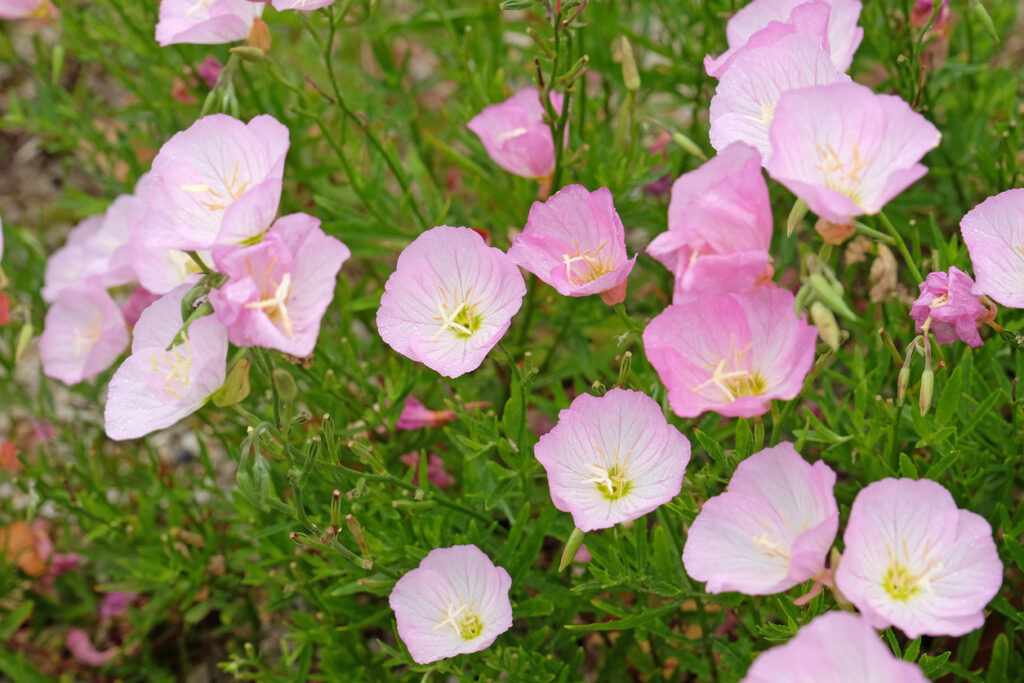
Evening primrose flowers unfurl at dusk, glowing yellow in the twilight. By the following morning, they have wilted and closed. Their beauty is tied to pollination by moths, which is why their show only lasts overnight. They make up for the brief performance with drama. Watching one open in real time is like catching a secret event in your own garden.
3. Hibiscus syriacus blooms vanish by morning.
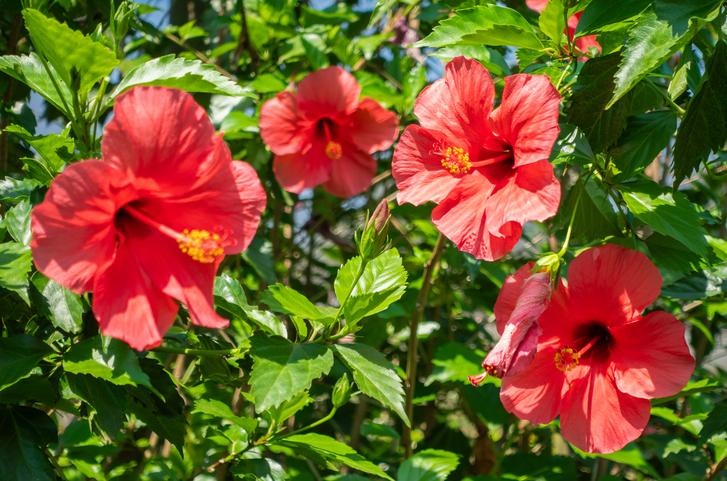
Some hibiscus varieties grown in Britain, like Hibiscus syriacus, open their showy flowers for less than 24 hours. They quickly crumple and fall, leaving room for the next bud. The cycle makes them both generous and fleeting. Because the plant produces many blooms in succession, the overall display can stretch for weeks. It’s just that no single flower ever lasts more than a day.
4. Night-scented stock fades at dawn.
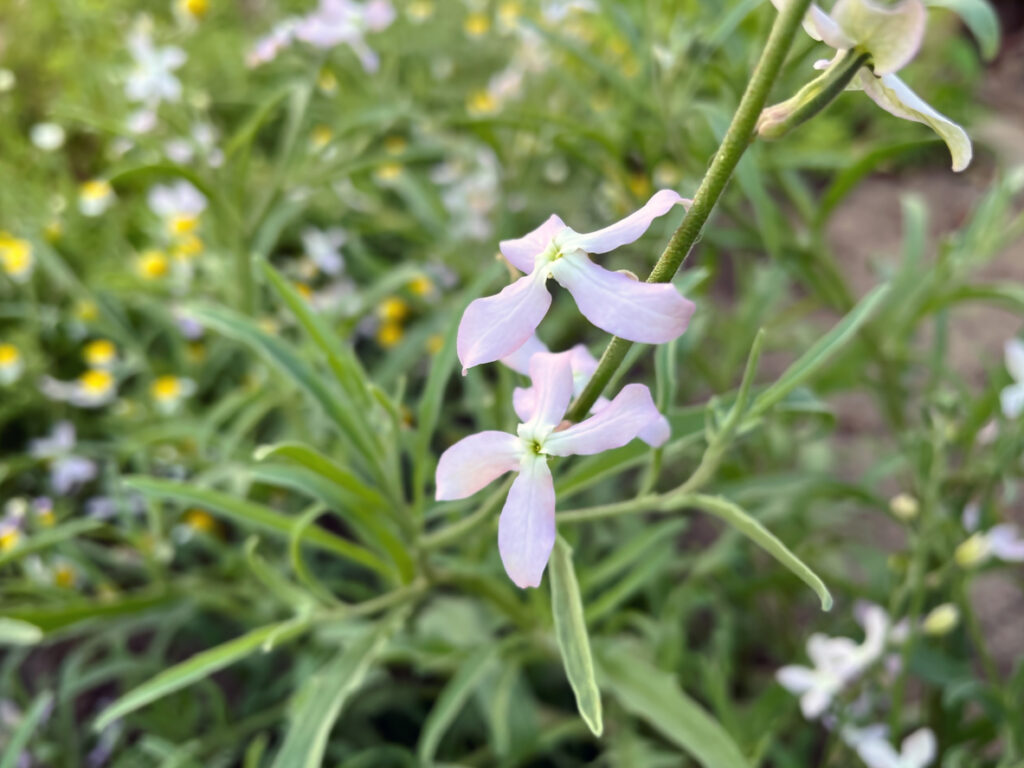
This delicately fragrant flower saves its energy for the night. The blooms release their scent after dusk to attract pollinators, then fade as soon as daylight arrives. The result is a short-lived but highly memorable show. Gardeners often grow them for summer evenings rather than daytime display. Their brief presence is balanced by the unforgettable scent they bring.
5. Ephemeral alpine flowers burn bright and fast.
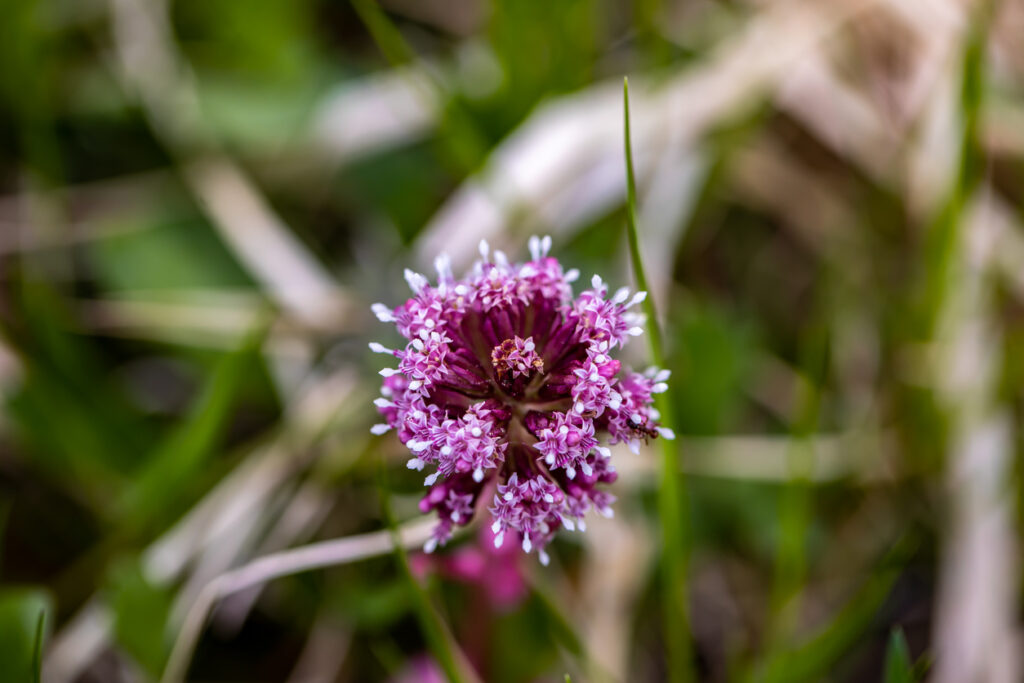
Many alpine species that grow in Britain’s upland areas only bloom for a few days at a time. These plants evolved to make the most of short summers, so their flowers open quickly and fade almost as soon as they arrive. Their strategy is speed rather than longevity. Catching them in bloom feels like a lucky encounter. You need to be in the right place at the right time to see their fleeting display.
6. Morning glory fades before noon.
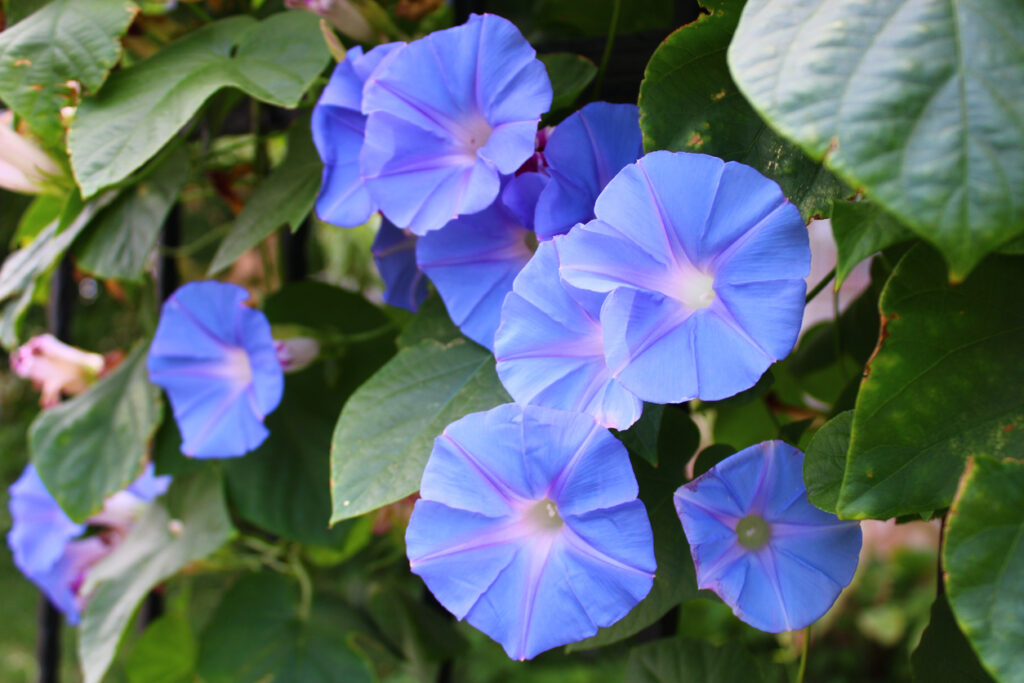
Morning glories open in the early hours, showing off their colourful trumpets. By midday, they start to close and fade, often lasting less than half a day. Each bloom’s performance is over almost as soon as it begins. The vines keep producing fresh flowers, so the plant stays lively. However, if you miss the morning show, you’ll miss the bloom entirely.
7. Crocuses melt away in days.
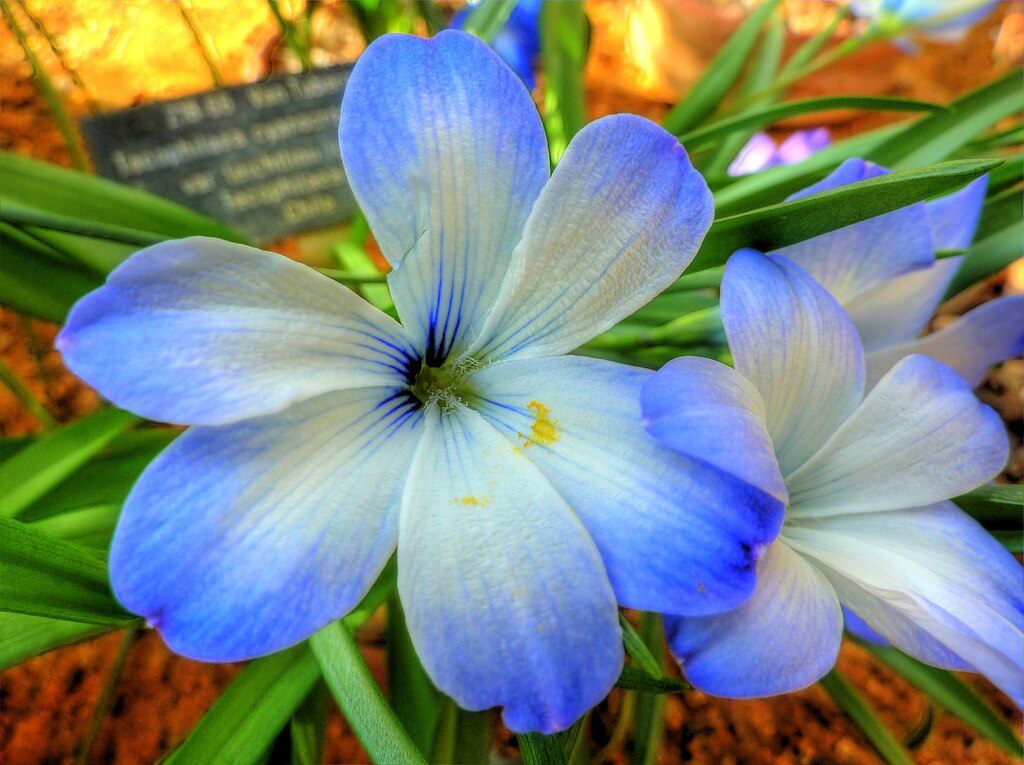
These early-spring favourites arrive quickly and disappear just as fast. A crocus bloom usually lasts only three to five days, depending on weather conditions. Heavy rain or frost can shorten that even further. They bring a burst of colour after winter but vanish before you’ve had time to get used to them. Their brevity makes their return each year even more welcome.
8. Tulips fade faster than expected.

While tulips seem sturdy, each bloom typically lasts only a week or so once open. Warmer weather can make them fade in just a few days. Their bold colours come in strong and then collapse suddenly. Gardeners often plant plenty of tulips together, so the staggered flowering creates the illusion of a longer display. In reality, each bloom has a very short moment in the spotlight.
9. Poppies drop petals almost instantly.
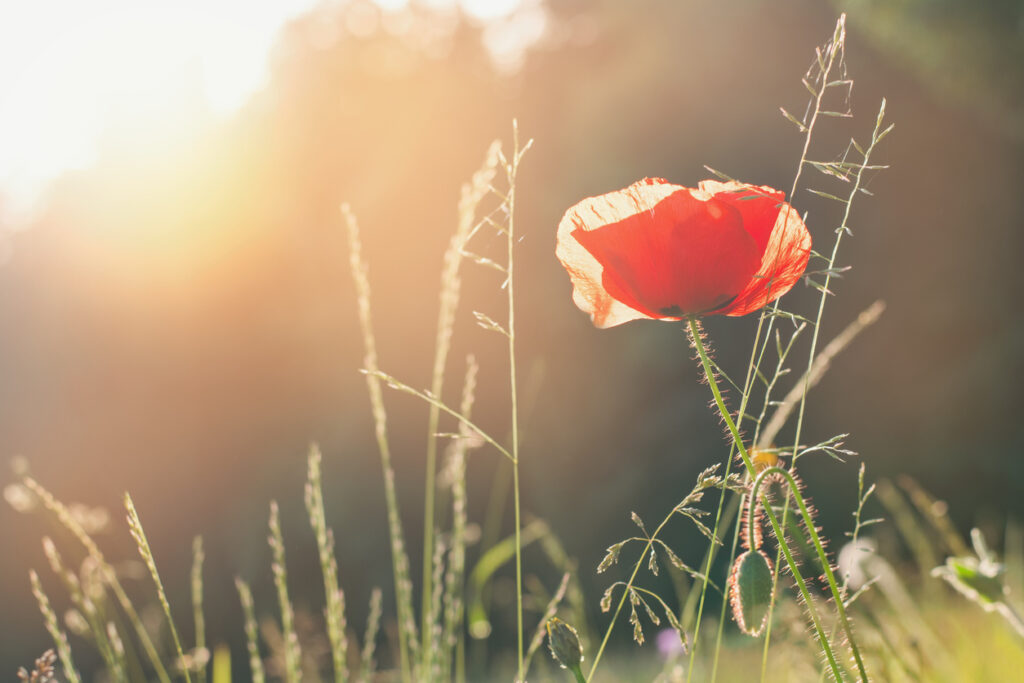
Field poppies look striking in bloom, but the petals often fall within a couple of days. Strong winds or rain can reduce their lifespan even further. What remains is a bare seed capsule standing where the flower was. Their fragility is part of their charm. The short-lived blooms are a reminder of just how temporary beauty can be.
10. Camellia flowers brown within days.
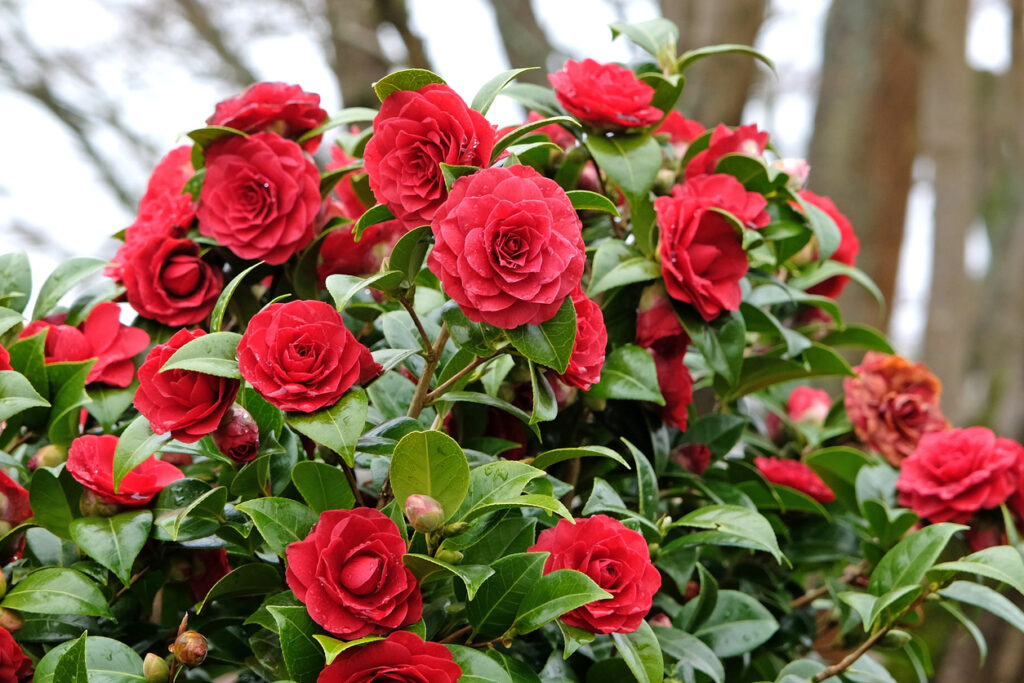
Camellias can produce a generous number of blooms, but each individual flower only lasts two to three days before turning brown and falling. Their delicate petals simply aren’t built for long performance. Planted in groups, camellias still put on a show, but like poppies, each flower is fleeting. The quick turnover means they’re constantly renewing rather than lingering.
11. Cherry blossom is here and gone.
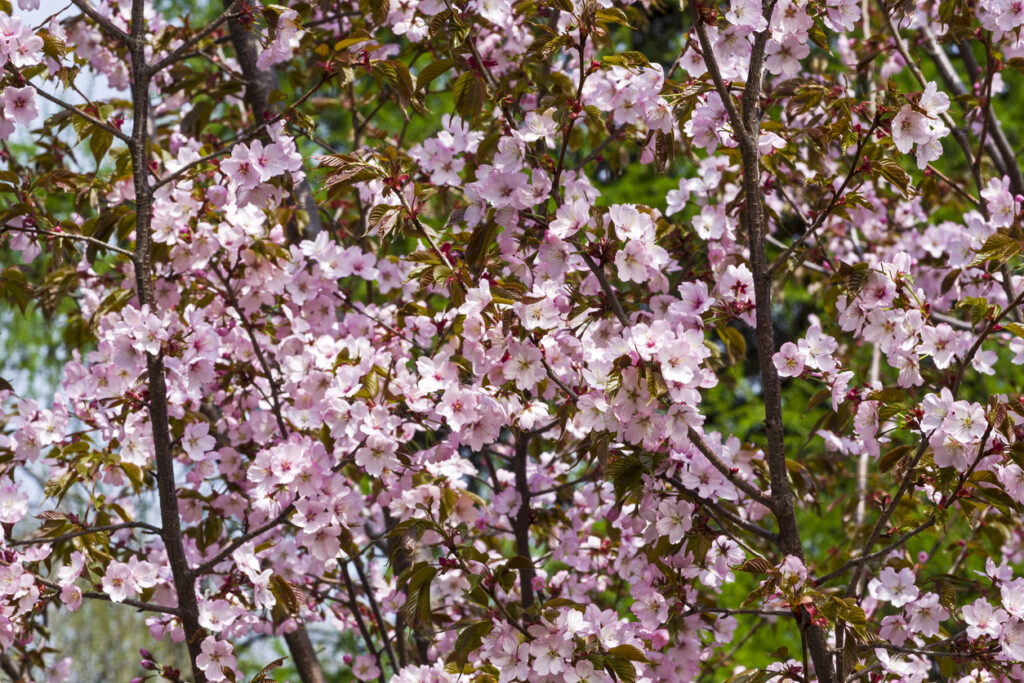
Few flowers capture fleeting beauty like cherry blossom. Once the buds burst open, they last barely a week before the petals fall like confetti. Rain or wind can shorten their lifespan even further, making the season vanish quickly. The shortness of cherry blossom’s bloom is what makes it iconic. Its arrival feels like a celebration precisely because it disappears so fast.
12. The crown for brevity goes to daylilies.
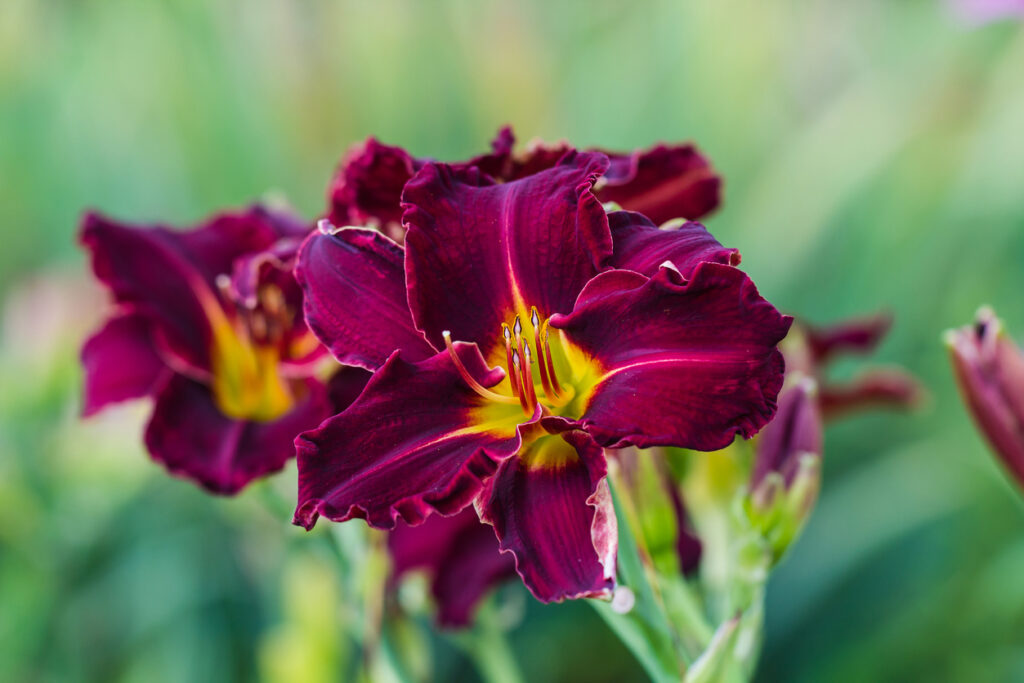
While several flowers bloom briefly, daylilies are the most consistent example in Britain. No matter the weather, each flower lasts just one day before it fades. Gardeners treasure them because the plant keeps producing fresh blooms to replace the ones that vanish. This cycle of constant renewal makes daylilies the ultimate short-lived bloomers. They remind us that beauty doesn’t need to last long to make an impression.