Finding the perfect toy for your cat isn’t just about grabbing whatever looks cute at the pet store.
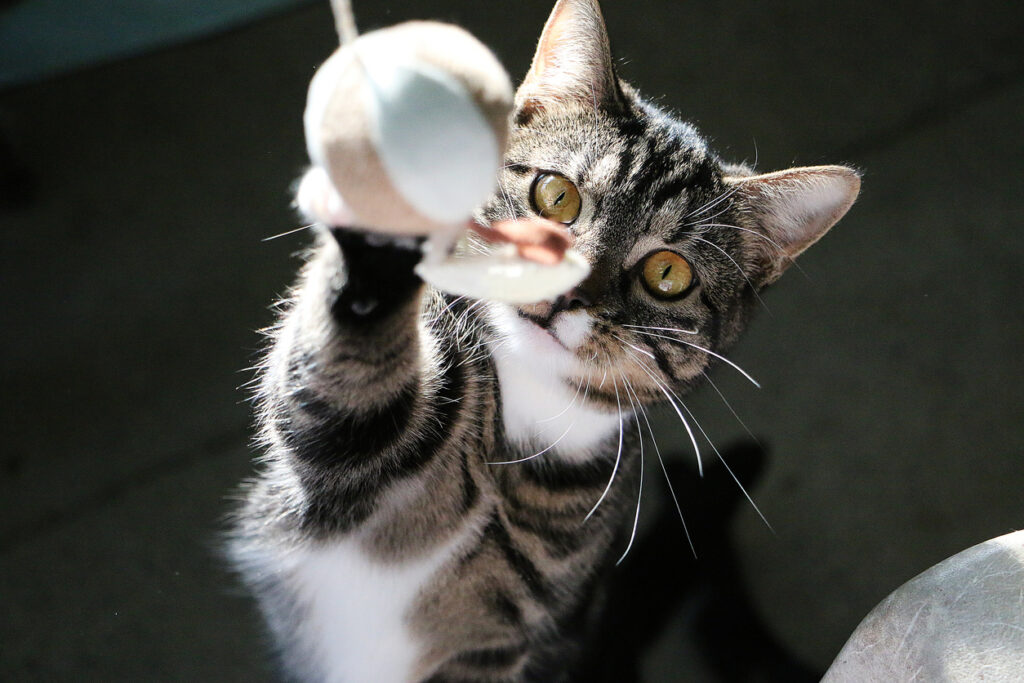
There’s actually a science to understanding what makes cats go absolutely bonkers for certain toys while completely ignoring others. Most cat owners waste money on toys their cats will sniff once and walk away from because they don’t understand how cats actually think about play and hunting. Here’s what to keep in mind when looking for things to keep your feline friend(s) happy.
1. Think like prey, not like a human shopping for entertainment.
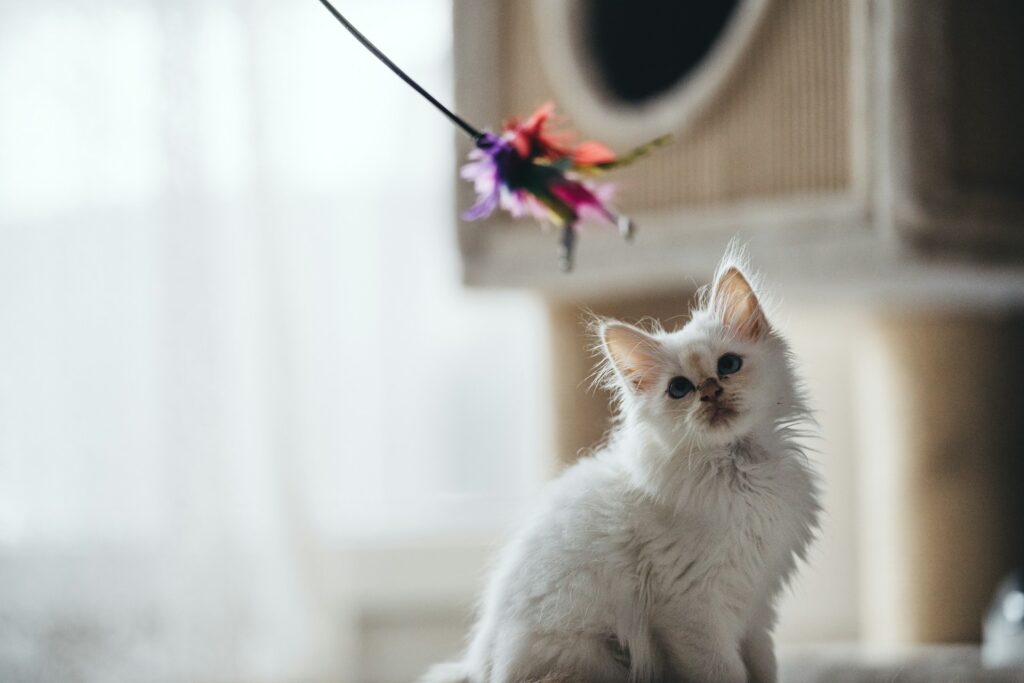
Cats don’t want toys that are obviously fake or human-designed. They want things that trigger their hunting instincts by moving, sounding, and feeling like real prey animals. The best cat toys mimic the size, texture, and movement patterns of mice, birds, and insects that cats would naturally hunt.
Look for toys that are roughly mouse-sized, have realistic textures like fur or feathers, and can move in unpredictable ways. Your cat’s brain is wired to get excited about things that seem like actual prey, not colourful plastic objects that clearly came from a factory.
2. Movement matters more than appearance.
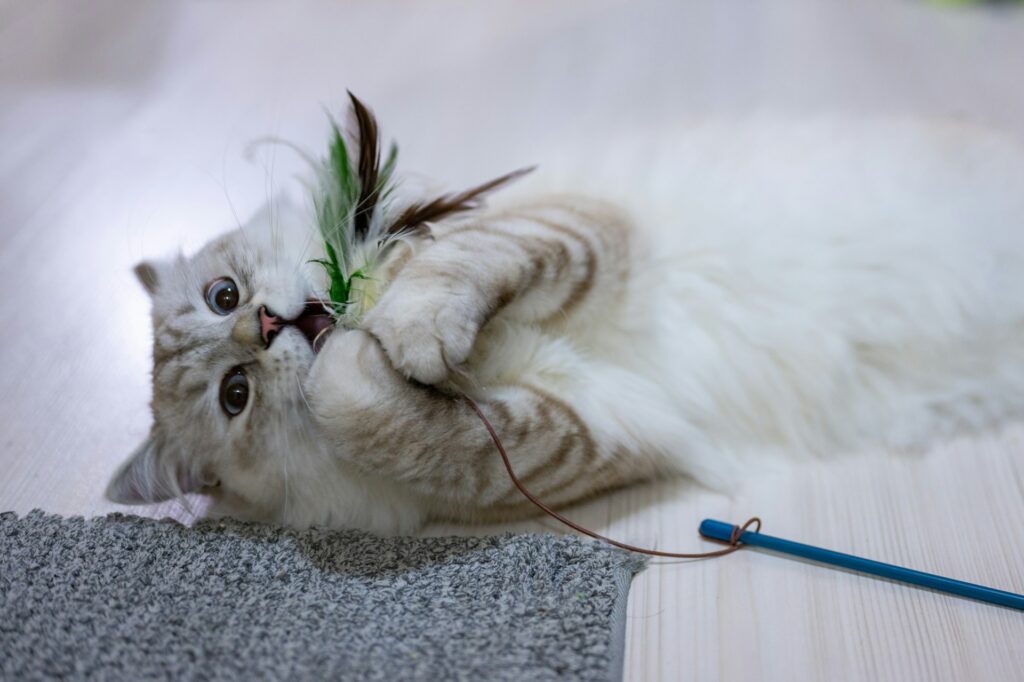
A boring-looking toy that moves erratically will beat a beautiful toy that just sits there every single time. Cats are triggered by motion that mimics injured prey—things that dart, flutter, hide, and move in irregular patterns that suggest vulnerability.
Choose toys that you can make move like real animals, rather than toys that are just pretty to look at. Feather wands, laser pointers, and toys on strings work because you can control the movement to seem lifelike and unpredictable.
3. Size really does matter for cats.
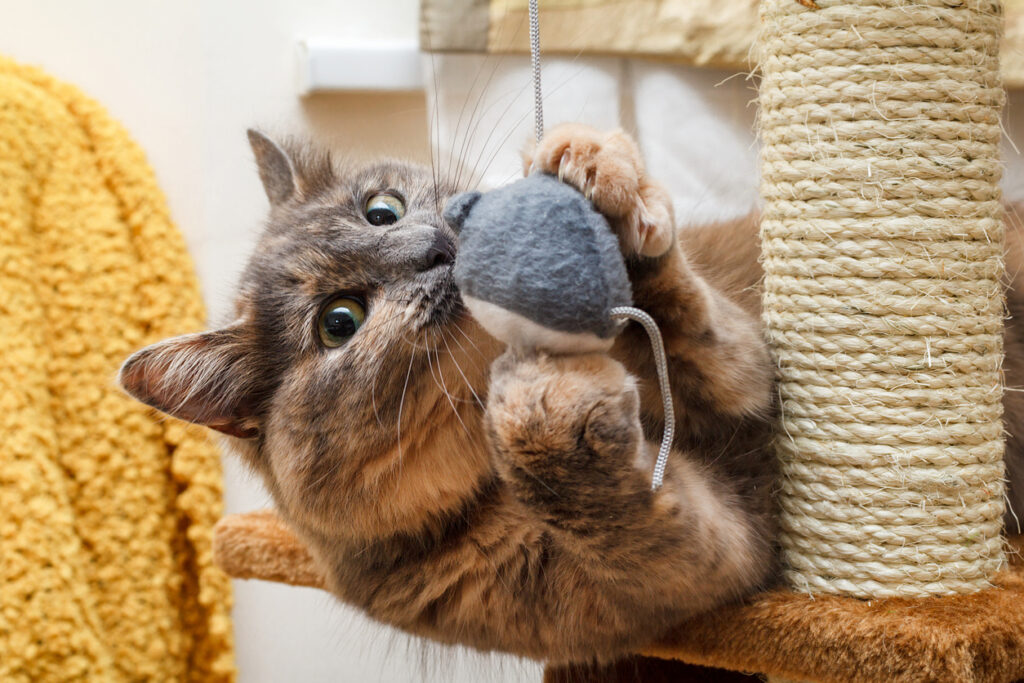
Toys that are too big don’t trigger hunting instincts because cats naturally hunt small prey. Toys that are too small might get lost, swallowed, or ignored because they don’t provide enough physical engagement for a successful “hunt” experience.
Stick to toys roughly the size of a mouse or small bird, which is about 2 to 4 inches long. This size range feels natural for cats to grab, carry, and “kill” during play, satisfying their instinctual need to catch appropriately sized prey.
4. Texture preferences are individual but predictable.
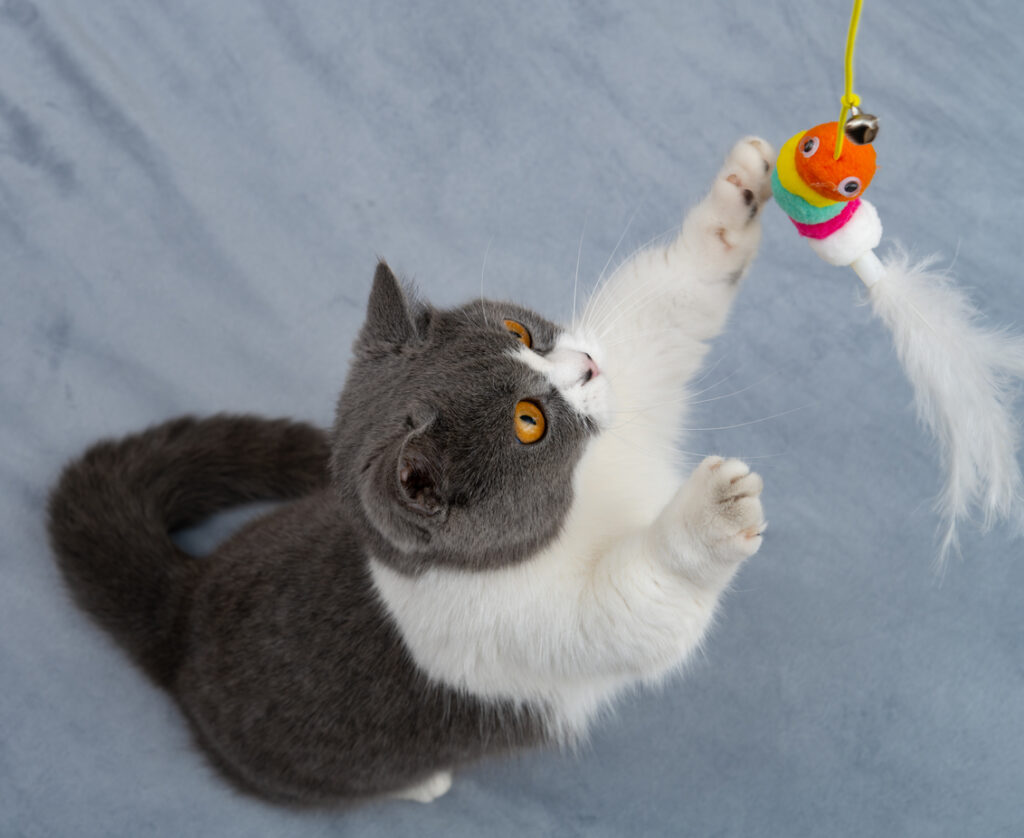
Some cats go crazy for feathers because they mimic birds, while others prefer furry textures that feel like mice or soft fabrics that remind them of prey fur. Many cats also love crinkly textures that sound like rustling leaves or small animals moving through grass.
Pay attention to what textures your cat seeks out in your home. Do they love fuzzy blankets, leather shoes, or paper bags? Use these preferences to guide your toy choices, and you’ll have much better success finding toys they actually want to play with.
5. Catnip isn’t magical for every cat.
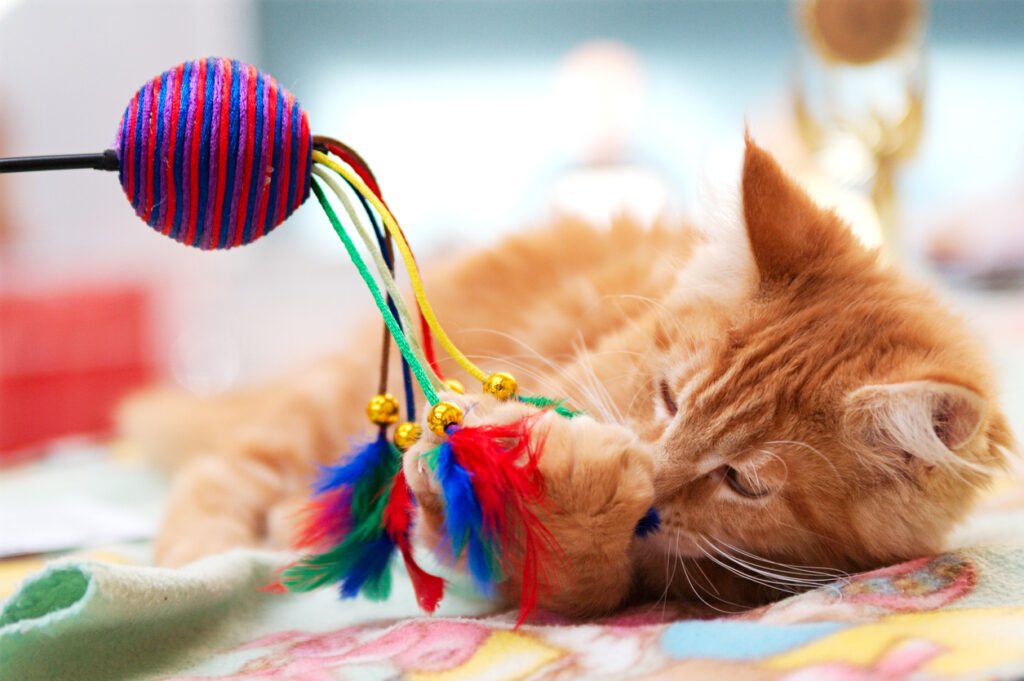
About 30% of cats have no reaction to catnip at all due to genetics, while others might prefer different herbs like silvervine or valerian root. Don’t assume a toy is defective if your cat ignores catnip. They might just be part of the significant minority that doesn’t respond to it.
Try toys with different herbs or no herbs at all to see what works for your specific cat. Some cats get more excited about the toy itself than any added scents, while others need that extra chemical boost to trigger their interest.
6. Interactive toys beat solo toys almost every time.
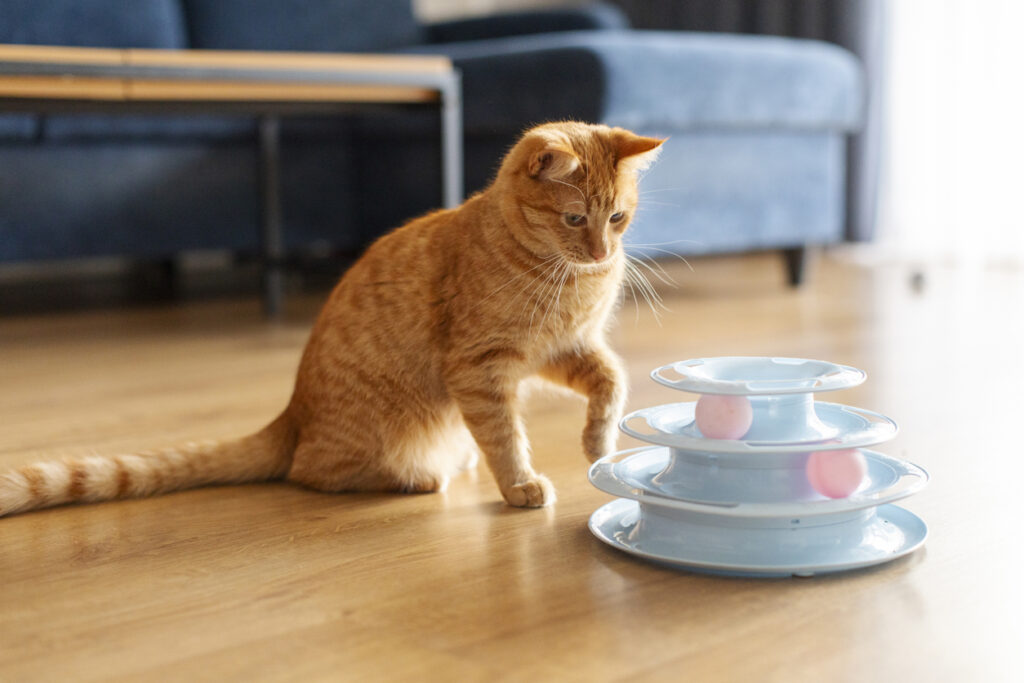
Cats are social hunters who prefer interactive play with their humans over playing alone with static toys. Toys that require your participation, such as feather wands or laser pointers, usually get much more enthusiastic responses than toys cats are expected to entertain themselves with.
Plan to spend time actively playing with your cat using interactive toys, rather than just buying toys and expecting your cat to amuse themselves. The best cat toy is useless if you’re not willing to make it move like prey.
7. Rotation prevents boredom better than buying more toys.

Cats get bored with toys they see every day, but they’ll get excited about the same toys again if you put them away for a week or two. Having a few good toys that you rotate is more effective than having dozens of toys available all the time.
Keep only two or three toys out at a time and store the rest. Switch them out weekly to maintain novelty and excitement. This strategy saves money while keeping your cat more engaged with their toys over the long term.
8. Safety features aren’t always obvious.
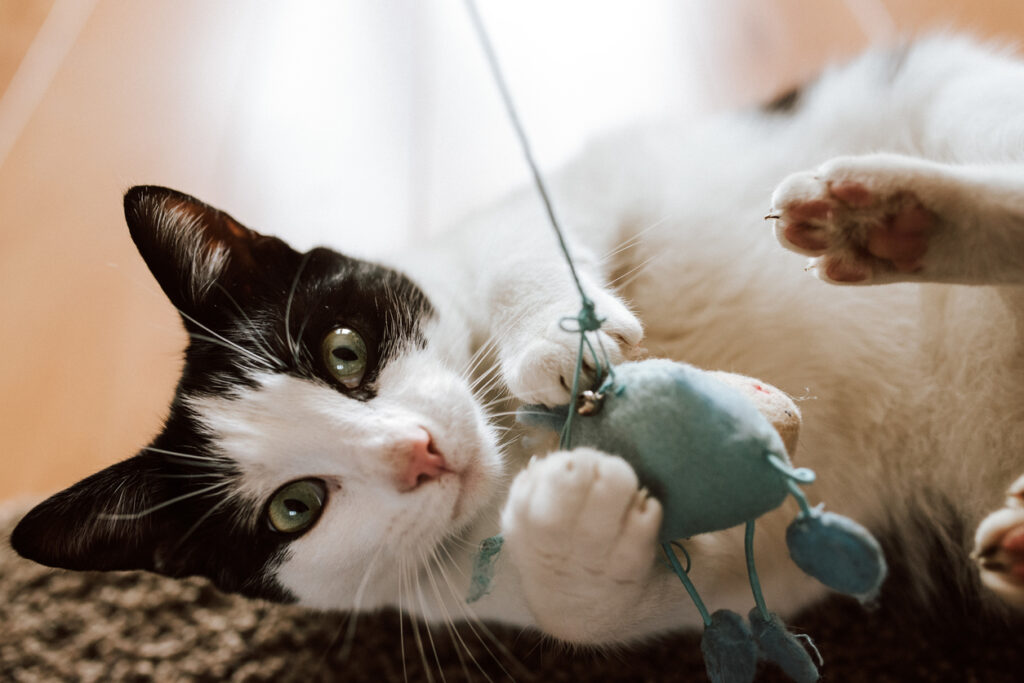
Avoid toys with small parts that could be swallowed, strings long enough to cause strangulation, or materials that could splinter or break off into dangerous pieces. Many popular cat toys have hidden safety issues that aren’t immediately apparent.
Check toys regularly for wear and damage, especially string toys and toys with feathers or fur that could come loose. Replace toys before they become hazardous, rather than waiting for obvious damage to appear.
9. Age affects toy preferences significantly.
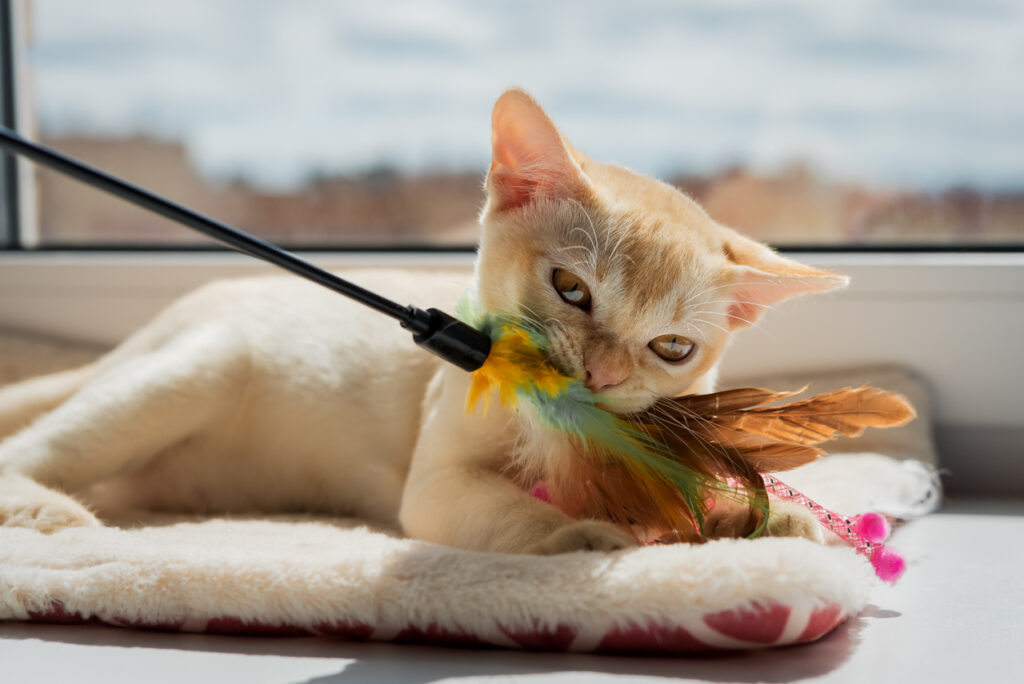
Kittens need softer toys they can safely chew and carry, while adult cats prefer toys that provide more challenging hunting simulations. Senior cats often prefer easier to catch toys that don’t require as much athletic ability to enjoy.
Match toy difficulty to your cat’s age and physical capabilities. A toy that’s perfect for a young, athletic cat might be frustrating for an older cat with arthritis, while kitten toys might be boring for cats in their prime.
10. Price doesn’t predict success.
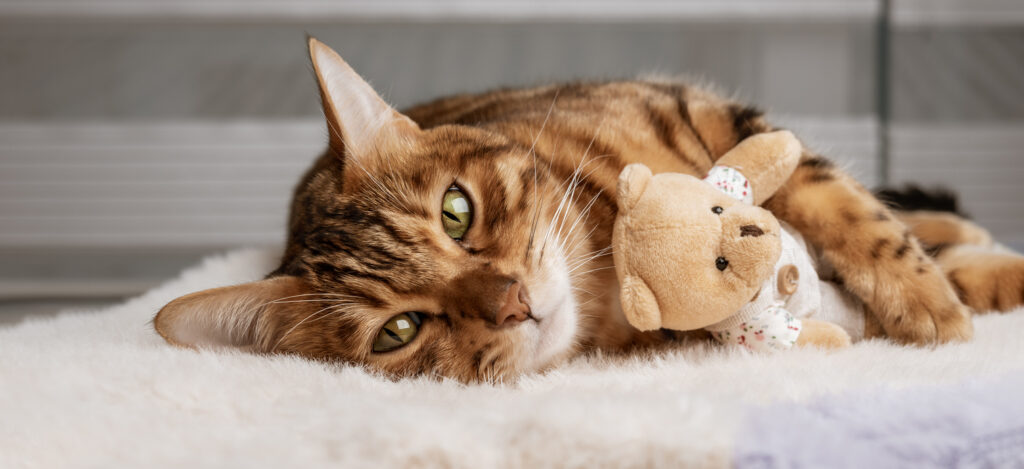
Some of the best cat toys are homemade or very inexpensive—things like cardboard boxes, paper bags, or simple feathers on strings often get better reactions than expensive high-tech toys. Cats care about function, not price tags.
Don’t feel guilty about choosing simple, cheap toys if they work for your cat. A crumpled paper ball that your cat loves is infinitely better than an expensive electronic toy they ignore completely.
11. Multiple cats need multiple toy strategies.
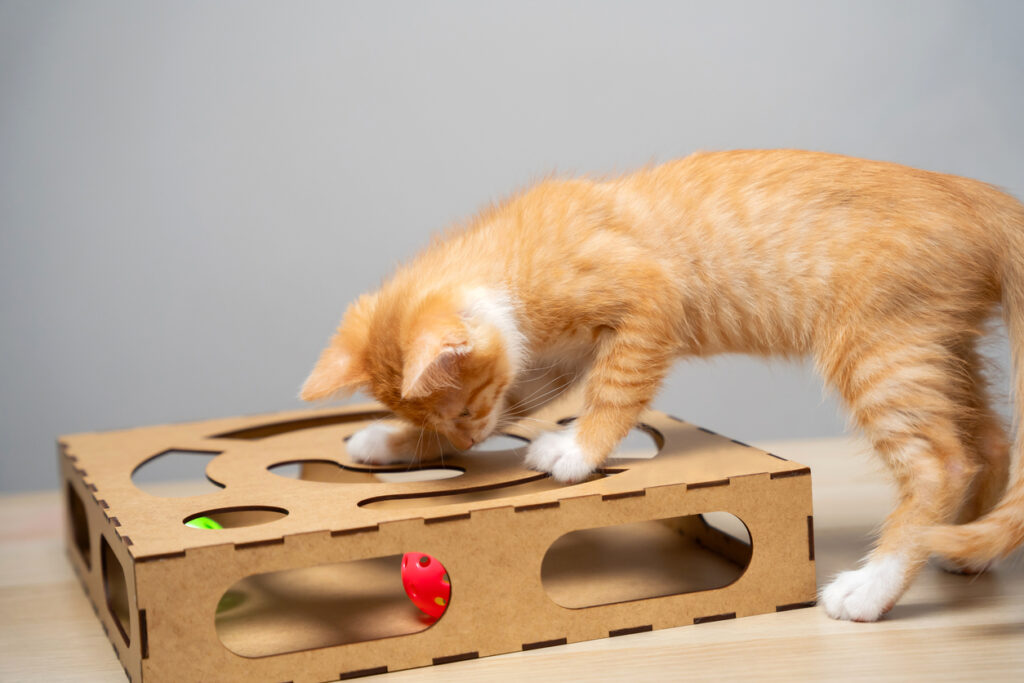
If you have several cats, you’ll need toys that work for group play as well as individual toys for each cat’s preferences. Some cats are toy guarders while others are happy to share, which affects what types and how many toys you need.
Observe how your cats interact during play to determine whether they prefer solo hunting or group activities. Provide enough toys so that less dominant cats can still play even when more assertive cats claim the best toys.
12. Seasonal preferences are real for many cats.
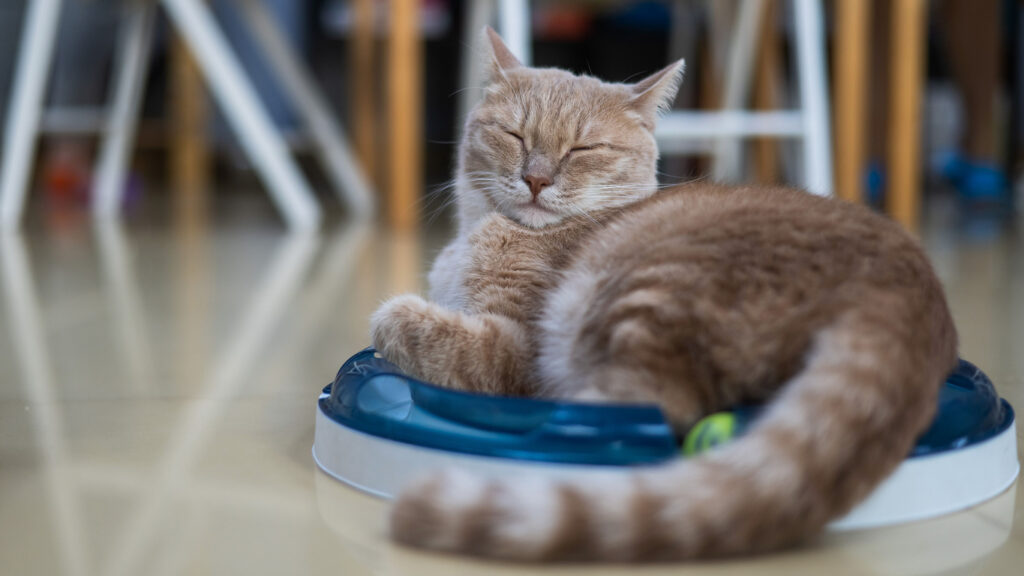
Some cats get more playful during certain times of year, often related to natural hunting seasons or changes in daylight. Indoor cats still have seasonal instincts that can affect their interest in different types of play and toys.
Pay attention to when your cat seems most interested in play, and adjust your toy offerings accordingly. You might find they prefer different toys in winter versus summer, or that they’re more active during certain times of day.
13. Storage and presentation affect toy appeal.

How and where you store toys can impact whether your cat shows interest in them. Toys that smell like other pets, cleaning products, or have been stored in dusty areas might be less appealing than fresh toys stored in clean spaces.
Keep toys in a clean, accessible location, and consider washing fabric toys periodically to maintain their appeal. Some cats prefer toys that smell like their owners, while others want toys that smell neutral or like prey animals.
14. Success signs aren’t always obvious.
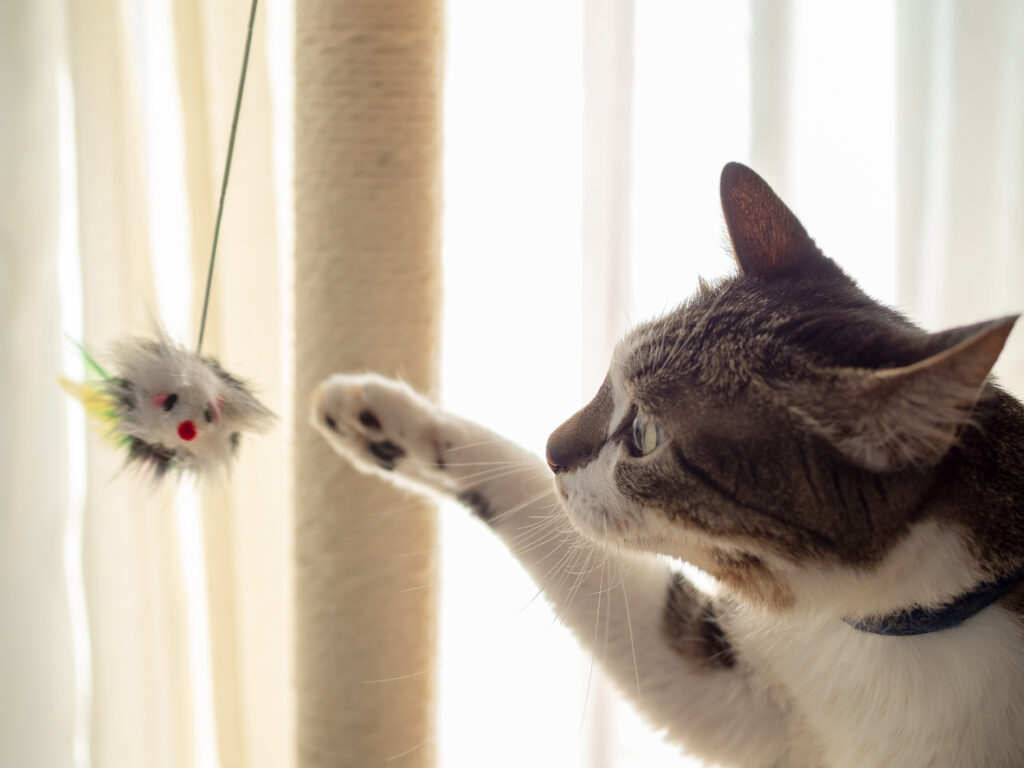
A good toy doesn’t necessarily make your cat go completely wild. Sometimes success looks like focused attention, careful stalking, or gentle carrying behaviour. Different cats show enthusiasm in different ways, and subtle engagement can be just as meaningful as dramatic play.
Watch for signs like dilated pupils, focused attention, crouching postures, or attempts to “kill” the toy rather than just dramatic pouncing. Some cats are quiet hunters who show interest through body language rather than energetic play behaviours.