British weather is famously damp, but not every plant sees drizzle as a nuisance.
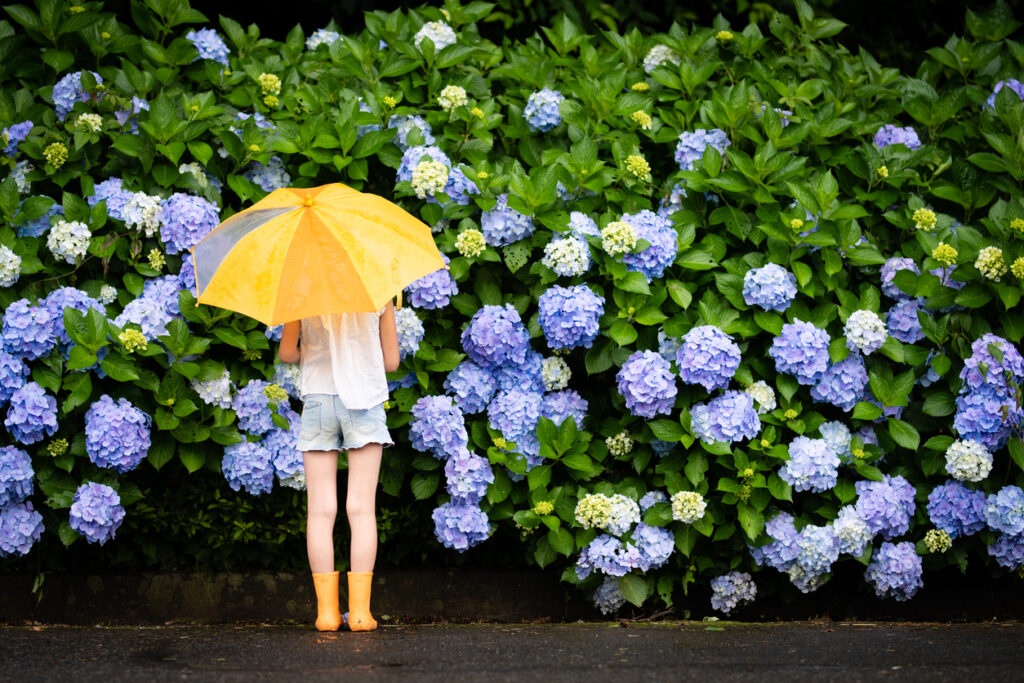
In fact, in the UK, some species actually thrive on misty mornings and light showers, pulling in moisture from the air as if it were designed just for them. While all plants need water to survive, there are some that really seem to love more than just the occasional drench and instead thrive on the regular mist and sprinkles that tend to fall from the sky.
1. Moss carpets love constant damp.
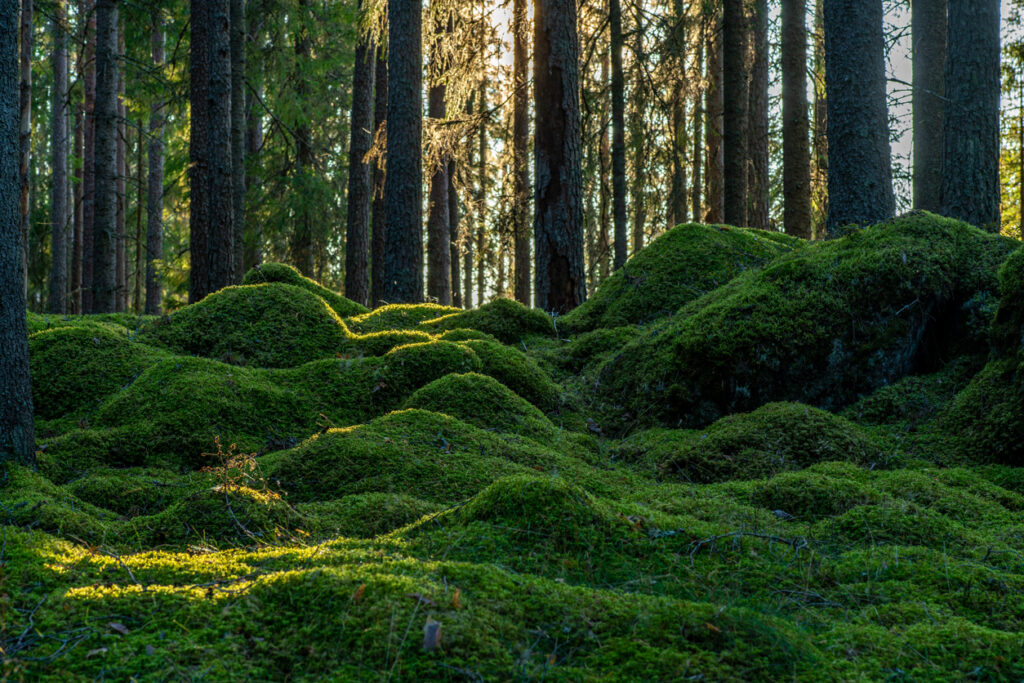
Mosses may not have roots like most plants, but that makes them perfect for soaking up moisture from drizzle. They cling to walls, rocks, and shady patches where rain never seems to dry. Instead of fighting the wetness, moss embraces it. That’s why British gardens, woodlands, and even rooftops are never far from a soft green carpet.
2. Ferns flourish in misty shade.
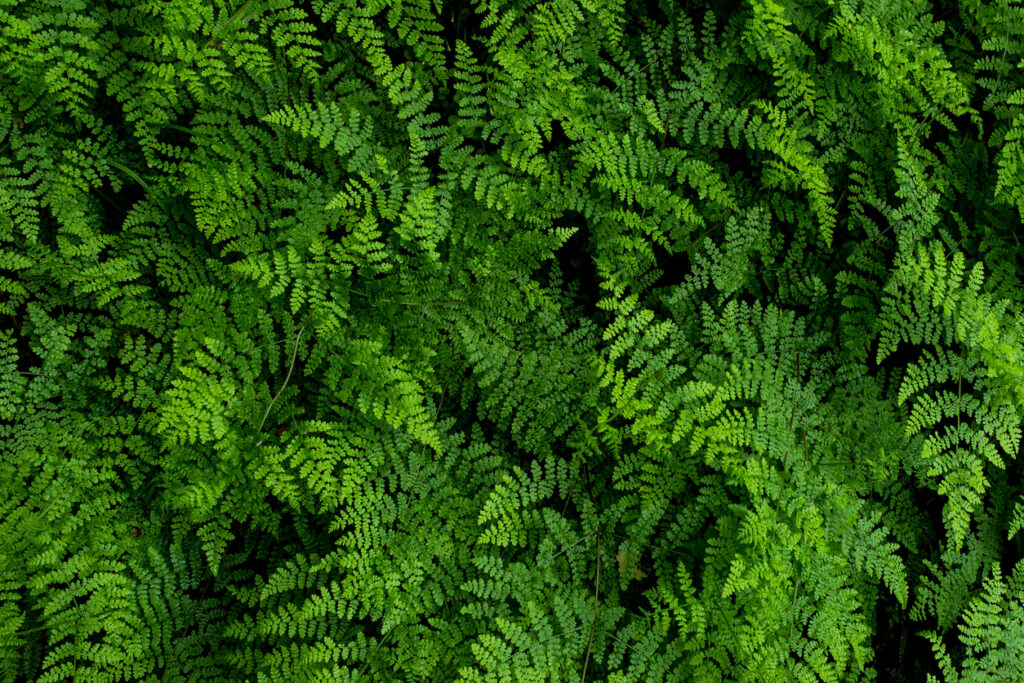
Ferns are masters at drawing in humidity from the air. Their delicate fronds uncurl happily in damp corners, soaking up drizzle without needing direct sunlight. In British forests and gardens, they’re often the plants that make shady, moist areas feel lush. The wetter the air, the more ferns seem to glow.
3. Liverworts sip water straight from the air.
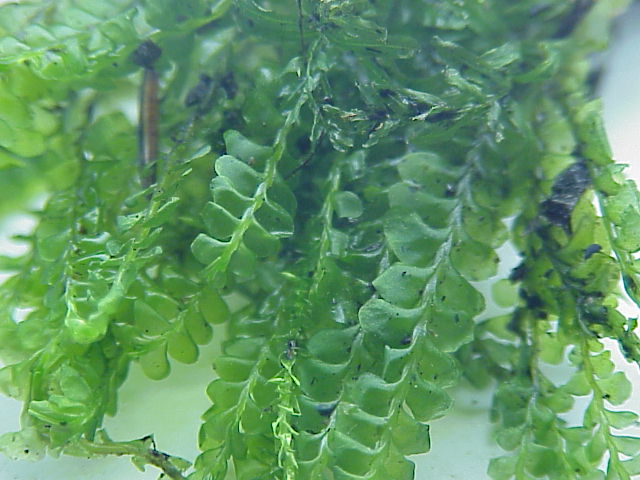
Liverworts are tiny, flat plants that look almost like green scales pressed to rocks or soil. They thrive in constant drizzle because their entire surface absorbs water directly. They often go unnoticed until you realise whole stones or paths are carpeted in them. Without drizzle, they would vanish, but in Britain, they’re everywhere.
4. Heather holds its own in drizzle.
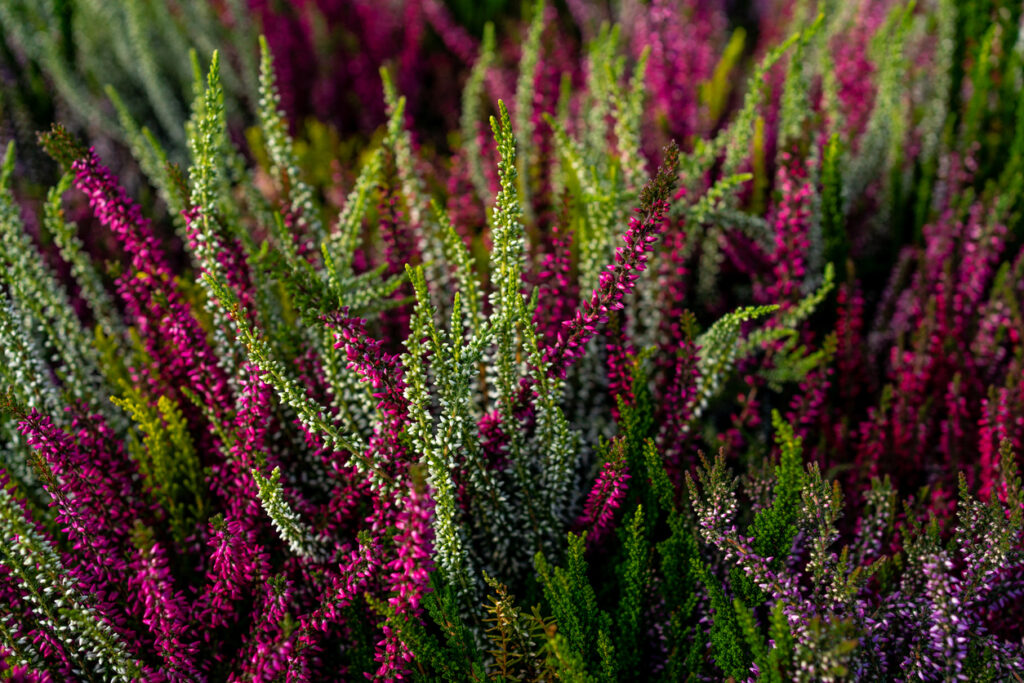
Heather is often associated with windswept moors, but drizzle helps keep it alive. Its small, tough leaves are great at pulling in fine mist when rain is too light to soak the ground. This is why moorlands stay purple and healthy despite poor soil. The plants have learned to use the damp air itself as a steady water source.
5. Ivy takes advantage of humidity.
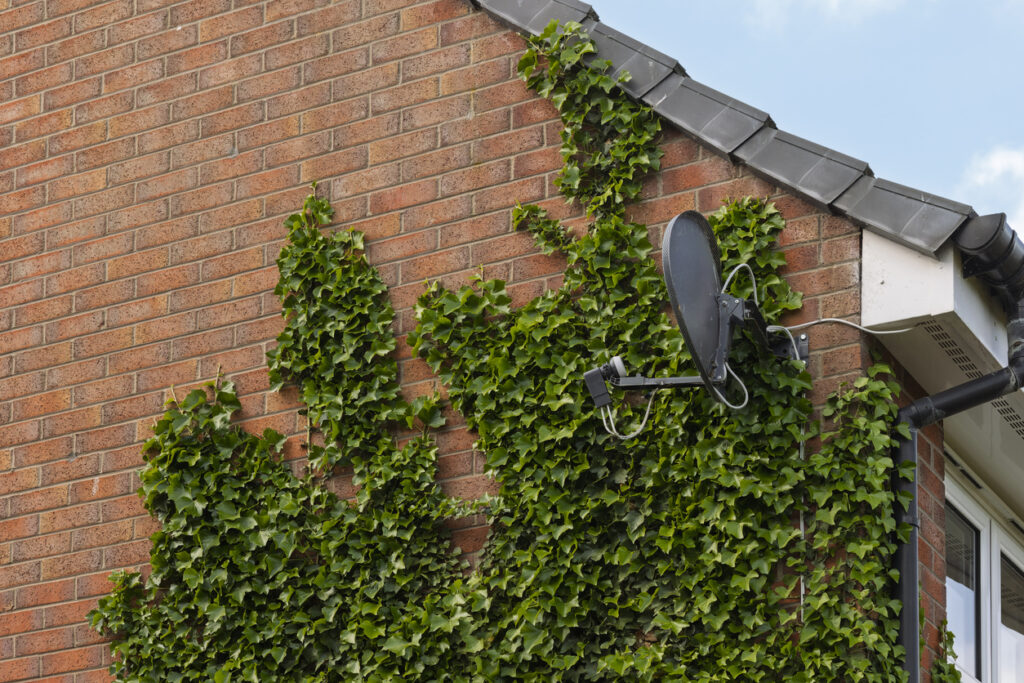
Climbing ivy thrives in Britain partly because it can drink from the atmosphere. Its waxy leaves catch condensation, giving it moisture even when rainfall is patchy. That’s why ivy can survive almost anywhere, from old stone walls to city gardens. Mist gives it the top-up it needs to keep climbing.
6. Bog moss makes its own sponge.
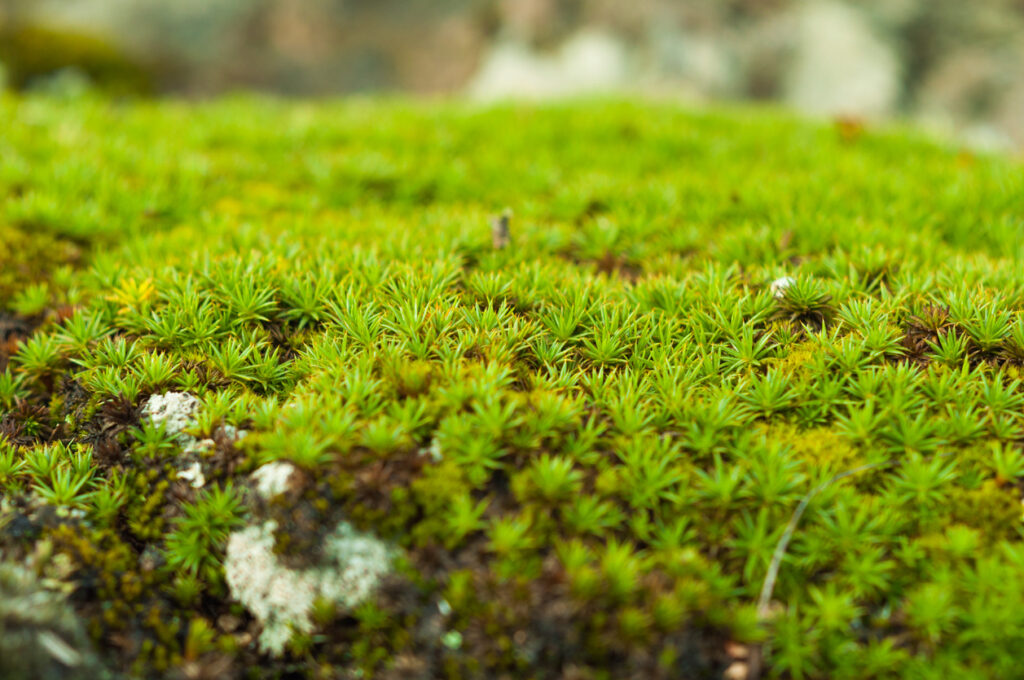
Sphagnum moss, common in boggy areas, has cells that act like sponges. They soak up drizzle, mist, and rain, holding water for weeks at a time. Having that ability is what creates peat bogs. The moss captures so much moisture that entire landscapes stay wet and spongy thanks to its sponge-like trick.
7. Bluebells rely on damp spring air.
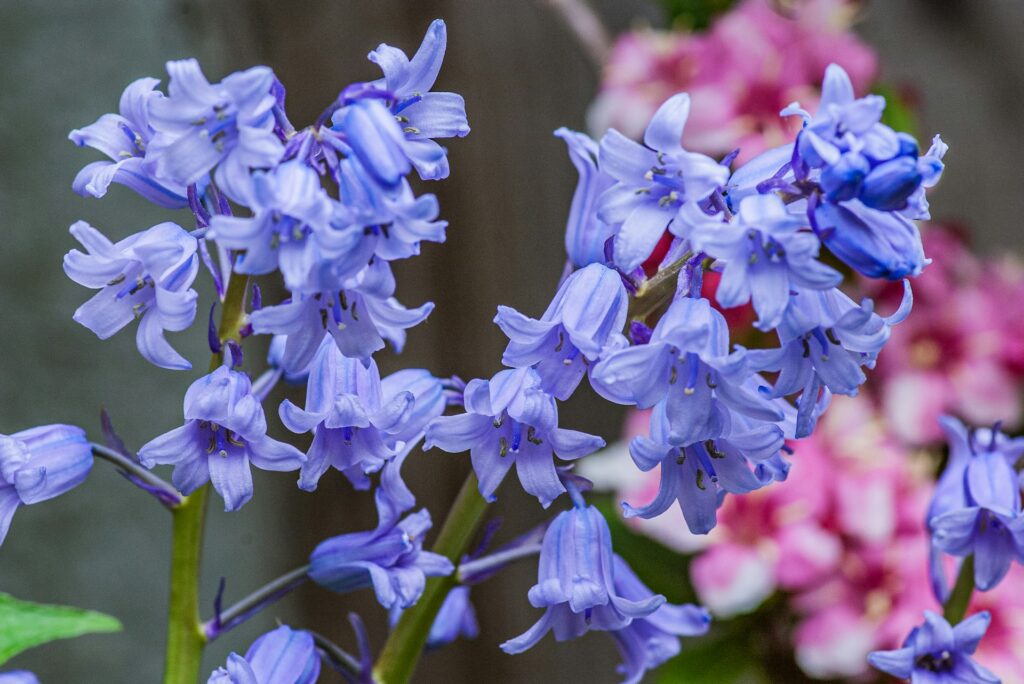
Britain’s iconic bluebells emerge in spring, when the air is often cool and moist. Their thin leaves and bulbs store water from drizzle to power their brief but spectacular bloom. This timing means they take advantage of misty mornings before summer dries things out. Without Britain’s damp springs, bluebell carpets would not be so dazzling.
8. Lichens lap up mist on stone walls.
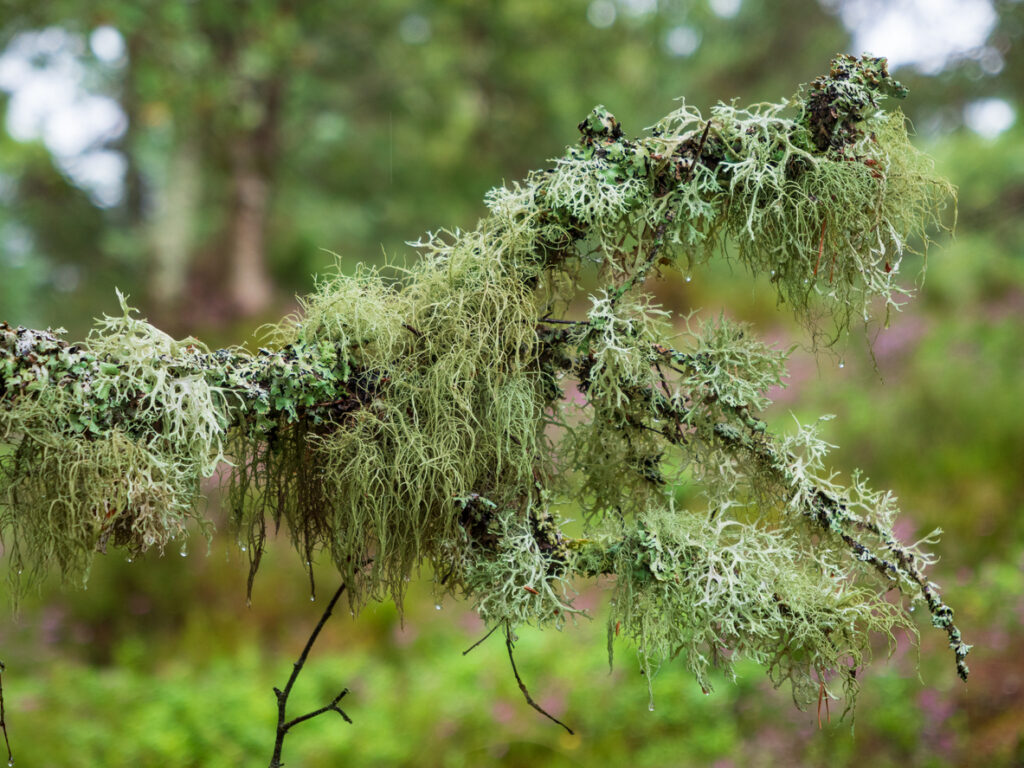
Lichens, those colourful crusts on rocks and walls, are half fungus and half algae. They have no roots, so drizzle and mist are their lifeline. They can survive in harsh, nutrient-poor spots because of this. Every time British air turns damp, lichens quietly drink it in and keep thriving.
9. Primroses perk up in light rain.
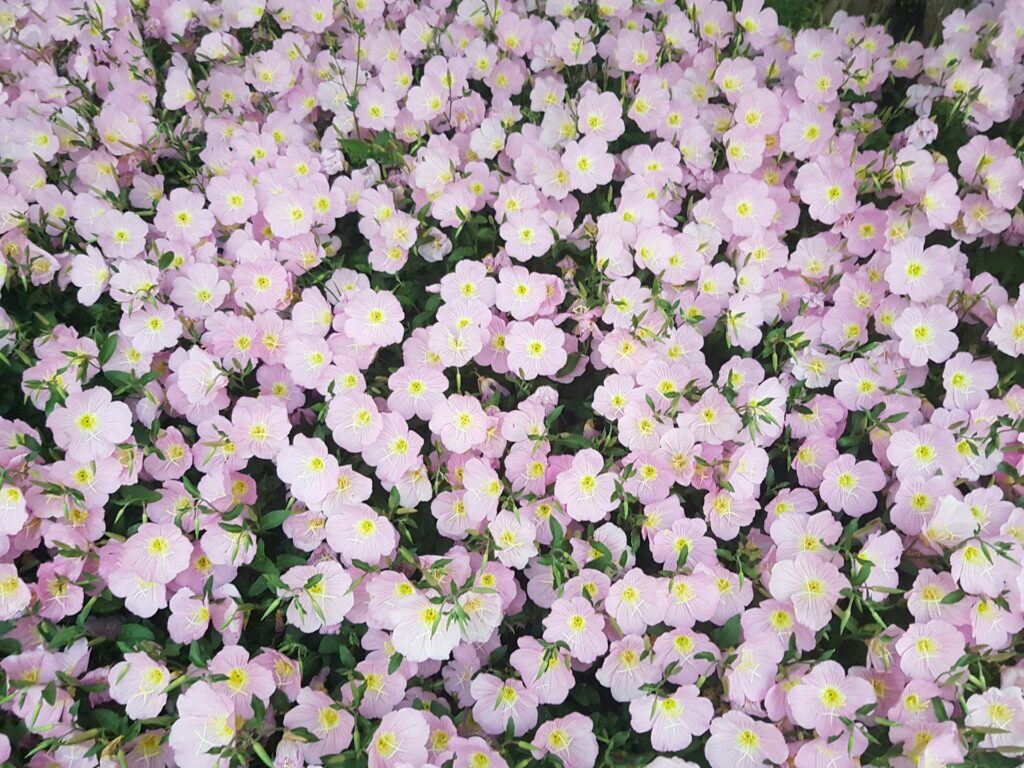
Primroses love the gentle moisture of drizzle. Their soft leaves and delicate flowers flourish in damp, shady corners, soaking up humidity in spring when showers are frequent. They don’t need heavy rainfall to stay vibrant. A steady mist keeps them fresh and bright, decorating woodlands and gardens with cheerful yellow blooms.
10. Foxgloves use drizzle to power tall spikes.

Foxgloves tower in hedgerows and woodland edges, and they’re surprisingly good at pulling moisture from light rain and mist. Their large leaves catch droplets like natural funnels. This helps them grow the tall flower spikes that bees adore. In damp summers, foxgloves grow especially lush, showing just how much drizzle they enjoy.
11. Bracken covers hillsides with help from mist.
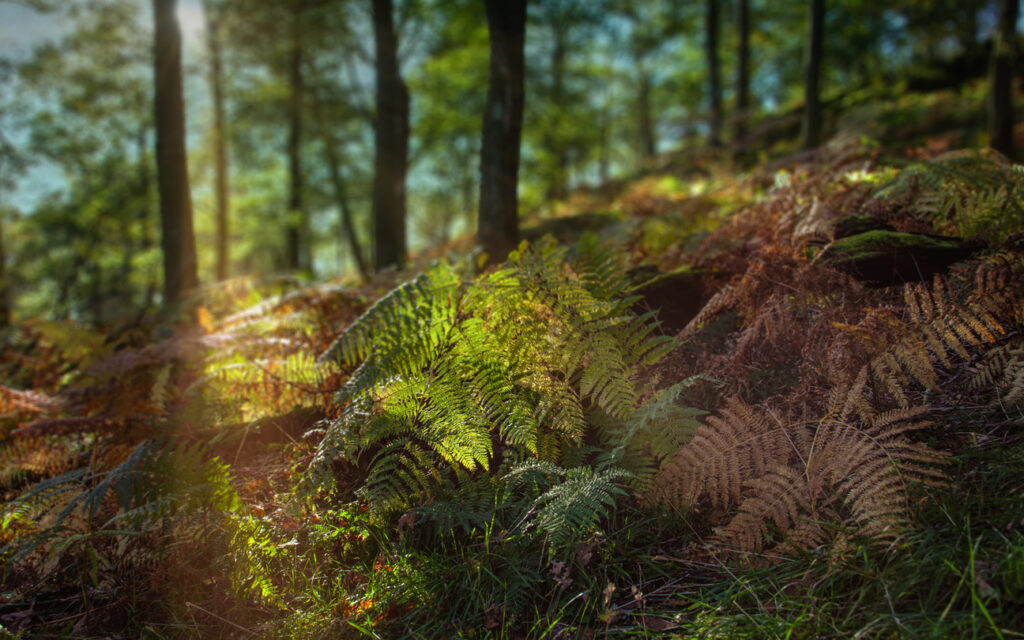
Bracken spreads aggressively in damp climates, and British drizzle gives it the advantage it needs. Its tall fronds are efficient at catching water droplets in the air. This is why hillsides and open moorlands can become seas of bracken. It thrives where the air is moist and steady drizzle keeps it fuelled.
12. Wild strawberries soak up light showers
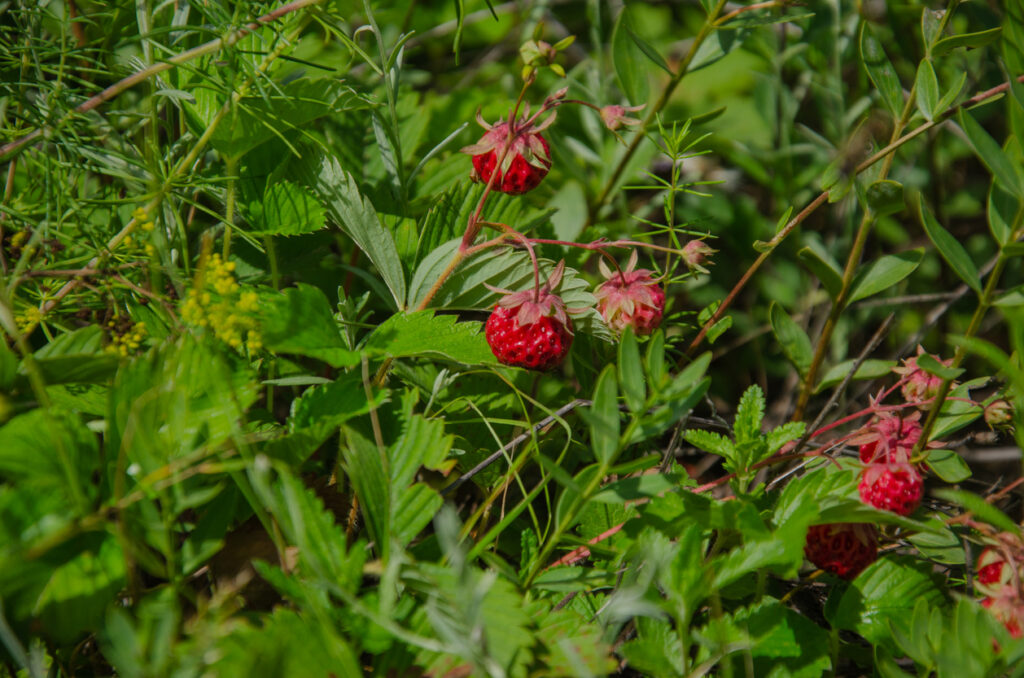
Wild strawberries often grow in woodland edges where mist and drizzle settle. Their small leaves and shallow roots mean they make the most of every droplet of moisture in the air. This habit helps them fruit in conditions that might seem too poor for bigger plants. A little drizzle is often all they need to sweeten their berries.
13. Clover thrives on Britain’s drizzle-fed lawns
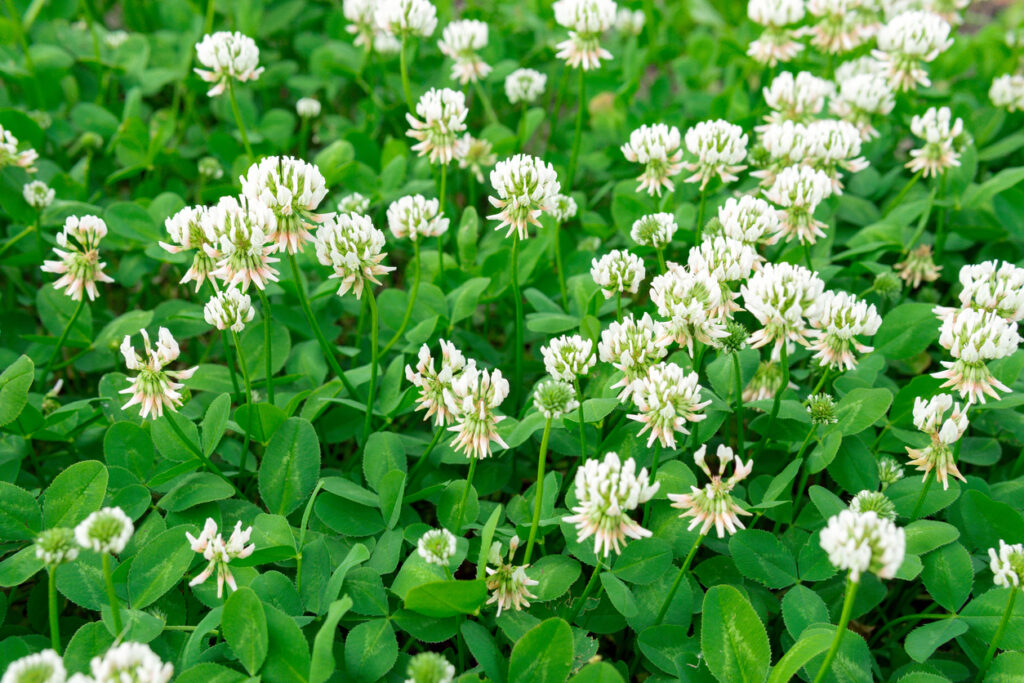
Clover pops up everywhere, from grassy verges to cottage lawns. It flourishes in drizzle because its low, spreading leaves are quick to catch and hold onto droplets. That’s why it can outcompete fussier lawn plants. In the damp British climate, clover always finds a way to stay green and cheerful.
Britain’s mist and drizzle might frustrate holidaymakers, but they’re a gift for certain plants. From mosses and ferns to heather and foxgloves, these species prove that damp air alone can fuel entire ecosystems, and keep the countryside lush.