Most people think gardening’s over once summer ends, but autumn’s actually prime time for planting loads of flowers that’ll transform your garden.
The soil’s still warm, there’s usually plenty of rain, and plants have time to settle in before winter. Plus, you’re setting yourself up for an incredible display next year while everyone else is panic-buying bedding plants at inflated prices. If you want to continue to enjoy beautiful blooms come cooler weather, here are some to get planting.
1. Wallflowers for spring fragrance
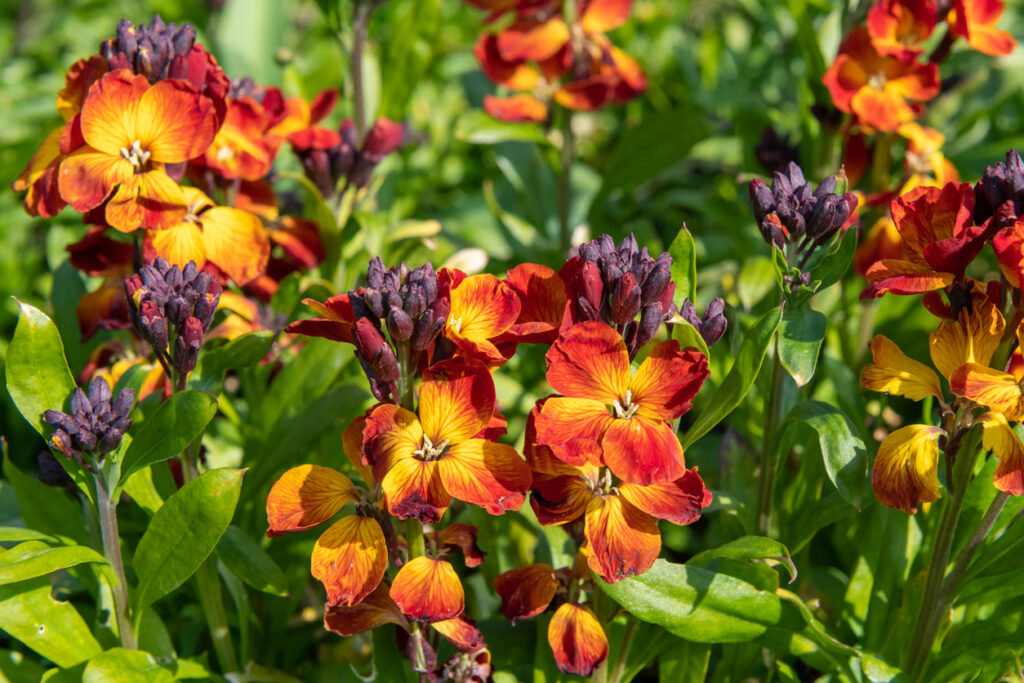
Wallflowers are absolute legends for spring colour and scent, but you need to get them in the ground now while the soil’s still warm. They’ll spend autumn and winter building strong root systems, then explode into flower from March onwards. The fragrance on a warm spring day is unreal, especially if you plant them near paths or windows.
You can buy them as bare-root plants in bundles which is dead cheap, or as small plug plants if you want specific colours. ‘Blood Red’ and ‘Sunset Apricot’ are brilliant varieties, or go for ‘Persian Carpet’ mixed for a proper riot of colours. They actually prefer poor soil, so don’t bother enriching it. Just make sure they’ve got decent drainage, or they’ll rot over winter.
2. Sweet peas need autumn sowing
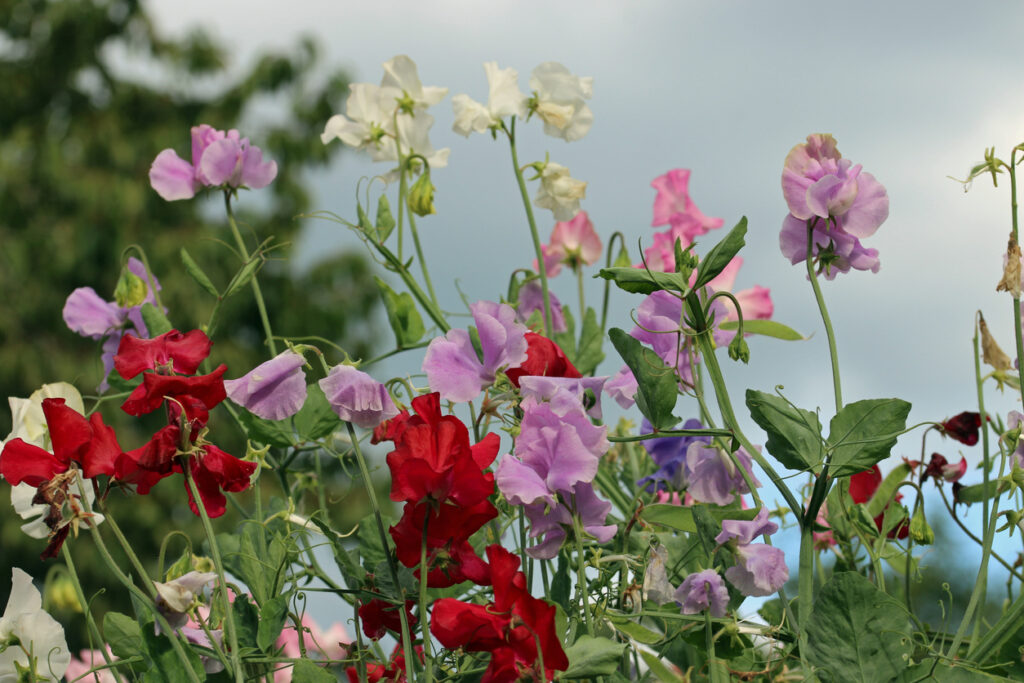
Autumn-sown sweet peas are so much stronger than spring-sown ones. Really, it’s not even close. Sow them now in deep pots or root trainers, and they’ll germinate, grow a bit, then sit there over winter getting tough. Come spring, you’ll have sturdy plants ready to romp away while everyone else is faffing with weak seedlings.
The key is keeping them in a cold frame or unheated greenhouse, somewhere that protects them from the worst weather but keeps them cold enough to develop properly. ‘Matucana’ and ‘Cupani’ are brilliant heritage varieties with incredible scent. Pinch out the tips when they’re about 10 cm tall to encourage bushy growth. Plant them out in March and they’ll be flowering by May.
3. Honesty for magical seed heads
Honesty, or lunaria, is one of those plants everyone should grow at least once. Plant it now, and you’ll get purple or white flowers next spring, but the real magic happens afterwards. Those papery, translucent seed heads that look like silver pennies are absolutely gorgeous in autumn light and brilliant for dried flower arrangements.
It’s biennial, so you’re planting now for flowers in about 18 months, but once you’ve got it established it self-seeds everywhere. The variegated version has cream-splashed leaves that brighten up shady spots even before it flowers. It’s completely unfussy about soil and actually thrives in dry shade where most things struggle.
4. Primulas for early colour
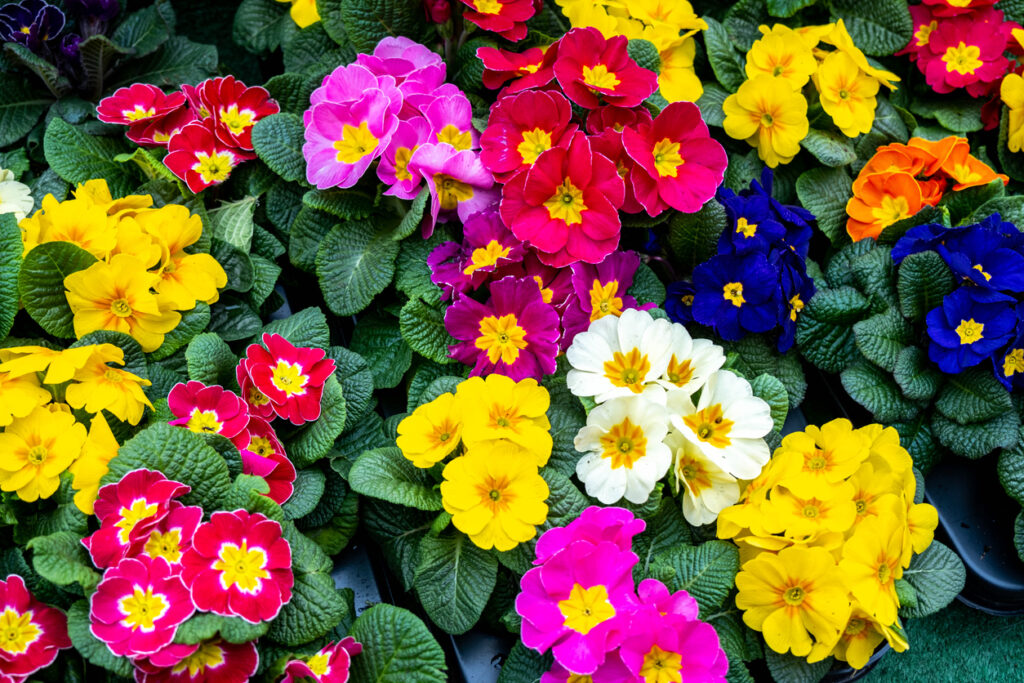
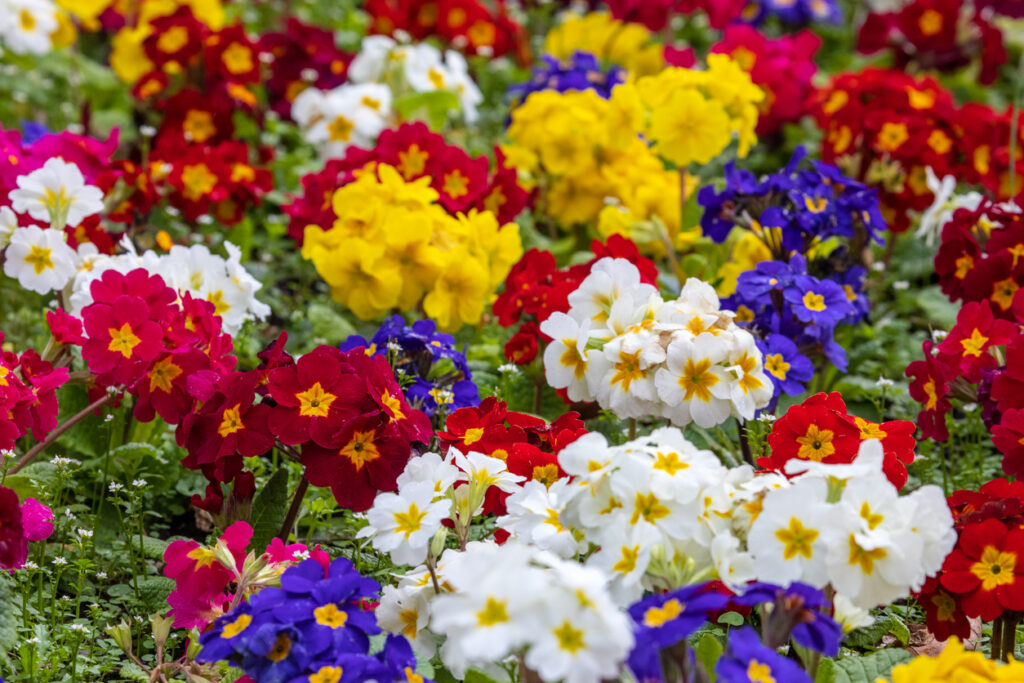
Garden centres are full of primulas in autumn, and there’s a good reason for that. Plant them now, and they’ll often flower sporadically through mild spells in winter, then go absolutely mental in early spring. They’re perfect for filling gaps in borders or adding colour to containers that look miserable after summer bedding’s finished.
Go for proper primroses rather than the massive hybrid polyanthus if you want them to naturalise and spread. The native primrose is tough as nails and will self-seed into places you’d never think to plant them. ‘Wanda’ hybrids are brilliant for intense purple colour, while ‘Gold Laced’ varieties look properly vintage with their dark petals edged in gold.
5. Forget-me-nots create blue carpets
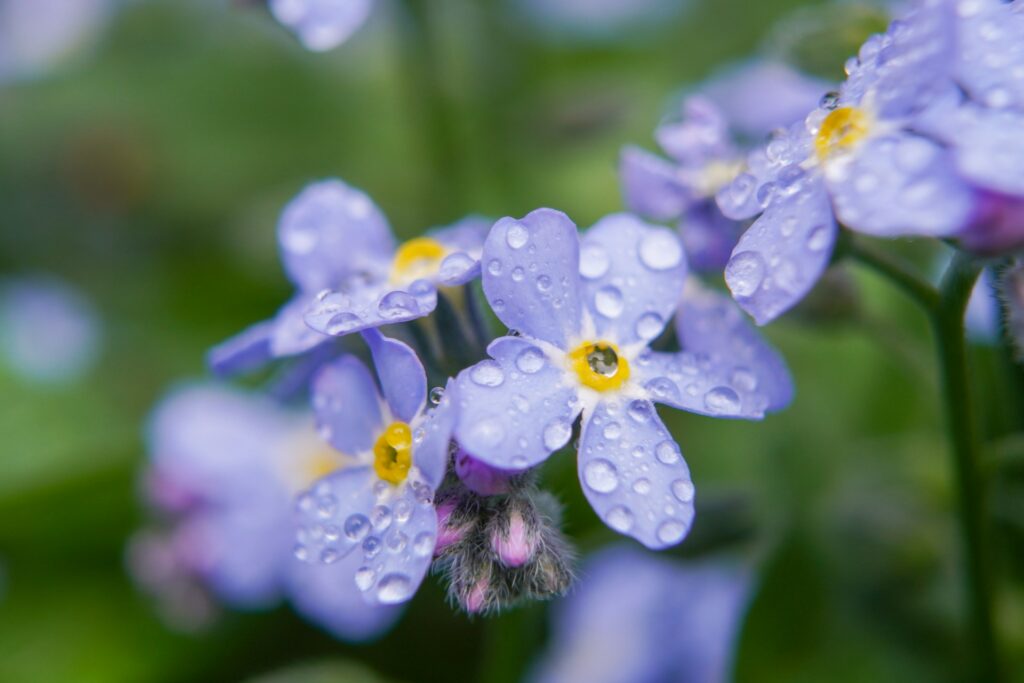
Forget-me-nots are one of those plants that make spring gardens look magical without any effort. Plant them now, and they’ll make neat little rosettes of leaves that sit quietly through winter, then produce clouds of tiny blue flowers from April. They’re brilliant for underplanting tulips or filling gaps between shrubs.
Once you’ve got them, you’ve got them forever because they self-seed enthusiastically. This sounds like it might be annoying, but honestly, they’re so easy to pull up if they appear somewhere you don’t want them. The pink and white varieties are nice, but the classic blue is unbeatable. They’ll grow literally anywhere, even in dry shade.
6. Aquilegias for cottage garden charm
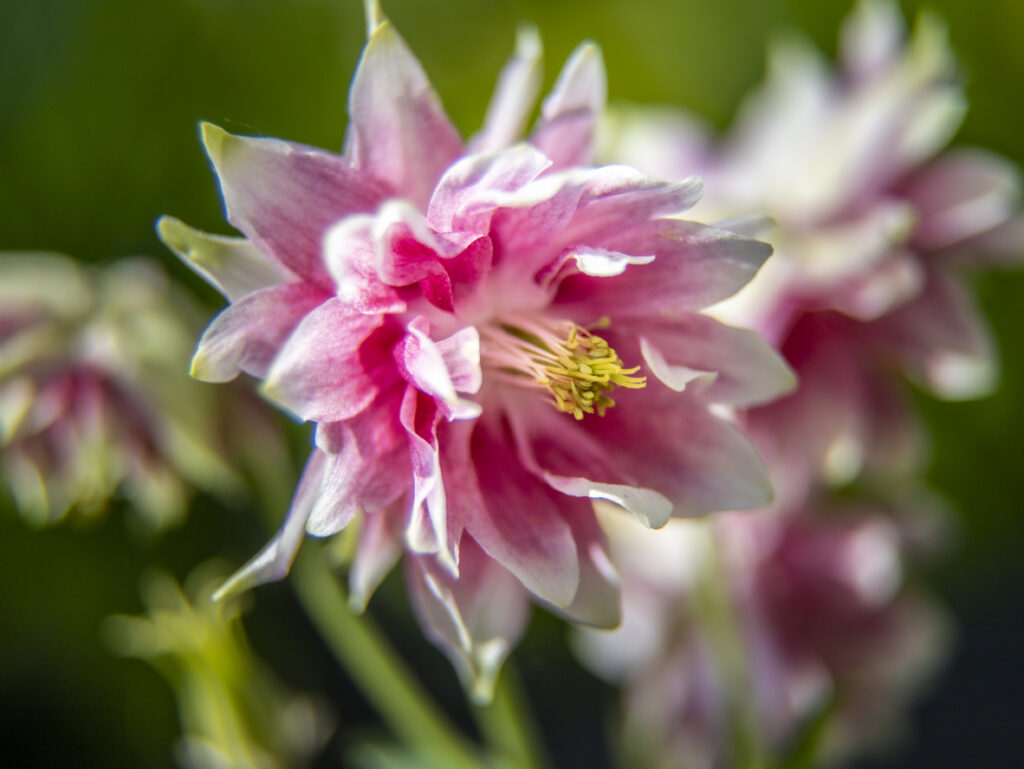
Aquilegias are having a proper moment right now, and autumn’s the perfect time to plant them. They’ll establish over winter and flower like mad from May to July. The flowers look incredibly delicate, but the plants are actually tough as old boots, self-seeding into cracks in paving and thriving on neglect.
‘Nora Barlow’ is a classic with mad, frilly pink and green flowers, while ‘Black Barlow’ has these gothic purple-black blooms that look incredible. The thing about aquilegias is they promiscuously cross-pollinate, so your self-seeded babies will be unique hybrids. Some people hate this, but I think it’s brilliant, like a genetic lottery in your garden.
7. Bellis daisies aren’t basic

Don’t confuse these with lawn daisies. Cultivated bellis are these amazing pompom flowers that come in white, pink, and red, sometimes with quilled petals that look like tiny chrysanthemums. Plant them now for non-stop flowers from February to June. They’re properly hardy and don’t mind cold, wet weather that would finish off pansies.
‘Pomponette’ series are the classic doubles, while ‘Bellissima’ has massive flowers up to 5 cm across. They’re brilliant for edging paths or filling window boxes and hanging baskets for spring. They’ll self-seed a bit but not aggressively, and the seedlings are usually worth keeping. Deadhead regularly and they’ll flower for months.
8. Foxgloves for dramatic verticals

Foxgloves planted now will give you massive spires of flowers next June. They’re biennials, so you’re playing the long game, but the payoff is worth it. Nothing else gives you that kind of height and drama in shade, and bees go absolutely mental for them. The native purple is stunning, but there are white, apricot, and deep purple varieties too.
‘Sutton’s Apricot’ is gorgeous if you want something different, while ‘Pam’s Choice’ has white flowers with purple speckled throats. Plant them at the back of borders or let them self-seed through a woodland garden. Just remember they’re poisonous, so maybe avoid if you’ve got kids who eat random plants.
9. Winter pansies for instant impact
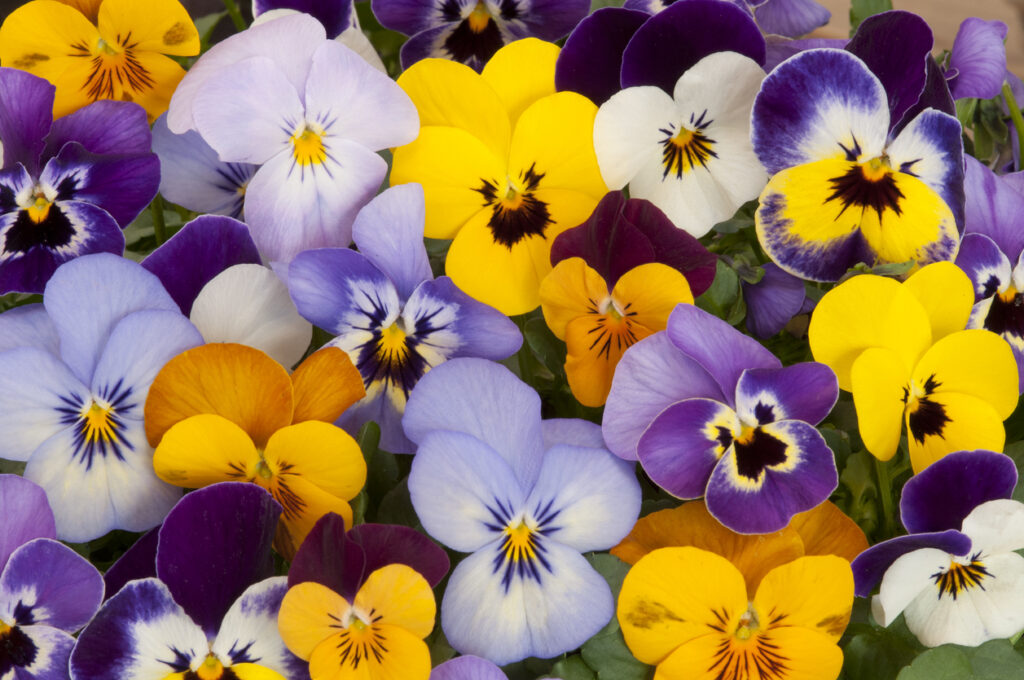
Winter pansies are basically the only bedding plants worth buying in autumn. They’ll flower right through winter whenever the temperature gets above freezing, which near the coast is most days. They’re brilliant for containers, hanging baskets, or filling gaps where summer annuals have finished.
The ‘Matrix’ and ‘Universal’ series are properly tough and come in loads of colours. ‘Ultima Morpho’ is this incredible blue and yellow combination that looks like butterfly wings. Plant them with spring bulbs, and they’ll provide colour while you’re waiting for the bulbs to appear. They’re not subtle, but sometimes you just need cheerful colours in February.
10. Hesperis for evening perfume
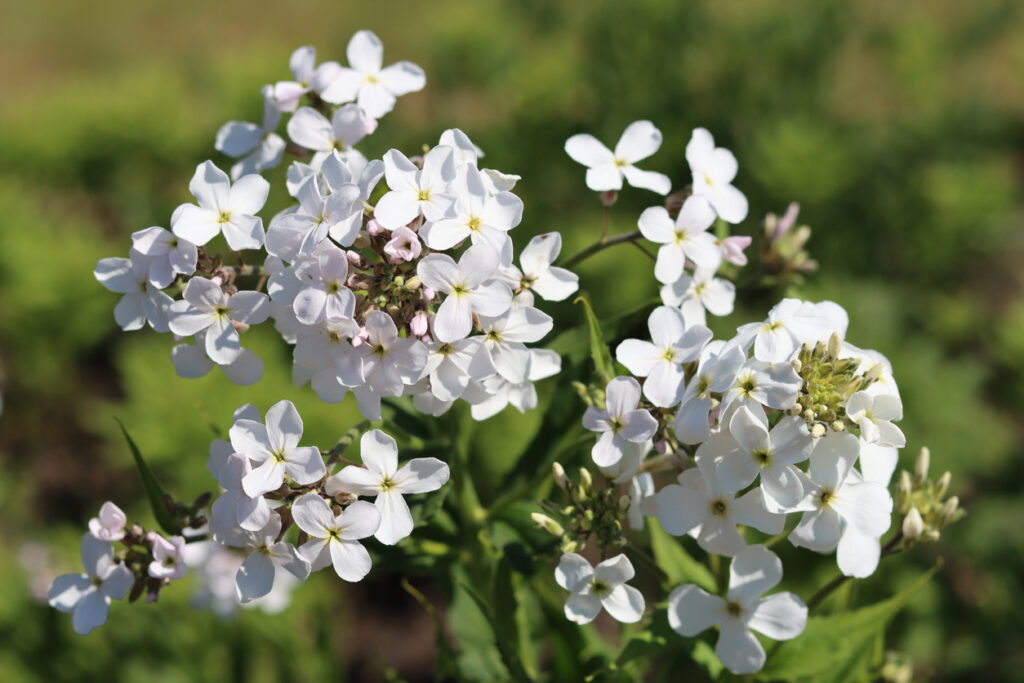
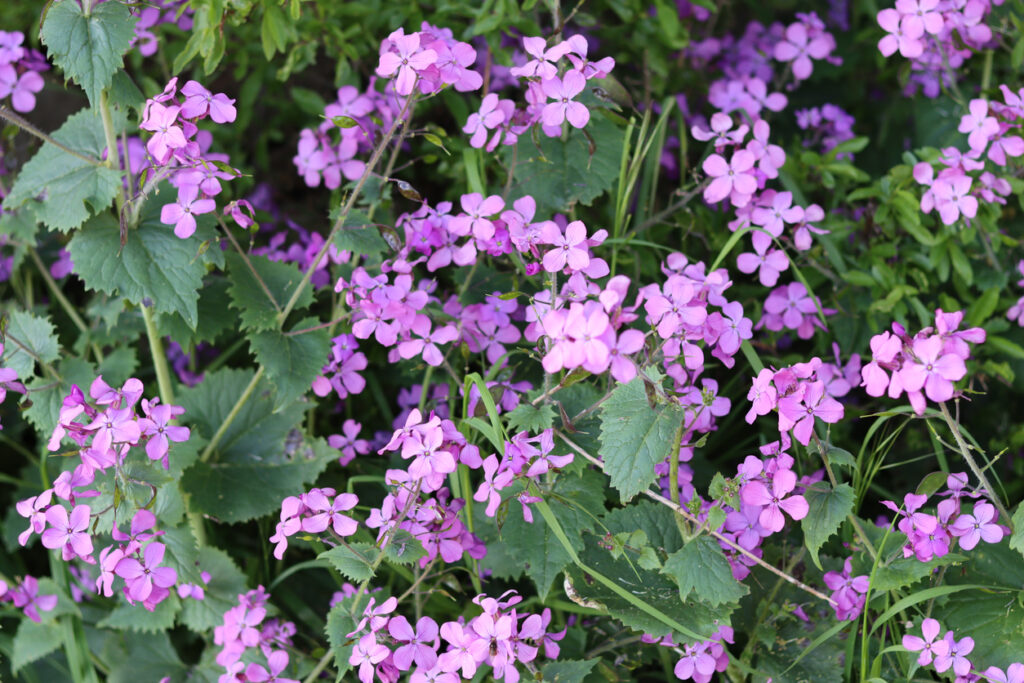
Sweet rocket, or hesperis, is one of those old cottage garden plants that deserves a comeback. Plant it now, and you’ll get tall stems of white or purple flowers next May that smell incredible in the evening. It’s like having night-scented stocks, but earlier in the year and much less faff.
It’s technically a short-lived perennial but treats itself like a biennial, self-seeding around if it’s happy. The white form looks amazing in evening light, practically glowing at dusk. It’s brilliant for wild-style gardens and doesn’t need rich soil. Actually prefers it a bit rough, which makes it perfect for new gardens where the soil’s still rubbish.