Let’s be honest: when someone says naturalist, you probably picture David Attenborough crouching in bushes or some Victorian collector with a butterfly net.
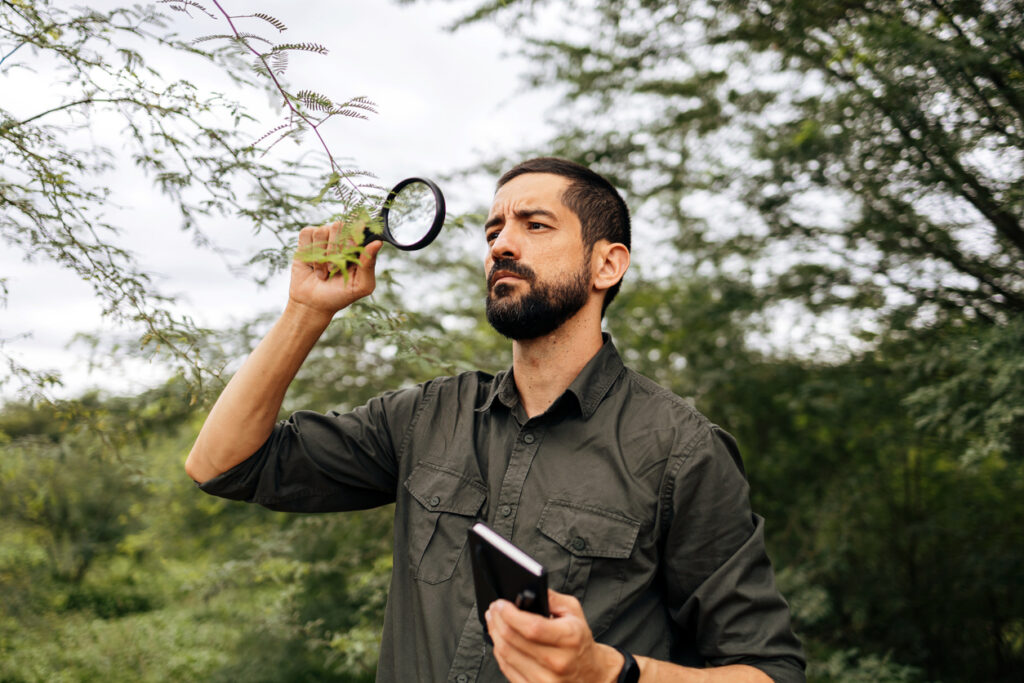
Sure, the image fits for some people, but that’s more of an outdated stereotype than anything else. In fact, being a naturalist today is way more diverse and accessible than that outdated image suggests. It’s basically about being properly curious about the beauty and wonder of the natural world around you.
The basic definition of a naturalist
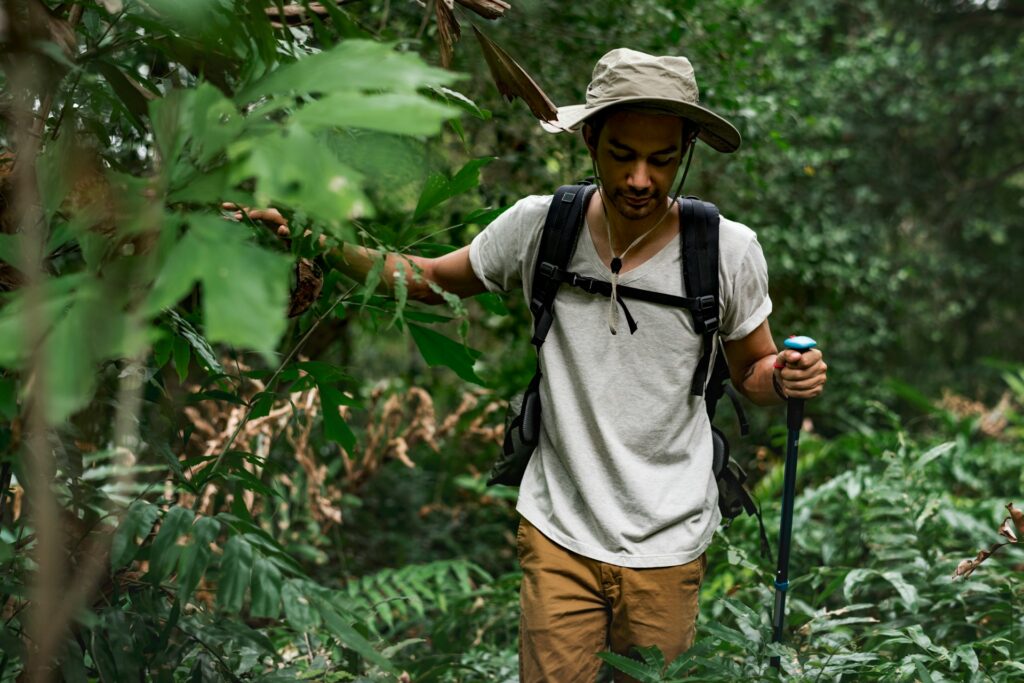
A naturalist is someone who studies and observes nature, but not necessarily in a lab coat or with a PhD. They’re people who pay attention to the living world, whether that’s birds in their back garden or fungi in the local park. You don’t need fancy qualifications, just genuine interest and the willingness to actually look at what’s around you.
It’s really about developing a relationship with nature through observation and understanding. Naturalists learn to recognise patterns, identify species, and understand how different parts of ecosystems connect. They’re the people who notice when the swifts arrive in summer, or can tell you why certain mushrooms only appear after rain.
What naturalists actually do
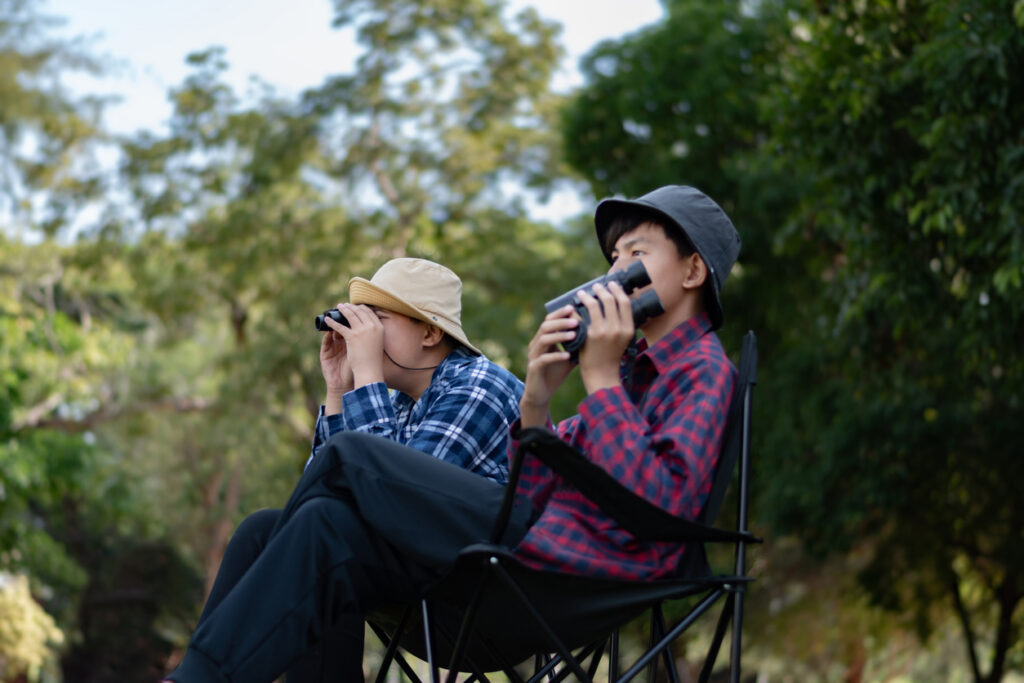
Modern naturalists do loads of different things depending on their interests. Some focus on recording wildlife sightings for conservation databases, while others might specialise in photographing insects or tracking seasonal changes in their local patch. It’s not all wandering through meadows with a notebook, though that’s definitely still a thing.
Lots of naturalists contribute to citizen science projects, using apps to log their observations and help scientists track everything from butterfly populations to flowering times. Others might lead nature walks, write blogs about their local wildlife, or help with habitat restoration projects. The variety’s massive and you can basically make it whatever suits you.
The difference from other nature jobs
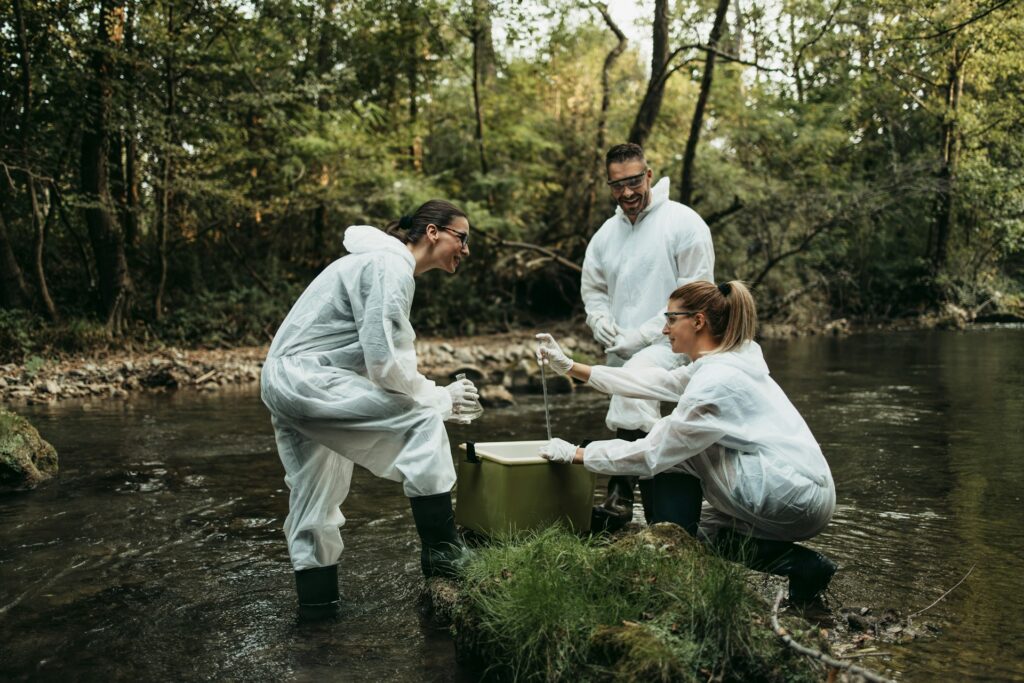
Ecologists and conservation biologists usually need specific degrees and work in formal research or management roles, but naturalists can be anyone. Sure, some are professional scientists, but many are enthusiasts who’ve built their knowledge through years of personal observation and self-directed learning.
Naturalists tend to have broader interests than specialists, too. Where an ornithologist focuses specifically on birds, a naturalist might know a bit about birds, plants, insects, and fungi. They’re generalists who understand how everything fits together rather than drilling deep into one narrow field.
Skills that actually matter

Observation is the main skill, and I mean proper observation, not just glancing at stuff. It’s about noticing details like how a bird moves, what plants grow together, or how landscapes change through the seasons. You develop what’s basically pattern recognition for nature.
Recording what you see is crucial too. Whether that’s sketching, photography, or just writing notes on your phone, keeping track of observations helps you build knowledge over time. You start noticing trends and connections you’d miss otherwise. Plus, those records might actually be useful for conservation work.
Technology meets tradition
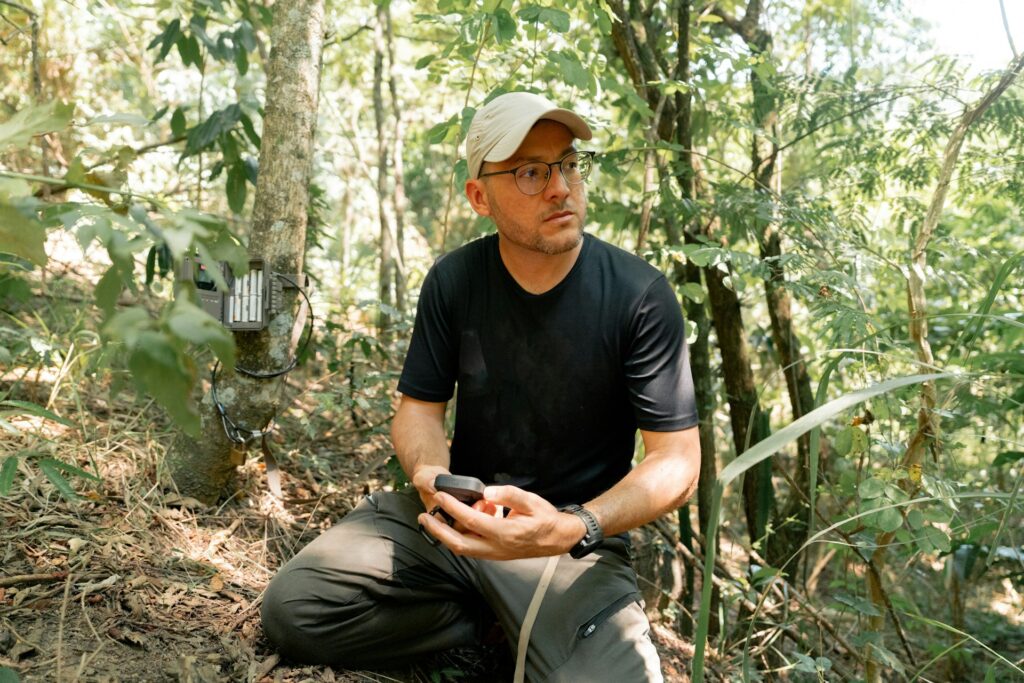
Today’s naturalists have tools Victorian naturalists could only dream about. Apps like iNaturalist or Seek can identify species from photos, while sound recording apps help identify birds by their songs. GPS mapping, digital cameras, and online communities have completely transformed how naturalists work and share information.
But traditional skills still matter loads. Being able to use field guides, understanding habitat preferences, and knowing what to look for at different times of year are timeless skills. The best naturalists combine both approaches, using tech to enhance rather than replace proper fieldcraft.
Urban naturalists are a thing
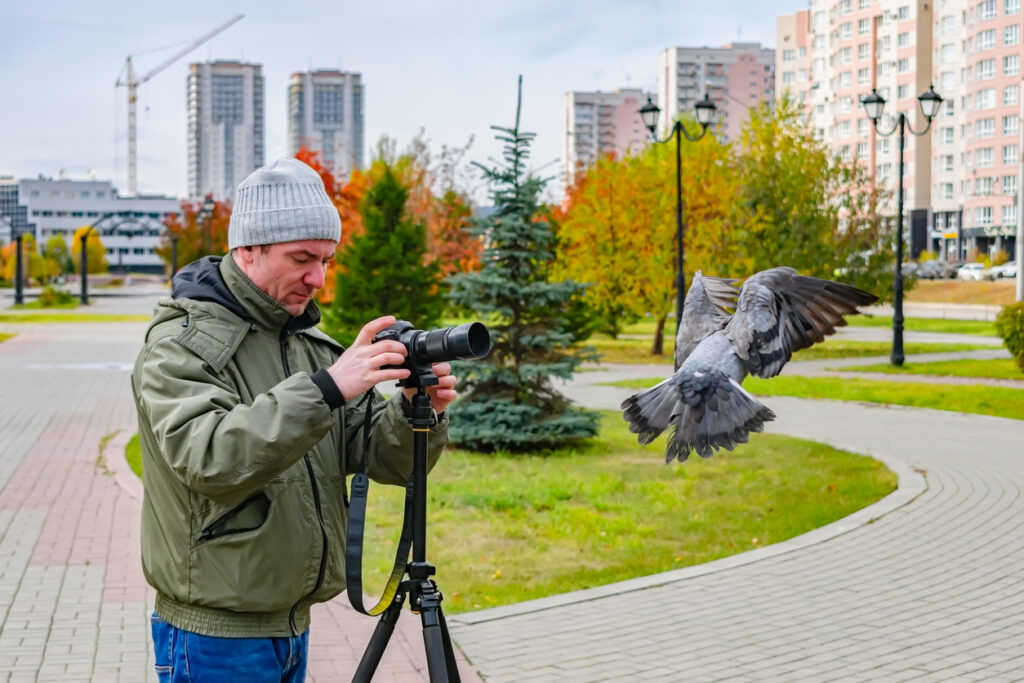
You don’t need to live in the countryside or travel to exotic locations to be a naturalist. Cities are full of wildlife if you know where to look. Urban naturalists study everything from peregrine falcons nesting on office buildings to the wild plants growing through pavement cracks.
Actually, urban nature’s often more interesting because it’s adapting to human environments in real time. Foxes changing their behaviour, plants colonising new spaces, and birds adjusting their songs to be heard over traffic. There’s proper science happening in city parks and wasteland.
The social side nobody talks about
Being a naturalist doesn’t mean wandering alone all the time. There’s a massive community aspect, from local wildlife groups to online forums where people share sightings and help with identifications. Social media’s created global communities of naturalists sharing discoveries instantly.
Local natural history societies might sound old-fashioned, but they’re often brilliant for learning. You get to hang out with people who know absolutely loads about specific topics and are usually desperate to share that knowledge. Plus, group surveys and bioblitzes are actually really fun ways to learn while contributing to conservation.
Career paths that exist
While plenty of naturalists keep it as a hobby, there are actual jobs if you want to make it professional. Environmental education, wildlife surveying, ranger work, and ecological consultancy all value naturalist skills. Museums and wildlife organisations need people who can identify species and understand ecosystems.
Science communication’s another route. If you can explain why slime moulds are fascinating or get people excited about moths, there’s work in writing, broadcasting, or leading wildlife experiences. The key is combining naturalist knowledge with other skills like communication, photography, or education.
Starting points for beginners
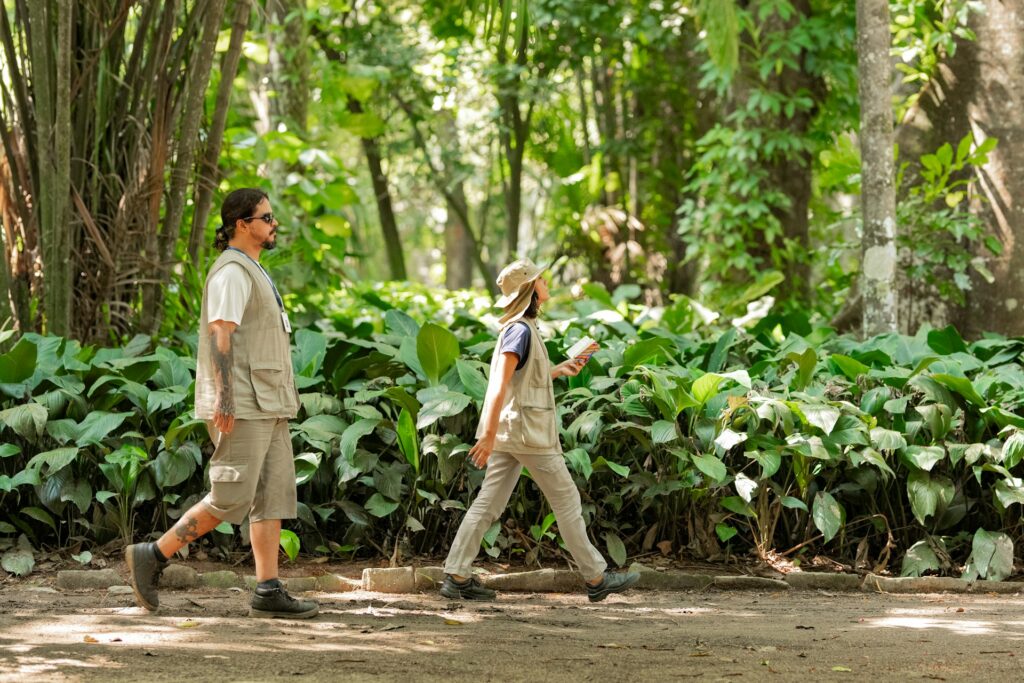
You literally just start by paying attention to what’s around you. Pick something you see regularly, maybe birds at your feeder or trees on your street, and learn to identify them. Use apps, books, or online guides, but the main thing is to actually spend time observing.
Join local groups or online communities where you can ask questions without feeling stupid. Everyone started knowing nothing, and most naturalists love helping beginners. Start a nature journal or use iNaturalist to record what you see. The progression from knowing nothing to recognising common species happens faster than you’d think.
The conservation connection

Naturalists provide seriously valuable data for conservation. Those casual observations logged on apps or submitted to recording schemes help track population changes, disease spread, and climate change impacts. You might think noting down that you saw a butterfly doesn’t matter, but combined with thousands of other records, it really does.
Many conservation victories have come from naturalists noticing changes and raising alarms. They’re often the first to spot declining species or new invasive ones. By knowing what should be there, naturalists can identify when something’s wrong and push for action.
Specialist interests that get weird
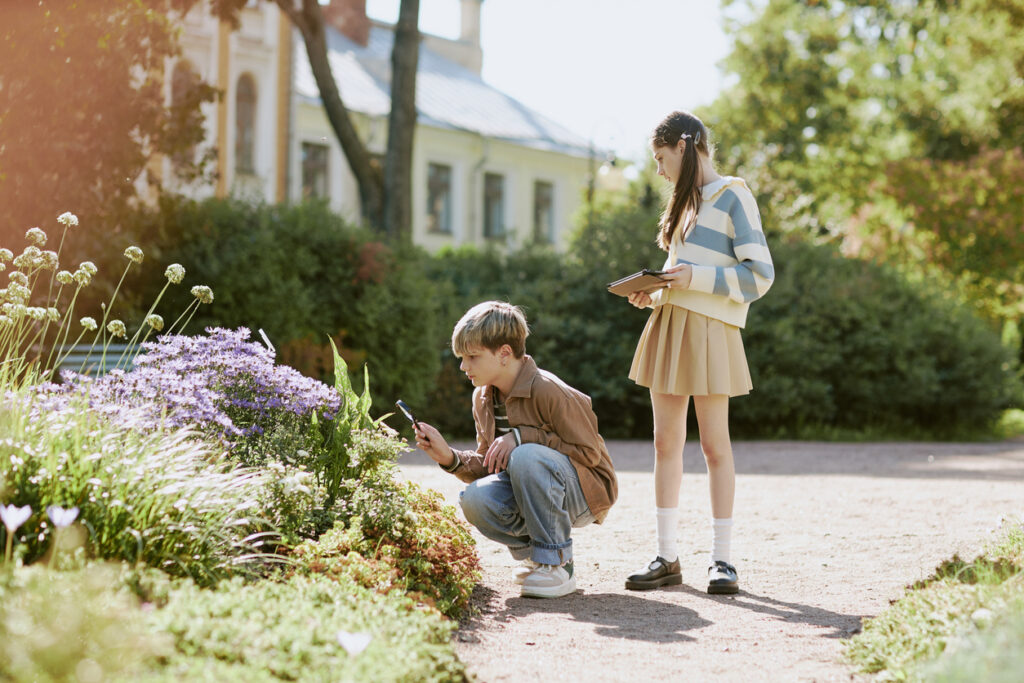
Once you get into it, naturalists often develop pretty niche interests. Someone might become obsessed with galls (weird growths on plants caused by wasps), or spend weekends looking for slime moulds, or learn to identify moths by their genitalia. Yes, that’s a real thing.
These specialisms might sound bizarre, but they’re where really important discoveries happen. Amateur naturalists regularly find species new to science or rediscover ones thought extinct. The weirder the interest, the more likely you are to be one of only a few people paying attention to that thing.
Mental health benefits nobody mentions
Being a naturalist basically forces you to slow down and pay attention, which is essentially mindfulness without the meditation app subscription. Regular nature observation reduces stress and anxiety, partly because you’re outside, but also because it moves your focus from human dramas to bigger patterns.
There’s something properly grounding about understanding seasonal cycles and ecological processes. Your problems feel different when you’re watching birds building nests or fungi decomposing logs. It provides perspective and connection that’s hard to get from screens.
Why we need more naturalists
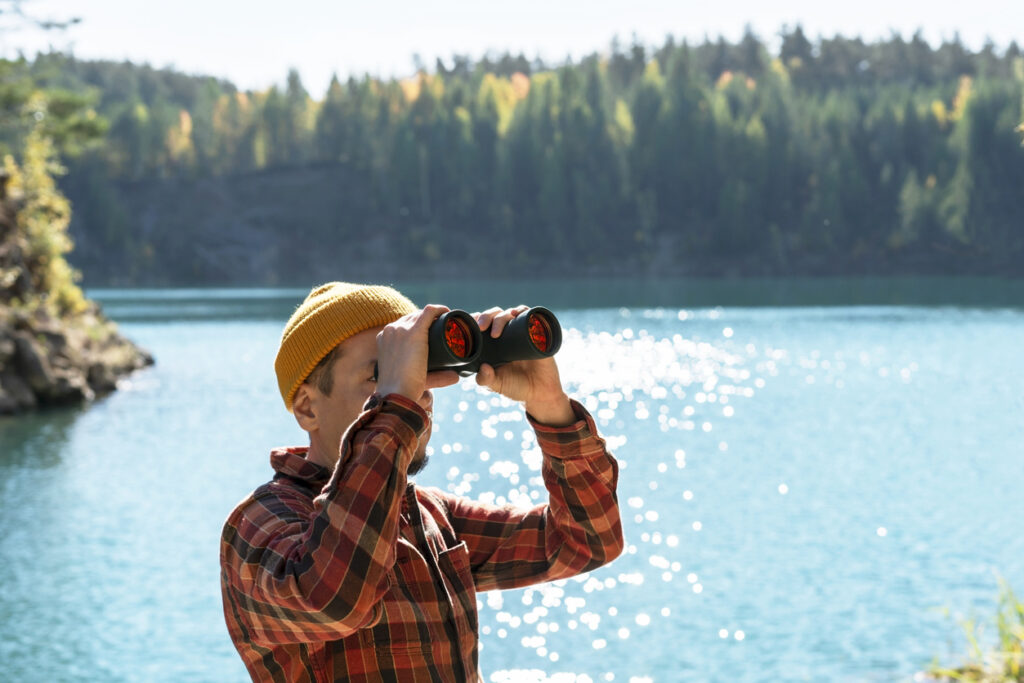
Biodiversity’s crashing and climate change is reshaping ecosystems, but we don’t have nearly enough people monitoring what’s happening. Professional scientists can’t be everywhere, which is why naturalist observations are becoming more crucial for understanding and responding to environmental changes.
Plus, naturalists become advocates for nature because they actually know what they’re defending. You can’t protect what you don’t understand, and naturalists bridge the gap between scientific knowledge and public awareness. The more people who know that those “boring brown birds” are actually five different species with fascinating behaviours, the better chance we have of protecting them.