Never mind physical fights and venomous bites—some animals have figured out that the best way to win is to completely mess with their enemies’ heads.
These creatures use fear, deception, and proper mind games that would make military strategists jealous. Nature’s psychological warfare is honestly more sophisticated than most human tactics, and honestly, it’s pretty impressive to witness, not to mention slightly freaky! Here are some of the animals that have figured out how to outsmart even the most intimidating opponents.
1. Killdeer fake devastating injuries.
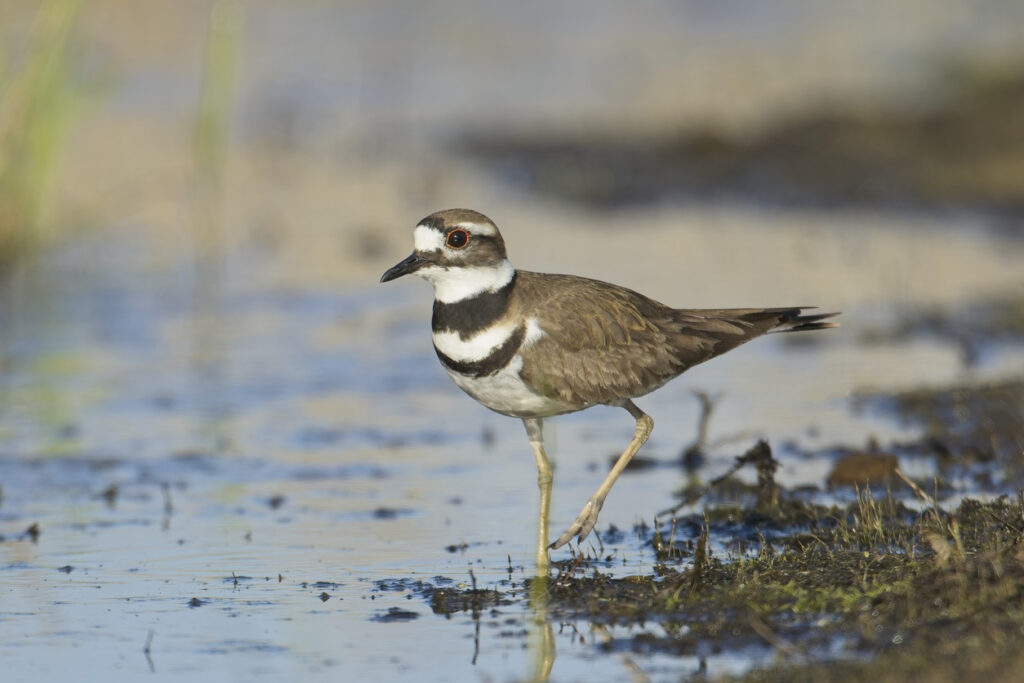
Killdeer are absolute masters of emotional manipulation. When a predator gets near their nest, they’ll drag themselves along the ground, letting one wing hang uselessly whilst crying out in fake distress. They look properly injured, like they’re about to die, and predators can’t resist what seems like an easy meal.
The performance is Oscar-worthy too. They’ll adjust how dramatic they act based on the threat level, sometimes adding trembling and desperate flapping to really sell it. Once they’ve led the predator far enough from the nest, they suddenly “recover” and fly off, leaving the hunter looking like a complete muppet. They’re basically gaslighting predators into thinking they’ve found dinner.
2. Cuttlefish hypnotise with moving patterns.
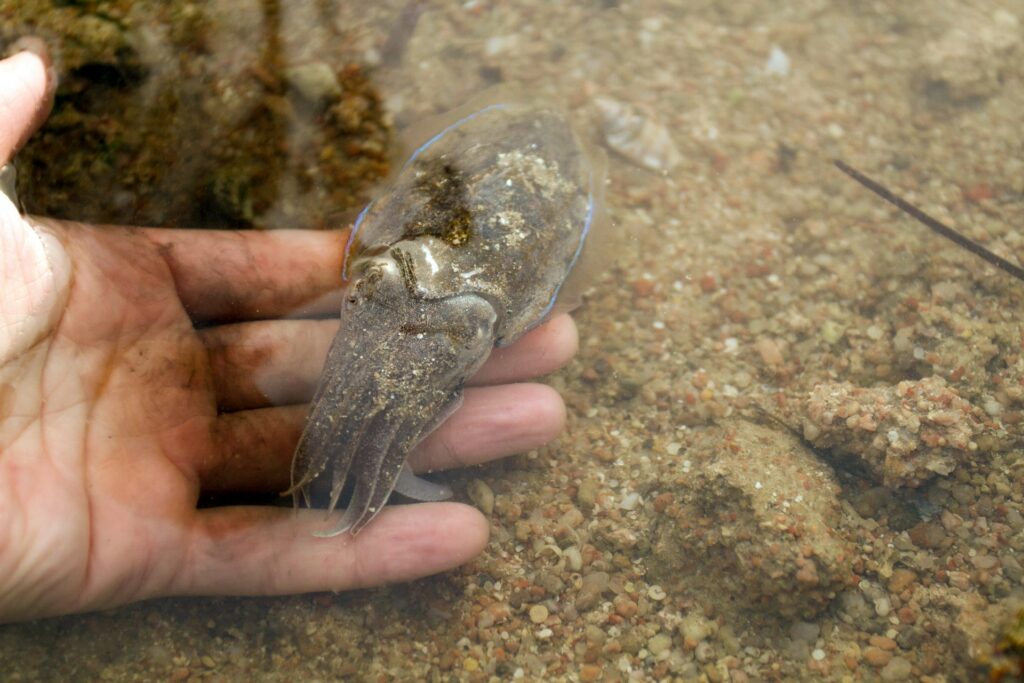
Cuttlefish have turned their skin into a psychological weapon that can literally hypnotise prey. They create these pulsing, moving patterns across their bodies that look like rippling zebra stripes flowing in waves. Small fish and crabs become so mesmerised by the display they don’t notice the cuttlefish creeping closer until it’s too late.
Scientists reckon these patterns overload the prey’s visual system, basically causing a kind of paralysis through sensory confusion. The cuttlefish adjusts the speed and intensity of the patterns based on what works best for each type of prey. It’s weaponised confusion that makes their victims’ brains essentially freeze up whilst they become lunch.
3. Ravens hold grudges and spread rumours.
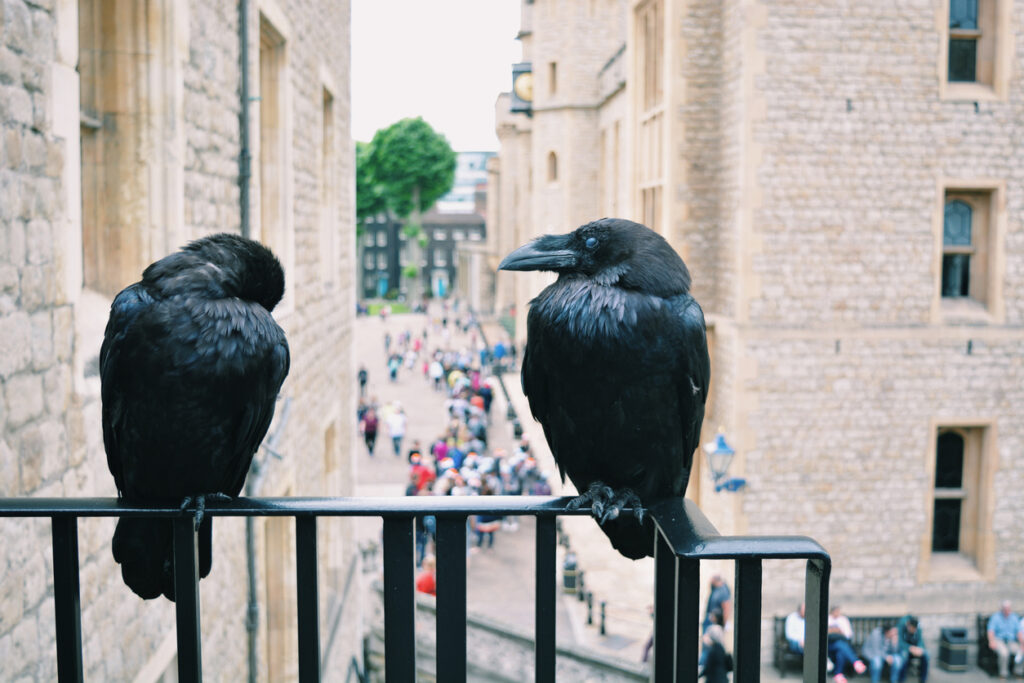
Ravens remember faces of humans who’ve wronged them for years and actually tell other ravens about these dangerous people. If you annoy one raven, you’ve basically got a wanted poster out on you in the corvid community. They’ll mob you, follow you, and make your life miserable every time you’re in their territory.
What’s properly mental is they pass this information to their offspring and other ravens who’ve never even met you. Researchers have documented ravens harassing specific people for over five years after a single negative interaction. They’re running a multigenerational vendetta system based on shared intelligence about threats. It’s basically organised psychological terrorism.
4. Zorilla skunks announce themselves loudly.
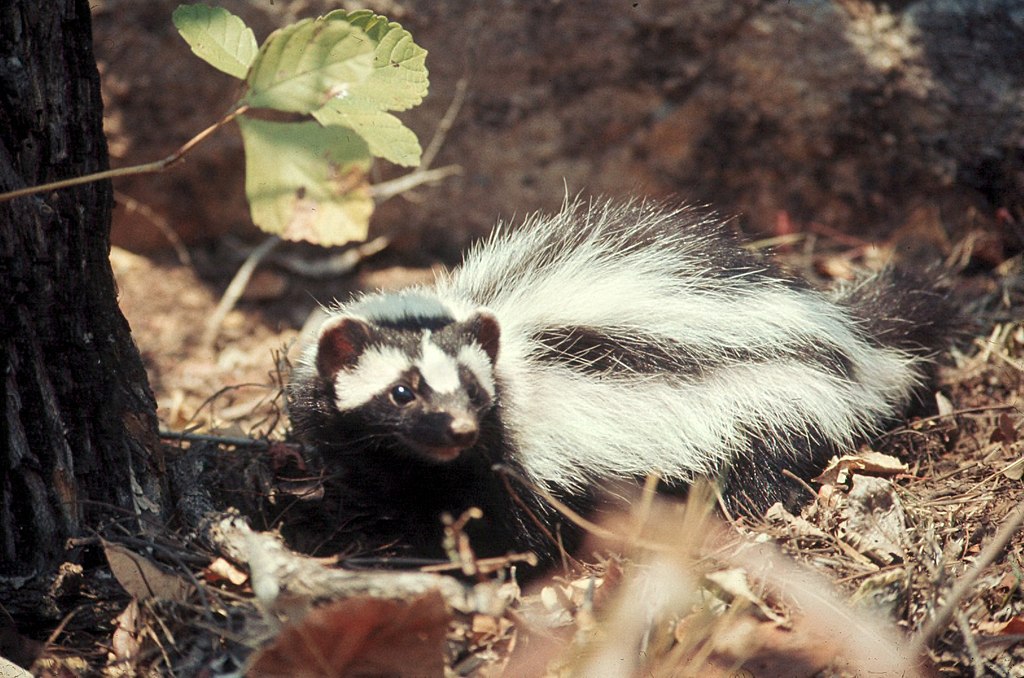
Zorillas, African relatives of skunks, use pure intimidation before they even need to spray. They’ll do this aggressive display where they puff up, raise their tails, and make these loud threatening noises that basically translate to “I will make you regret existing.” Most predators back off immediately because they know what’s coming.
Their reputation is so effective that just seeing their black and white colouring makes predators think twice. They’ve weaponised their own PR to the point where they rarely need to actually spray. Young predators learn from watching others that messing with a zorilla is a bad move, you’ll stink for weeks and every animal will know you’re an idiot.
5. Margay cats mimic baby monkey distress calls.
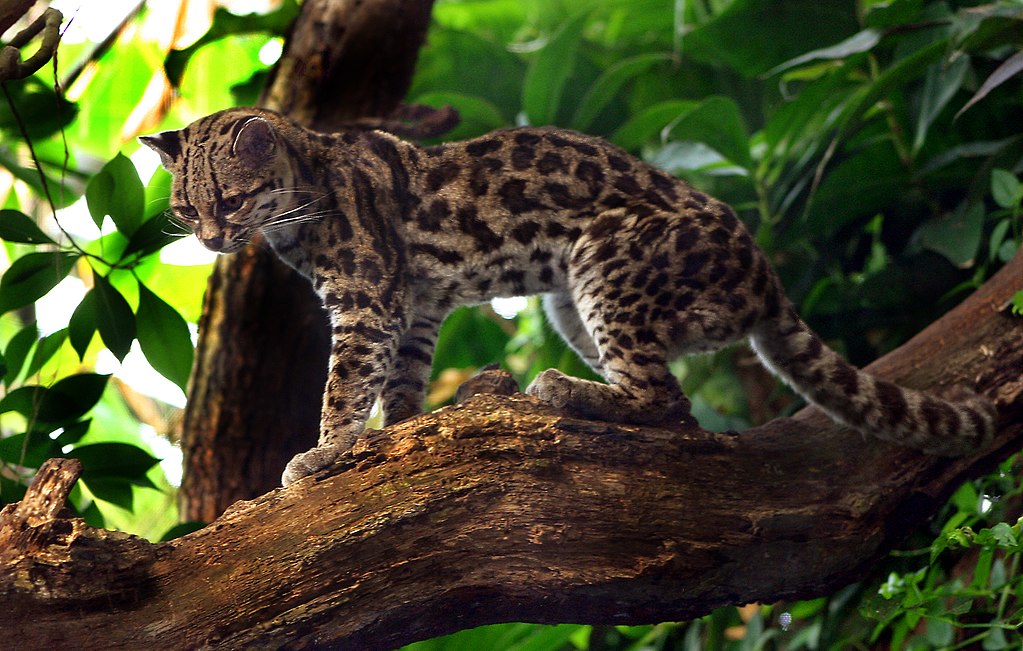
Margays have figured out how to hack into primate parental instincts by perfectly mimicking baby monkey distress calls. They’ll hide in the forest and make these heartbreaking crying sounds that adult monkeys can’t ignore. When concerned adults come to investigate what sounds like a baby in trouble, they find a cat instead.
This is proper psychological manipulation, exploiting the deepest protective instincts of their prey. The mimicry is so accurate that even researchers have been fooled. It’s basically catfishing but with actual cats, using emotional manipulation to turn caring parents into meals.
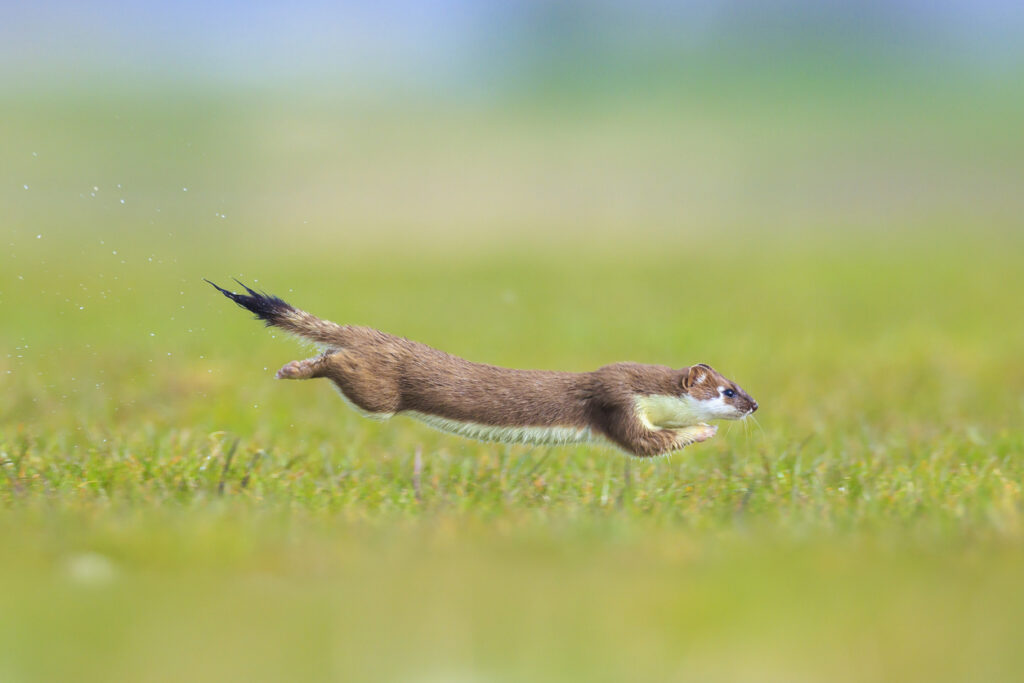
6. Stoats perform hypnotic war dances.
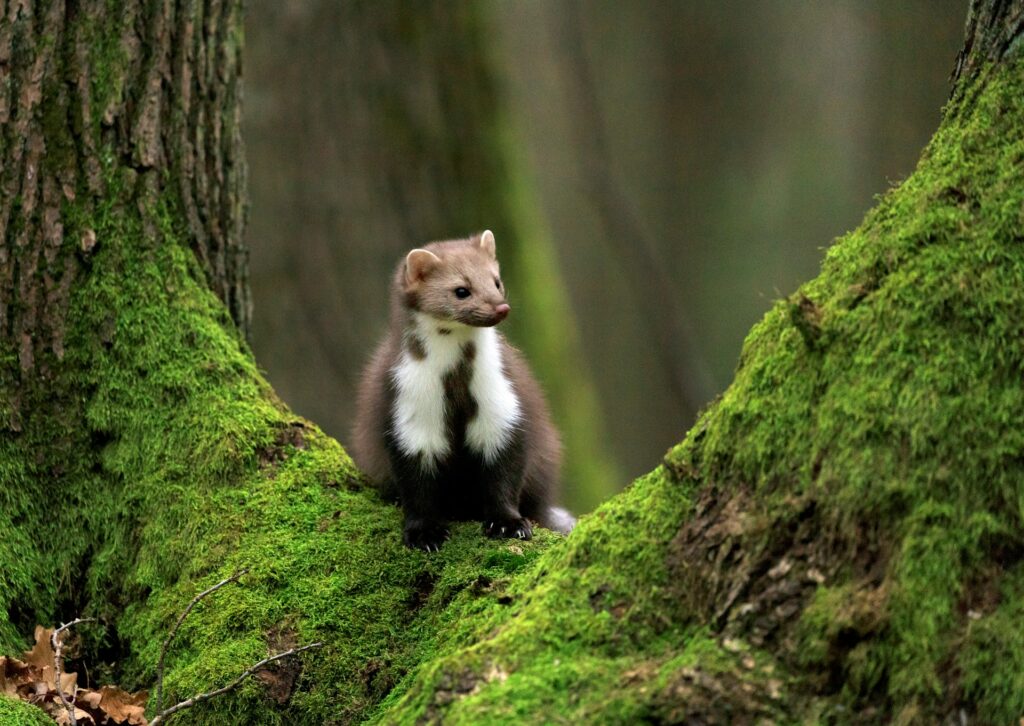
Stoats do this absolutely bizarre “dance of death” where they leap, twist, and roll around like they’ve completely lost it. Rabbits and other prey become so transfixed by this weird display that they just sit there watching instead of running away. It’s like the stoat’s turned itself into a living optical illusion.
The dance seems random, but it’s actually calculated to confuse and disorient prey. The erratic movements make it impossible to predict where the stoat will be next, whilst simultaneously fascinating the victim. By the time the rabbit realises this isn’t entertainment, the stoat’s already within striking distance.
7. Octopuses engage in targeted harassment.
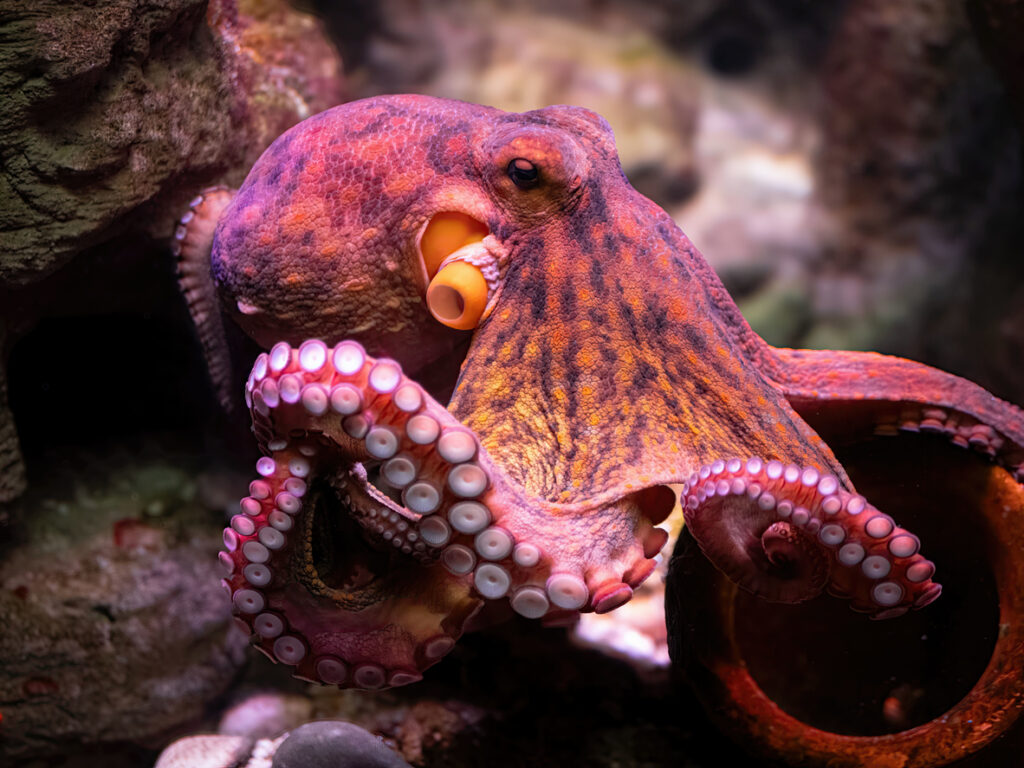
Octopuses in captivity have been documented recognising and specifically tormenting keepers they don’t like. They’ll squirt water at particular people, mess with equipment only when certain staff are watching, and even turn off lights by shooting water at bulbs when specific researchers are working late.
In the wild, they’ll remember individual predators and change their entire behaviour patterns to avoid them. Some octopuses will actually follow fish they don’t like and punch them randomly throughout the day for no apparent reason except spite. They’re basically running psychological campaigns against specific individuals they’ve decided deserve it.
8. Drongo birds cry wolf professionally.
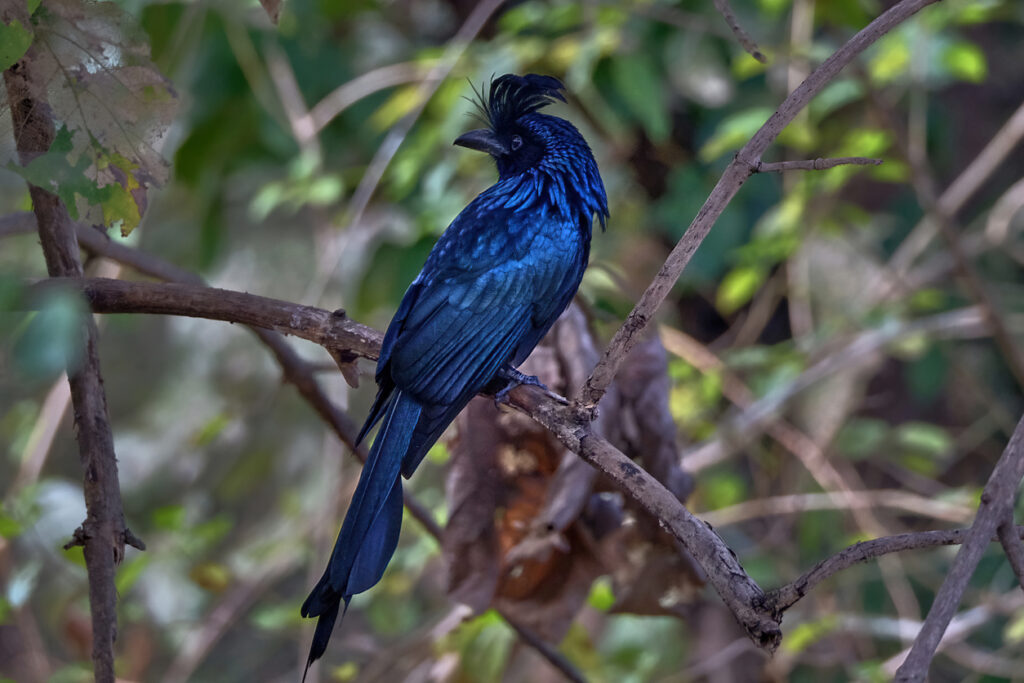
Fork-tailed drongos are criminal masterminds that use false alarm calls to steal food. They’ll watch meerkats or other animals find food, then perfectly mimic that species’ alarm call for predators. When everyone panics and runs for cover, the drongo swoops in and steals the abandoned meal.
They’re smart enough to avoid overusing the trick on the same group. They’ll rotate between different alarm calls and only target each group occasionally, so victims don’t catch on. Some drongos know over 50 different alarm calls and strategically deploy them like a psychological warfare toolkit.
9. Hognose snakes commit to dying dramatically.
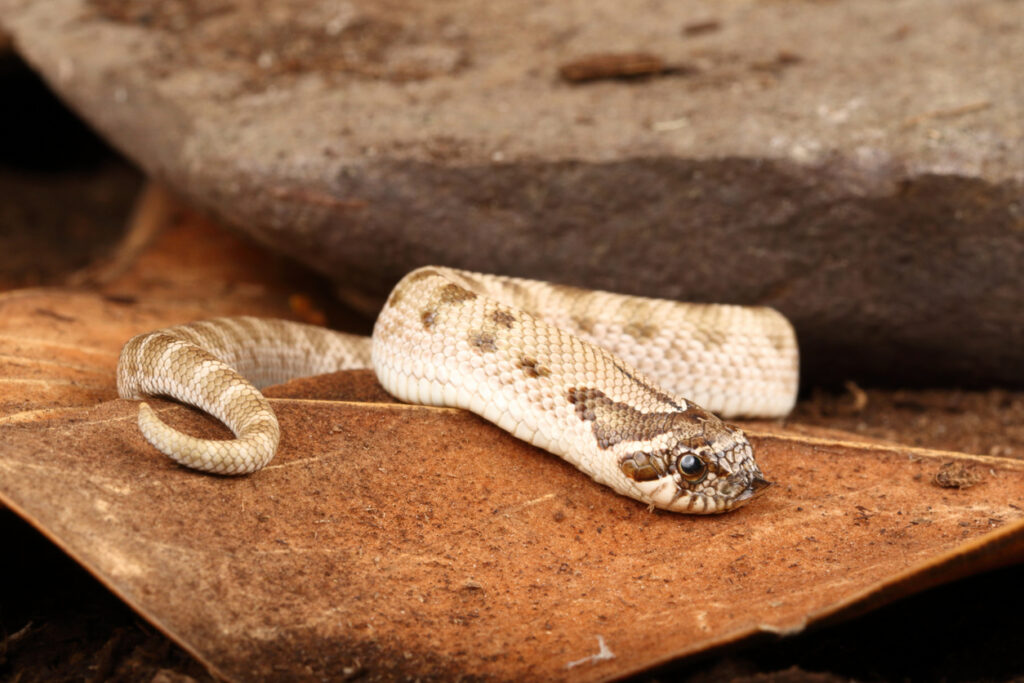
When threatened, hognose snakes put on a death performance that’s so over the top it’s actually convincing. They’ll writhe around, convulse, vomit, defecate, and then flip onto their backs with their mouths hanging open and tongues out. They even emit a foul smell to really sell that they’re rotting.
The commitment to the act is unreal. If you flip them right side up, they’ll immediately flip back over to maintain the illusion of being dead. They’ll stay “dead” for up to 15 minutes, completely limp and unresponsive, betting their entire survival on predators being too grossed out to eat seemingly diseased carrion.
10. Orcas weaponise trends against prey.
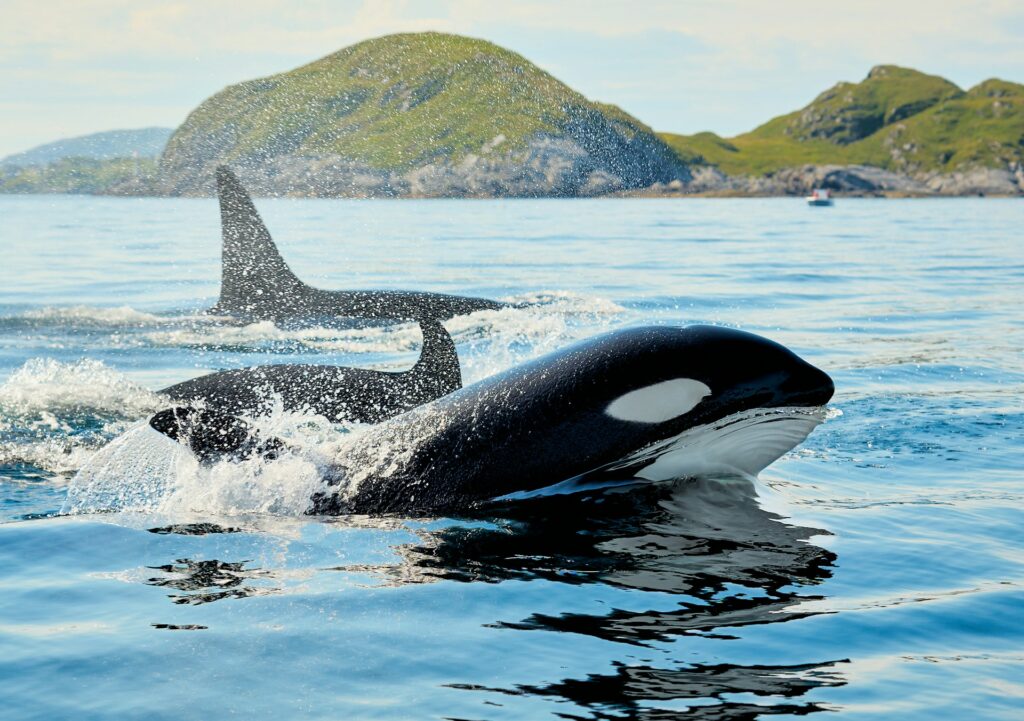
Different orca pods develop and spread psychological hunting tactics like cultural memes. One pod figures out that creating waves to wash seals off ice floes works, and suddenly pods hundreds of miles away are doing it. They’re basically crowdsourcing psychological warfare techniques across entire oceans.
They’ve been observed playing with their food for hours, not to eat, but seemingly to traumatise other prey in the area. They’ll toss seals around whilst others watch, creating a climate of fear that makes future hunts easier. Some pods have learned that certain whale species are so terrified of orcas they’ll beach themselves, so they just show up and let panic do the work.
11. Archerfish use targeted water torture.
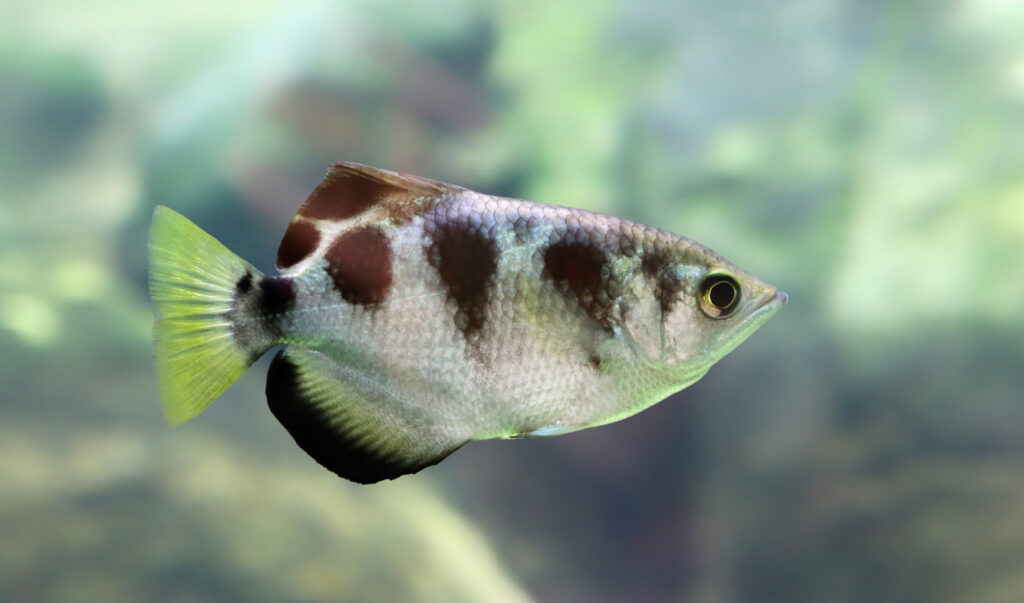
Archerfish don’t just shoot insects off branches, they’ve developed psychological tactics around their water shooting ability. They’ll deliberately miss their first few shots to make prey feel safe, then nail them when they’ve relaxed. Some individuals will repeatedly spray the same insect without knocking it off, seemingly just to stress it out.
In laboratories, they’ve been observed specifically targeting researchers they recognise, shooting water at their faces whenever they approach the tank. They remember who feeds them and who doesn’t, adjusting their behaviour accordingly. It’s calculated psychological manipulation based on individual recognition and memory.
12. Fireflies run massive deception operations.

Photuris fireflies have turned romance into a death trap by mimicking the flash patterns of other firefly species. Male fireflies looking for mates see what they think is a receptive female of their own species, but it’s actually a predator that’s learned their specific light language.
Different Photuris species can mimic multiple other species’ patterns, essentially being multilingual in firefly communication just to hunt more effectively. They’re exploiting the deepest drive to reproduce and turning it into a sophisticated psychological trap. The victims literally fly to their death, thinking they’re about to get lucky.
13. Dolphins form intimidation gangs.
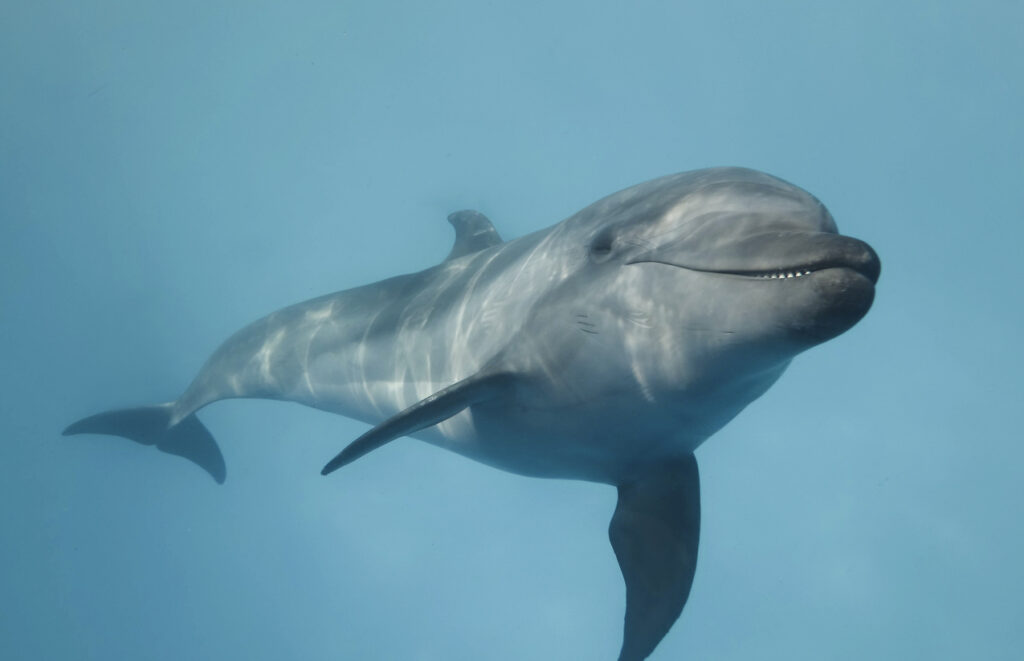
Bottlenose dolphins form male alliances that basically run protection rackets in the ocean. Groups of males will surround and intimidate females, keeping them isolated from other males for weeks. They use coordinated displays of aggression and sophisticated herding tactics that are more about psychological control than physical force.
These alliances can last decades, with the same groups working together to psychologically dominate their social environment. They’ll even form super-alliances with other gangs to raid rival territories and steal females. It’s organised psychological warfare with generational planning and complex social manipulation that makes human gang behaviour look primitive.