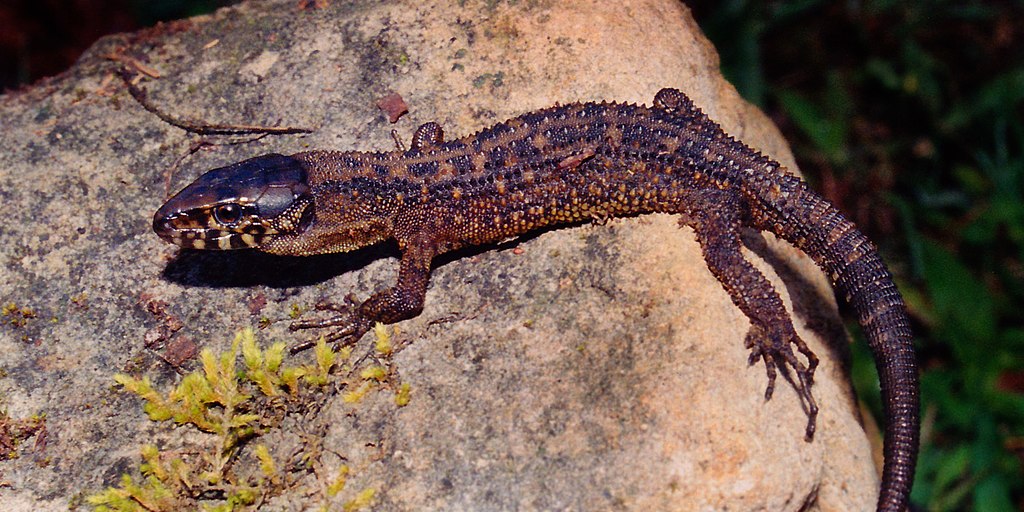
While massive dinosaurs were getting obliterated by the asteroid that hit Earth 66 million years ago, tiny night lizards were basically having the best survival strategy meeting of all time in their underground hideouts. These small, secretive reptiles managed to survive one of the planet’s worst extinction events by doing exactly what they’d always done: being small, nocturnal, and really good at hiding.
Their tiny size was actually a superpower during the apocalypse.
Night lizards were already perfectly sized for survival when the asteroid hit because small animals need much less food and can survive on scraps that wouldn’t sustain larger creatures. While massive dinosaurs starved as food chains collapsed, night lizards could live off insects, small seeds, and whatever organic matter they could find.
Being small meant they could survive in tiny refuges that larger animals couldn’t access. When the world turned into a wasteland, night lizards were already experts at making the most of limited resources and cramped living spaces.
They were already living like the world had ended.
Night lizards had evolved to be secretive, nocturnal creatures that spent most of their time hiding under rocks, in crevices, and in underground burrows. When the asteroid impact created a “nuclear winter” scenario with darkness and cold, they were already adapted to low-light, cool conditions.
Their lifestyle of hiding during the day and being active at night meant the prolonged darkness after the impact didn’t disrupt their behaviour patterns. They were essentially pre-adapted to post-apocalyptic conditions before the apocalypse even happened.
Their slow metabolism became a massive advantage.
Night lizards have naturally slow metabolisms that allow them to go long periods without food—a trait that seemed like a disadvantage compared to more active reptiles but became crucial when food became scarce after the asteroid impact.
While faster-metabolizing animals quickly starved as ecosystems collapsed, night lizards could essentially hibernate their way through the worst parts of the extinction event, waiting for conditions to improve while using minimal energy.
They didn’t depend on the food webs that collapsed.
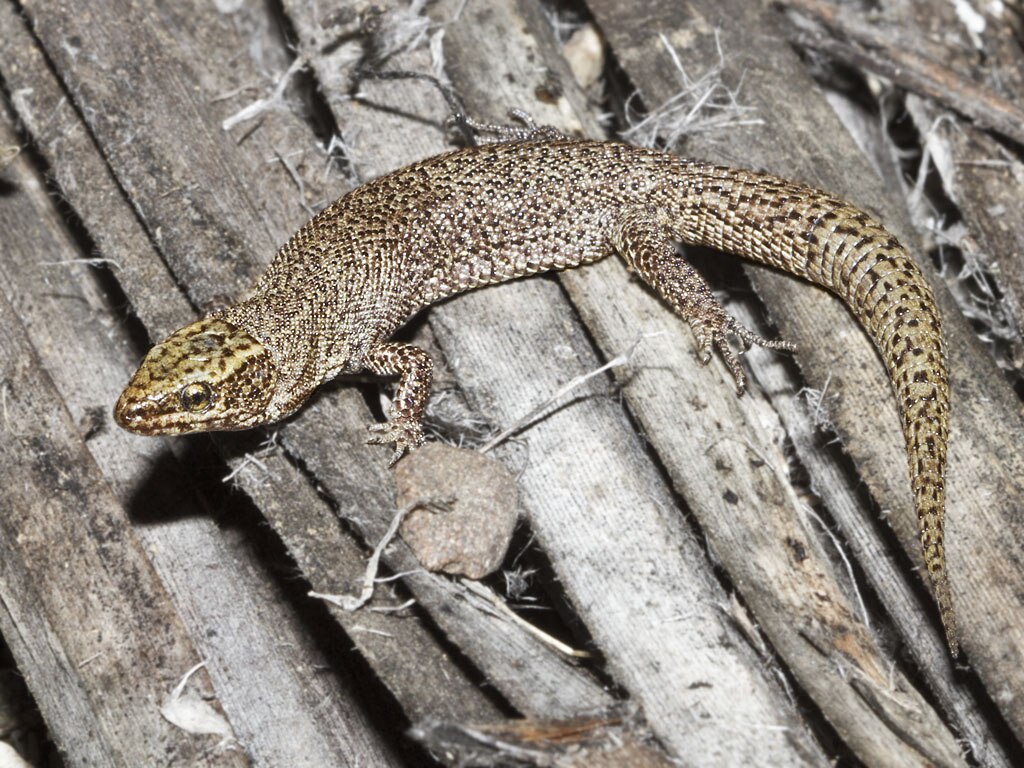
Unlike dinosaurs that were part of complex food chains involving large plants and animals, night lizards were already eating simple foods like insects, small arthropods, and plant matter that could survive in harsh conditions. Their diet was basically apocalypse-proof.
When major ecosystems collapsed and large plant-eating dinosaurs died off, night lizards could switch to eating decomposing organic matter, surviving insects, and whatever small food sources remained available in their immediate environment.
Their habitats provided natural disaster shelters.
Night lizards were already living in rock crevices, underground burrows, and protected microhabitats that naturally shielded them from the initial blast effects, temperature extremes, and environmental chaos that followed the asteroid impact.
These underground and semi-underground homes protected them from the intense heat, debris, and toxic atmosphere that killed surface-dwelling animals. They were essentially living in natural bomb shelters before they needed them.
They could reproduce without major environmental requirements.
Night lizards don’t need elaborate nesting sites, specific vegetation, or complex environmental conditions to reproduce successfully. Their simple reproductive needs meant they could continue their species even when most habitats were destroyed or dramatically altered.
Unlike dinosaurs that may have required specific nesting conditions or elaborate courtship territories, night lizards could mate and lay eggs in whatever suitable microhabitat remained available after the disaster.
Their genetic diversity helped them adapt quickly.
Night lizards had already been evolving for millions of years in diverse, challenging environments, which gave them genetic flexibility to adapt to rapidly changing conditions. Their evolutionary history prepared them for environmental stress and habitat changes.
Populations that had survived previous smaller extinctions and environmental challenges had the genetic tools needed to cope with the extreme conditions following the asteroid impact, while less adaptable species couldn’t adjust quickly enough.
They avoided the size-related extinction pattern.
The asteroid extinction event particularly targeted larger animals, while smaller creatures had much better survival rates. Night lizards were well below the size threshold that seemed to determine survival versus extinction during this period.
By being small, they avoided the “large animal extinction filter” that eliminated most creatures over a certain size. This pattern held true across different animal groups; smaller mammals, birds, and reptiles survived while their larger relatives became extinct.
Their temperature regulation didn’t depend on external heat.
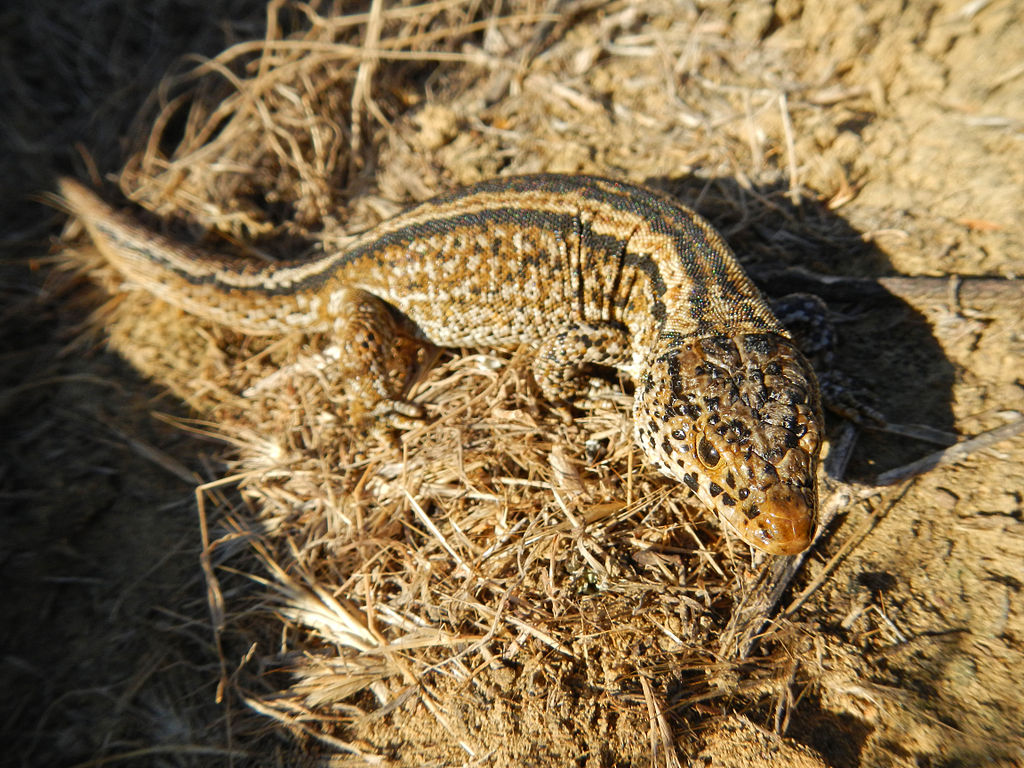
Night lizards were already adapted to cooler temperatures and didn’t require intense solar radiation to maintain their body temperature. When the asteroid impact caused global cooling and reduced sunlight, they could continue functioning while larger reptiles struggled.
Their behavioural thermoregulation strategies like seeking warm microclimates and adjusting activity patterns worked even when overall temperatures dropped dramatically across the planet.
They were masters of opportunistic survival.
Night lizards had evolved to be generalists rather than specialists, which meant they could take advantage of whatever resources became available after the extinction event. Their flexible lifestyle and diet made them perfect survivors for unpredictable conditions.
While specialized dinosaurs couldn’t adapt when their specific food sources or habitats disappeared, night lizards could switch to whatever survival strategy worked in their changed environment, making them incredibly resilient to catastrophic change.