Space is full of debris, asteroids, and icy wanderers doing their thing, but every so often, something starts heading a little too close for comfort. While most of it burns up or misses us entirely, there are a few objects that scientists are tracking closely because their paths could, one day, intersect with Earth’s. Here’s a breakdown of the space objects currently on a possible collision course, or at least taking a worrying interest in our part of the solar system.
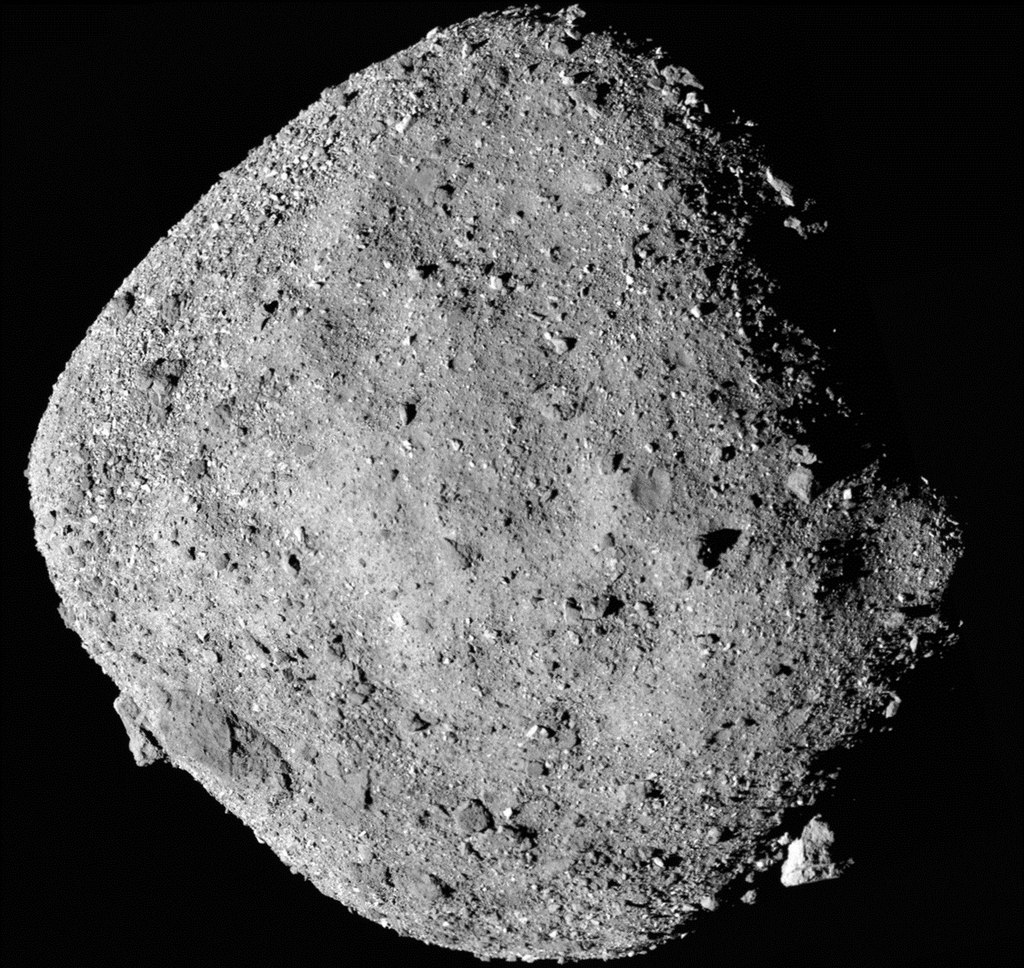
1. Asteroid Bennu
Bennu is about 500 metres wide, which doesn’t sound huge until you remember it’s basically a skyscraper-sized rock hurtling through space. It has a very slight chance of hitting Earth sometime in the late 2100s, with September 24, 2182 being the date NASA is watching most closely.
They’re not panicking, but they’re not ignoring it either. NASA’s OSIRIS-REx mission actually went out to Bennu, grabbed a sample, and studied its trajectory in detail. Right now, the odds are tiny, but it’s still on the list, just in case future generations need to know where to aim their planetary defence systems.
2. Asteroid 1950 DA
This one sounds like it came from an old sci-fi novel, but it’s real, and it’s fast. 1950 DA is a 1-kilometre-wide asteroid that could collide with Earth in the year 2880. That gives us time, but scientists are still paying close attention because the impact would be serious.
The good news? The chance of it hitting us is currently estimated at around 1 in 8,000. But given how chaotic space can be, those numbers could change. For now, it’s on the watchlist, and hopefully stays there, permanently marked “never mind.”
3. Apophis
Apophis used to be the stuff of doomsday headlines. Back in the early 2000s, it was thought to have a decent shot at hitting Earth in 2029. Later studies ruled that out, but it’ll still swing terrifyingly close—closer than some satellites, in fact.
On April 13, 2029, Apophis will pass by at a distance of about 31,000 kilometres. That’s cosmic spitting distance. The scary part? A pass that close can change an object’s orbit. Scientists are watching carefully to make sure it doesn’t end up on a more direct route next time around.
4. Didymos and Dimorphos (aka the DART mission target)
This duo became famous thanks to NASA’s DART mission, which slammed a spacecraft into Dimorphos in 2022 to test whether we could nudge an asteroid off course. It worked, which is amazing news for Earth’s future defence options.
Didymos and Dimorphos aren’t threats right now, but they’re examples of the kind of object we might need to defend against one day. They’re small, fast, and surprisingly tricky to deal with unless we catch them early. The DART test was basically practice for when it’s not just a drill.
5. Asteroid 2007 FT3
This 340-metre asteroid has shown up on several potential impact prediction lists, though each time the risk was updated, it’s been downgraded. Still, it’s considered a “potentially hazardous object” because its orbit crosses Earth’s, and it’s big enough to do serious damage. NASA keeps 2007 FT3 under regular observation, even though the next possible risk date is way out in the future. So far, we’re in the clear, but like a lot of these space rocks, the watch never really ends.
6. Comet Swift–Tuttle
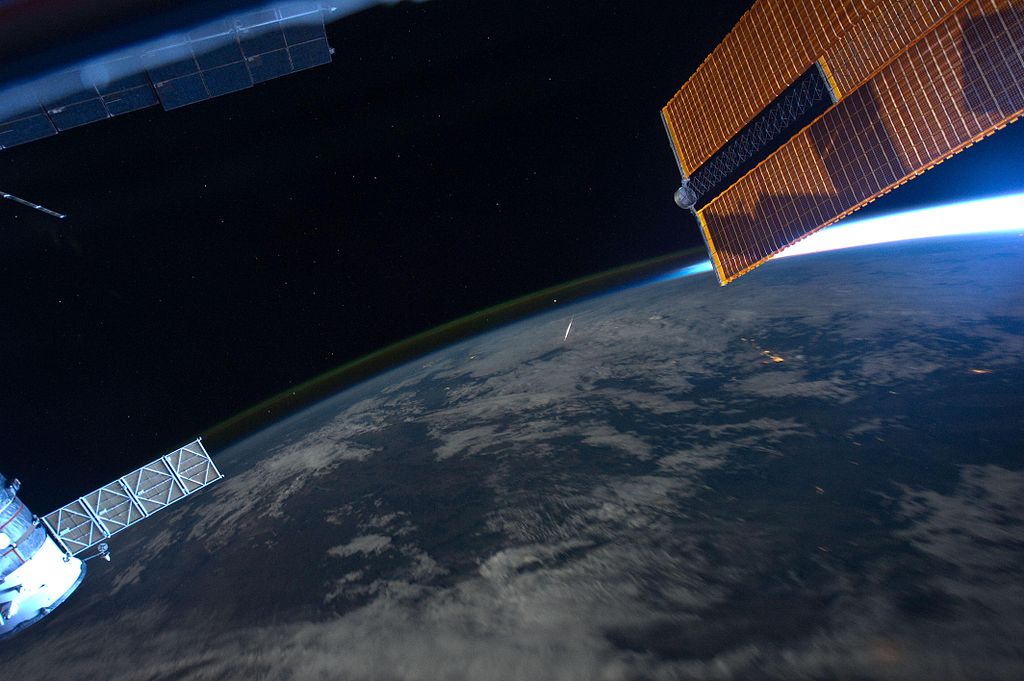
This massive comet is the parent of the Perseid meteor shower, but it’s also known for having a pretty unnerving orbit. It’s about 26 kilometres wide, which is huge, and it whips through the solar system every 133 years.
Its next close encounter with Earth is expected in 2126, and while a collision isn’t expected for thousands of years, Swift–Tuttle is on every astronomer’s “keep tabs on this one” list. If it ever did hit us, it would release 27 times more energy than the dinosaur-killer impact 66 million years ago.
7. Asteroid 2005 ED224
This one’s relatively small (less than 50 metres across), but it still made the news because it’s on NASA’s Sentry risk list, which includes objects with a non-zero chance of impact. ED224 is scheduled for a very close flyby in 2023 and beyond, though odds of impact remain incredibly low.
Small doesn’t mean harmless. If something this size hit the planet, it could still cause serious regional damage, especially if it hit over a populated area. That’s why even the smaller ones get tracked with such intensity.
8. Asteroid 99942 Apophis (again, because yes, it’s that serious)
Apophis is the only asteroid that gets two mentions because of how unusually close it’s going to get and how much it’s taught scientists about planetary defence. Its 2029 pass will give researchers a chance to learn how Earth’s gravity affects it, and that’s crucial.
If Apophis were to be nudged into a different orbit, it could pose a threat in 2068 or beyond. So while it’s not a guaranteed danger, it’s a very real case study for how these situations unfold in real time. It’s one of those “watch this space” situations, literally.
9. Space debris from human activity
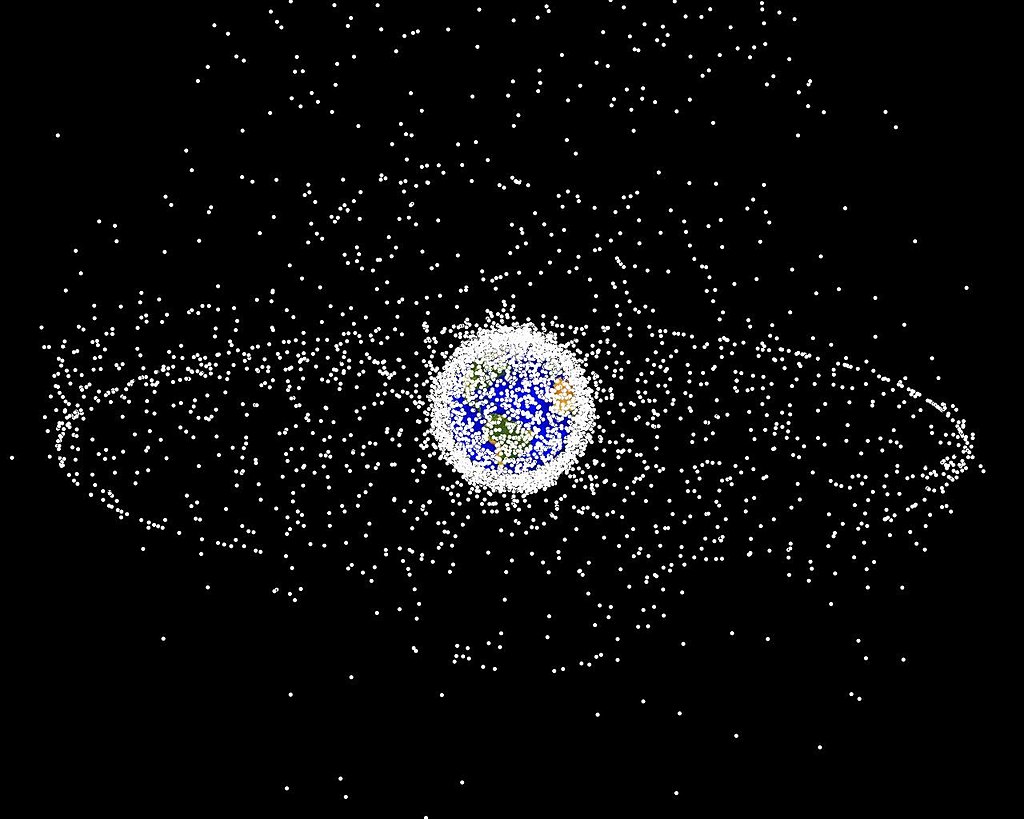
While not an asteroid, this one deserves a mention. There’s a growing concern about old satellites, rocket parts, and other junk orbiting Earth. If any of it comes back down in an uncontrolled re-entry, it could land where it’s not supposed to.
Most space debris burns up in the atmosphere, but with more launches and less regulation, the chances of something surviving re-entry are increasing. It’s not an extinction-level threat, but it is a reminder that not all space hazards are natural.
10. Unknown near-Earth objects
Perhaps the most unsettling category of all: the stuff we haven’t spotted yet. Telescopes and radar systems have come a long way, but there are still blind spots, especially when objects come from the direction of the sun or are very dark in colour.
Several asteroids have zipped past Earth undetected until they were already on their way out. That’s why planetary defence systems are being ramped up worldwide. Because sometimes, it’s not the ones we know about. It’s the ones we miss that end up being the surprise guests.