Britain’s weather isn’t that dramatic, but there’s still a clear north-south divide when it comes to what plants can handle.
Some species absolutely love the milder, sheltered conditions down south, while others thrive in the wilder, colder, windier climate up north. If you know what you’re looking for, certain flowers, trees, and shrubs can basically act like a living postcode detector. Here are some plants that can give away which half of the country you’re in.
1. Wild garlic (south)
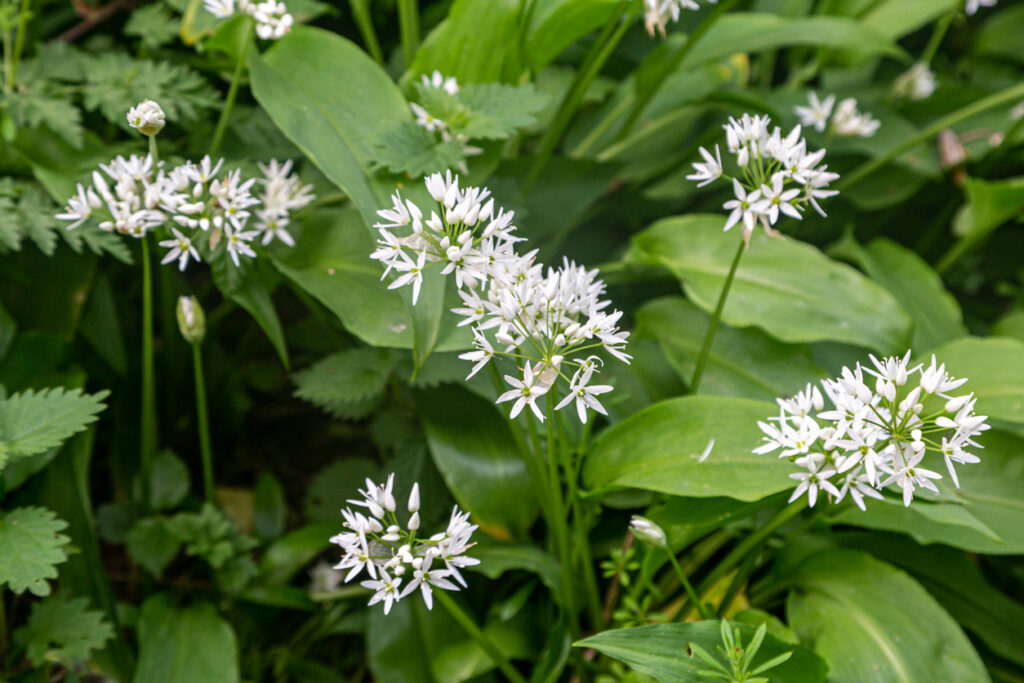
That unmistakable garlicky smell on spring walks? You’ll usually find it thicker and more widespread down south. Wild garlic thrives in shady, damp woodlands, and southern Britain, with its softer winters and older woodlands, gives it prime real estate. Up north, it does grow, but it tends to be patchier and slower to spread. So if you’re wandering through a sea of pungent green leaves and star-shaped white flowers in April, odds are you’re somewhere more southern.
2. Scots pine (north)
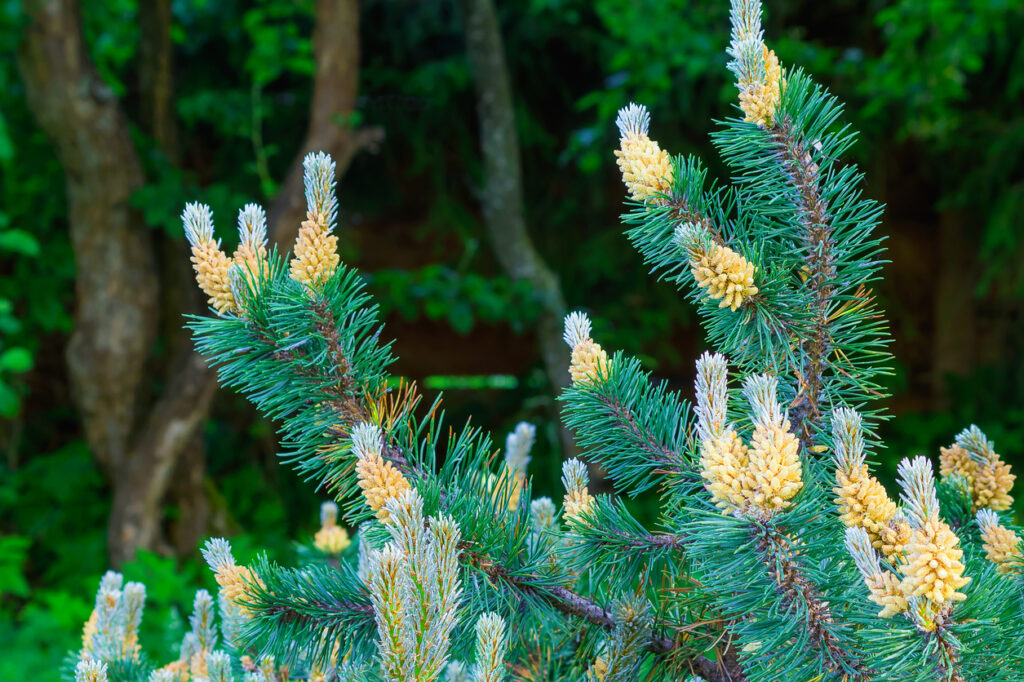
This iconic tree is a big hint you’re up north, especially in places like the Highlands or northern England. Scots pine loves high ground and harsher weather, and it’s a key player in Scotland’s Caledonian forests. You won’t find it naturally dominating landscapes in the south because it’s more of a rugged, northern specialist. If you’re seeing loads of tall, reddish-barked pines with tufty tops, there’s a good chance you’ve headed north of the Midlands.
3. Bee orchids (south)

These tiny floral fakes, designed to look like bees, prefer the chalky, well-drained soils found in southern Britain. They pop up in grasslands, roadside verges, and nature reserves, especially in places like Kent, Sussex, and Oxfordshire. They’re rare up north because the soil and climate just aren’t as orchid-friendly. So if you’re lucky enough to spot one, especially in early summer, it’s a pretty clear southern clue.
4. Cowberry (north)
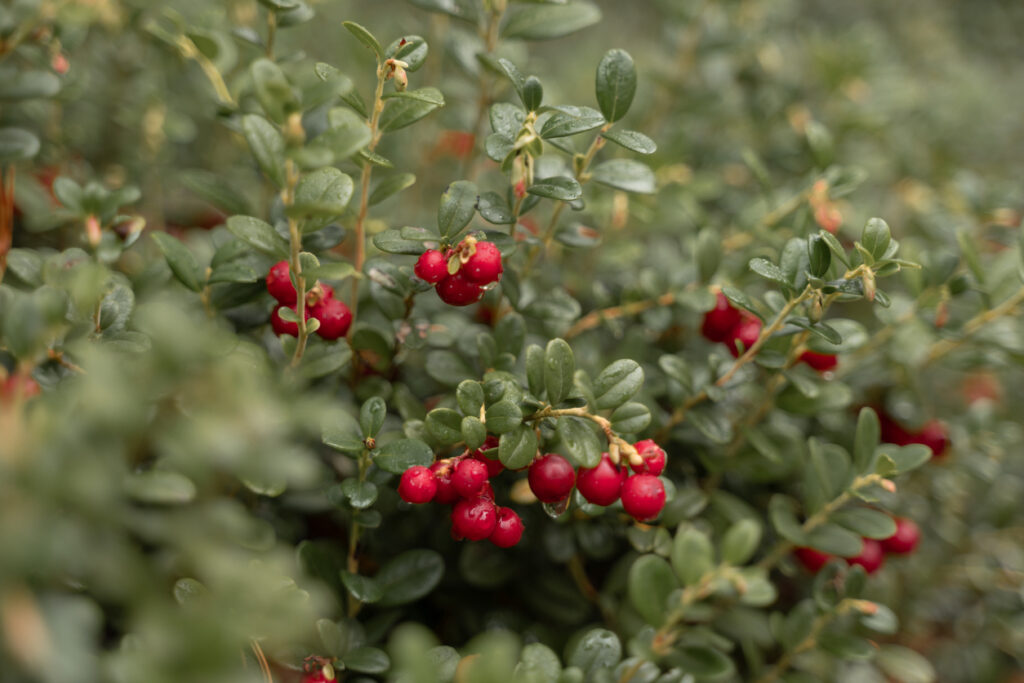
If you spot cowberry growing wild, you’re almost certainly in a northern heath or upland area. This tart, red-berried plant is typical of cooler, more acidic soils, and it thrives in Scottish moorlands and northern pine forests. It doesn’t like the milder, richer conditions down south, so if you’re seeing it around, you’re probably somewhere breezy and a bit remote—definitely on the northern side of things.
5. Mediterranean herbs like rosemary and thyme (south)
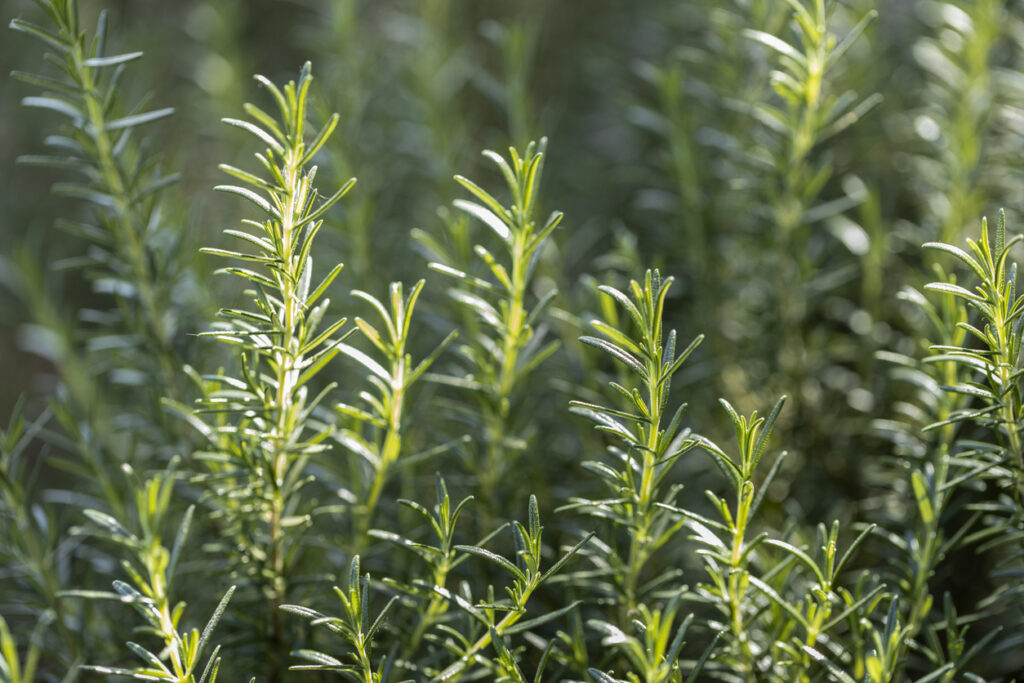
While you can grow these herbs up north, they’re way more likely to thrive (and survive winter without drama) in southern gardens. The south’s drier, warmer climate is much more forgiving to sun-loving herbs like rosemary, thyme, and even lavender. If you’re seeing big, bushy rosemary hedges or thyme creeping happily along stone walls, it’s probably a sign you’re somewhere southern, or at least somewhere with milder microclimates.
6. Globeflower (north)
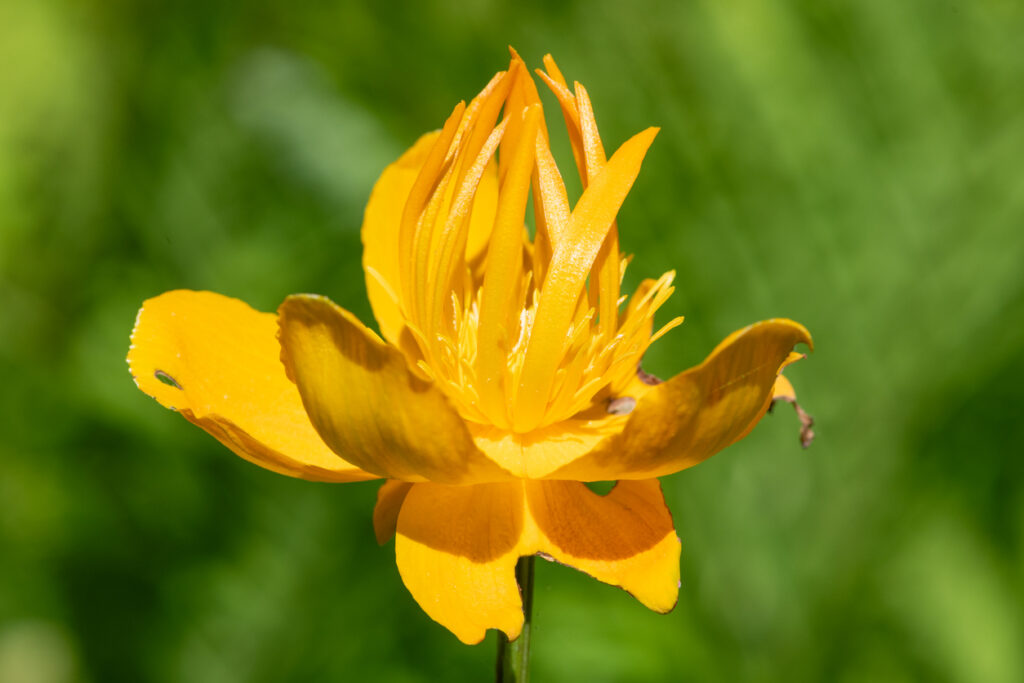
This bright yellow, buttercup-like wildflower is mostly found in the uplands of northern England and Scotland. It needs cool air and damp, peaty soil, which the north has in abundance, especially in the Lake District and Yorkshire Dales. Down south, you’ll be lucky to spot it outside of specialist gardens. If you come across it in the wild, you’re almost certainly not in the home counties.
7. Hart’s-tongue fern (south)
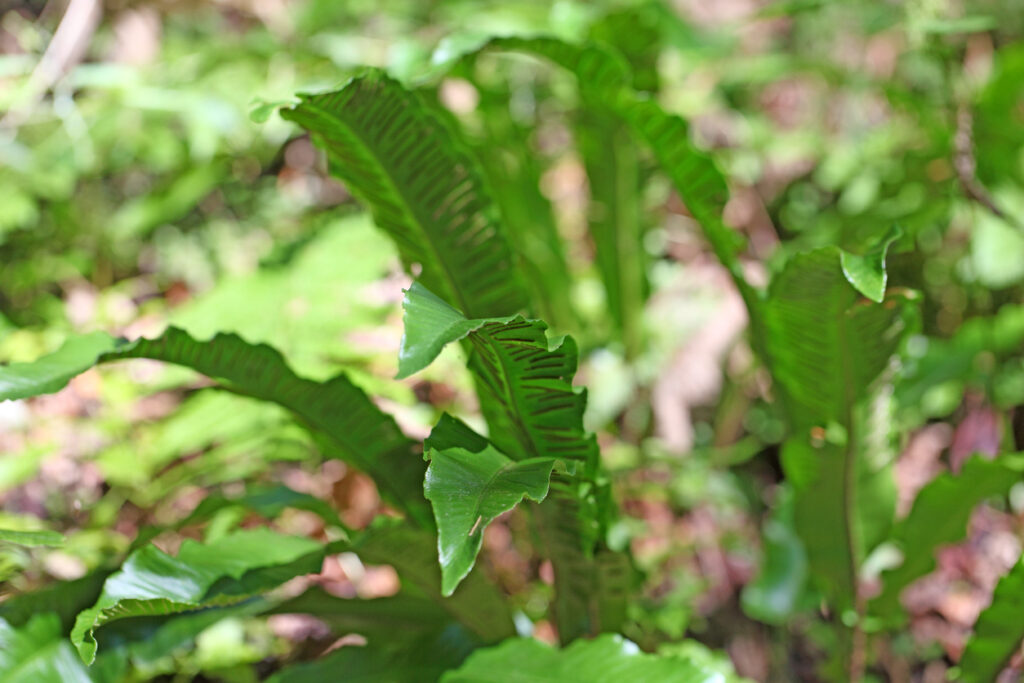
This glossy, tongue-shaped fern is fairly common across the UK, but it grows in bigger, bolder patches in the south. It loves damp, shaded woodlands and old stone walls, especially in areas with a bit more warmth and humidity. While you can find it up north, it’s often smaller and sparser. So if you’re seeing lush, thriving clumps of it, odds are you’re wandering somewhere southern and sheltered.
8. Blaeberry (north)
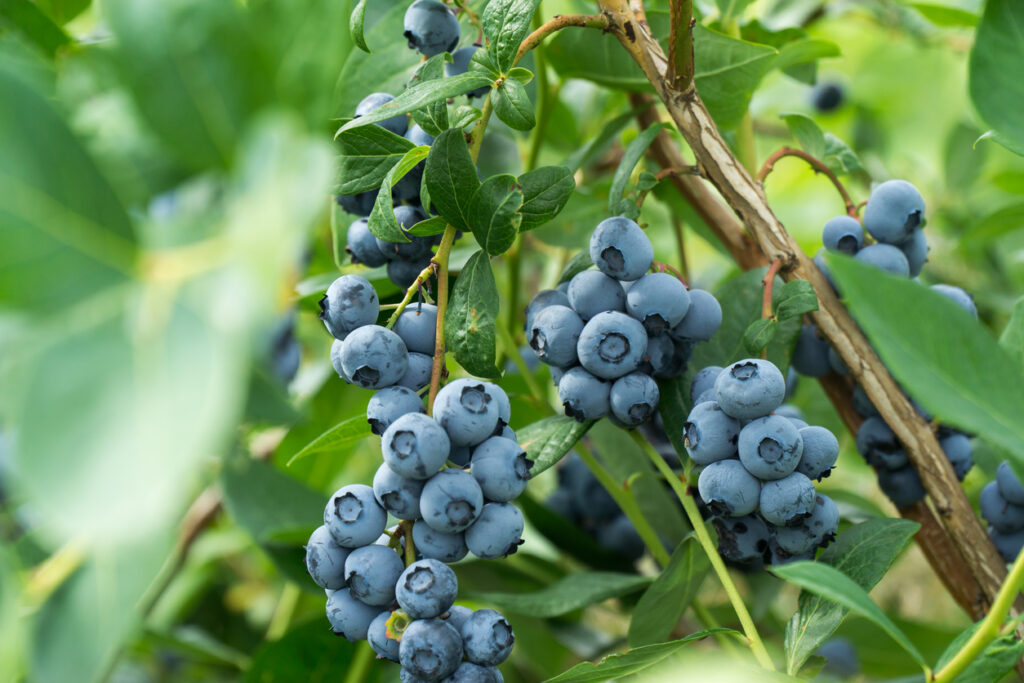
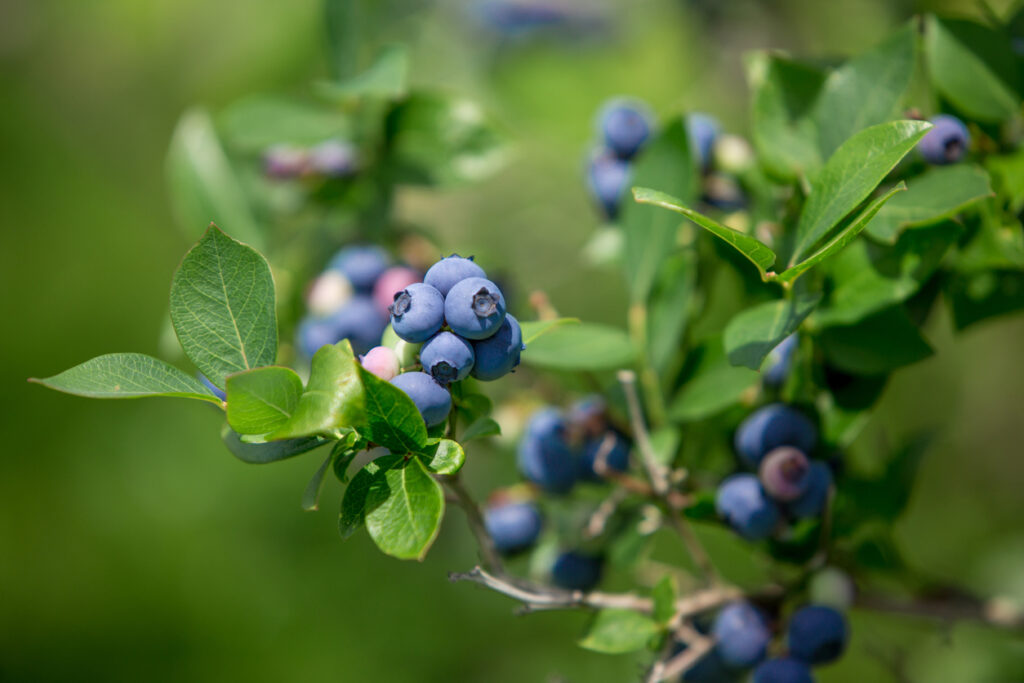
Blaeberry, also called bilberry, is the UK’s native version of blueberry, and it’s a northern staple. It grows low to the ground, with small dark berries and a tendency to carpet heathlands and moorlands in places like the Pennines and Scottish Highlands. It’s far less common in the south, where the conditions just aren’t quite right. If your walk includes stained purple fingers and foraging potential, you’re probably up north somewhere.
9. Holm oak (south)
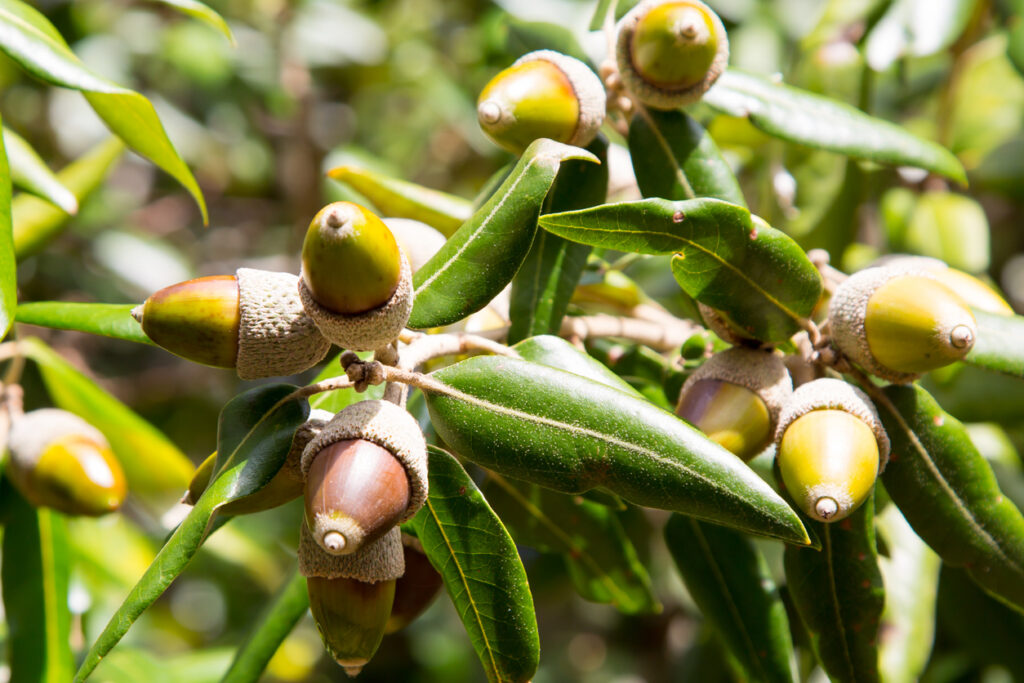
This evergreen oak doesn’t look like a typical British oak. It’s got leathery leaves and a more Mediterranean feel, and that’s exactly where it came from originally. It’s now common in southern coastal areas, especially Cornwall and the south coast, where the winters are mild enough for it to thrive.
You’ll rarely see it in the wild up north, and even in gardens it struggles to get going. If you’re near the sea and seeing these dark green trees with weirdly un-oak-like leaves, you’re probably in the southern half of the country.
10. Mountain avens (north)
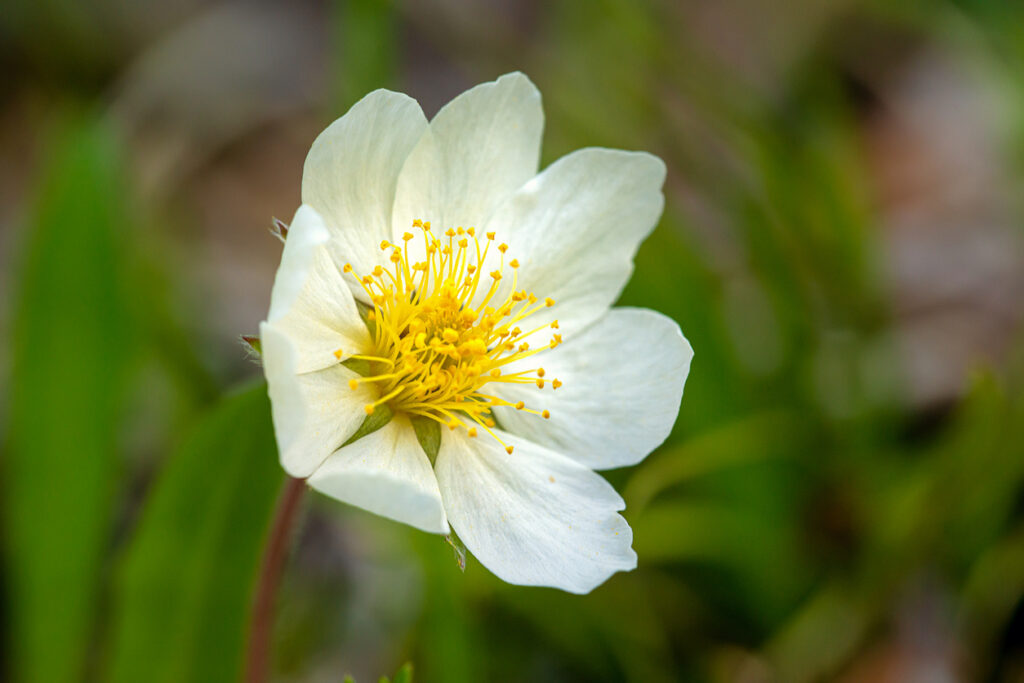
Mountain avens is a dead giveaway you’re in northern upland territory. It’s a hardy little plant with white flowers and a yellow centre, found clinging to limestone hillsides and high ground in Scotland and northern England. It doesn’t grow down south in the wild. It’s a true upland specialist: tough, small, and beautiful in a low-key way. If you spot one while hiking, you’re not just in the north. You’re probably pretty high up, too.