When we think of flowers in medieval Britain, we tend to picture herb gardens, healing potions, and a few petals scattered in some dusty apothecary’s book.
However, not all blooms were welcome. Some were so strongly linked to superstition, scandal, or perceived danger that they were outright banned, or at least heavily frowned upon. Whether it was because of what they symbolised, how they were used, or who was using them, these flowers weren’t always seen as harmless beauty. Here are the blooms that once caused enough of a stir to get themselves banned (or very nearly).
1. Mandrake
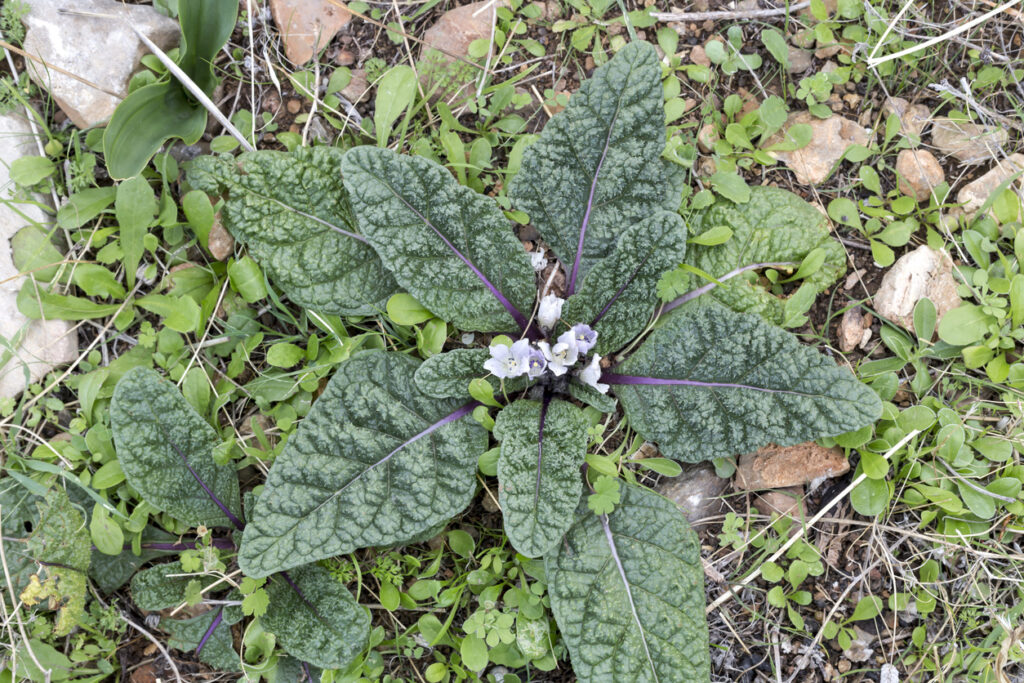
Mandrake wasn’t just banned, it was feared. This gnarled root was believed to scream when pulled from the ground and kill anyone who heard it. Its human-like shape only made the stories worse. While it does have real medicinal properties, it’s also hallucinogenic and toxic in large doses.
Because of its association with witchcraft, magic rituals, and demonic possession, mandrake was outlawed or heavily restricted in various parts of medieval Europe, including Britain. People were genuinely terrified of it, but also desperate to use it, which only made it more mysterious and controversial.
2. Henbane
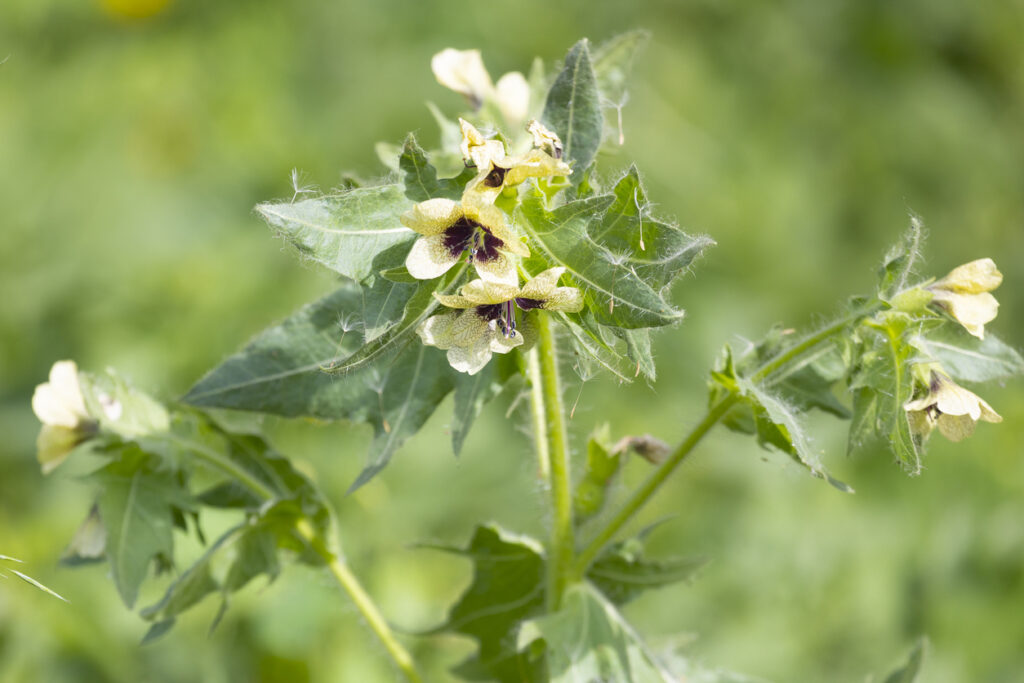
Henbane was another plant with powerful effects, and a reputation to match. It causes hallucinations, delirium, and in high doses, death. In medieval times, it was commonly linked with witches’ brews and love potions, both of which made the church deeply uncomfortable.
Its dangerous properties and strong connection to pagan rituals meant it was often banned from gardens, monasteries, and even some public spaces. Despite its dark reputation, henbane was also used in early medicine, especially for pain relief. But growing it could put a serious target on your back.
3. Poppy
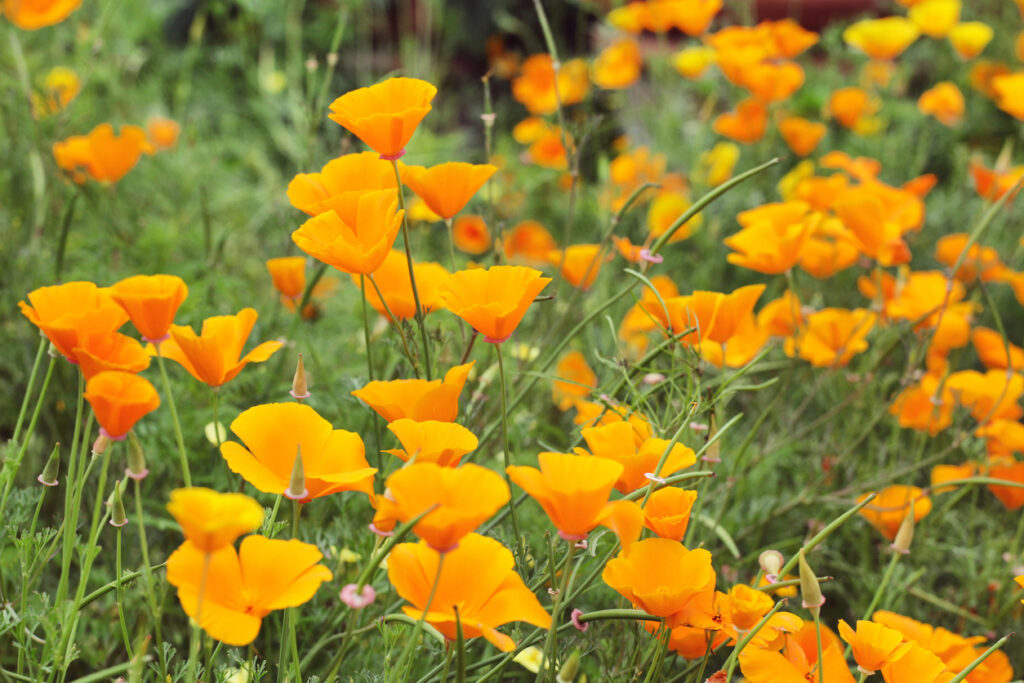
While poppies are now symbols of remembrance, in medieval times they were more associated with sleep, death, and in some cases, forbidden knowledge. Their strong sedative properties meant they were used in potions, but also abused, or misunderstood, by those outside medical circles.
In certain religious settings, poppies were discouraged or outright banned due to their ties to drowsiness and perceived moral weakness. The idea of using a flower to manipulate consciousness didn’t sit well with the church, and suspicion around poppy-based concoctions grew fast.
4. Belladonna (Deadly nightshade)
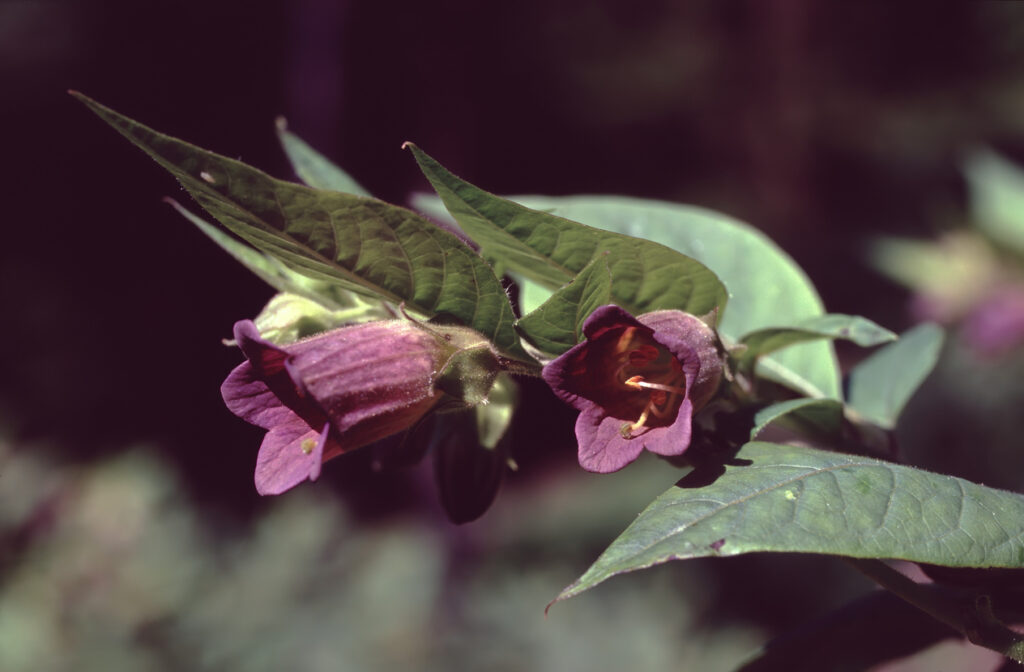
Belladonna was both beautiful and lethal. Its shiny black berries and delicate purple flowers were tempting to look at, but the plant could kill with just a small dose. Because of this, it was tightly controlled, and in some areas, completely outlawed.
It was also believed to be one of the key ingredients in so-called “flying ointments” used by witches. That alone made it deeply feared. Belladonna’s use was sometimes allowed in carefully measured medicinal settings, but cultivating it in your garden could get you accused of sorcery.
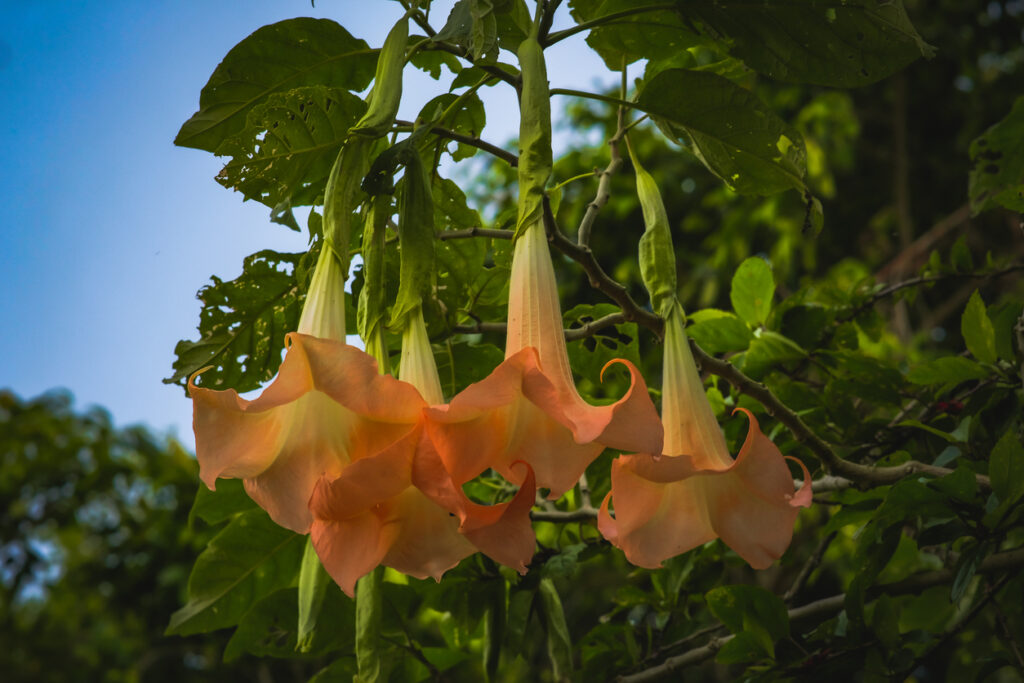
5. Datura
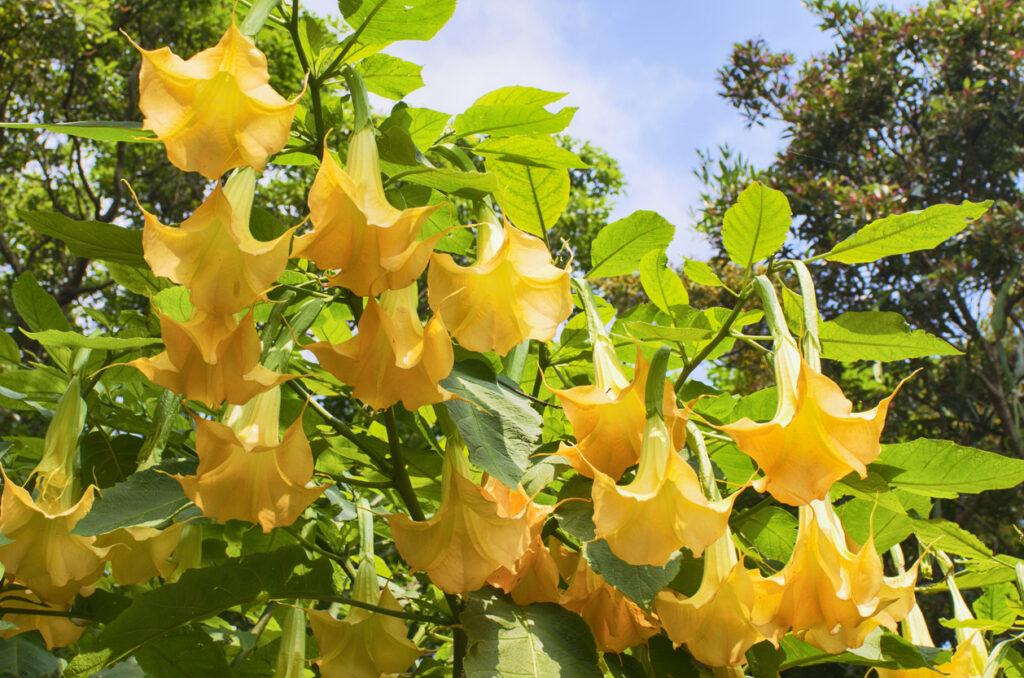
Datura, also known as devil’s trumpet or thorn apple, was a wild-looking plant with equally wild effects. It causes intense hallucinations and was said to bring on visions, out-of-body experiences, and full-blown madness. Unsurprisingly, it wasn’t exactly welcomed in polite medieval society.
It was banned in several regions due to its toxic properties and its link to dark rituals. While some healers may have used it in small, controlled doses, the average person was more likely to see it as a sign of dangerous meddling with forces better left alone.
6. Rue
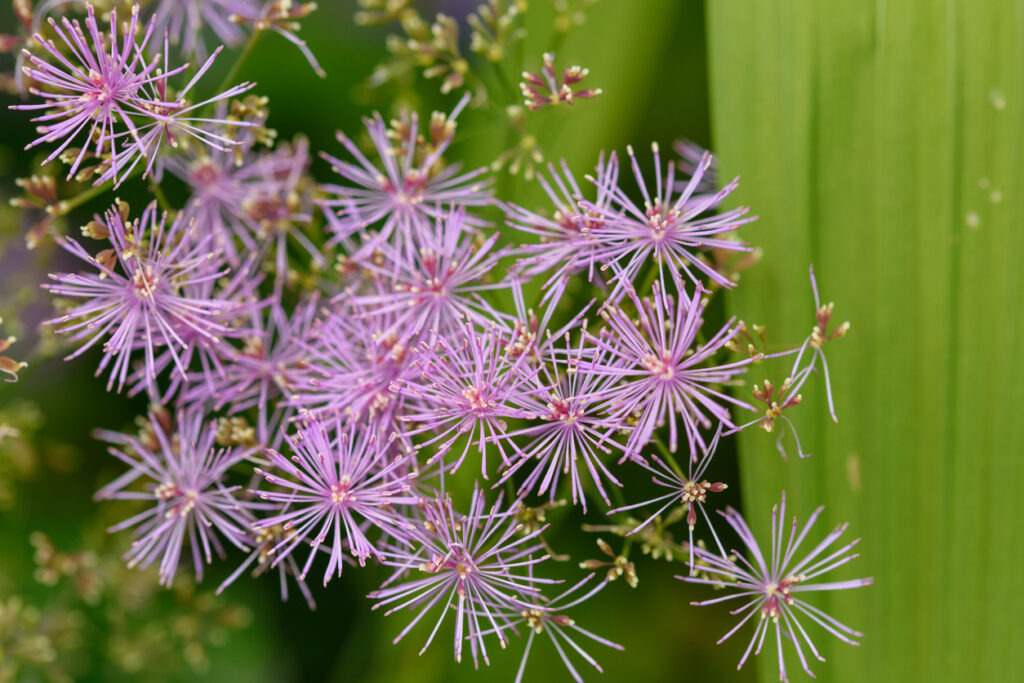
Rue wasn’t as deadly as some of the others on this list, but it was powerful in a different way. Often used in spells of protection and purification, it was widely associated with magical practices. That made it controversial in religious circles, especially as anti-witchcraft sentiment grew.
While it was still grown by some herbalists and healers, planting it openly in certain areas could draw suspicion. In some parts of medieval Britain, there were attempts to restrict its use, or at least discourage its association with the occult. It walked a fine line between medicine and magic.
7. Wolfsbane (Aconite)
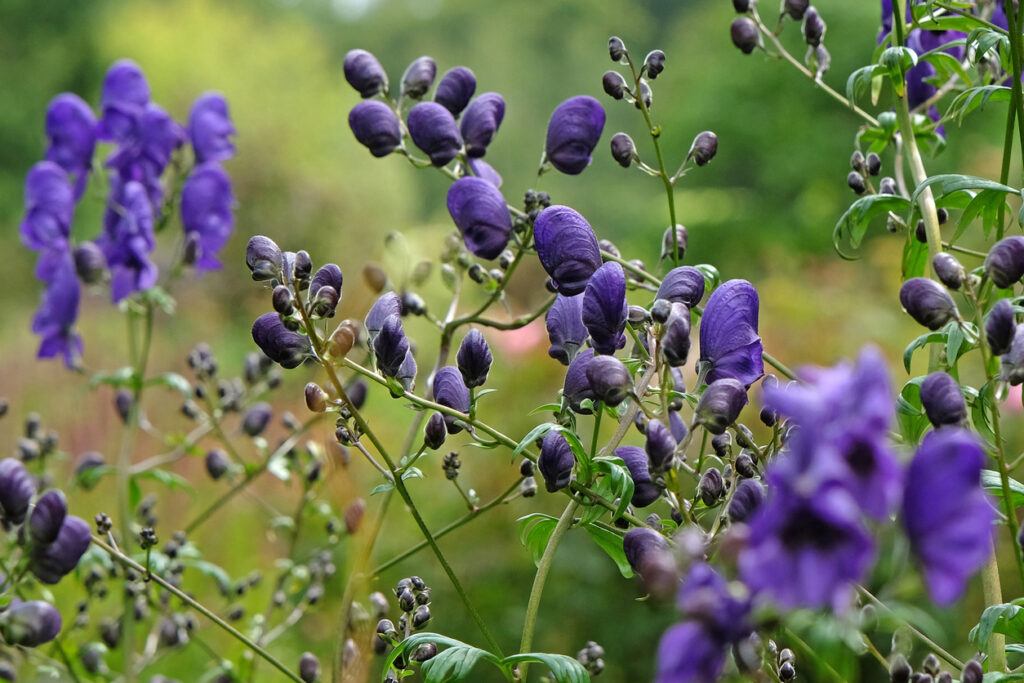
Wolfsbane had a dramatic name and an even more dramatic effect. Just a small amount could cause paralysis or death. Its toxicity made it useful for poisoning arrows and enemies, but also made it one of the most feared plants of the era.
Banned in several areas, wolfsbane was considered dangerous not just for its lethality, but for its ties to shapeshifting myths and werewolf legends. Some believed it could repel supernatural creatures. Others thought it created them. Either way, it wasn’t something you wanted growing by your front door.
8. Yew
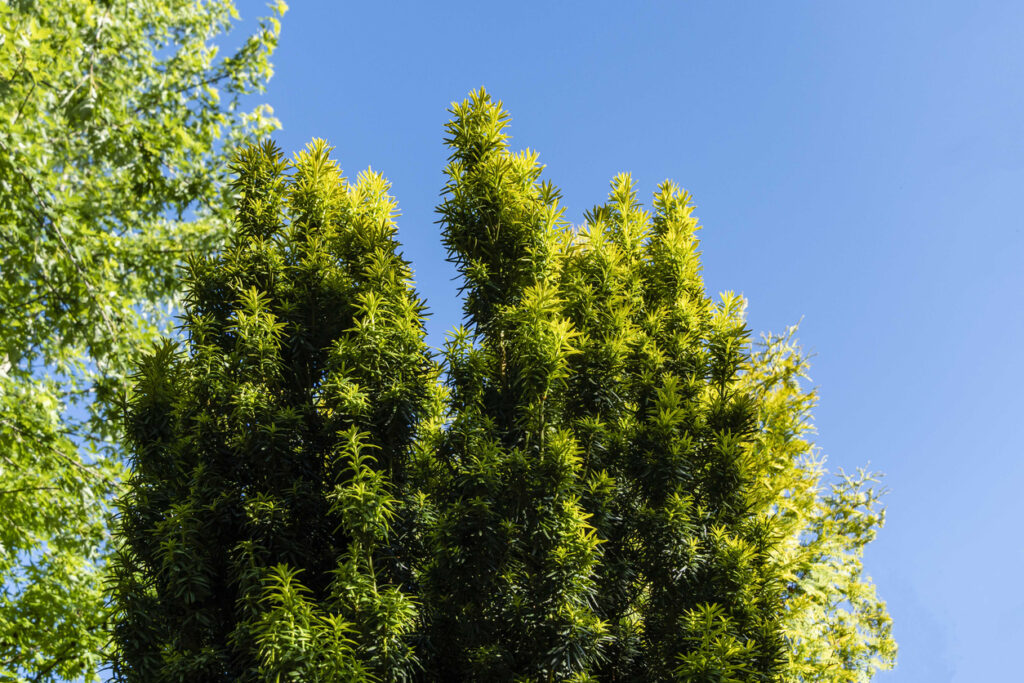
Yew trees were often planted in churchyards, but the plant itself is incredibly toxic. Its red berries are misleadingly sweet-looking but can be deadly. In some places, growing yew in non-church grounds was discouraged or banned due to the risk to livestock and children.
Its deep links to death, funerals, and the afterlife also made it a bit of a spiritual heavyweight. While not exactly banned everywhere, it was definitely treated with caution, and sometimes removed from places where it was considered too ominous or dangerous.
9. Foxglove

Foxglove is now known for being the source of digitalis, a heart medication, but in medieval times, its potency made it both a healing miracle and a deadly mistake waiting to happen. People who didn’t know how to dose it correctly could easily poison themselves.
Because of its risk factor, foxglove was restricted or avoided in some herbal gardens, especially where there were children or animals. Some religious leaders also opposed its use due to its strong effects and association with folk remedies that weren’t “sanctioned” by church-run healers.
10. Lovage
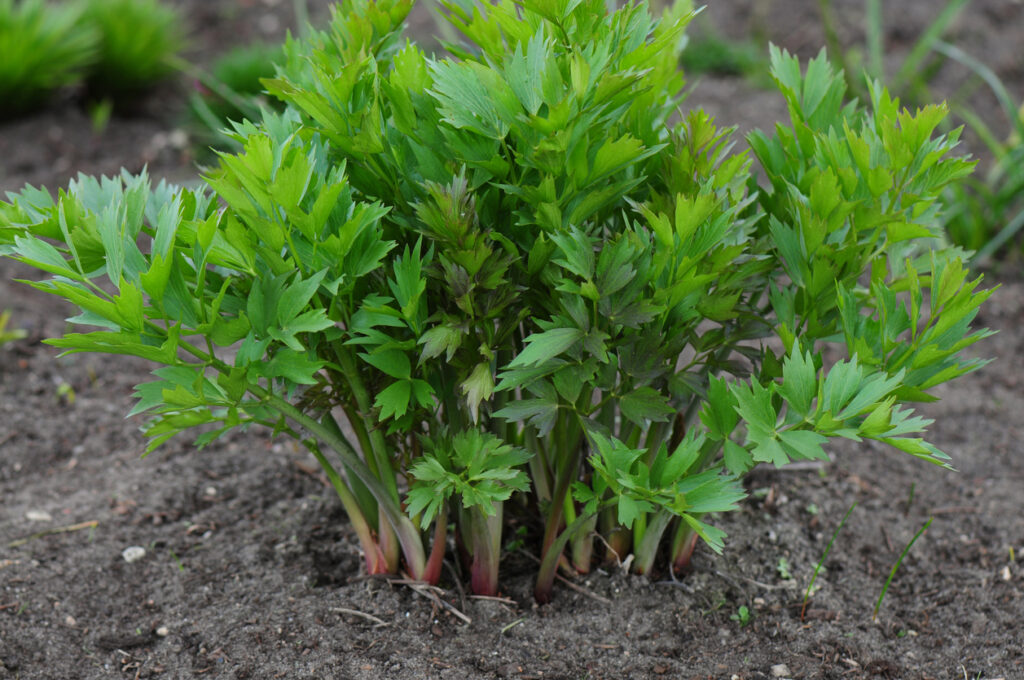
Lovage wasn’t banned for being dangerous. It was banned for being too useful in certain ways. It was considered a stimulant and aphrodisiac, which got it tangled up in some moral panic about temptation and bodily sin. Anything associated with desire was viewed with suspicion.
Some monasteries and religious communities outlawed lovage entirely from their gardens. While it was still used in cooking and medicine in other circles, its reputation meant it sometimes ended up on the banned list, not for what it did to your health, but for what it might do to your soul.