Some plants are fiercely independent, happy to grow just about anywhere. Others? Not so much.
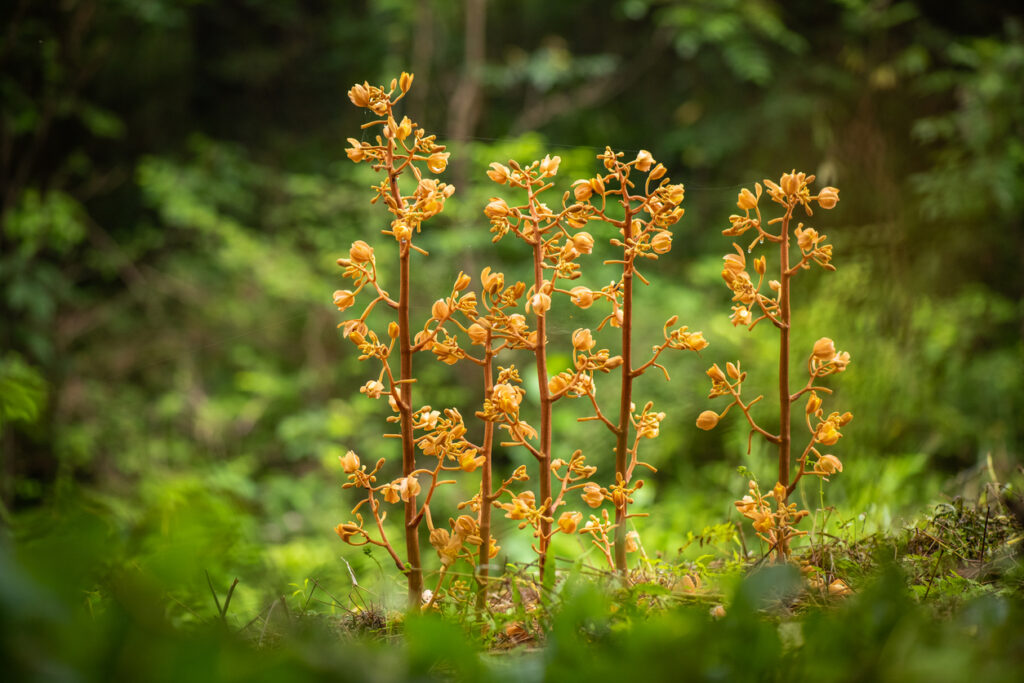
Certain species actually depend on other plants to survive, either by sharing nutrients, borrowing structure, or relying on their presence to even germinate in the first place. These relationships aren’t just fascinating, they’re a reminder of how connected nature really is. Here are 10 plants that only thrive because of the company they keep.
1. Mistletoe
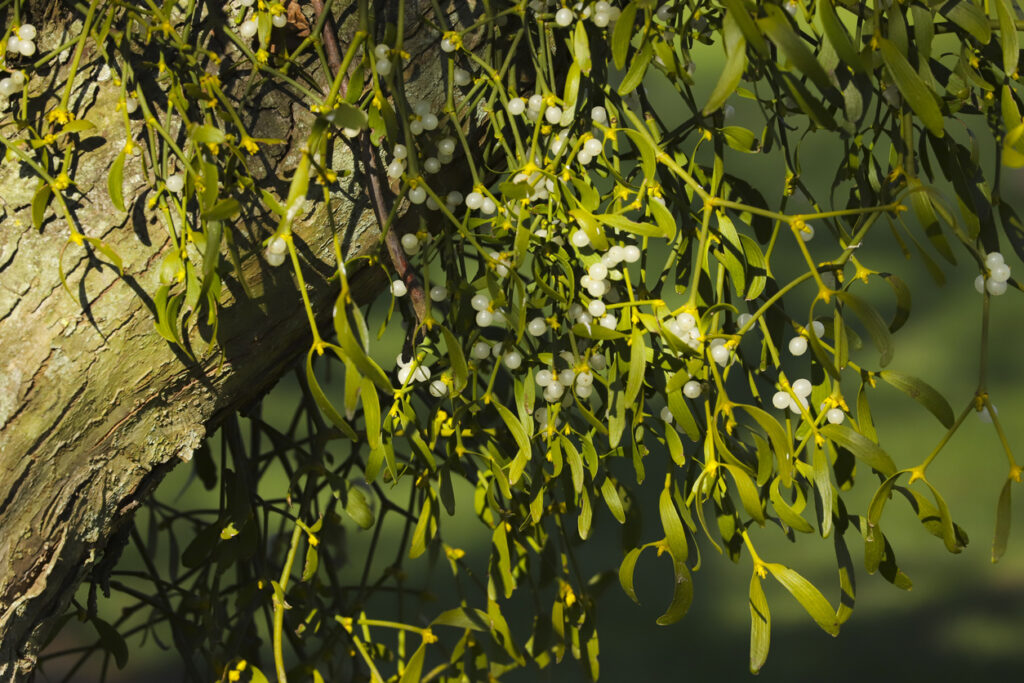
Mistletoe doesn’t grow in the ground like most plants. It’s a hemi-parasite, meaning it grows on the branches of trees, particularly apple, hawthorn, and poplar, tapping into their water and nutrients to stay alive. Without a host tree, mistletoe simply can’t exist.
It doesn’t kill its host outright, but it can weaken it over time. Still, mistletoe has value in ecosystems too. It provides food and shelter for birds and insects, and its berries are spread by species like the mistle thrush. It’s a perfect example of a relationship that’s both parasitic and essential.
2. Ghost orchid
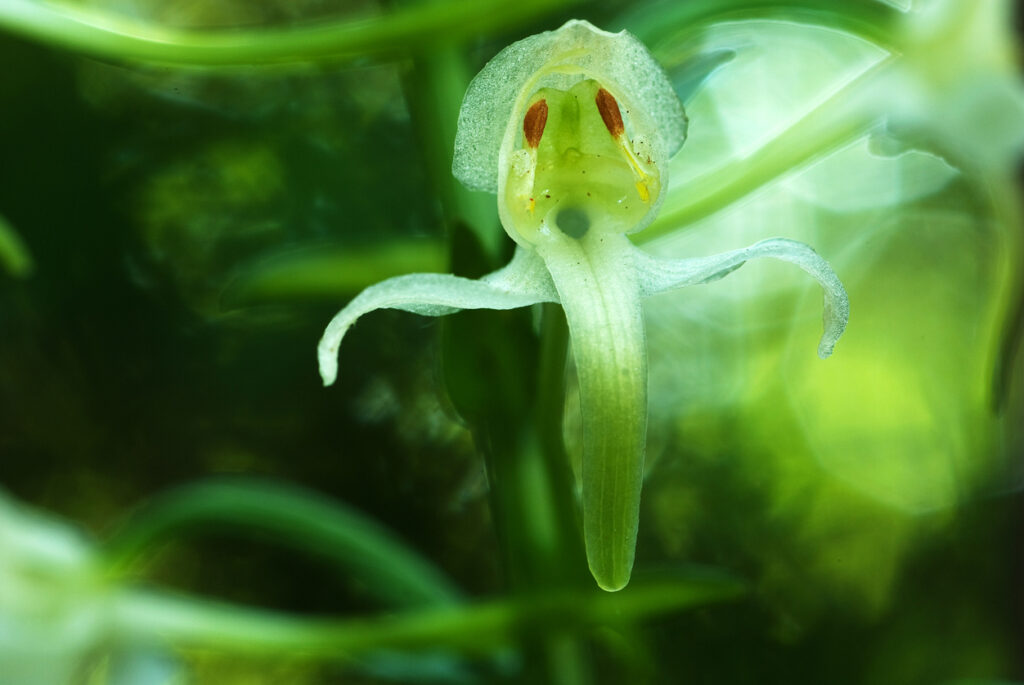
The ghost orchid is famously rare in the UK and nearly impossible to spot. It relies entirely on a relationship with mycorrhizal fungi, which in turn are connected to nearby tree roots, usually beech. The orchid doesn’t photosynthesise at all, so it gets its nutrients through this three-way connection.
Because of this setup, ghost orchids can only grow in specific ancient woodland conditions with the right fungal network. That’s part of what makes them so elusive, and why they’re a key indicator of truly undisturbed habitat.
3. Bird’s-nest orchid
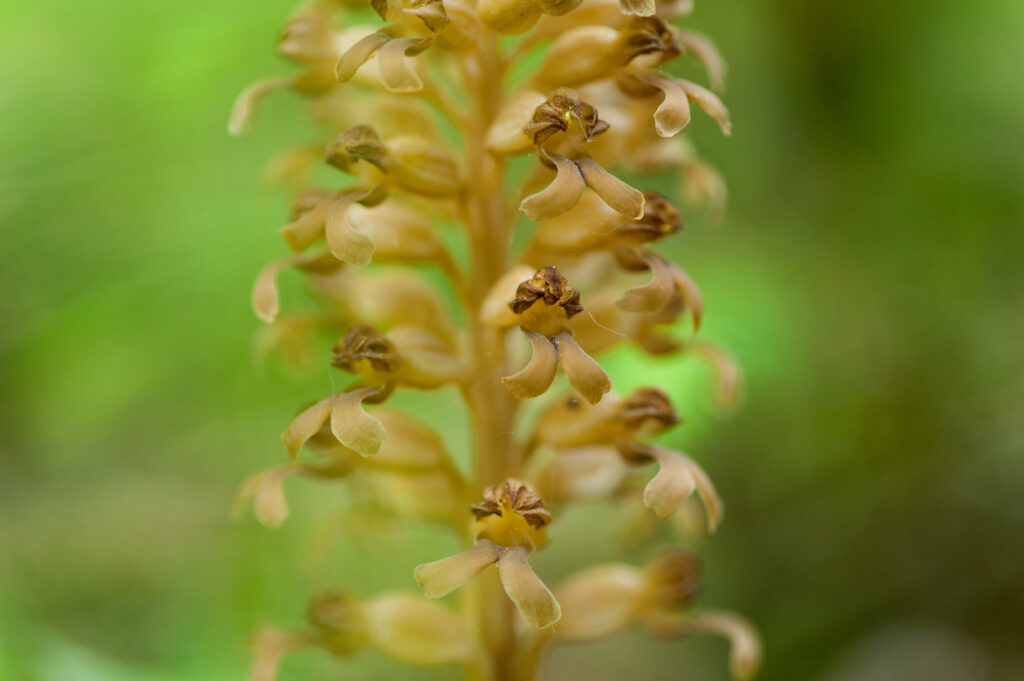
This pale, leafless orchid looks more like a brittle sculpture than a living plant. It doesn’t use chlorophyll to photosynthesise and depends entirely on mycorrhizal fungi, which are connected to the roots of trees, typically beech or hazel. No tree network, no bird’s-nest orchid.
These orchids often appear in old woodlands with deep leaf litter, and their growth can fluctuate wildly from year to year. Their reliance on fungal and tree partners makes them highly sensitive to changes in woodland health or soil quality.
4. Toothwort
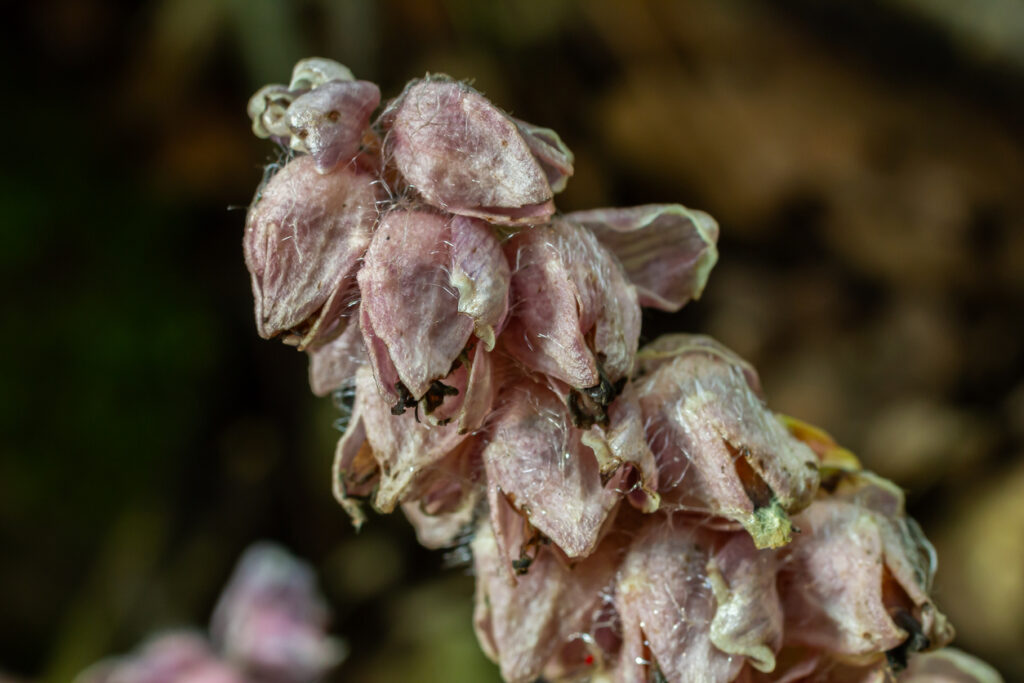
Toothwort doesn’t have any green leaves. Instead, it draws all its nutrients from the roots of nearby plants, often hazel or alder. It’s a root parasite, meaning it taps into the host without forming any above-ground leaves of its own. Its pale pink-white flowers appear briefly in spring and can look like something out of a fairytale. You won’t find toothwort growing in isolation; it only appears where its preferred host species thrive, making it rare and location-specific.
5. Broomrape
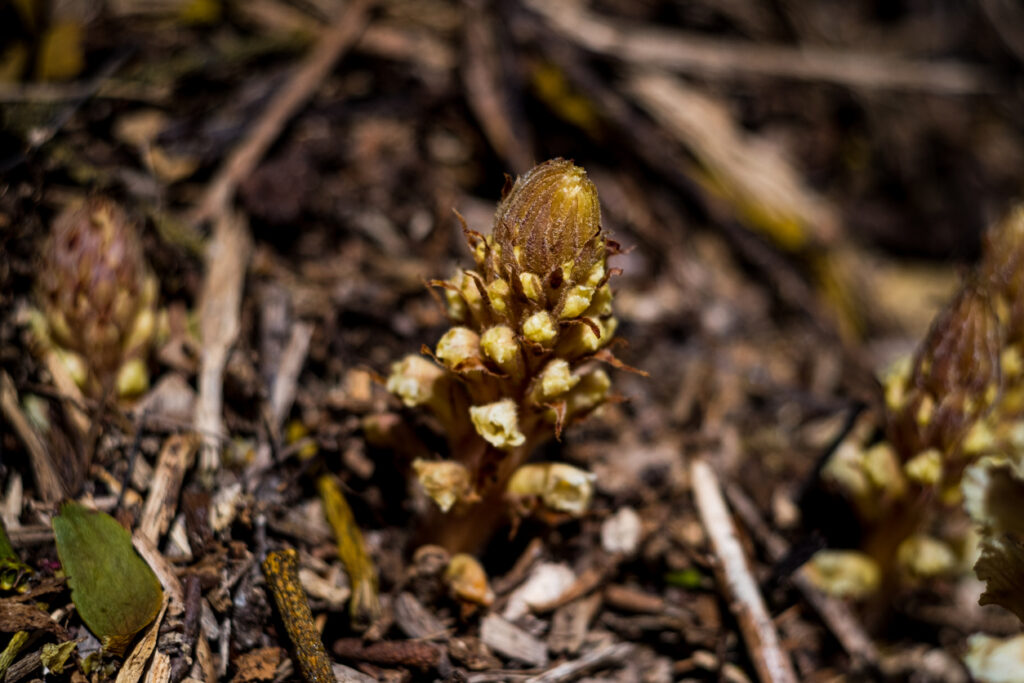
The various species of broomrape are all parasites, latching onto the roots of other plants like clover, ivy, or even tomatoes. They don’t photosynthesise and rely completely on their host plant to supply food and water. Because they’re so specific, broomrapes often appear only where their favourite host is well established. Some are even crop-specific, which makes them a headache for farmers, but ecologically, they show just how dependent certain species are on their neighbours.
6. Yellow rattle
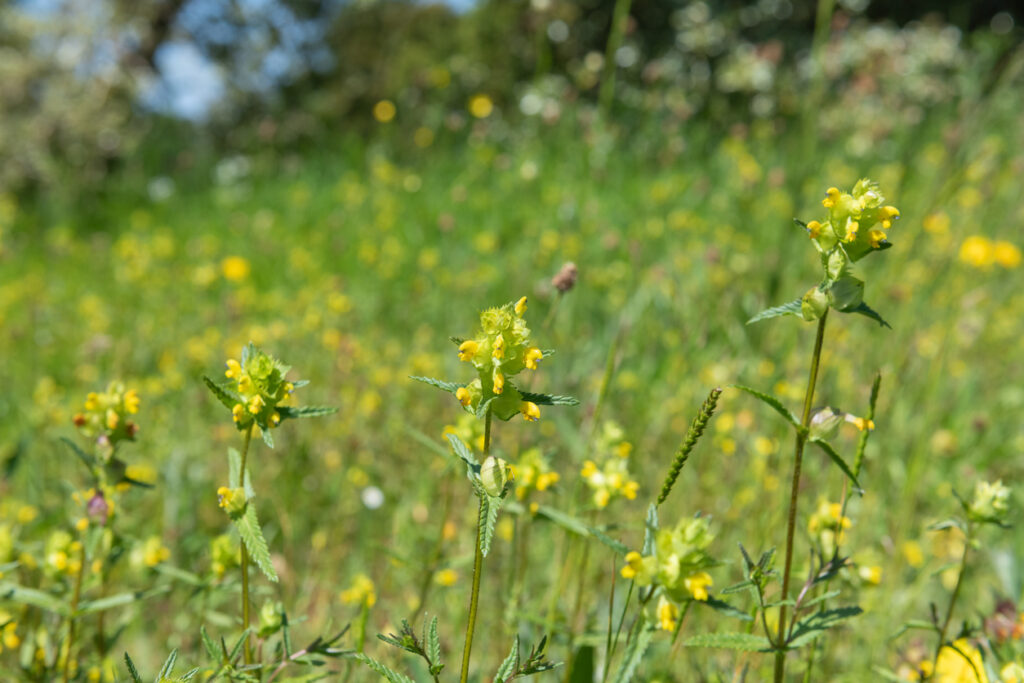
Yellow rattle is a semi-parasite that attaches to the roots of nearby grasses. While it can photosynthesise a little, it mostly gets what it needs by tapping into other plants’ root systems, weakening aggressive grasses and giving wildflowers room to grow.
That trait has made it a hero in wildflower meadow restoration. It essentially helps balance things out by stopping grasses from taking over, creating space for a richer, more diverse plant community. But without other plants around, yellow rattle can’t survive.
7. Ivy broomrape
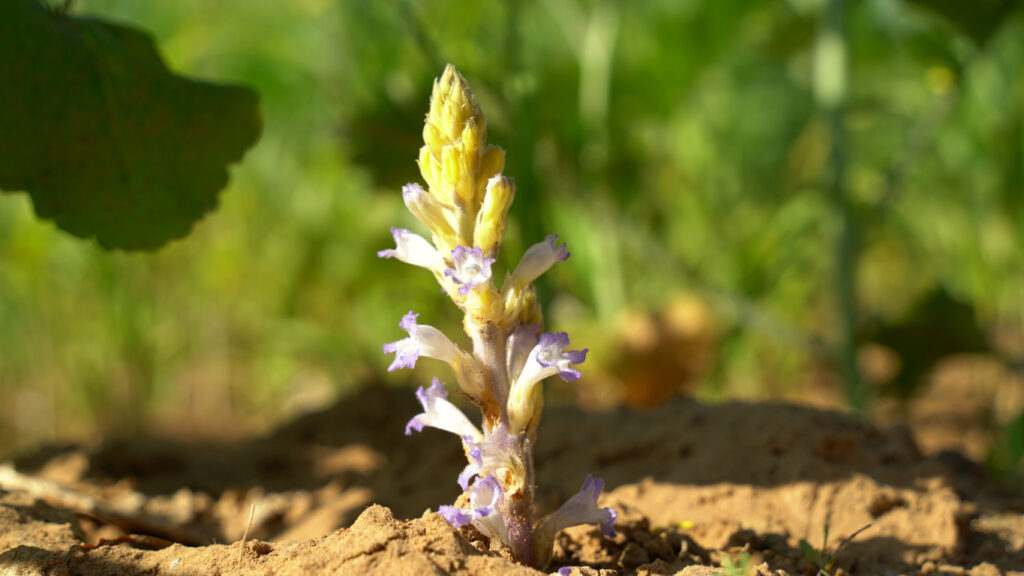
This specific type of broomrape only grows where ivy grows. It has no green parts and emerges with a purplish stalk covered in flowers, relying completely on ivy’s roots for sustenance. No ivy, no ivy broomrape. It’s most often found in southern England and is easy to miss if you’re not looking. The relationship is highly specialised, which is why it’s so rarely seen and mostly restricted to particular regions and soil types.
8. Coralroot orchid
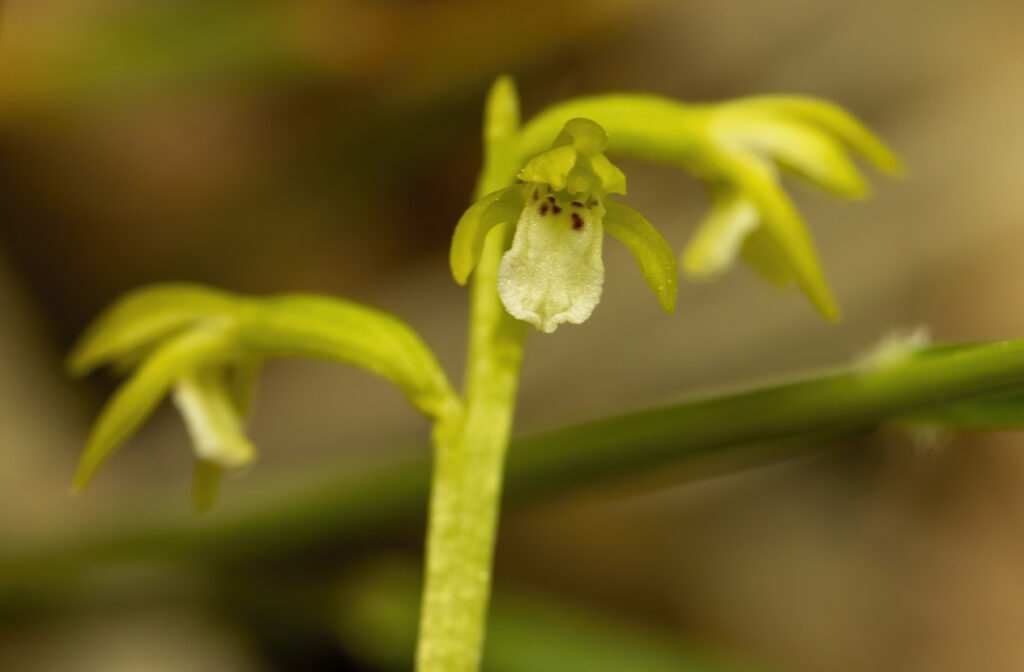
Coralroot orchids don’t have proper roots or leaves. They rely entirely on fungi linked to nearby trees. It’s a subtle, underground system where nutrients pass through the fungal network into the orchid, skipping photosynthesis altogether. These orchids grow mostly in pine or birch woods and are incredibly picky about their habitat. Their dependence on both fungal partners and specific tree types makes them rare and vulnerable to even slight changes in their environment.
9. Dodder
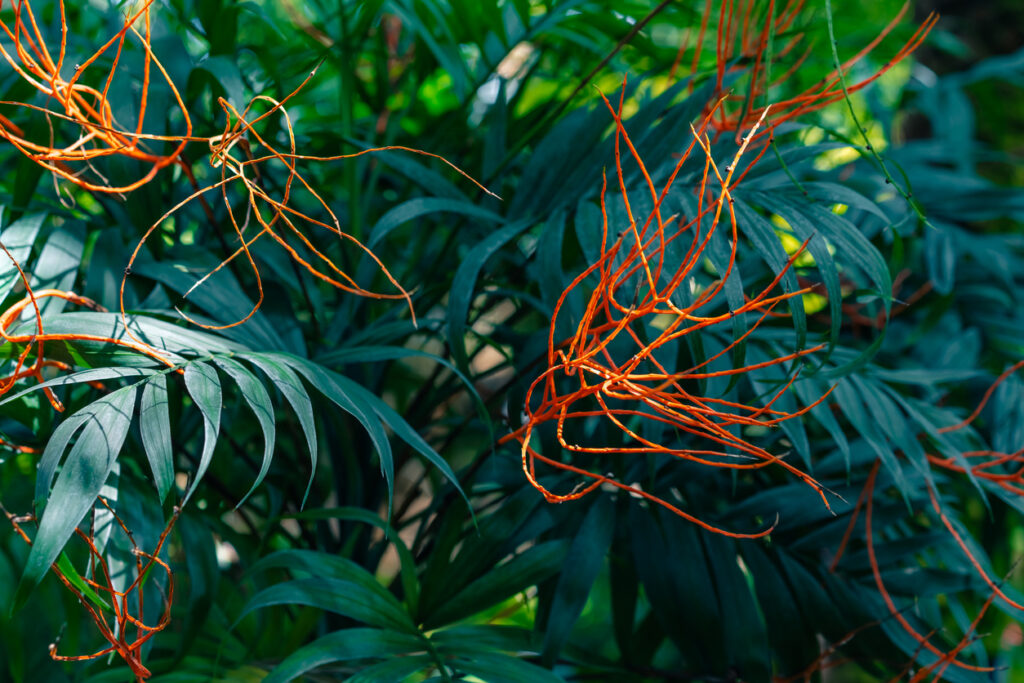
Dodder looks more like tangled string than a plant. It’s a parasitic vine that wraps itself around a host plant, such as nettles, clover, or gorse. It sinks tiny suckers into the host’s stem and draws everything it needs to survive: water, sugars, and minerals.
Once it’s latched on, dodder doesn’t even bother keeping roots in the ground. It abandons them completely and lives off its host. This dramatic dependency makes it both fascinating and, in some cases, a threat to crops or wild plants if it spreads unchecked.
10. Common cow-wheat
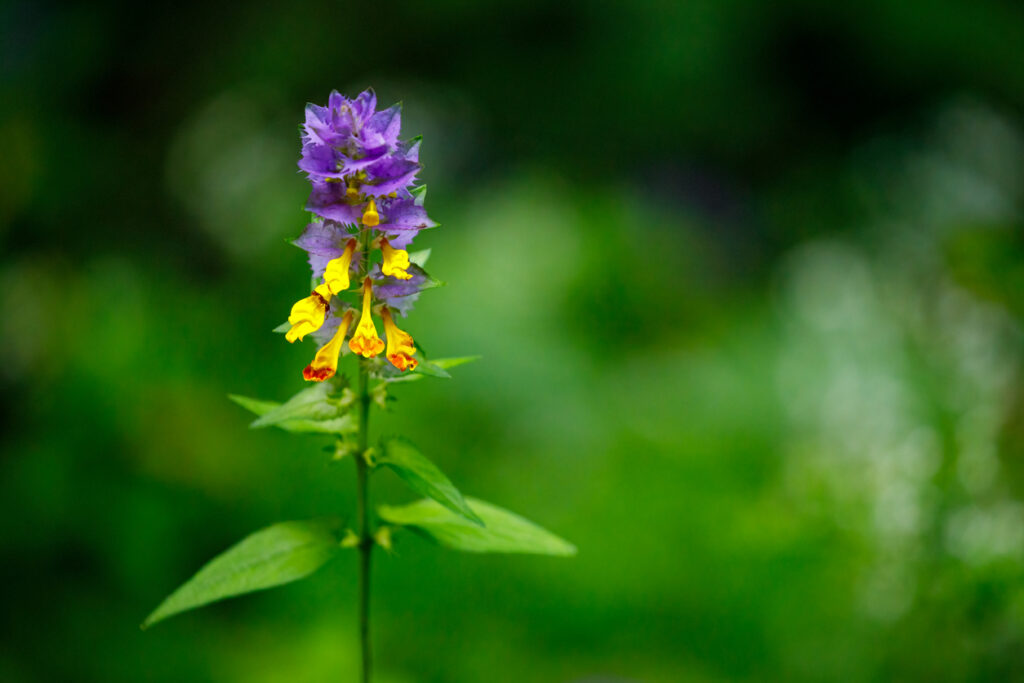
Cow-wheat is a semi-parasitic plant that attaches to tree roots, particularly oak and beech. It gets most of its nutrients that way, although it still photosynthesises to a small extent. It’s commonly found in ancient woodlands where its tree partners are thriving.
Despite its small, yellow flowers, cow-wheat plays a big role in woodland ecology. It’s also the main food plant for the caterpillars of the rare heath fritillary butterfly, linking multiple layers of life together. Without its partner trees, cow-wheat disappears, and so does the wildlife that depends on it.