The platypus looks like nature got drunk and decided to stick random animal parts together just to see what would happen.
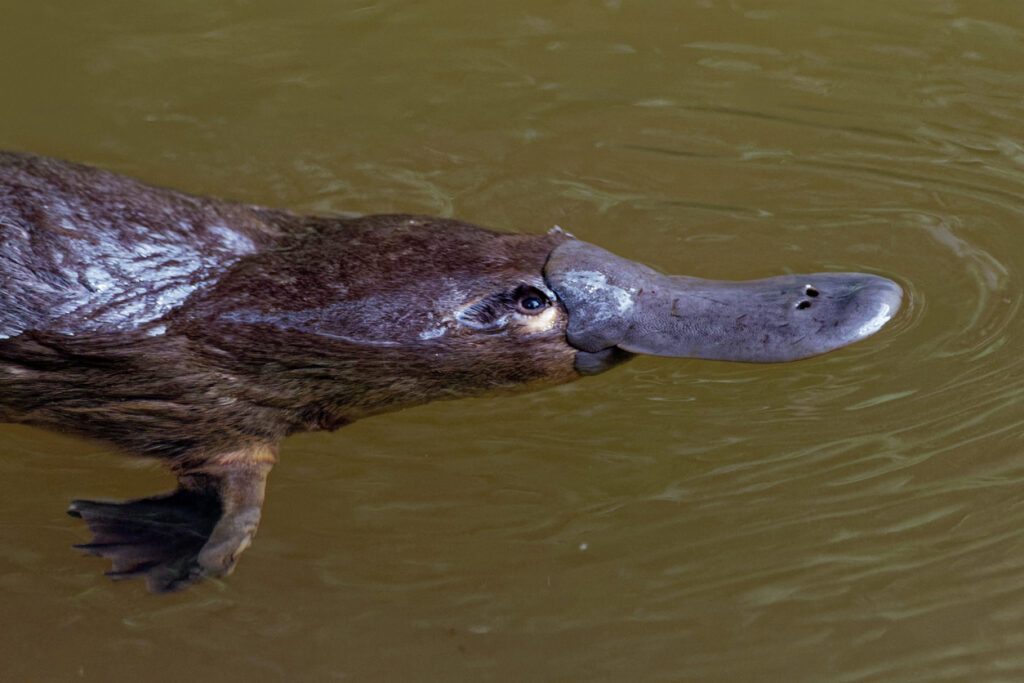
The result is genuinely one of the weirdest creatures on Earth. And while we don’t get to see them up close and personal very often, they’re actually pretty remarkable creatures that show just how bizarre biology can truly be from time to time.
1. It has a duck’s bill stuck on a mammal’s body.
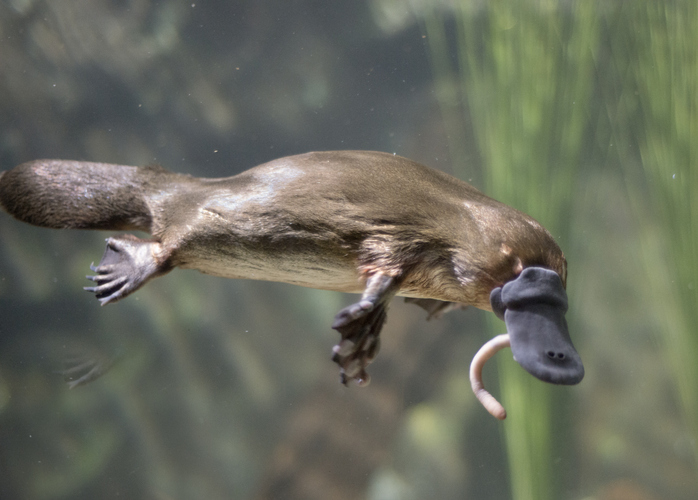
The platypus has a proper duck bill complete with the same rubbery texture and waterproof properties, but it’s attached to a furry mammalian body that produces milk and has warm blood. It’s like someone decided to mix and match parts from completely different animal catalogues.
That bizarre combination actually works brilliantly for their lifestyle because the bill is packed with electroreceptors that can detect the electrical signals from muscle contractions in other animals. They can literally hunt with their eyes closed underwater by sensing the electrical activity of hidden prey.
2. It lays eggs despite being a mammal.

Mammals are supposed to give birth to live babies, but the platypus decided to ignore that fundamental rule and lay leathery eggs instead, just like reptiles and birds do. They’re one of only two mammalian species that lay eggs, making them living fossils from when evolution was still figuring things out.
The mother incubates her eggs by curling around them and keeping them warm with her body heat for about ten days before they hatch. Once the babies emerge, they still drink milk like proper mammals, but they have to lick it off grooves on their mother’s belly because platypuses don’t have nipples either.
3. Males have venomous spurs like a snake.
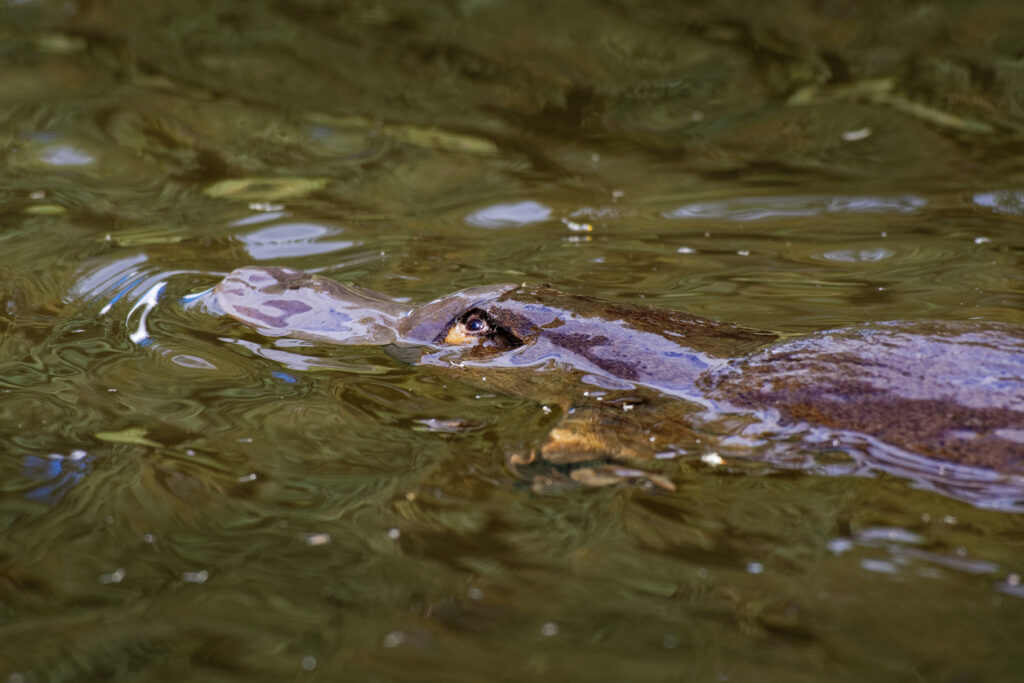
Male platypuses have hollow spurs on their hind legs that inject venom powerful enough to kill a dog-sized animal and cause excruciating pain in humans that can last for weeks. It’s like someone decided to give a cute, furry mammal the defensive capabilities of a deadly snake.
The venom becomes more potent during breeding season, which suggests it’s used for fighting other males rather than hunting prey. Getting stung by a male platypus during mating season is apparently one of the most painful experiences in the animal kingdom, and the pain can’t be relieved by morphine.
4. It has a beaver tail attached for no obvious reason.
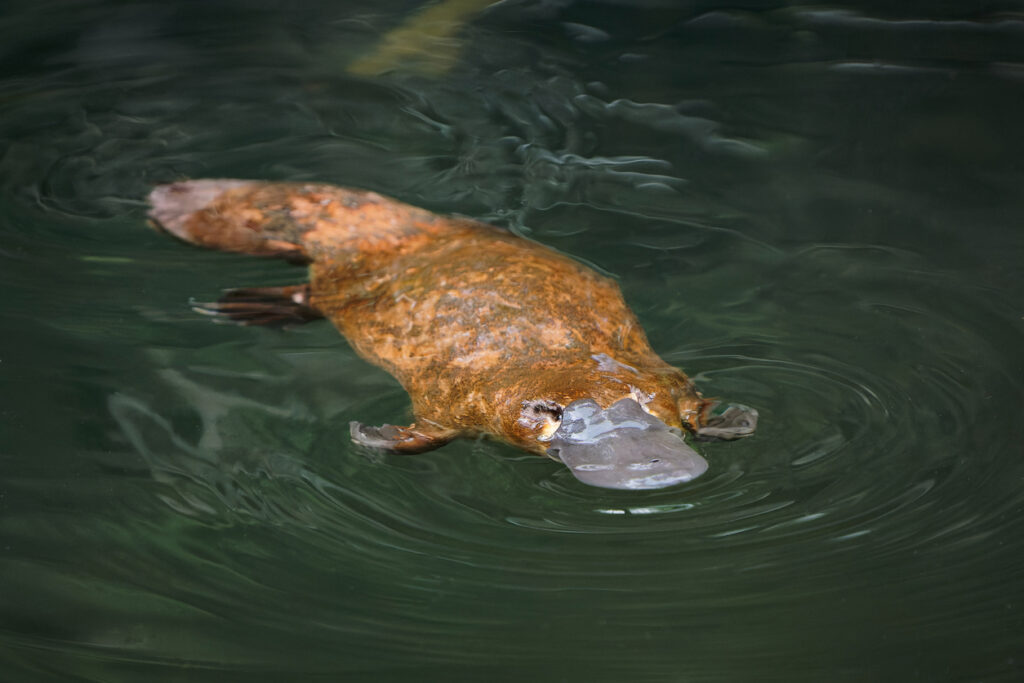
The platypus sports a big, flat, furry tail that looks exactly like it was borrowed from a beaver, but they don’t use it for building dams or slapping water as warning signals. Instead, they use it for storing fat reserves and as a rudder while swimming underwater.
The tail also serves as a prop when they’re sitting upright on land, basically turning them into a tripod with their back legs and tail forming a stable base. It’s like nature gave them a beaver tail just because it had some spare ones lying around and thought it might be useful.
5. It sweats milk instead of producing it normally.
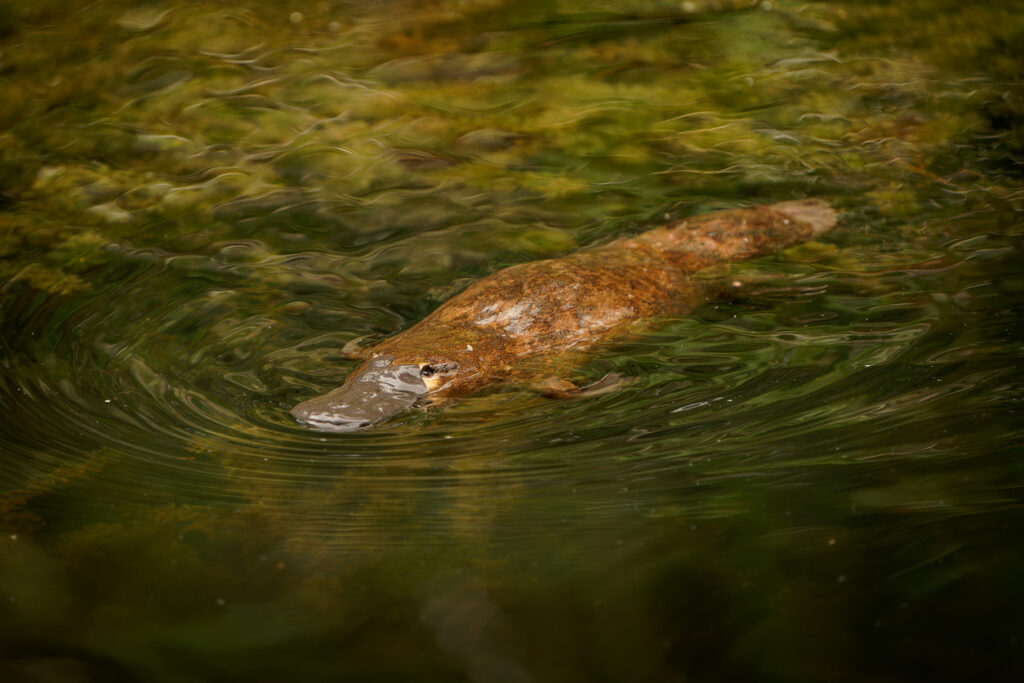
Platypuses don’t have nipples like other mammals, so they literally sweat milk through pores in their skin for their babies to lick up. It’s like someone designed a mammal but forgot how milk delivery was supposed to work and improvised a completely different system.
The milk grooves on their belly channel the sweated milk into convenient licking areas for the babies, creating a bizarre feeding system that works but looks nothing like what happens with other mammals. It’s functional, but definitely not the standard mammalian approach to nursing.
6. It closes its eyes and ears underwater.
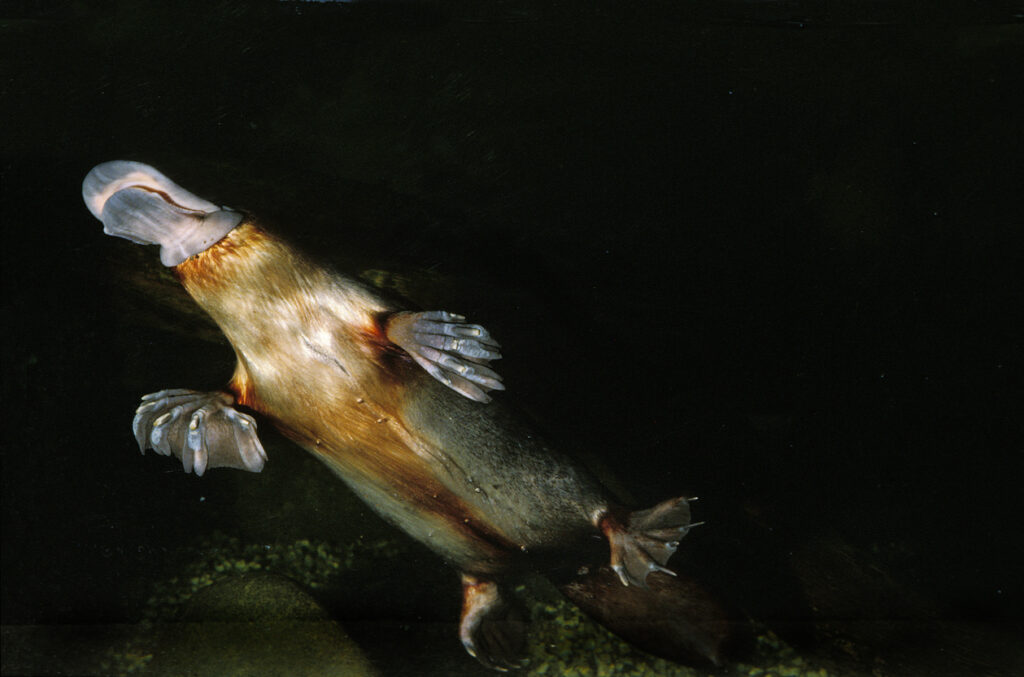
When diving, platypuses seal shut their eyes and ears completely, leaving them essentially blind and deaf while hunting underwater. That means they’re navigating and finding food using only their bill’s electrical sensors and sense of touch, like a furry submarine with sonar.
They can stay underwater for up to two minutes when they’re hunting, relying entirely on their electrical detection system to find prey in the murky water. It’s like they’ve developed their own biological version of echolocation but using electrical fields instead of sound waves.
7. It has teeth that disappear and get replaced by grinding plates.
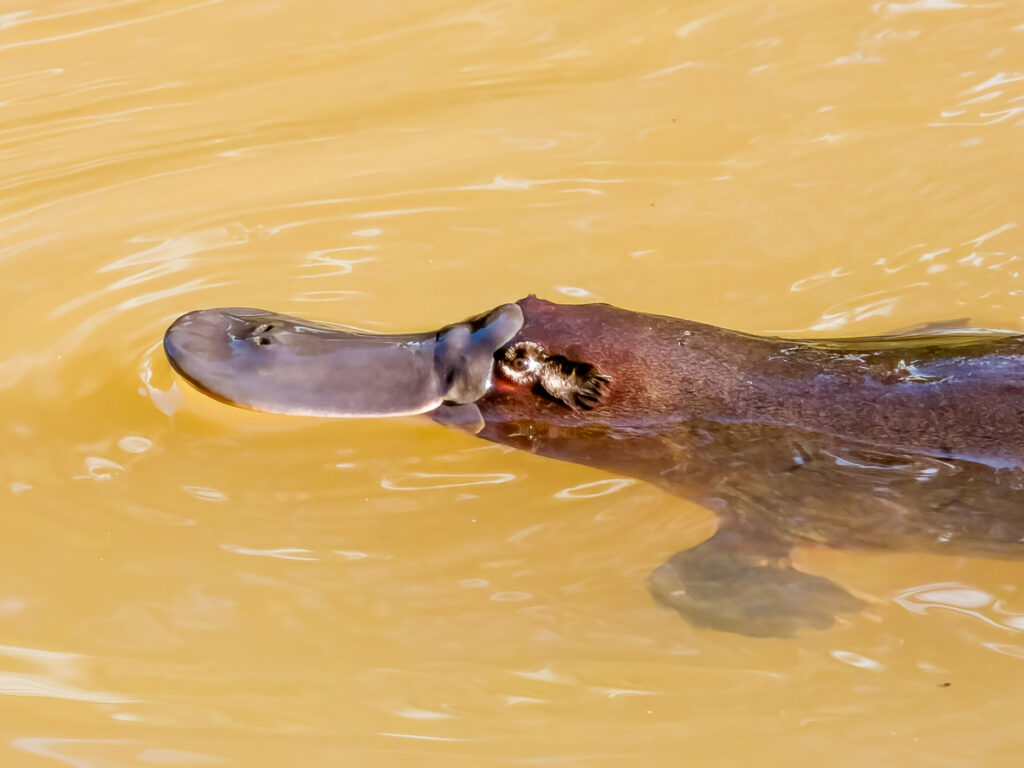
Baby platypuses are born with proper teeth like other mammals, but these fall out as they mature and get replaced by hard, grinding plates made of keratin. It’s like they start life as one type of animal and then transform into something completely different.
These grinding plates work perfectly for crushing the shellfish, insects, and worms they eat, but the transition from teeth to grinding plates is unique among mammals. It’s as if nature couldn’t decide whether they should be carnivores or herbivores and settled on a weird hybrid solution.
8. It has fur that glows under UV light.
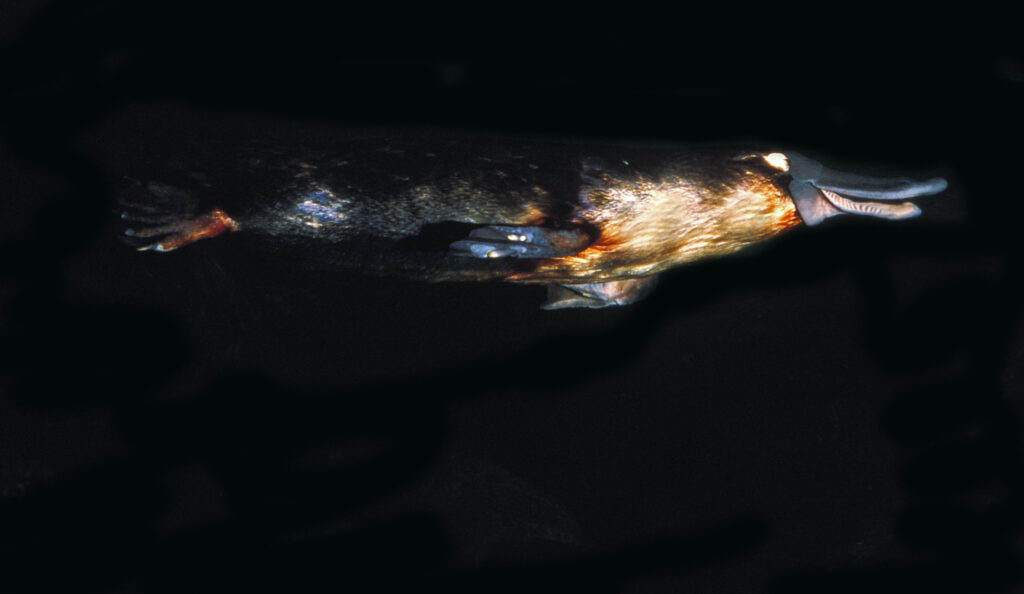
Recent discoveries have shown that platypus fur fluoresces under ultraviolet light, glowing blue-green in the dark like some sort of biological disco ball. Nobody knows why they have this ability because they’re active during times when UV light isn’t naturally present.
The glowing fur might be used for communication between platypuses in dark burrows or murky water, or it could be a leftover trait from their evolutionary past that serves no current purpose. Either way, it adds another layer of weirdness to an already bizarre creature.
9. It builds elaborate burrow systems like a mole.
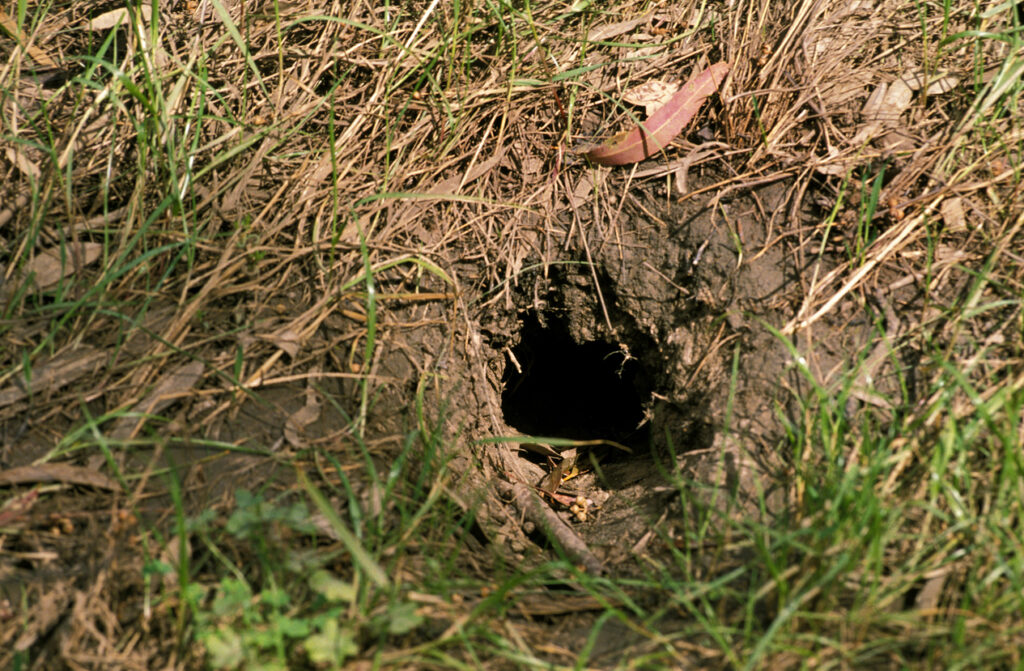
Platypuses dig complex tunnel systems into riverbanks that can extend up to 20 feet underground, complete with multiple chambers, air pockets, and underwater entrances. These engineering projects are more like what you’d expect from burrowing mammals than aquatic ones.
The burrows include nursery chambers lined with grass and leaves where they raise their young, and separate chambers for sleeping and food storage. It’s like they’ve combined the lifestyle of aquatic animals with the engineering skills of terrestrial burrowers.
10. It has webbed feet that retract.
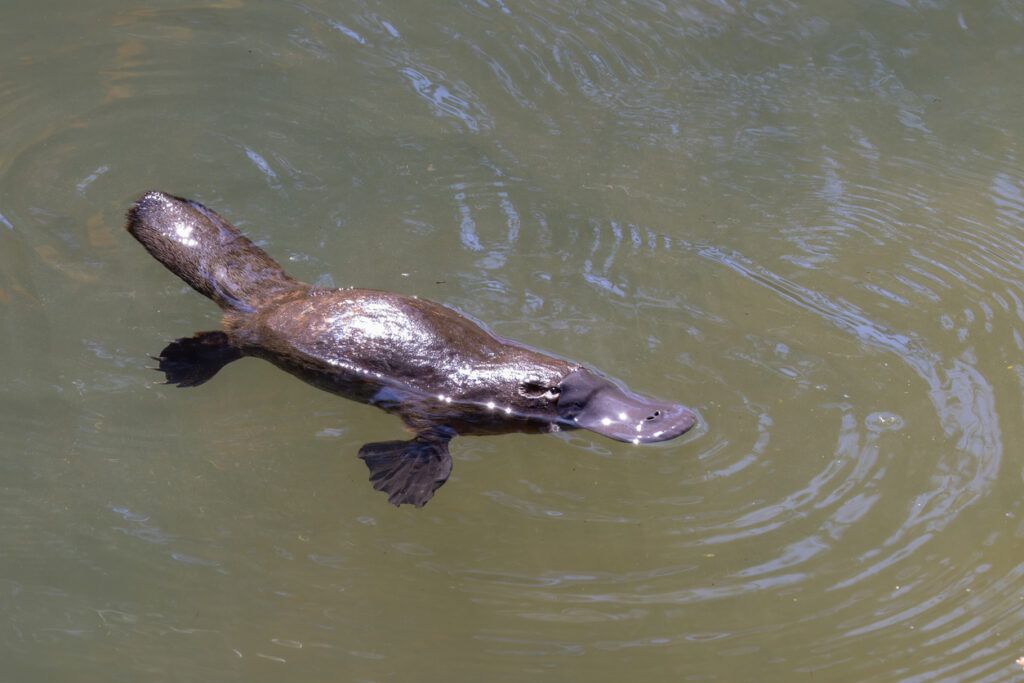
The platypus has fully webbed front feet for swimming, but the webbing retracts when they’re on land to reveal proper claws underneath for digging. It’s like having built-in swimming fins that transform into digging tools depending on what they need to do.
That retractable webbing system is unique among animals and shows incredible evolutionary engineering that allows them to be equally effective in water and on land. Most animals have to choose between being good swimmers or good diggers, but platypuses decided to be both.
11. It stores fat in its tail like a reptile.
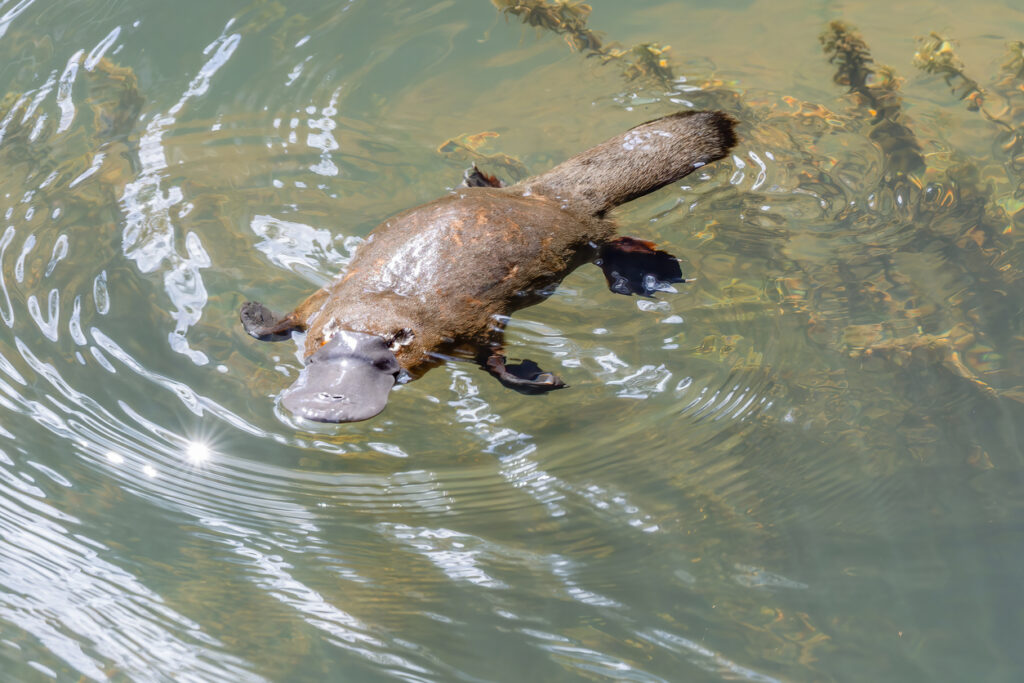
Unlike other mammals that store fat throughout their body, platypuses pack extra energy reserves into their tails, like lizards and other reptiles do. When food is scarce, their tail becomes noticeably thinner as they use up these stored fat reserves to survive.
The reptilian approach to fat storage in a mammalian body is another example of how platypuses seem to have borrowed features from different animal groups. It’s an efficient system that works well for their semiaquatic lifestyle, but definitely not standard mammalian biology.
12. It can sense electrical fields like a shark.

The platypus bill contains about 40,000 nerve endings that can detect the electrical signals produced by muscle contractions in other animals, giving them a hunting superpower usually associated with sharks and other cartilaginous fish. They can sense prey hiding in mud or under rocks without seeing them.
That electroreception ability is so sensitive that they can detect the electrical field changes caused by a small shrimp moving several inches away in murky water. It’s like having a built-in metal detector but for living creatures, and it’s incredibly rare among land and freshwater animals.
13. It defied scientific classification for decades.
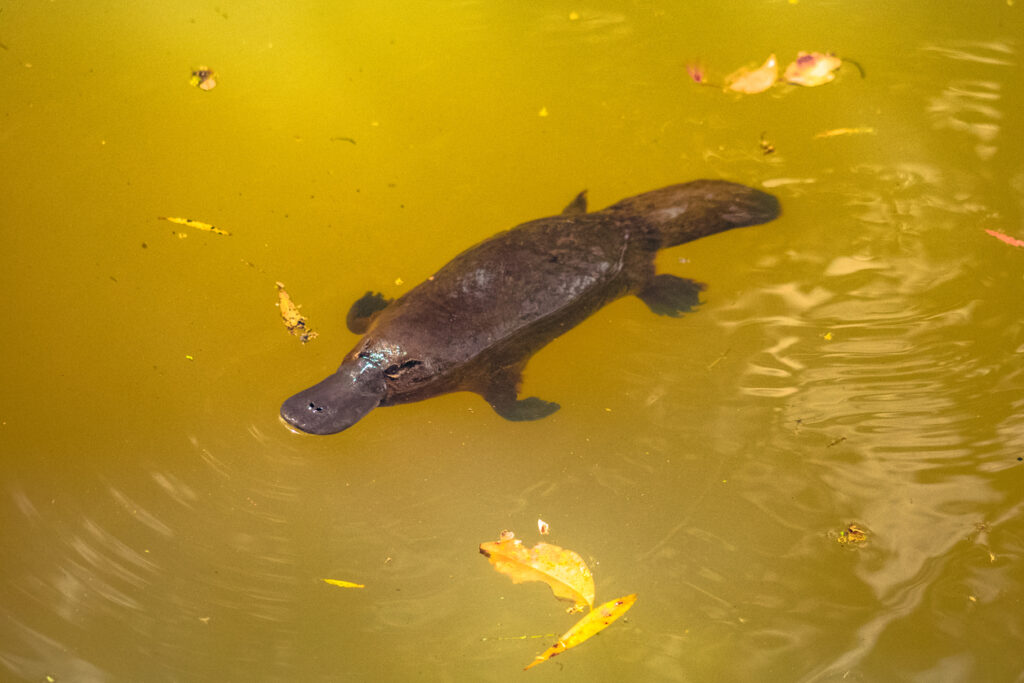
When European scientists first encountered platypus specimens in the late 1700s, many thought they were elaborate hoaxes created by stitching together parts from different animals. The combination of features was so impossible that it took decades for scientists to accept they were looking at a real creature.
Even after accepting they were real, scientists struggled to classify them because they didn’t fit into any existing categories, having characteristics of mammals, reptiles, and birds all mixed together. The platypus essentially broke the animal classification system and forced scientists to create new categories just to accommodate their weirdness.