Harvesting veg sounds simple: pick it when it looks ready, right?
The thing is, timing is everything. Leave something in the ground too long and it turns woody or bitter. Pull it up too soon, and you miss out on full flavour or yield. A lot of home gardeners make the same timing mistakes without even realising it. Here are some of the most common vegetables that are often harvested at the wrong time, and how to get it right for better taste, texture, and success.
1. Courgettes

It’s easy to leave courgettes on the plant a little too long because they grow so quickly, sometimes doubling in size overnight. However, once they get too big, they lose their tenderness and flavour, becoming watery or seedy.
For the best texture and taste, harvest courgettes when they’re about 10–15 cm long. At that size, they’re still sweet, firm, and great for grilling or sautéing. Letting them turn into marrows might be satisfying visually, but it won’t do your cooking any favours.
2. Carrots
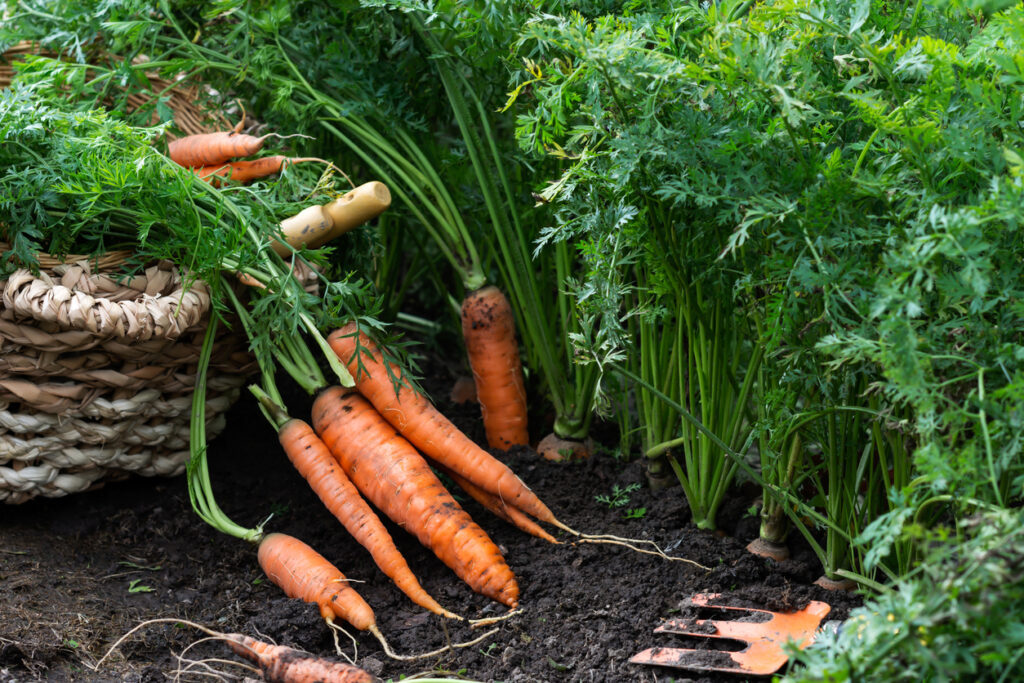
Many gardeners pull up carrots too early because they’re eager to see the results, but baby carrots and stunted roots often lack flavour. On the flip side, leaving them in too long can make them tough and woody. The trick is to check the diameter at the top of the root, as most varieties are ready when they’re about 1.5–2 cm wide. You can gently move some soil away to peek. If they’ve had enough time to develop, they’ll slide out easily and taste sweet and crisp.
3. Sweetcorn
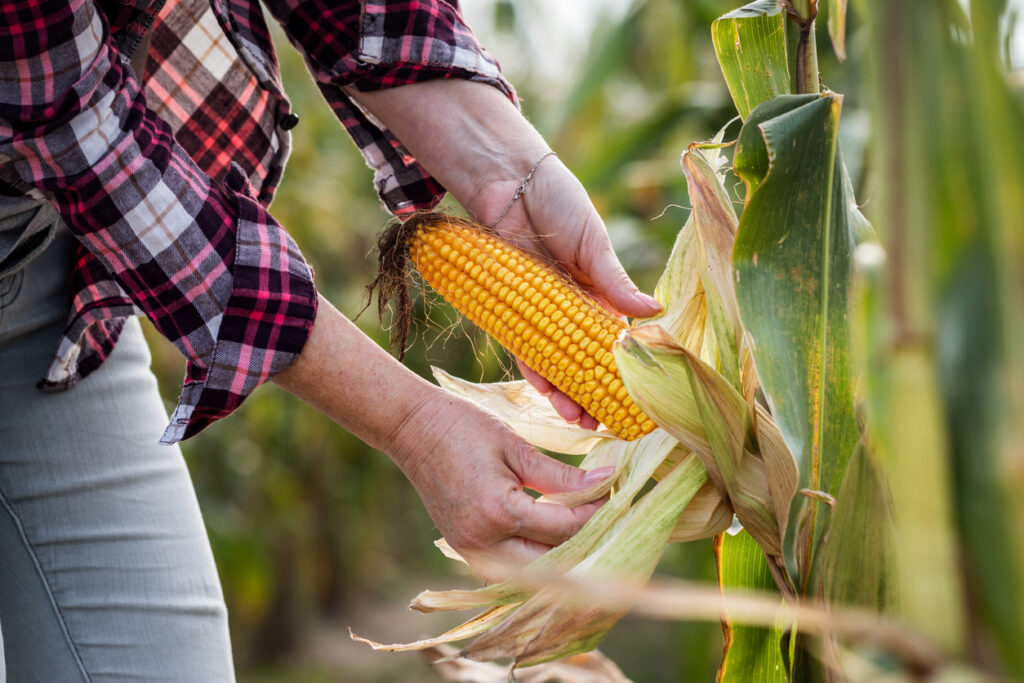
Sweetcorn is incredibly time-sensitive. Wait too long, and the sugars in the kernels start turning to starch, making them dull and chewy. However, harvesting too early means they haven’t developed full sweetness yet. You’ll know they’re ready when the silks at the top go brown and dry, and the kernels feel plump through the husk. If you press a kernel with your nail and get a milky liquid, it’s the perfect time. Clear juice means too soon, and no juice means too late.
4. Lettuce
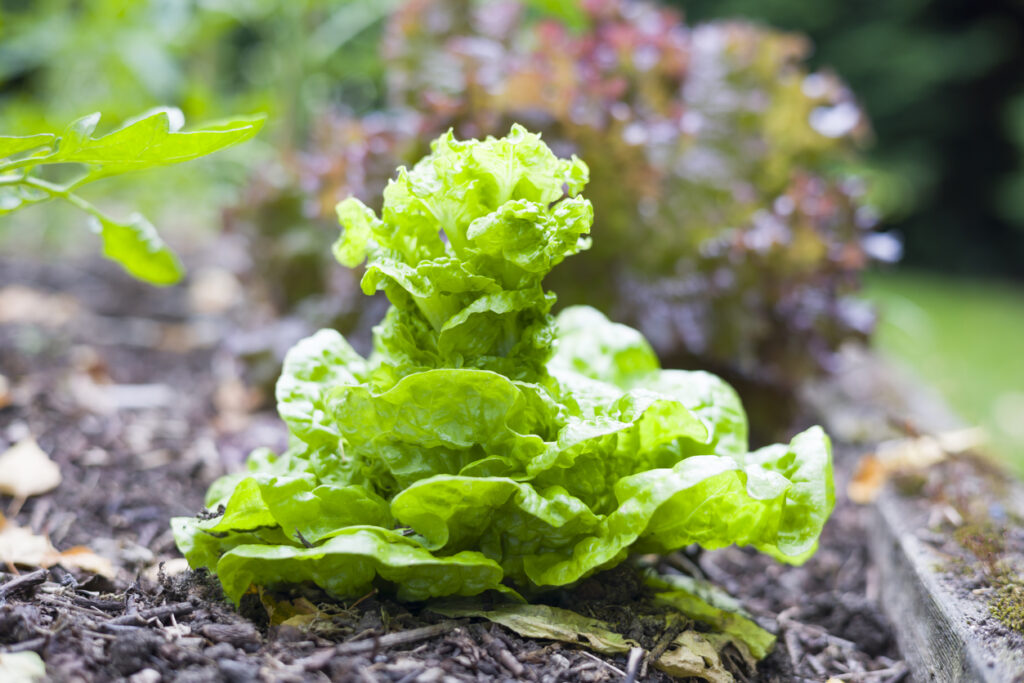
Lettuce often gets left too long in the garden, especially when people want a big, full head. However, once it bolts, or sends up a flower stalk, it turns bitter and loses that crisp, mild flavour most people want. It’s better to harvest lettuce when it’s firm but before any signs of bolting. Loose-leaf varieties can be picked a few leaves at a time, keeping the plant going longer. For hearting types, once the centre feels dense and slightly springy, it’s time to cut.
5. Runner beans
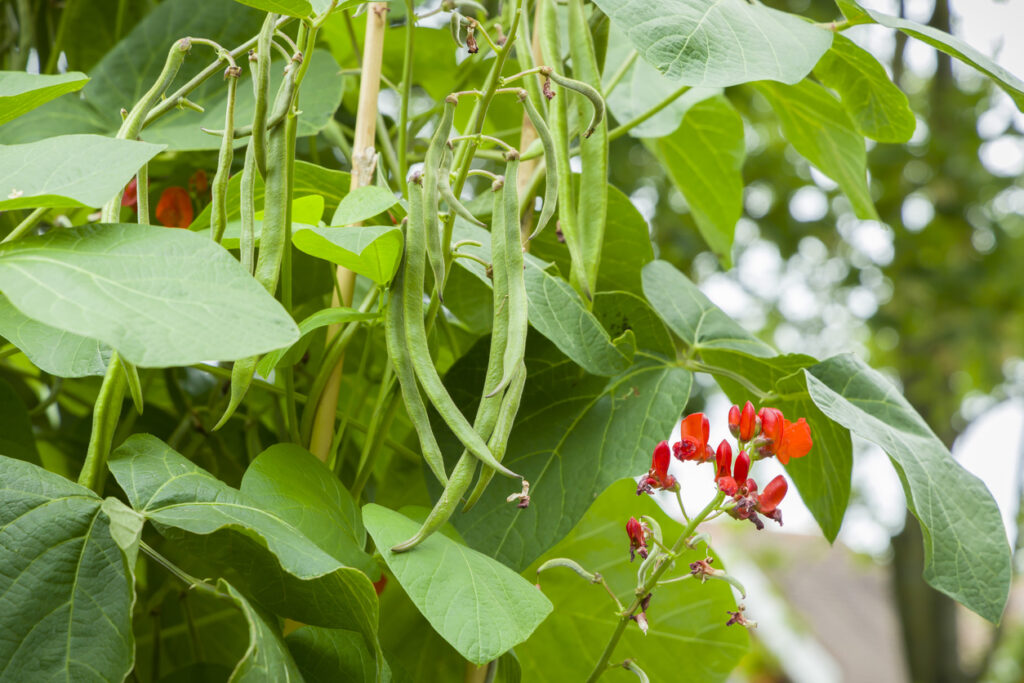
Runner beans are best when they’re young and tender, but people often wait until the pods look thick and long, which usually means they’ve gone stringy and tough. The seeds inside can also become overly large and take over the pod.
Harvest runner beans when they’re about 15–20 cm long and still smooth. You should be able to snap them in half easily. If you can see pronounced bumps from the seeds, they’re probably past their prime. The more you pick, the more the plant will produce.
6. Potatoes

With potatoes, there’s a big difference between new potatoes and maincrop harvests. Some gardeners dig them up before they’ve had a chance to bulk up. Others leave them in too long, risking slug damage or rot, especially in wet soil. For new potatoes, start checking around 10–12 weeks after planting when the flowers bloom. For maincrop, wait until the foliage dies back completely. Lift a test plant first. If the skins rub off easily, they need more time; if not, they’re ready.
7. Beetroot
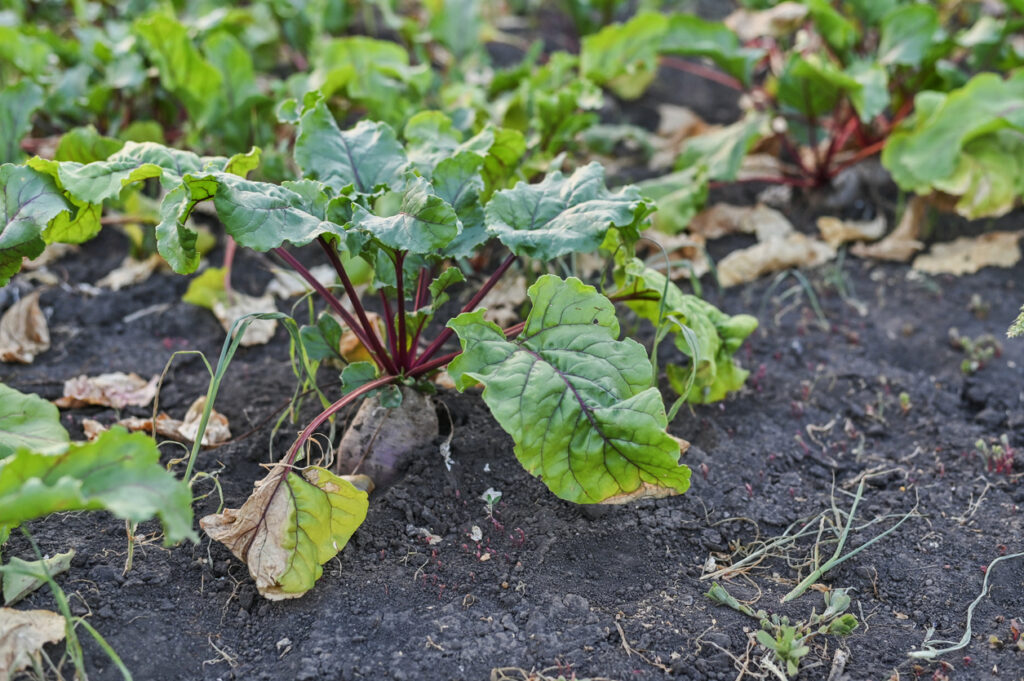
Beets left in too long can get tough, fibrous, or overly earthy. But harvesting them too soon means you’ll just get a golf ball-sized root with not much flavour or substance. Aim to harvest beetroot when they’re around 5–8 cm in diameter. At that size, they’re still tender and sweet. You can also eat the leaves while they’re young, so if you’re thinning them out, don’t let the tops go to waste. They’re great sautéed like spinach.
8. Broccoli
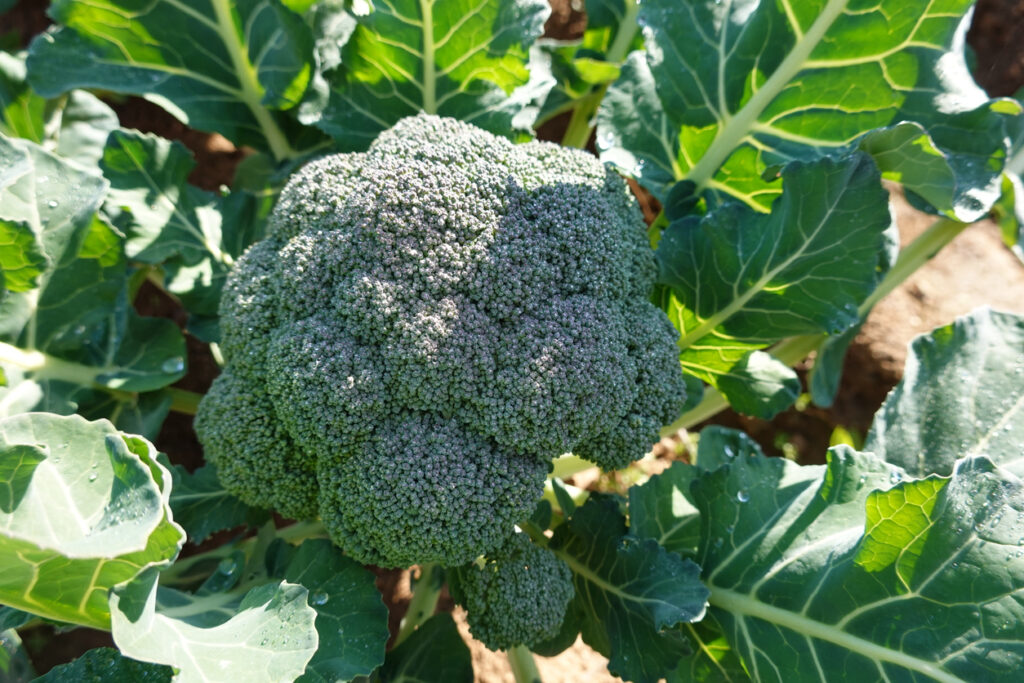
The biggest mistake with broccoli is waiting until the florets get huge, which is when they’re just about to flower. Once the buds start to separate or show yellow, the flavour gets stronger, and the texture becomes grainy. Harvest when the heads are tight, dark green, and about the size of a fist (depending on the variety). Cut it cleanly with a sharp knife, and the plant may produce smaller side shoots for a second round of harvests.
9. Peas
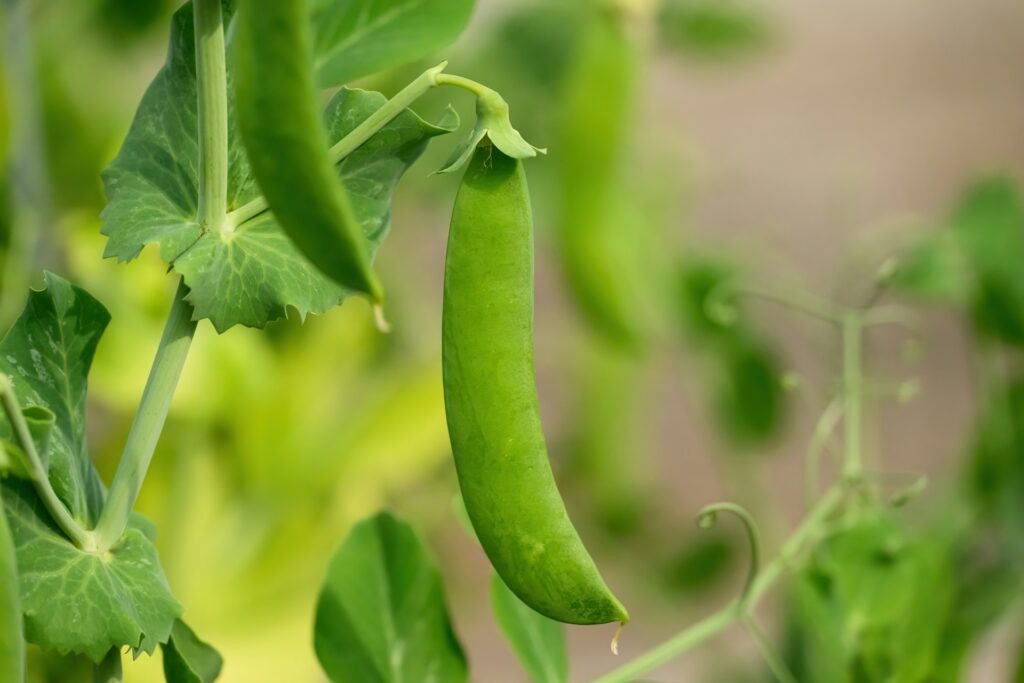
Peas that are left too long lose their sweetness and become starchy. But if you pick them too early, the pods are small and the peas barely formed. It’s a balancing act that takes a bit of trial and error. Check by gently pressing the pods. You should feel fully formed, round peas inside. They should also still feel slightly soft. If they’re rock hard, you’ve waited too long. Pick regularly to keep the plant producing through the season.
10. Cabbage
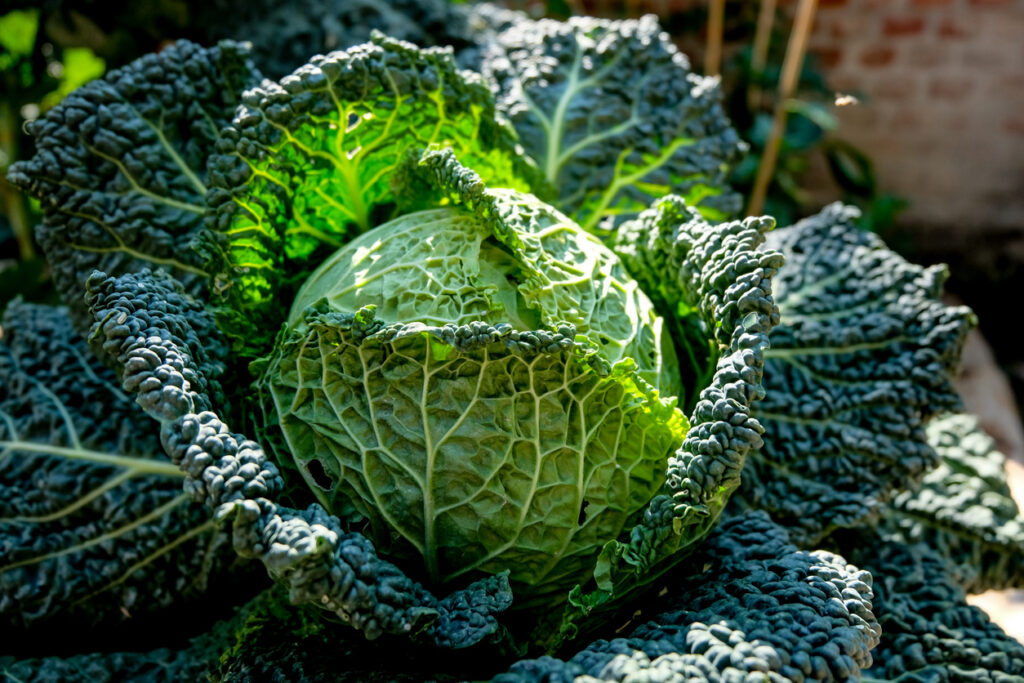
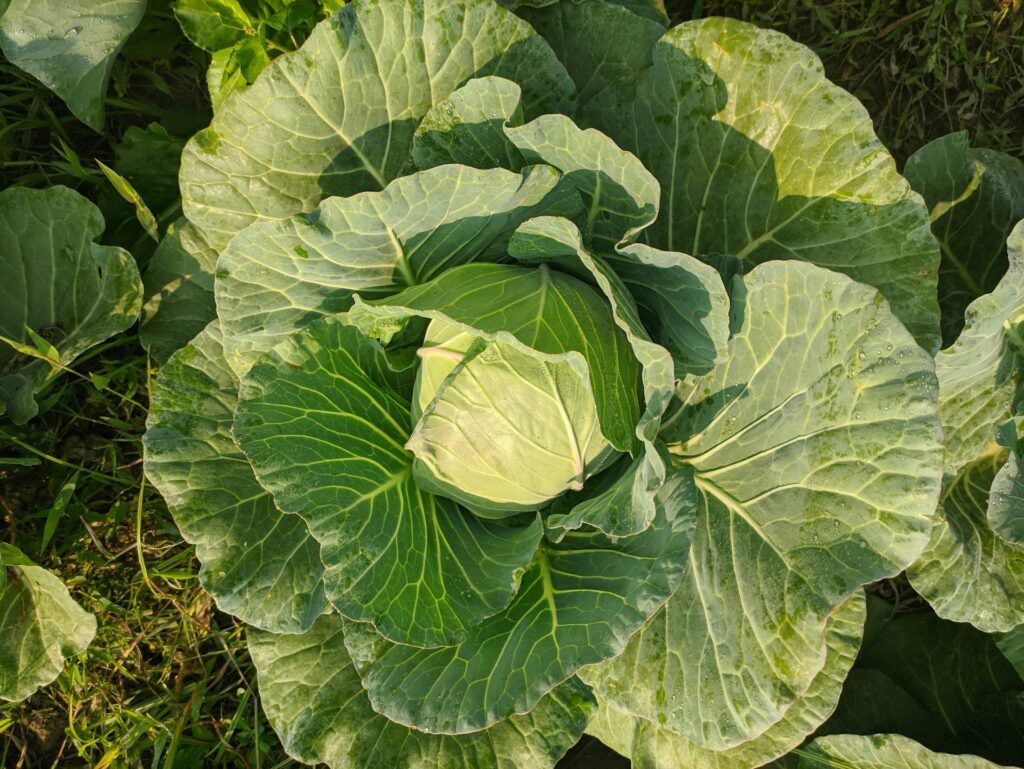
Cabbage can stay in the ground a little too long if you’re not keeping an eye on it. Once the head forms, it won’t get much bigger. Instead, it’ll just start splitting or going woody if you leave it too long. Harvest once the head feels solid when squeezed and before any cracks start forming. Cut it at the base with a sharp knife, and if you leave the root in, some varieties will even sprout a bonus second crop of smaller heads.
11. Aubergine
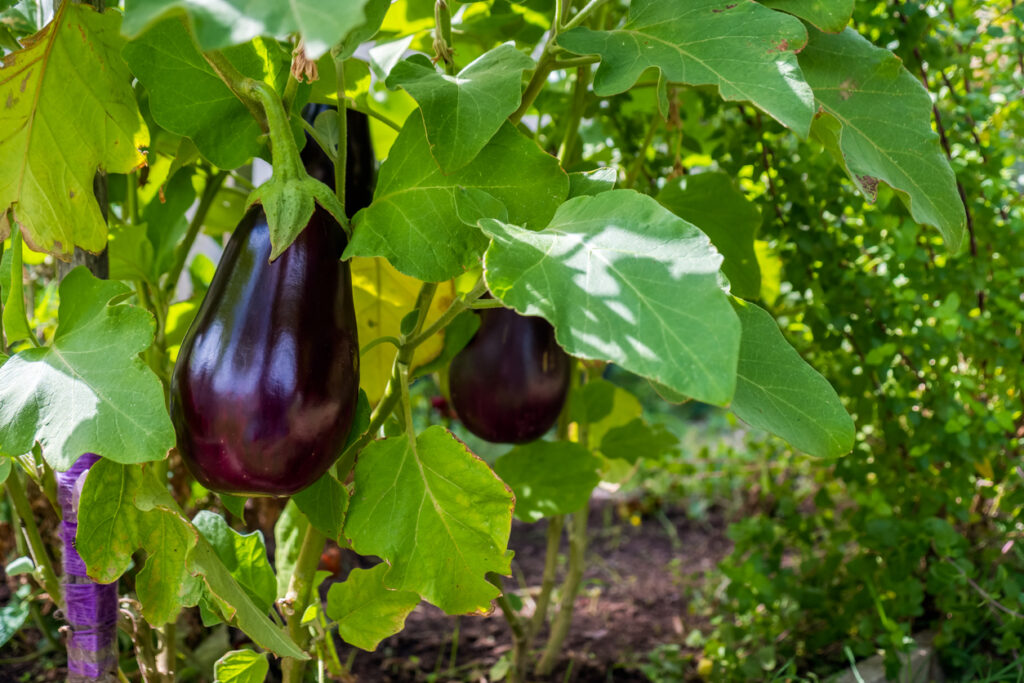
Aubergines often trick gardeners into waiting too long. They might look glossy and perfect, but left too long, they get seedy and bitter. If they start to lose their shine or develop a dull surface, they’re likely overripe. The best time to pick is when they’re glossy and feel slightly firm but not hard. If you gently press with your thumb, and it leaves a slight dent, they’re ready. Don’t wait for size; go by colour and texture instead.
12. Kale
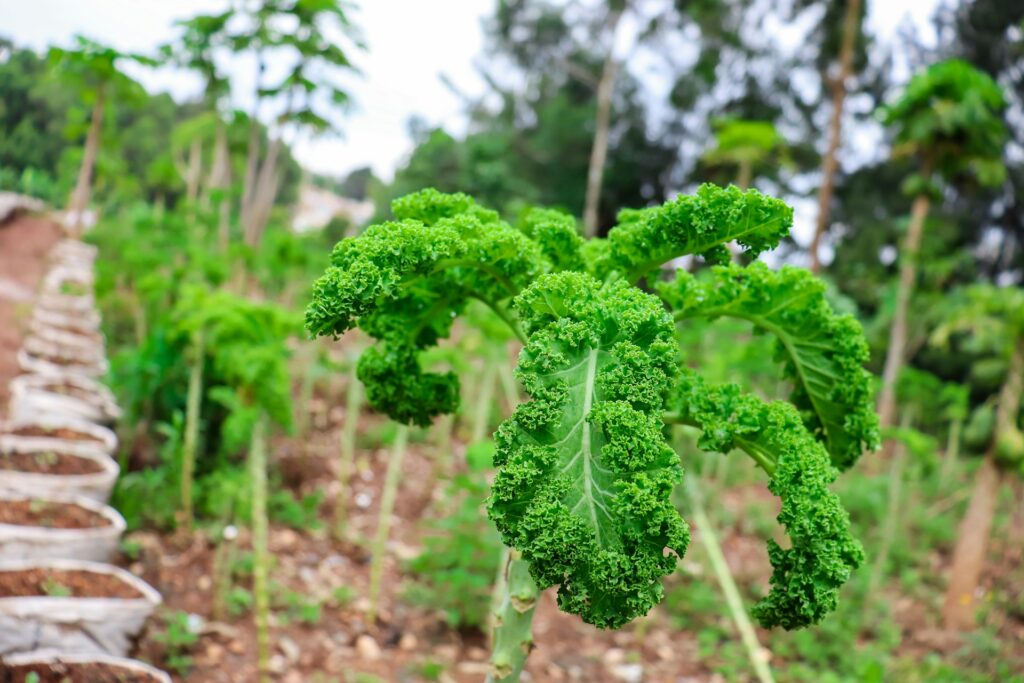
Unlike some veg, kale isn’t really about one perfect harvest moment. However, people often let it grow too big before picking, which can lead to tough, chewy leaves. Overwintering kale is great, but the older leaves aren’t always ideal. The best leaves are the young, tender ones near the top of the plant. You can harvest lower leaves as you go, which encourages new growth. Don’t wait for a full “head” to form—just keep it going with regular picking, and the flavour stays milder.
13. Turnips
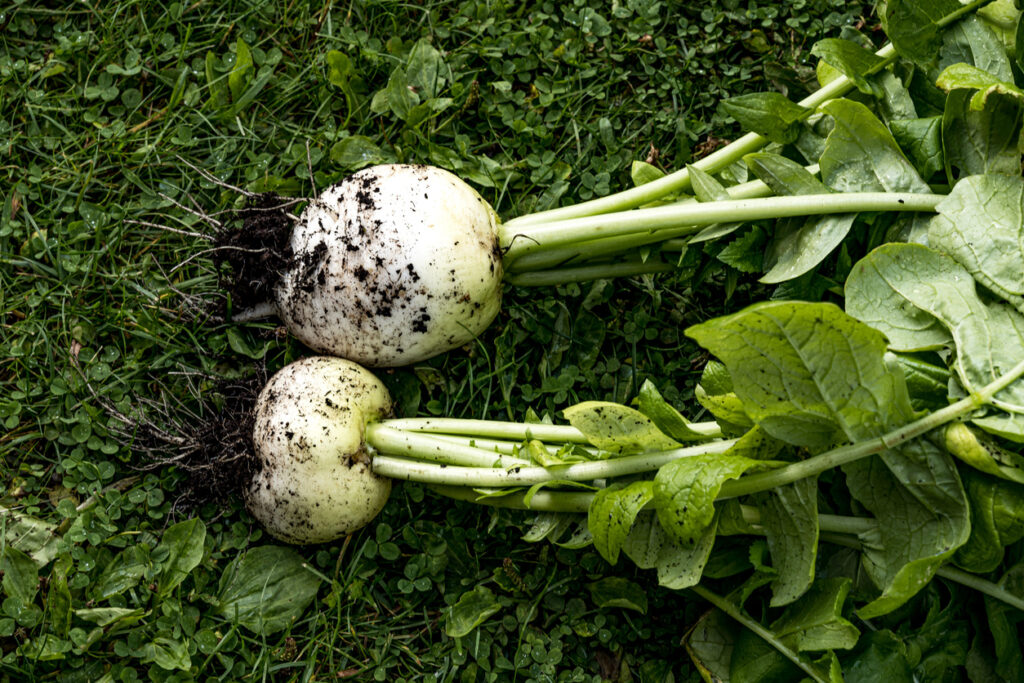
Turnips get overlooked or left too long underground, and when that happens, they go woody fast. The bigger they get, the more their taste leans from mild and sweet to spicy and coarse. Pull turnips when they’re about golf ball to tennis ball sized, depending on the variety. At this stage, they’re tender and great for roasting or mashing. If the tops are still perky and green, the roots are probably still good too.