Being kind to the ocean doesn’t have to mean living on a boat or hugging whales in your spare time.

A lot of the impact happens at home, through the things we buy, flush, throw out, or pour down the sink. The good news? You don’t need to be perfect or plastic-free to make a difference. Small habits add up. So, how ocean-friendly is your home, really? Here are 14 signs you’re doing right by the sea (or where you could tighten things up).
1. You’ve ditched plastic bags for good.
Plastic bags are one of the worst offenders when it comes to ocean waste. They’re light, they fly out of bins, and sea life often mistakes them for food. If you’ve switched to reusable bags and actually remember to take them with you, that’s a big win.
Even better if you use cloth bags for loose produce too, not just the main shop. Little swaps like that reduce the chances of plastic ending up where it doesn’t belong. It might seem like a small act, but multiply it by thousands of homes, and it really starts to matter.
2. You avoid microbeads and hidden plastics.
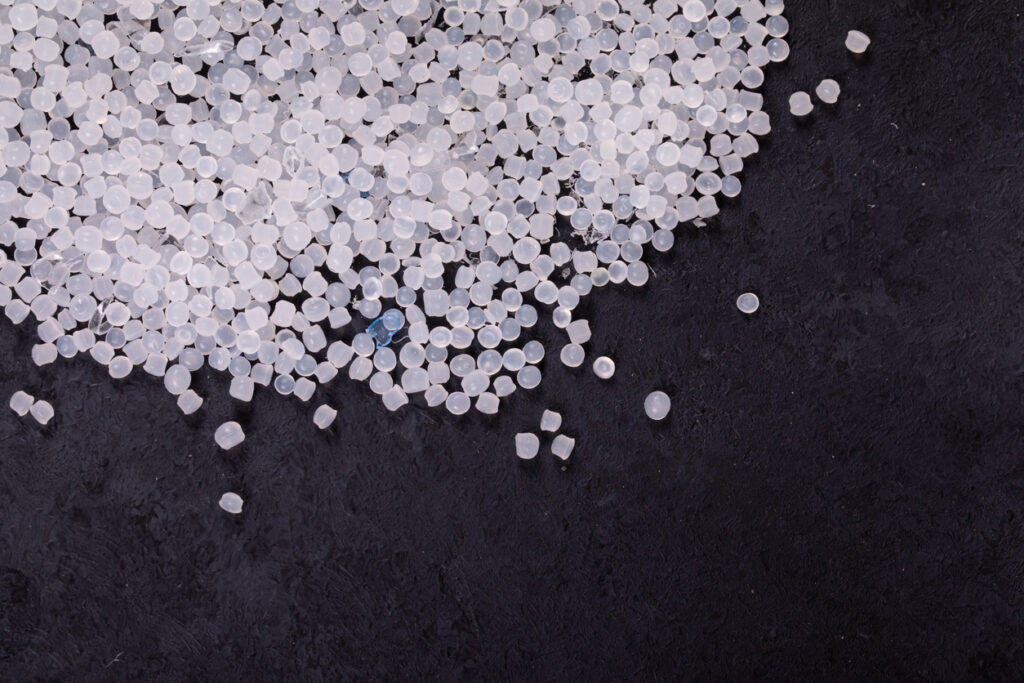
If you’re still using scrubs or toothpaste with microbeads, they’re probably sneaking straight into the sea. These tiny plastics don’t break down and can easily pass through water filters, ending up in fish, and eventually, us.
Most countries have banned microbeads in beauty products, but check your labels anyway. Also watch out for glitter, plastic-heavy sheet masks, and synthetic fabrics that shed when washed. If you’re making even small efforts to spot and avoid them, that’s a sign you’re thinking about the ocean beyond the obvious stuff.
3. You’re careful with what goes down the drain.
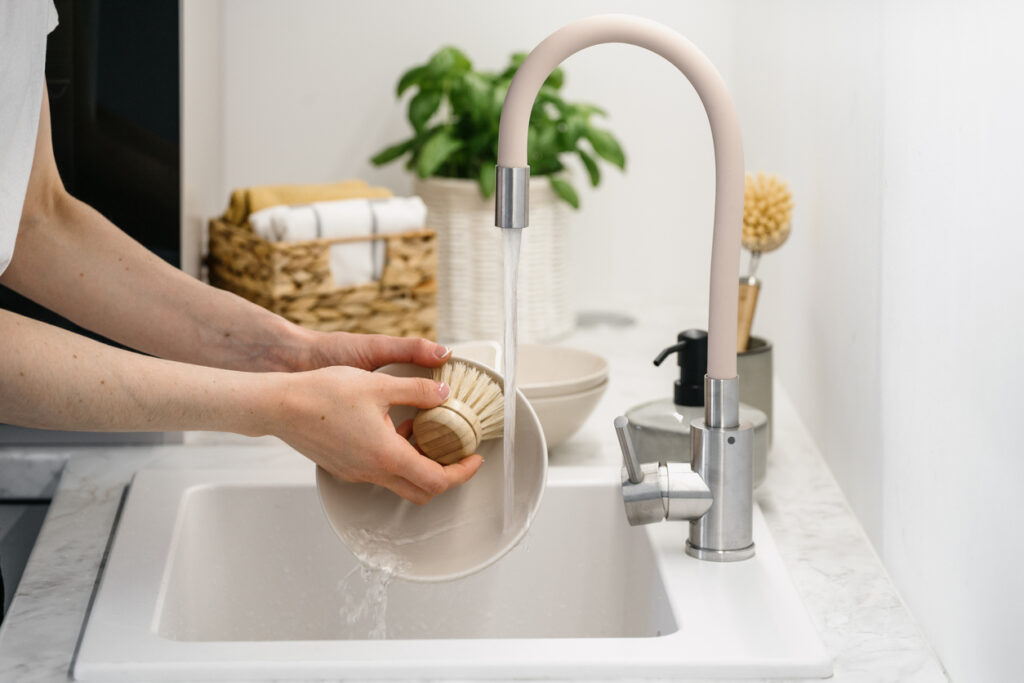
Things like bleach, paint, old meds, and harsh cleaning products don’t just disappear when they swirl away. Instead, they often end up in waterways, and once they’re in the system, they can do serious harm to marine life.
Using eco-friendly cleaning products or even simple vinegar-based solutions makes a difference. Also, chucking old medicines back to the pharmacy instead of down the toilet is a definite ocean win. The fewer toxins we put into the water cycle, the healthier our oceans stay.
4. You avoid single-use plastic wherever you can.

If you’re someone who brings your own water bottle, skips the straw, or turns down plastic cutlery, you’re already cutting down on waste that easily ends up in oceans. You don’t have to get it right 100% of the time, of course. Just make swaps where you can. Single-use plastics are still everywhere, but even saying no to a takeaway lid or choosing a refill option instead of a new bottle is part of the change. Every plastic fork you skip is one less piece of ocean litter waiting to happen.
5. You wash synthetic clothes the smart way.
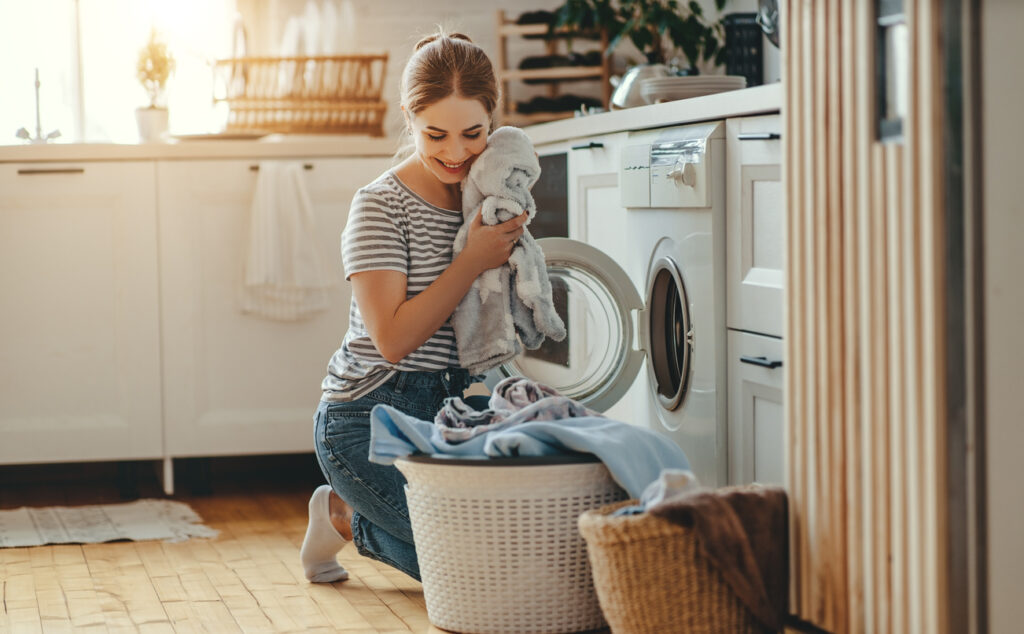
Clothes made from polyester, nylon, and other synthetics shed tiny microfibres every time they’re washed, and those fibres often end up in the sea. They’re too small to filter out and can harm marine life when swallowed. Using a microfibre-catching laundry bag or washing on a cold, gentler cycle helps reduce the shedding. And if you’ve started buying fewer synthetic clothes overall, that’s even better. It’s the kind of hidden habit that doesn’t get talked about much, but makes a big impact.
6. You don’t treat the toilet like a bin.
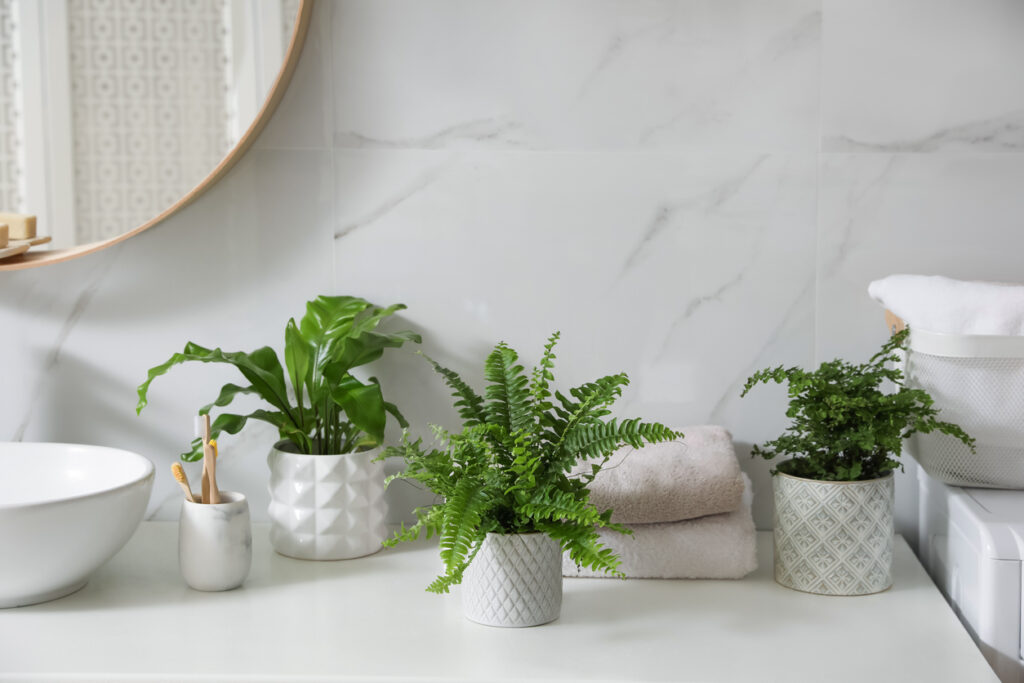
Flushing wipes, cotton buds, or anything that’s not the big three (pee, poo, paper) can cause problems further down the line—literally. These things often block pipes and spill over into water systems, which leads straight to pollution.
Even “flushable” wipes aren’t always what they claim. If you’ve made it a habit to keep a bin in the bathroom and use it properly, you’re doing the ocean a quiet favour. It’s not glamorous, but it’s one of the most straightforward ways to protect marine ecosystems.
7. You keep an eye on your seafood choices.
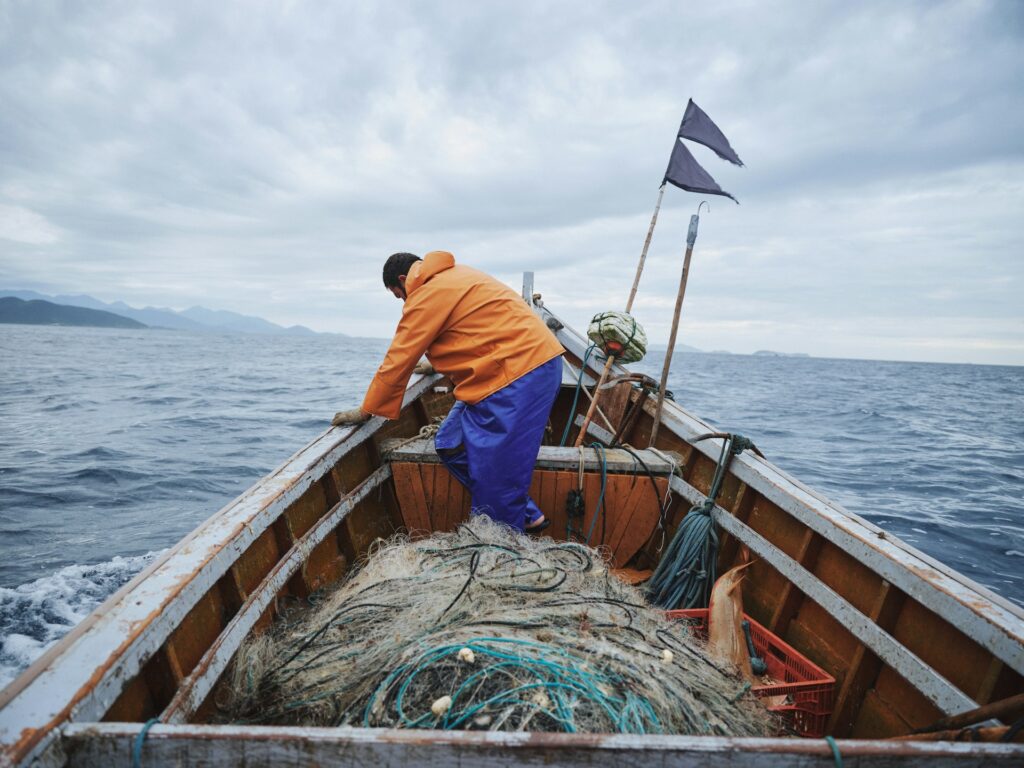
Not all fish is sustainably caught. Some methods damage the sea floor or scoop up way more than needed, including endangered species. If you check labels for things like the MSC (Marine Stewardship Council) mark, you’re helping support responsible fishing.
Even better if you’ve cut back on seafood altogether or swapped to local, line-caught options. What you eat at home really does impact the oceans; it’s just not always as obvious as beach litter. Choosing wisely sends a message to the whole supply chain.
8. You recycle properly, and understand it’s not the whole solution.
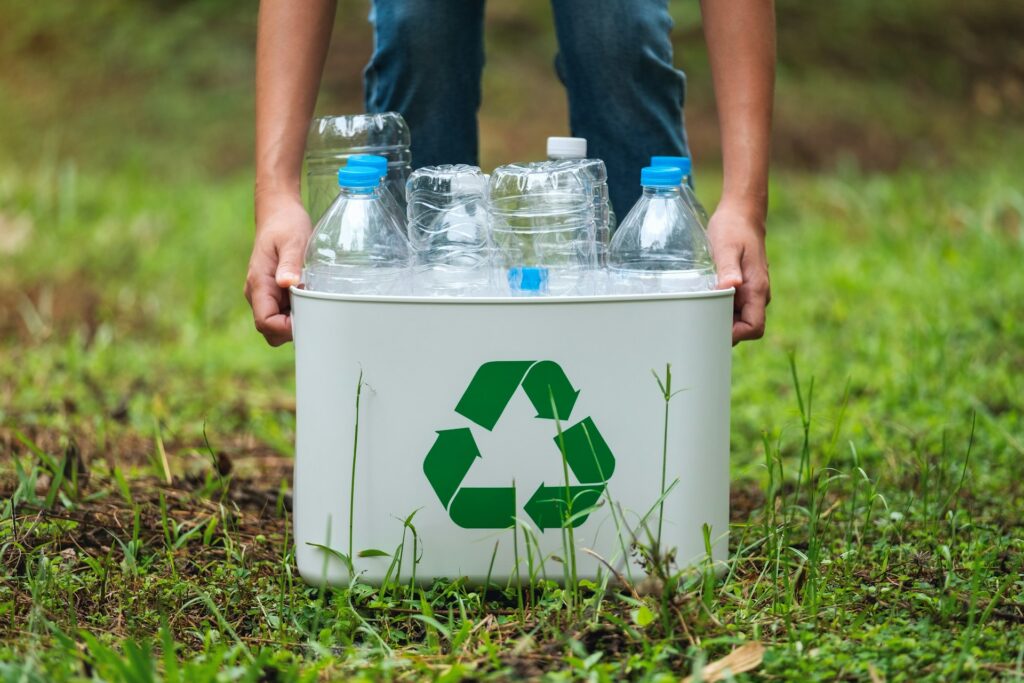
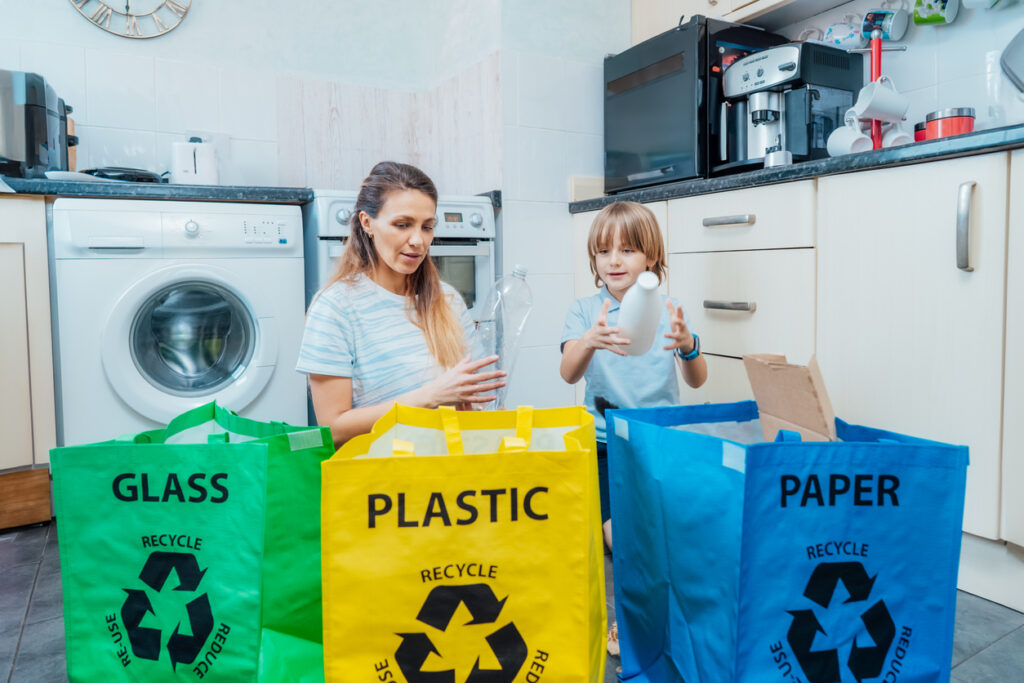
Recycling helps, but it’s not a magic fix. Loads of recyclable plastics still end up in the ocean due to contamination, poor sorting, or being shipped overseas. So if you’ve gone beyond just chucking everything in the blue bin and actually clean, sort, or reduce what you use in the first place, that’s a solid step.
Even better if you’ve figured out what your local council actually accepts because wishcycling (putting non-recyclables in the recycling bin) can do more harm than good. A little effort upfront means less waste sneaking into waterways later.
9. You use water wisely.

It’s not just about saving water bills. It’s about reducing the strain on treatment plants. When water usage spikes, especially during storms, overflow systems can send untreated water into rivers and oceans. That means everything from detergent to sewage can end up in the sea. If you take shorter showers, fix leaky taps, or run full laundry loads instead of half, you’re helping ease that strain. Water-saving habits may seem like landlocked concerns, but they’re directly linked to ocean health, too.
10. You compost food waste (or at least don’t bin everything).
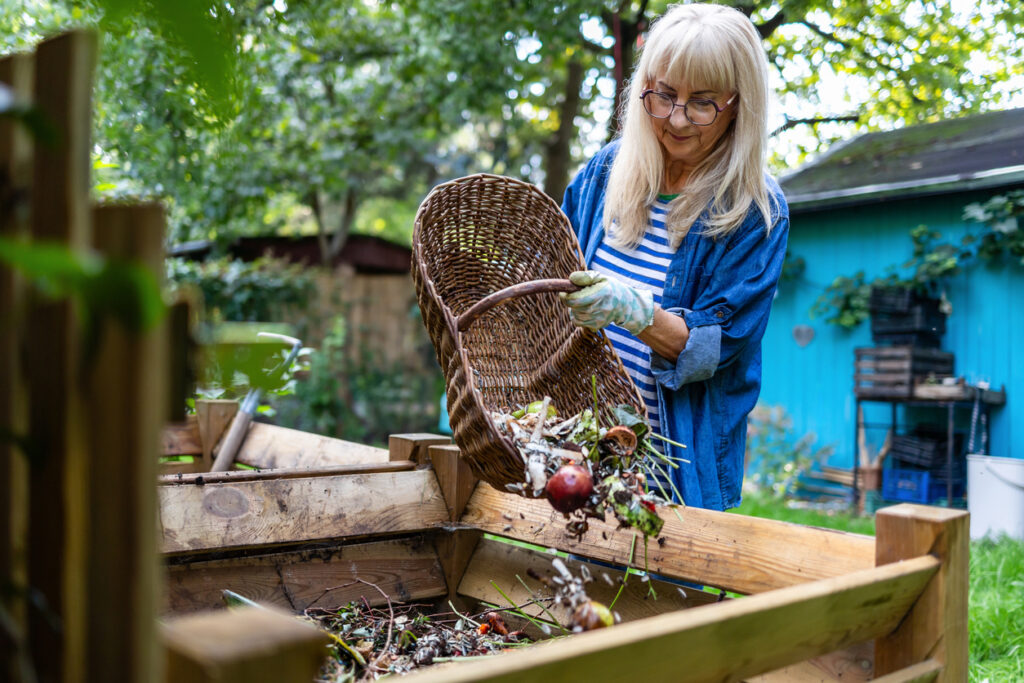
Food waste in landfill releases methane, but it also leaches into water systems through run-off. Composting at home, or using food waste collections if your area offers them, keeps that mess out of both the atmosphere and the sea.
If you’re not a composting pro yet, even just cutting down what you throw out helps. Planning meals, using leftovers, and not binning stuff because it’s passed an arbitrary “best before” all help reduce waste that can eventually reach the ocean in roundabout ways.
11. You’ve cut back on harsh garden chemicals.

What goes on your garden often ends up in the water. Fertilisers, weed killers, and pesticides can get washed into storm drains and from there, straight into rivers and oceans. Once they’re in the system, they can mess with marine ecosystems big time. If you’ve started using natural alternatives or gone for more wildlife-friendly gardening, your patch of green is doing more than you think. Even just choosing not to go heavy on the chemicals when it rains is a small win for sea life.
12. You’ve supported local clean-ups or ocean charities.

You don’t need to live near the sea to make a difference. If you’ve donated, volunteered, or just shared info about ocean-friendly campaigns, you’re helping create momentum that goes beyond your own home.
These efforts add up. Whether it’s joining a river litter pick or supporting a ban on harmful fishing gear, your voice matters. The more people talk, act, and support these causes, the harder it becomes to ignore the damage, and the more pressure there is to fix it.
13. You’re not chasing trends that create more waste.

Ocean-friendly homes aren’t just about swapping to bamboo everything. It’s about stepping off the constant consumption treadmill. If you’re buying less, repairing more, or avoiding fads that lead to a bin full of barely-used stuff, you’re doing your part.
Trendy “sustainable” swaps still create waste if they’re replacing things that didn’t need replacing. Slowing down your buying habits, especially with homeware, fast fashion, and packaging-heavy products, protects the ocean from being the final dumping ground.
14. You talk about it, even when it’s awkward.

If you’ve ever reminded someone not to flush wipes, asked for no straw at a restaurant, or shared a simple ocean fact online, you’re helping changing the culture. These conversations can be uncomfortable, but they’re necessary.
You don’t have to be preachy. Just leading by example or opening up space for people to ask questions helps normalise the idea that ocean health is everyone’s business. If you’re already having those chats, even subtly, you’re part of the change.