Gardeners have always leaned on old wisdom, blending science, superstition, and habit into everyday routines.

While some sayings turn out to be myths, others are surprisingly accurate. In fact, many traditions dismissed as folklore are now backed by research. Here are some of the most enduring gardening superstitions that turned out to be rooted in real science.
1. Talking to plants helps them grow.
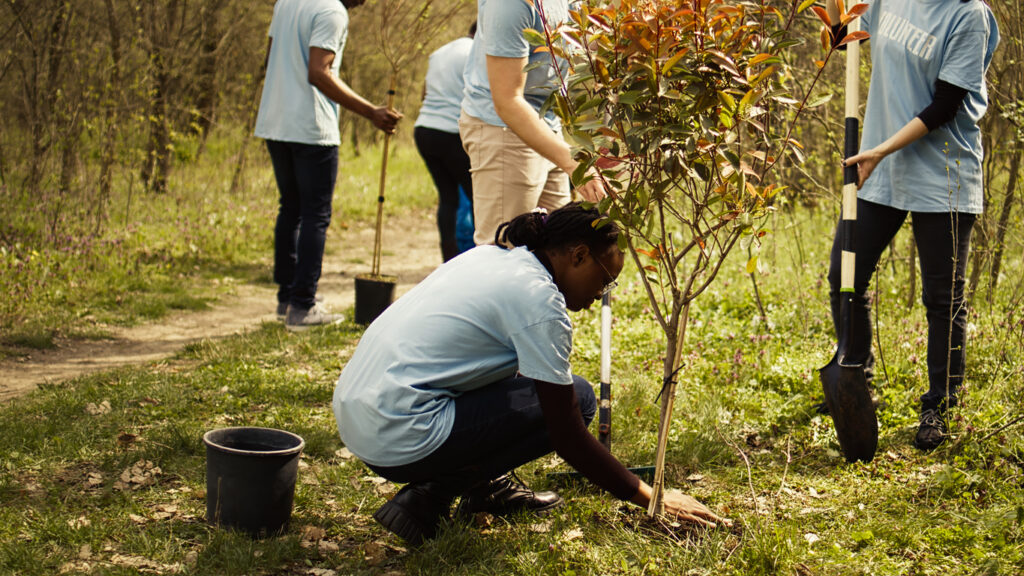
The idea of chatting to plants once sounded like pure whimsy, but there’s science behind it. Plants respond to sound vibrations, which can stimulate growth and influence how they absorb carbon dioxide. It’s not about the words, but the gentle frequencies and airflow created as you speak near them. Some studies suggest women’s voices, which are often higher-pitched, may even have a slightly greater effect on growth rates.
Even if part of the benefit is psychological, there’s value in it. Talking to your plants keeps you more observant, meaning you’re more likely to notice early signs of pests, dryness, or stress. It creates a habit of attentiveness, which helps plants thrive just as much as the sound itself.
2. Planting by the moon is the best approach.

Lunar gardening dates back centuries, with farmers and gardeners timing planting, pruning, and harvesting by the moon’s cycles. The belief was that the waxing moon favoured leafy growth, while the waning phase was better for roots or harvesting. Science now supports some of this thinking, as the moon’s gravitational pull influences soil moisture in the same way it affects tides.
This rhythm may give seeds a slightly better chance of germination when timed with increased soil water levels. While it’s not a guarantee of bumper crops, following the moon creates a structured routine and keeps gardeners consistent, and consistency itself leads to healthier results.
3. Nettles improve compost.
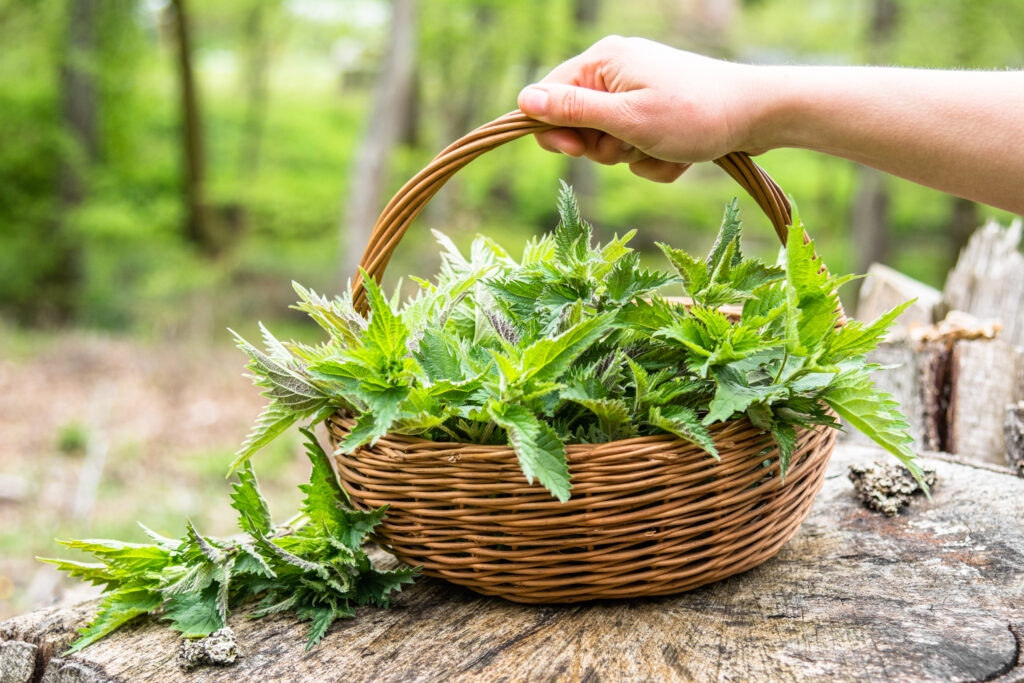
Generations of gardeners tossed nettles onto compost heaps, swearing it made the pile richer. Science shows this was spot-on because nettles contain high levels of nitrogen, magnesium, and iron, which speed up the breakdown of organic matter. The nutrients also balance carbon-heavy waste like dried leaves or cardboard, making compost more fertile overall.
Instead of dismissing nettles as weeds, modern gardeners deliberately add them to heaps. By boosting microbial activity, nettles help produce a dark, crumbly compost faster, cutting down the wait time and creating a soil conditioner packed with goodness.
4. Companion planting works.

The old trick of pairing crops, like planting marigolds with tomatoes, was long thought to be folklore. However, science confirms that certain plants release chemicals or scents that deter pests. Marigolds, for example, produce compounds that repel nematodes in the soil, while aromatic herbs can mask the scent of vegetables, making them harder for insects to find.
Companion planting doesn’t just reduce pests. It improves biodiversity, encourages pollinators, and makes better use of space. Gardeners who mix crops also avoid the weaknesses of monocultures, so this traditional practice ends up protecting soil health and boosting harvests naturally.
5. Crushing eggshells deters slugs.
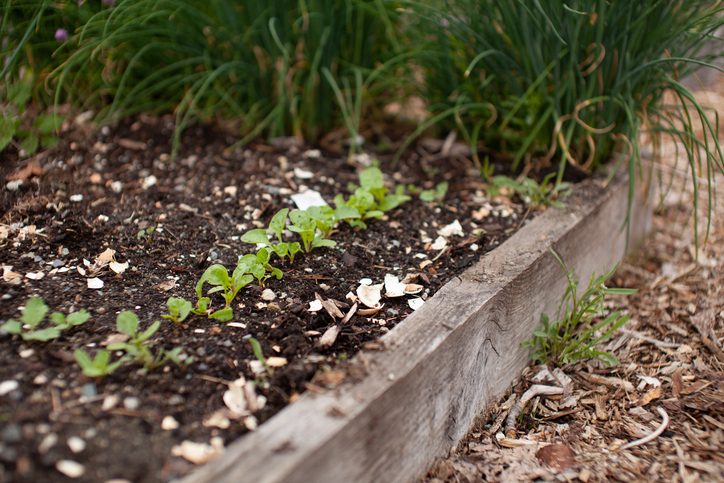
Scattering eggshells around plants was once a common ritual, with claims it kept slugs at bay. Research shows the sharp, rough texture is uncomfortable for slugs and snails to crawl over, creating a barrier that discourages them from reaching tender seedlings. While not foolproof, it reduces damage when combined with other protective measures.
Eggshells also offer an extra bonus: as they break down, they release calcium into the soil. This helps prevent blossom end rot in tomatoes and peppers, making eggshells a cheap, two-in-one solution that supports plant health while discouraging pests.
6. Planting garlic keeps pests away.
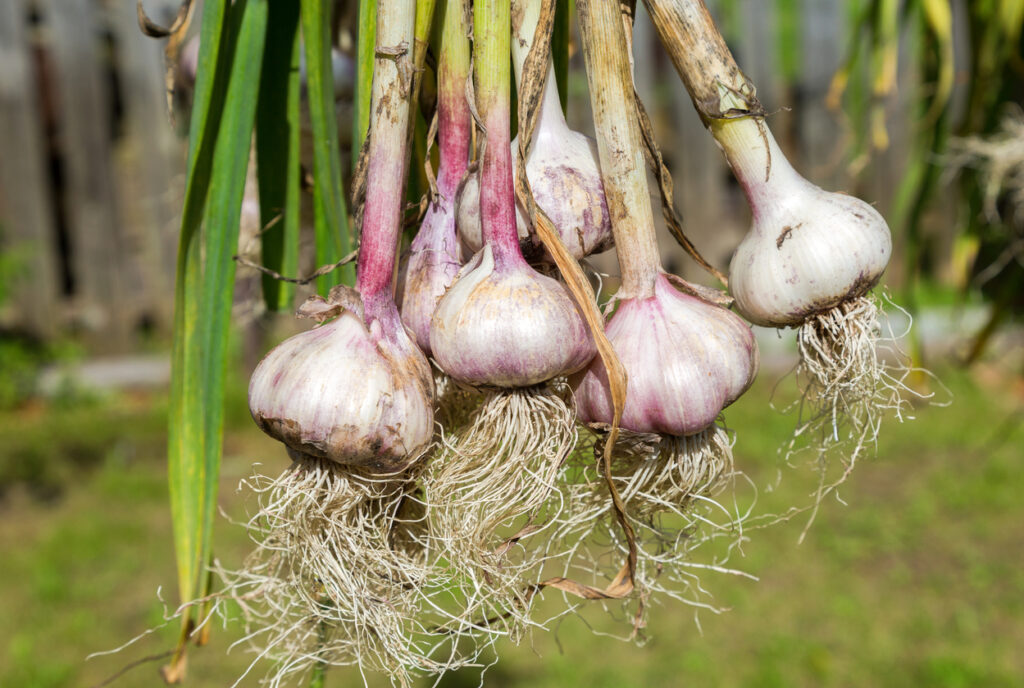
For centuries, garlic was seen as a protective force, even outside the garden. Farmers planted it near crops, believing it warded off harmful insects. Science has since proven that garlic contains sulphur compounds which repel aphids, beetles, and even some fungal infections. The pungent smell alone is enough to make pests turn elsewhere.
Many gardeners now create garlic sprays by soaking crushed cloves in water and spritzing the solution onto vulnerable plants. It’s an effective, natural way to defend crops without resorting to synthetic pesticides, showing just how right traditional growers were.
7. Coffee grounds enrich soil.
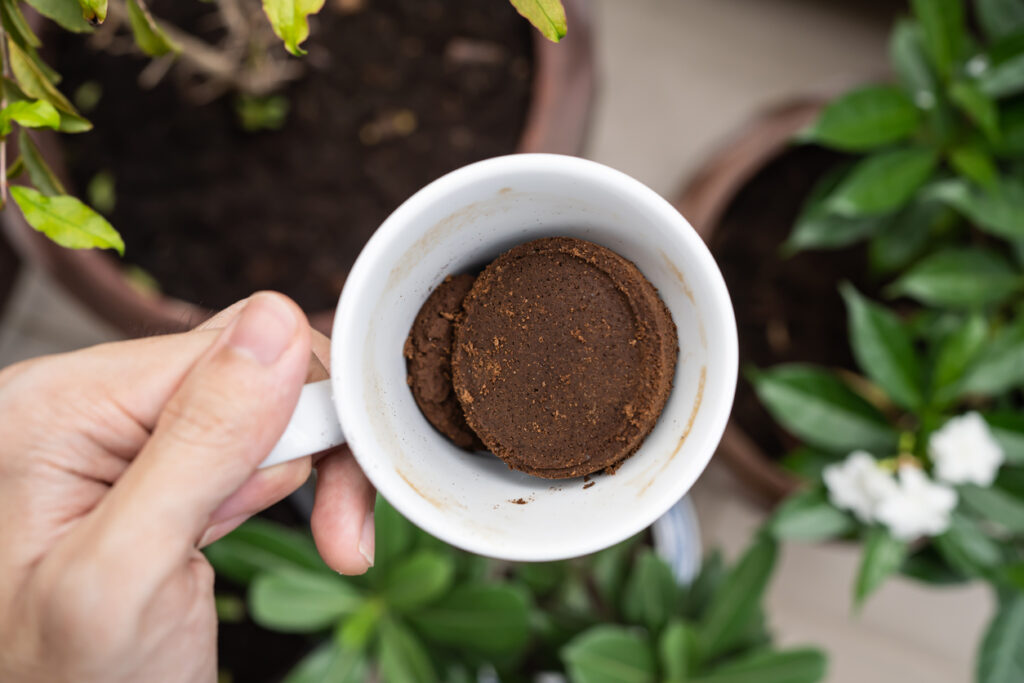
Some gardeners insisted on spreading used coffee grounds around their plants to give them a lift. Science supports this, as coffee grounds are rich in nitrogen, which fuels leafy growth. They also improve soil structure, keeping it loose and well-drained for roots to spread more easily.
There’s an added benefit too: caffeine and certain compounds in coffee act as mild deterrents to pests like slugs, snails, and ants. Recycling your morning brew in the garden provides nutrients, improves soil, and discourages invaders all at once.
8. Stinging nettle tea boosts growth.
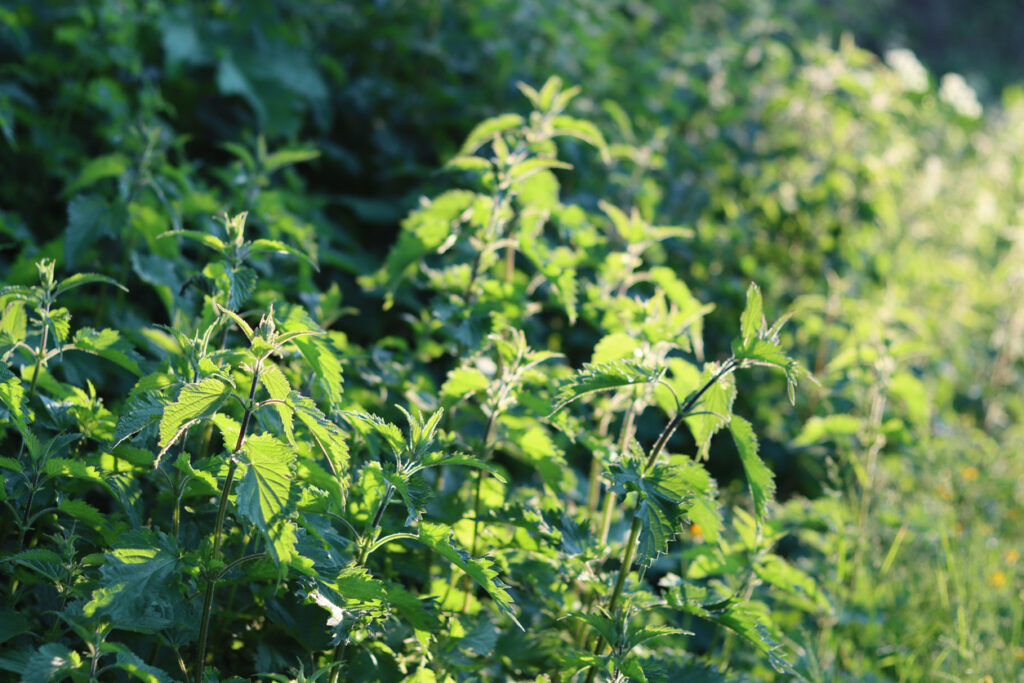
Brewing a foul-smelling “nettle tea” was a trick many gardeners swore by. Science confirms the process extracts nitrogen, potassium, and iron from nettles, creating a liquid fertiliser that supports vigorous growth in plants like leafy greens. The minerals also help boost resistance to disease.
Modern organic gardeners still use nettle tea because it’s sustainable, cost-free, and effective. Pouring it around the base of plants delivers a nutrient kick that rivals many shop-bought feeds, proving old traditions remain practical today.
9. Ash keeps soil healthy.
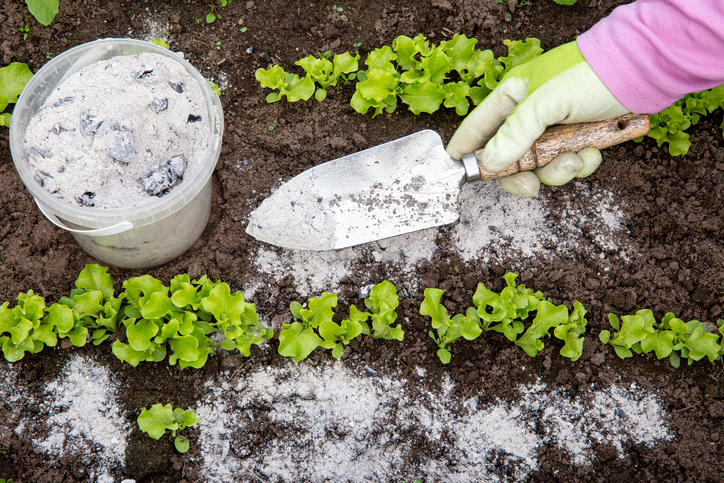
Spreading ash from the fireplace around the garden was another superstition, said to boost plant health. In truth, wood ash is full of potassium and calcium carbonate, which help flowering and fruiting plants develop. It also lightly raises soil pH, countering acidity.
The trick is moderation. Too much ash can make the soil overly alkaline and harm delicate plants. Used sparingly, though, it’s a free fertiliser that benefits crops like beans, brassicas, and fruit trees.
10. Singing scares away pests.

Farmers once believed singing in the fields kept crops safe. While it sounded like superstition, sound vibrations do influence insect behaviour. Some studies suggest certain frequencies can deter pests or confuse them enough to reduce damage.
Even if the science isn’t universal, the practice still helped. Regular human presence in fields and gardens naturally discouraged pests and predators. Singing simply made that presence more enjoyable, and added a layer of protection.
11. Willow water helps cuttings root.
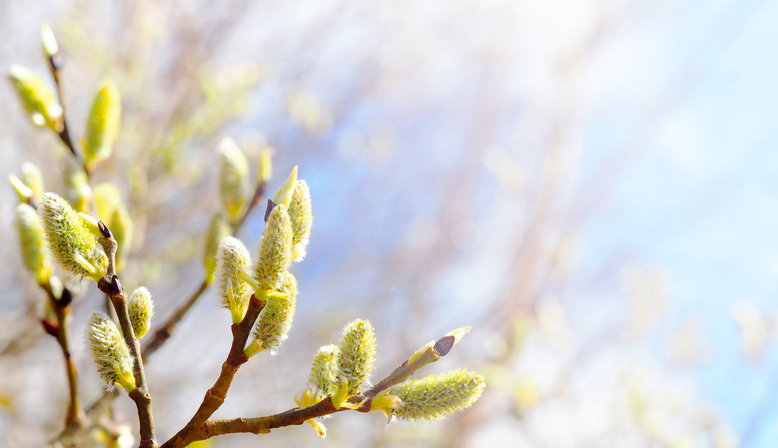
Soaking willow branches in water before applying it to cuttings was an age-old trick to encourage rooting. Modern science explains why: willow bark contains natural plant hormones like indolebutyric acid, which stimulates root development.
Today, many gardeners recreate this method as a chemical-free alternative to rooting powders. It’s another example where tradition anticipated discoveries science would only later confirm.
12. Plants sense human stress.

Old sayings claimed plants reacted to the mood of their keepers, and science suggests there’s truth here. Stressed humans release compounds like ethylene and carbon dioxide, which plants can detect, subtly influencing their growth and responses.
This doesn’t mean plants feel emotions, but it does show they’re sensitive to their environment. Spending time calmly in the garden may not just relax you, but could also give plants a healthier atmosphere to grow in.
13. Morning watering is best.
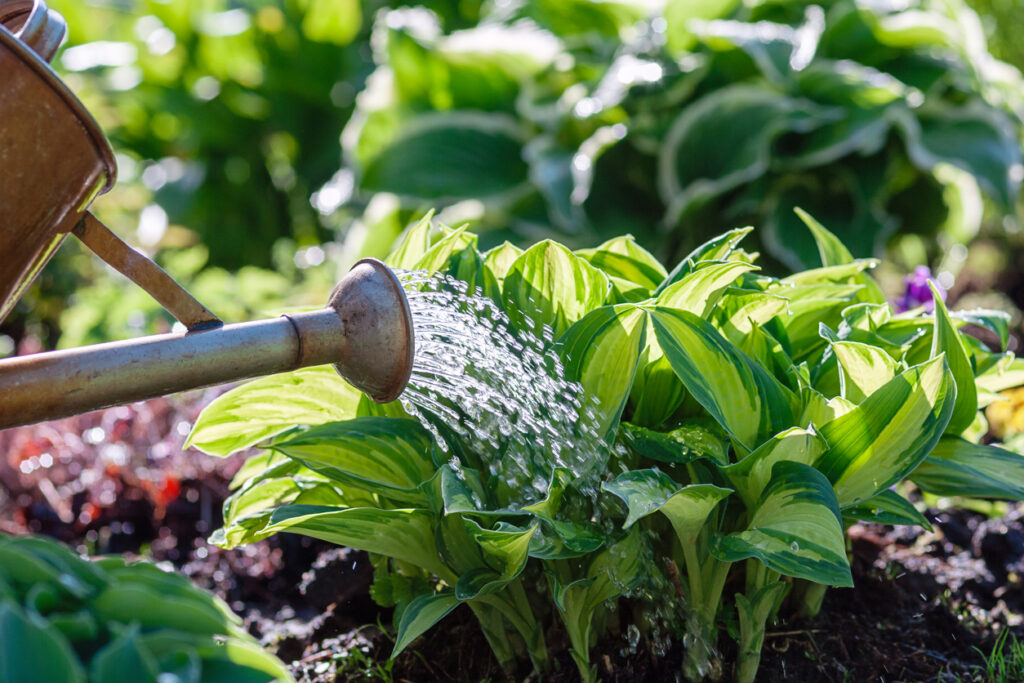
For generations, gardeners said watering in the morning was ideal, warning against evening watering. Research backs this up: cooler morning air reduces evaporation, while leaves dry more quickly, lowering the risk of mildew and fungal infections that thrive in dampness.
It also prepares plants for the heat of the day, giving them the reserves to withstand midday sun. This simple tradition remains one of the most practical pieces of advice still passed down.