The question of dinosaur metabolism has fascinated scientists for decades, and the answer turns out to be far more complex and fascinating than anyone originally imagined.

While there are certain things we don’t know (and might never) due to how many millions of years ago these giants roamed the earth and the relatively little evidence of their daily lives they’ve left behind, we do have lots to go on, and researchers have been figuring out mind-blowing new facts about how they lived every day.
1. Most dinosaurs were probably mesothermic, not fully warm or cold-blooded.
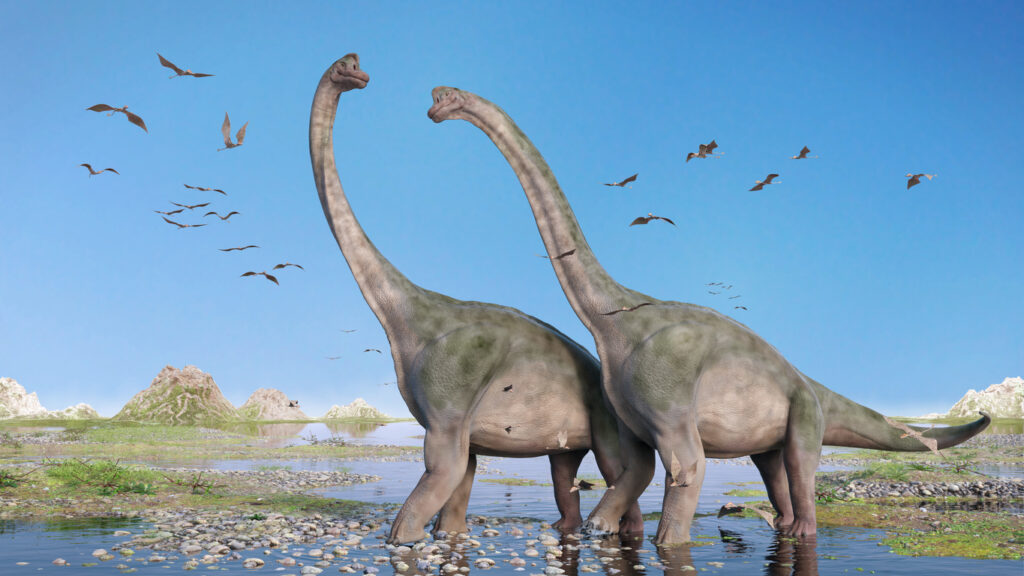
Recent research suggests that many dinosaurs operated with a metabolism somewhere between modern reptiles and mammals, maintaining body temperatures higher than their surroundings but not requiring the constant high energy input of true warm-blooded animals. This “mesothermic” state would have given them significant advantages over purely cold-blooded reptiles, while avoiding the massive caloric requirements of full warm-bloodedness.
Evidence for this intermediate metabolism comes from studying dinosaur bone structure, growth rates, and oxygen isotope ratios in fossilised teeth. The data consistently points to animals that were more active and temperature-stable than lizards but less metabolically demanding than modern mammals or birds.
2. Their bone structure reveals rapid growth rates,
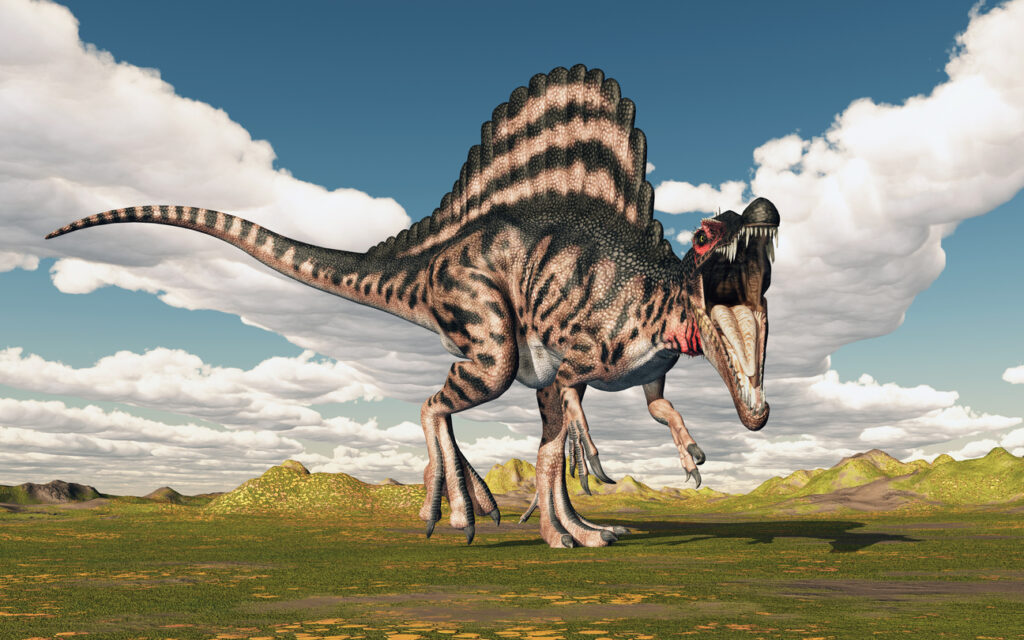
Dinosaur bones show growth patterns similar to modern warm-blooded animals, rather than the slow, seasonal growth typical of cold-blooded reptiles. The presence of fibrolamellar bone tissue, which forms during rapid, continuous growth, indicates that many dinosaurs grew quickly and maintained high metabolic rates throughout their lives.
Cold-blooded animals typically show clear growth rings in their bones corresponding to seasonal temperature changes, but many dinosaur bones lack these distinct patterns. This suggests their growth wasn’t heavily dependent on external temperature fluctuations, pointing towards some form of internal temperature regulation.
3. Feathered dinosaurs point towards warm-bloodedness.

The discovery of numerous feathered dinosaur fossils strongly suggests that at least some dinosaur lineages had evolved warm-blooded metabolism, since feathers are primarily insulation structures rather than display features. Modern birds use feathers for temperature regulation, and the presence of similar structures on dinosaurs indicates they needed to retain body heat.
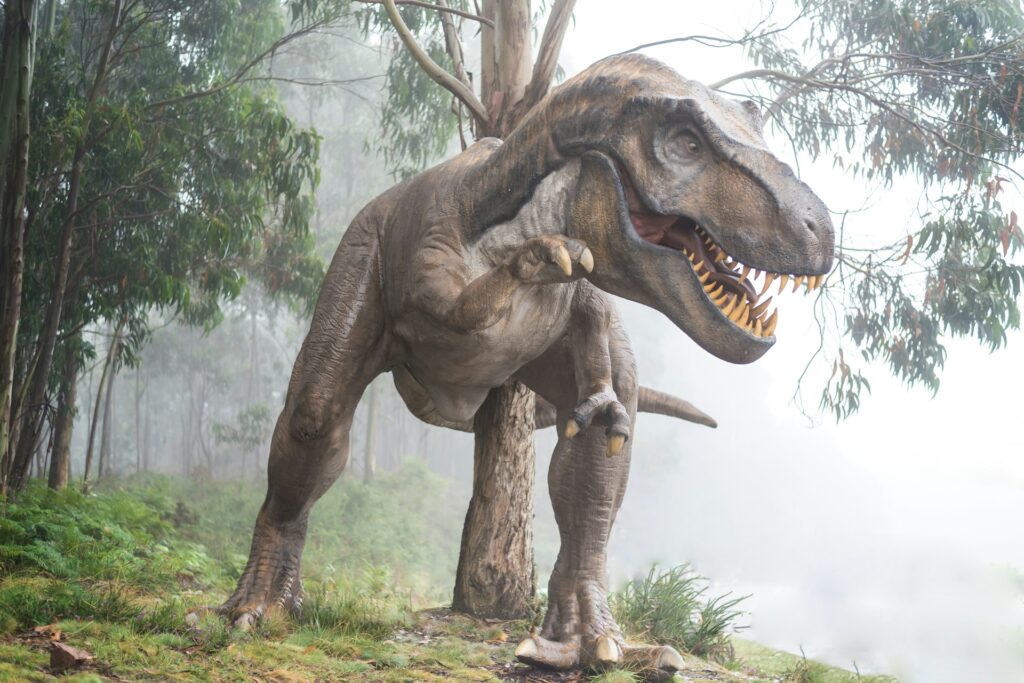
Feathered dinosaurs include not just bird-like species, but also large predators like Yutyrannus, which was covered in primitive feathers despite weighing over a tonne. This suggests that feather-based insulation was widespread among dinosaurs and that maintaining elevated body temperatures was important for their survival.
4. Giant sauropods faced unique thermal challenges.
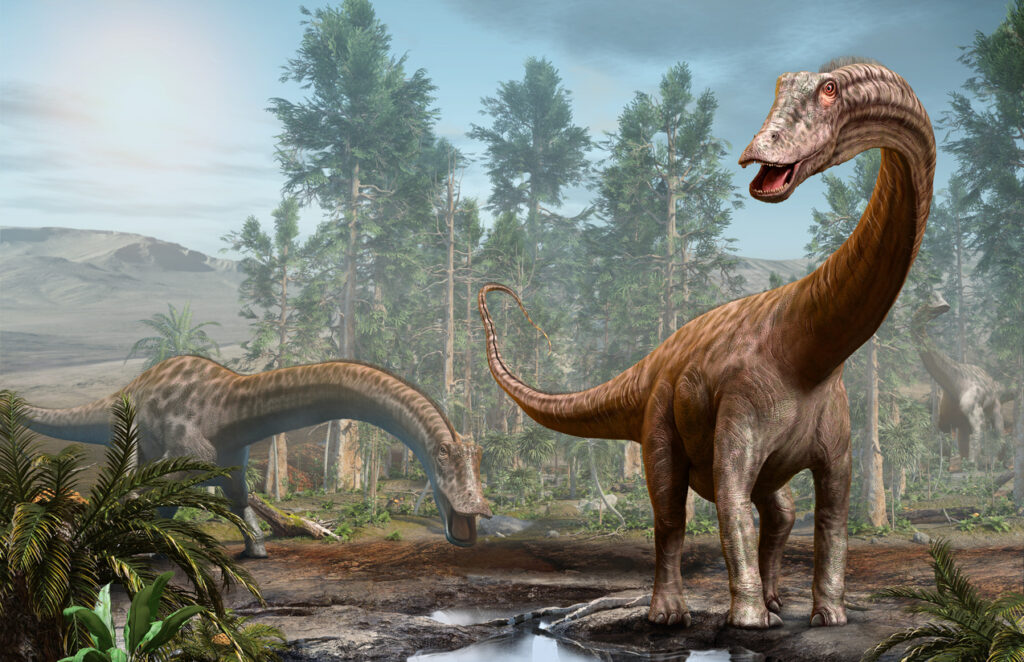
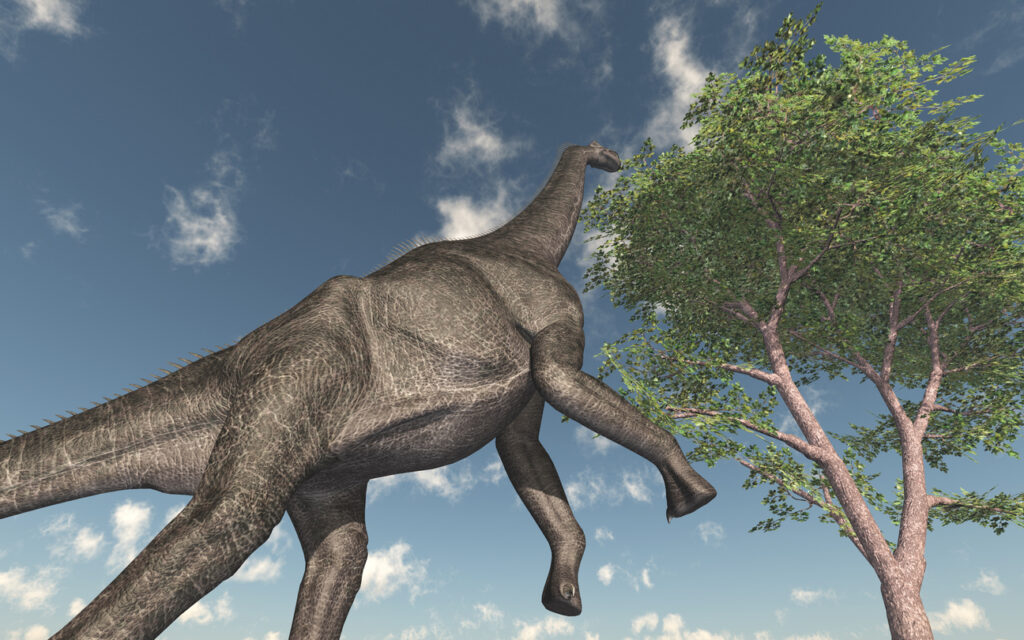
The massive size of sauropods like Brachiosaurus created thermal problems that wouldn’t affect smaller animals, and their solutions provide clues about their metabolism. Large animals generate heat more efficiently but also lose it more slowly, meaning giant dinosaurs might have been warm-blooded simply due to their enormous size.
Computer models suggest that sauropods weighing 30 to 80 tonnes would have maintained elevated body temperatures even with reptilian metabolism, purely because of their thermal mass. However, this “gigantothermy” would have required sophisticated cooling mechanisms to prevent overheating, suggesting complex physiological adaptations.
5. Predator-prey ratios suggest high metabolic rates.
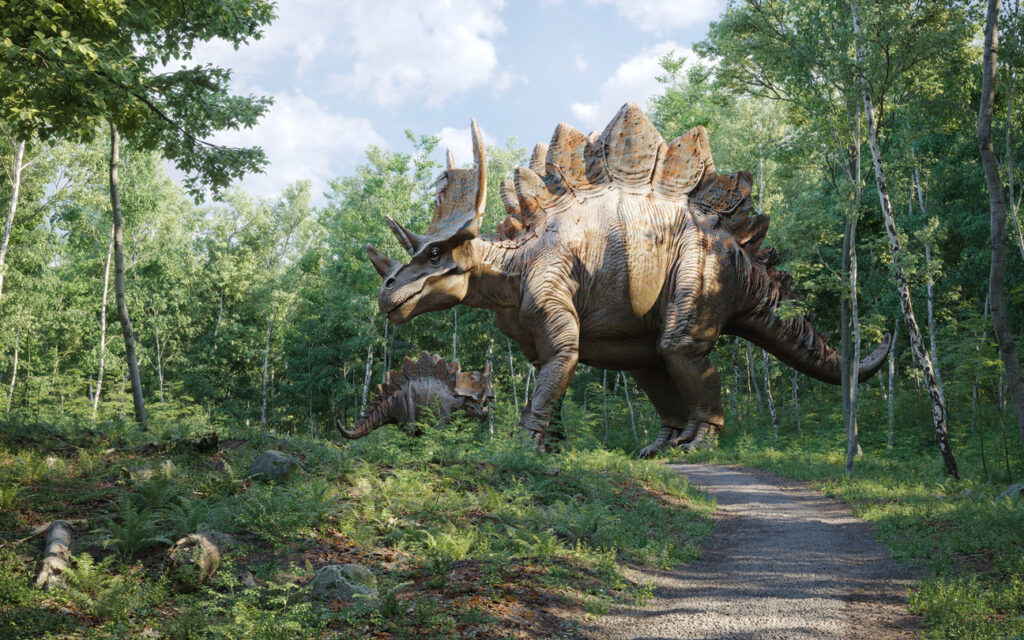
The ratio of predators to prey in dinosaur ecosystems closely matches modern warm-blooded animal communities rather than cold-blooded reptile communities. Warm-blooded predators require much more food than cold-blooded ones, which limits their population sizes relative to their prey species.
Fossil evidence from dinosaur formations shows predator-prey ratios of roughly 3-5%, similar to modern mammalian ecosystems and very different from the 30-40% ratios seen in cold-blooded reptile communities. This mathematical relationship strongly suggests that dinosaur predators had high energy requirements consistent with warm-blooded metabolism.
6. Their heart structure indicates active lifestyles.
Recent discoveries of fossilised dinosaur hearts and cardiovascular systems show four-chambered hearts similar to modern birds and mammals, rather than the three-chambered hearts typical of cold-blooded reptiles. Four-chambered hearts are essential for maintaining the high blood pressure and circulation rates needed for active, warm-blooded lifestyles.
The separation of oxygenated and deoxygenated blood in four-chambered hearts allows for more efficient oxygen delivery to tissues, which is crucial for sustained high activity levels. This cardiovascular evidence supports the idea that dinosaurs were active animals with high metabolic demands.
7. Isotope analysis of teeth reveals body temperatures.
Scientists can estimate dinosaur body temperatures by analysing oxygen isotopes in fossilised tooth enamel, which reflects the temperature of the body fluids when the teeth formed. These isotope studies consistently show that dinosaurs maintained body temperatures of anywhere between 35 to 42° C, which is a lot higher than their environmental temperatures.
The isotope data from various dinosaur species across different climates and time periods shows remarkably consistent internal temperatures, suggesting active temperature regulation rather than passive dependence on environmental heat. This evidence strongly supports some form of internal heat generation and regulation.
8. Small theropods show clear warm-blooded characteristics.
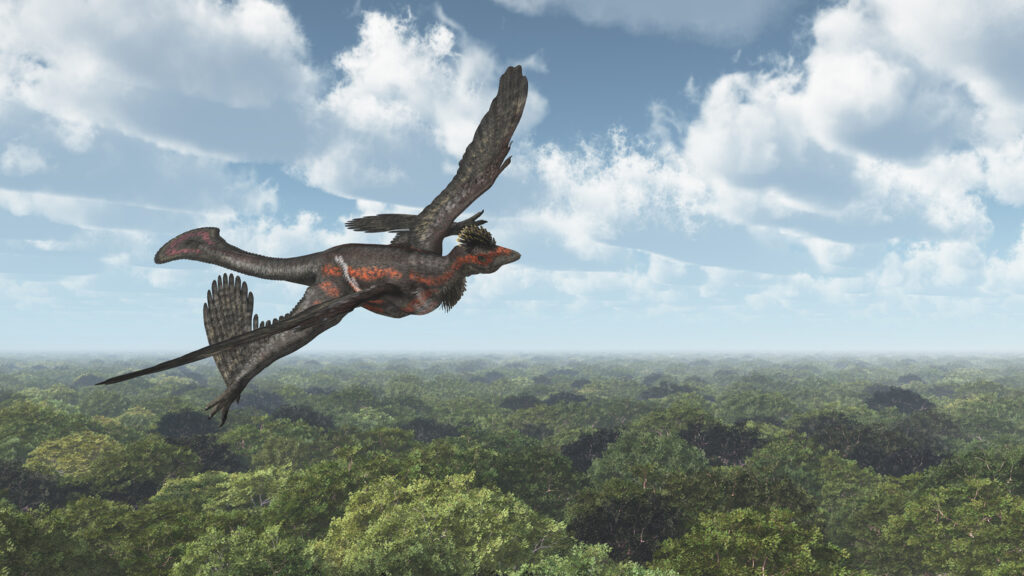
Small predatory dinosaurs like Compsognathus and Microraptor show all the hallmarks of warm-blooded metabolism, including rapid growth rates, complex behaviour, and high activity levels inferred from their anatomy. Their small size would have made it difficult to maintain elevated body temperatures without efficient internal heat generation.
These small theropods are also the closest relatives to modern birds, and their skeletal features suggest they had already evolved many of the physiological adaptations seen in warm-blooded animals. The evolutionary transition from these dinosaurs to birds appears to have involved refinement of existing warm-blooded traits rather than a complete metabolic revolution.
9. Seasonal migration patterns indicate temperature regulation.
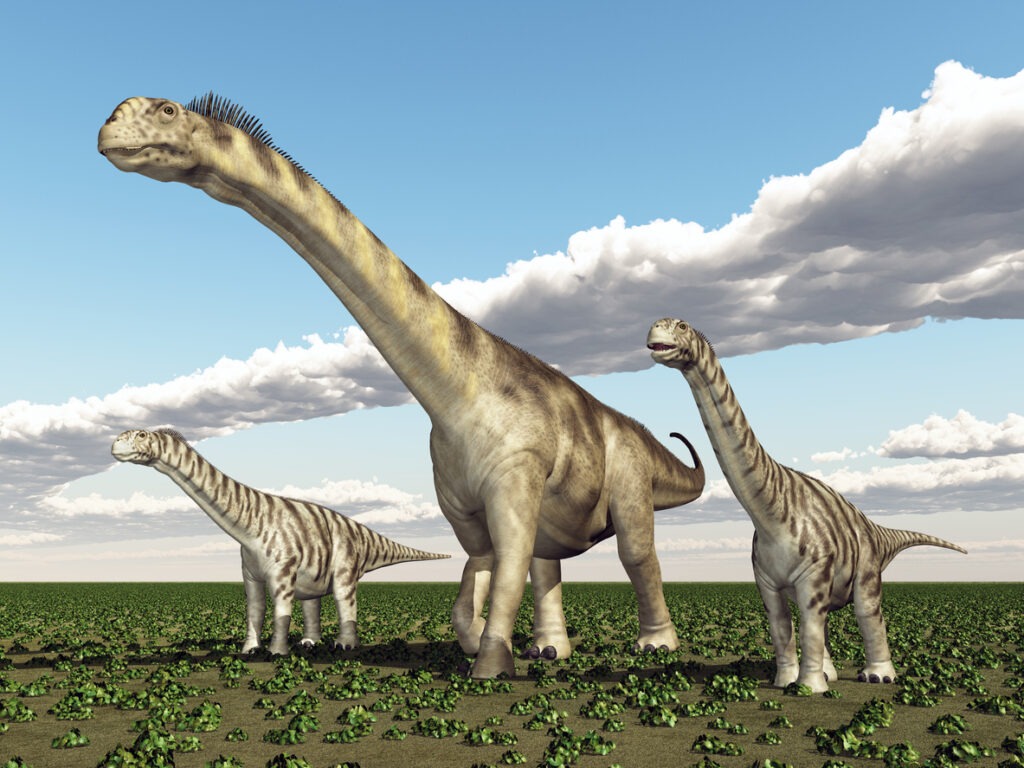
Fossil evidence suggests that some dinosaurs migrated seasonally across vast distances, behaviour that would be unusual for cold-blooded animals that could simply become dormant during unfavourable conditions. These migration patterns imply that dinosaurs needed to maintain active lifestyles year-round and couldn’t rely on environmental temperature regulation.
The energy requirements for long-distance migration would have been enormous for cold-blooded animals, making such behaviour metabolically impractical. The fact that dinosaurs apparently undertook these journeys suggests they had the internal heat generation and energy reserves typical of warm-blooded animals.
10. Different dinosaur groups likely had different metabolisms.
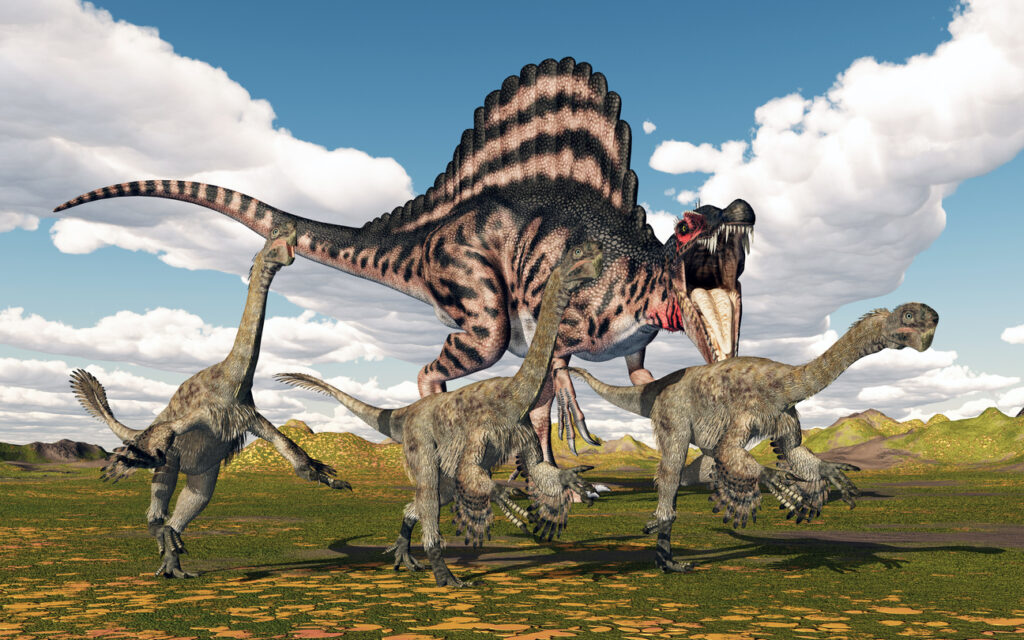
Rather than all dinosaurs sharing the same metabolic strategy, evidence suggests that different groups evolved different approaches to temperature regulation based on their size, lifestyle, and evolutionary history. Small, active predators probably developed full warm-bloodedness, while large herbivores might have relied more on their size for thermal stability.
This metabolic diversity would explain why dinosaur fossils show such varied evidence for warm and cold-blooded characteristics. Just as modern animals show a spectrum of metabolic strategies, dinosaurs likely evolved multiple solutions to the challenge of temperature regulation over their 165-million-year evolutionary history.
11. Brain complexity suggests high metabolic demands.
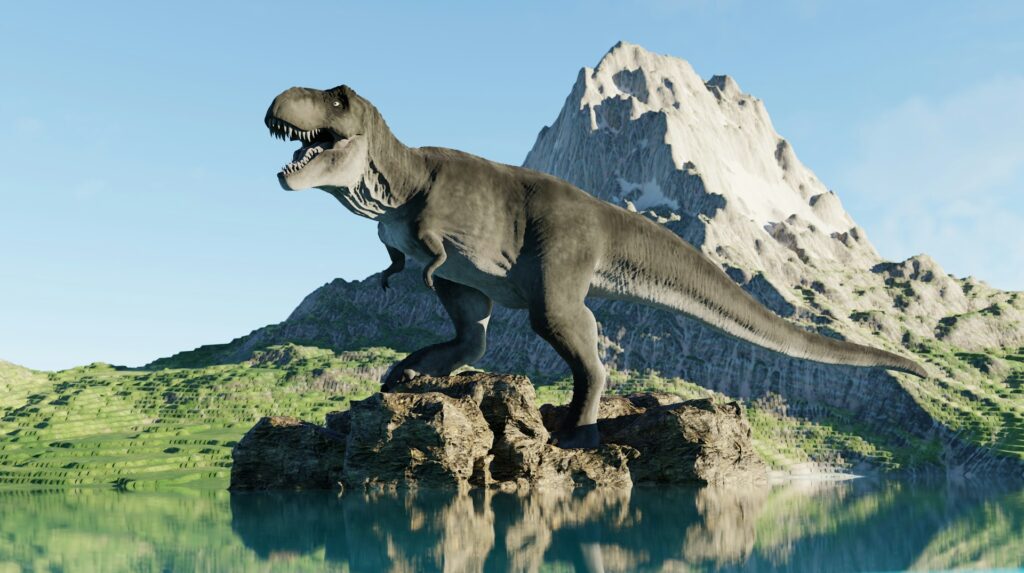
Many dinosaurs had relatively large, complex brains compared to modern reptiles, and maintaining neural tissue requires significant energy investment that’s more consistent with warm-blooded metabolism. Brain tissue is metabolically expensive, and the enlarged brains of many dinosaurs suggest they had the energy budgets to support such costly organs.
The sophisticated behaviours inferred from dinosaur brain structure, including complex social interactions, parental care, and problem-solving abilities, would have required the reliable energy supply that comes with internal temperature regulation. Cold-blooded animals typically can’t sustain the consistent neural activity needed for complex behaviours.
12. Polar dinosaurs lived in extreme conditions.
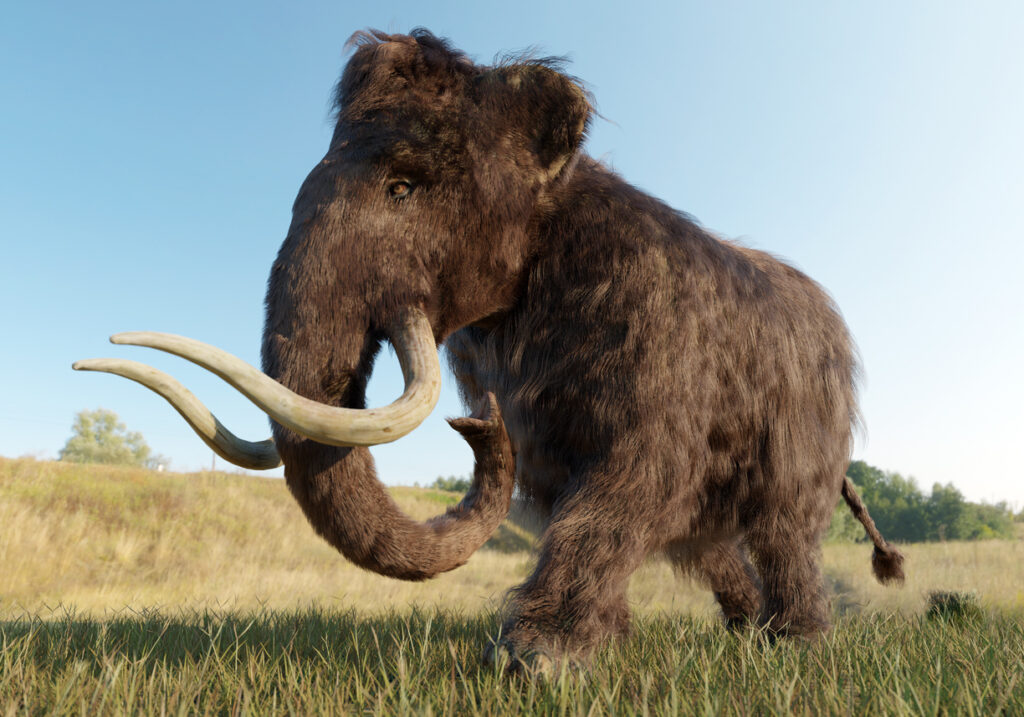
Dinosaur fossils have been found in ancient polar regions where temperatures would have been too cold for cold-blooded animals to remain active, yet these dinosaurs appear to have thrived year-round rather than migrating to warmer climates. This polar evidence strongly suggests internal heat generation capability.
The polar dinosaurs include both small and large species, indicating that various dinosaur groups had evolved mechanisms for dealing with cold temperatures. Their presence in these harsh environments provides some of the strongest evidence that dinosaurs weren’t simply oversized lizards dependent on external heat sources.
13. Parental care behaviour indicates warm-bloodedness.
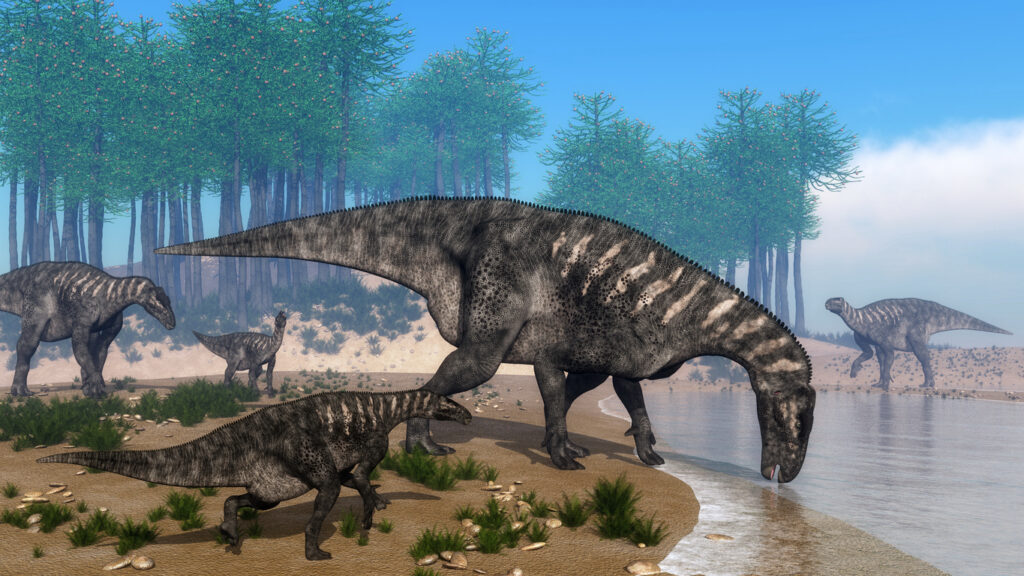
Fossil evidence shows that many dinosaurs engaged in complex parental care behaviours, including nest-building, egg-brooding, and feeding young after hatching. These energy-intensive behaviours are almost exclusively associated with warm-blooded animals in the modern world, as they require sustained high activity levels.
Cold-blooded animals rarely provide extensive parental care because their energy limitations make such behaviour too costly. The elaborate nesting sites and evidence of prolonged parental investment found in dinosaur fossils suggest these animals had the metabolic capacity to support demanding reproductive strategies.
14. The answer varies by species and size.
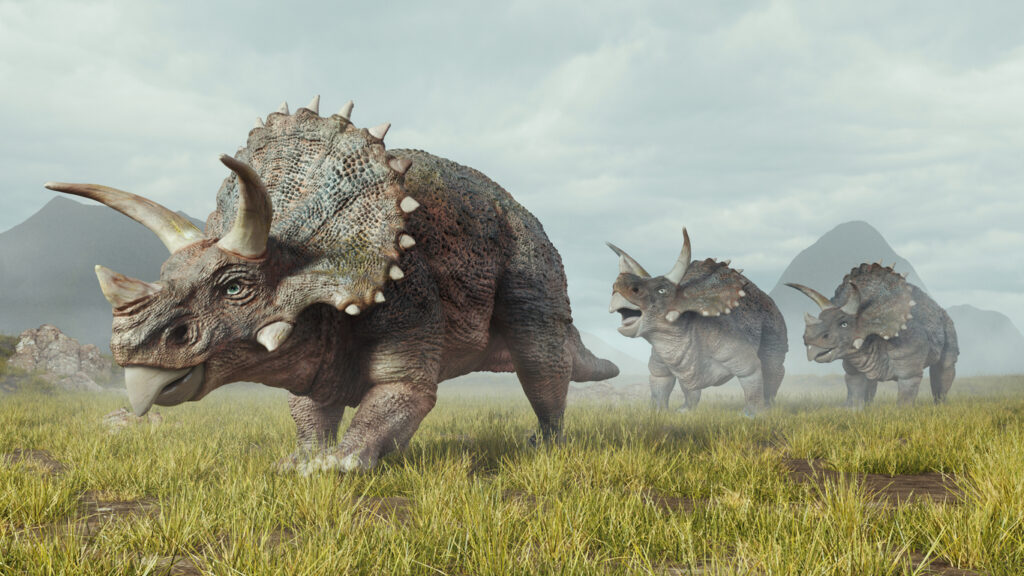
The most likely scenario is that dinosaurs evolved a spectrum of metabolic strategies depending on their evolutionary lineage, body size, and ecological niche, rather than all sharing the same approach to temperature regulation. Small, active species probably developed full warm-bloodedness, medium-sized species might have been mesothermic, and giant species could have relied on thermal inertia.
This metabolic diversity would have allowed dinosaurs to dominate virtually every terrestrial ecosystem for over 160 million years by adapting their physiology to different environmental challenges. Rather than asking whether dinosaurs were warm or cold-blooded, we should recognise that they pioneered multiple sophisticated approaches to temperature regulation that modern animals still use today.