Nature can be brutal, yet some animals have developed ways of surviving that seem almost unbelievable.
Whether it’s through clever tricks, extreme biology, or sheer resilience, these species have found ways to escape death when it comes calling. Here are the most fascinating examples. It just goes to show that while humans think we’re at the top of the food chain, we’re not necessarily as clever as we seem, at least when it comes to mastering mortality!
1. Opossums playing dead
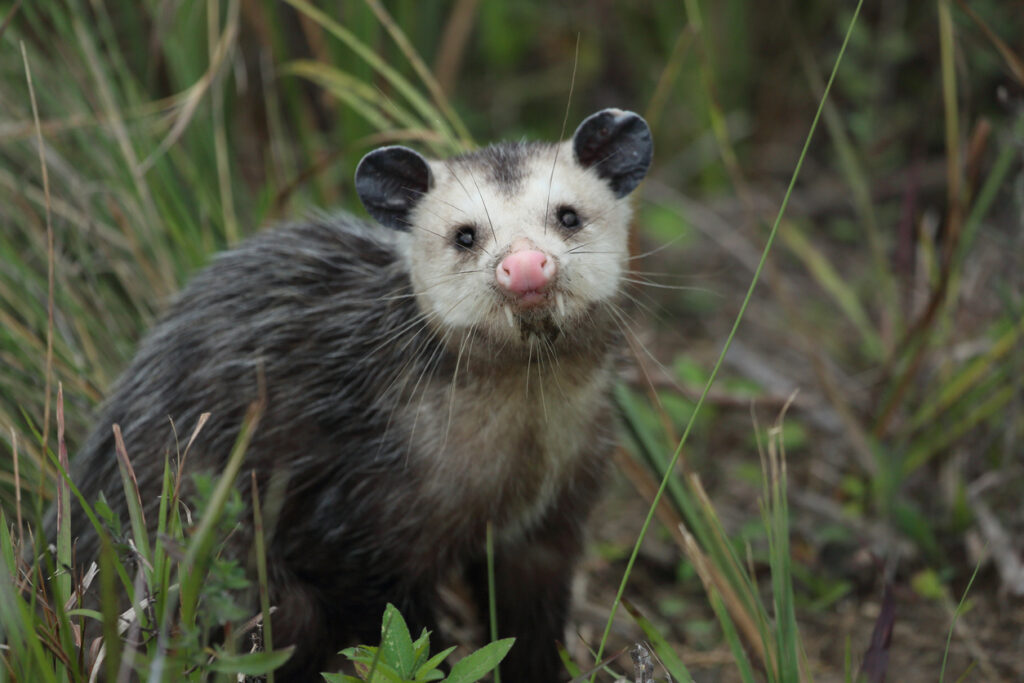
Opossums are famous for collapsing and looking lifeless when threatened. Their bodies go limp, their mouths hang open, and they even release a foul smell to convince predators they’re already dead. It makes many attackers lose interest and move on to other prey.
The act may look convincing, but it’s an automatic response rather than a choice. The trick works well because predators often avoid eating carrion, giving the opossum a second chance at life once the danger passes.
2. Hognose snakes faking their own death
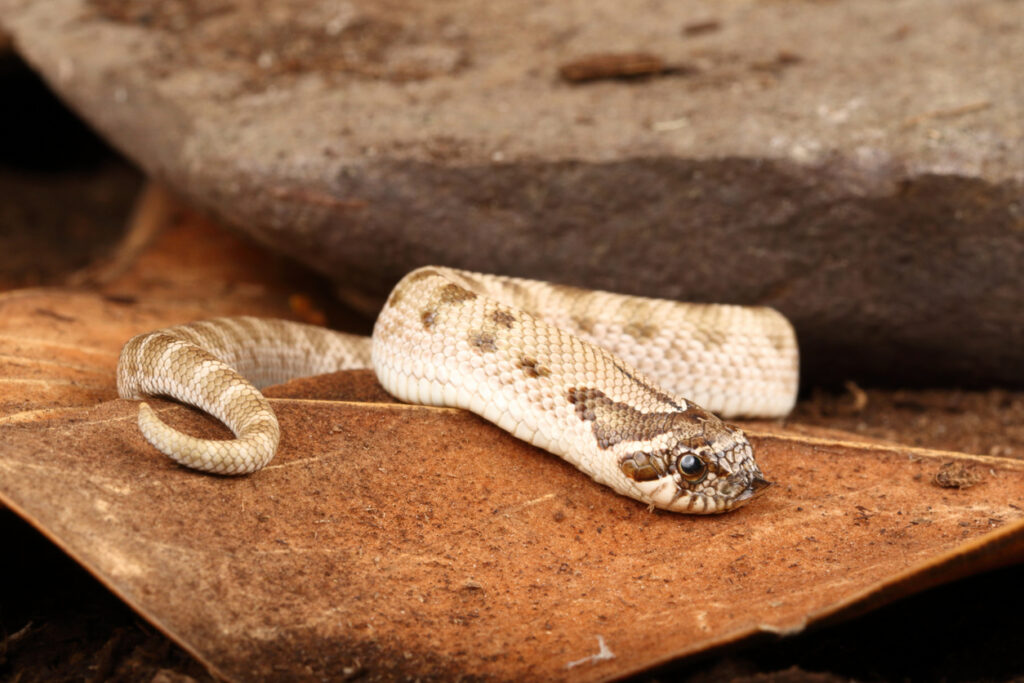
Hognose snakes are masters of drama. When cornered, they flip onto their backs, stick out their tongues, and emit a rotting odour to mimic a dead snake. Even if turned back onto their stomach, they will roll over again to maintain the act.
This strategy deters predators that avoid diseased or dead prey. By faking their own demise so convincingly, hognose snakes often escape situations that could have been fatal.
3. Resurrection plants reviving after drought
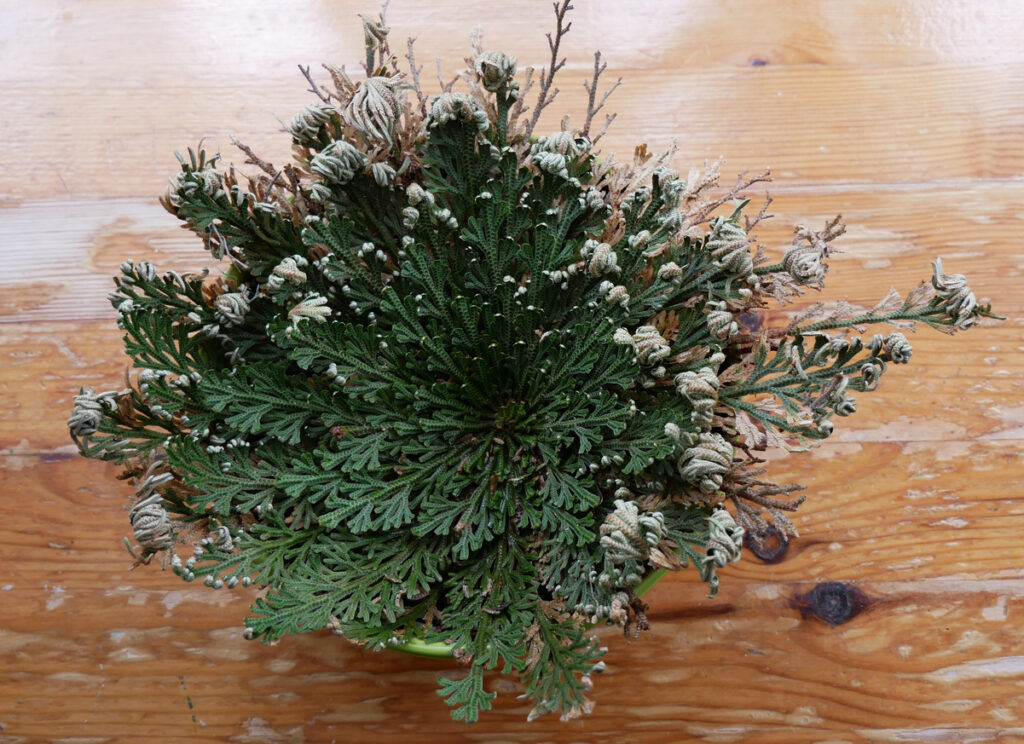
Though not animals, resurrection plants highlight just how far survival strategies can go. These desert plants dry up completely and appear dead, only to spring back to life with the arrival of rain. The ability to withstand such harsh conditions is extremely rare.
For animals that feed on these plants, the revival means a food source can reappear unexpectedly. Their remarkable resilience shows how nature keeps finding loopholes to survive even in unforgiving environments.
4. Turritopsis jellyfish reversing ageing
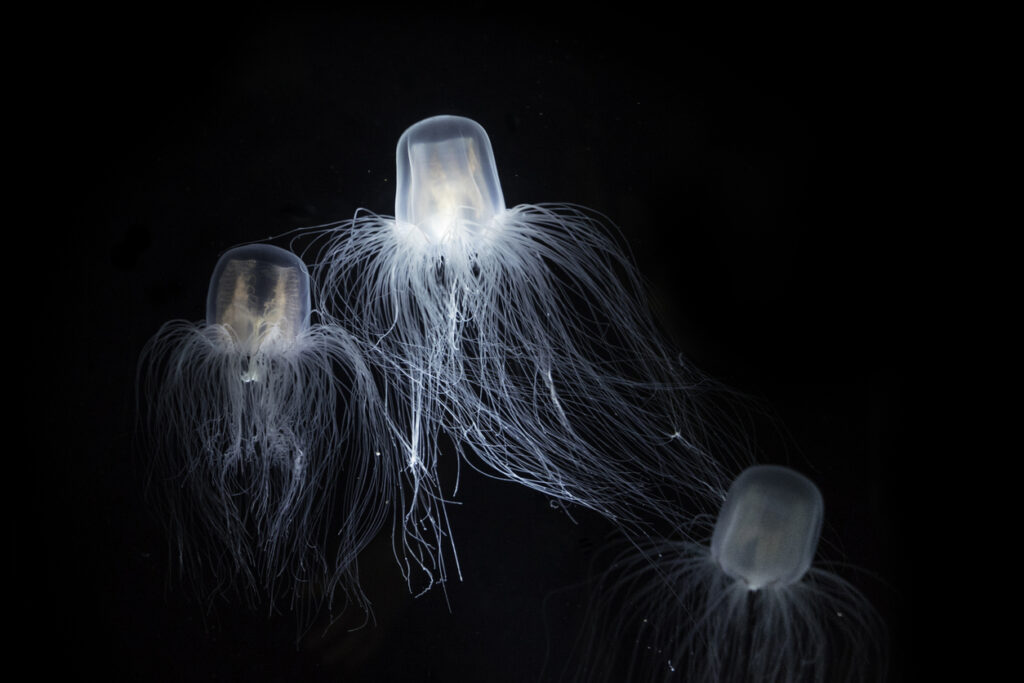
The tiny turritopsis jellyfish has earned the nickname “immortal jellyfish” because of its ability to reverse its life cycle. When threatened by injury, starvation, or environmental stress, it can revert its adult cells back to a younger stage. This essentially allows it to restart its life.
Although not truly immortal, this creature’s ability gives it countless second chances. Scientists study the process closely, hoping it may offer clues about ageing and regeneration in other organisms.
5. Frogs that freeze and thaw
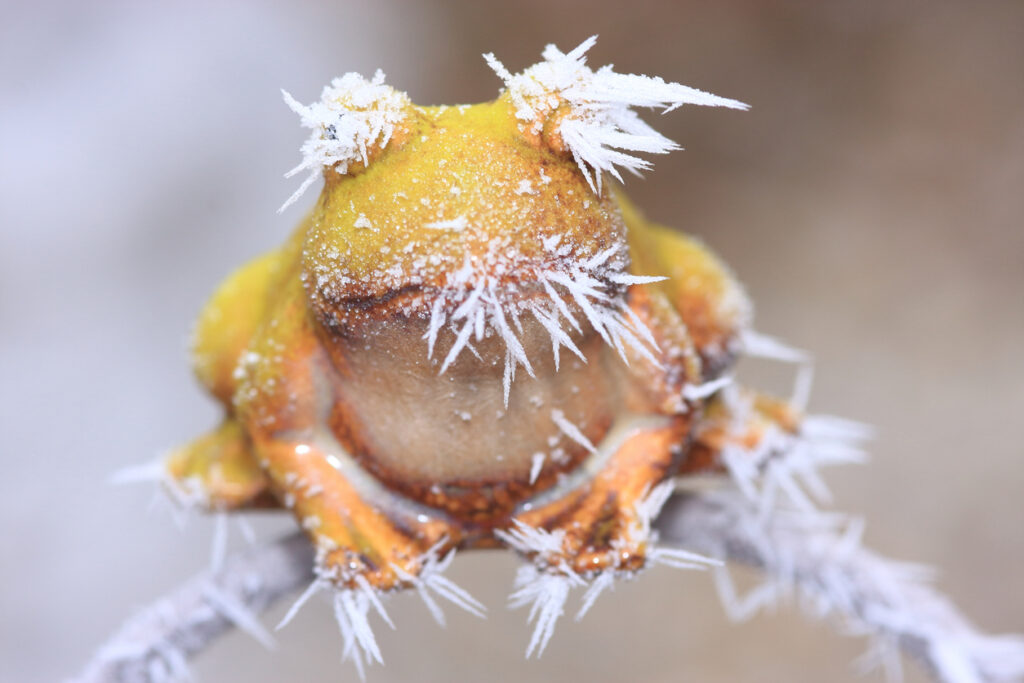
Wood frogs in North America can survive being frozen solid in winter. Their bodies shut down, their hearts stop beating, and ice crystals form inside them. Yet when spring arrives, they thaw out and hop away as if nothing happened. The secret lies in natural antifreeze compounds in their blood. These prevent deadly damage to their cells, allowing them to cheat death in temperatures that would kill most other animals.
6. Cockroaches enduring without a head
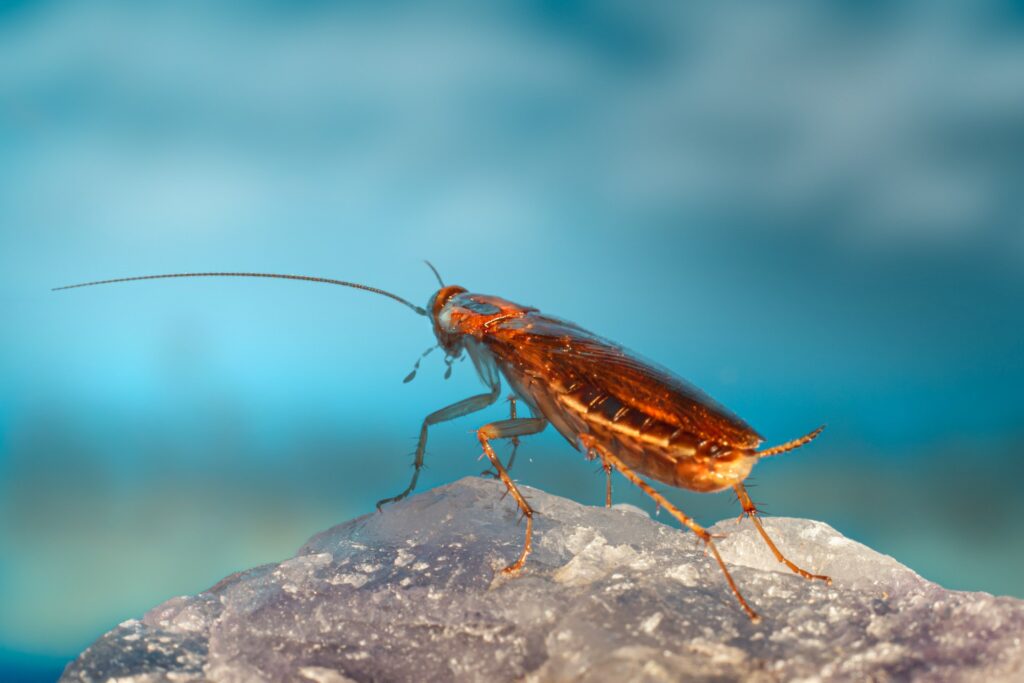
Cockroaches have long been associated with survival, and for good reason. They can live for several days without a head because their nervous system and breathing do not rely on the brain. Eventually, they die from dehydration rather than decapitation itself.
That resilience makes them almost impossible to wipe out completely. Their ability to withstand extreme injury adds to their reputation as some of the toughest survivors on the planet.
7. Octopuses sacrificing arms
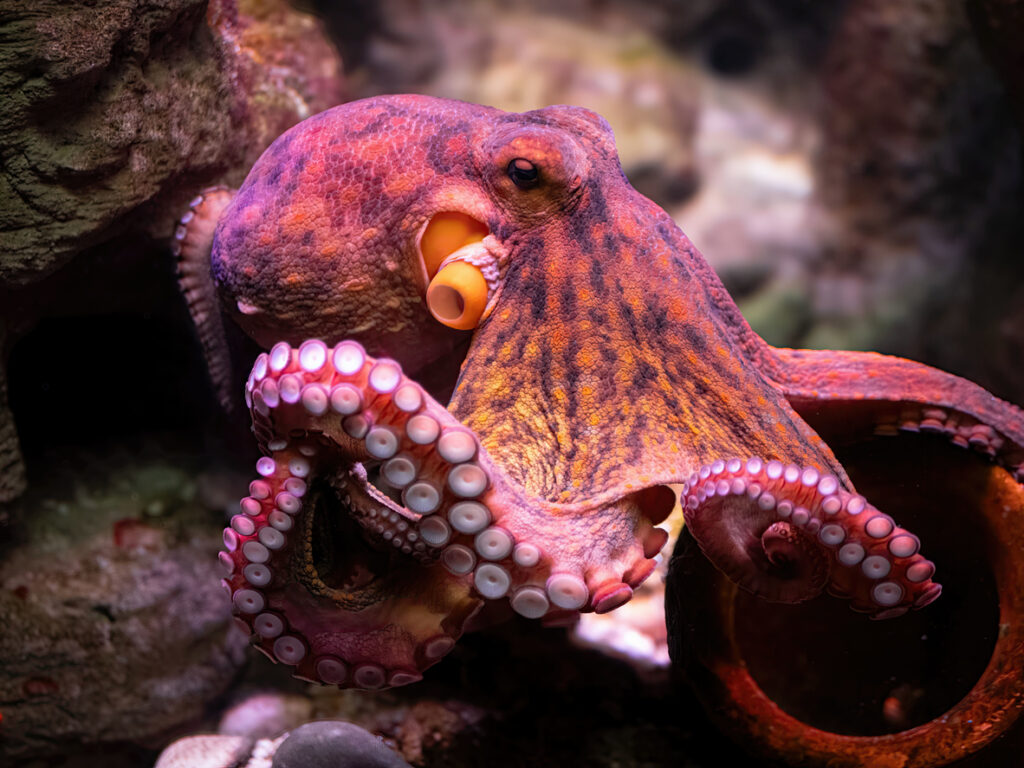
When attacked, an octopus can detach one of its arms, leaving it wriggling behind to distract the predator. The octopus then escapes while the attacker is busy with the discarded limb. Remarkably, the lost arm can regrow over time. Having the ability to both evade predators and recover lost body parts demonstrates incredible adaptability. It ensures the octopus can survive encounters that might otherwise end in death.
8. Lizards dropping their tails
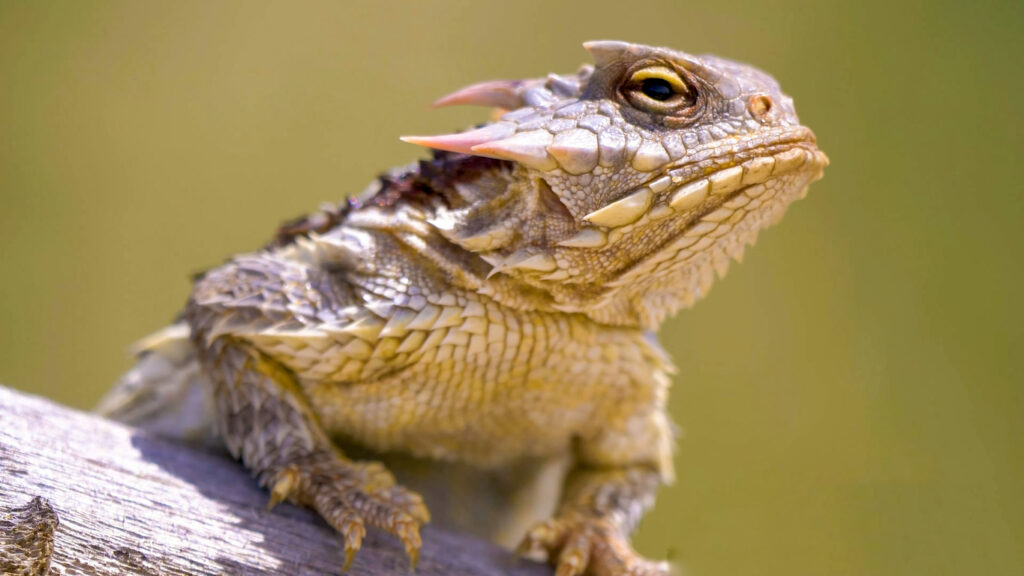
Many lizard species use a tactic similar to octopuses. When threatened, they detach their tails, which continue to twitch and wriggle. Doing so confuses predators long enough for the lizard to make a getaway. The tail eventually regrows, although usually not quite the same as the original. Still, this strategy gives them an effective way to survive close calls with predators.
9. Sea cucumbers ejecting organs
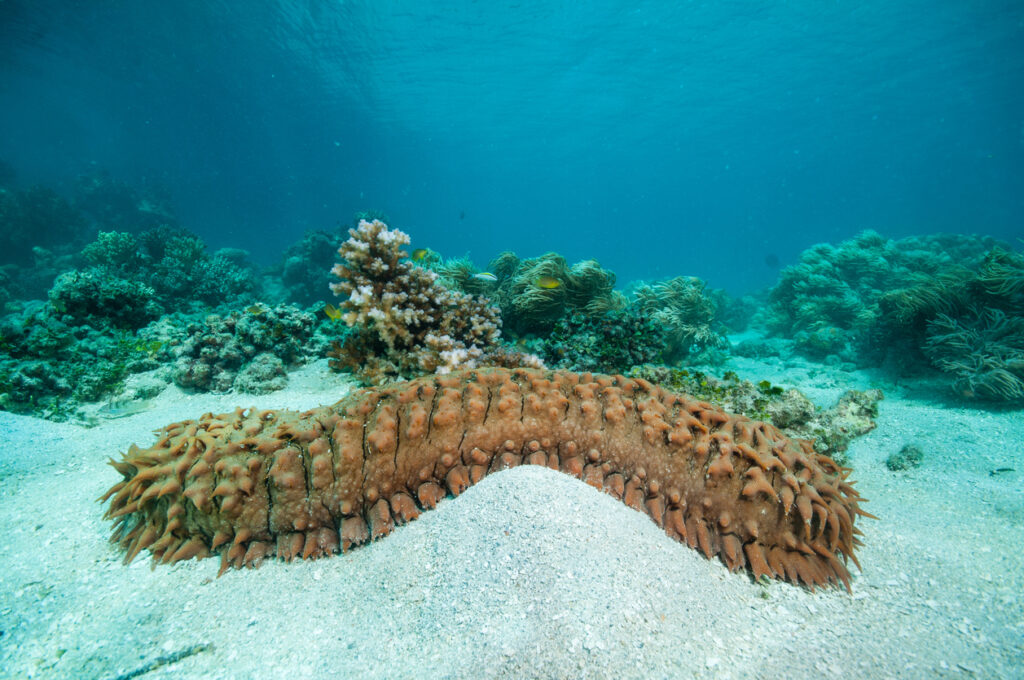
Sea cucumbers have a bizarre but effective defence. When attacked, they expel some of their internal organs to distract or deter predators. The predator often eats the discarded organs while the cucumber slowly regenerates them. Although gruesome, this method allows them to escape certain death. The ability to regenerate complex organs makes them remarkable survivors in hostile environments.
10. Salamanders regenerating limbs
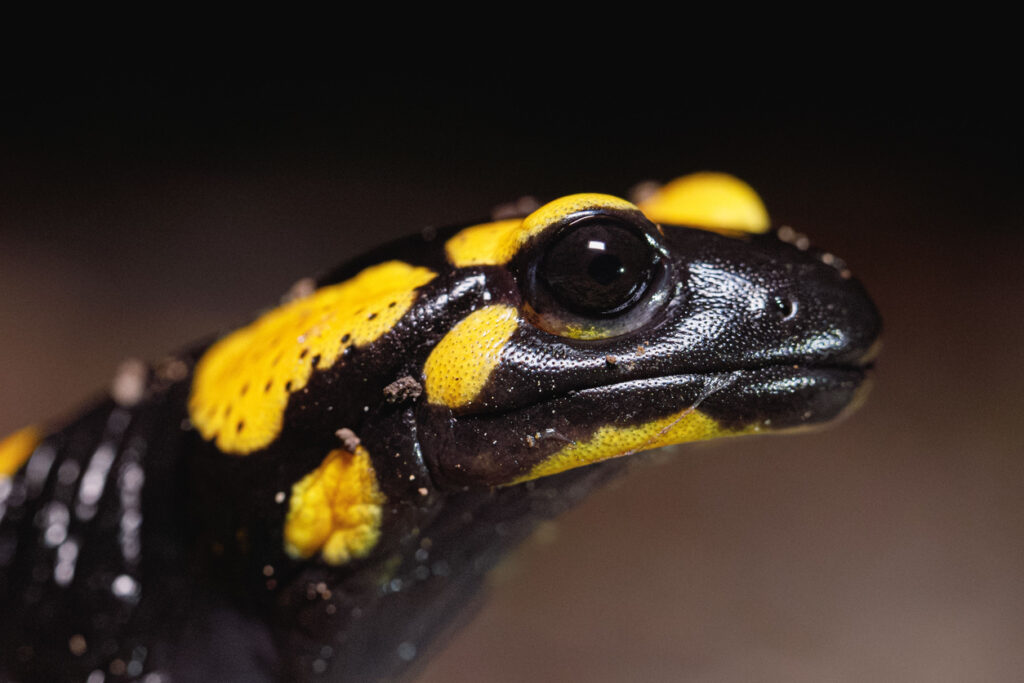
Unlike most animals, salamanders can regrow entire limbs if they’re lost to injury or predation. They can also regenerate parts of their heart, spinal cord, and even parts of their eyes. This gives them a survival edge against serious threats.
Scientists study salamanders closely, as understanding their regeneration could one day lead to medical breakthroughs for humans. For now, it ensures salamanders have a way to recover from injuries that would be fatal to most creatures.
11. Sharks healing from extreme injuries
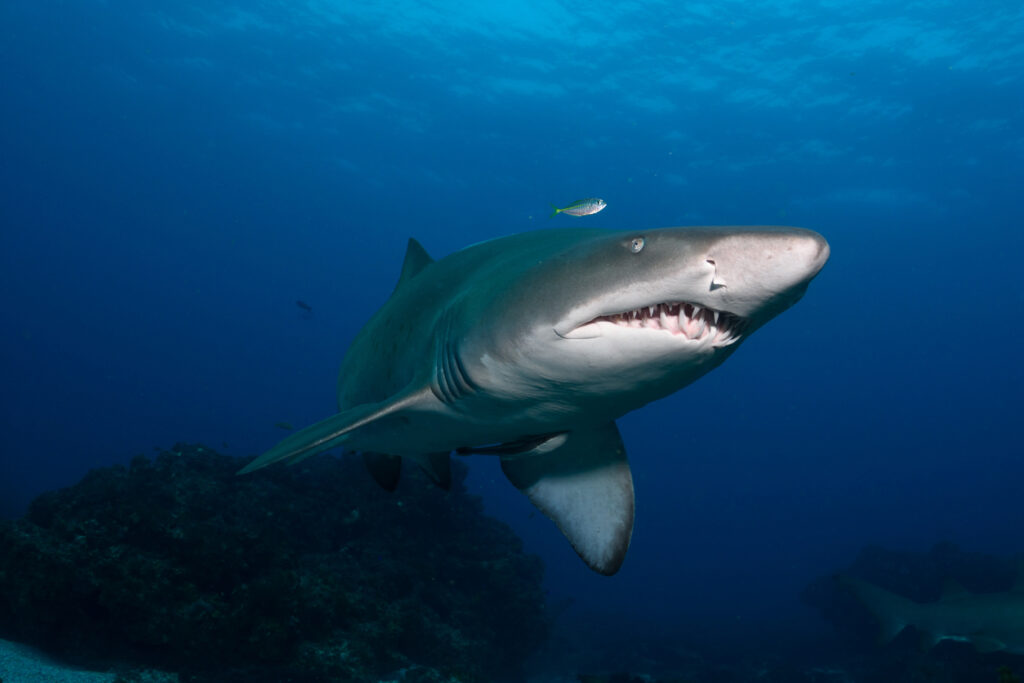
Sharks have been observed surviving massive wounds, including deep cuts and lost fins. They possess strong immune systems and healing abilities that allow them to recover quickly, even from injuries that look unsurvivable. Some species have even been seen with bite marks from other sharks that later healed almost completely.
Their resilience means sharks continue to thrive in oceans despite constant threats. It’s a reminder of just how hardy these predators are, even when faced with serious physical damage.
12. Deer surviving arrow or bullet wounds
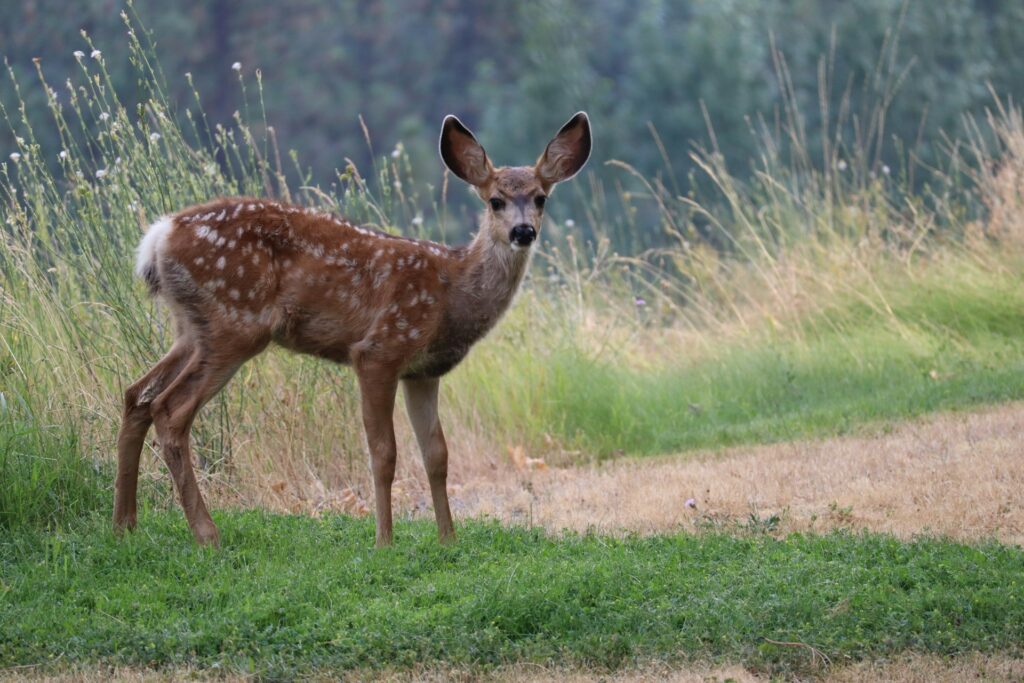
Wild deer have often been found alive with arrows or bullets lodged in their bodies. Their strong survival instincts and ability to keep moving allow them to escape hunters and live for weeks or even months after being injured. It highlights just how determined animals can be to survive.
Though not all injuries heal, the fact that so many deer manage to adapt and carry on shows impressive endurance. Their survival against the odds is both shocking and inspiring.
13. Turtles surviving without oxygen
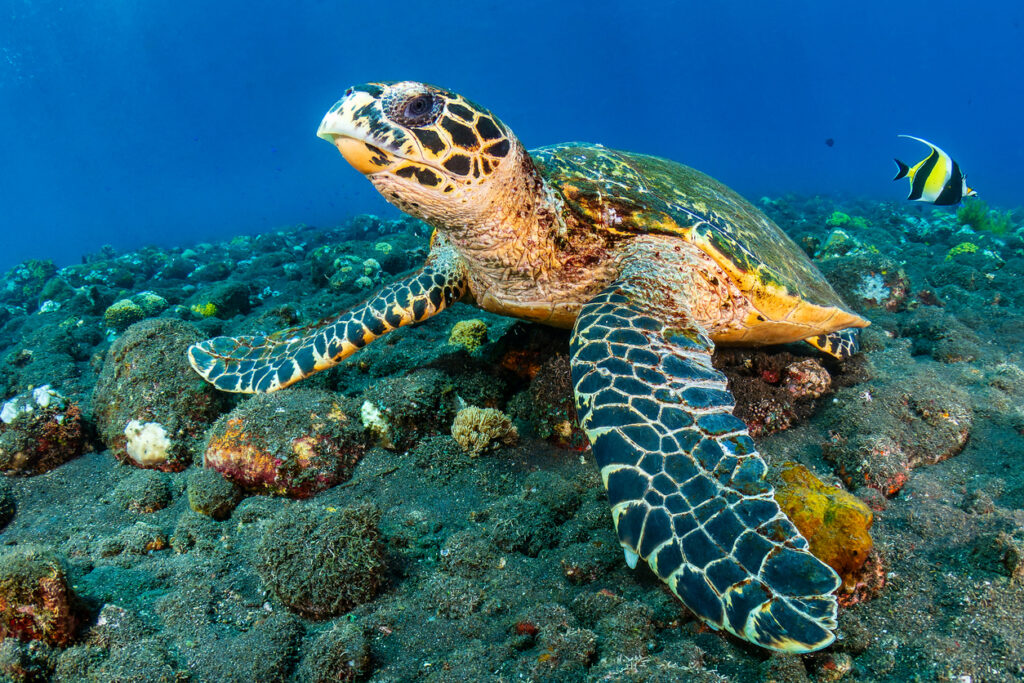
During winter, painted turtles can survive months in icy ponds with almost no oxygen. They slow their metabolism dramatically and rely on chemical processes that do not require breathing in the usual way. That adaptation prevents them from suffocating under frozen water.
It’s an extraordinary survival tactic that allows them to live in environments that would kill most reptiles. When spring arrives, they return to normal life as if nothing happened.
14. Hedgehogs rolling into spiky armour
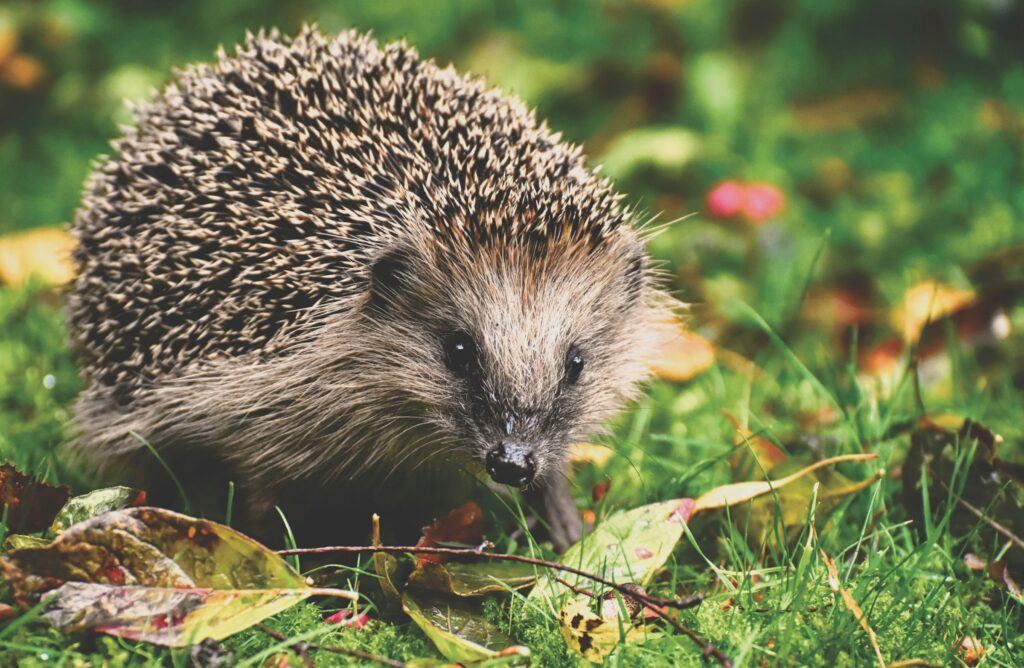
When danger approaches, hedgehogs curl into a tight ball, exposing only their spines. This makes them almost impossible for many predators to attack successfully. It’s a simple yet highly effective defence mechanism. That survival tactic means many hedgehogs escape threats unharmed. Their spiny armour, combined with their ability to stay perfectly still, allows them to cheat death time and time again.