Stars might look steady and eternal in the night sky, but every single one has an end.

The ways they die are anything but quiet, often unleashing energy on a scale far beyond human imagination. Here are the most dramatic cosmic finales that put any Hollywood explosion to shame. Here are some of the ways they disappear from our skies, and spoiler alert: they’re all pretty dramatic.
1. Supernova collapse
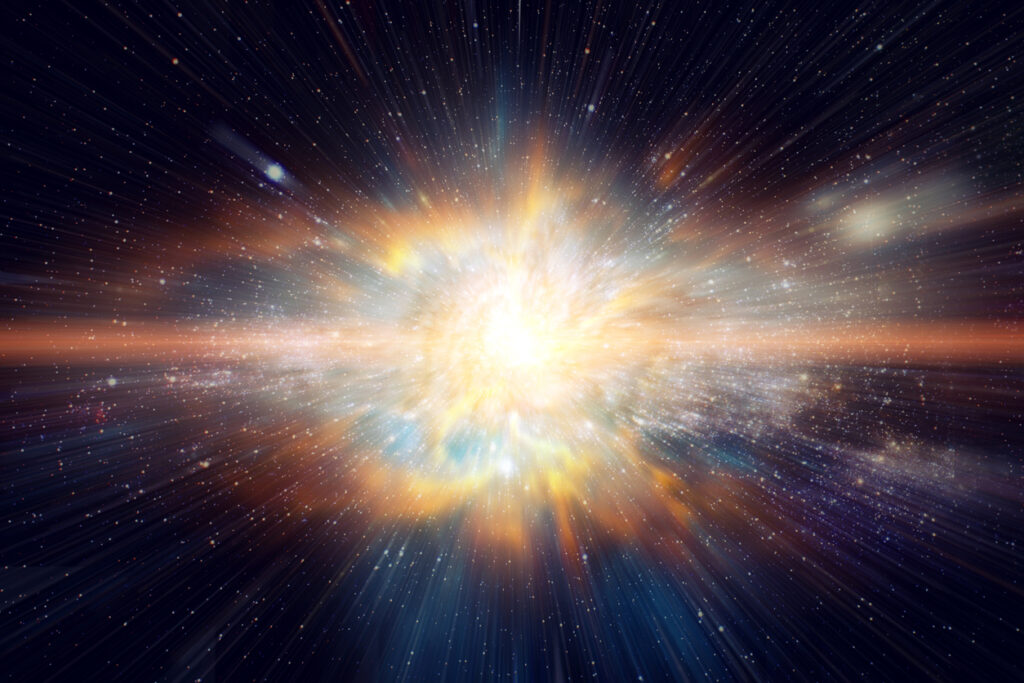
Massive stars burn through their fuel quickly, leaving them unstable at the core. When the core can no longer support the star’s weight, gravity takes over and the result is a supernova. This is one of the brightest explosions in the universe, briefly outshining entire galaxies.
The debris thrown out from a supernova becomes the raw material for new stars and planets. It is nature’s recycling system on a cosmic scale, turning destruction into creation and ensuring the universe is constantly reshaped.
2. Hypernova blasts
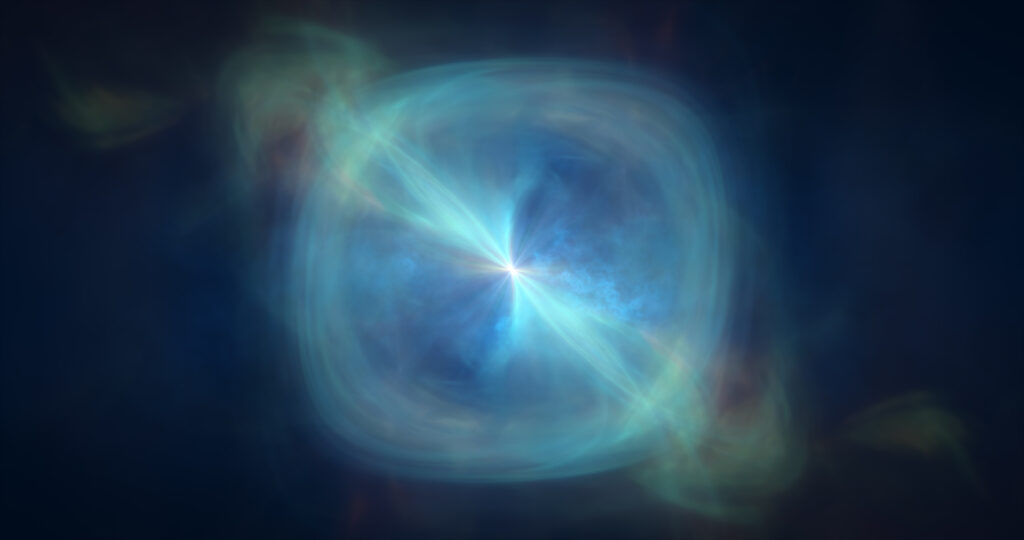
Even more dramatic than a supernova, a hypernova occurs when an extremely massive star collapses. The energy released is hundreds of times greater, producing powerful gamma-ray bursts that travel across the universe. These events are so energetic they can sterilise entire regions of space.
Scientists study hypernovae to understand how galaxies evolve and how heavy elements are spread through space. Whilst terrifying, these colossal blasts also play a role in shaping the conditions for life to eventually emerge elsewhere.
3. Black hole formation
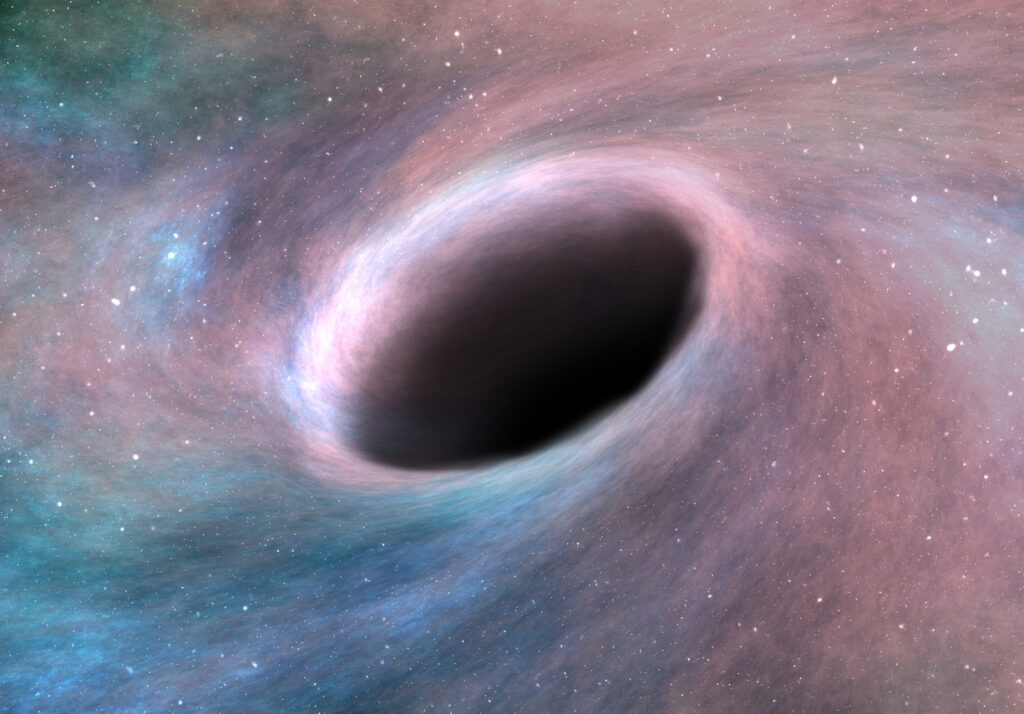
When the core of a massive star collapses completely, it can form a black hole. This is a point where gravity is so strong that not even light can escape. From the outside, it appears as though the star has vanished into darkness, leaving behind a region of warped space and time.
Although destructive, black holes are also engines of cosmic growth. They feed on surrounding material, and the energy they release influences how galaxies are structured, proving that even endings can have far-reaching consequences.
4. Neutron star creation
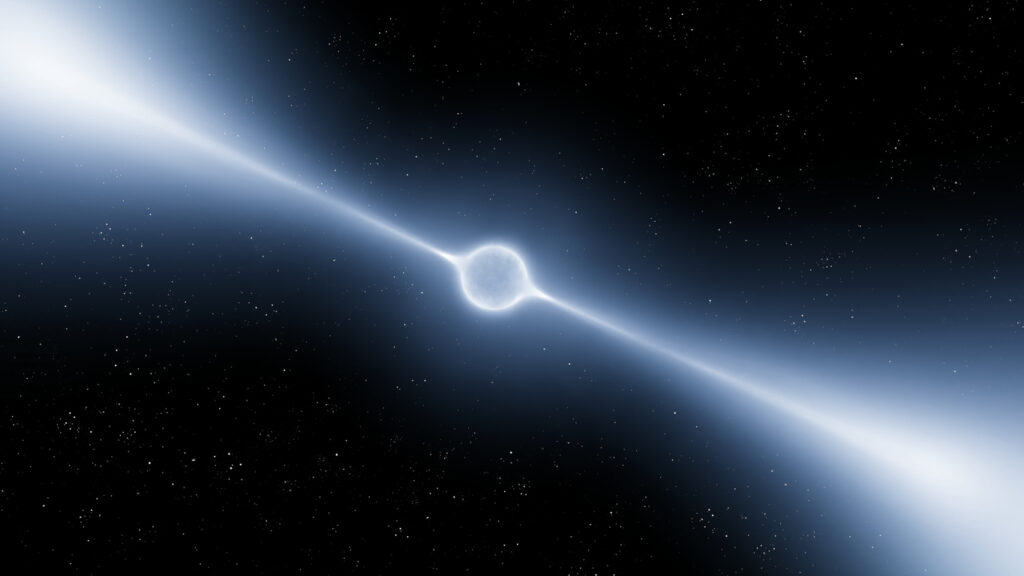
If a collapsing star is not quite heavy enough to form a black hole, it can instead become a neutron star. These are incredibly dense objects, where matter is crushed so tightly that a teaspoon would weigh billions of tonnes. They often reveal themselves through rapid, pulsing beams of radiation.
Neutron stars provide scientists with a natural laboratory to study the extremes of physics. By observing them, we gain insight into how matter behaves under pressures that cannot be recreated on Earth.
5. White dwarf burnout
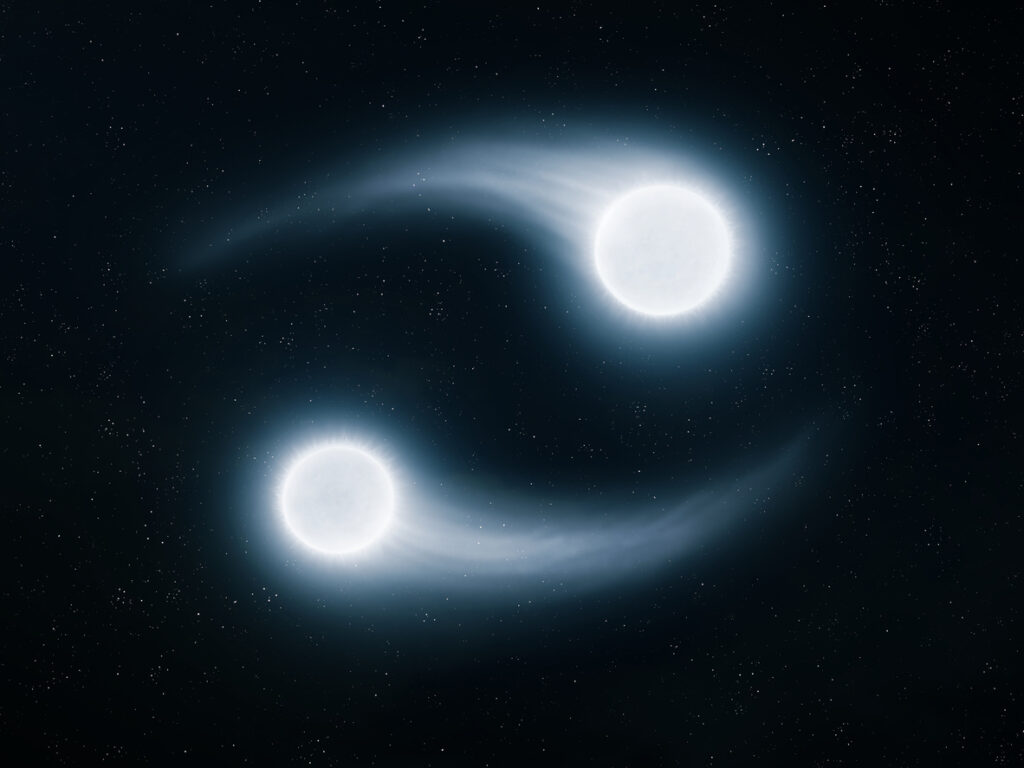
Not every star ends in a spectacular explosion. Stars like our Sun will eventually shed their outer layers and leave behind a white dwarf. This faint, dense remnant slowly cools over billions of years, gradually fading into obscurity. While less dramatic, white dwarfs remind us that even stars have quiet retirements. They mark the end of stellar activity, but the gas they release helps form new stars, linking their calm fade-out to the cycle of renewal.
6. Pair-instability supernova
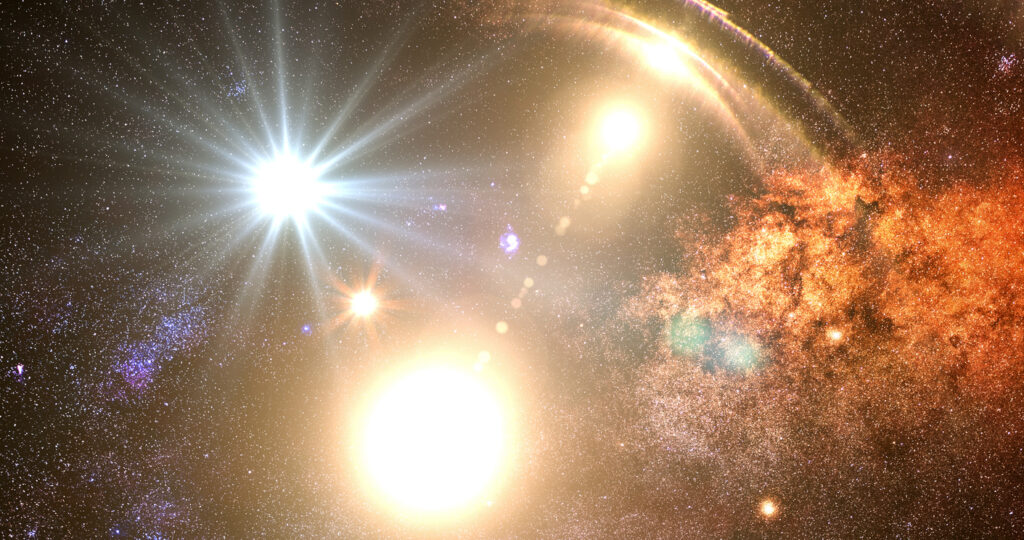
In the most massive stars, conditions can trigger a rare event known as a pair-instability supernova. Instead of leaving behind a remnant, the entire star is blown apart in one gigantic blast. Nothing is left behind, not even a black hole or neutron star. These explosions spread huge amounts of heavy elements into space. Though rare, they show just how violent and final a star’s death can be, leaving no trace of its original form.
7. Magnetar flares
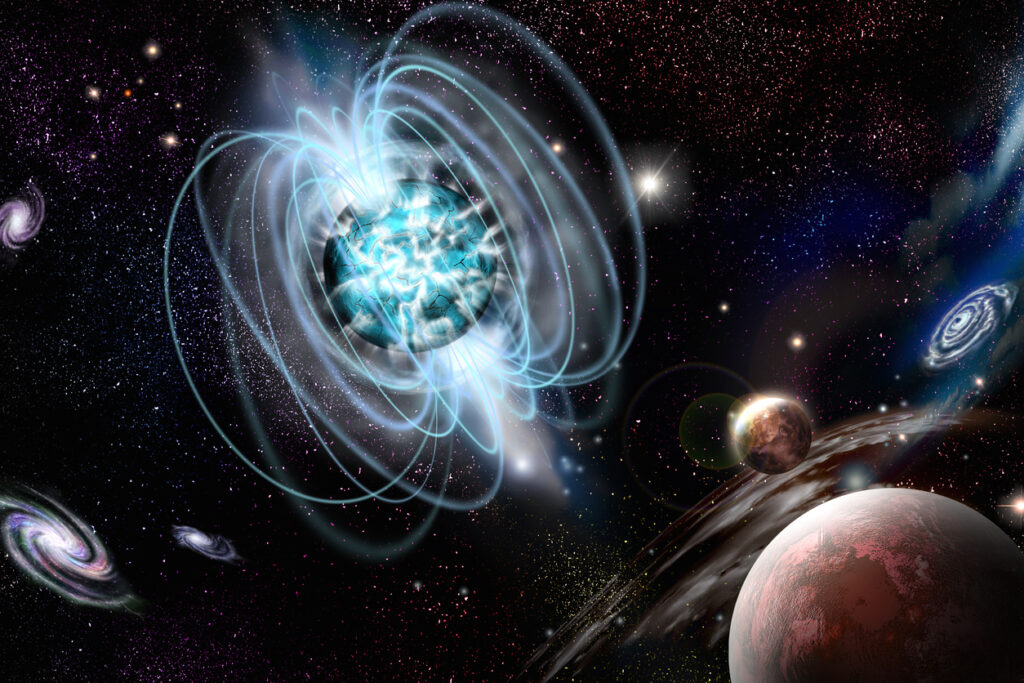
Some neutron stars develop incredibly strong magnetic fields, becoming magnetars. Occasionally, these objects release giant flares of energy, so intense they can affect satellites orbiting Earth from thousands of light years away. The release is brief, but the power involved is staggering.
Magnetars remind us that stellar remnants can remain volatile long after a star’s initial death. Their flares provide vital clues about magnetic fields and the extreme behaviour of matter in space.
8. Collapsars
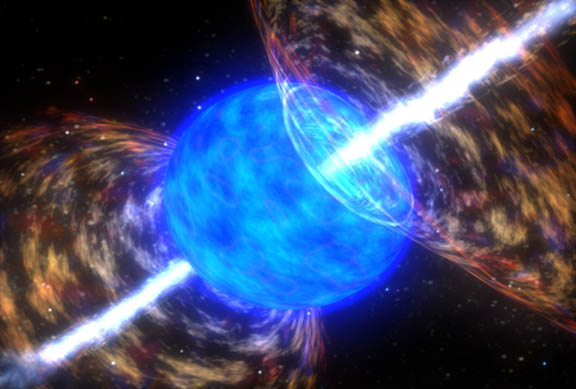
Collapsars occur when a rapidly rotating star collapses into a black hole whilst ejecting powerful jets of energy. These jets are responsible for some of the brightest gamma-ray bursts observed. They are sudden, violent, and capable of radiating more energy in seconds than the Sun will in its entire lifetime.
By studying collapsars, astronomers hope to understand the link between black hole births and gamma-ray bursts. They offer insight into some of the universe’s most extreme events, which still remain partly mysterious.
9. Kilonova mergers
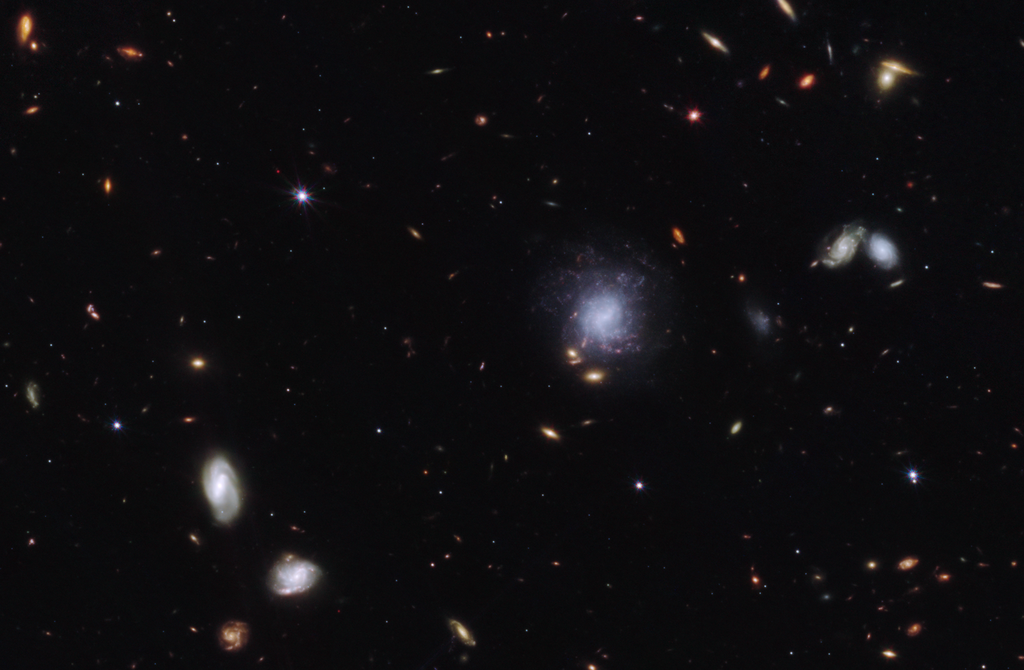
When two neutron stars spiral together and collide, the result is a kilonova. The explosion is smaller than a supernova but still incredibly powerful, producing heavy elements like gold and platinum. The collision sends ripples through space known as gravitational waves.
These mergers are crucial for science because they allow us to detect both light and gravitational waves from the same event. This dual signal gives us new ways to explore and understand the universe.
10. Planetary nebula displays
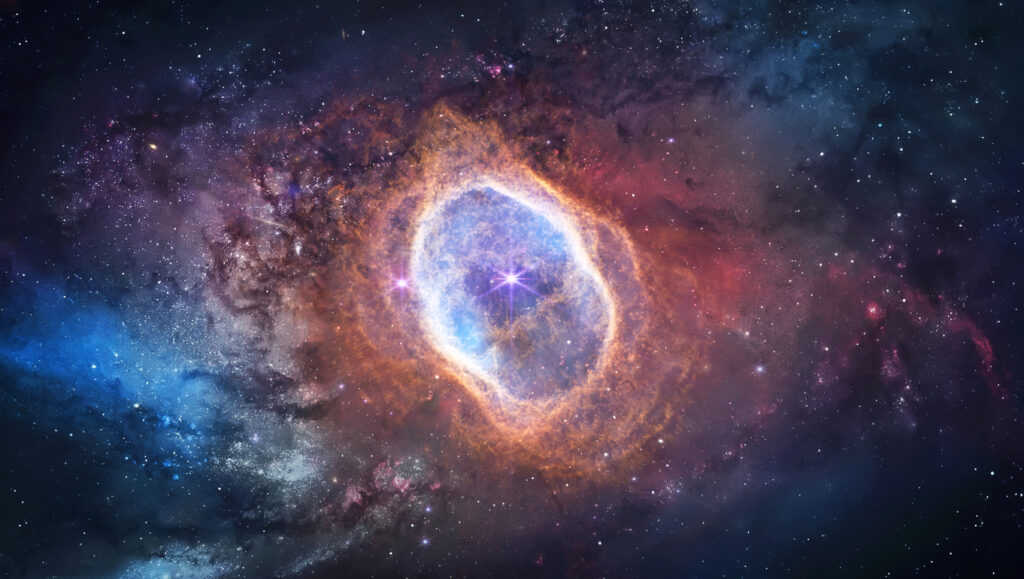
Stars like the Sun eventually shed their outer layers, creating colourful planetary nebulae. These clouds glow with striking shapes and colours, illuminated by the fading core at their centre. They are less violent than explosions but just as beautiful and dramatic in their own way.
Planetary nebulae recycle gas and dust into space, setting the stage for new stars and planets. They serve as a reminder that endings can be creative, leaving behind cosmic artworks for astronomers to admire.
11. Stellar cannibalism
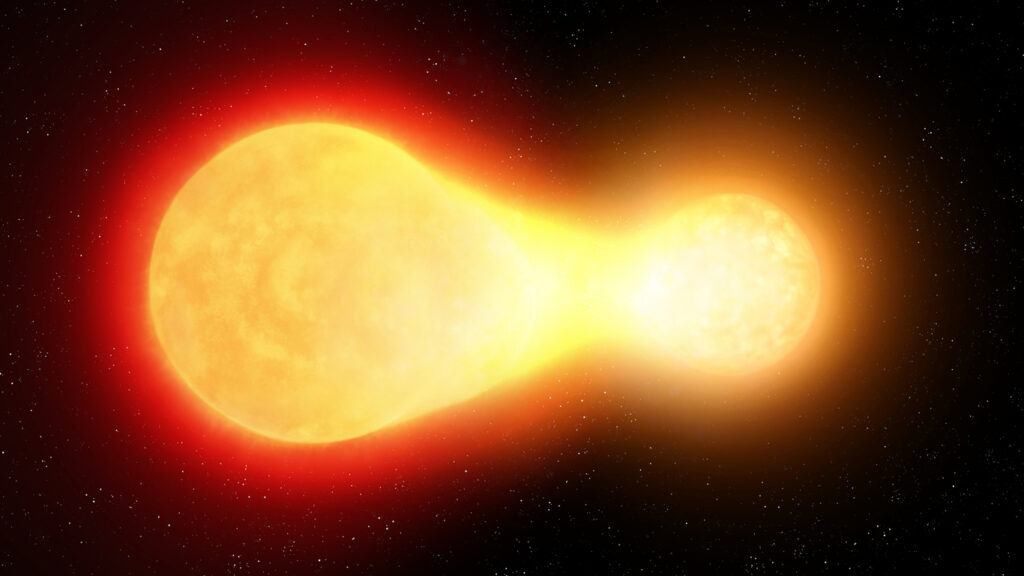
Some stars die because they are consumed by larger companions. In binary systems, a more massive star can strip material from its partner, leaving the smaller star unstable and doomed. The process often ends with an explosive outburst as the weaker star gives way.
That cosmic cannibalism shows how interconnected stars can be. Their relationships often dictate their fates, creating unusual and dramatic endings that depend as much on neighbours as on internal fuel.
12. Quiet black dwarf fade
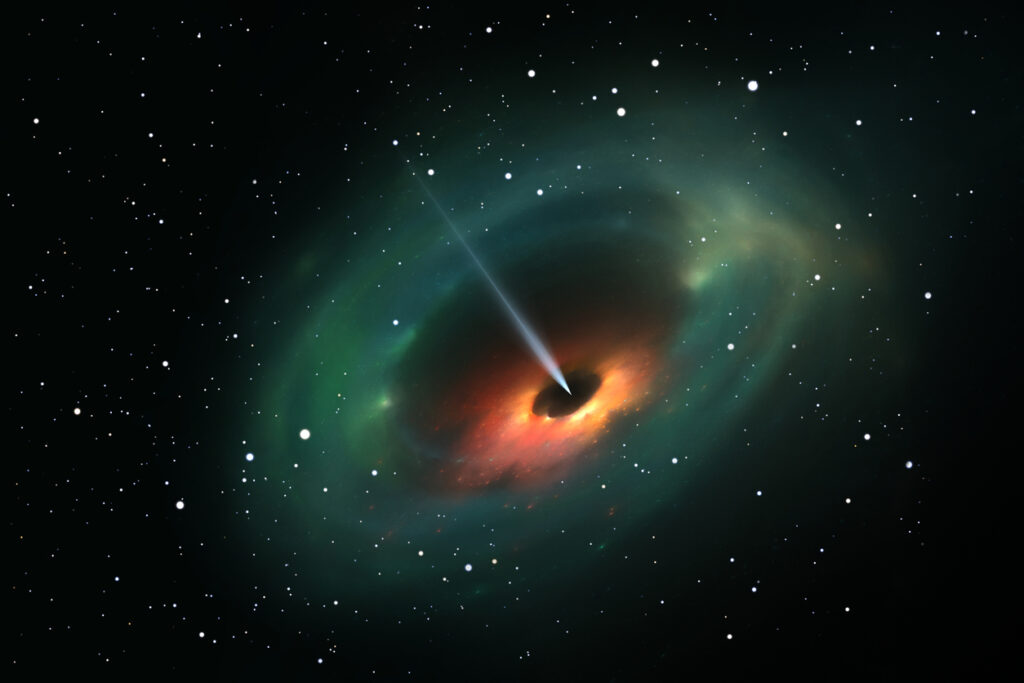
Theoretically, the final stage of a white dwarf is a black dwarf. Over trillions of years, it will cool completely and emit no light at all. Although none yet exist because the universe is not old enough, this represents the ultimate quiet end of a star.
This process may lack the fireworks of a supernova, but it is dramatic in its own way. It symbolises the universe’s long timeline, reminding us that even stars eventually fade into darkness after lifetimes of brilliance.