Some creatures don’t stick around for very long, unfortunately.
Some live full lives in the blink of an eye, leaving us wondering how they pack it all in. These are just 10 of the animals whose time on Earth is surprisingly short, not because they’re easy prey or particularly susceptible to illness, but because that’s the way nature intended it.
1. The mayfly gets a single day to get their job done.
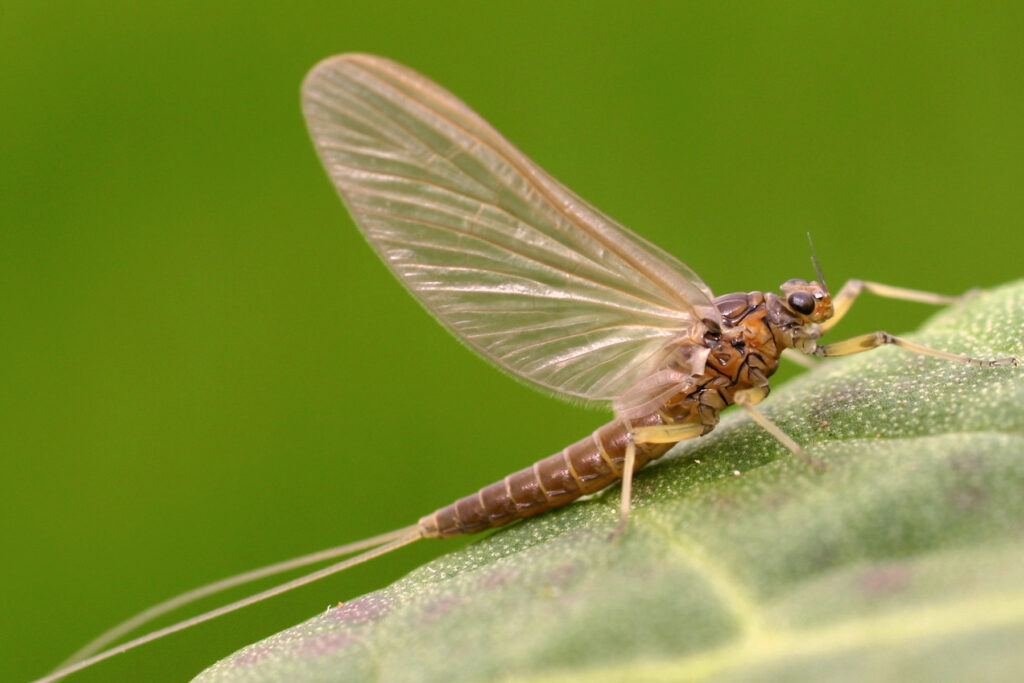
Mayflies are famous for having one of the briefest adult lives of any animal. Some species survive for less than a day, spending their final hours flying, mating, and laying eggs before the curtain falls.
It might sound tragic, but mayflies make the most of their short time. Their entire life cycle is designed for this quick finale, with years spent underwater as nymphs before their fleeting moment in the sun.
2. The adult drone ant plays a fleeting role in the grand design.

Male ants, known as drones, live only long enough to mate. Once they have fulfilled their purpose, they usually die within days. Compared to their queen, who can live for years, their role is brief and specific.
This short lifespan highlights how nature divides labour in fascinating ways. The colony survives because individuals take on roles, however fleeting, that keep the community thriving long after they’re gone.
3. The gastrotrich does a microscopic sprint to the finish line.
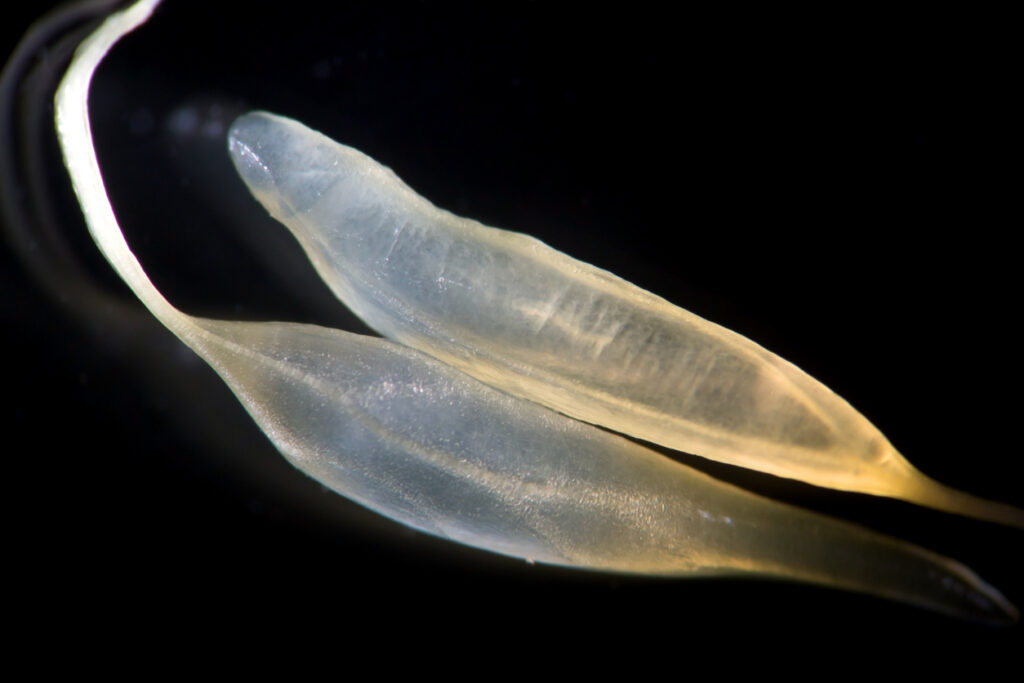
These tiny aquatic animals, barely visible without a microscope, usually live just two or three days. They spend that time gliding around in water, feeding, and reproducing at remarkable speed before disappearing as quickly as they appeared.
What they lack in time, they make up for in efficiency. In a matter of days, they complete the same life stages that larger animals spread out over years, showing how varied lifespans can be in nature.
4. The may beetle’s short summer is, well, extremely short.
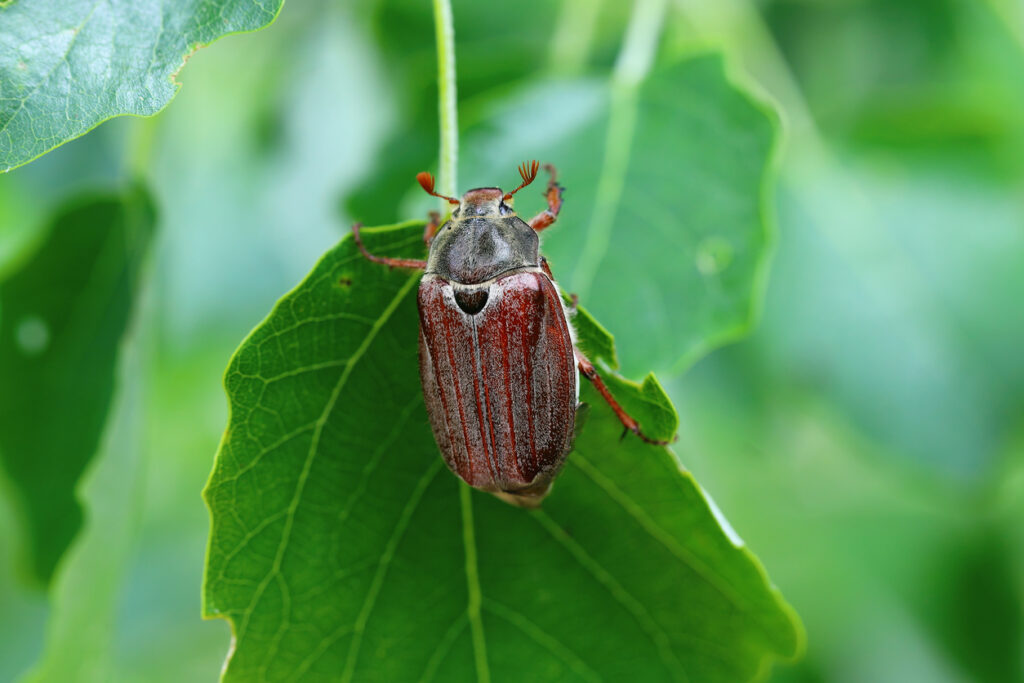
Adult may beetles, often called cockchafers, emerge in late spring and survive for only four to six weeks. Their time as adults is spent flying noisily through gardens, eating leaves, and ensuring the next generation is secured.
Despite their brief adult lives, their larval stage underground can last for years. It’s a reminder that sometimes the “adult” phase of an animal’s life is only a tiny fraction of its total story.
5. The housefly’s fast cycle is a relief to some.
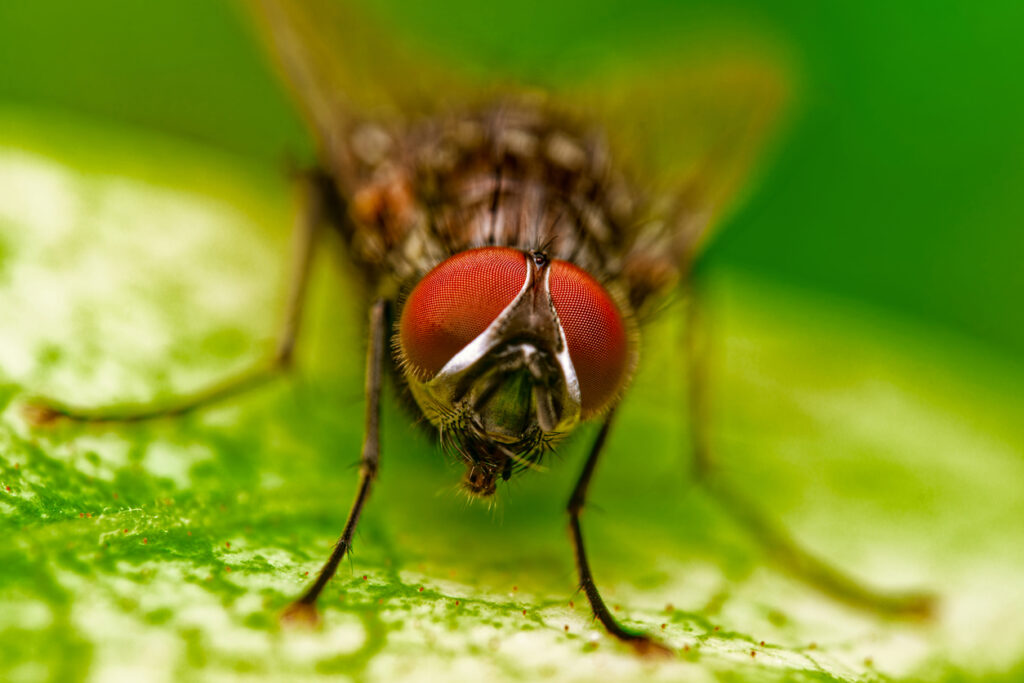
Houseflies are never with us for long. Their typical lifespan ranges from two to four weeks, but in that time they manage to lay hundreds of eggs, keeping kitchens and windowsills buzzing all summer long.
They may not be everyone’s favourite guest, but they’re a perfect example of how animals evolve to maximise short lives. Every moment is geared towards reproduction and survival in rapid succession.
6. The drone honeybee takes a one-way flight.
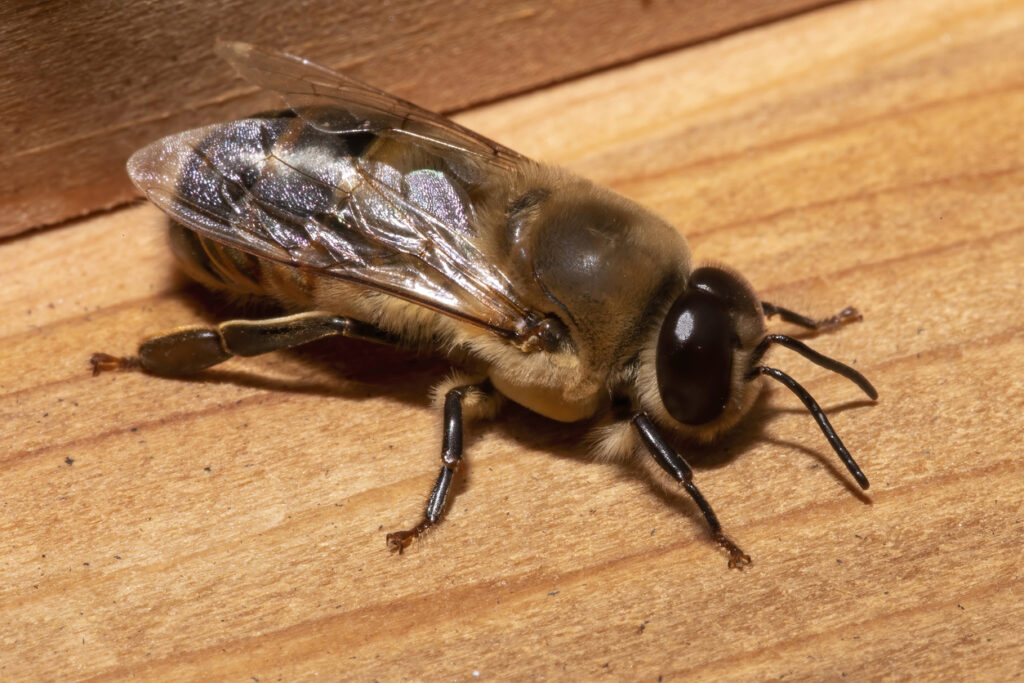
Drone honeybees have only one purpose, and it shortens their life dramatically. Once they mate with a queen during a mating flight, they die immediately afterwards. Their lifespan is tied directly to this single role.
It sounds brutal, but it keeps the hive thriving. Worker bees, who live much longer, take care of the colony, while drones give everything to ensure the next generation of bees can carry on.
7. The turquoise killifish’s life is seasonal.
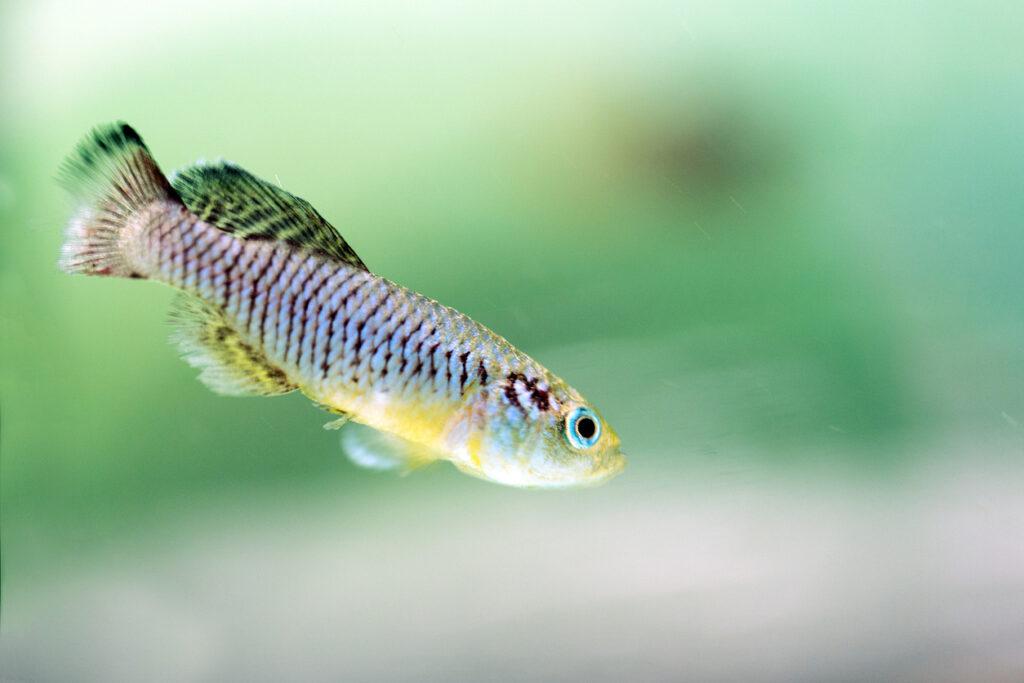
This small African fish is one of the shortest-lived vertebrates, often surviving for just a few months in the wild. They grow fast, breed quickly, and complete their life cycle before seasonal ponds dry out.
Their eggs survive buried in mud, waiting for rains to return. It means the species outlives individuals, with new generations appearing as soon as the water returns, ready to repeat the rapid cycle.
8. The luna moth’s brief beauty is admirable.
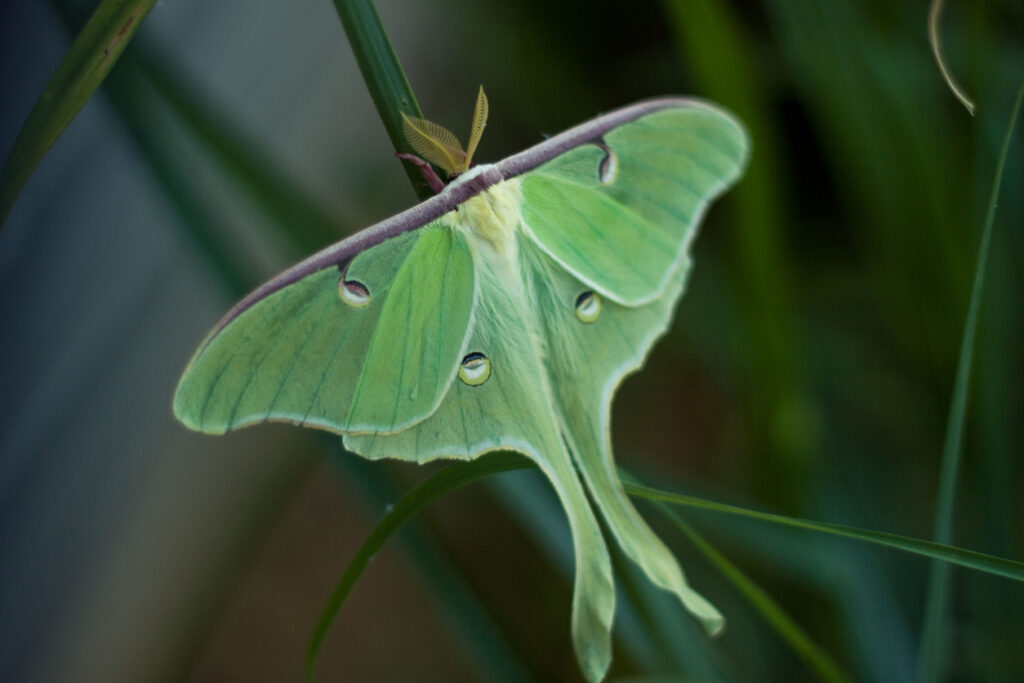
Luna moths are striking with their pale green wings and long tails, yet their adult lives last barely a week. They can’t eat as adults, so their only focus is finding a mate and laying eggs.
This short existence makes spotting them even more magical. Their beauty feels fleeting because it literally is, and their brief presence in summer nights adds to their almost mythical reputation.
9. The fruit fly gets a very quick turnover.
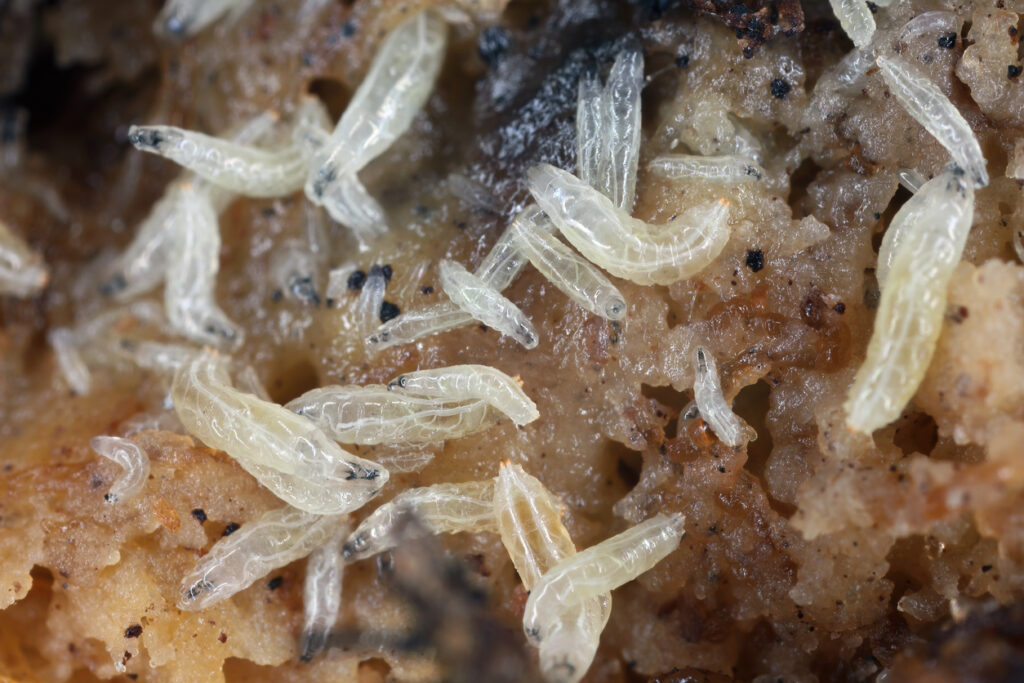
Fruit flies live for about a month, which may not sound short until you consider how quickly they reproduce. A single female can lay hundreds of eggs, creating generations in a matter of weeks.
Scientists love them for this very reason. Their speedy lifecycles make them ideal for genetics studies, and they have contributed enormously to our understanding of biology despite their tiny size and modest lives.
10. The bristle worm’s final flourish comes quickly.
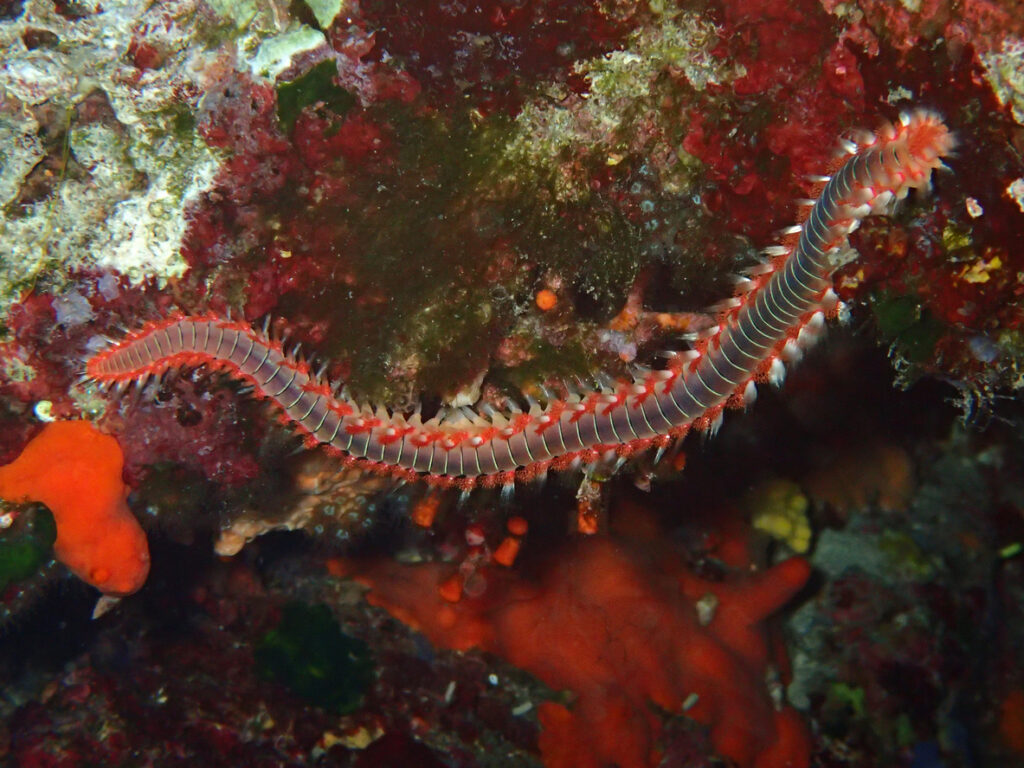
Some species of bristle worm live only long enough to spawn. After releasing eggs or sperm in synchrony with the moon, their bodies break down and they die. Their entire adult existence centres on this one event.
It’s a dramatic end, but one that ensures their young are born into the right conditions. Their brief appearance on reefs or coasts is another reminder of how diverse lifespans can be in the animal kingdom.