Your dog’s relationship with television is way more complex than you might think.
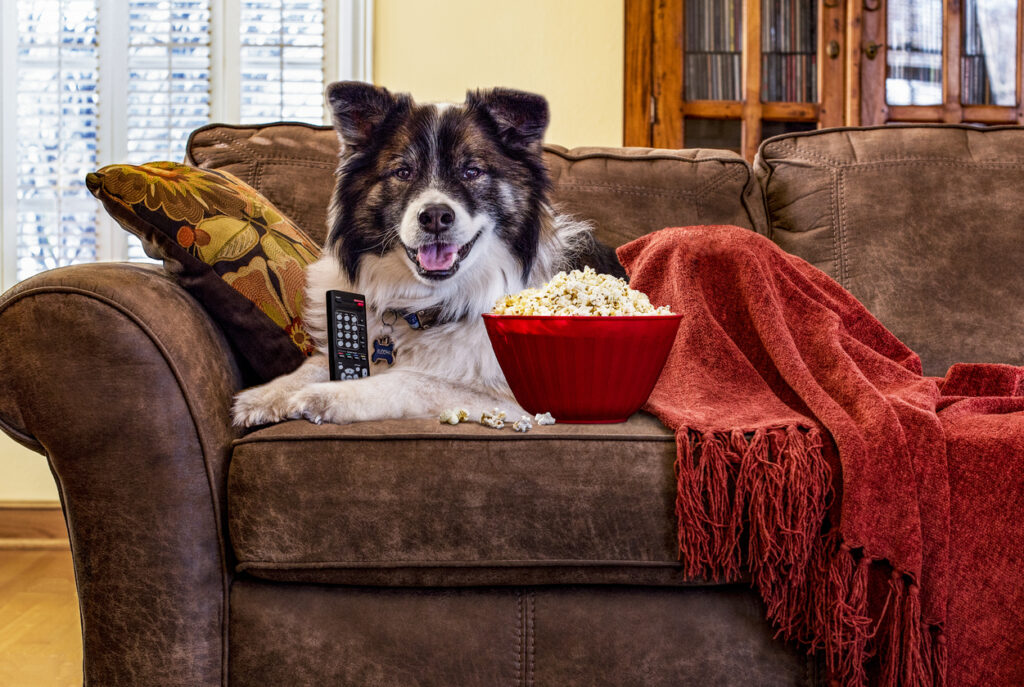
While they’re definitely not following the plot of your favourite drama series, their eyes and brains are processing what’s happening on screen in fascinating ways that explain why some dogs become completely glued to certain programmes while others couldn’t care less.
1. Movement catches their attention more than anything else.
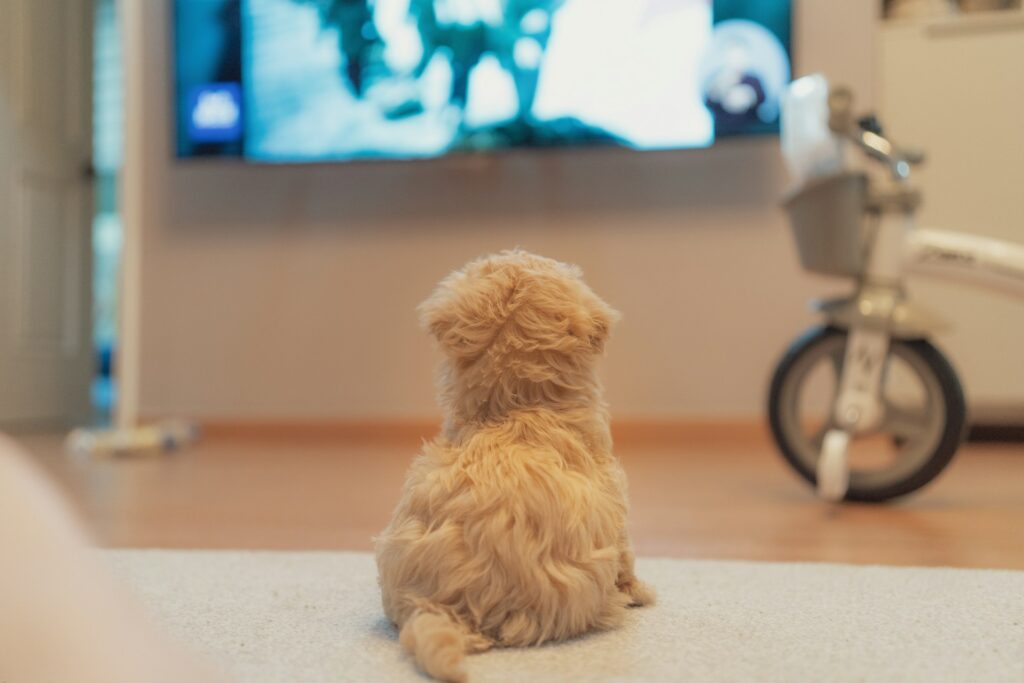
Your dog isn’t impressed by stunning cinematography or clever dialogue, but show them something darting across the screen, and they’re instantly locked in. Fast-moving objects, whether it’s a car chase scene or animals running through a nature documentary, trigger their prey drive and movement detection systems.
This explains why your dog might ignore a romantic comedy but suddenly perk up during an action sequence. Their eyes are wired to spot movement as a survival mechanism, so anything that moves quickly on screen gets flagged as potentially important or interesting enough to warrant their attention.
2. They see colours differently than you do.

Dogs don’t see the world in black and white, but their colour vision is more limited than yours. They see blues and yellows clearly but struggle with reds and greens, which means that gorgeous sunset scene looks quite different through their eyes than it does through yours.
Modern televisions are designed for human colour perception, so some programmes probably look fairly muted or strange to your dog. Blue and yellow objects on screen will stand out most clearly to them, while red roses or green grass might appear as shades of brown or grey.
3. They can spot other animals instantly.

Nature documentaries often become must-watch television for dogs because they can recognise other animals on screen, even if they’ve never encountered those species in real life. Lions, elephants, birds, and other creatures register as real animals to your dog, not just moving pictures.
Some dogs will actually try to interact with animals they see on television, tilting their heads at barking dogs or getting excited when they spot cats prowling across the screen. Their animal recognition software is so good that they don’t need perfect visual clarity to identify fellow creatures.
4. High-pitched sounds draw them in.
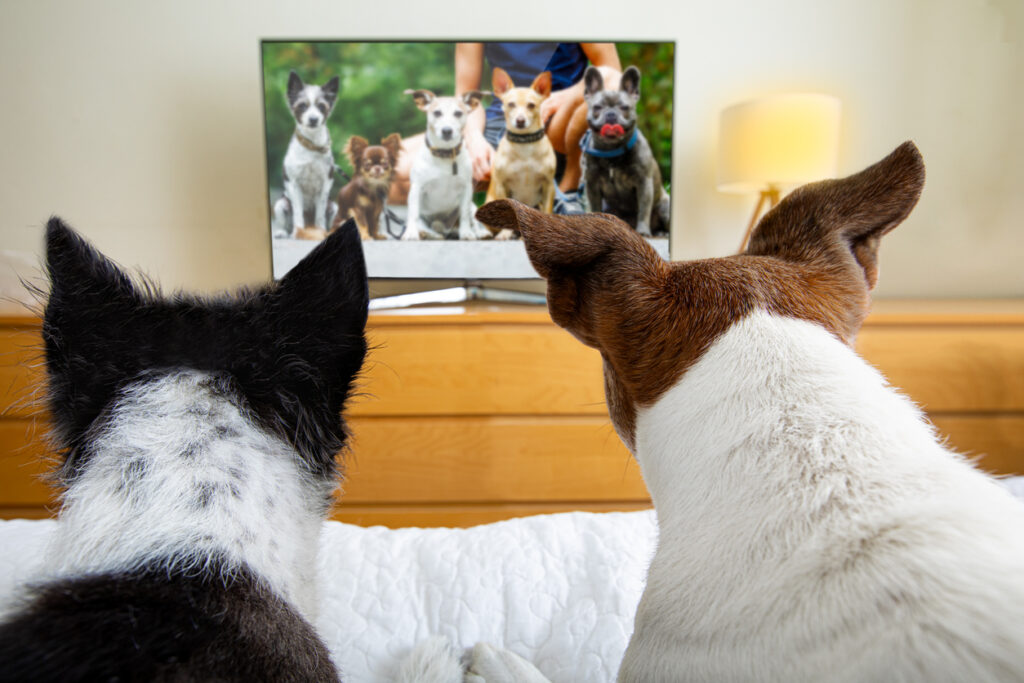
Your dog might not care about the visual aspects of a programme but become completely absorbed when certain sounds play through the speakers. Squeaky toys, crying babies, other dogs barking, or high-pitched musical instruments can grab their attention even from another room.
These sounds often trigger emotional or instinctual responses that make them want to investigate what’s happening. A dog whining on a television programme might prompt your dog to tilt their head or even respond with their own vocalisations, as if they’re trying to communicate with the sound.
5. They prefer programmes made specifically for them.

Television programmes designed for dogs use specific colour palettes, sounds, and movement patterns that appeal to canine vision and hearing. These shows often feature other dogs, interesting sounds, and movements at eye level rather than the human perspective most regular programmes use.
Dog-specific content typically includes more yellows and blues, sounds in frequency ranges that appeal to dogs, and cameras positioned lower to simulate a dog’s viewpoint. Your dog might find these programmes more engaging than whatever’s popular with humans this week.
6. Screen size and distance matter.
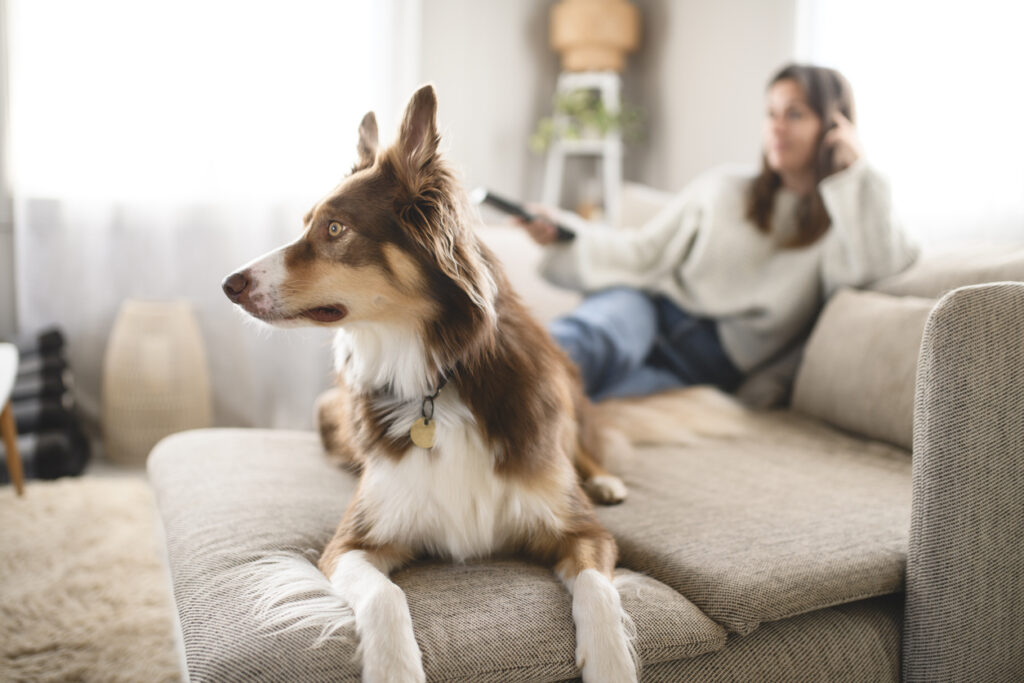
Large televisions provide a more immersive experience for dogs, just like they do for humans. If your dog sits close to a big screen, they’re more likely to react to what’s happening because the images appear larger and more lifelike from their perspective.
Small screens or viewing from far away might not provide enough visual detail for your dog to distinguish what’s actually happening on screen. They need clear, large images to recognise objects and animals, so that tiny television in the corner probably isn’t providing much entertainment value for them.
7. They notice sounds before images.

Your dog’s hearing is far superior to their vision, so they often react to television audio before they even look at the screen. The sound of a doorbell, children playing, or other dogs can prompt them to investigate the source, leading them to discover what’s happening visually.
This audio-first approach means your dog might become interested in programmes because of their soundtracks rather than their visual content. Shows with rich, varied audio landscapes are more likely to capture and maintain your dog’s attention than visually stunning but quiet programmes.
8. They get bored with static scenes.

Long dialogue scenes, talking head interviews, or static shots don’t hold your dog’s attention because there’s nothing happening that registers as interesting to their brain. They need constant visual or audio stimulation to stay engaged with what’s on screen.
Your dog’s attention span for television is generally much shorter than yours, and they’ll quickly lose interest if nothing exciting happens for more than a few seconds. They’re looking for action, movement, or interesting sounds rather than narrative development or character growth.
9. They can distinguish between real and recorded sounds.

While your dog might react to a doorbell sound on television initially, many dogs learn to distinguish between sounds coming from the TV and real sounds in their environment. They develop an understanding that television audio isn’t necessarily something they need to respond to.
However, some sounds remain compelling regardless of their source. Other dogs barking or distress calls from animals often trigger responses even when dogs know the sounds are coming from the television, suggesting these sounds tap into deep instinctual responses.
10. They mirror your viewing habits.

Dogs are incredibly social creatures who pay attention to what their humans find interesting. If you’re relaxed and enjoying a programme, your dog is more likely to settle down and watch along with you, even if the content isn’t particularly engaging for them.
Your emotional state while watching television influences your dog’s interest level and behaviour. If you’re tense during a thriller or excited during a sports match, your dog picks up on these emotional cues and may become more alert or engaged with whatever’s capturing your attention on screen.