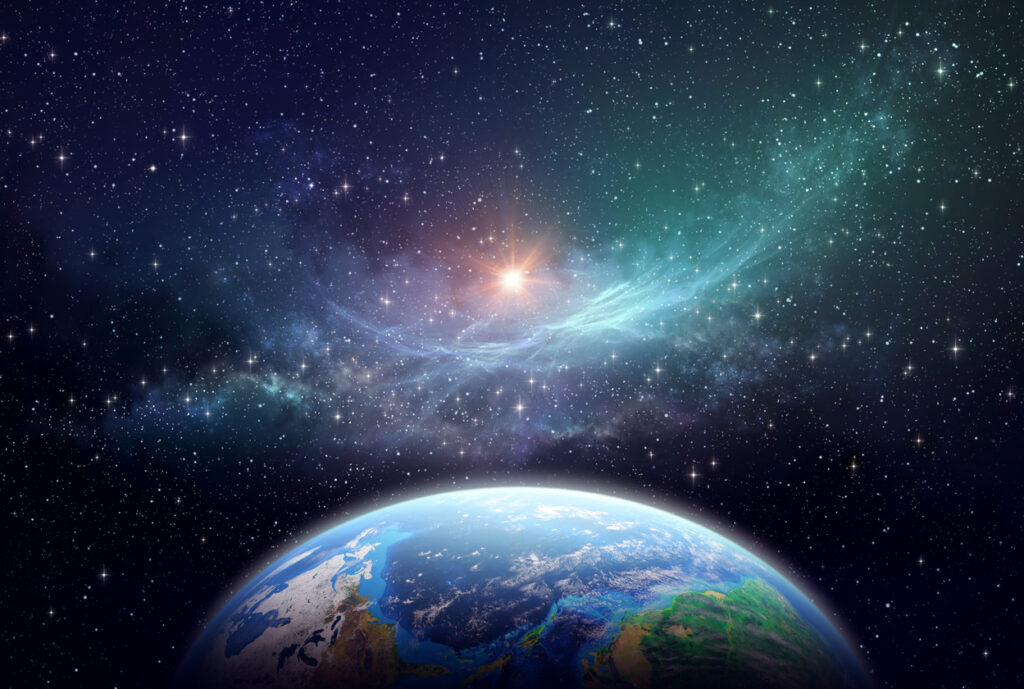
Space is the ultimate silent movie because there’s literally nothing there to carry sound waves, making it the most perfectly quiet place in the entire universe. While Hollywood loves explosive space battles with roaring engines and dramatic sound effects, the reality is that space is so empty that even the most massive explosions happen in complete, eerie silence.
Sound needs matter to travel through, and space has almost none.
Sound waves are actually vibrations that move through molecules by bumping into each other, like a cosmic game of telephone played by air particles. Space is essentially a vacuum, with so few particles per cubic meter that sound waves have nothing to vibrate through.
Think of sound like ripples spreading through water: remove the water and there’s nothing left to carry the ripples. Space is missing the basic ingredients that sound needs to exist and travel.
The vacuum of space is more empty than anything on Earth.
Even the best vacuum chambers we can create on Earth still contain millions of times more particles than the average density of space. Space is so empty that if you took a cube of space the size of a room, it might contain only a few dozen atoms.
This incredible emptiness means that even if sound could somehow start in space, it would immediately run out of material to travel through. There simply aren’t enough particles to pass the vibration along.
Astronauts can’t hear each other even when they’re touching.
Two astronauts floating next to each other in space could be screaming at the top of their lungs and wouldn’t hear anything, even if their helmets were touching. The only way they can communicate is through radio waves, which don’t need matter to travel.
Radio communication works because electromagnetic waves can travel through empty space, while sound waves absolutely cannot. This is why astronauts rely entirely on radio systems built into their suits for any communication outside spacecraft.
Explosions in space are completely silent.
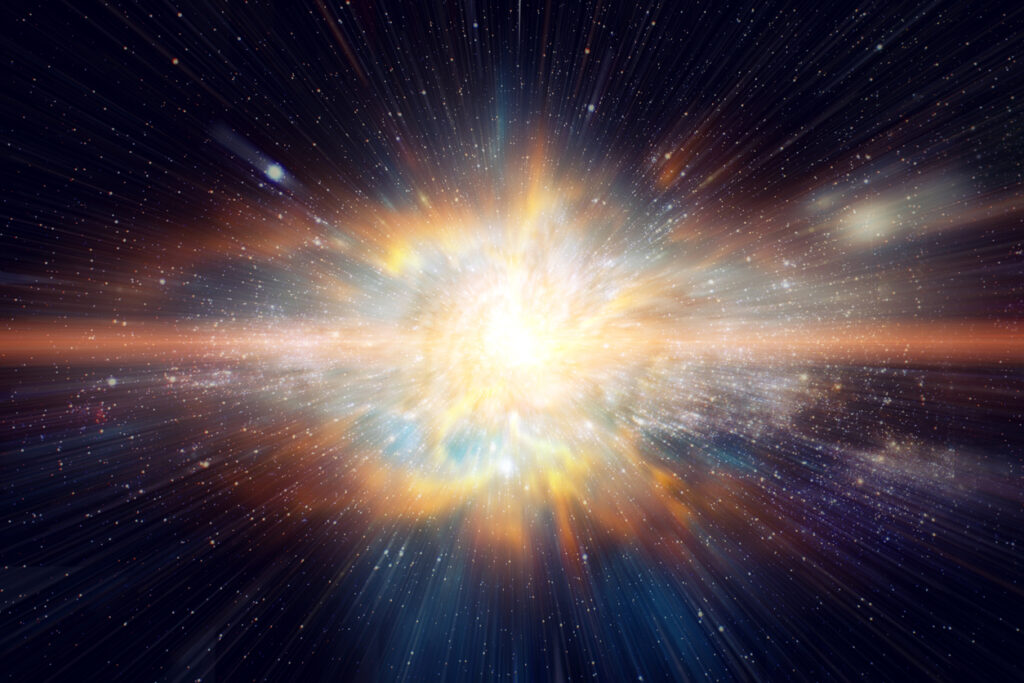
When a star explodes in a supernova, which is one of the most powerful events in the universe, it produces no sound whatsoever despite releasing more energy than our sun will produce in its entire lifetime. The explosion creates light, radiation, and shock waves, but zero sound.
These cosmic explosions can be seen from billions of miles away as brilliant flashes of light, but even if you were somehow close enough to witness one safely, you’d experience the most spectacular light show in complete silence.
Space isn’t completely empty, but it’s empty enough.
While space does contain some scattered atoms, cosmic dust, and magnetic fields, the density is so incredibly low that it can’t support sound transmission. There might be one atom per cubic centimetre in some regions, compared to billions of billions in Earth’s atmosphere.
Even in the densest regions of space between stars, there’s still nowhere near enough matter to carry sound waves. The few particles that exist are spread so far apart that vibrations can’t jump between them effectively.
Movie sound effects are pure fiction for dramatic effect.
Every space movie you’ve ever seen has lied to you about sound in space because realistic space scenes would be eerily quiet and much less exciting. Directors add sound effects because audiences expect them, even though it’s completely scientifically impossible.
The whooshing of spaceships, laser blasts, and explosive sounds in movies are all added in post-production to make space action more engaging. Real space footage from NASA shows spacecraft moving in complete silence.
Inside spacecraft, astronauts can hear normally.
Once you’re inside a pressurized spacecraft or space station, sound works exactly like it does on Earth because there’s air inside to carry sound waves. Astronauts can talk normally, hear equipment humming, and experience all the usual sounds of a confined space.
The International Space Station is actually quite noisy inside due to fans, pumps, and life support systems constantly running. Astronauts often wear earplugs to sleep because of all the mechanical sounds from keeping them alive.
Sound waves do exist around planets with atmospheres.
Planets like Mars, Venus, and the gas giants all have atmospheres that can carry sound, though it would sound very different from Earth due to different atmospheric compositions and densities. Mars rovers have actually recorded sounds on the Martian surface.
These planetary sounds are much quieter and different in pitch than Earth sounds because the atmospheric pressure and gas composition affect how sound waves travel. Mars sounds are more muffled and higher-pitched than the same sounds would be on Earth.
Low-frequency vibrations can travel through solid objects in space.
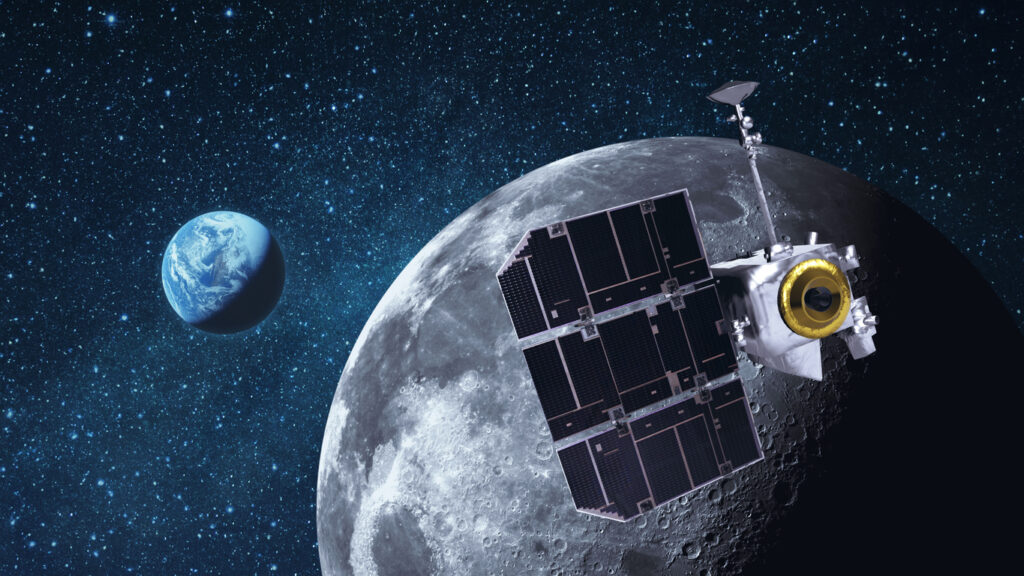
While sound can’t travel through the vacuum of space, vibrations can still move through solid spacecraft, space stations, or asteroids. Astronauts might feel vibrations through their feet or hands when touching spacecraft walls, but they won’t hear airborne sounds.
These structural vibrations are different from sound waves because they travel through solid matter rather than through air. You could feel a meteorite impact on a spacecraft, but you wouldn’t hear it unless you were inside a pressurized cabin.
Radio telescopes ‘hear’ space by converting other signals.
When scientists talk about “sounds from space,” they’re usually referring to radio waves, magnetic field fluctuations, or other electromagnetic signals that have been converted into audio frequencies, so humans can interpret them. These aren’t actual sounds but translations of other types of energy.
These converted signals help scientists understand cosmic phenomena by making invisible data audible, but the original electromagnetic waves travelling through space are completely silent. It’s like translating a book into a different language, which is useful for understanding, but not the original form.