The maned wolf looks like it belongs in a fantasy book rather than real life.
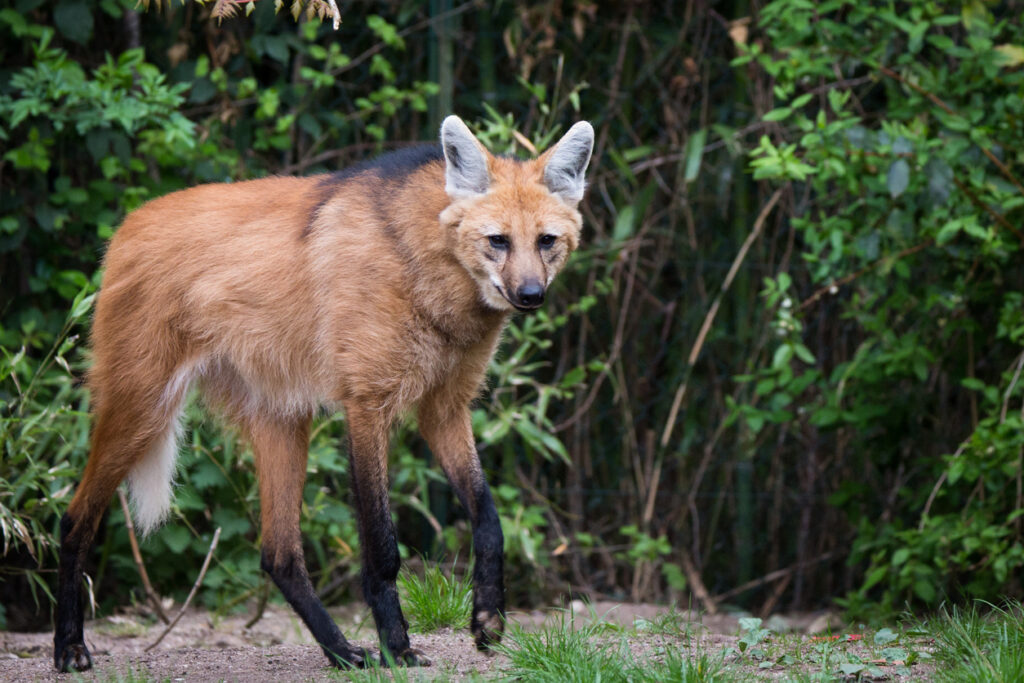
It’s neither wolf, fox, nor dog, even though it looks as if it could be a combination of the three. However, it’s a species all its own. Here are 13 reasons this long-legged, mysterious creature is the strangest “dog” you’ll ever meet. You have to admit, though, it’s still pretty cute!
1. It has legs built like stilts.
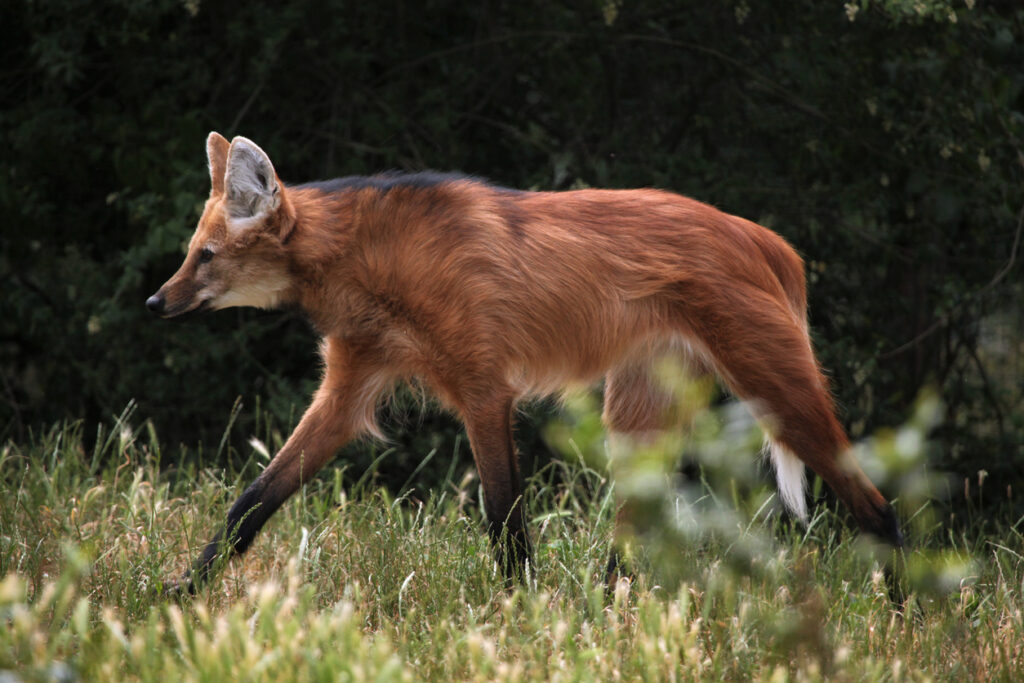
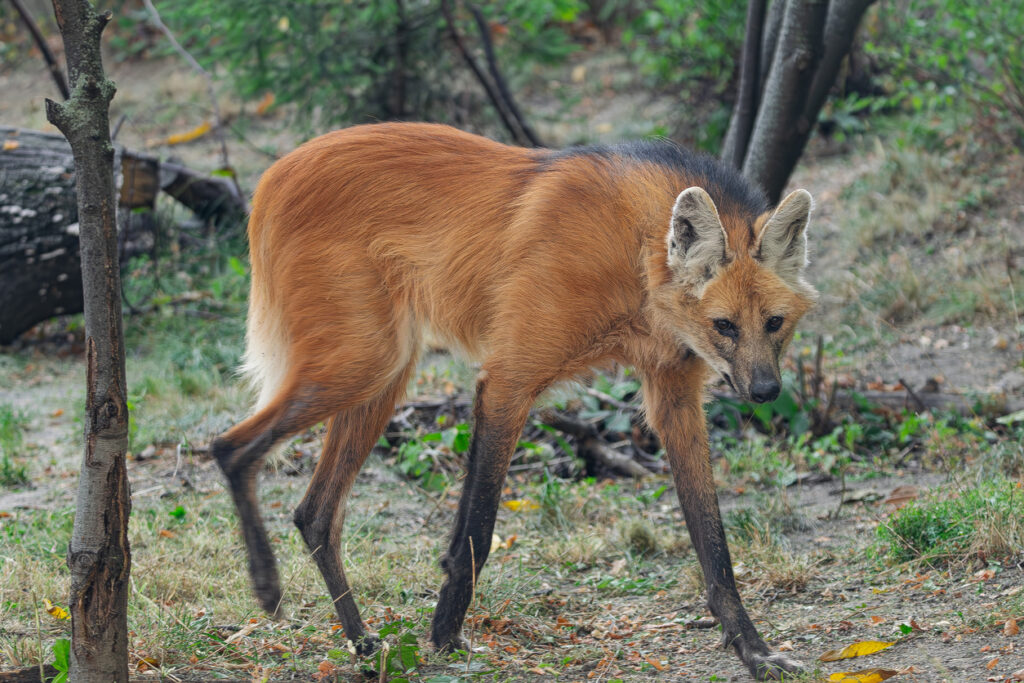
The maned wolf’s most striking feature is its impossibly long legs. They make the animal look like it’s walking on stilts, giving it a gawky, elegant stride unlike any other canid in the world. These legs aren’t just decorative. They evolved to help the wolf see over tall South American grasslands, allowing it to spot prey and danger across the savannah. Function and oddity collide in the strangest way possible.
2. It looks like a fox, not a wolf.
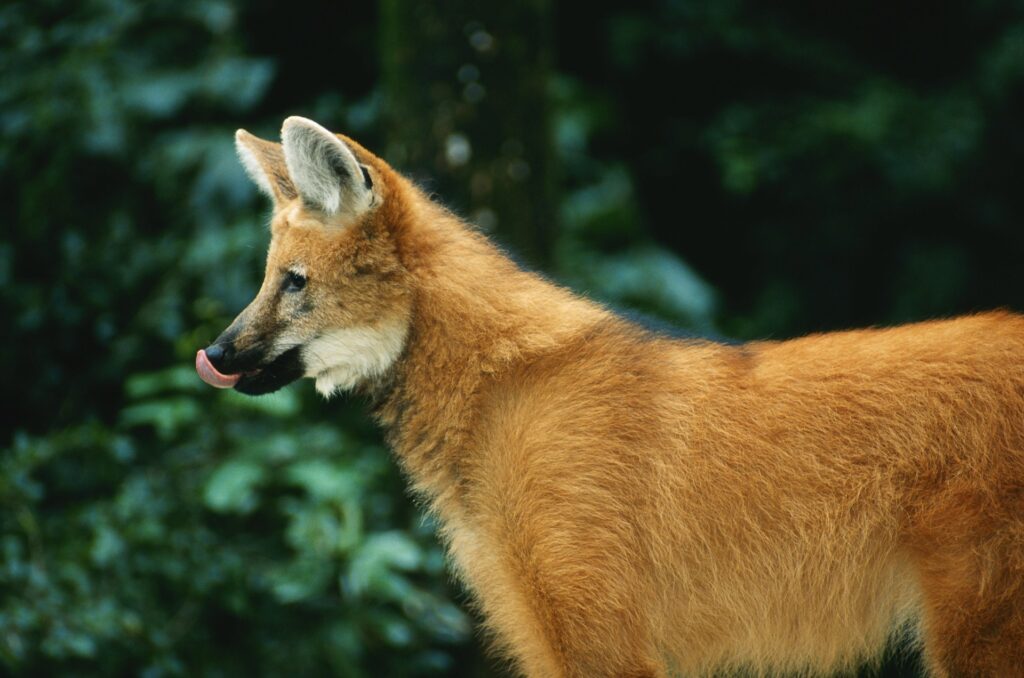
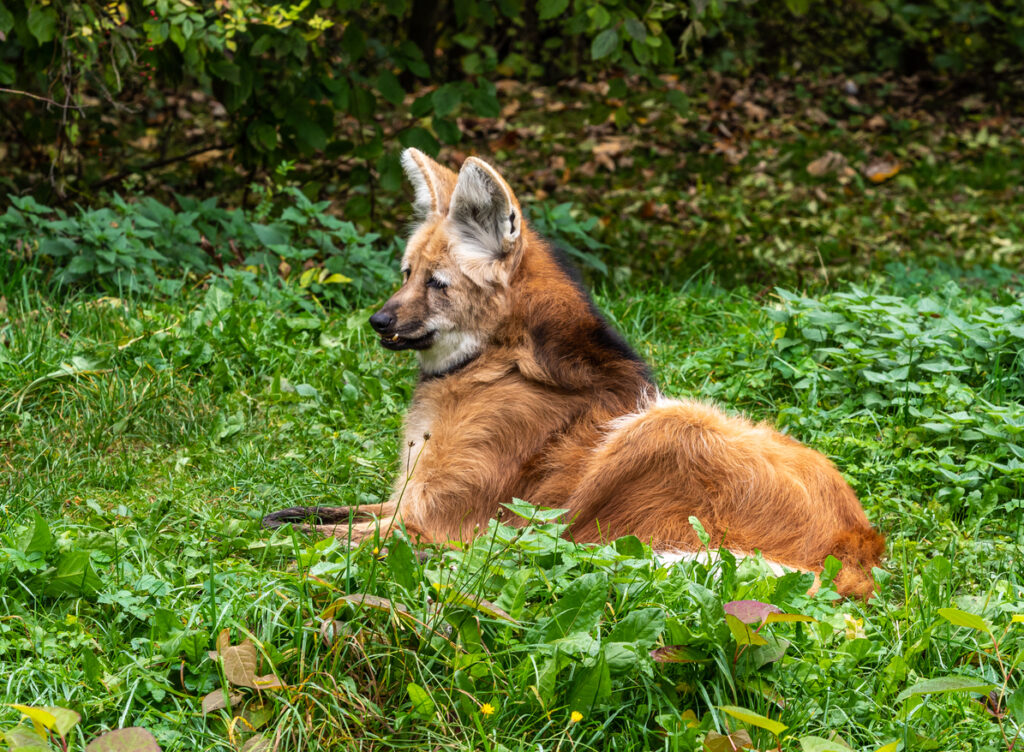
Despite its name, the maned wolf has a face more like a fox. With pointed ears, a narrow snout, and reddish fur, it could easily be mistaken for a super-sized version of one if not for those legs. Scientists often call it a “fox on stilts,” though genetically it’s neither wolf nor fox. This odd mix of appearances is one of the reasons it leaves people baffled when they see it for the first time.
3. It’s not actually a wolf.
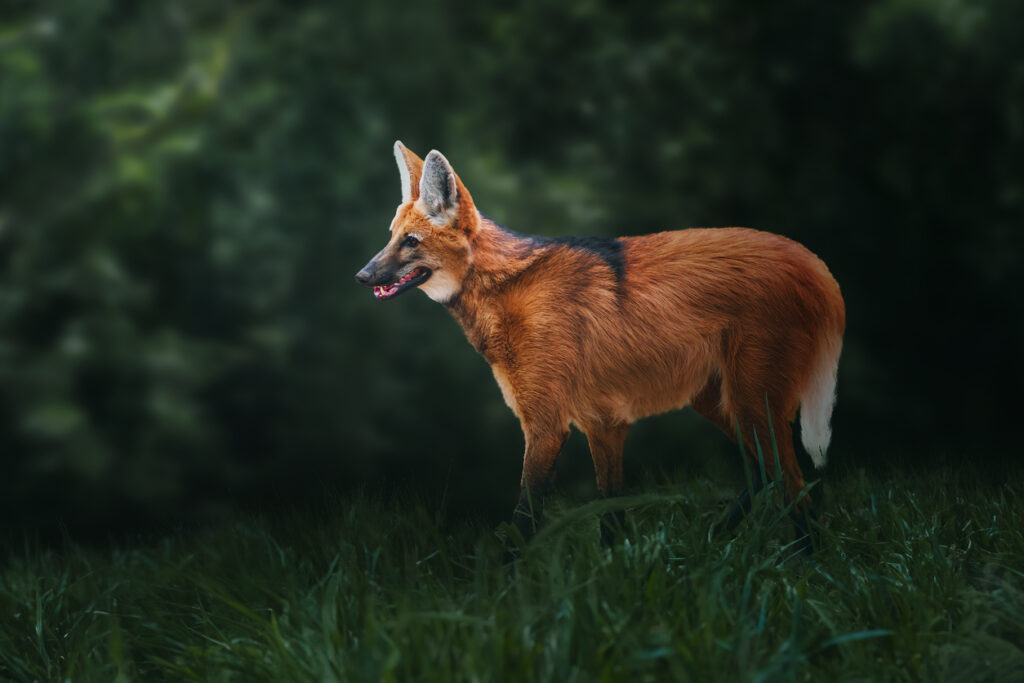
The name “maned wolf” is misleading because it’s not closely related to wolves at all. Instead, it belongs to its own genus, making it a genetic loner among canids. It split from other dog-like species millions of years ago. Its unique status explains its strange look. Without close relatives, the maned wolf evolved features all its own, creating an animal that feels familiar yet unlike anything else alive today.
4. It marks its territory with a bizarre smell.
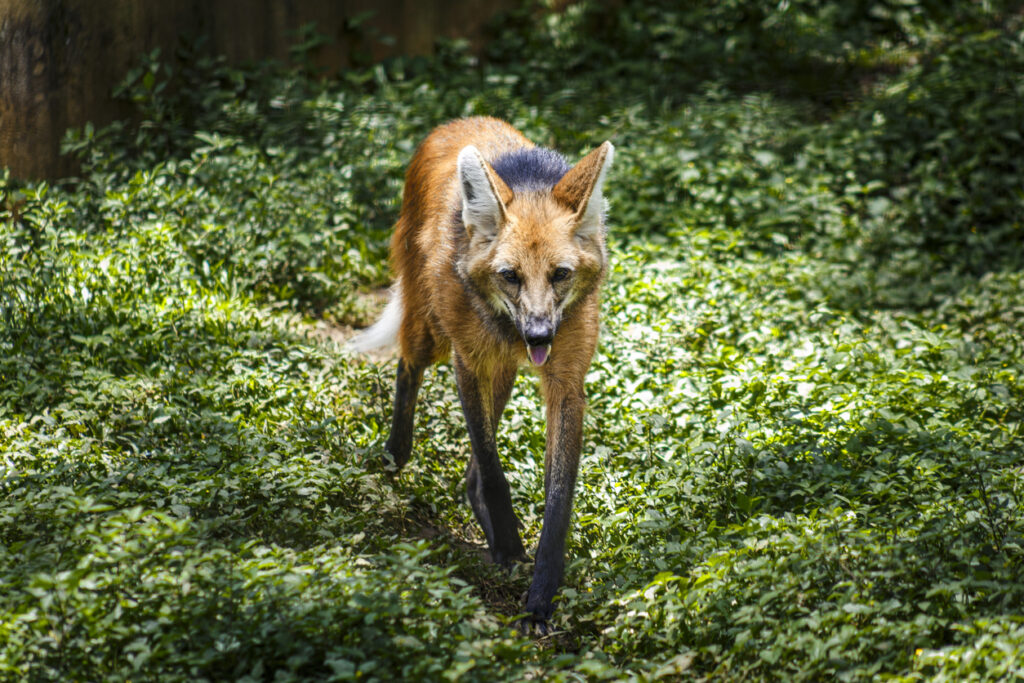
Maned wolves use urine to mark territory, but their scent has been compared to cannabis. Zoos sometimes receive complaints from visitors who mistake the smell for something illegal, only to learn it’s coming from the wolves’ enclosure.
This pungent signal helps them communicate over long distances. While unpleasant to human noses, it’s an essential part of their survival, making them one of the strangest-smelling members of the dog family tree.
5. It eats a surprising amount of fruit.
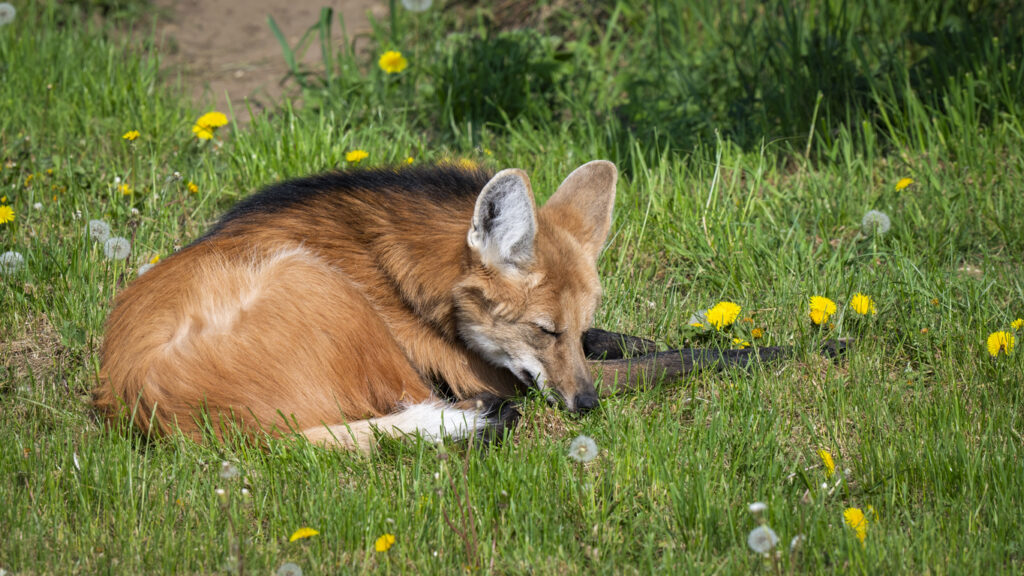
Unlike most carnivores, the maned wolf’s diet is about half fruit. Its favourite snack is the lobeira, nicknamed the “wolf apple,” which makes up a large part of its meals alongside small mammals and birds. The animal’s unusual diet shows how flexible the species is. By eating plants as well as prey, the maned wolf supports seed dispersal in its environment, playing a role more like a gardener than a predator.
6. It hunts with giant ears.
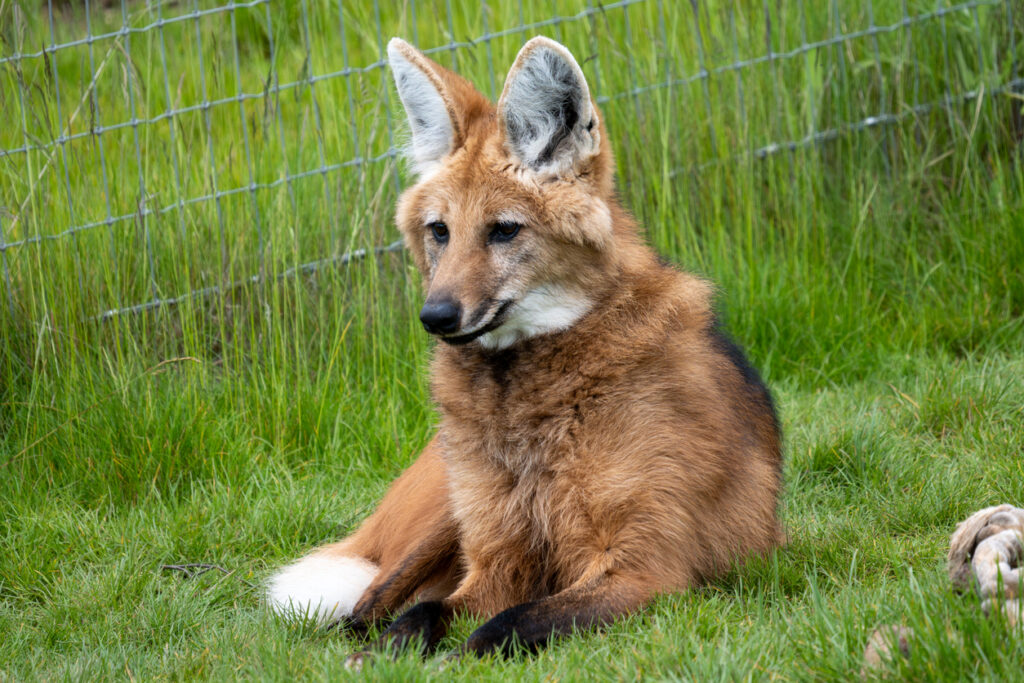
The wolf’s outsized ears are just as distinctive as its legs. They swivel like satellite dishes to pick up the faintest rustle of a rodent or bird hidden in the grass, even at night. Its hypersensitive hearing allows it to locate prey without relying on pack hunting. It proves that survival for the maned wolf is more about keen senses than brute strength.
7. It prefers to live alone.
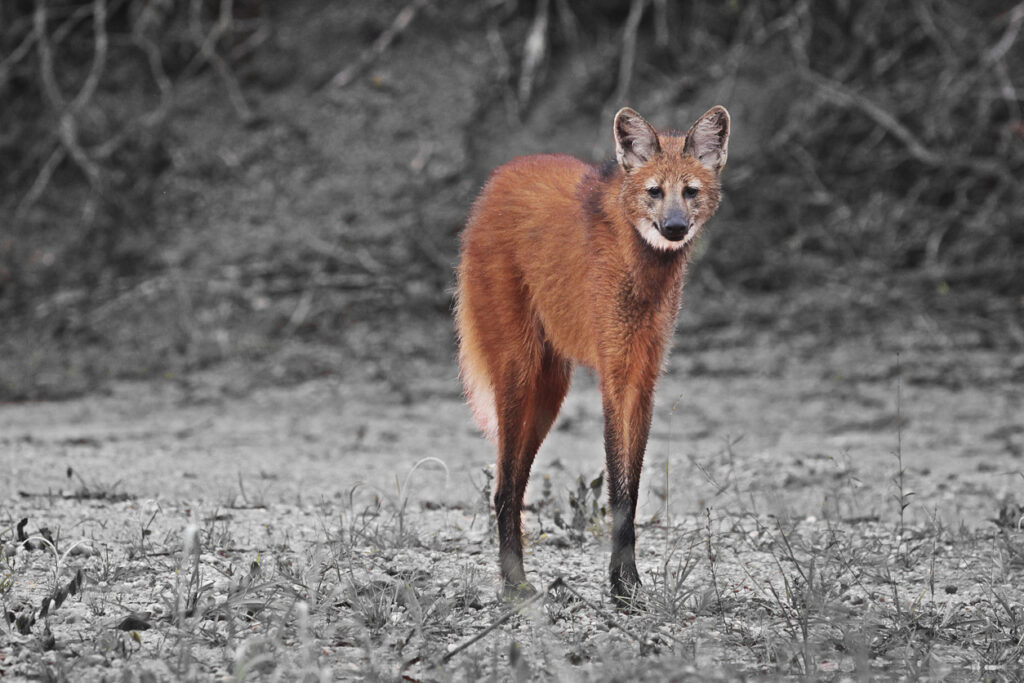
Most canids hunt or live in packs, but the maned wolf is solitary. It patrols huge territories by itself, meeting only briefly with a mate during breeding season. Even then, the pair often avoid direct company for much of the year. That level of independence is unusual for the dog family. Instead of relying on numbers, the maned wolf’s strategy is to avoid competition by going solo, which adds to its air of mystery.
8. It communicates with eerie sounds.
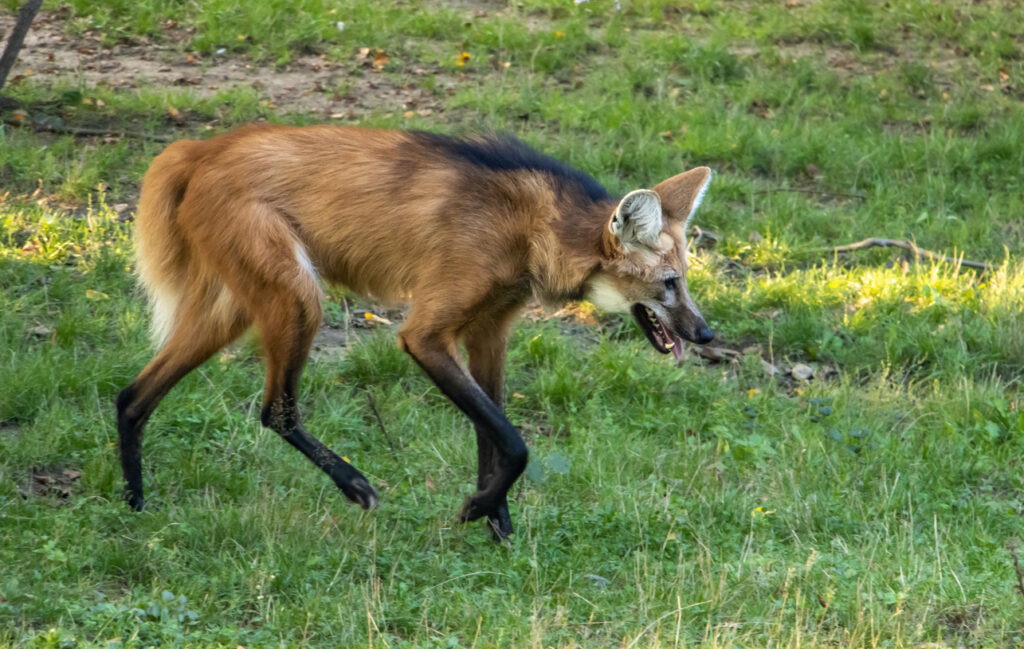
Maned wolves do not howl like wolves or bark like foxes. Instead, they produce a low, booming roar-bark that echoes across the grasslands. It’s haunting and powerful, carrying for miles in the open air. This call is vital for defending territory and finding mates. Its strangeness lies in its tone, deep and resonant yet unlike any other member of the canid family, further setting it apart from familiar dogs and wolves.
9. It has a mane that rises like a hackle.
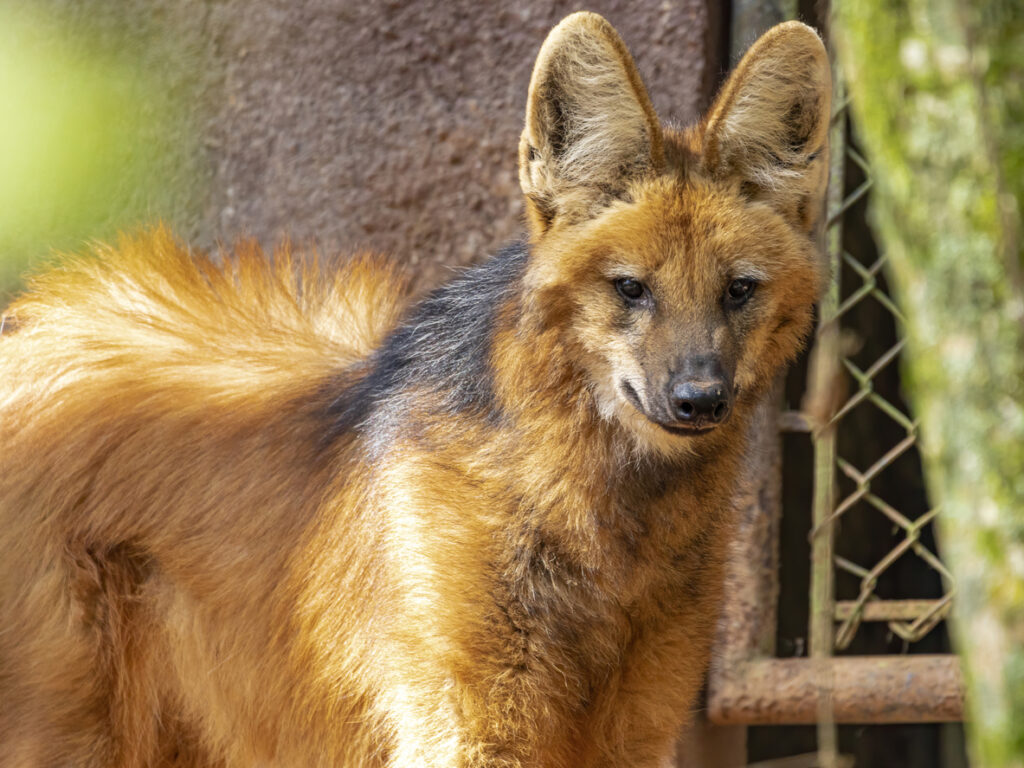
The “maned” part of its name comes from the black fur running along its neck and shoulders. When threatened, it raises this mane to appear larger, an intimidating display against potential predators or rivals. The clever use of appearance is both practical and striking. It gives the maned wolf a slightly mythical look, part creature and part illusion, heightening its reputation as the strangest dog in the world.
10. It doesn’t chase prey like other canids.
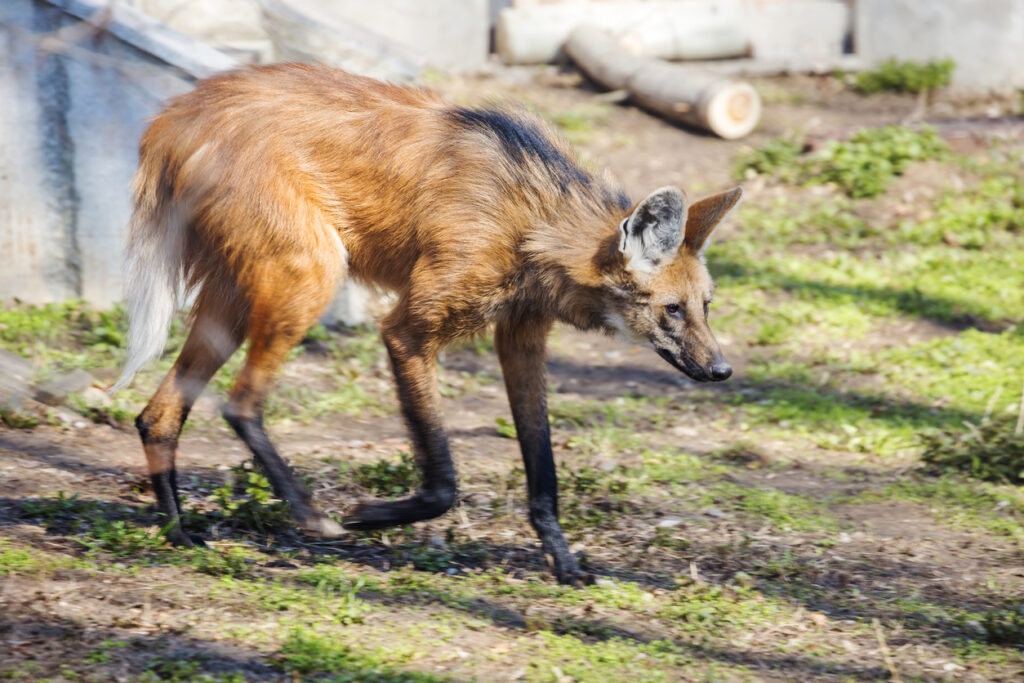
Most dog-like animals rely on speed and endurance to run down prey, but the maned wolf uses a different tactic. It slowly stalks through tall grass, then pounces with precision when it hears or sees movement. Its hunting style is closer to a cat than a dog. It shows how different the maned wolf’s approach to survival is compared with its canine cousins.
11. It struggles in captivity.
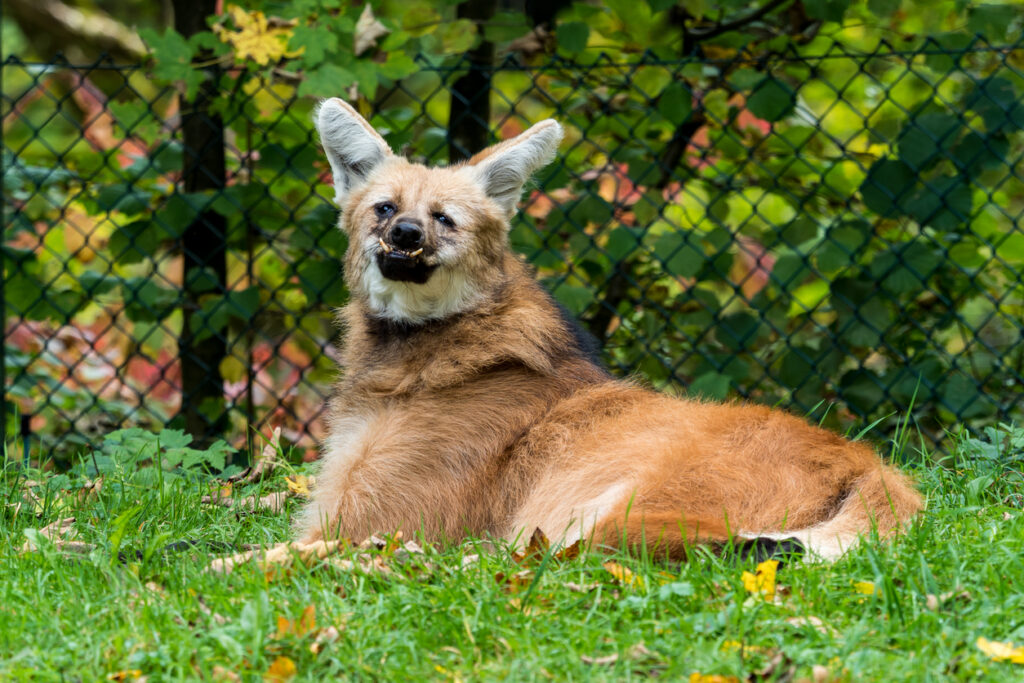
Maned wolves do not adapt well to zoos. They’re shy, easily stressed, and their unusual diet makes them tricky to care for. Breeding them successfully outside the wild has proven particularly challenging. That struggle highlights how specialised they are. Unlike more adaptable dogs or foxes, the maned wolf has needs that resist confinement, reinforcing its status as one of the most enigmatic canids alive.
12. It has unusual family values.
Though solitary most of the year, maned wolves form monogamous pairs. They share territory and work together loosely to raise pups, but without the tight-knit social bonds seen in wolf packs. The halfway point between independence and partnership is strange within the dog family. It shows a balance between surviving alone, and the occasional teamwork needed to raise young successfully.
13. It’s a symbol of South American folklore.
In parts of Brazil, Paraguay, and Bolivia, the maned wolf features in myths and beliefs. Locals see it as a mystical figure, tied to luck and the supernatural, which reflects just how unusual its presence feels. Its cultural role cements its strangeness. It’s not just an odd-looking animal, but a creature that has captured imagination for centuries, blurring the line between natural history and legend.