Astronomers sometimes stumble upon discoveries that defy common sense.
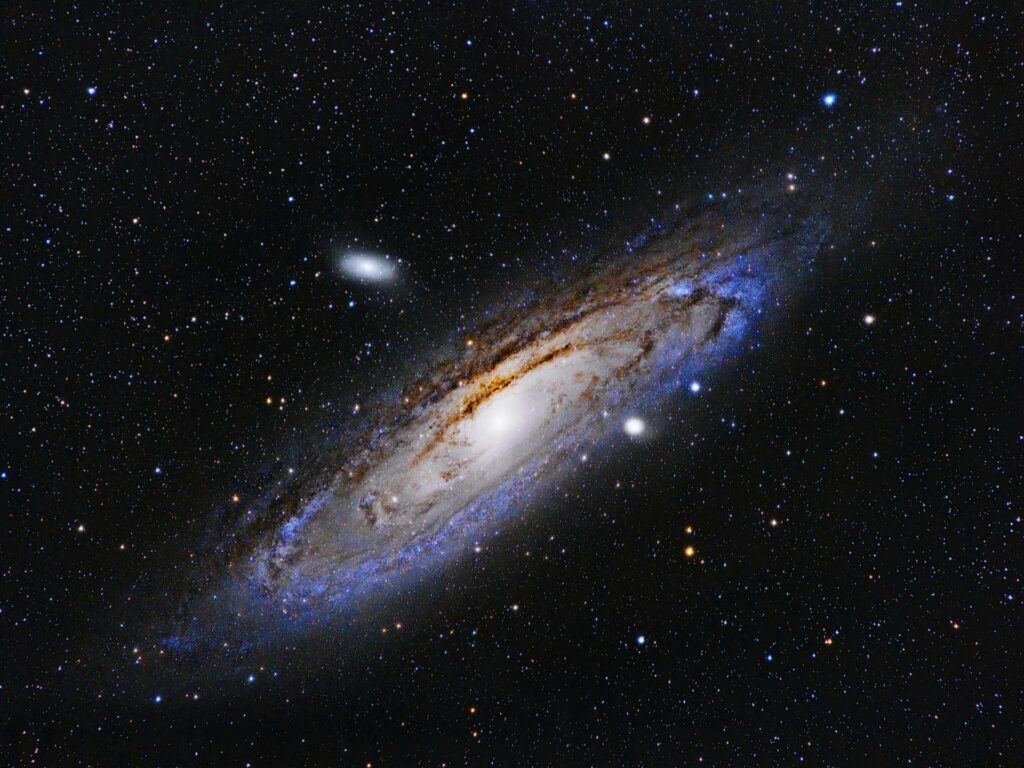
The universe is thought to be about 13.8 billion years old, yet some objects appear to pre-date it. While that sounds impossible, the mystery usually lies in how we measure and interpret time. Here are some of the cosmic puzzles that seem older than the universe itself, and the fascinating reasons behind them.
1. Ancient stars in the Milky Way’s halo
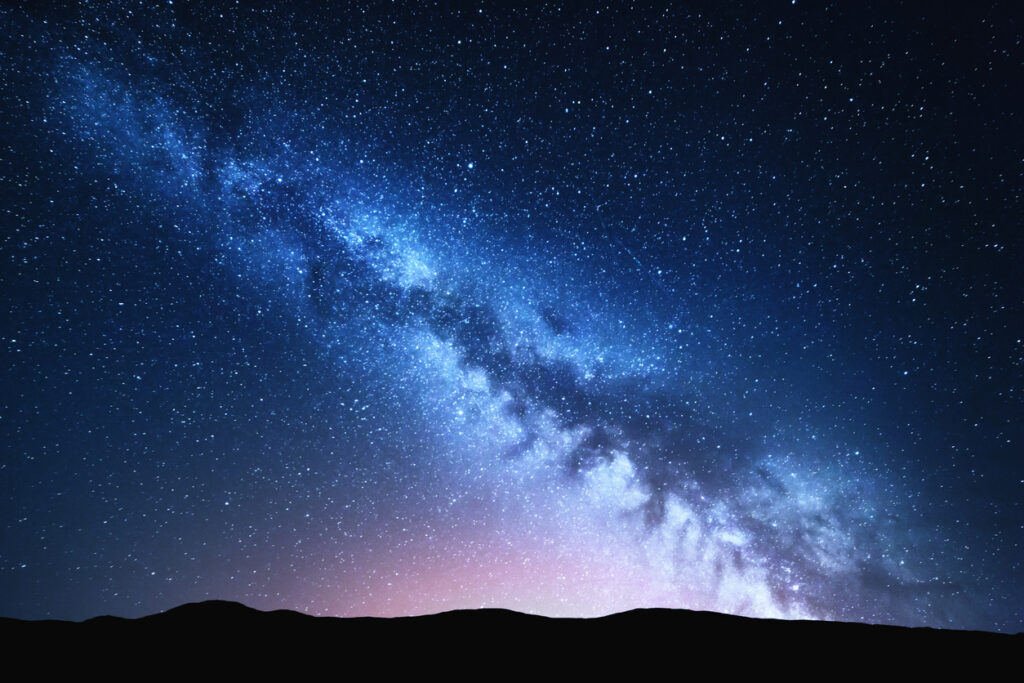
Some of the oldest stars orbiting the Milky Way appear to be more than 14 billion years old, which is older than the universe’s accepted age. These estimates come from studying their chemical make-up and brightness, but uncertainties in stellar models can create numbers that overshoot reality.
Scientists suspect the stars are slightly younger than their measurements suggest. Refining the models helps reconcile the dates, yet the discovery reminds us how much there still is to learn about star formation in the early cosmos.
2. The Methuselah star
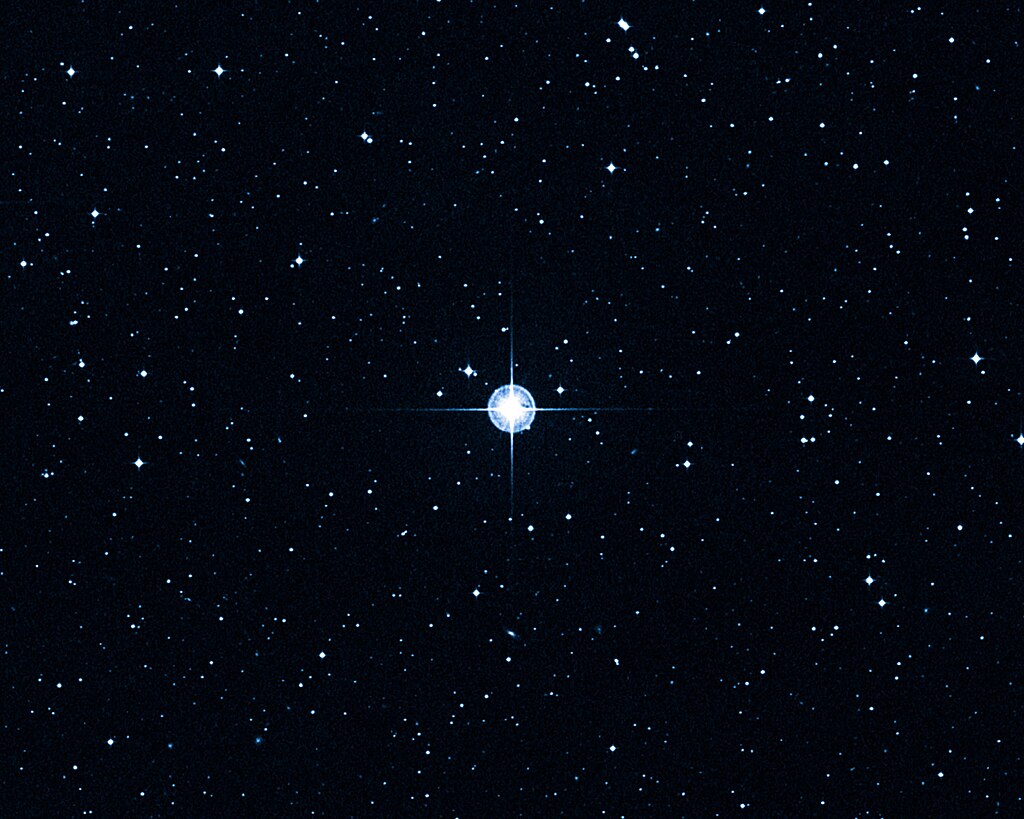
One particular star, nicknamed Methuselah, has an estimated age of around 14.5 billion years. That figure instantly raises eyebrows, since it would make the star older than everything else around it. The explanation lies in the challenges of pinning down stellar ages with precision.
Recent re-calculations suggest Methuselah is closer to 13 billion years old, which fits better within the universe’s timeline. Even so, it remains one of the oldest stars ever found, a survivor from the dawn of galaxies.
3. Globular clusters with impossible birthdays
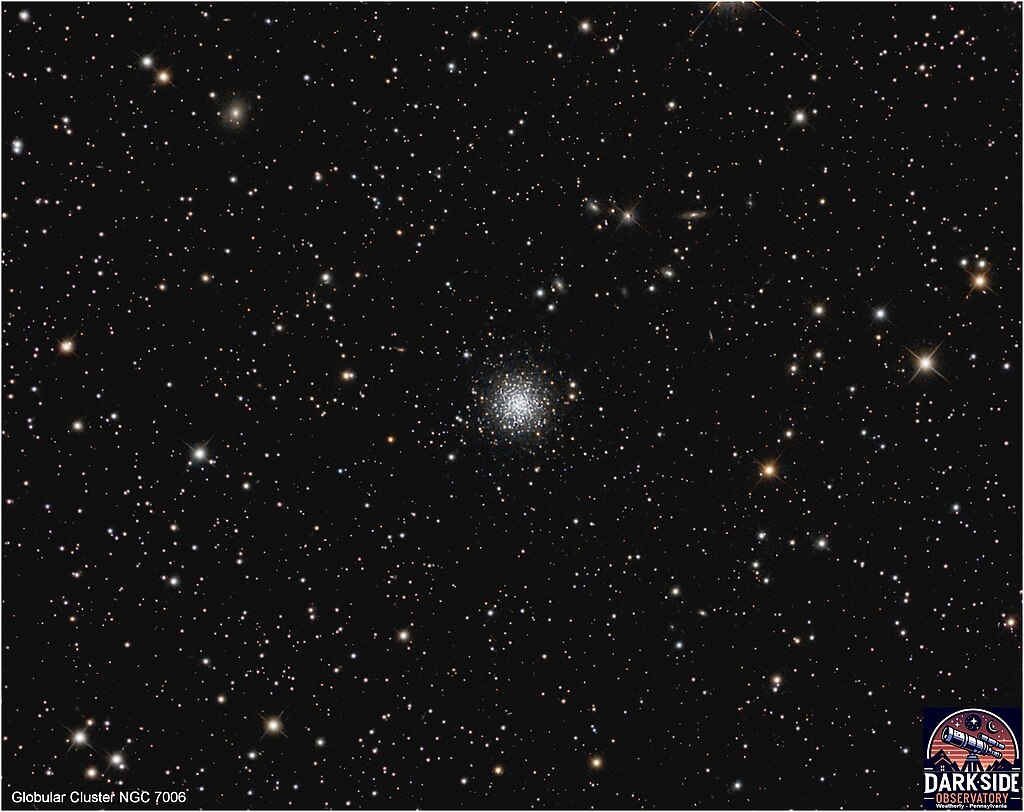
Globular clusters are dense groups of stars, many of which are believed to be nearly as old as the universe itself. Some age estimates for these clusters once suggested 16 billion years, far too old to be possible.
Improved methods of measuring distances and star properties have since adjusted these ages downward. The clusters are still incredibly ancient, but the earlier “older than the universe” figures show how tricky cosmic dating can be.
4. White dwarfs cooling longer than expected
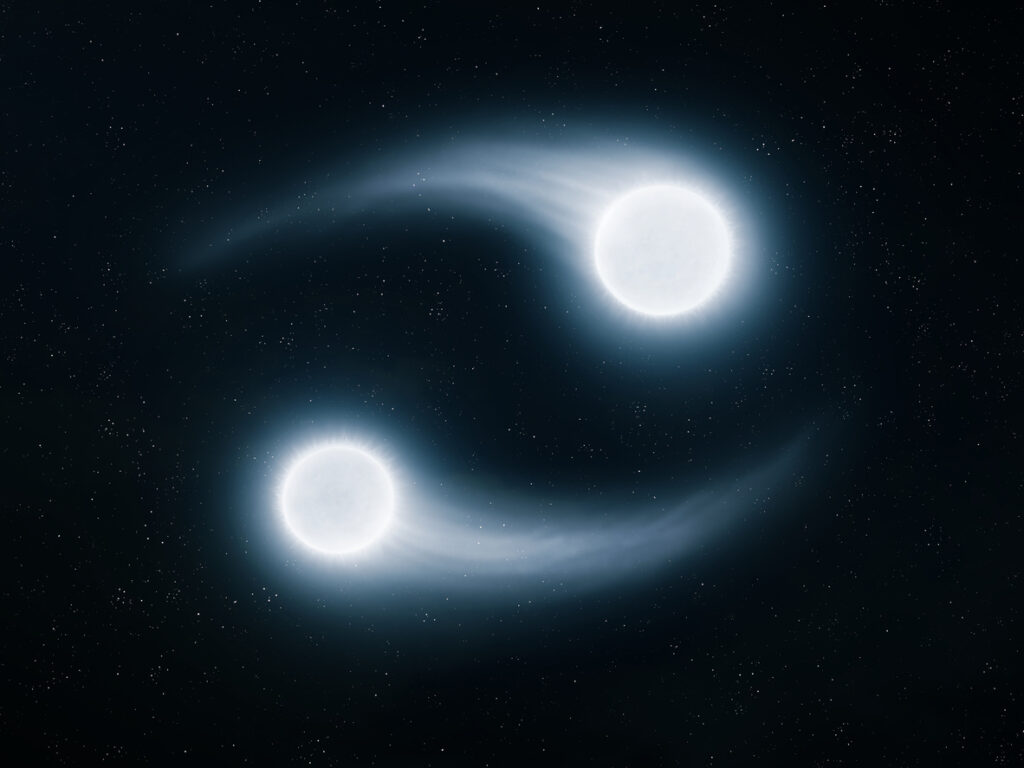
White dwarfs, the remnants of once-bright stars, gradually cool over billions of years. In some cases, cooling rates suggest ages that stretch beyond 14 billion years. This has puzzled astronomers, since the numbers push past the age of the universe.
The likely answer is that some models underestimate how white dwarfs lose heat. Adjusting the physics behind their cooling process helps bring their apparent ages back in line with cosmic history.
5. Quasars that shine too early
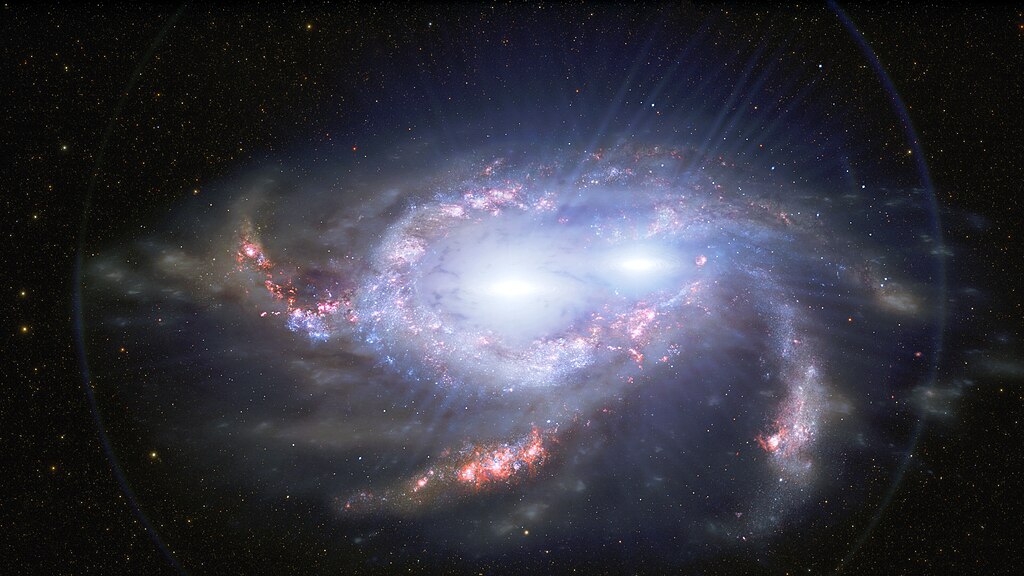
Quasars are powered by supermassive black holes, and some of them existed when the universe was only a few hundred million years old. Their sheer size and brightness seem impossible given how little time had passed since the Big Bang.
Astronomers think these giants may have grown faster than expected or formed from unusual conditions. While not literally older than the universe, they challenge our ideas of how quickly massive structures can appear.
6. Cosmic dust grains with ancient origins
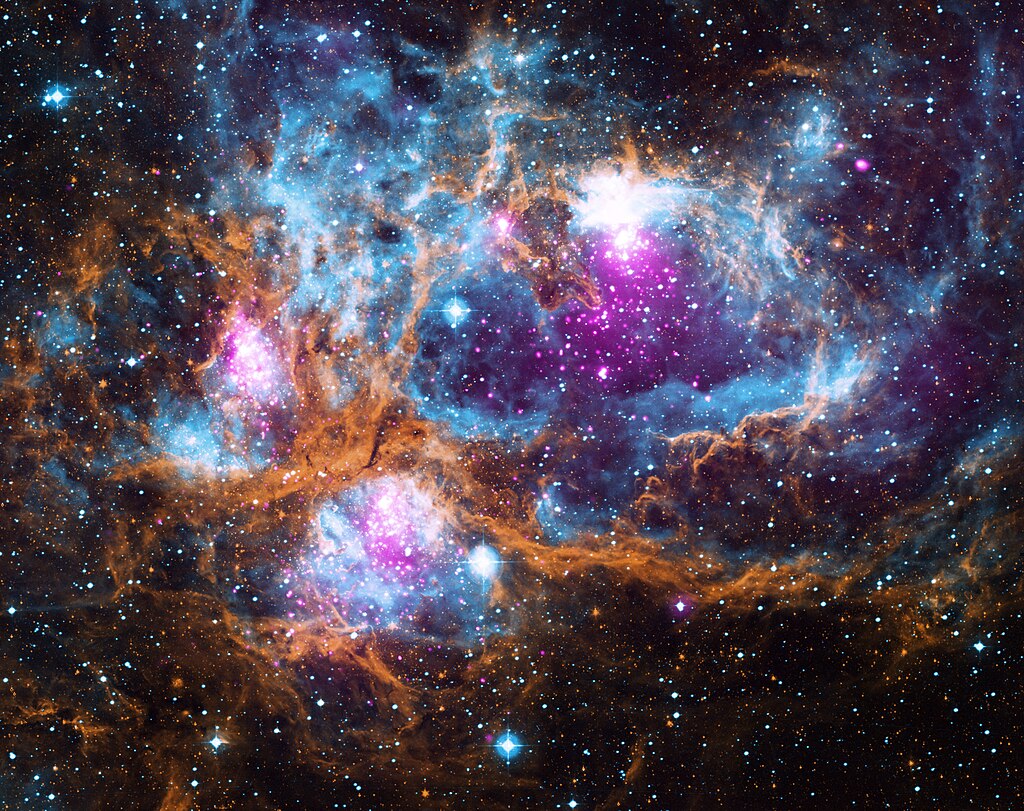
Dust grains found in meteorites sometimes appear to pre-date the solar system itself. These grains, known as presolar grains, can have isotopic signatures that suggest they formed in ancient stars billions of years before our Sun was born.
While they’re not older than the universe, they are older than the system we live in. Their presence tells a story of recycling across cosmic time, linking us directly to long-dead stars.
7. Galaxies that formed suspiciously early
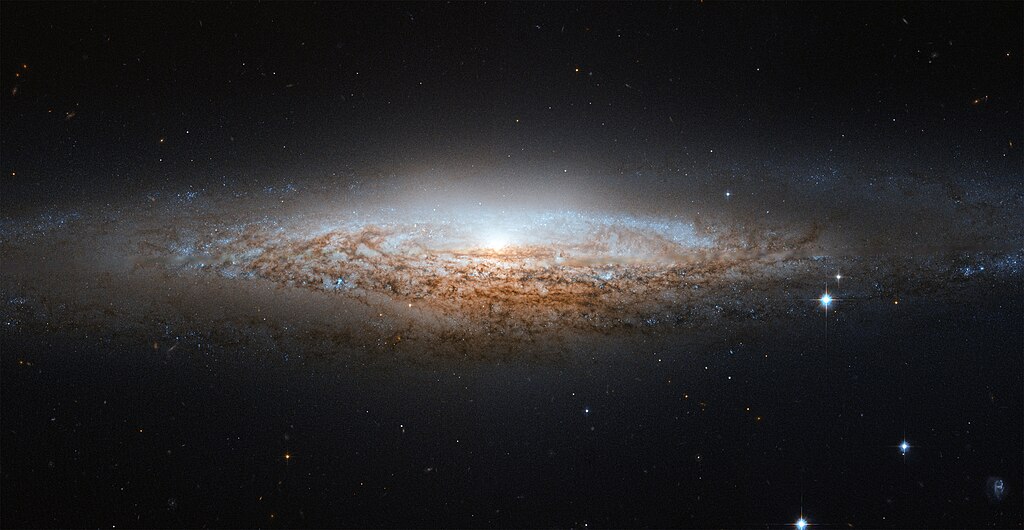
Observations with modern telescopes have revealed galaxies shining brightly less than 400 million years after the Big Bang. Their level of organisation and maturity seems far too advanced for such a young universe, which makes them appear impossibly old.
This paradox may be solved by revising how fast stars can form under extreme conditions. The discovery challenges our understanding but also excites astronomers, as it means the universe may be more efficient at building galaxies than once thought.
8. The oldest black holes
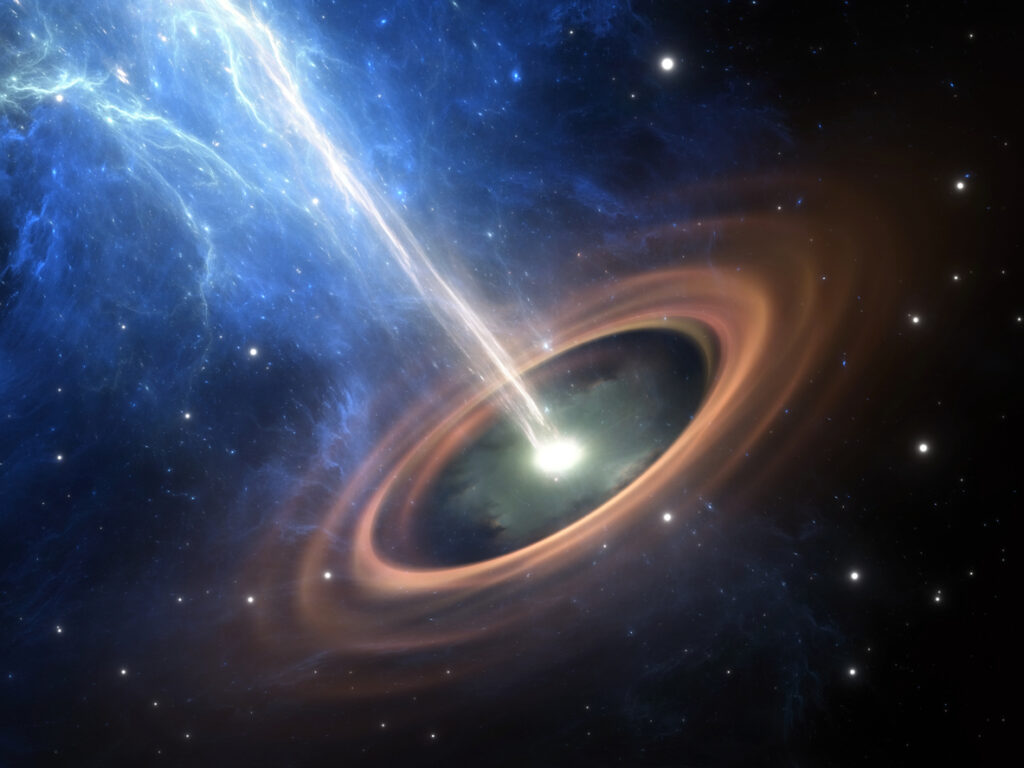
Black holes form when massive stars collapse, yet some of the largest known black holes existed very soon after the Big Bang. Their rapid growth raises questions about how they could have reached such enormous sizes in so little time.
One theory is that they may have started as huge direct-collapse objects rather than small stellar remnants. If correct, it means our timeline for black hole growth needs expanding to fit the evidence.
9. Ancient light in the cosmic microwave background
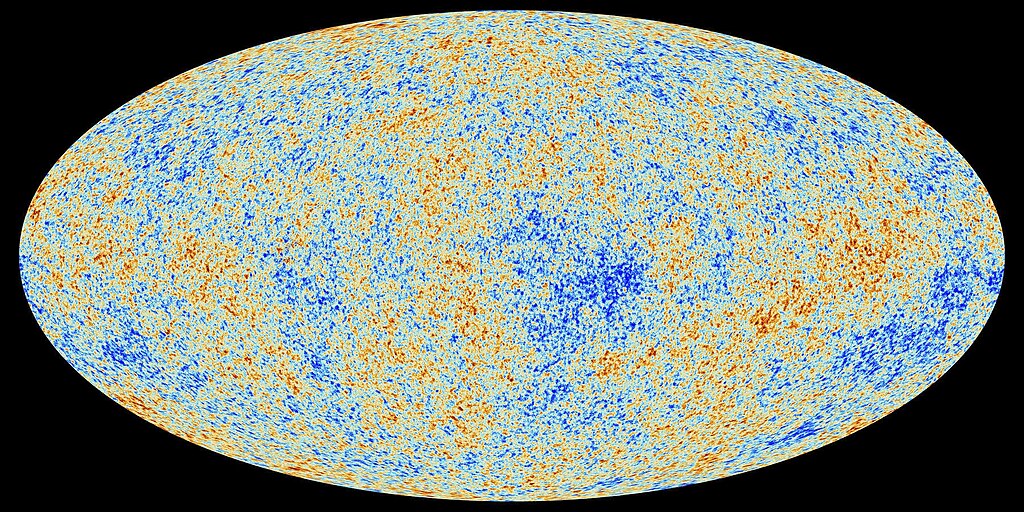
The cosmic microwave background is radiation left over from the Big Bang, yet some studies of its fluctuations once suggested structures older than the universe itself. This contradiction comes from the difficulty of measuring tiny variations across vast distances.
As techniques improve, the “older than the universe” numbers are being reined in. Even so, this radiation remains our oldest light, carrying information from the very first moments after the Big Bang.
10. Neutron stars with long-running clocks
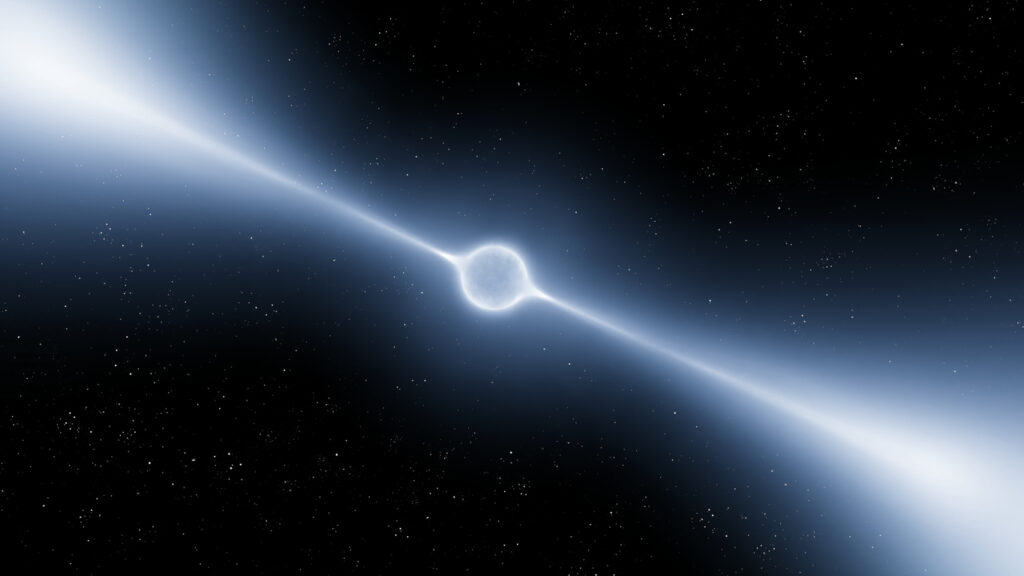
Neutron stars emit pulses of radiation, which can act like cosmic clocks. In some cases, the timing of these pulses has been interpreted as suggesting lifespans longer than the universe’s age. Clearly, that can’t be the case.
Scientists now believe the issue lies in how we model spin-down rates and energy loss. Correcting these models helps align the neutron stars with realistic ages, though the mystery highlights how finely tuned cosmic timing really is.
11. The challenge of measuring cosmic time
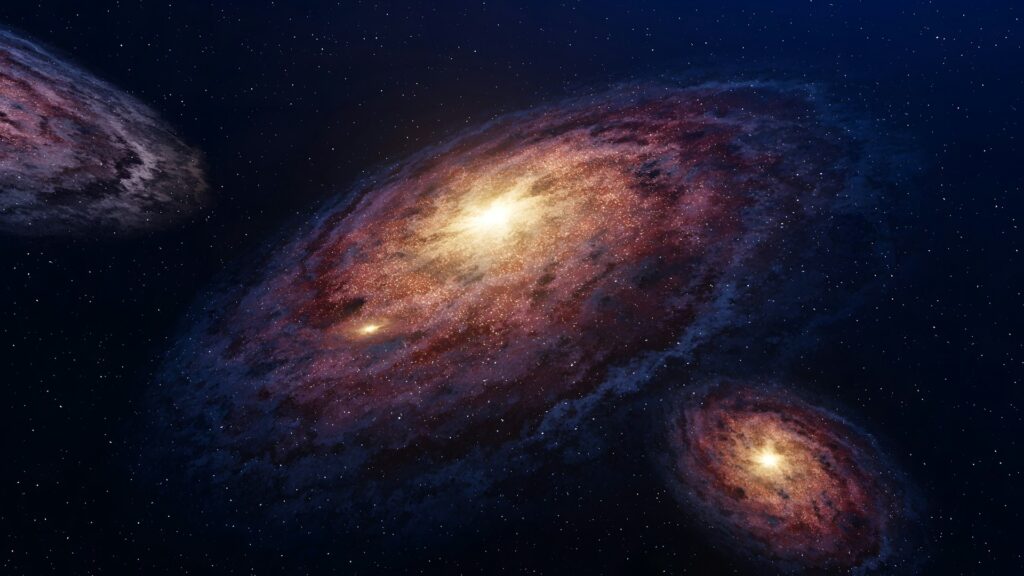
Ultimately, when objects appear older than the universe, the mystery lies less in the objects themselves and more in our measurements. Small errors in distance, brightness, or decay rates can balloon into billions of years of difference.
These puzzles are valuable because they push astronomers to refine methods and challenge assumptions. Rather than breaking physics, they remind us that the universe is vast, complex, and still full of mysteries waiting to be solved.