
Wildlife crime in the UK covers a wide range of illegal actions that harm animals, plants, or their habitats. It’s a serious threat not just to nature, but to communities and law and order. While you may feel powerless to stop it, or hesitant to get involved, knowing what counts and why reporting matters can make a real difference.
What is wildlife crime?
Wildlife crime means breaking UK laws that protect wild animals, plants, or their homes. It can cause suffering, push species toward extinction, and is sometimes linked to other criminal activity such as weapons trafficking or organised crime. The damage can be both immediate and long-lasting. When you spot something wrong, think of it as a crime, not just an unfortunate incident in nature. Reporting it could be part of a bigger picture that helps stop future harm.
Common forms of wildlife crime
Wildlife crime includes poaching, hare coursing, badger baiting, bat disturbance, egg theft, and the persecution of birds of prey. These crimes can involve shooting, poisoning, destroying nests or taking chicks, and often leave few visible signs unless you know what to look for. Being aware of the signs, such as nets, traps, blocked setts, or suspicious activity around nesting sites can make it easier to raise the alarm rather than dismissing it.
Legal protections behind wildlife crime
Much of the UK’s wildlife protection comes from the Wildlife and Countryside Act 1981. It makes it an offence to kill, harm or disturb certain species, damage nests, or remove protected plants. Penalties can include fines of up to £5,000, higher in some cases, and even prison sentences. If you suspect the law is being broken, treat it like any other crime against property or safety and report it. Even if it feels minor, having it on record helps build a clearer national picture.
The sad scale of the problem
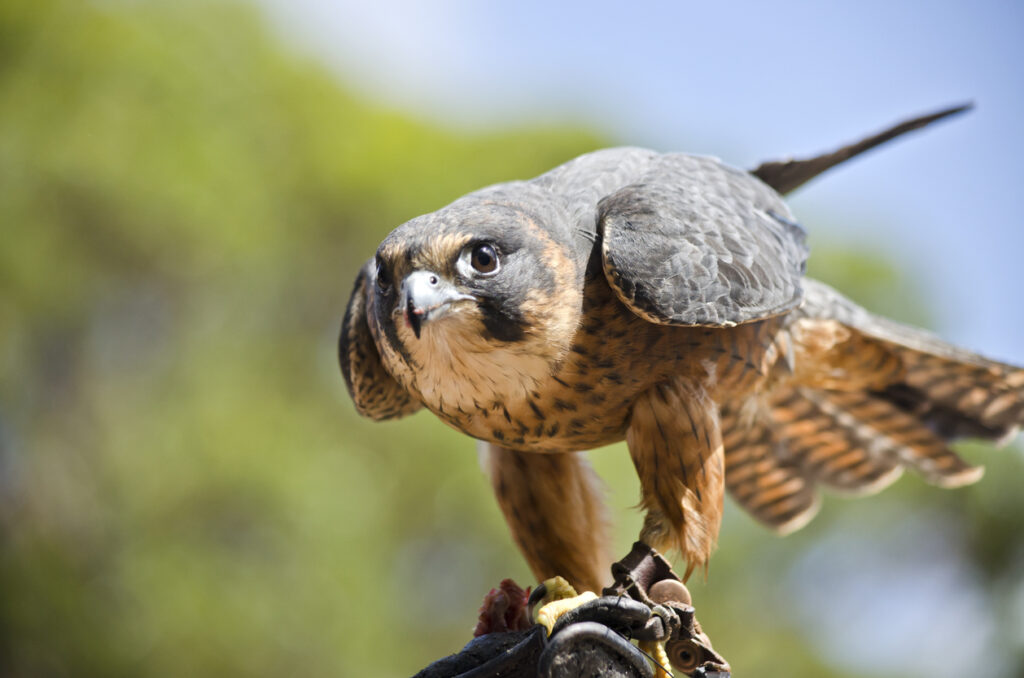
Thousands of wildlife crimes are reported every year in the UK, covering everything from protected mammals to marine species. The true figure is likely far higher, as many cases go unreported or unnoticed. This underreporting means harmful behaviour can carry on without consequence. Filling that gap starts with individuals choosing to speak up. If everyone assumes someone else will act, wildlife protection weakens considerably.
Serious organised crime connection
Some wildlife crime is linked to organised criminal networks. Cases involving illegal trade in animal parts, rare plants or bird eggs have uncovered large-scale operations with international links. These crimes often hide in plain sight but have far-reaching impacts. Reporting even small incidents could help disrupt these networks. It’s not always down to one offender—it could be part of something much larger.
Persecution of birds of prey
Birds of prey such as hen harriers, buzzards and red kites are still targeted despite strong legal protection. Offences include poisoning, shooting and nest destruction, often connected to game management practices. These attacks can have devastating effects on local populations. Spotting and reporting suspicious activity near nesting sites is crucial. Each verified case builds pressure for better enforcement and deterrents.
Enforcement structures
The National Wildlife Crime Unit works across the UK to tackle serious offences. Many police forces also have Wildlife Liaison Officers who focus on these issues locally. They coordinate with conservation bodies, charities, and the public to investigate and prosecute offenders. Even if your local police station isn’t visibly active in this area, reports are passed up the chain to those with the right expertise. Every tip has the potential to contribute to a successful case.
Local changes when crimes are proven
Confirmed wildlife crimes can lead to real consequences for those involved. Landowners have lost licences, estates have faced restrictions, and industries have been forced to adapt their practices. These measures can send a clear message that illegal activity has tangible costs. Your report might feel small, but combined with other people’s, it can directly influence how land is managed and how wildlife is protected.
Why most wildlife crime goes under-reported

Many incidents go unreported because people don’t recognise them as crimes, assume nothing will be done, or think it’s too minor to matter. Limited police resources and low awareness mean these offences often fall down the priority list. Reporting is the only way to bridge that gap. Even if action isn’t immediate, building a record over time can create the evidence base needed for change.
How to report what you see
If you witness an incident in progress or believe there’s an immediate threat to wildlife, call 999. For non-urgent situations, use 101 or the online reporting forms available on most police force websites. Crimestoppers also accepts anonymous reports. When reporting, give as much detail as possible, including location, time, description of people or vehicles, and what you saw. The clearer your information, the more useful it will be to investigators.
What happens once you report
Depending on the nature of the crime, the case may be handled by local officers, passed to a Wildlife Liaison Officer, or escalated to the National Wildlife Crime Unit. Other agencies like Natural England or devolved equivalents may also get involved. Some reports result in immediate investigation, while others contribute to longer-term monitoring or intelligence gathering. Either way, they play a role in shaping enforcement priorities.
Why conviction numbers stay low
Despite high levels of reported incidents, few lead to successful prosecutions. Reasons include lack of evidence, the hidden nature of crimes, and resource pressures on enforcement bodies. Laws may also be outdated or hard to apply in practice. This makes accurate and timely reporting even more important. Detailed information strengthens the chances of a case being taken forward.
Everyday vigilance matters
Wildlife crime isn’t always dramatic or obvious. It could be something as small as an unusual set of tracks near a badger sett, someone tampering with a nest, or plants being dug up in a protected area. Small signs can point to bigger problems. If something feels wrong, trust that instinct and report it. Protecting wildlife is about collective action, small individual efforts that add up to meaningful change.