Apologies can be tricky to get right, especially when words alone feel too small for the situation.

Flowers add weight to the sentiment, showing you’ve taken the time and care to make amends. While ultimately only you know the recipient and can say which blooms might make the biggest impact, if you have no idea where to start, these are some good choices to convey your remorse and regret.
1. White lilies for sincerity
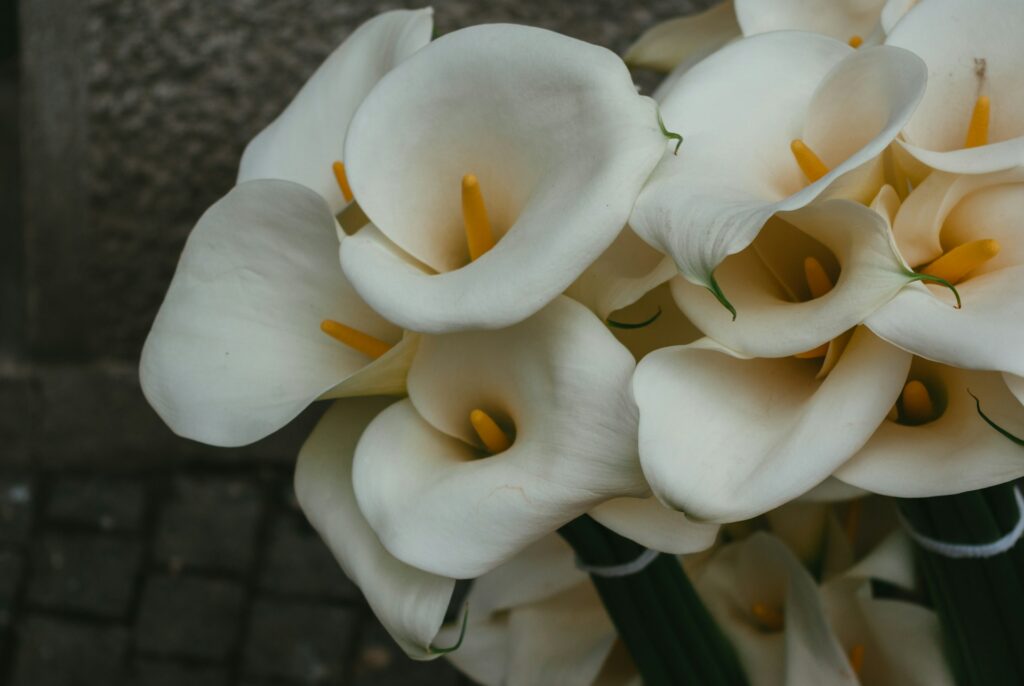
White lilies are often linked with purity and sincerity, making them ideal for expressing heartfelt remorse. Their large, elegant blooms convey a sense of seriousness and respect, which can help show you’re not taking the apology lightly. They work well for situations where your actions may have caused hurt on a deeper, more personal level.
If you’re choosing lilies, go for a simple, all-white bouquet with minimal filler foliage to keep the message clear. Present them in person where possible, and accompany them with a short, direct note. The goal is to make your sincerity obvious without adding anything that could feel overdone.
2. Orchids for thoughtfulness

Orchids symbolise rare beauty and strength, showing that you value the relationship enough to put thought into your apology. They stand out from more common flowers, which can help your gesture feel personal and tailored rather than generic. Their refined look works especially well for situations where a simple “sorry” isn’t enough.
Opt for a potted orchid if you want the apology to last beyond a few days. Keep the arrangement minimal and well-presented, and let the plant itself do most of the talking. Including care instructions shows you’ve considered the recipient’s experience beyond the moment of giving.
3. Roses in soft pink

While red roses are tied to romance, soft pink roses lean more towards gratitude, admiration, and gentle care. They can be a good choice if you want to apologise without the formality or intensity that red can bring. The soft shade feels calming and less likely to be misinterpreted.
Choose a tightly arranged bunch for a neat and intentional appearance. Adding a short message that acknowledges the specific reason for your apology will make the gesture stronger. Avoid mixing pink with red if you don’t want to confuse the meaning.
4. White tulips for forgiveness

White tulips represent forgiveness, making them a straightforward choice for an apology. Their simple shape and clean lines give them a fresh, approachable feel. They work well when you want to keep the tone light but still show genuine regret.
Arrange them in a single-colour bouquet without too many extras. Hand them over at a relaxed moment rather than a tense one, so the conversation has space to flow. Their seasonal nature also means they feel more thoughtful if chosen at the right time of year.
5. Peonies for deep regret

Peonies are often linked to shame and remorse in the language of flowers, making them ideal if you need to address a serious mistake. Their full, layered blooms carry a sense of depth and weight, showing that you understand the impact of your actions. They’re a strong choice for repairing trust after a meaningful fallout.
Look for fresh, fully open blooms to avoid sending a bouquet that feels half-hearted. Pair them with understated greenery to keep the focus on their shape and colour. If possible, deliver them somewhere calm and private so the message lands properly.
6. Daffodils for a fresh start

Daffodils represent new beginnings and renewal, making them a hopeful way to apologise. Their bright yellow colour brings an uplifting energy, helping to lighten the mood and suggest a positive way forward. They’re especially fitting for clearing up smaller misunderstandings or awkward moments.
Give them as a cheerful bunch, ideally with their stems trimmed evenly for a tidy look. Avoid overcomplicating the gesture, especially since the daffodil’s meaning is clear on its own. Pairing them with a warm, straightforward note can help bridge the gap between past tension and future goodwill.
7. Camellias for admiration

Camellias, especially in white or pale pink, are linked to admiration and deep respect. They work well for apologies where you want to remind the other person that you value them highly. Their perfectly formed blooms show careful choice, which can help strengthen your message.
Select a small but perfectly presented arrangement rather than a large bouquet. The neatness reflects the thought you’ve put in and keeps the focus on the sentiment rather than scale. This makes them an excellent choice for professional settings where subtlety is important.
8. Hydrangeas for understanding

Hydrangeas are tied to gratitude and heartfelt emotion, but they can also represent understanding and apology. Their full, cloud-like clusters give the impression of abundance, suggesting you’ve thought about the other person’s feelings from multiple angles. They’re a good option for smoothing over a complex situation.
Pick a soft blue or white variety for a calmer, more sincere tone. Avoid bold colours that could change the focus to aesthetics rather than meaning. Present them in a simple wrap or vase so the flowers, not the packaging, carry the message.
9. Sweet peas for appreciation

Sweet peas often symbolise gratitude and departure, but they’re also used to say “thank you for understanding.” This makes them useful for apologies where you know the other person has been patient with you. Their delicate, scented blooms add a gentle charm that softens the tone of your message.
Present them as a loose, casual bunch for a more personal touch. The fragrance is part of their charm, so keep them fresh and unwrapped until the moment you hand them over. Combining them with a few stems of complementary flowers can add to the thoughtfulness.
10. Sunflowers for optimism

Sunflowers aren’t the most traditional apology flower, but their meaning—loyalty, warmth, and optimism—can be perfect for situations where you want to lighten a tense mood. Their bold appearance helps change the tone towards reconciliation and moving forward.
Choose medium-sized blooms for a balanced look that’s still cheerful but not overwhelming. Keep the arrangement simple, so the flowers stand on their own. Pairing them with a positive, solution-focused conversation can help make the apology more effective.
11. Irises for hope
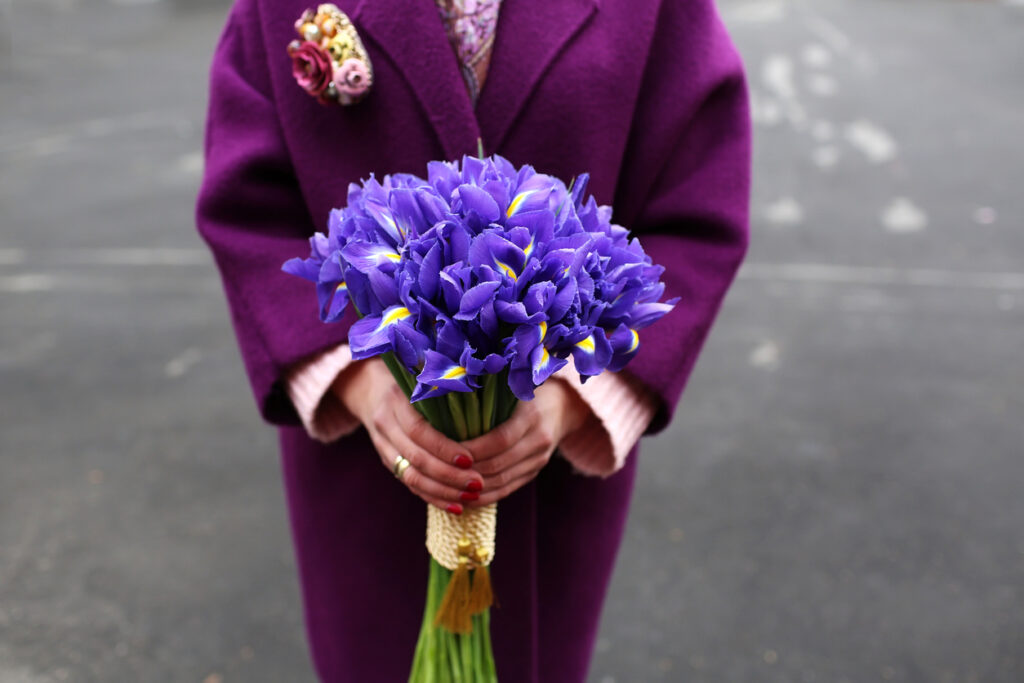
Irises are often connected to hope and faith, making them ideal if your apology includes a promise to do better. Their striking shape and vibrant colour add a sense of energy to your gesture. They’re especially fitting if you want to show that you’re committed to making changes.
Opt for deep purple or blue varieties to keep the tone grounded rather than overly bright. Present them neatly and be ready to follow through on the sentiment they carry. An iris bouquet is a visual way of saying your apology comes with intent, not just words.
12. Chrysanthemums for support

In many cultures, chrysanthemums represent loyalty and lasting support. They’re a good choice for letting someone know that despite the disagreement, you’re still committed to them or the relationship. Their sturdy blooms also symbolise resilience, which can be reassuring after conflict.
Stick to white or soft yellow to keep the tone gentle. Present them in a simple arrangement, making sure the flowers are in good condition. Pair the gesture with a clear plan for how you’ll rebuild trust, so the meaning is backed up with action.