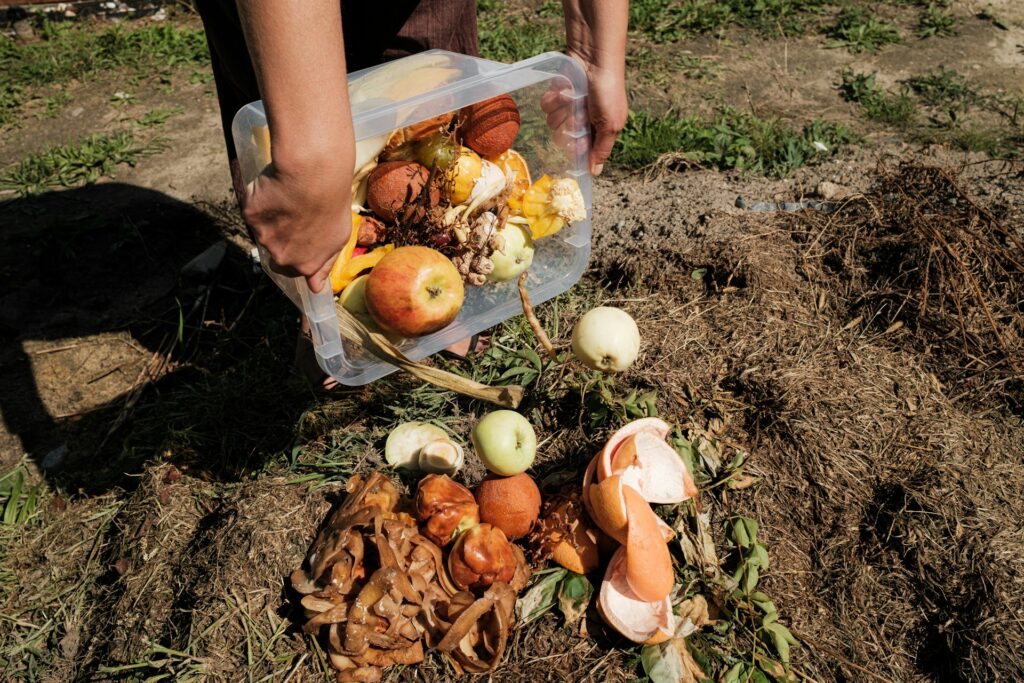
Food waste builds up quickly in every household, and much of it ends up in landfill, where it produces harmful emissions. Recycling it at home reduces environmental impact, saves money, and creates useful resources. Luckily, there are some pretty practical steps you can take to deal with food waste more effectively, and while it might require a bit of effort, it’ll be much better for the environment.
1. Separate food waste properly.
One of the biggest mistakes is throwing food scraps in with general rubbish. Once mixed, food waste can’t be recycled effectively and usually ends up in landfill, where it contributes to methane production and wasted resources. Use a dedicated caddy or container in your kitchen to collect scraps. Keeping food waste separate makes it easier to recycle through council schemes or your own methods at home.
2. Use your council’s food waste collection
Most local councils in the UK now provide food waste bins. These collections send food to be processed into biogas or fertiliser, turning waste into something useful rather than harmful. Yet, many households still don’t use them regularly. Make it a routine by placing your food caddy somewhere convenient, like under the sink. Empty it into your outdoor food bin frequently, so recycling becomes a normal part of daily life.
3. Start a compost bin.
Composting at home is one of the most effective ways to recycle food waste. Vegetable peelings, fruit scraps, and coffee grounds can all break down naturally into nutrient-rich compost. This reduces waste and provides free material to feed your garden. Choose a bin that suits your outdoor space, whether it’s a large heap or a compact tumbler. Mixing green food waste with brown materials such as cardboard helps it decompose more efficiently.
4. Try a wormery.
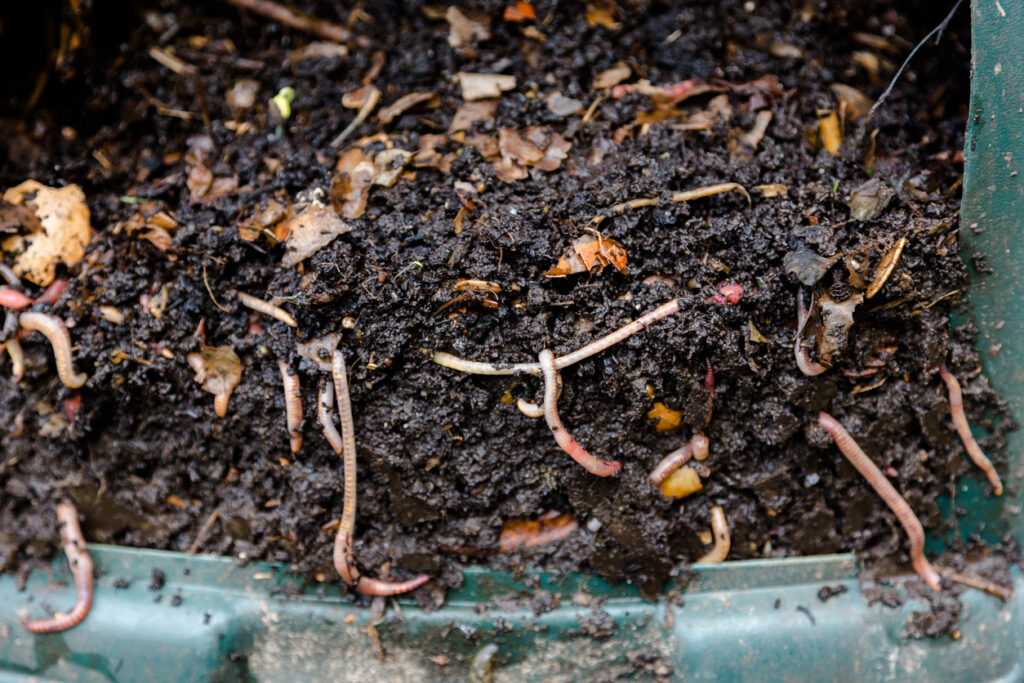
For those with limited space, a wormery is an excellent way to recycle food waste. Worms break down fruit and vegetable scraps into high-quality compost called vermicompost. It’s compact, odour-free when managed correctly, and ideal for small gardens or even balconies. Buy a wormery kit and feed the worms small amounts regularly. This method is especially good for households that want to recycle food but don’t generate huge amounts of waste.
5. Use bokashi bins indoors.
Bokashi bins use a fermentation process to recycle food waste, including items like cooked food and dairy that can’t go in a standard compost bin. They’re ideal for flats or homes without gardens. The process creates a liquid fertiliser as well as pre-compost material. Set it up in your kitchen and add food scraps daily with a sprinkle of bokashi bran. Once full, the mixture can be added to soil or a compost heap to finish breaking down.
6. Reduce waste through meal planning.
A major reason food ends up in the bin is poor planning. Buying too much or letting food go off before it’s eaten creates unnecessary waste. This impacts the environment and wastes money. Plan meals for the week and shop with a list. Storing food properly and freezing leftovers helps ensure you use what you buy rather than throwing it away.
7. Turn scraps into stock.
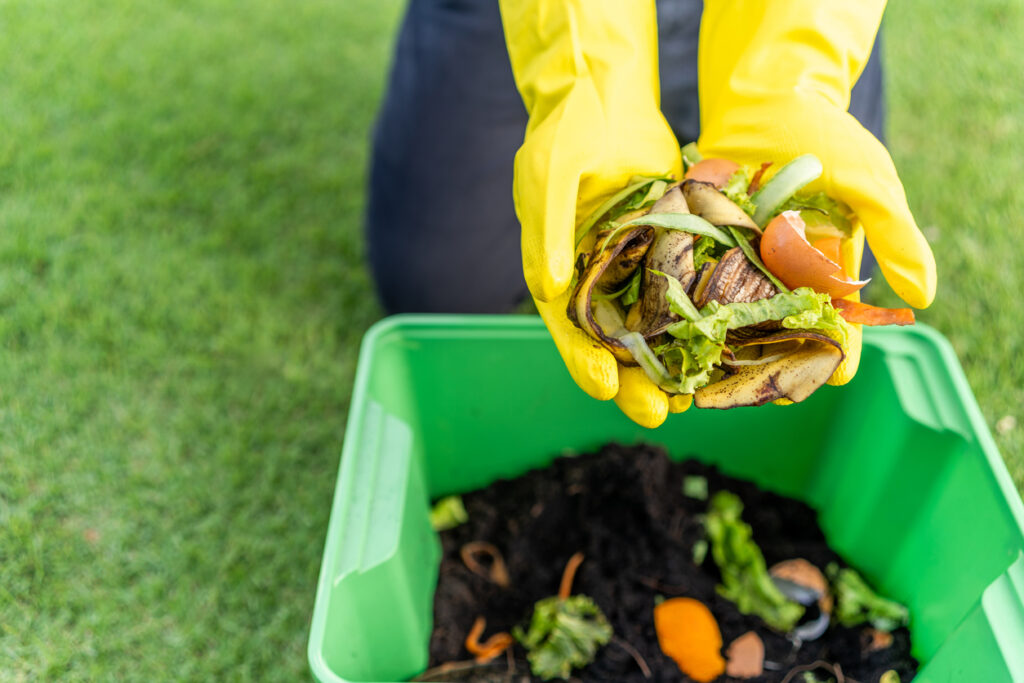
Not all food waste needs to be recycled straight away. Vegetable peelings, onion skins, and herb stems can be boiled into a flavourful stock. This makes use of scraps that would otherwise be discarded, while also cutting costs. Collect vegetable offcuts in a freezer bag until you have enough. Boil them in water with herbs and strain for homemade stock, which can then be frozen for later use.
8. Feed pets responsibly.
Some food scraps can be repurposed as pet food, reducing waste. For example, certain vegetable trimmings and plain cooked meats can be safely added to a dog’s or chicken’s diet. However, not all foods are safe, so you need to be careful. Check which foods are appropriate for your pets before offering scraps. Using leftovers safely provides extra nutrition for them and keeps food out of the bin.
9. Repurpose coffee grounds and tea bags.
Used coffee grounds and tea bags often end up in landfill, yet they’re rich in nutrients. They can be recycled directly into compost or spread on soil to improve structure. Coffee grounds also work well as a natural slug deterrent. Dry out used grounds and sprinkle them around plants or add them to compost. Ensure tea bags are biodegradable before composting, as many brands still contain small amounts of plastic.
10. Donate unused food.
Sometimes food is wasted not because it’s inedible, but because it was bought in excess. Tinned goods, dry food, and long-life items often end up forgotten and eventually thrown away. Donating them prevents waste and supports people in need. Check expiry dates and drop suitable items at food banks or community collection points. This ensures the food is used rather than wasted, which is one of the most effective ways to recycle resources.
11. Regrow vegetables from scraps.
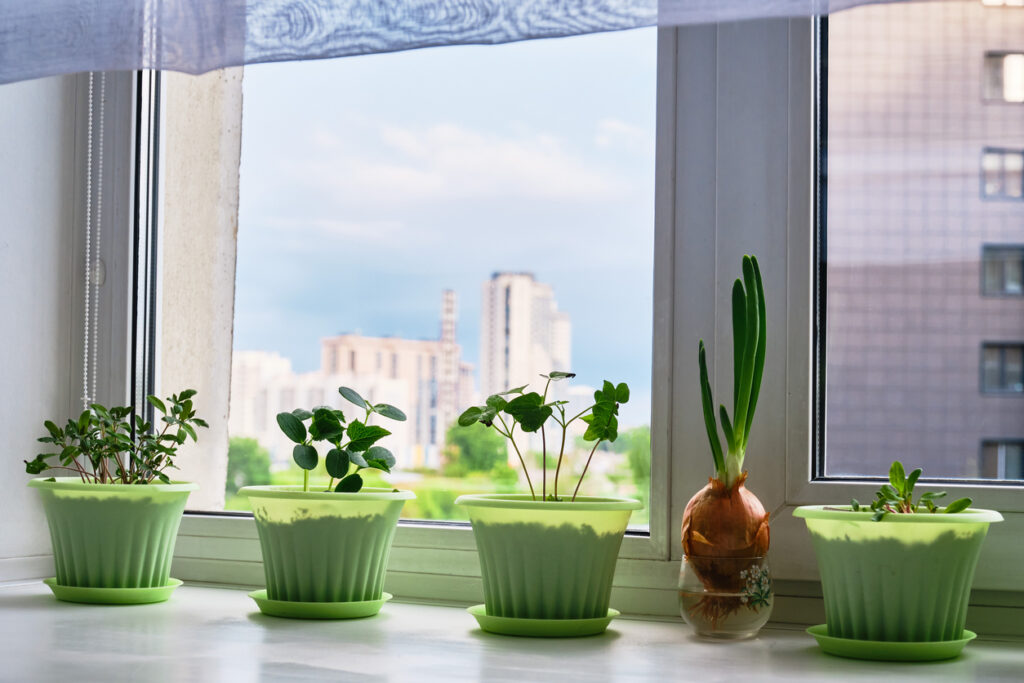
Certain vegetable scraps can be regrown into new plants, reducing waste and creating free food. Items like spring onions, celery bases, and lettuce hearts can regrow when placed in water or soil. This is both sustainable and rewarding. Try placing roots in a jar of water until they sprout, then transfer to soil. It’s a simple way to reuse food waste and create an ongoing supply of fresh produce.
12. Use peelings for cleaning.
Citrus peels often go straight into the bin, but they can be repurposed. They contain natural oils that cut through grease and add fragrance. Reusing them reduces waste while providing a chemical-free cleaning solution. Soak citrus peels in vinegar to create a natural cleaning spray. This puts food waste to good use while reducing reliance on shop-bought cleaners.
13. Share any extras you have with neighbours.
Sometimes you may have food that you cannot eat before it spoils but is still good. Throwing it away is wasteful when someone nearby could make use of it. Sharing reduces waste and builds community connections. Offer spare food to neighbours, or use apps designed for sharing unwanted groceries. It’s simple, but it ensures food is recycled through people rather than ending up in the bin.