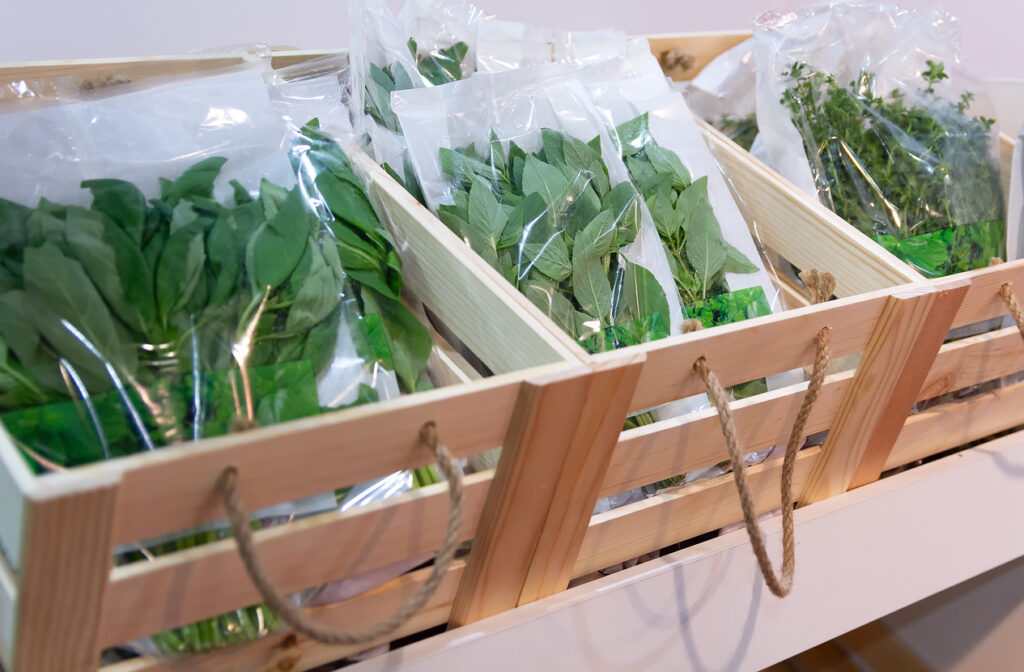
Those little potted herbs from the supermarket don’t have to die after a week, and with the right approach, you can keep them producing fresh leaves for months. It doesn’t take much effort, but it’ll keep your kitchen smelling lovely and save you some money on your shopping bill, and we can all use a bit of extra cash these days, right? Here are 10 simple tips that’ll really help.
1. Separate overcrowded plants immediately.
Grocery store herb pots are usually stuffed with multiple plants competing for space and nutrients, which weakens them and makes them more likely to die quickly. The overcrowding also makes the soil dry out faster and creates competition that stresses the plants from the moment you bring them home.
Gently pull apart the root ball and repot each plant into its own container with fresh potting soil, giving each herb enough space to spread its roots. You’ll often find three to five individual plants in one small pot, and separating them immediately doubles or triples your herb garden while giving each plant a better chance of survival.
2. Choose the right size pot for long-term growth.
The tiny containers herbs come in are meant for short-term display, not sustained growth, and keeping them in those small pots will stunt their development and kill them within weeks. Most herbs need room to develop extensive root systems, and cramped roots lead to weak plants that can’t absorb enough nutrients or water.
Repot your herbs into containers that are at least twice the size of the original pot, with drainage holes at the bottom to prevent waterlogging. Choose pots that give the roots room to spread, and your herbs will reward you with stronger growth and more abundant leaves for harvesting.
3. Place them in the brightest spot you can find.
Most grocery store herbs are grown in greenhouses with intense light, and the shock of moving to a dimly lit kitchen windowsill often kills them faster than any other factor. Insufficient light makes herbs leggy, weak, and prone to disease, while also reducing the flavour compounds that make them worth growing.
Put your herbs in the sunniest window you have, preferably south-facing, and consider supplementing with a grow light if your home doesn’t get enough natural light. Herbs need at least six hours of bright light daily to thrive, and the investment in proper lighting will pay off with months of fresh herbs.
4. Water consistently, but never let them sit in water.
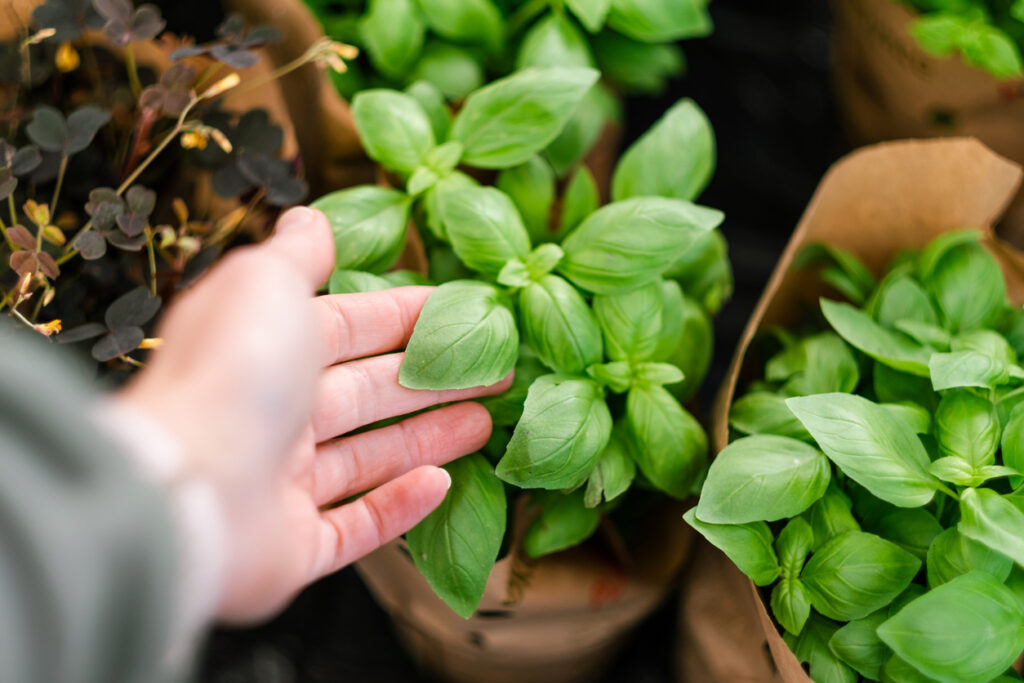
Overwatering kills more indoor herbs than underwatering, but inconsistent watering stresses plants and makes them more susceptible to problems. Herbs prefer soil that’s consistently moist but not soggy, and they hate sitting in standing water, leads to root rot and fungal issues.
Check the soil daily by sticking your finger about an inch down, and water when the top feels dry, but the deeper soil is still slightly moist. Always use pots with drainage holes and empty any water that collects in saucers after about thirty minutes to prevent root damage.
5. Start harvesting early and harvest often.
Many people are too precious about their herbs and avoid cutting them, but regular harvesting actually encourages more growth and keeps plants healthy and productive. Herbs that aren’t harvested often become leggy, flower too early, and stop producing the tender leaves you want for cooking.
Begin pinching off leaves as soon as the plants are established, starting with the tips and outer leaves to encourage bushier growth. Cut little and often rather than taking large amounts at once, and always leave at least two-thirds of the plant so it can continue growing.
6. Pinch off flower buds to extend leaf production.
When herbs start flowering, they redirect energy from leaf production to seed development, which makes the leaves smaller, tougher, and often more bitter. Most grocery store herbs are annual varieties that will try to flower and set seed quickly, especially if they’re stressed from the transition to your home.
Remove flower buds as soon as you spot them by pinching them off with your fingers or scissors, and your herbs will continue producing tender leaves for much longer. This simple maintenance task can extend your harvest season by months and keeps the flavour quality high.
7. Feed them regularly with diluted fertiliser.
The small amount of soil in herb pots gets depleted quickly, especially with regular watering that washes nutrients away, and hungry plants become weak and susceptible to problems. Most potting soils only contain enough nutrients for a few weeks of growth, after which your herbs will start yellowing and declining.
Use a balanced liquid fertiliser diluted to half strength every two weeks during the growing season, or mix slow-release fertiliser granules into the soil when repotting. Well-fed herbs grow faster, taste better, and resist pests and diseases more effectively than stressed, nutrient-deficient plants.
8. Watch for pests and deal with them quickly.
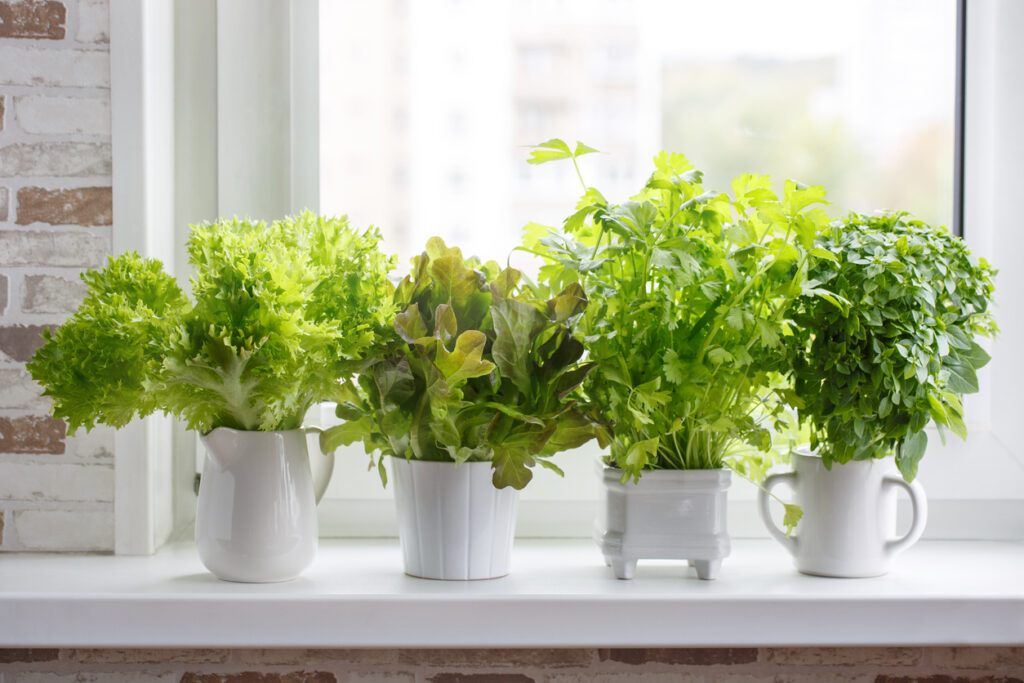
Indoor herbs can attract aphids, spider mites, and other pests that multiply rapidly in the warm, protected environment of your home. Small pest problems can become major infestations within days, and stressed plants are more attractive to insects than healthy, vigorous ones.
Check your herbs weekly for signs of pests like tiny insects, webbing, or sticky honeydew on leaves, and treat problems immediately with insecticidal soap or neem oil. Quarantine any new plants for a week before placing them near established herbs to prevent introducing pests to your entire collection.
9. Provide good air circulation around plants.
Stagnant air around herbs encourages fungal diseases and pest problems, which make plants weaker and more prone to various issues. Most homes have much less air movement than outdoor growing conditions, and herbs need some air circulation to stay healthy and strong.
Space your herb pots so air can flow around them, and consider using a small fan on low speed to create gentle air movement if your growing area feels stuffy. Good circulation also helps soil dry out at the proper rate and prevents the humid conditions that encourage mould and mildew.
10. Rotate varieties and try succession planting.
Some herbs like basil and coriander have relatively short productive lives even with good care, and planning for replacement plants ensures a continuous harvest rather than gaps in your herb supply. Starting new plants every few weeks creates a steady rotation of fresh, vigorous herbs.
Start new herb plants from seed or buy fresh grocery store pots every month to replace declining plants, and experiment with different varieties to keep your herb garden interesting. Doing things this way means you’ll always have productive plants ready for harvest, while learning which herbs work best in your specific growing conditions.