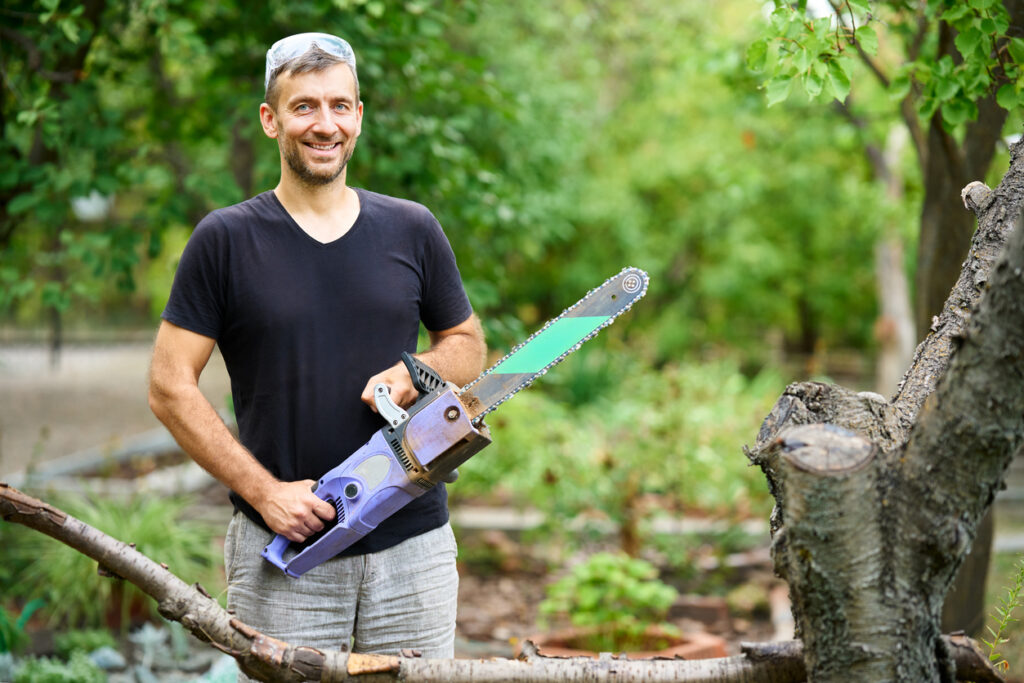
Hiring a tree surgeon isn’t straightforward. Costs vary widely depending on job type, tree size, waste removal, and where you live. The time of year makes a difference as well, especially given that the industry is most in-demand during spring and summer. Here’s what the numbers really look like across the UK and how to prepare for them.
Hourly vs daily pricing
Tree surgeons can charge by the hour, typically around £30 to £50, or sometimes £40 to £50 depending on region, but most still quote by the day to account for setup, travel, waste clearance and safety breaks. In practice, it’s rare to see jobs charged purely by the hour unless they are very small or specific.
For your budget, plan on at least a half-day rate, even if the job seems short. When discussing a quote by the hour, ask whether the total will reflect travel time, waste removal and the full setup so you won’t end up paying more than expected.
Typical day rates across the UK
Daily charges range quite a bit. In many parts of the country you’ll see figures like £200 to £600 a day, while more skilled or fully insured teams in London or the southeast push up to £600 to £900 per day. These higher rates often reflect not just skill but higher operating costs in those regions.
When you reach out for quotes, ask whether the day rate covers the whole team or just the lead operator. That tells you how much manpower is included and whether you’re comparing equivalent services.
Removal vs pruning vs stump grinding
Basic tasks cost less. Pruning or trimming small trees might run £100 to £500, tree removal ranges from around £300 for small trees to several thousand for big or complex removals, and stump grinding usually adds £100 to £500 depending on size. The type of work makes a huge difference to the final bill.
If your job is small, like a simple trim or stump removal, look specifically for options quoting on that alone. For larger removals, ask how much is additional for stump grinding or timber disposal so you don’t get any surprises on the final bill.
Scale impacts cost significantly
The bigger the tree, the higher the price. Removing a tree up to 25 feet tall typically costs around £240 to £340, 50-foot trees run between £1,190 and £1,720, and very large trees over 60 feet can cost more than £2,000. The complexity of the removal also plays a role here. Don’t guess the size alone. Mention the type and approximate height when getting a quote, or better yet, share a photo. That gets you closer to a realistic cost estimate before the visit.
Site access and location matter
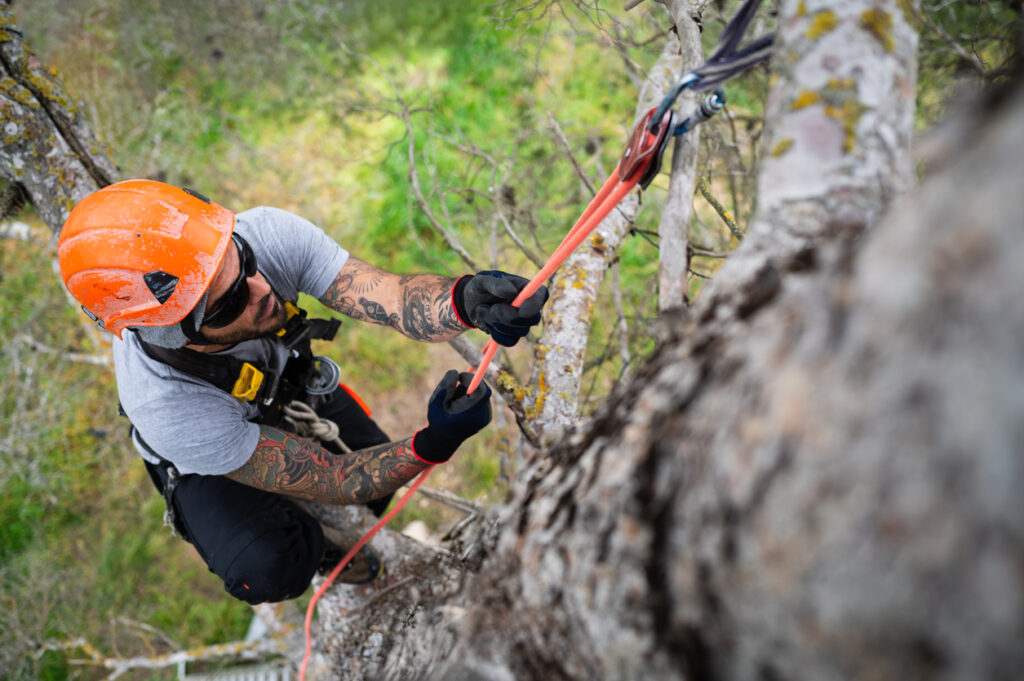
Hard-to-reach trees, tight gardens, or trees near buildings or roads often boost costs. In London and the southeast, prices are naturally higher, with day rates sometimes £50 to £100 above national averages. Accessibility can affect not just time, but also the equipment required.
When you’re arranging quotes, specify if access is tricky or parking is limited. Contractors can price that in ahead of time, and there will be fewer unexpected costs when the job starts.
Waste removal and extras
Disposal is regularly included, but not always, and can cost £100 to £800 extra for a large amount of debris. Waste removal, chipping, or grading can be substantial on a big job, so it’s worth clarifying before work starts. Cover your bases by asking whether clean-up is in the job cost. If not, you can save money by offering to handle the waste or turning wood into chippings yourself.
Legal and surveying add cost
If your tree needs a report, for a mortgage or safety reasons, that costs between £300 and £420. If planning permission or Tree Preservation Order-related work is involved, that could add more to the total bill, both in fees and in time delays. Always flag whether your tree is in a conservation area or protected. A quick site visit or council check saves you from running into costly compliance issues mid-job.
Anecdotal rates from homeowners
From community discussions, day rates of £300 to £350 for one person and £500 to £600 when two are involved are commonly quoted by homeowners. Hourly quotes of around £200 for a half-day job also appear regularly. Use these as a reality check: if your quotes are massively above or below, dig into what’s included. That’s how you spot added value or potential corner-cutting.
Practical next steps
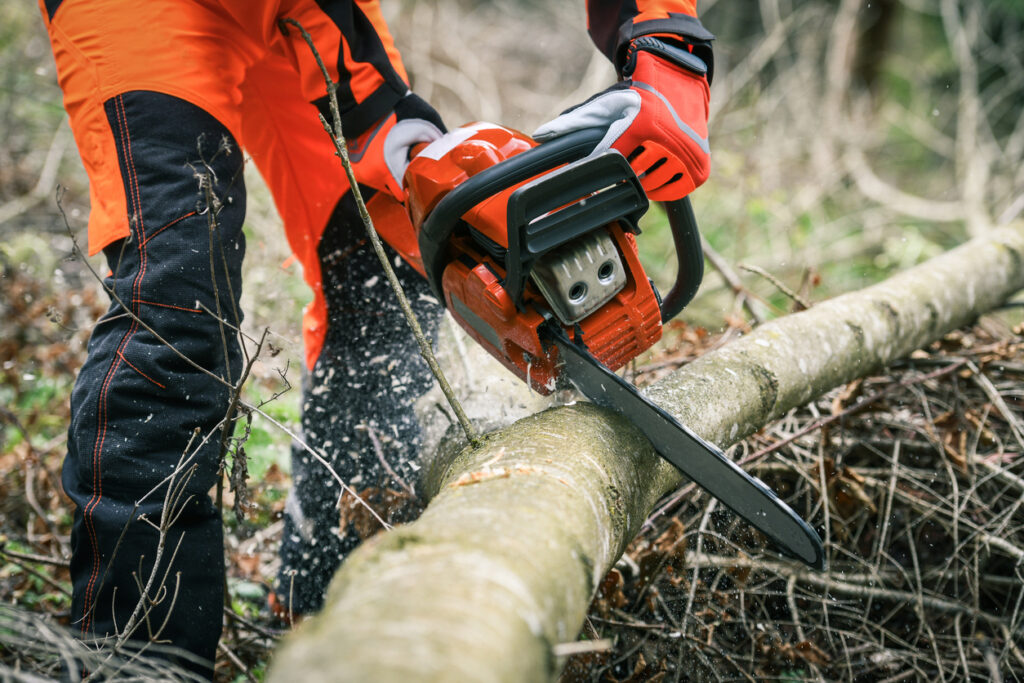
Start by describing the job clearly, including tree height, access and waste requirements. Get at least three quotes, each itemising rates for labour, waste, and extras, so you can make fair comparisons. Ask if waste removal and insurance are included in the price.
This way, you’ll get transparent quotes that make it easier to choose a team who’s not only offering a good price, but also operating safely and professionally.