Cabbage is one of the most versatile vegetables you can grow.
However, with so many varieties, it can be tricky to know which to choose. Some are best for quick harvesting, others shine in winter, and many have distinct flavours that suit particular dishes. Here are ten popular types of cabbage and what makes each worth a place in your garden.
1. White cabbage
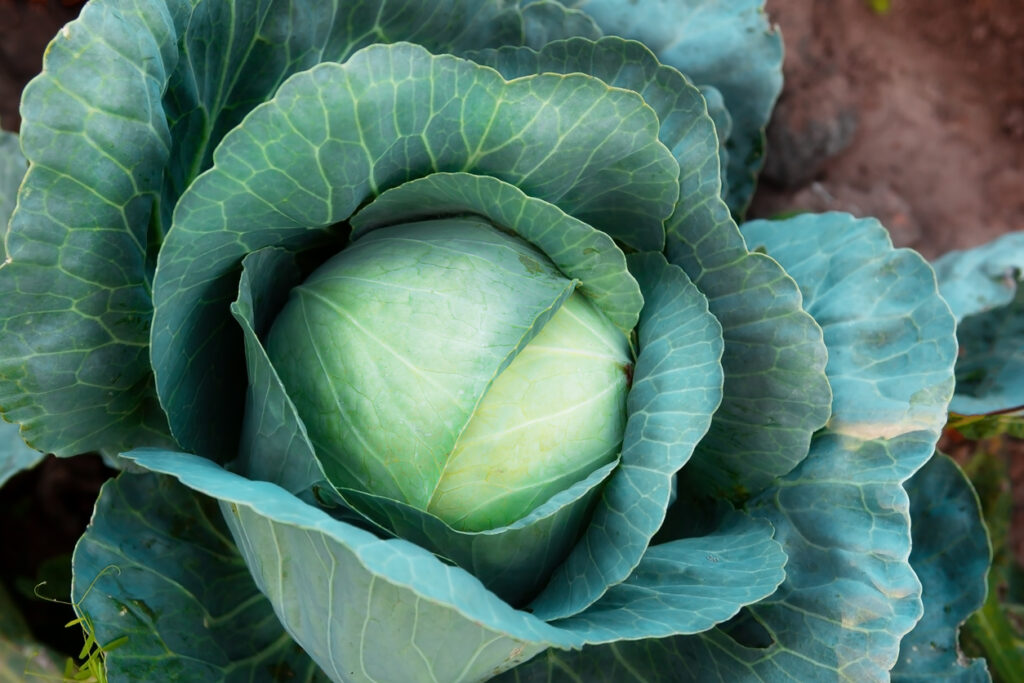
The classic round-headed cabbage is the most familiar variety, with pale, tightly packed leaves that hold up well in cooking. Its firm texture makes it ideal for everything from soups and stews to crisp coleslaws. White cabbage is one of the most versatile options, which is why it often appears in gardens across the UK.
It thrives in well-drained soil with plenty of sun, and gardeners appreciate its predictable growing habits. It can also be stored for weeks in a cool, dark place without losing much of its crunch. For anyone new to growing brassicas, white cabbage is a reliable first choice that delivers a steady, fuss-free crop.
2. Red cabbage
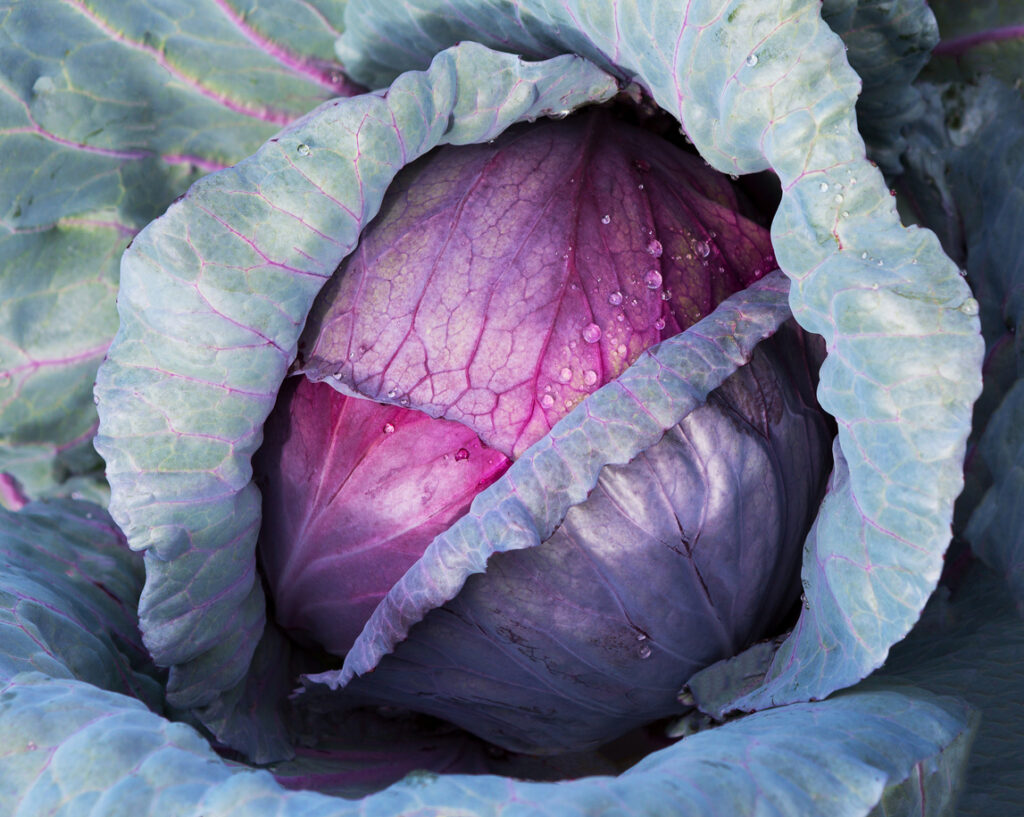
Red cabbage isn’t just striking to look at, but it’s also full of flavour. Its deep purple leaves have a slightly peppery edge, making it a favourite for pickling or braising with apples. It also adds a vibrant splash of colour to salads when shredded raw.
This variety tends to prefer cooler conditions, making it a solid option for autumn planting. Red cabbage is hardy and stores well, often lasting throughout winter. If you want a crop that feels both decorative and practical, this variety is an excellent addition to your patch.
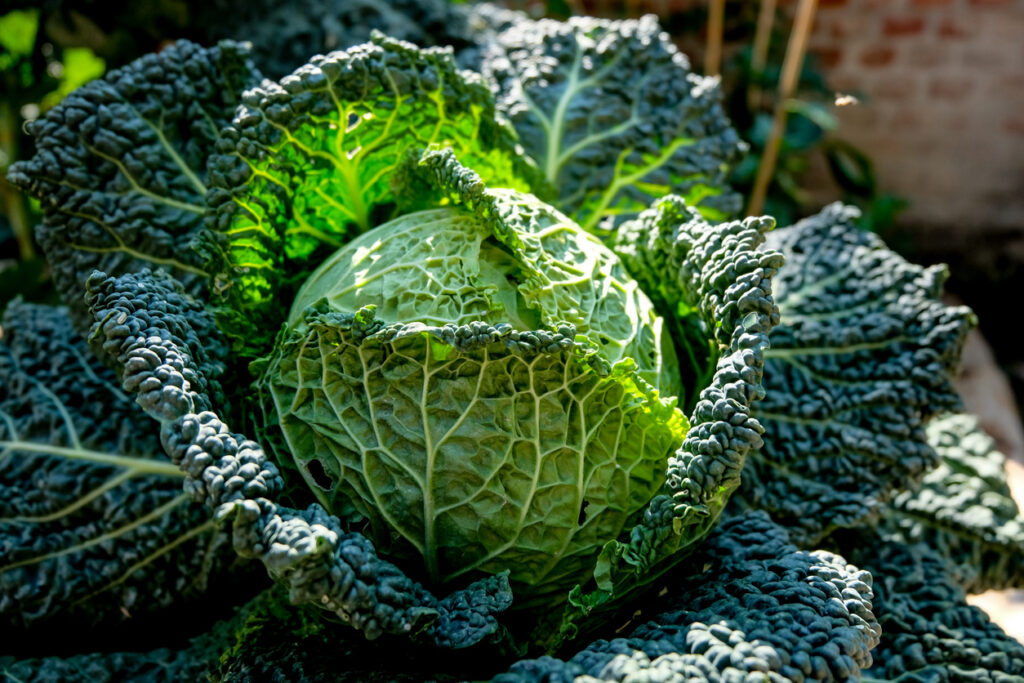
3. Savoy cabbage

Savoy cabbage is instantly recognisable thanks to its dark green, crinkled leaves. The flavour is more delicate and slightly sweeter than other types, which makes it perfect for stir-fries, lighter soups, and sautés. It cooks quickly without becoming mushy, keeping its character on the plate.
Though Savoy heads are looser than white or red cabbages, they are still generous in size. They don’t store as well, so they are best eaten fresh after harvest. Gardeners often grow Savoy for its sheer versatility in the kitchen and for the unique look it brings to the vegetable patch.
4. Spring greens
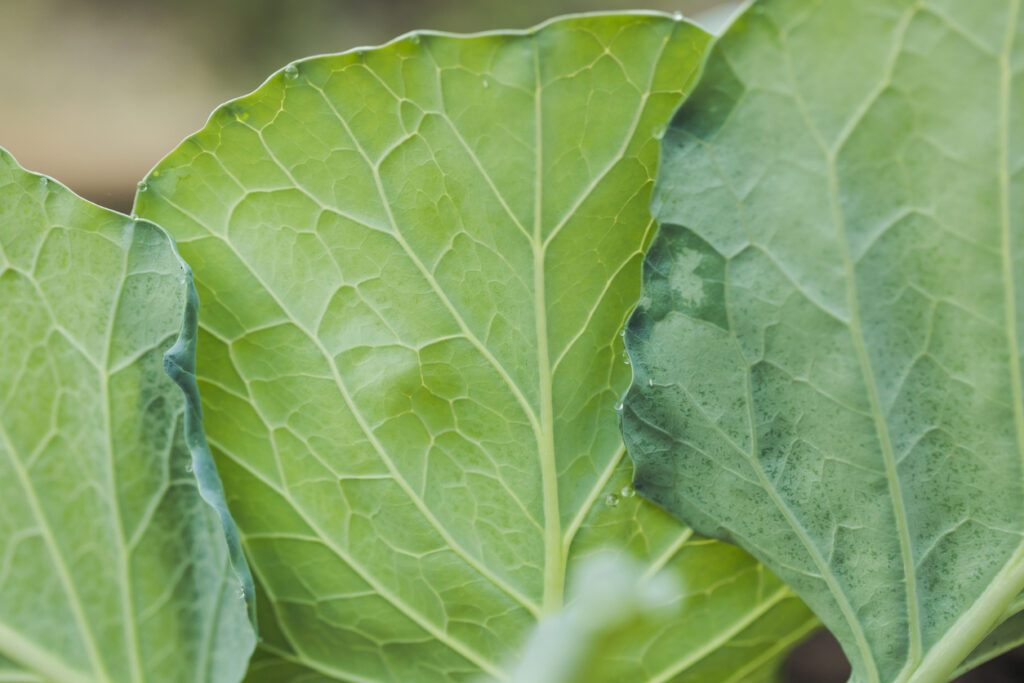
Spring greens stand out because they don’t form tight heads. Instead, they produce loose leaves that are tender, mild, and packed with nutrients. They are among the first cabbages to be ready in the year, offering fresh harvests when other crops are still weeks away.
They are quick to grow and can be picked leaf by leaf, which means they keep producing over a longer season. Their gentle flavour makes them easy to cook, whether steamed, stir-fried, or simply wilted with butter. For gardeners looking for an early reward, spring greens are one of the most satisfying choices.
5. January King cabbage
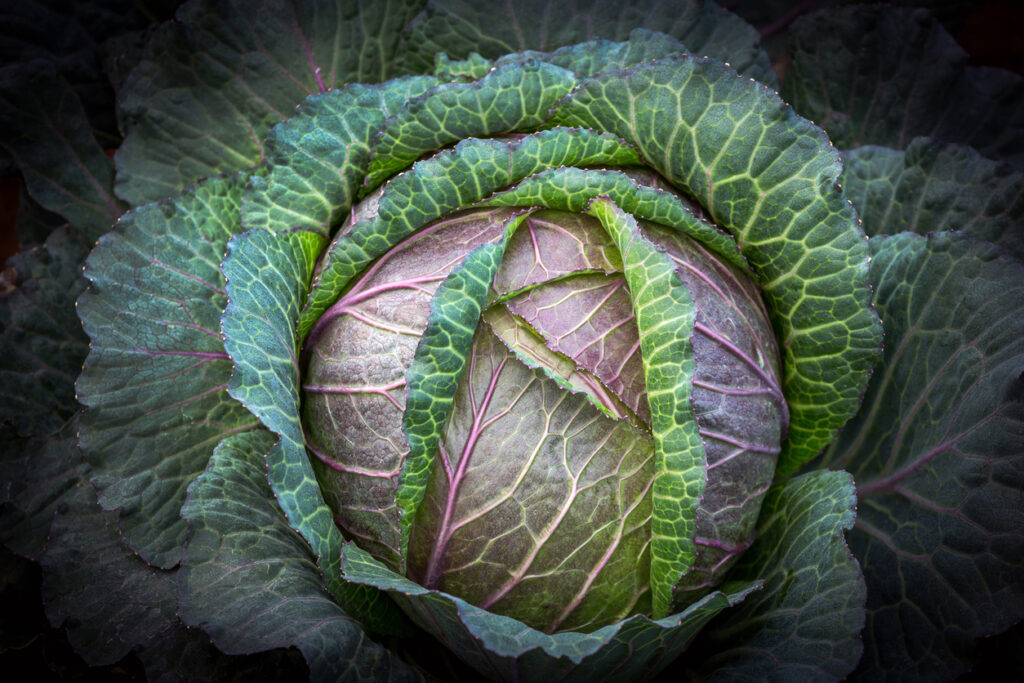
A heritage favourite, January King cabbage is a cross between white and Savoy varieties. Its purple-green leaves give it a colourful, almost ornamental look, while the flavour is sweet and earthy. It’s one of the most attractive cabbages you can grow.
January King is exceptionally hardy, thriving even in frosty conditions. Many gardeners value it for providing a reliable winter crop when fresh greens are scarce. If you want a variety that delivers beauty as well as resilience, this cabbage earns its reputation as a winter staple.
6. Pointed cabbage

Pointed cabbage forms conical heads rather than the typical round shape. The leaves are more tender and sweeter than many other varieties, making them ideal for quick cooking or eating raw. They are often described as one of the tastiest cabbages.
Because they are delicate, pointed cabbages don’t store well. They’re best eaten soon after harvesting, which makes them perfect for fresh salads, stir-fries, and slaws. If you enjoy lighter, sweeter flavours, this type won’t disappoint.
7. Chinese cabbage
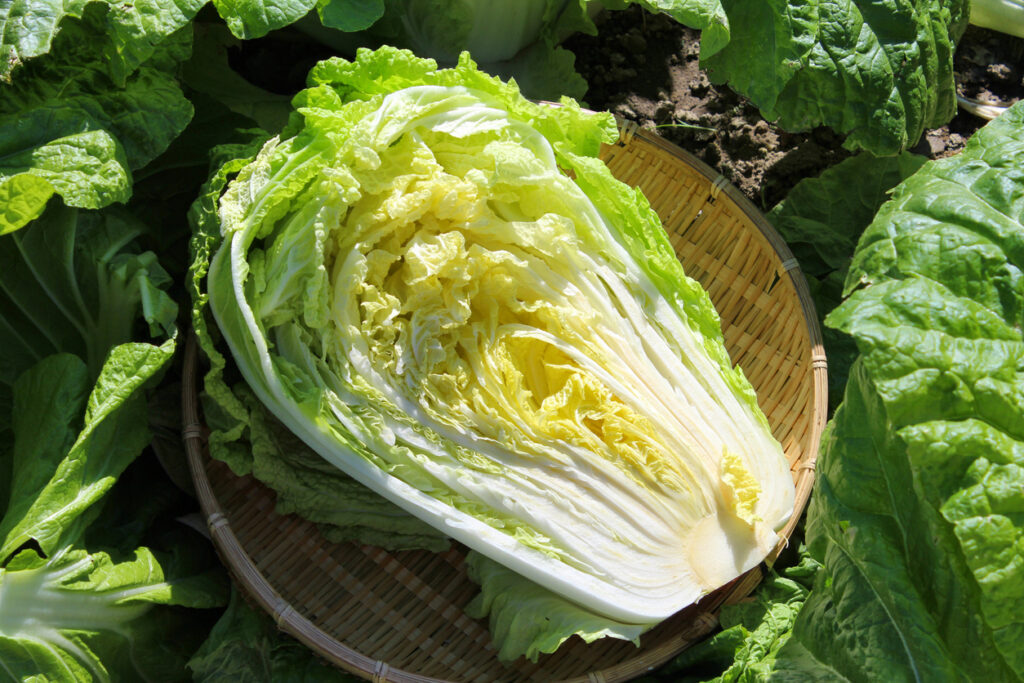
Also known as Napa cabbage, this variety is a favourite in Asian cooking. Its elongated heads and crisp, juicy leaves are perfect for stir-fries, soups, and dumpling fillings. It’s also the traditional choice for making kimchi, the Korean fermented dish.
Chinese cabbage grows quickly and prefers cooler seasons, which means it fits neatly into a crop rotation plan. It doesn’t take up as much space as bulkier varieties, making it a good option for smaller gardens. For anyone who enjoys Asian-inspired dishes, it’s one of the most rewarding choices to grow.
8. Hispi cabbage
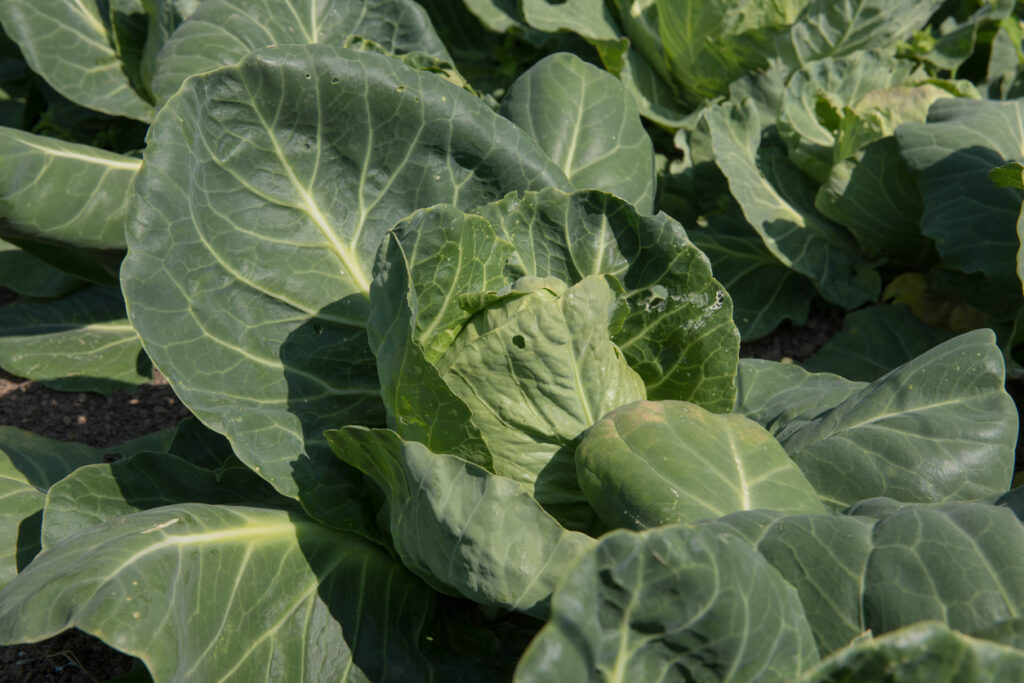
Hispi, also known as sweetheart cabbage, is a compact, pointed variety that matures quickly. Its soft, sweet leaves are ideal for simple weeknight cooking, whether steamed, roasted, or shredded into salads. Many gardeners appreciate its mild flavour, which appeals to those who find stronger cabbages overpowering.
Because it grows fast and doesn’t take up much space, Hispi is well-suited for small plots or container growing. It’s best eaten fresh, as it doesn’t store for long, but the speed of its harvest makes it a dependable and rewarding variety to plant.
9. Cavolo nero
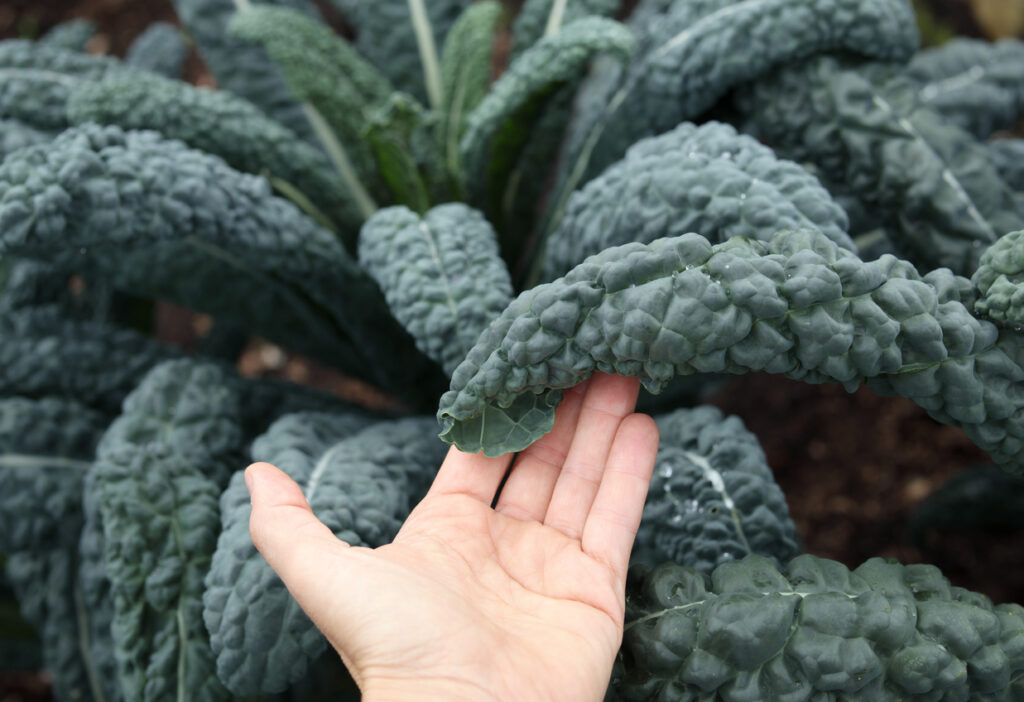
Though technically a type of kale, Cavolo nero often gets grouped with cabbages because of how it’s used in cooking. Its long, dark, textured leaves have a rich, earthy flavour that stands up well to robust dishes. It’s especially popular in Italian cuisine, where it’s used in soups and stews.
Cavolo nero is tough and resilient, withstanding cold and harsh conditions. It can be harvested over a long season by picking the outer leaves as they grow. Gardeners love it not only for its flavour, but also for its ability to provide consistent harvests well into winter.
10. Dutch cabbage
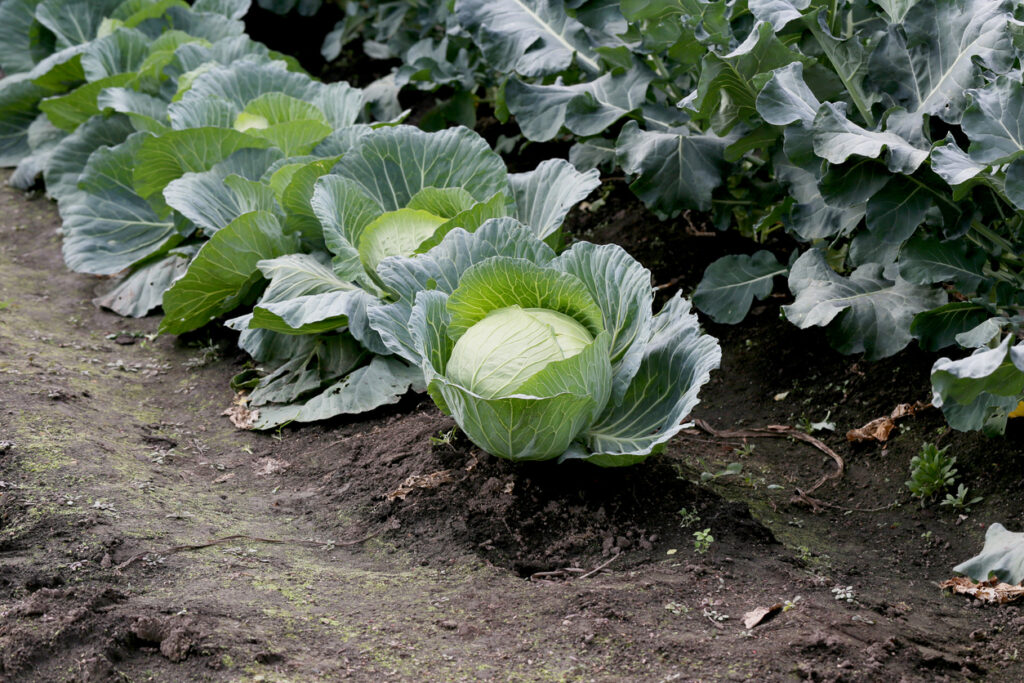
Dutch cabbages are large, dense-headed varieties bred for storage and longevity. Their firm leaves make them less tender than others, but they are extremely practical for bulk cooking, stews, and sauerkraut. They are often chosen for their reliability rather than delicacy.
They grow well in cooler climates and can be stored for months in the right conditions. If your goal is to have cabbages on hand long after the growing season ends, Dutch varieties are one of the most dependable options. They represent the practical side of cabbage growing, offering substance and staying power.