Having hay fever doesn’t mean you have to give up fresh flowers entirely.

While you need to be choosy if you don’t want to become a sneezing, watery-eyed mess, there are plenty of solid options you can still enjoy without much drama. The key is understanding which flowers release minimal pollen and which varieties keep their pollen locked away where it can’t trigger your symptoms.
1. Roses are surprisingly safe for most hay fever sufferers.
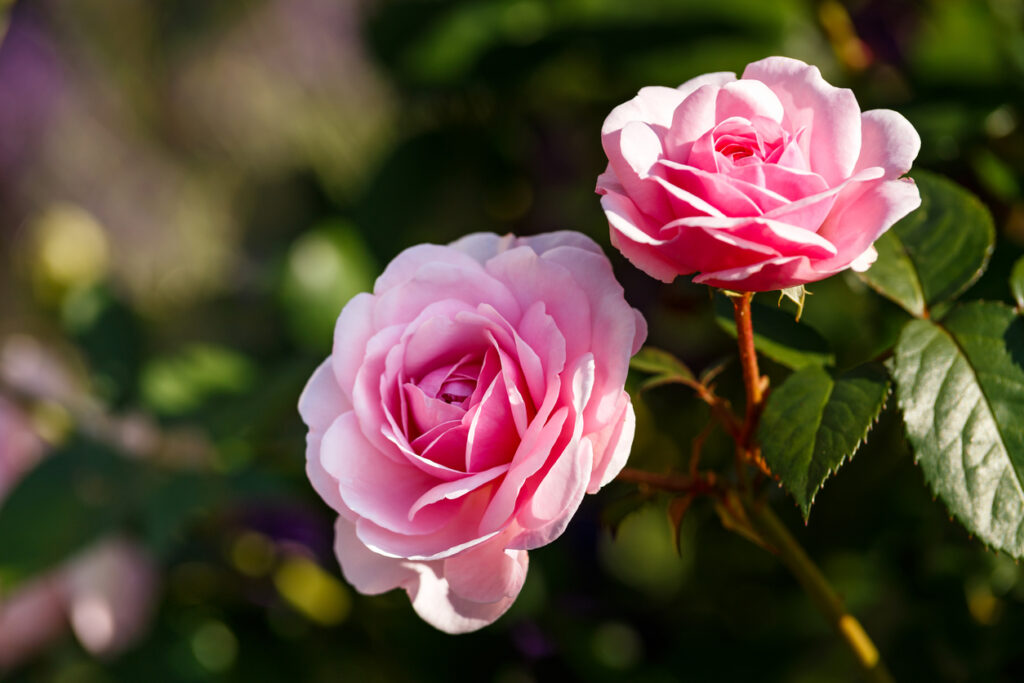
Despite their strong fragrance, roses produce very little airborne pollen because their heavy, sticky pollen grains are designed to stick to insects rather than float through the air. Most rose varieties won’t trigger typical hay fever symptoms.
Choose roses with many petals, as these tend to produce even less pollen than single-petal varieties. Garden roses and hybrid tea roses are particularly good choices for people with pollen sensitivities.
2. Peonies keep their pollen contained within thick petals.
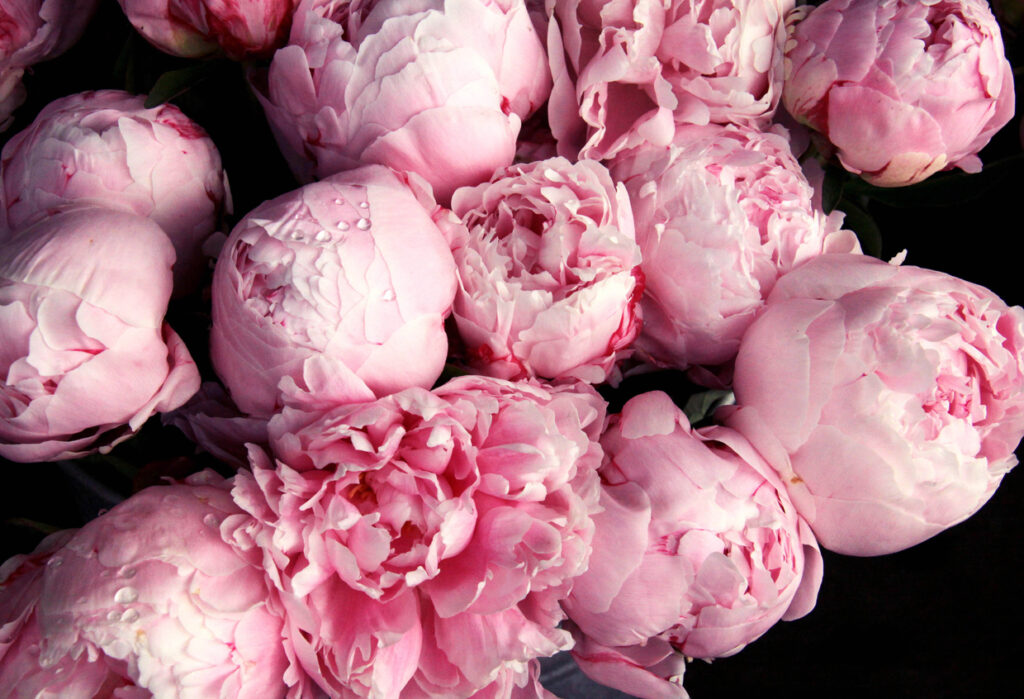
Peonies have densely packed petals that trap pollen inside the flower head, preventing it from becoming airborne. These dramatic blooms provide stunning visual impact without the respiratory irritation that comes with high-pollen flowers.
The heavy, waxy petals of peonies create a natural barrier that keeps pollen from escaping into your living space. Even when the flowers are fully open, the pollen remains largely contained within the flower structure.
3. Tulips and daffodils release minimal airborne pollen.
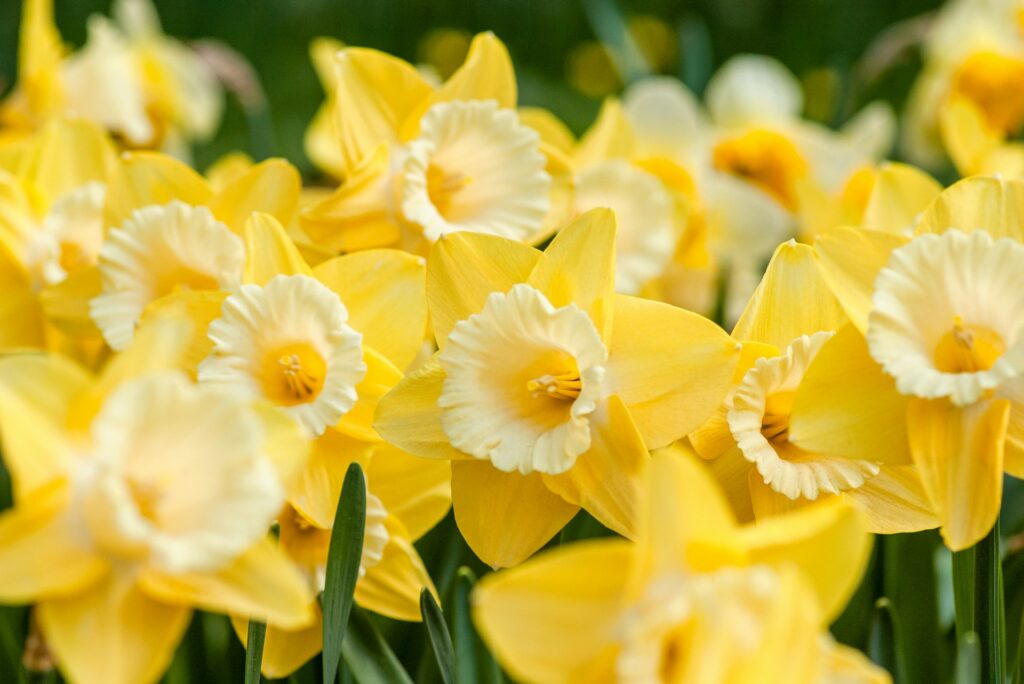
Spring bulb flowers like tulips and daffodils have relatively low pollen production and keep most of their pollen contained within the flower cup. Their pollen is also heavier and stickier than problematic windborne pollens.
These flowers rely on insect pollination rather than wind dispersal, which means their pollen isn’t designed to become airborne. You can enjoy these cheerful spring blooms without worrying about respiratory irritation.
4. Orchids are virtually pollen-free for indoor use.
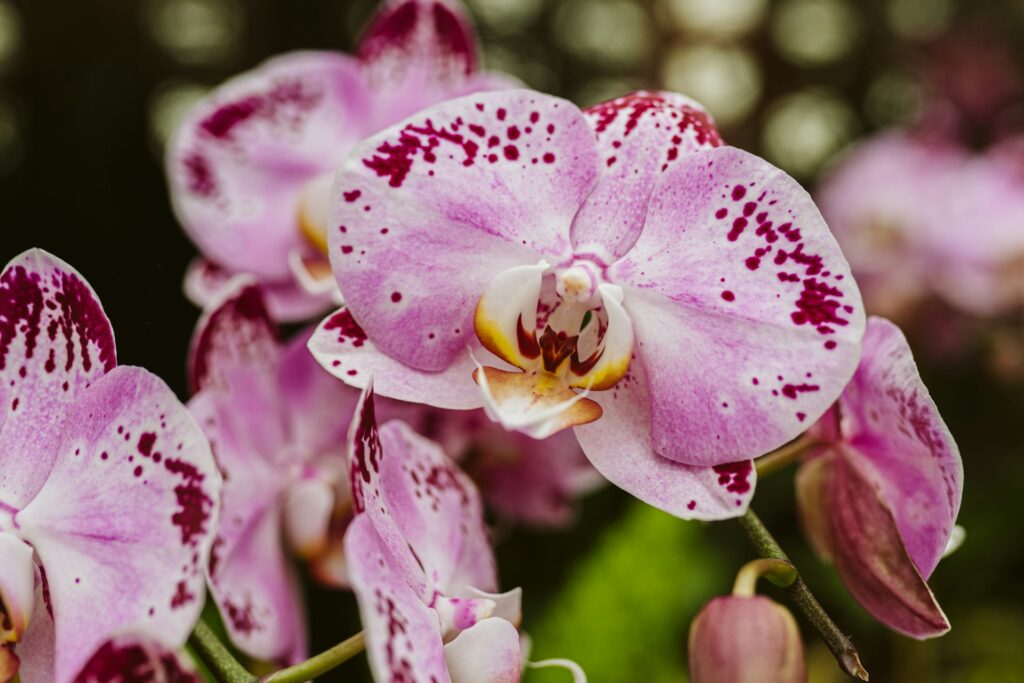
Orchids produce very little pollen, and what they do produce is contained in waxy packets that don’t break apart and become airborne. These exotic flowers are ideal for people with severe pollen allergies.
Many orchid varieties can last for weeks or even months as cut flowers, providing long-lasting beauty without any pollen concerns. Their sophisticated appearance makes them perfect for elegant arrangements that won’t trigger symptoms.
5. Sunflowers can be safe if you remove the centre.
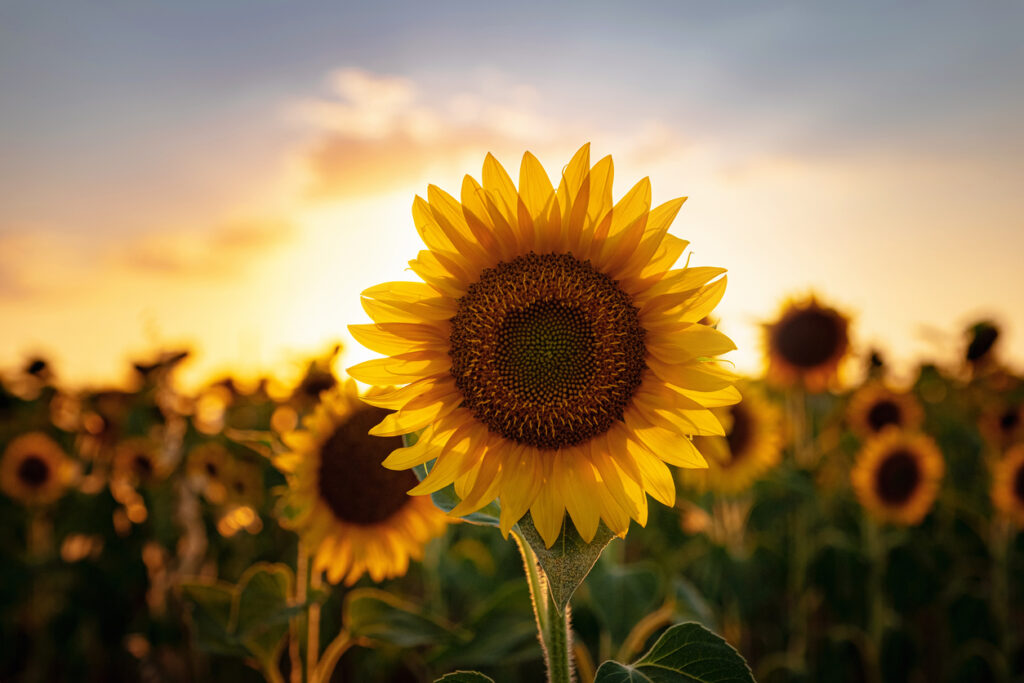
While sunflower centres contain significant pollen, you can enjoy these cheerful blooms by cutting away the central disk before bringing them indoors. The bright yellow petals alone create stunning displays without the pollen risk.
Choose sunflower varieties with larger petals and smaller centres to minimise pollen exposure from the start. Some decorative sunflower varieties are bred specifically for cut flower use and produce less pollen than standard types.
6. Hydrangeas offer full, lush blooms with minimal pollen.

Hydrangea flowers are actually clusters of small, mostly sterile blooms that produce very little pollen. These full, rounded flower heads provide substantial visual impact while being extremely safe for hay fever sufferers.
The showy parts of hydrangeas are actually modified leaves called bracts rather than true petals, which explains their low pollen production. You can enjoy these cottage garden favourites without respiratory concerns.
7. Carnations and dianthus are low-pollen options.
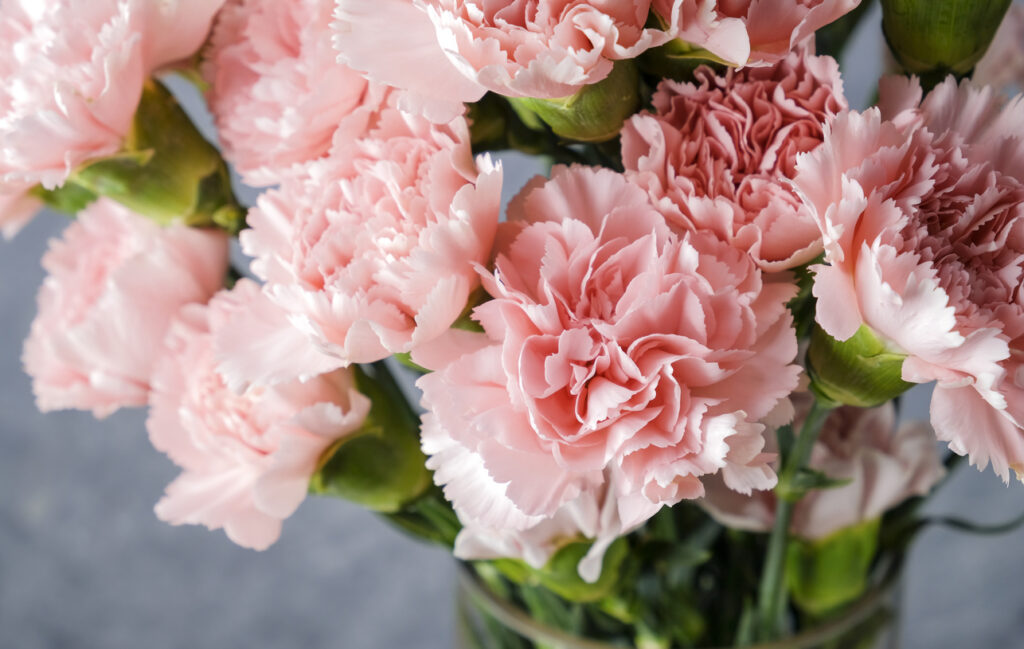
These ruffled flowers produce minimal airborne pollen and have been bred for cutting, making them reliable choices for sensitive individuals. Their spicy fragrance comes from the petals rather than pollen-producing parts.
Carnations are particularly good because they’re available year-round and last well in vases. Their tight, layered petal structure keeps any pollen contained while providing long-lasting colour and texture.
8. Choose double-flowered varieties of any species.
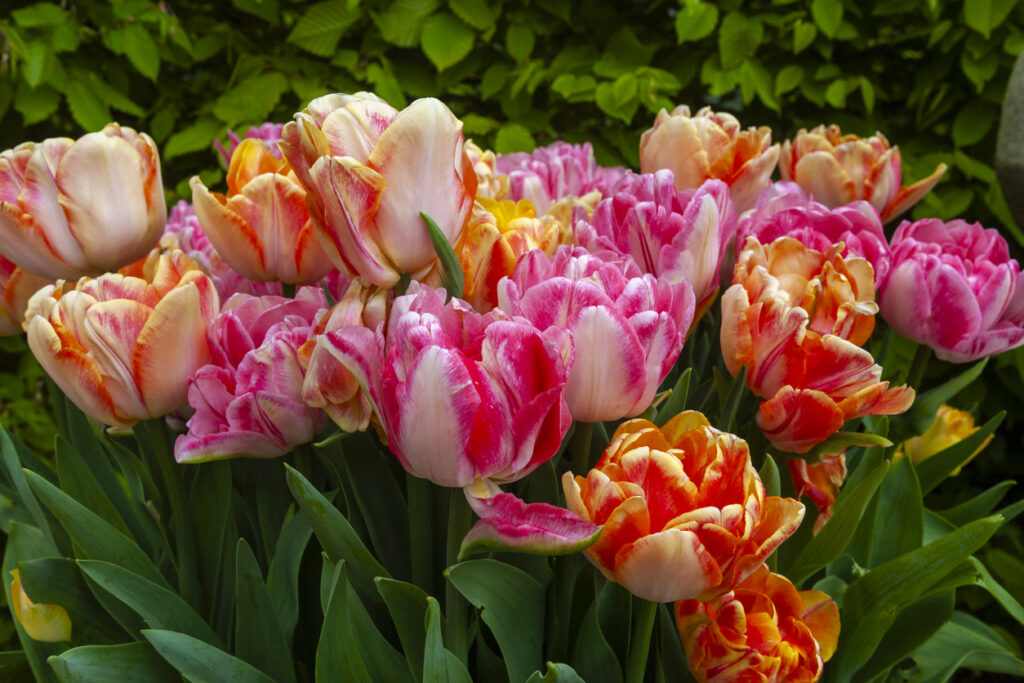
Flowers with double or multiple layers of petals typically produce less pollen because the extra petals often replace the pollen-producing stamens. This breeding characteristic makes many flowers safer for allergy sufferers.
Double roses, double tulips, double daffodils, and double peonies all tend to have reduced pollen compared to their single-flowered cousins. Look for varieties described as “double” or “fully double” when selecting flowers.
9. Avoid lilies and remove stamens if you must have them.
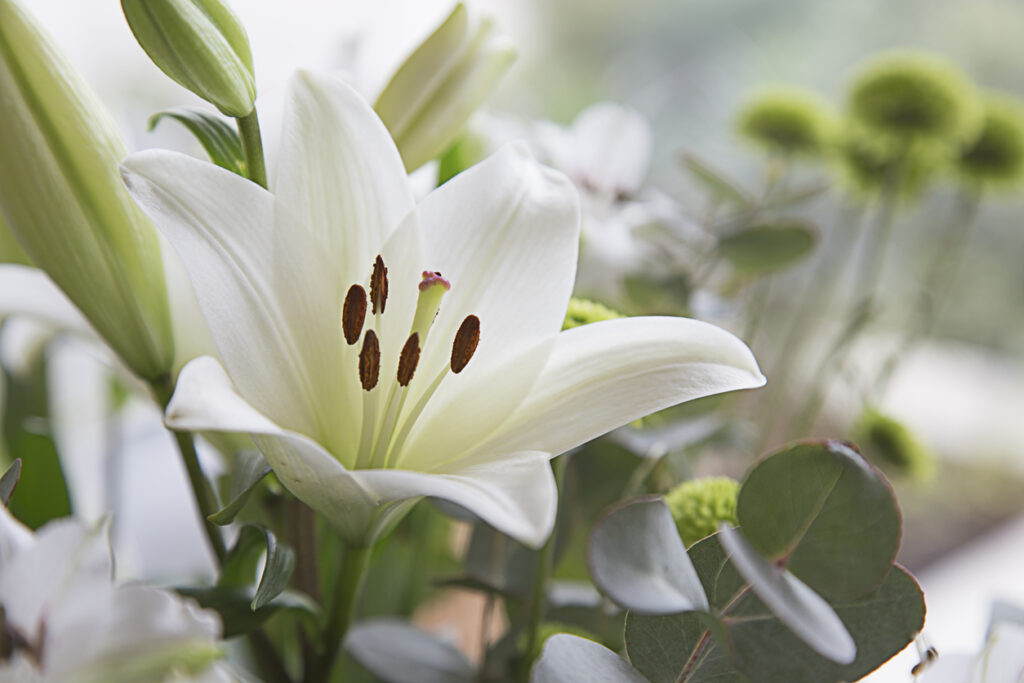
Lilies are notorious for producing copious amounts of orange or yellow pollen that stains everything and triggers allergies. If you can’t resist lilies, carefully remove the stamens with tweezers before the pollen matures.
Oriental lilies, Asiatic lilies, and tiger lilies are particularly problematic for hay fever sufferers. If you choose to use lilies, remove stamens immediately when flowers arrive and before they open fully.
10. Pick flowers early in the day when pollen levels are lower.
If you’re cutting flowers from your own garden, harvest them early in the morning when pollen production is at its lowest. Evening harvesting is also good, as pollen levels typically peak during midday heat.
Cool, damp mornings naturally suppress pollen release, making this the safest time for sensitive individuals to handle fresh flowers. Avoid cutting flowers on hot, dry, windy days when pollen is most active.
11. Keep cut flowers away from heating vents and sunny windows.
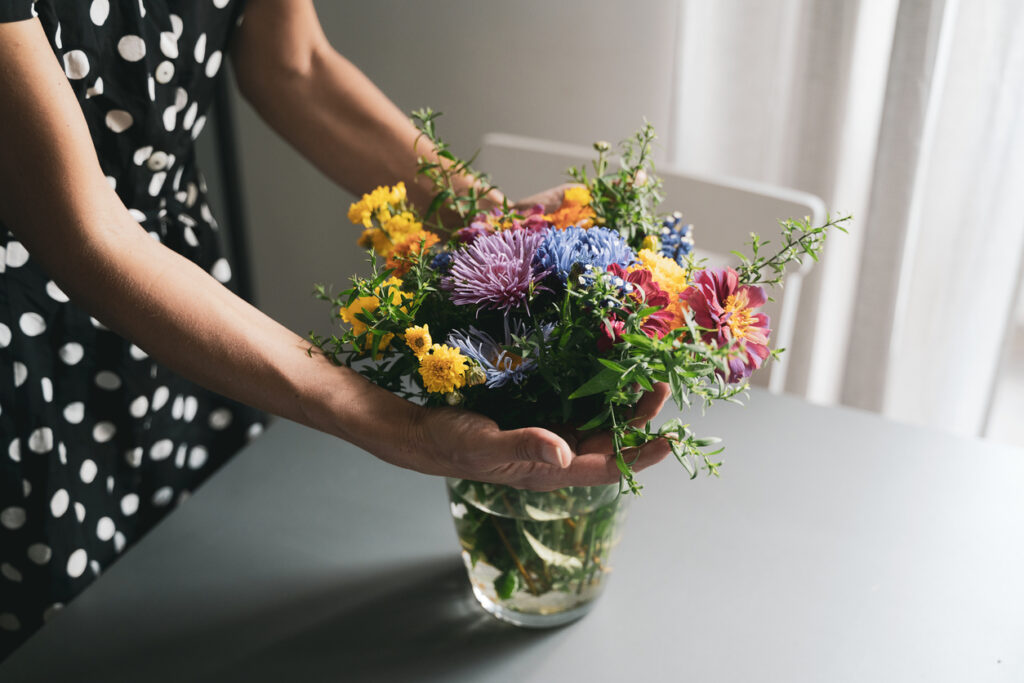
Heat and air circulation can cause flowers to release more pollen and spread it throughout your home. Place arrangements in cooler areas away from direct sunlight and forced air systems.
Change flower water frequently and rinse stems under running water when refreshing arrangements. This removes any pollen that might have accumulated on stems or in the water, reducing overall allergen levels.
12. Consider silk or dried alternatives during peak allergy season.

High-quality silk flowers and carefully selected dried arrangements can provide floral beauty without any pollen concerns during times when your hay fever is particularly severe.
Modern silk flowers can be remarkably realistic and last indefinitely without triggering allergies. Dried flowers like statice, baby’s breath, and wheat grass contain no active pollen once properly dried and preserved.