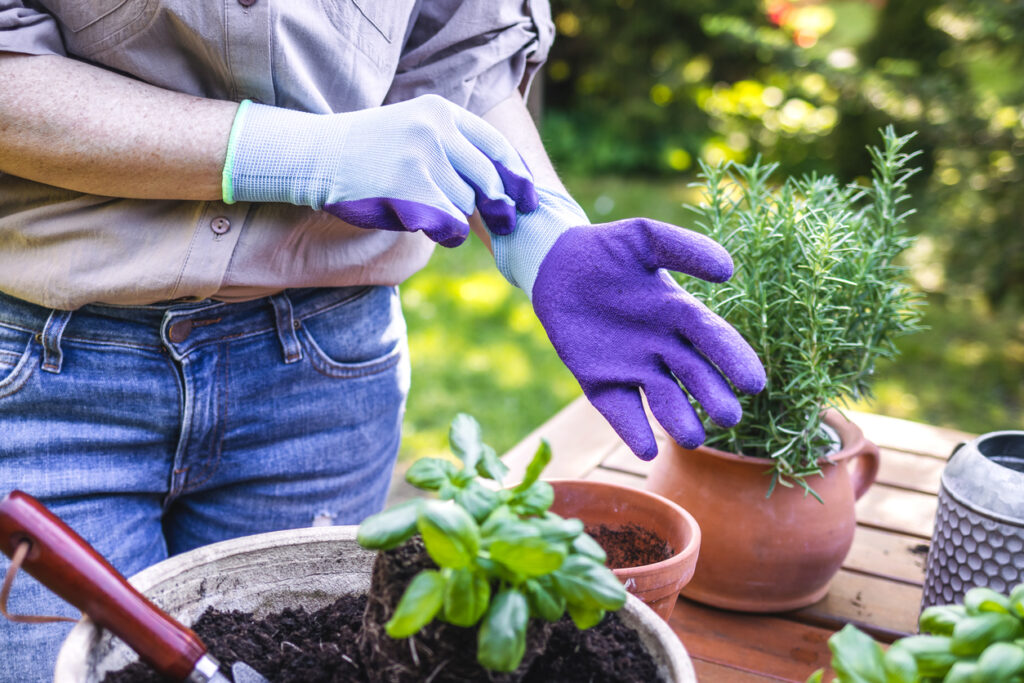
A good pair of gardening gloves can make all the difference between an enjoyable afternoon in the garden and sore, blistered hands. With so many types available, it helps to know what to look for before buying. While you might think it’s not that deep and that all gloves are created equal, that’s not actually the case. Here are some pointers to get the right ones for you.
1. Think about the tasks you do most often.
Before choosing gloves, consider what you will mainly use them for. Light weeding and potting need different protection than heavy digging or pruning thorny plants. Matching the glove to the job saves frustration and makes gardening more comfortable. Many gardeners benefit from owning more than one pair, each suited to a specific task. This way you don’t wear out a delicate pair on heavy jobs or struggle with stiff gloves when doing detailed work.
2. Check the fit carefully.
A glove that is too loose can slip, bunch, or even come off while you’re working. Too tight, and it can restrict movement and cause discomfort over time. Good gloves should feel snug but flexible. Sizes can vary between brands, so it’s worth trying them on if possible. A well-fitting glove reduces hand fatigue and helps you work longer without strain.
3. Choose the right material.
Gloves come in a wide range of materials, from lightweight cotton to durable leather. Cotton is breathable and good for light jobs, while leather offers serious protection for pruning and handling rough materials. Synthetic blends often provide a balance of both. Think about durability versus comfort. For tougher gardening tasks, leather or reinforced synthetic gloves are best. For everyday jobs like weeding and planting, lightweight fabrics are often more pleasant to wear.
4. Look at grip and flexibility.

Some gloves have textured or rubber-coated palms to improve grip on tools and plants. This feature is especially useful in wet conditions, where slipping is more likely. A good grip helps with safety as well as control. Flexibility matters too. Gloves that are too stiff can make it harder to handle small tools or delicate plants. The best gloves strike a balance between protection and dexterity.
5. Consider breathability.
Gardening often means hours of work, and sweaty hands can quickly become uncomfortable. Breathable materials such as mesh or lighter fabrics allow airflow and help keep hands cooler during longer sessions. For summer gardening, this is particularly important. A glove that breathes well will keep you fresher and reduce the risk of skin irritation.
6. Decide on wrist protection.
Some gloves extend just past the wrist, while others have longer cuffs that protect the forearms. Longer cuffs are especially useful when working with thorny plants such as roses or when handling nettles and brambles. If you often deal with prickly shrubs, look for gauntlet-style gloves. They might feel bulkier, but they save you from scratches and stings that shorter gloves can’t prevent.
7. Check for water resistance.
Gardening often involves wet soil, damp compost, or rainy conditions. Water-resistant or waterproof gloves keep your hands dry, which feels better and helps prevent skin damage from prolonged dampness. Rubber or latex-coated gloves work well for this, though they can be less breathable. A good compromise is a glove with water-resistant palms and breathable fabric on top.
8. Think about durability and cost.
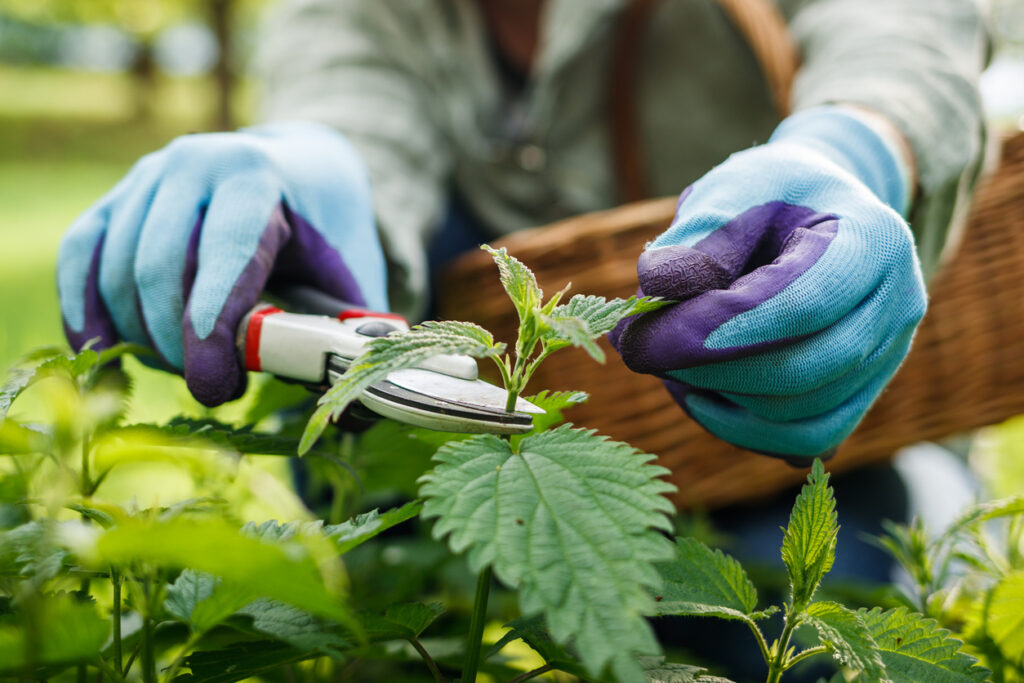
Cheaper gloves may seem appealing, but they often wear out quickly. If you garden regularly, investing in a sturdier pair can save money in the long run. Reinforced stitching and quality materials make a noticeable difference in lifespan. That said, it can still be useful to keep a few inexpensive pairs on hand for quick, dirty jobs. This way, you can save your best gloves for when they’re really needed.
9. Pay attention to ease of cleaning.
Gardening is messy, so gloves that are easy to wash or hose down are always a plus. Cotton gloves can usually be machine washed, while leather and some synthetics may just need a wipe clean. Keeping gloves clean extends their life and helps prevent transferring soil-borne pests or diseases between plants. Choosing washable options makes maintenance less of a chore.
10. Don’t forget comfort.
In the end, the best gardening gloves are the ones you actually enjoy wearing. Padding, lining, and a soft interior all make a difference, especially during long gardening sessions. Comfort encourages you to wear them consistently, which means better hand protection. It’s worth trying a few pairs before settling on a favourite. Once you find gloves that balance protection, durability, and comfort, gardening becomes far more enjoyable and far less of a strain on your hands.