If you’ve got a dog and a garden, chances are you know all your pup’s favourite spots to relieve itself.
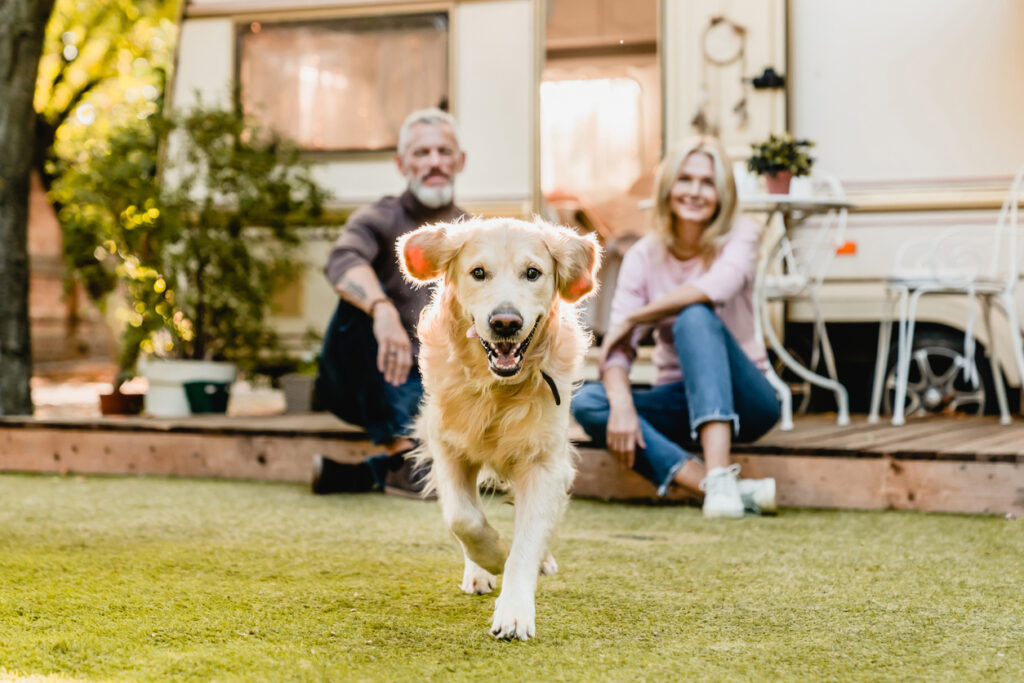
Dog wee on your lawn is like having a tiny, four-legged vandal systematically destroying your pride and joy, leaving behind yellow patches that make your garden look like it’s suffering from some mysterious lawn disease. The problem isn’t that dogs are malicious, it’s just that their concentrated urine acts like liquid fertiliser that’s way too strong for grass to handle. Here’s how to try and save your garden from your pup’s offerings.
1. Water the spots immediately after your dog goes.
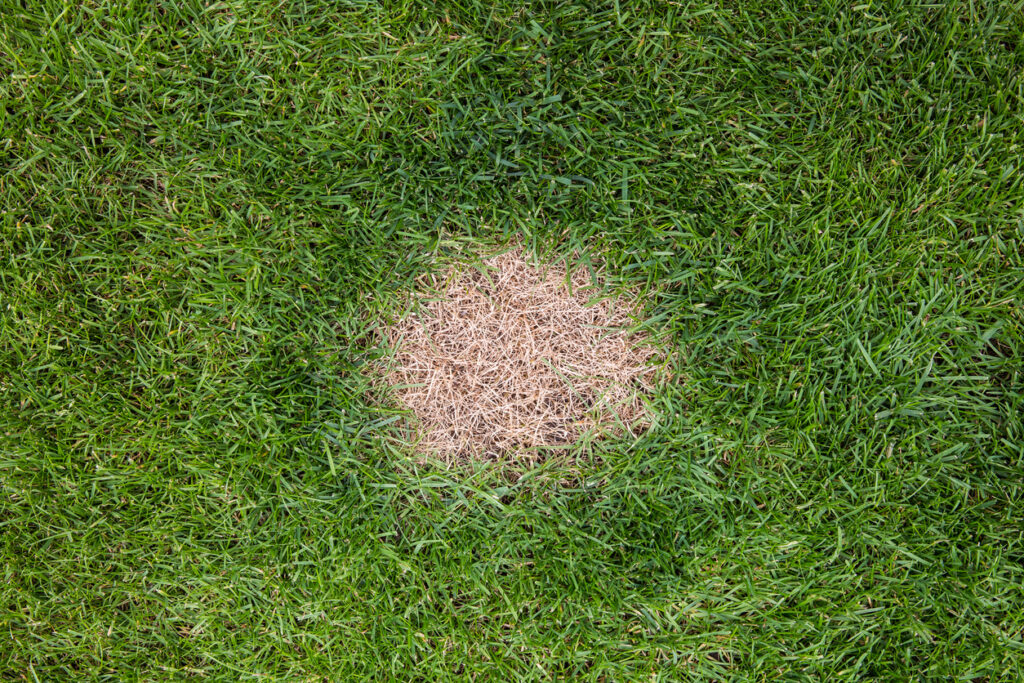
The simplest solution is often the most effective, and diluting your dog’s urine straight away can prevent those dreaded yellow patches from forming in the first place. Keep a watering can or hosepipe handy and give the area a good soak within a few minutes of your dog doing their business.
This works because it dilutes the nitrogen concentration in the urine before it can burn the grass roots, essentially turning harmful concentrated fertiliser into something more manageable. You don’t need to flood the area, just enough water to dilute the urine and help it penetrate deeper into the soil rather than sitting on the surface.
2. Train your dog to use a designated area.
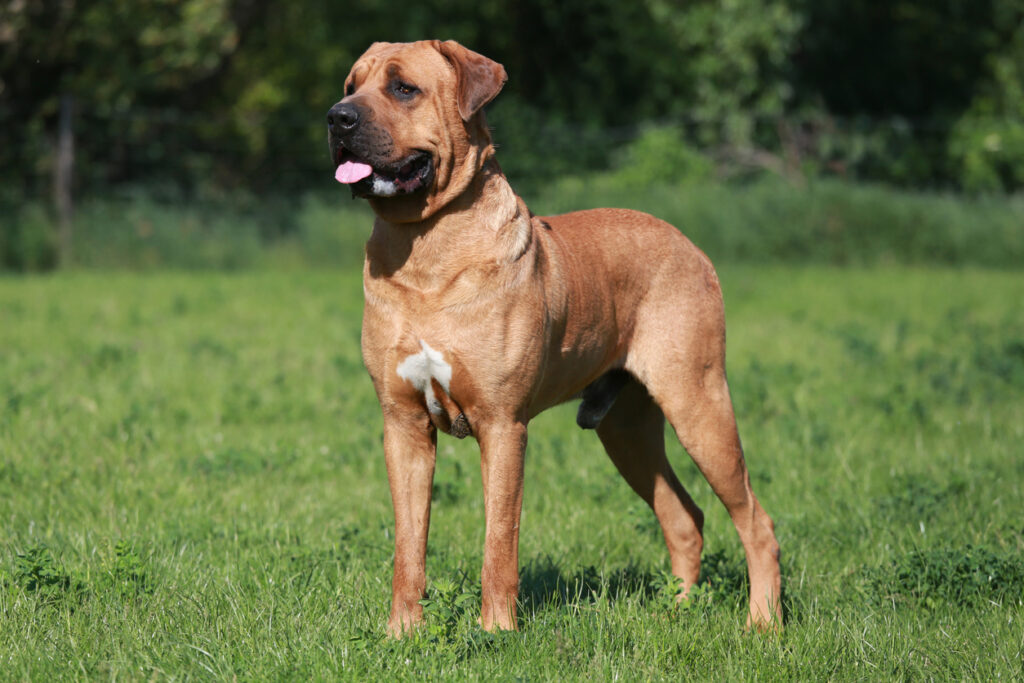
Creating a specific toilet area for your dog saves the rest of your lawn and makes maintenance much easier, plus it’s not as difficult to achieve as you might think. Choose a less visible part of your garden, perhaps behind a shed or in a corner, and consistently take your dog to this spot for toilet breaks.
Use treats and praise to reward your dog for using the designated area, and be patient, as it can take several weeks for them to get the hang of it. You can make this area more appealing by using materials like bark chips, gravel, or artificial grass that won’t be damaged by urine and are easy to clean or replace.
3. Switch to a more urine-resistant grass variety.
Some grass types are naturally more tolerant of dog urine than others, with perennial ryegrass and fescue varieties generally being tougher than more delicate lawn grasses. If you’re planning to reseed or lay new turf anyway, choosing a hardier variety can save you ongoing headaches.
These tougher grasses won’t completely eliminate urine damage, but they’ll recover faster and show less obvious yellowing when accidents happen. Many seed companies now sell specific “pet-friendly” grass mixes that are designed to withstand the challenges of sharing space with dogs.
4. Adjust your dog’s diet and water intake.
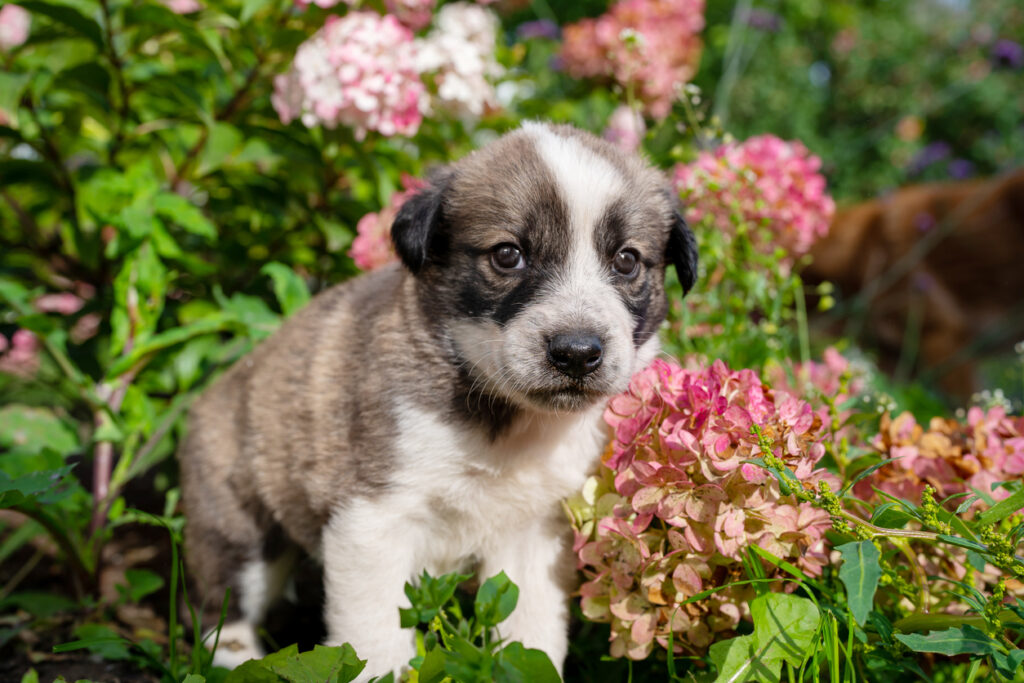
What goes in affects what comes out, and dogs that drink more water produce more diluted urine that’s less likely to burn your grass. Make sure your dog always has access to fresh water, especially during hot weather, when they’re more likely to become dehydrated.
Some people find that adding a small amount of apple cider vinegar to their dog’s water bowl helps reduce the nitrogen concentration in their urine, though you should check with your vet before making any dietary changes. High-protein diets can make urine more concentrated, so discussing your dog’s nutrition with a professional might help if lawn damage is severe.
5. Use dog urine neutralising products.

There are various commercial products designed to neutralise the effects of dog urine on grass, from sprays you apply after the fact to supplements you give your dog. Some of these products contain enzymes that break down the compounds in urine, whilst others work by altering the pH balance.
Results vary depending on the product and your specific situation, so it might take some trial and error to find something that works for your lawn and your dog. Read reviews and stick to reputable brands, and remember that these products work best as part of a broader strategy rather than a magic solution on their own.
6. Install proper drainage in problem areas.
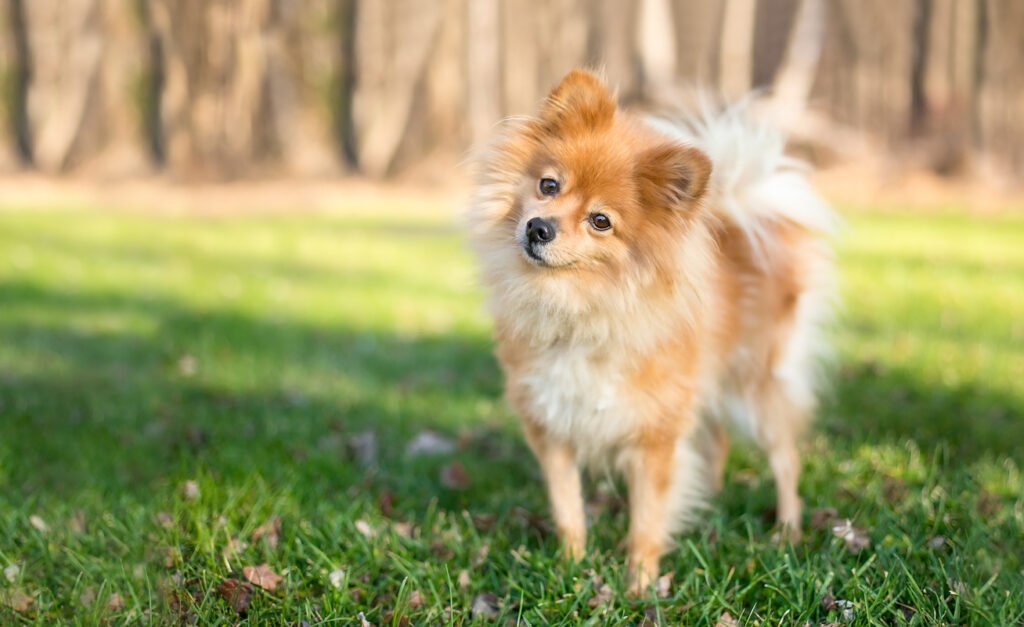
Poor drainage can make urine damage worse because the concentrated liquid sits on the surface rather than filtering through the soil, so improving drainage in frequently used areas can help reduce damage. This is particularly important in clay soils that don’t drain well naturally.
You can improve drainage by aerating compacted areas, adding organic matter like compost to heavy soils, or even installing French drains in particularly problematic spots. Better drainage means urine gets diluted more quickly and doesn’t pool on the grass surface where it can cause maximum damage.
7. Reseed damaged areas with the right technique.
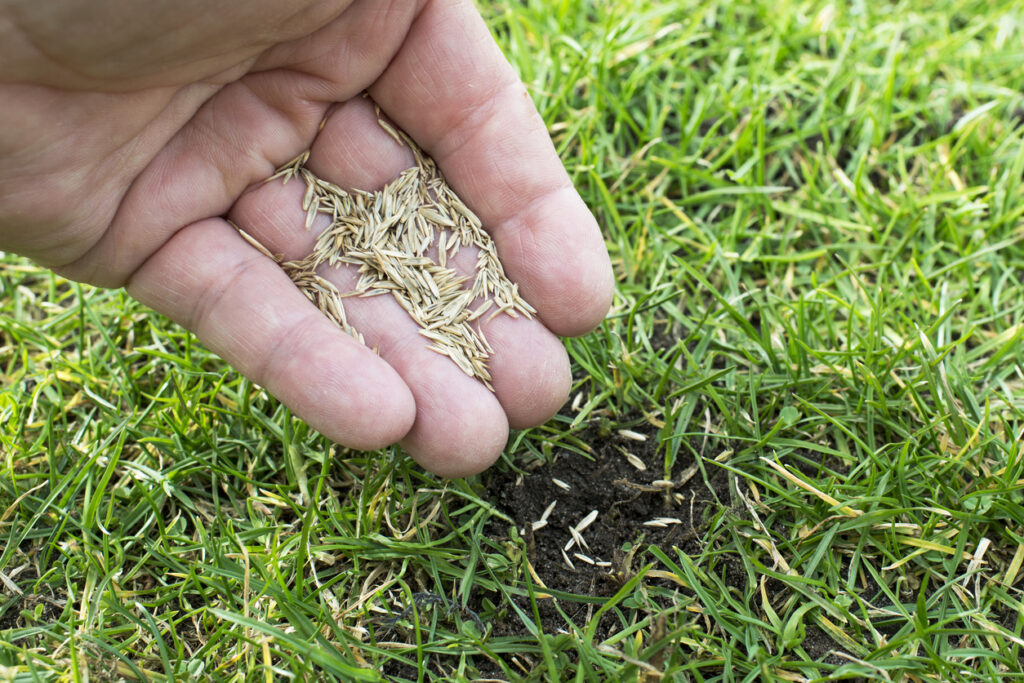
When you do get yellow patches, proper reseeding technique makes a huge difference to whether your repairs actually take hold. Remove all the dead grass and about an inch of soil beneath it, as this soil will be saturated with concentrated urine and won’t support new growth.
Replace the removed soil with fresh compost and topsoil, then overseed with a grass variety that matches the rest of your lawn. Keep the area consistently moist but not waterlogged, and try to keep your dog away from these spots until the new grass is well-established.
8. Create barriers around vulnerable areas.
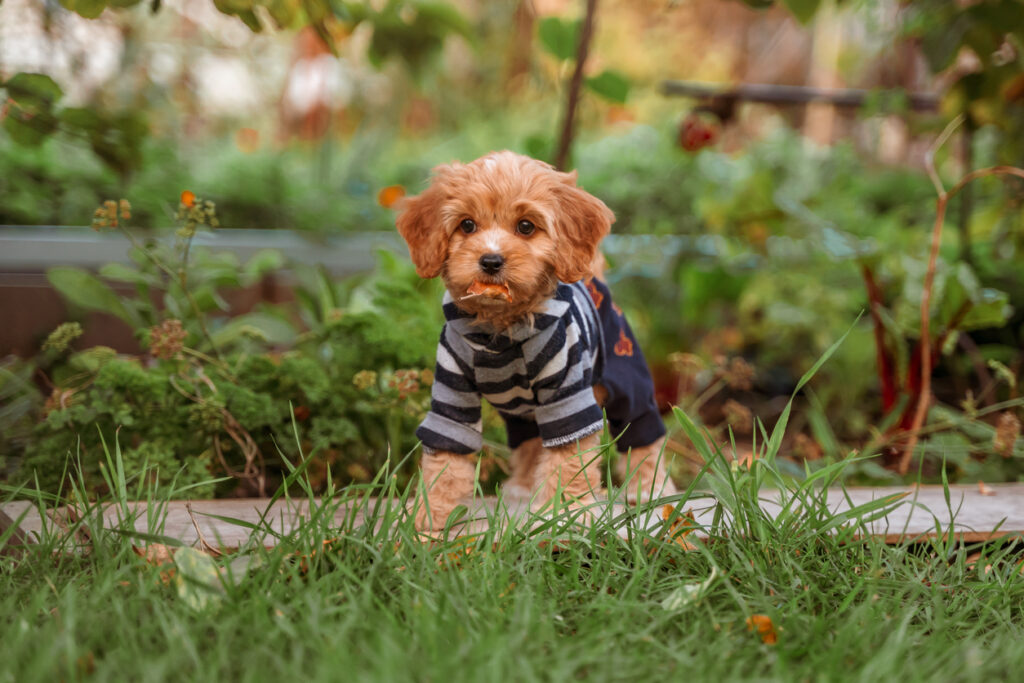
Temporary barriers like small decorative fencing or plant supports can redirect your dog away from newly seeded areas or particularly vulnerable parts of your lawn whilst still giving them access to the rest of the garden. This doesn’t have to be permanent or unsightly, just enough to encourage different habits.
You can also use natural barriers like strategically placed planters or garden ornaments to guide your dog towards more suitable areas. The key is making the designated toilet area more appealing and accessible than the areas you want to protect.
9. Time your lawn care around your dog’s habits.
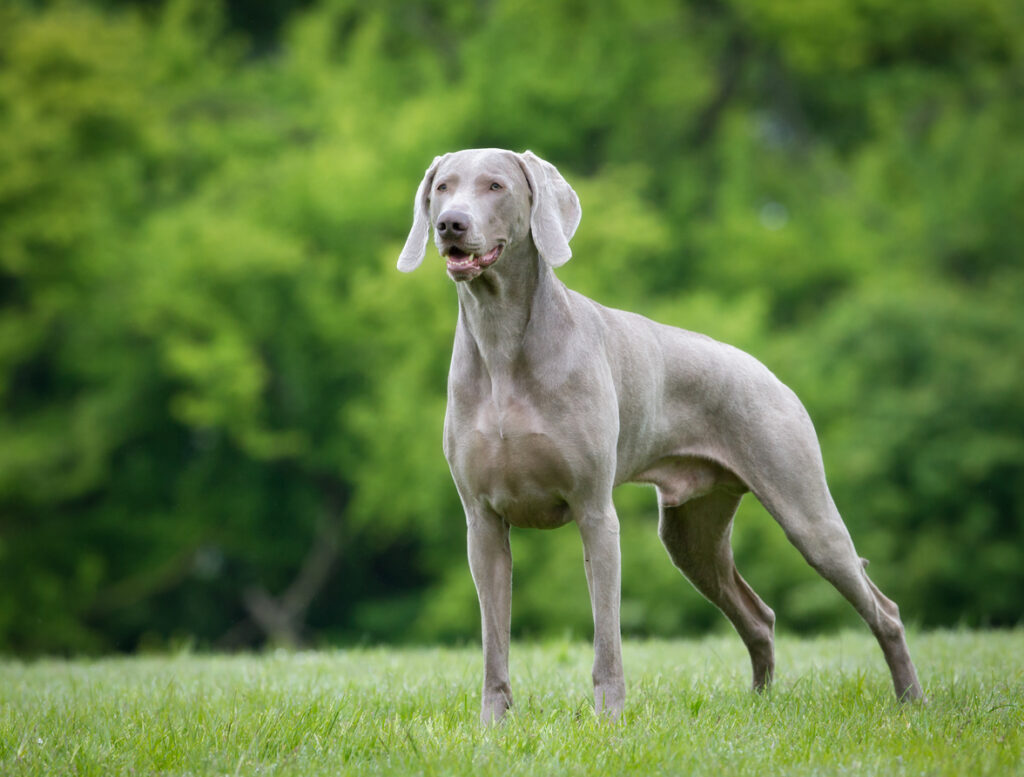
Understanding your dog’s routine can help you plan lawn maintenance more effectively, avoiding watering or fertilising areas right before your dog typically uses them. If your dog always goes in the same spot at the same time, you can work around this pattern.
For example, if your dog always toilets in the back corner after their evening walk, you can make sure this area gets extra water earlier in the day, or apply any lawn treatments when you know your dog will be indoors for several hours.
10. Use strategic landscaping to minimise damage.
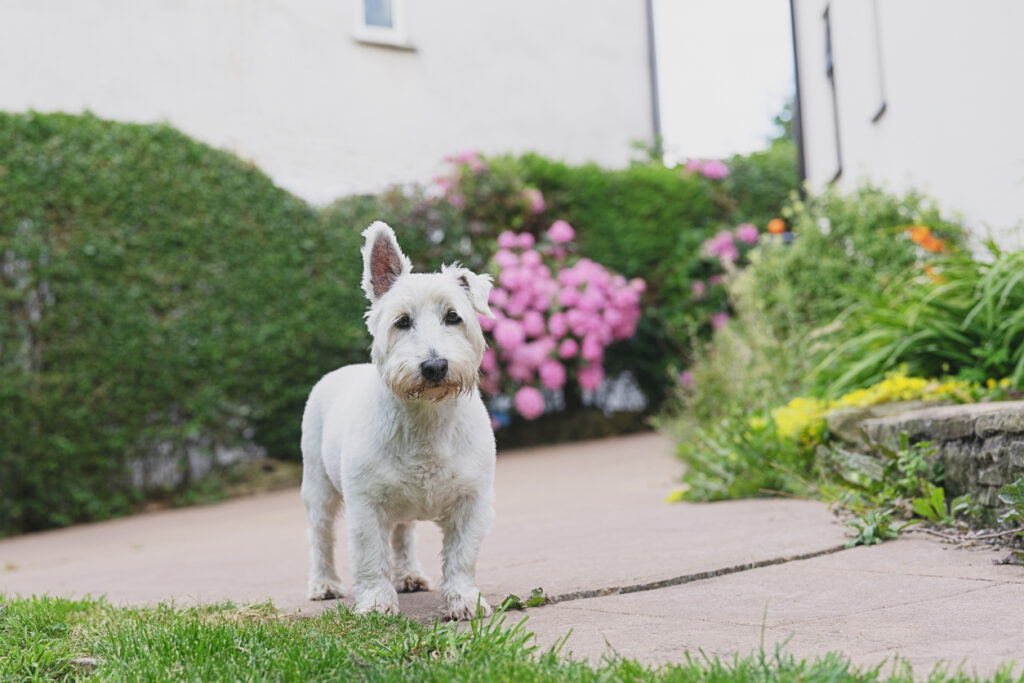
Clever garden design can help disguise or prevent urine damage whilst still giving your dog freedom to roam. Consider using hardier ground covers like clover or thyme in high-traffic areas, or creating pathways with materials that won’t be damaged by urine.
You might also think about incorporating more shrubs and perennial plants into your garden design, as these are generally less affected by dog urine than grass and can help break up large expanses of lawn that show damage more obviously.
11. Monitor your dog’s health.
Sometimes excessive lawn damage can indicate health issues in your dog, such as urinary tract infections or kidney problems that make their urine more concentrated or frequent. If you notice sudden changes in your dog’s toileting habits or if lawn damage becomes much worse, it’s worth consulting your vet.
Healthy dogs with normal kidney function and adequate water intake should produce urine that, whilst still potentially damaging to grass, won’t create the severe burning that some dogs seem to cause. Regular health check-ups can catch problems early and might help reduce lawn damage as a bonus.
12. Accept that some damage is inevitable.
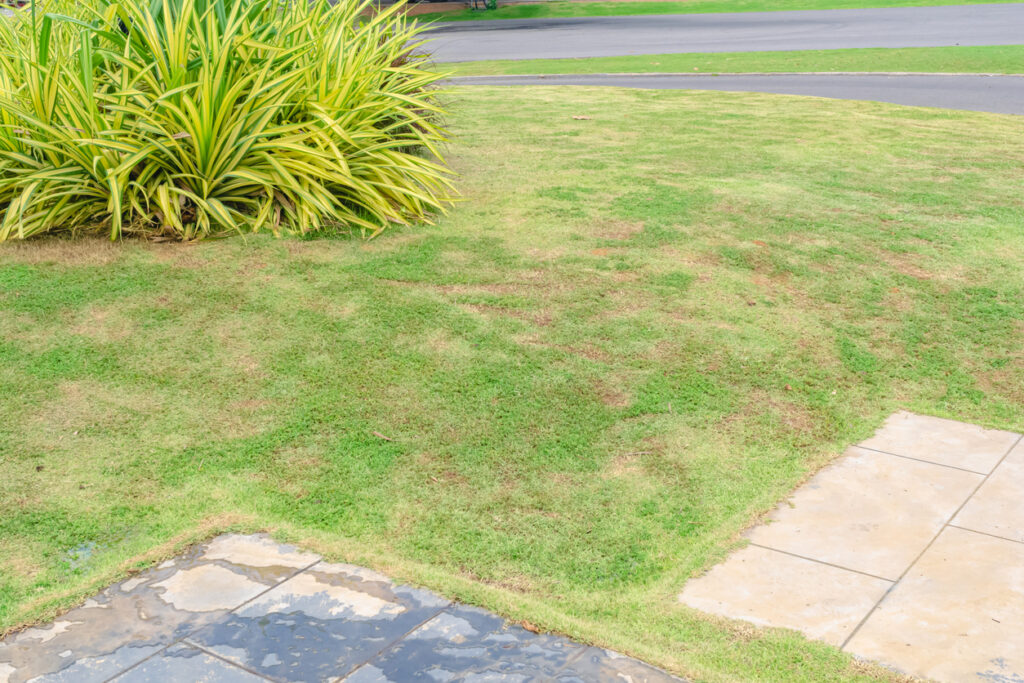
The reality is that if you have a dog and a lawn, you’re probably going to have some urine damage, no matter what you do, and accepting this can actually reduce stress and help you focus on manageable solutions. A few small yellow patches don’t make you a bad gardener or dog owner.
Focus on minimising damage rather than eliminating it completely, and remember that a slightly imperfect lawn is a small price to pay for the joy of sharing your garden with your four-legged friend. Many of the most beautiful gardens belong to dog owners who’ve learned to work with their pets rather than against them.