
Your pea plant looks like it’s thriving… until you crack open a pod and realise there’s nothing inside. Empty pea pods are basically nature’s way of playing a really annoying practical joke on gardeners, promising delicious homegrown peas and then delivering nothing but sad, hollow shells. The frustrating thing is that your pea plants can look absolutely gorgeous and healthy whilst secretly producing pods with no actual peas within. So, what gives?
Poor pollination is the biggest culprit.
Peas are generally self-pollinating, but they still need a bit of help from wind or insects to transfer pollen properly, and if this process fails, you’ll get empty pods that formed but never developed seeds inside. Cool, wet weather during flowering can prevent proper pollination, as can a lack of pollinators in your garden.
You might notice that some pods on the same plant are full whilst others are empty, which is a classic sign of patchy pollination. To help things along, you can gently shake your pea plants during flowering or use a small paintbrush to transfer pollen between flowers, though this is quite tedious for large crops.
Your plants are stressed from inconsistent watering.
Peas need consistent moisture throughout their growing season, but they’re particularly sensitive during flowering and pod formation, when inconsistent watering can cause them to abort developing seeds. If the soil dries out completely and then gets soaked, the plants often respond by producing empty pods.
The key is to keep the soil evenly moist but not waterlogged, which can be tricky during unpredictable British weather. A thick mulch around your plants helps maintain consistent soil moisture and prevents the wet-dry cycles that stress pea plants and lead to poor pod development.
Temperature swings during flowering.
Peas prefer cool weather, but sudden temperature changes during the critical flowering period can cause problems with pod development. Hot spells above 20 °C can prevent proper seed formation, whilst unexpected frosts can damage the delicate reproductive parts of the flowers.
This is why many gardeners struggle with late-season pea crops that start flowering during summer heat waves, the plants look healthy and produce lots of pods, but the seeds inside fail to develop properly. Early spring sowings often perform better because they flower during more stable, cooler conditions.
Nutrient imbalances in your soil.
Too much nitrogen can cause pea plants to put all their energy into producing lush foliage at the expense of pod and seed development, resulting in beautiful bushy plants with disappointing harvests. Conversely, phosphorus deficiency can prevent proper seed formation even when pollination has occurred successfully.
Peas are nitrogen-fixing plants that don’t need heavy feeding, but they do benefit from balanced nutrition, particularly adequate phosphorus for seed development. A soil test can help identify any imbalances, though generally, adding some bone meal or balanced organic fertiliser at planting time provides what peas need.
Pests are stealing your developing peas.
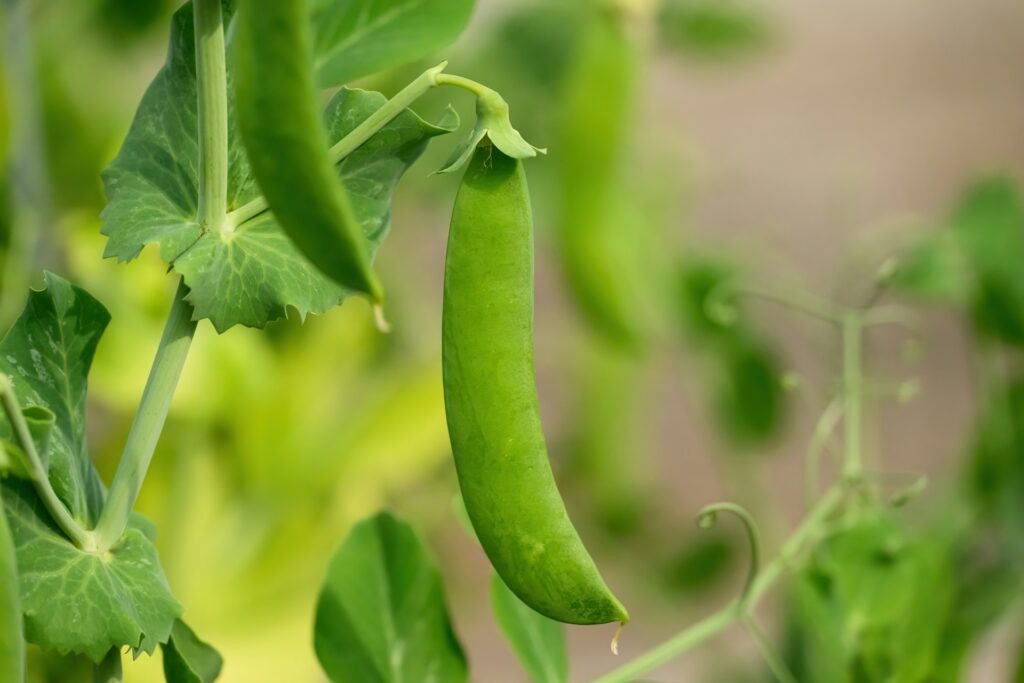
Pea weevils and their larvae can eat developing peas from inside the pods, leaving you with what looks like empty pods but are actually crime scenes. You might also find small holes in the pods or notice that some peas have tiny round holes in them where larvae have emerged.
Birds, particularly pigeons, are also notorious for stealing peas right from the pods, often leaving the empty shells behind as evidence of their feast. Netting your pea crops can prevent bird damage, whilst encouraging beneficial insects and practicing crop rotation helps control pea weevils.
You’re harvesting too early or too late.
Timing your pea harvest correctly takes a bit of practice, and picking pods before the peas have had time to develop properly will obviously result in empty or nearly empty pods. The pods should feel plump and well-filled when you gently squeeze them, and you should be able to feel the individual peas inside.
On the flip side, leaving pods on the plant too long can result in the peas becoming tough and starchy, or in extreme cases, the plant reabsorbing the nutrients from the developing seeds. Fresh peas are best harvested when the pods are bright green and the peas inside are sweet and tender.
Your pea variety isn’t suited to your conditions.
Different pea varieties have different requirements and tolerances, and some simply don’t perform well in certain climates or growing conditions. Early varieties might struggle in areas with late frosts, whilst heat-sensitive varieties can fail to set seeds properly during warm spells.
Mangetout and sugar snap peas are generally more reliable than shelling peas because you’re eating the whole pod rather than depending on seed development, but if you’re set on growing peas for shelling, choose varieties that are well-suited to your local climate and growing season.
Competition from weeds is weakening your plants.
Weeds competing for nutrients, water, and light can stress pea plants enough to affect their ability to produce properly filled pods. Peas have relatively shallow root systems and don’t compete well with aggressive weeds, particularly during the critical flowering and pod-setting period.
Keep the area around your pea plants well-weeded, but be gentle when cultivating, as pea roots are easily damaged. A good thick mulch not only suppresses weeds but also helps maintain the consistent soil moisture that peas need for proper pod development.
Disease is affecting pod development.
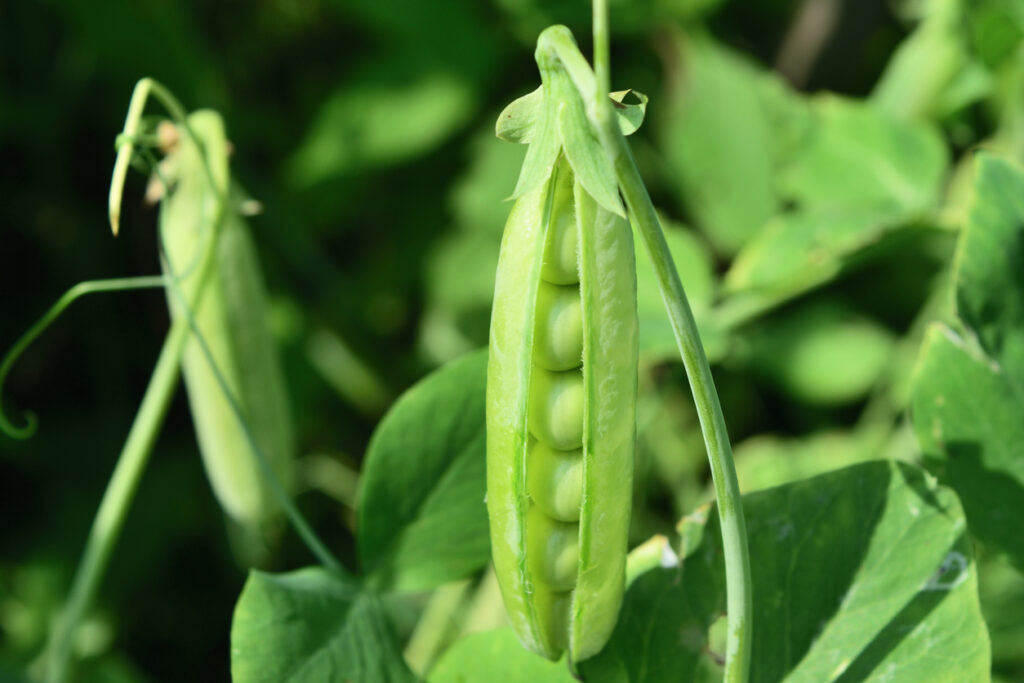
Fungal diseases like powdery mildew or bacterial blight can interfere with the plant’s ability to produce healthy, filled pods, even when the plants look relatively healthy overall. These diseases often become more problematic during humid conditions or when plants are stressed by other factors.
Good air circulation around your plants, avoiding overhead watering, and choosing disease-resistant varieties where possible all help prevent disease problems. If you notice signs of disease, removing affected plant parts and avoiding planting peas in the same spot next year can help prevent recurring problems.
Your plants are too crowded.
Overcrowded pea plants compete with each other for light, nutrients, and air circulation, all of which can lead to poor pod development and filling. When plants are crammed together, they often produce lots of flowers but struggle to convert them into properly filled pods.
Follow the spacing recommendations on your seed packets and resist the temptation to squeeze extra plants into small spaces. Properly spaced pea plants with good air circulation and adequate light will produce fewer but better-filled pods, giving you a much more satisfying harvest overall.