You just want a lovely, peaceful, vibrant garden, but there are little critters out there trying to sabotage you at every turn.
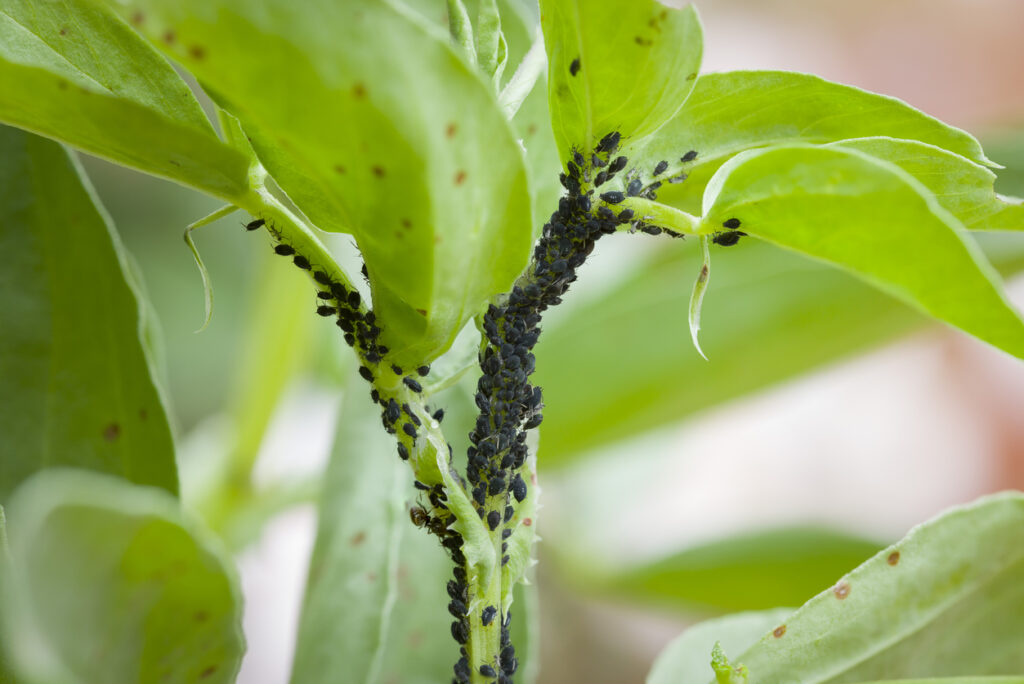
Aphids might be tiny, but they’re absolute masters at turning your beautiful plants into their personal all-you-can-eat buffet, and they multiply faster than you can say “pest control.” The good news is that dealing with these little green or black menaces doesn’t require a degree in entomology or a shed full of toxic chemicals. Here are some ways to keep on top of them before they overtake your plants.
1. Blast them off with your hosepipe.
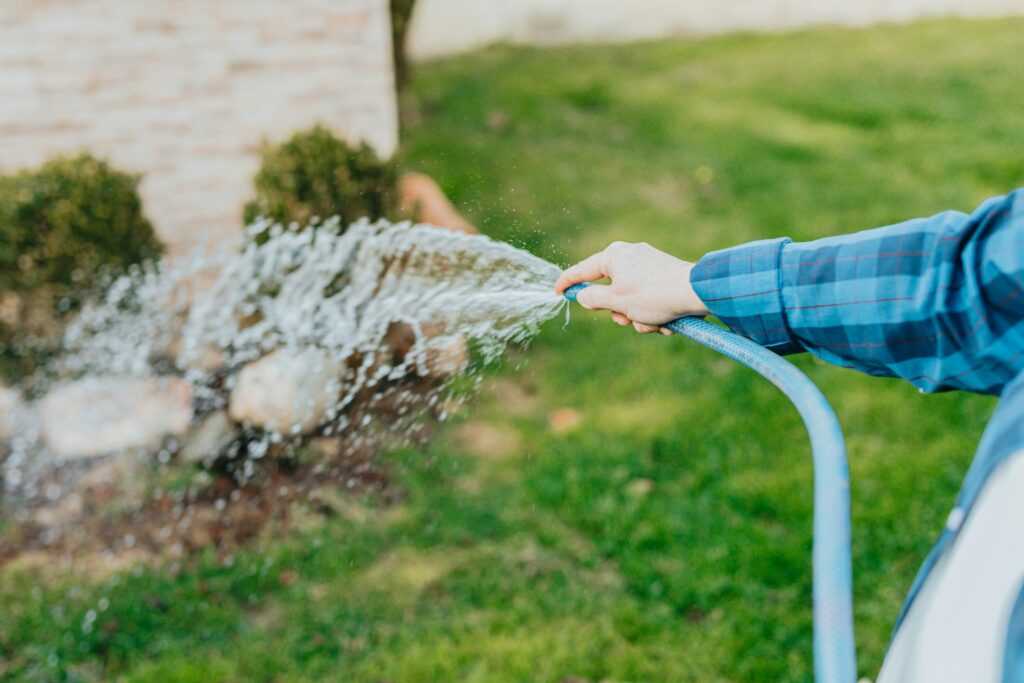
Sometimes the simplest solutions are the most effective, and aphids absolutely hate being hit with a strong spray of water. Get your hosepipe out and give your affected plants a good blast, aiming for the undersides of leaves, where these little pests love to hide and breed.
This method works because aphids are surprisingly fragile and once they’re knocked off the plant, they struggle to climb back up and often die before they can reestablish themselves. Do this early in the day so the plants have time to dry off, and you might need to repeat it every few days until the population is under control.
2. Encourage natural predators to move in.

Ladybirds, lacewings, and birds are nature’s own aphid control squad, and they’ll happily munch through hundreds of aphids without you having to lift a finger. Create a wildlife-friendly garden by planting flowers that attract beneficial insects and providing water sources and shelter for birds.
You can even buy ladybird larvae online and release them directly onto affected plants, though this works best in greenhouses where they can’t just fly away to your neighbour’s garden. Native plants like fennel, dill, and yarrow are particularly good at attracting aphid predators.
3. Make your own soapy spray.
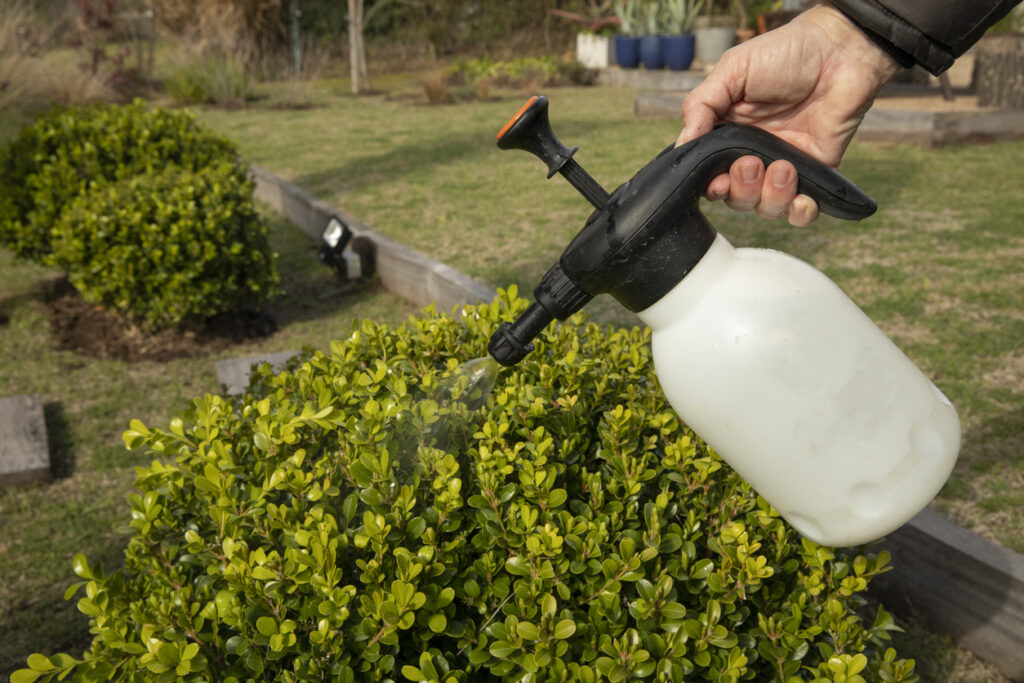
A simple mixture of washing-up liquid and water creates an effective aphid deterrent that’s safe for your plants and the environment. Mix about a teaspoon of mild washing-up liquid with a litre of water in a spray bottle, then spray directly onto the affected areas.
The soap works by breaking down the aphids’ protective waxy coating, causing them to dehydrate and die, whilst also making the leaf surfaces slippery so new aphids struggle to establish themselves. Avoid using harsh detergents and test on a small area first to make sure your plants don’t react badly.
4. Plant companion plants that aphids hate.
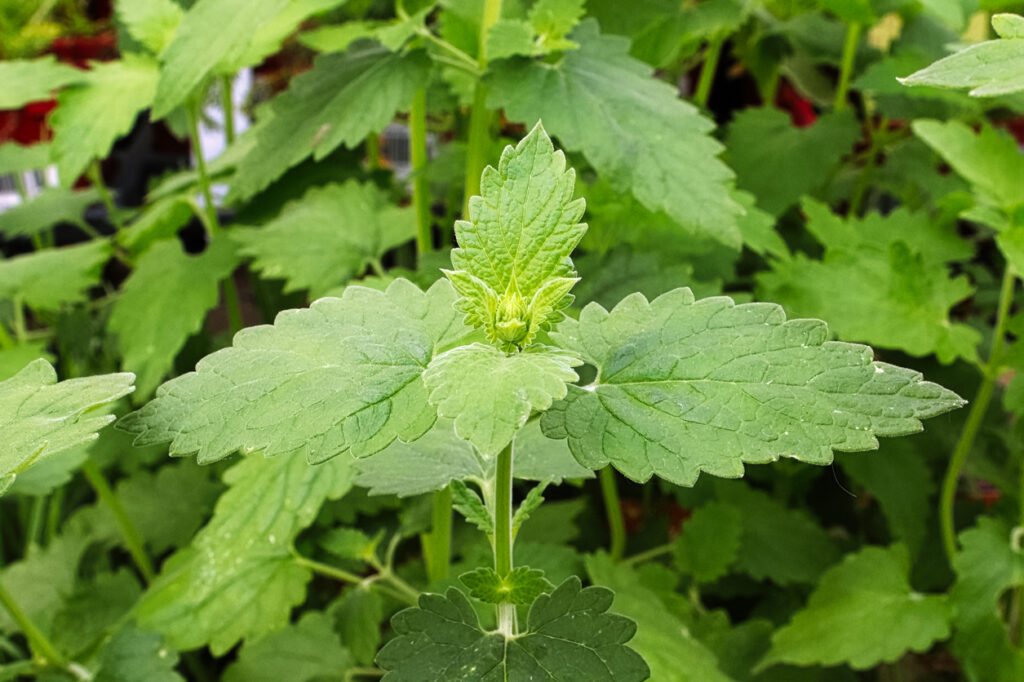
Certain plants act as natural aphid repellents, so strategically placing them around your garden can help prevent infestations before they start. Catnip, garlic, chives, and marigolds are all excellent choices that many gardeners swear by.
These plants work by either masking the scent of your more vulnerable plants or by producing compounds that aphids find unpleasant. Plant them close to susceptible crops like roses, beans, or brassicas, and you might find you have far fewer aphid problems to deal with.
5. Use yellow sticky traps.
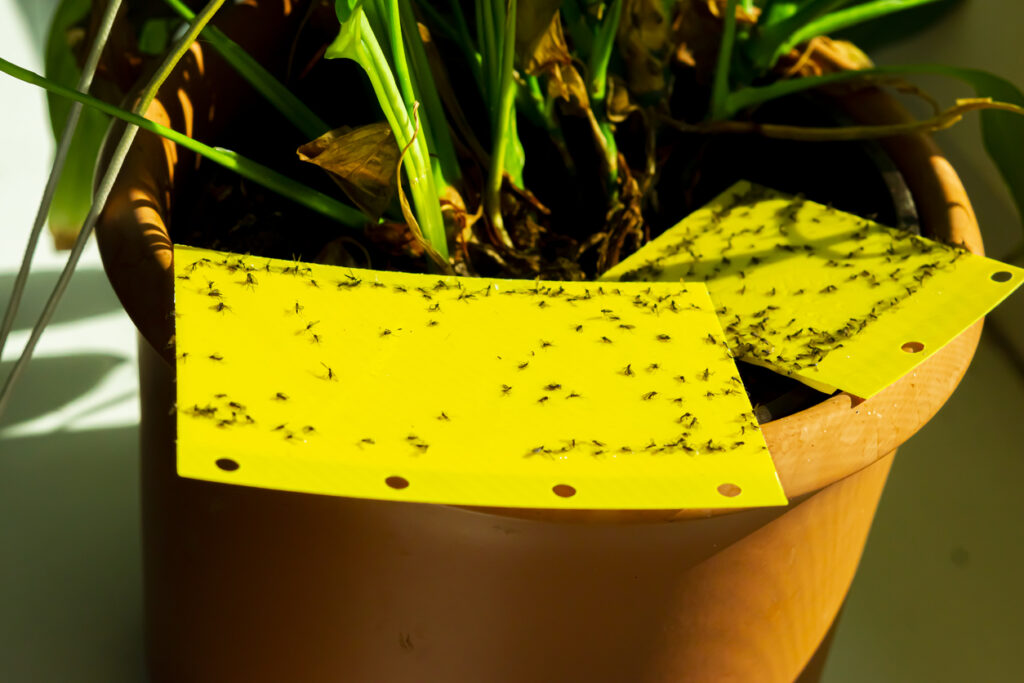
Aphids are naturally attracted to the colour yellow, so bright yellow sticky traps can catch flying aphids before they settle on your plants to start new colonies. You can buy these ready-made from garden centres or make your own using yellow card covered in petroleum jelly.
Place the traps slightly above your plants and replace them when they become covered in insects or lose their stickiness. This method is particularly effective in greenhouses and also helps you monitor aphid populations so you know when to take other action.
6. Try neem oil for persistent infestations.

Neem oil is a natural product derived from the neem tree that disrupts aphids’ feeding and breeding cycles without harming beneficial insects when used correctly. It’s available at most garden centres and works as both a treatment for existing aphids and a preventative measure.
Mix according to the package instructions and spray in the evening when beneficial insects are less active, making sure to coat both the tops and undersides of leaves. It may take several applications to see full results, but it breaks down quickly, so won’t persist in the environment.
7. Check your plants regularly.

The key to managing aphids is catching them early before they establish large colonies, so make plant inspection part of your regular gardening routine. Look for clusters of small green, black, or white insects on new growth, flower buds, and the undersides of leaves.
Early signs include curled or distorted leaves, sticky honeydew on leaf surfaces, and the presence of ants farming the aphids for their sweet secretions. The sooner you spot an infestation, the easier it will be to control with simple methods like water spraying.
8. Avoid over-fertilising with nitrogen.
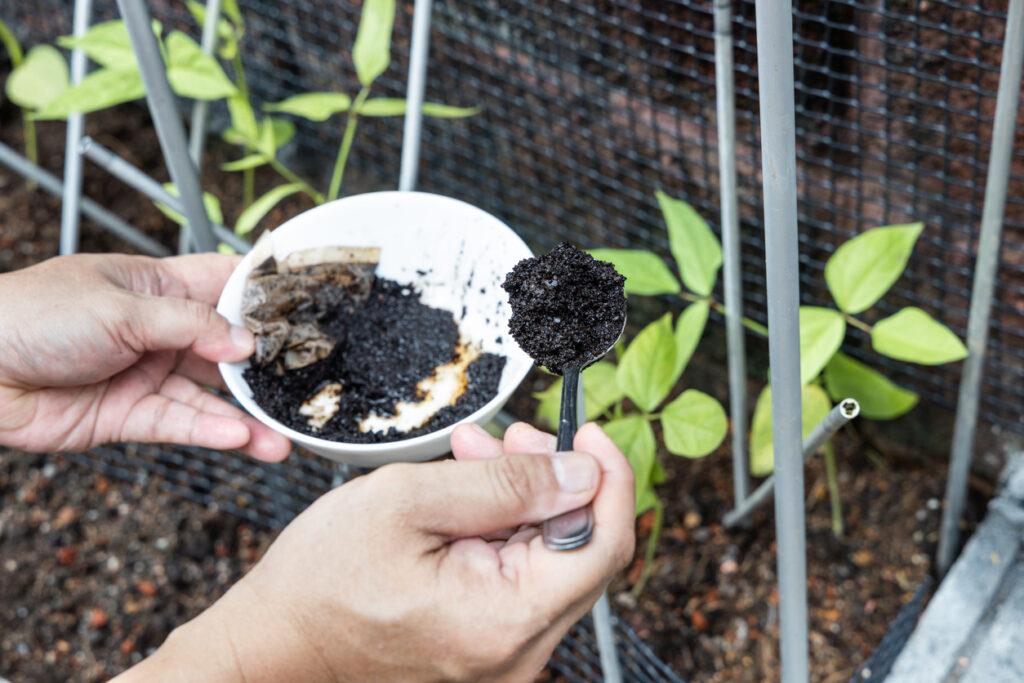
Aphids love soft, lush growth that’s high in nitrogen, so over-fertilising your plants can actually make them more attractive to these pests. Stick to balanced fertilisers and avoid overdoing it with nitrogen-rich feeds, especially on susceptible plants.
Plants that are stressed by too much nitrogen produce the tender growth that aphids prefer, whilst also being less able to defend themselves against pest attacks. A healthy, well-balanced plant is naturally more resistant to aphid infestations.
9. Use reflective mulch in vegetable gardens.
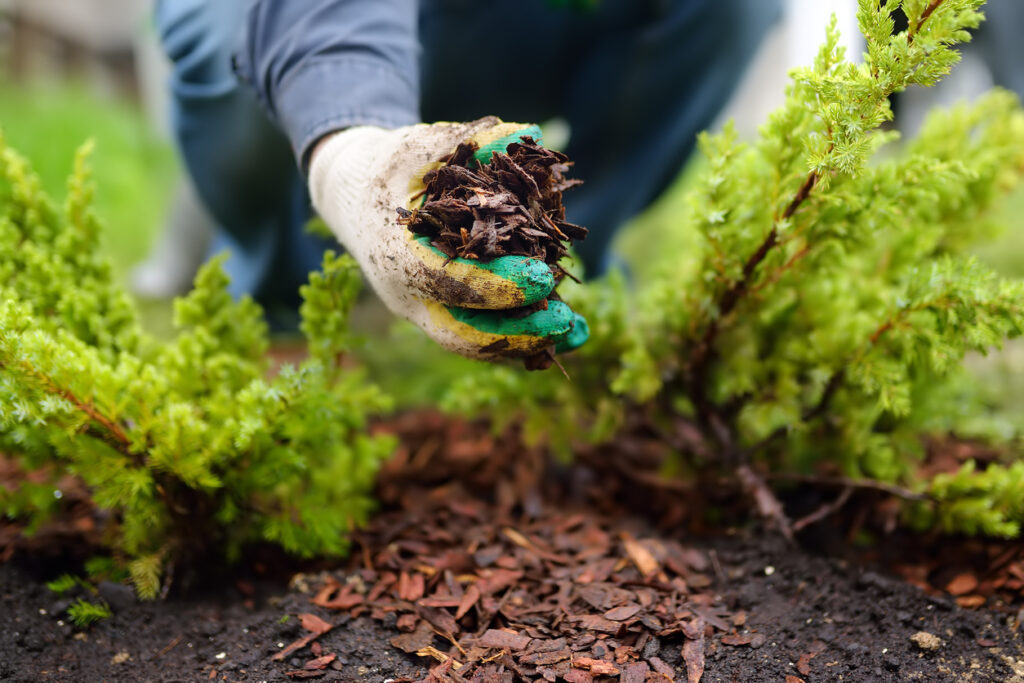
Reflective mulches made from silver plastic or aluminium foil can confuse flying aphids and prevent them from landing on your plants. The reflected light disorients them and makes it difficult for them to locate suitable host plants. This method works particularly well for protecting young vegetable crops early in the season when aphid populations are building up. You can remove the reflective mulch once plants are established and better able to cope with pest pressure.
10. Consider biological controls for greenhouses.
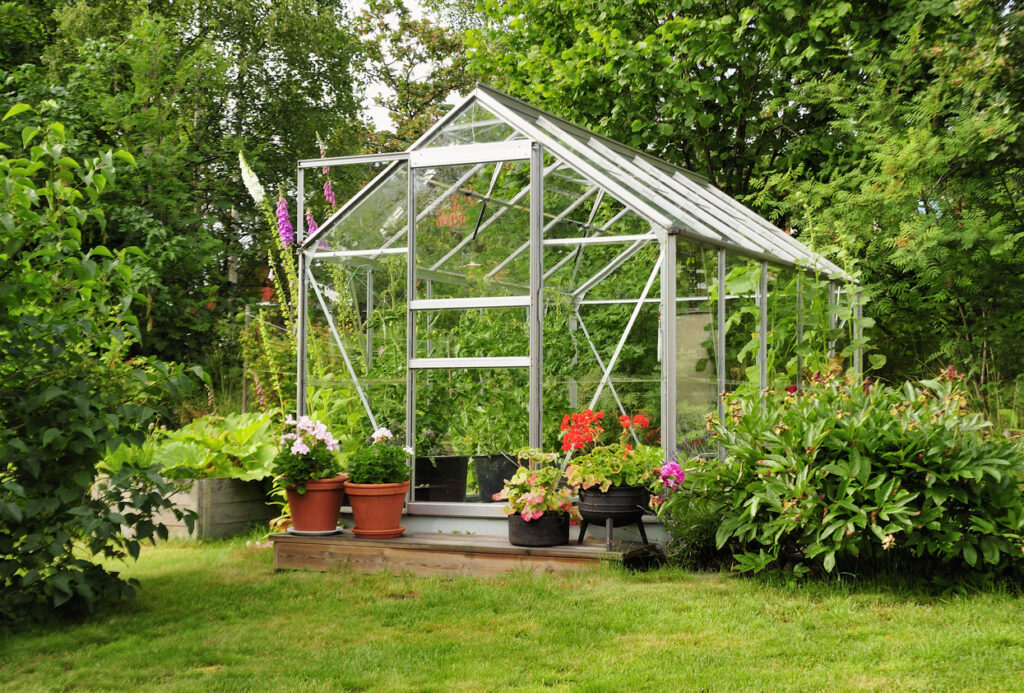
If you’re growing plants in a greenhouse, biological control methods can be incredibly effective because the controlled environment prevents beneficial insects from dispersing. You can purchase specific predatory insects like Aphidius wasps or ladybird larvae to release directly onto affected plants.
These biological controls work best when introduced early in the season before aphid populations explode, and they provide ongoing protection as long as the environment remains suitable. Many commercial growers rely entirely on biological controls in enclosed spaces.
11. Remove heavily infested parts of plants.
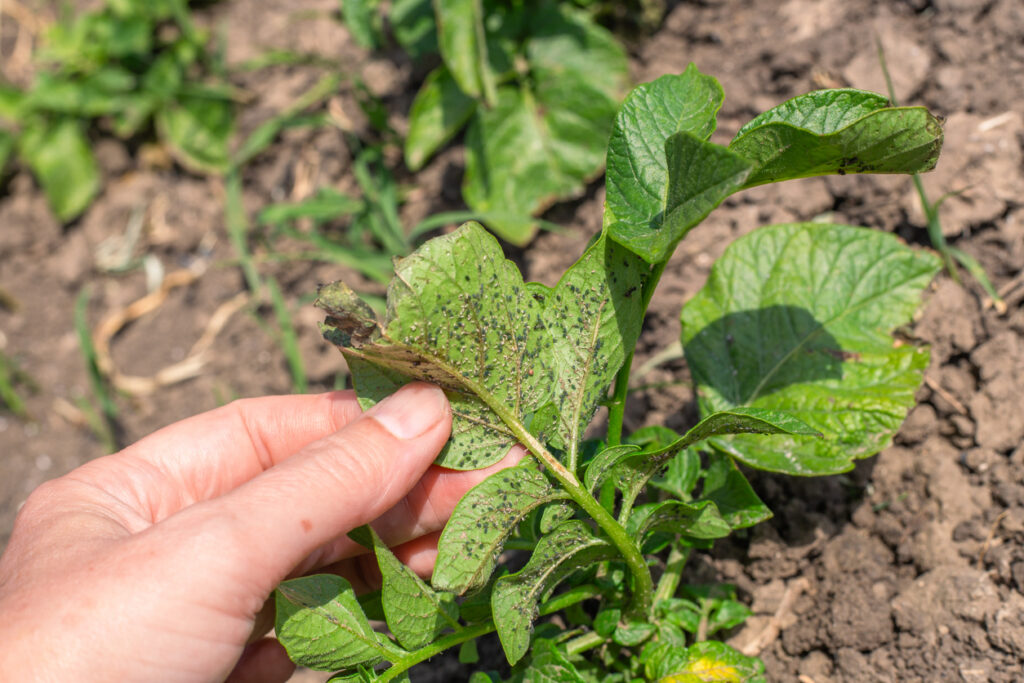
Sometimes the most practical solution is simply to prune away heavily infested shoots or leaves, especially if the infestation is localised to certain parts of the plant. This immediately removes thousands of aphids and prevents them from spreading to healthy parts of the plant.
Dispose of the pruned material in your household waste rather than composting it, as aphids can survive and continue breeding in compost heaps. This method works particularly well on roses and fruit trees where you can afford to lose some growth.
12. Time your planting to avoid peak aphid seasons.

Aphid populations typically peak in late spring and early summer, so timing your planting to avoid these periods can significantly reduce pest problems. Plant susceptible crops either very early in the season or later in summer, when aphid numbers naturally decline.
This strategy works particularly well for crops like beans, lettuce, and brassicas that can be grown successfully in cooler weather when aphids are less active. Plants established outside peak aphid season are often stronger and more resistant to pest damage.