Space gets a reputation for being slow, and rightfully so in some ways.
Stars take billions of years to die, galaxies drift around like they’ve got all the time in the universe, and black holes just sit there hoovering things up. However, not everything out there is happening in slow motion. Some cosmic events flash by so fast, we barely catch them. Blink, and the universe might’ve just done something wild. These are the cosmic phenomena that move way faster than you’d expect—so fast, in fact, we almost never get to see them happen in real time.
1. Gamma-ray bursts
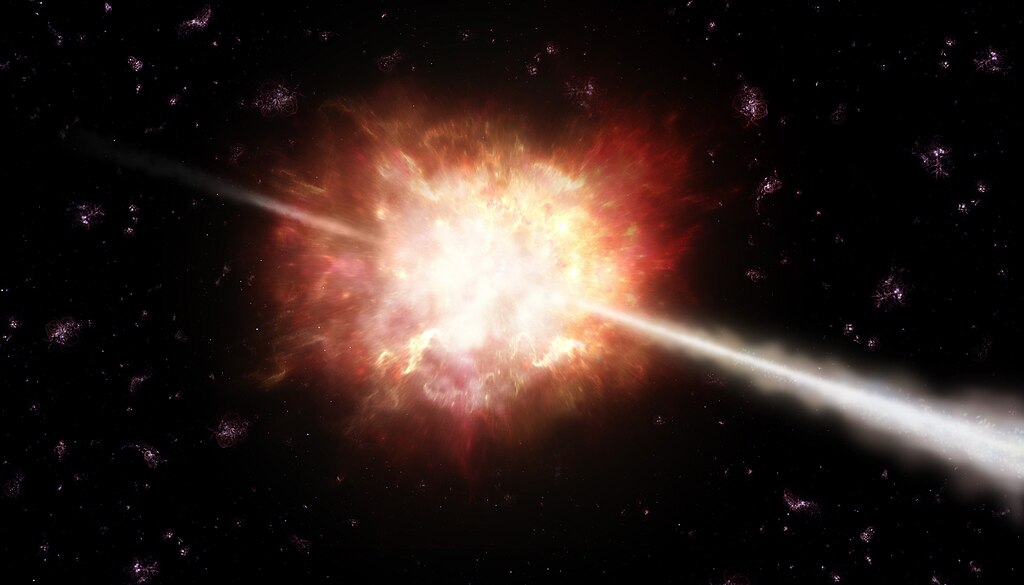
These are the most energetic explosions in the universe, and they’re over in seconds. Caused by massive stars collapsing or neutron stars colliding, they fire out beams of radiation so intense they could fry planets from light-years away.
They’re short, violent, and terrifying. If your telescope isn’t pointing at the right bit of sky at the exact right time, you’ll miss it completely. Some last less than two seconds, and that’s it. Then it’s over, and space just keeps moving like nothing happened.
2. Fast radio bursts (FRBs)

FRBs are weird. They’re quick pulses of radio waves that come from far beyond our galaxy, and they last just a few milliseconds. Nobody fully knows what causes them. Maybe it’s collapsing stars, maybe it’s aliens (probably not, but still). They’re so short and unpredictable that astronomers often find them only after digging through hours of sky recordings. You can’t plan to see one; they just happen, and then they’re gone.
3. Supernova shock breakout
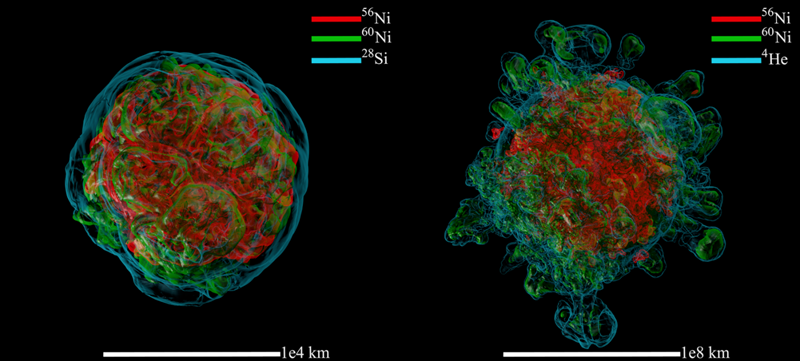
When a star explodes in a supernova, there’s a split second, literally a fraction of a second, when the shockwave hits the surface and blasts out light. It’s called a shock breakout, and it’s over before you’ve even realised it started. Most telescopes miss it entirely because it’s so brief and hard to catch. The explosion itself lasts longer, but that first flash is like space lighting a match and then blowing it out immediately.
4. Neutron star collisions
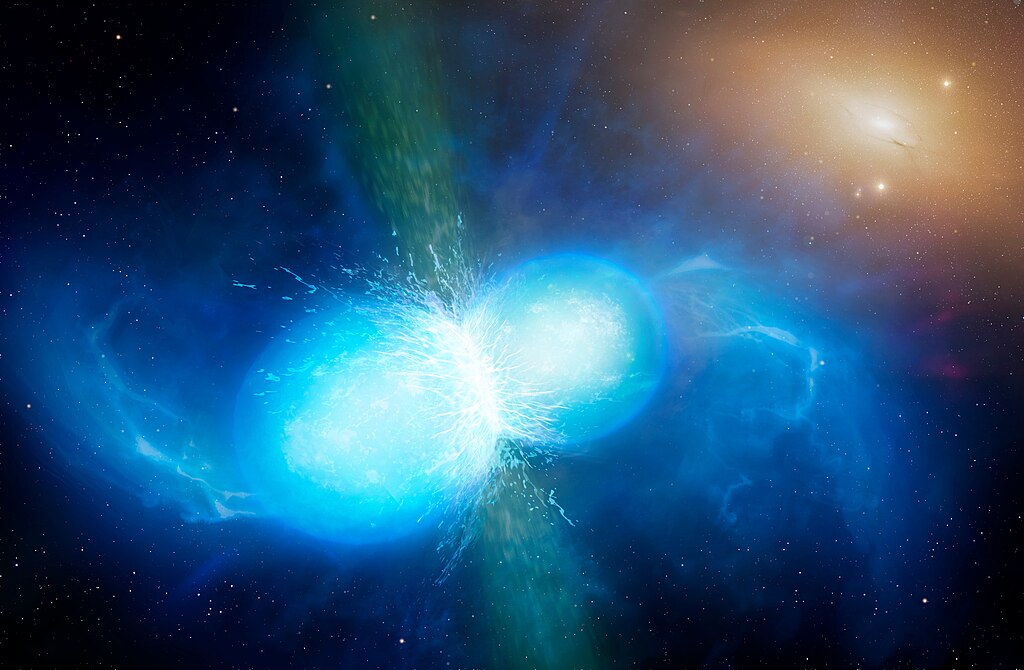
When two neutron stars spiral into each other, they release a burst of energy that can create heavy elements like gold. It’s dramatic, insanely powerful, and it only takes a couple of seconds to peak. It’s one of the few things in space that happens both incredibly fast and with enough force to reshape a chunk of the universe. Catching one live is the ultimate stroke of luck in astronomy.
5. Solar flares
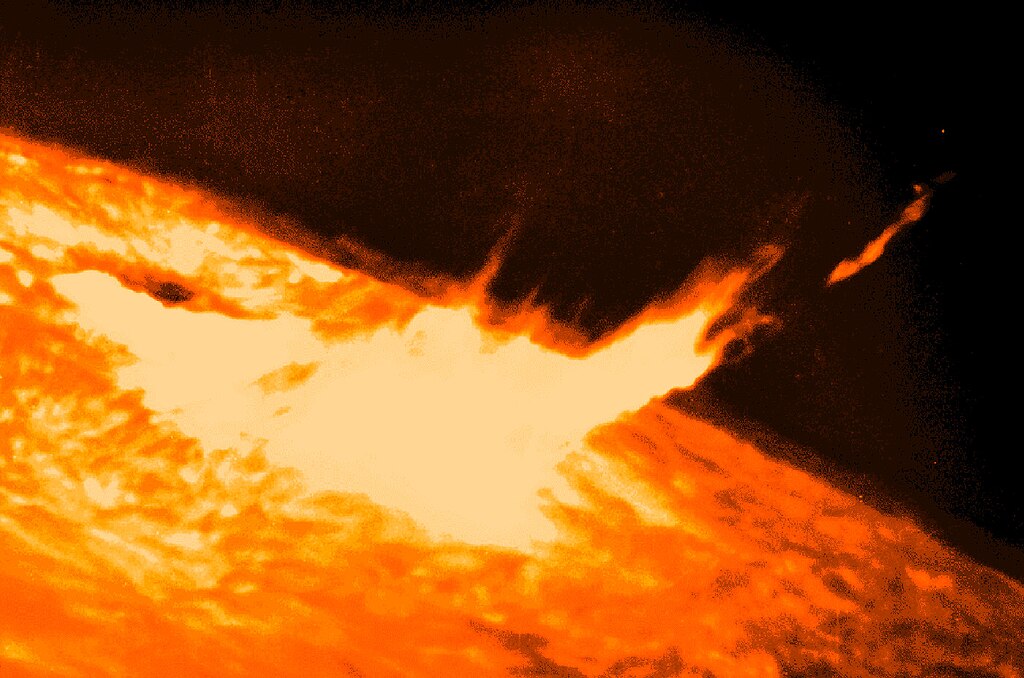
Our own Sun isn’t exactly chill. Sometimes it lets out massive flares: sudden bursts of energy that shoot into space at ridiculous speeds. A solar flare itself lasts just minutes, and if it’s pointed at Earth, it can mess with GPS, satellites, and even power grids. You don’t get much warning. One second the Sun looks normal, the next it’s flaring up and throwing tantrums across the solar system. We try to keep an eye on it, but space weather moves fast when it wants to.
6. Stellar pulsations
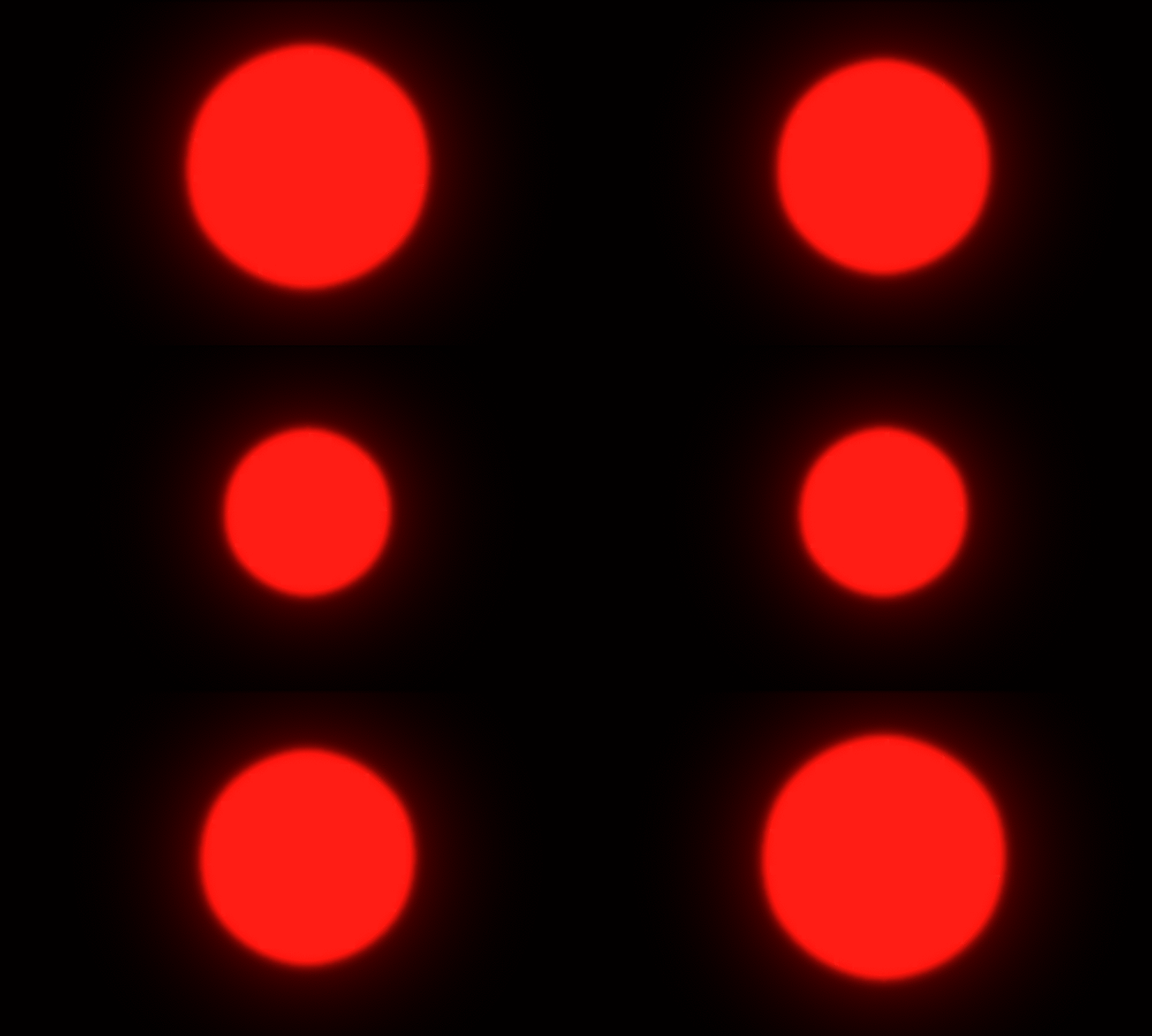
Some stars don’t explode; they just pulse. They expand and contract like cosmic heartbeats, and in some cases, those pulses are fast enough to happen in minutes or even seconds. You wouldn’t spot it with your eyes, but with the right gear, you can actually measure the rhythm. It’s like the star’s flickering in and out of itself, and it’s oddly hypnotic.
7. Magnetar starquakes
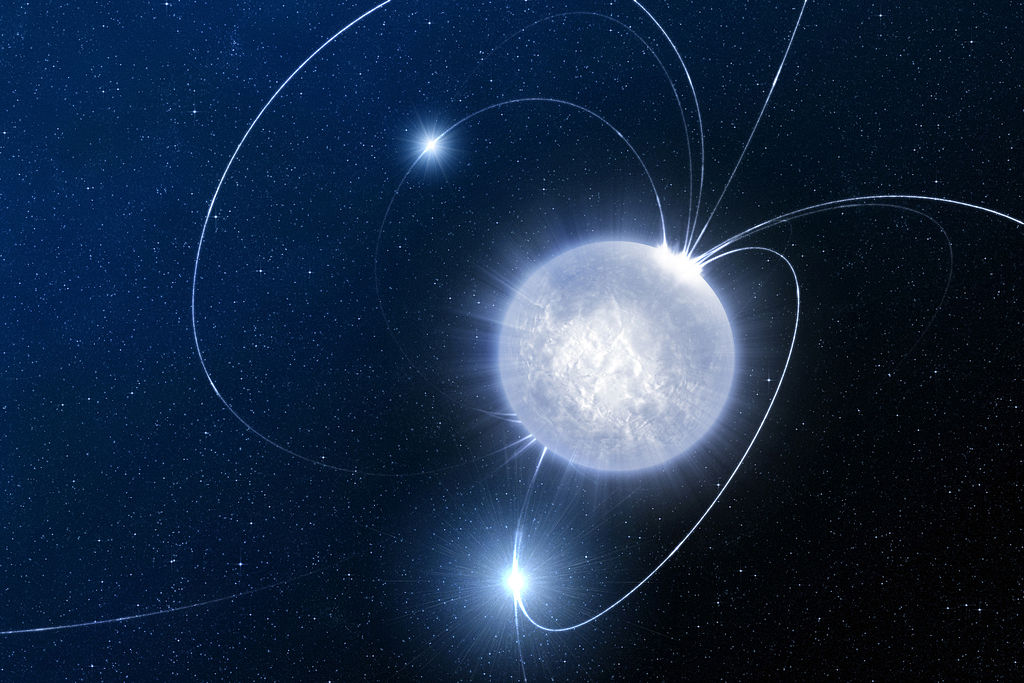
Magnetars are neutron stars with insanely strong magnetic fields—like, trillions of times stronger than Earth’s. Sometimes their crust cracks under the pressure, causing a “starquake” that releases a quick, powerful burst of X-rays or gamma rays. These quakes are over in under a second, but the energy they release could mess up satellites or spacecraft if we were too close. It’s basically space having a sudden, violent twitch.
8. Relativistic jets
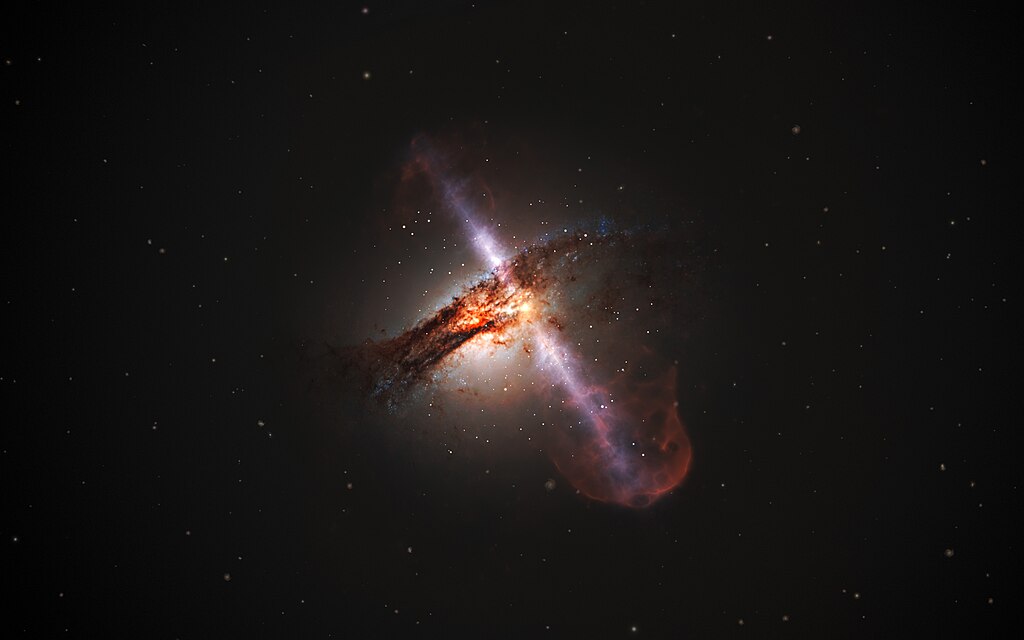
Black holes don’t just sit there eating things. Some shoot out jets of particles at nearly the speed of light. Those jets don’t ramp up gradually; they just blast out suddenly, like someone hit “launch” and walked away. They’re insanely fast, and even though they can last a while, the beginning of the jet, when it first bursts out, is stupidly quick and powerful. It’s the kind of thing that happens faster than your brain can process it.
9. Meteor airbursts
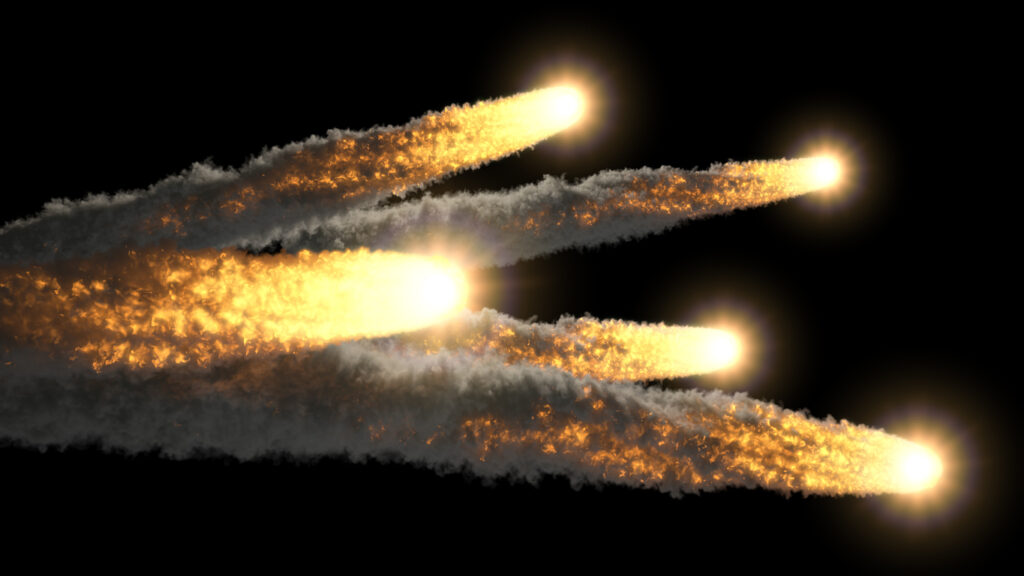
When a meteor enters Earth’s atmosphere and explodes in the sky, it’s called an airburst. It all happens in seconds. One moment the sky’s clear, and the next there’s a fireball lighting it up like midday. The Chelyabinsk meteor in 2013 was a perfect example. It was there, it flashed, it exploded, and it was over in a blink. If you weren’t looking up, you’d miss the whole thing.
10. Stellar occultations
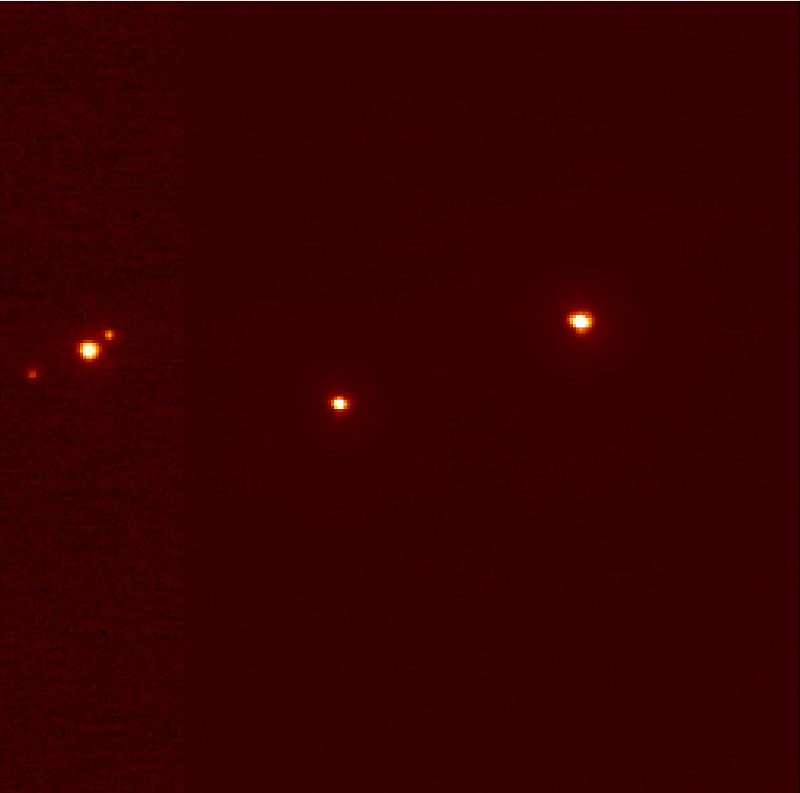
Sometimes, an asteroid or moon will pass directly in front of a star, blocking its light. The drop in brightness can last just a couple of seconds, but for astronomers, that blink is everything. It reveals info about the size, shape, and atmosphere of whatever did the blocking. From Earth, it just looks like a star turned off for a moment. But behind the scenes, space is doing high-speed geometry and showing off its precision.
11. Cosmic ray hits
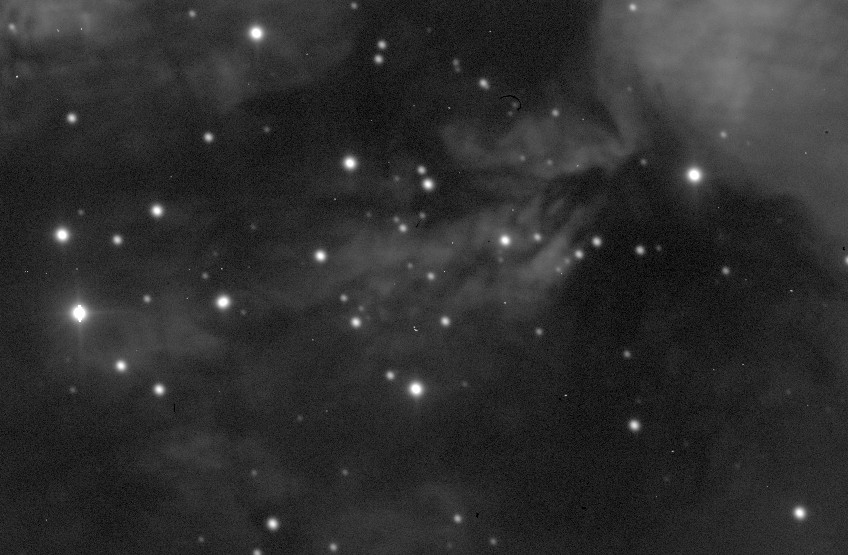
Cosmic rays are high-energy particles flying through space at nearly the speed of light. When they hit Earth’s atmosphere, or your phone camera sensor, they do it instantly. It’s just a hit and done. They’re fast enough that we don’t really “see” them, but we know they’re there because of the blips they leave behind in detectors. It’s like space tossing tiny darts at us all the time, and most people never even know it’s happening.