We throw the word “buzz” around a lot when it comes to bees, but in this case, it’s not just a pun.
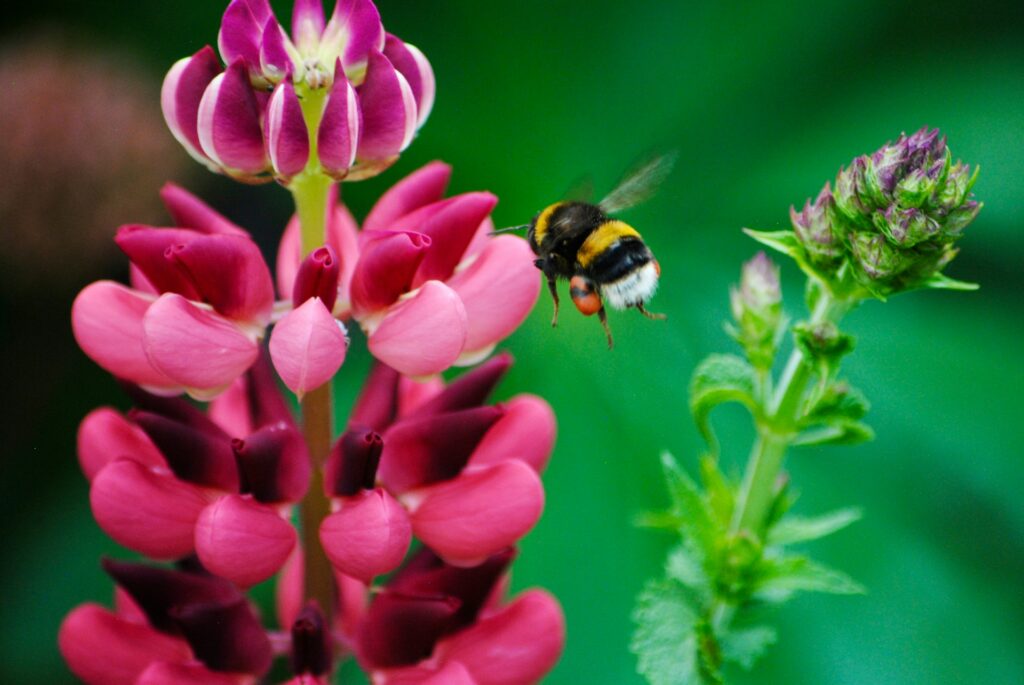
Bees really are losing their buzz, both literally and figuratively, and while it might sound like one of those quirky nature stories that’ll sort itself out, it’s actually a much bigger deal than most people realise. Here’s what’s really going on with bees, why it matters far more than just missing honey on toast, and how their silent struggle could be our problem too if we’re not careful.
1. Their numbers are seriously dropping.

Bees aren’t just having a bad year—we’re talking about a long-term, large-scale decline. In the UK alone, we’ve lost around 13 bee species completely, and nearly one in ten are at risk of extinction, according to The Wildlife Trusts. That’s not just a random blip. That’s a warning siren.
It’s easy to ignore if you’re not seeing swarms disappear from your garden, but the damage is happening behind the scenes. There’s less nesting, fewer colonies, and major drops in wild bee populations. If this trend keeps going, we’re going to notice. Big time.
2. It’s not just honeybees—wild bees are struggling too.
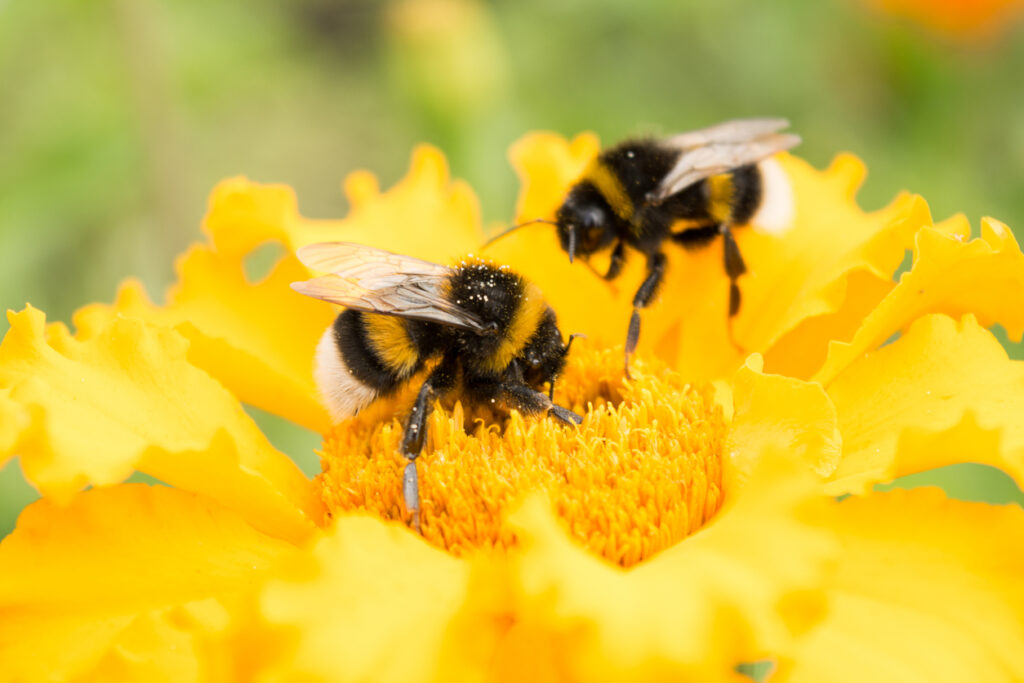
Honeybees usually get the spotlight, but they’re just one piece of the puzzle. The UK has over 250 species of bees, most of them wild, and many of them are in even worse shape than their honey-making cousins. These bees don’t live in hives or wear cute little stripes, but they’re essential to ecosystems.
Wild bees are often better pollinators than honeybees, especially for native plants. But because they don’t have beekeepers looking after them, their declines often go unnoticed. When they vanish, it’s not just sad. It’s a sign that the whole system’s out of balance.
3. Pesticides are part of the problem.
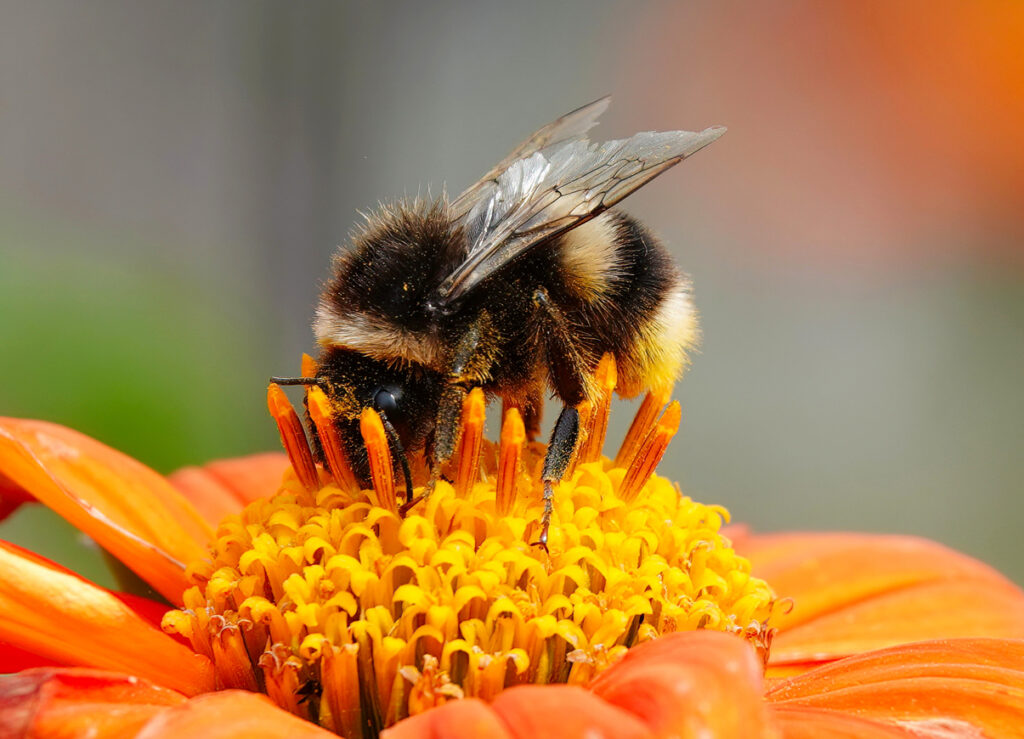
Modern farming relies heavily on pesticides, and bees pay the price. Neonicotinoids, in particular, mess with their nervous systems, affecting their ability to navigate, forage, and return to the hive. Basically, bees get disoriented and don’t make it back home.
Even low doses can cause long-term problems. Imagine trying to find your way home while someone’s whispering nonsense directions into your ear all day, and that’s kind of what these chemicals do. Some have been banned in the UK and EU, but others are still in use, and the damage adds up fast.
4. Climate change is throwing everything off.
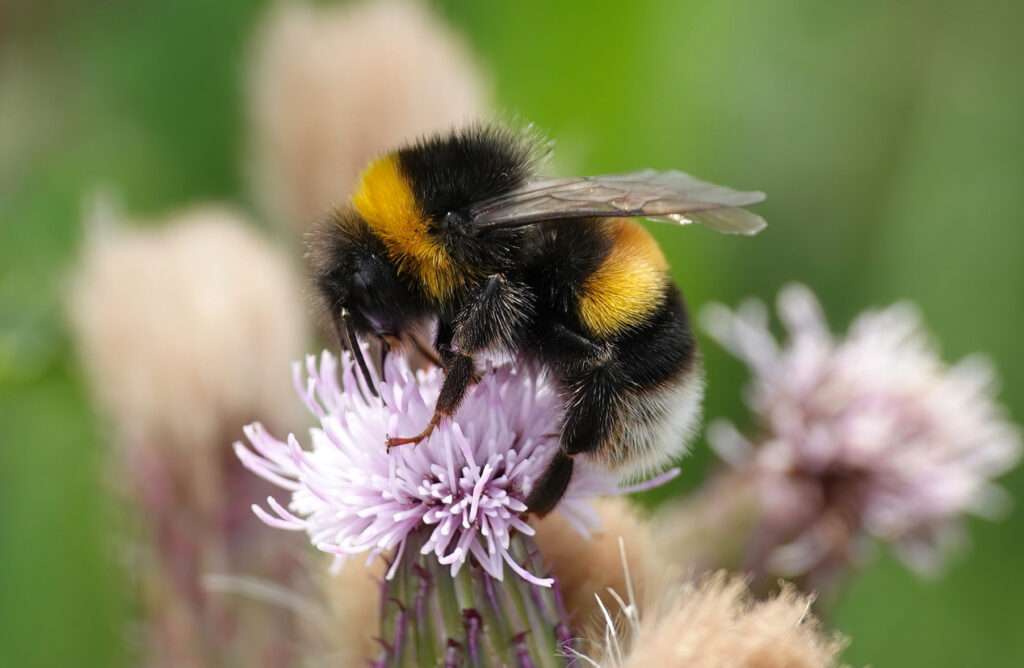
Bees are pretty good at adapting to the weather, but the climate crisis is pushing it. Early springs, sudden frosts, and longer droughts all mess with their ability to feed, mate, and survive. Some flowers are blooming earlier, others not at all. The timing is all wrong.
So, even when bees are out doing their job, the flowers they rely on might already be done blooming or haven’t even started yet. It’s like turning up to a dinner party and finding out the host already packed up the buffet. As time goes on, that mismatch wears down whole bee populations.
5. Habitat loss is hitting hard.
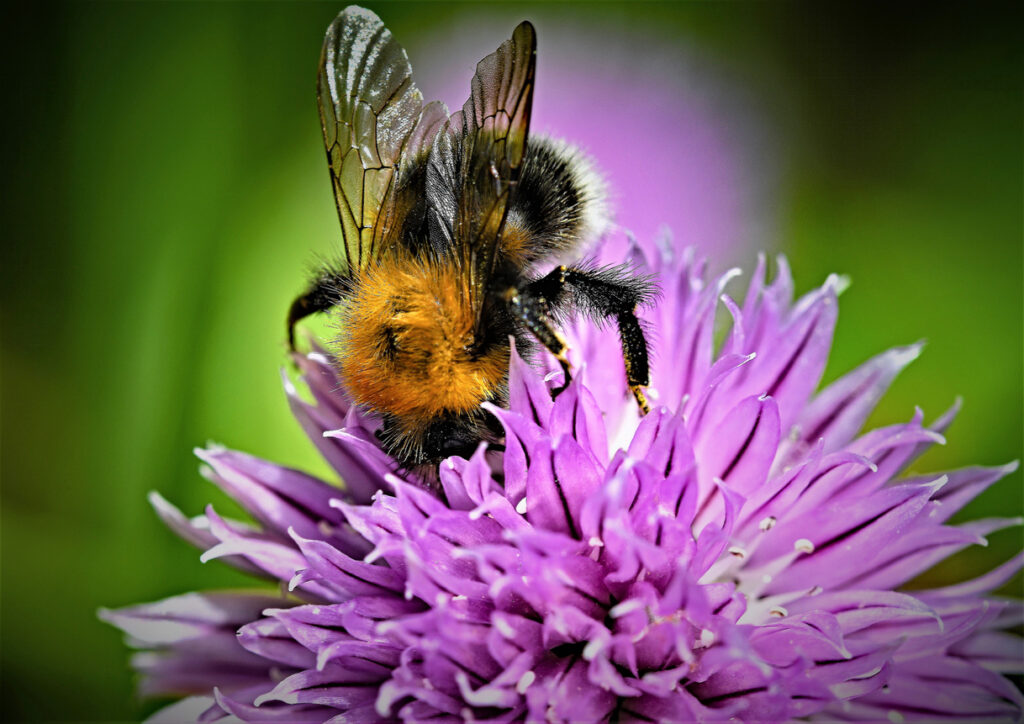
Bees need more than just a few garden flowers. They need wild spaces, hedgerows, woodland edges, and meadows—the kind of places that are rapidly disappearing under roads, housing estates, and intensively farmed fields. The UK’s lost 97% of its wildflower meadows since the 1930s. That’s staggering.
No habitat means no food, no nesting space, and no way to recover. Bees don’t just disappear, though. They run out of places to exist, and once those green pockets are gone, they don’t come back easily. It’s not just about planting a few daisies. It’s about space to live properly.
6. Monoculture farming isn’t helping.
Fields full of one crop might look neat and tidy, but for bees, they’re basically food deserts. You’ll get a burst of nectar for a week or two during flowering, then… nothing. It’s feast or famine, and that’s no way to survive a season.
Bees need variety: different flowers, shapes, and blooming times. Unfortunately, monoculture doesn’t give them that. It’s all or nothing, and during those “nothing” times, bees starve or go further to find food, which weakens the hive and cuts numbers down even more.
7. Diseases are spreading faster.
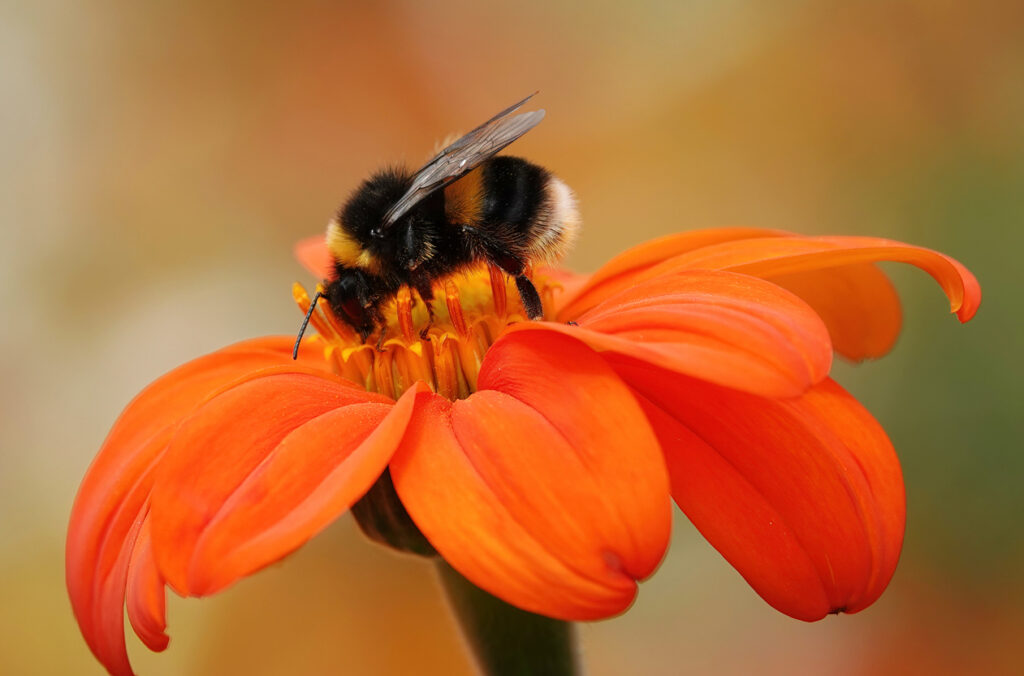
As bee numbers drop and colonies become more fragile, diseases and parasites spread more easily. The Varroa mite is a big one. It latches onto bees, weakens them, and spreads viruses. Once it’s in a hive, it’s hard to shake, and it doesn’t stay in one place for long.
In weakened populations, even small infections can cause serious damage. And because wild bees don’t get the kind of care managed hives do, they often go unnoticed until it’s too late. It’s a vicious cycle because fewer bees mean more vulnerability, which leads to even fewer bees.
8. Noise pollution messes with them.
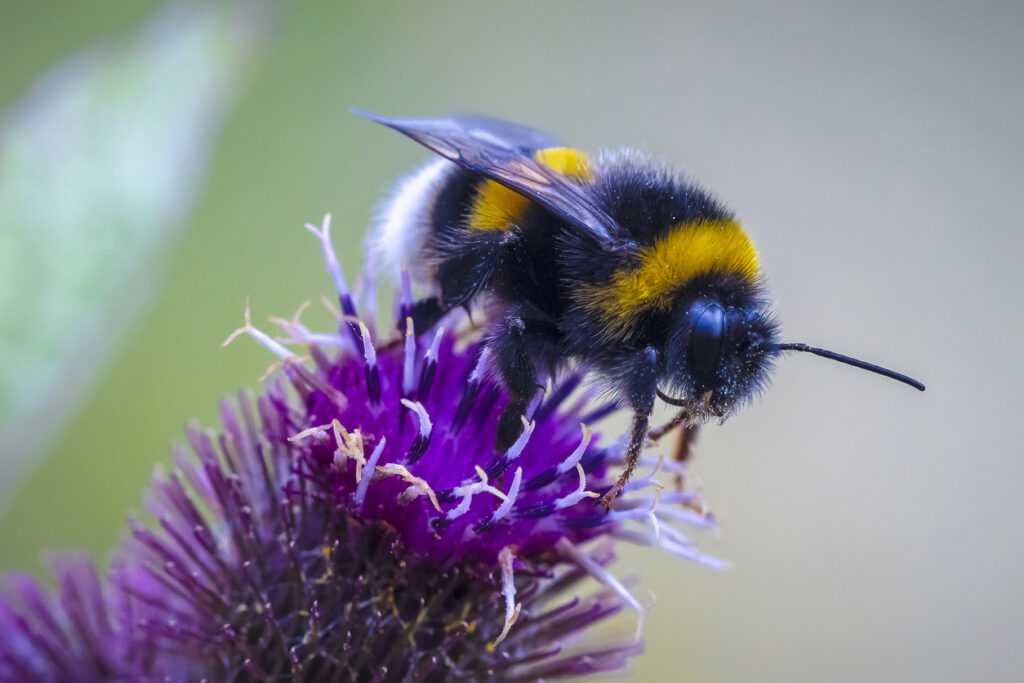
We don’t think of bees as sound-sensitive, but they actually rely on vibrations to communicate and navigate. High levels of background noise from roads, cities, or even loud farm equipment can mess with their ability to function properly. It’s not just annoying for them; it can genuinely disrupt their foraging patterns and even reduce pollination success. They’re small, but they’re sensitive, and they’re being drowned out by all the human noise that never shuts up.
9. Light pollution is confusing them.
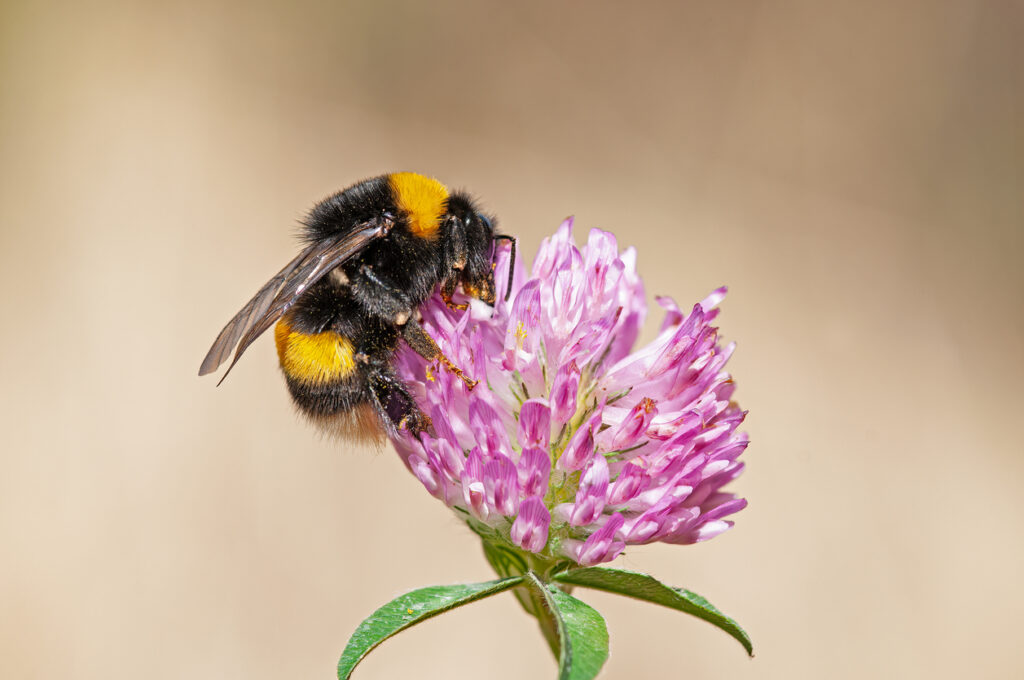
Artificial lights from streetlamps, security lights, and endless city glow are doing more damage than you’d think. Bees (and other pollinators) rely on natural light cycles, and when those get scrambled, it messes with their timing and sleep patterns. It can delay when they come out to forage, or make them stay active at weird times when nothing useful is blooming. In the end, that takes a toll. They’re not built to navigate in a world that never properly gets dark.
10. They’re doing a massive job, and we keep taking them for granted.
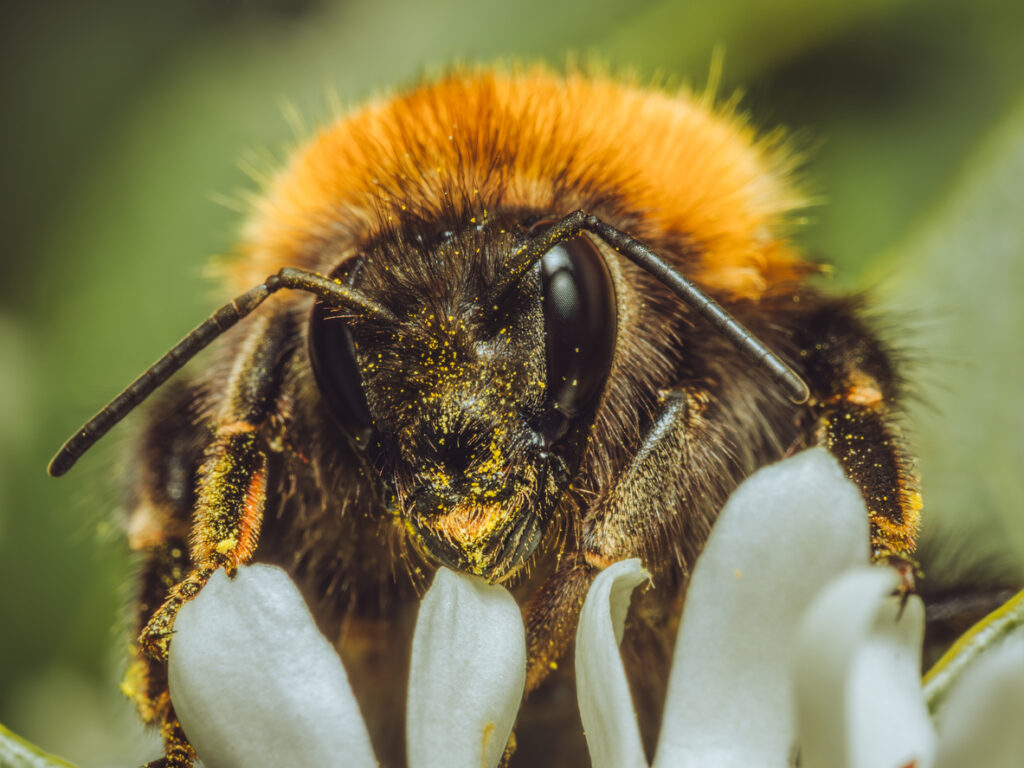
Roughly one in three bites of food you eat exists because of bee pollination. Fruit, veg, nuts—all of it depends on these little workers doing their rounds. However, because they’re small, and we don’t see the impact directly, they get overlooked until it’s too late.
It’s not just about honey. Whole crops and ecosystems collapse without pollinators. Supermarkets get emptier, prices go up, and once that tipping point is reached, it’s a lot harder to fix than people realise. Bees aren’t just nice to have; they’re essential.
11. Rewilding and wildflower efforts aren’t moving fast enough.
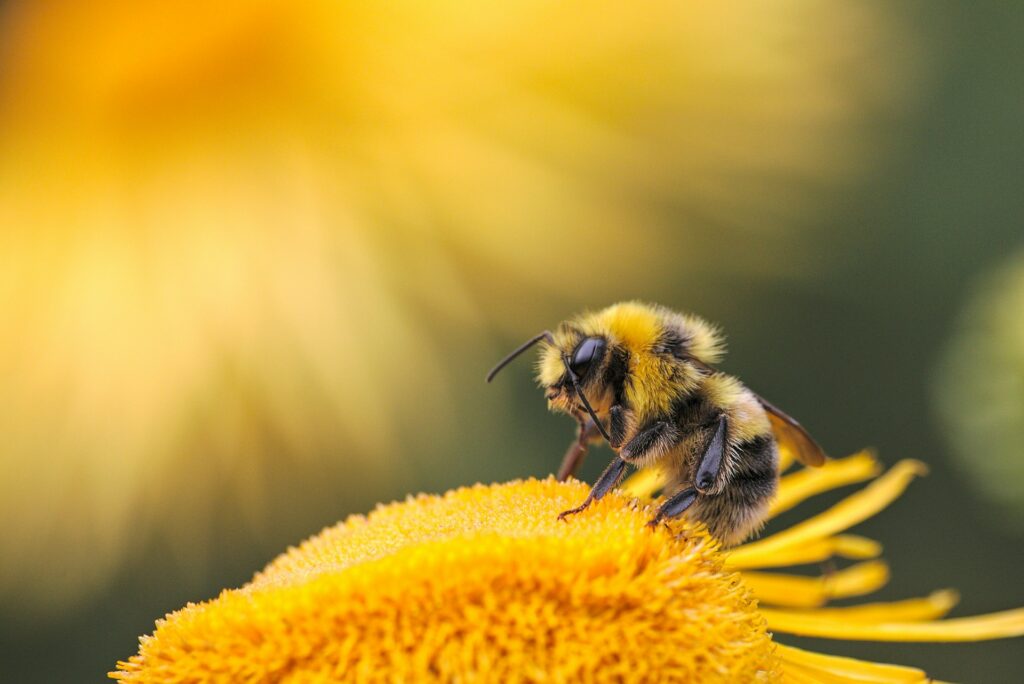
There’s been a push to plant more wildflowers and create pollinator-friendly spaces, which is great. However, it’s still patchy, small-scale, and way too slow compared to the rate of habitat loss. A window box and a wildflower patch won’t cancel out entire motorways being built over nesting grounds.
Bees need connected landscapes, not just isolated pockets. That means thinking bigger, and linking parks, gardens, farms, and public land so bees don’t have to fly miles just to find a meal. Small actions help, but they’re not a fix-all.
12. They don’t have time to wait for us to care.
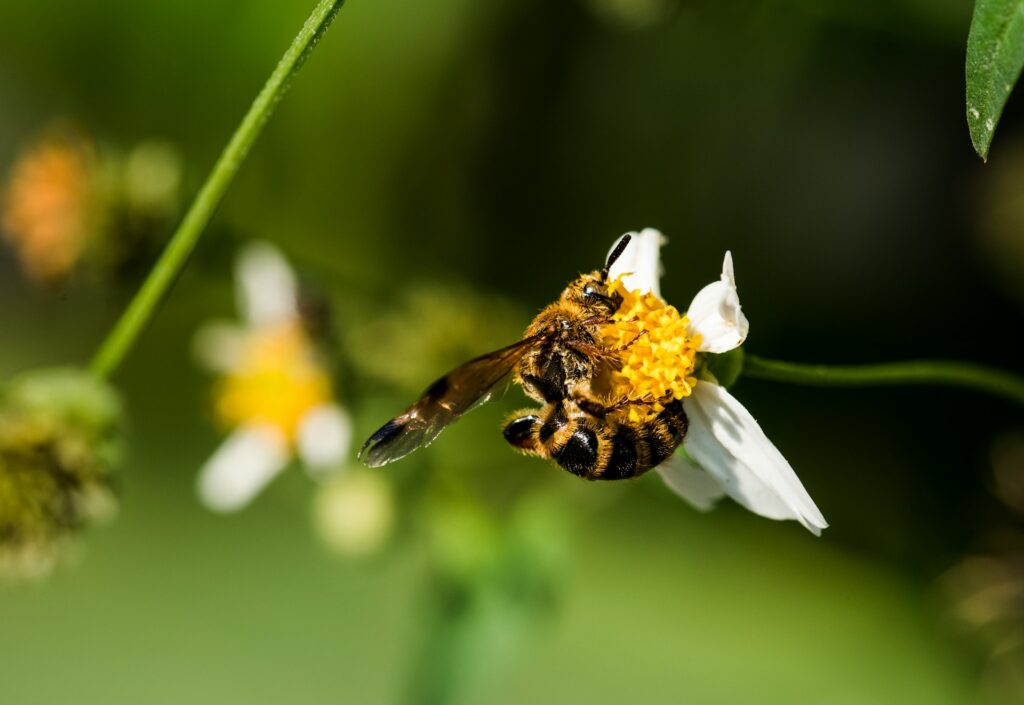
This isn’t one of those “we’ve got decades to turn it around” kind of problems. Bee populations are collapsing now. Every year matters. The longer we wait to act on pesticides, habitat loss, and climate shifts, the harder it is to recover what we’ve lost.
The good news? Bees are surprisingly resilient, and if we give them what they need, they bounce back fast. However, that starts with recognising the problem for what it is: urgent, serious, and worth more than a passing concern during Bee Awareness Week.