Cats are basically furry little killing machines that evolution spent millions of years perfecting.
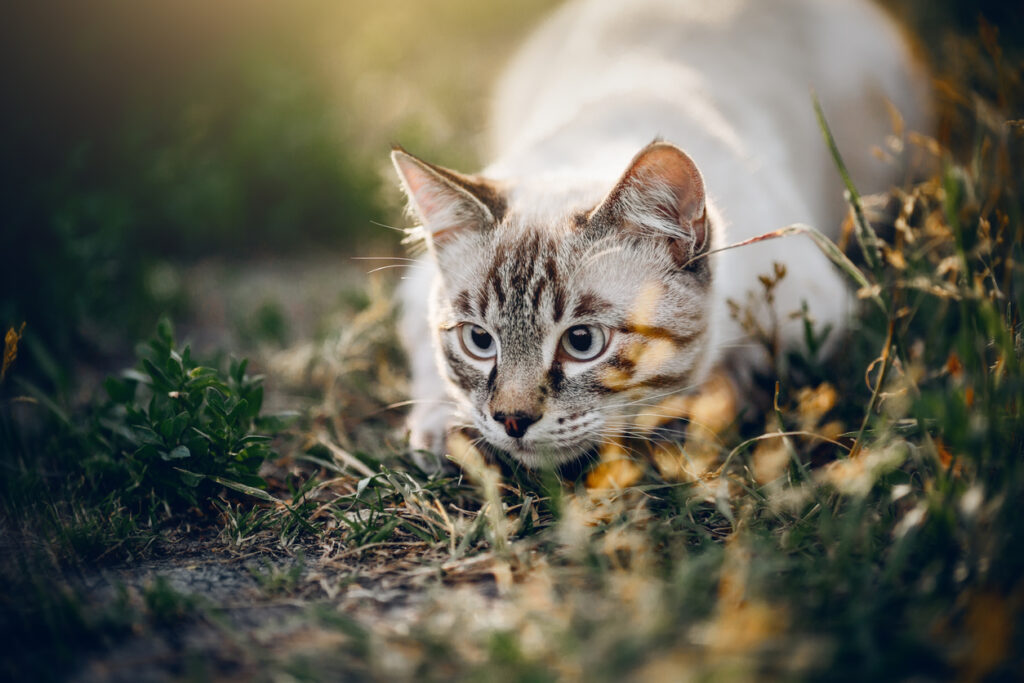
Their speed and precision are impressive, and the results are genuinely terrifying if you happen to be a small animal within hunting range. Modern house cats retain virtually all the predatory skills of their wild ancestors, which explains why Mr. Whiskers can go from adorable lap warmer to ruthless assassin the moment a mouse appears in the kitchen. According to science, they’re basically the perfect predators—here are some of the reasons why they’ve earned the title.
Their success rate puts professional snipers to shame.

Domestic cats have a hunting success rate of around 32% when stalking birds and small mammals, which might not sound impressive until you consider that lions only succeed about 20% of the time. This success rate is even more remarkable when you factor in that most house cats are well-fed and hunting more for sport than survival.
Wild cats like the African black-footed cat have success rates as high as 60%, making them one of the most efficient predators on the planet. Even domestic cats hunting purely for entertainment are more successful than most wild predators, who are literally hunting to stay alive.
They can hear a mouse’s heartbeat from several metres away.
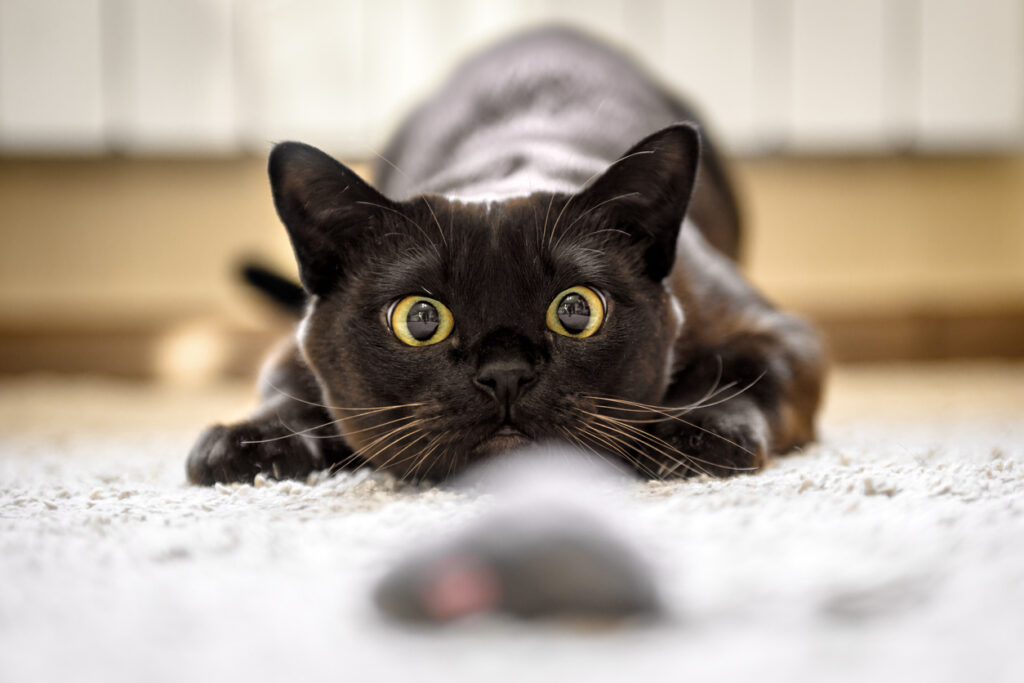
A cat’s hearing is so sensitive they can detect sounds up to 64,000 Hz, compared to humans who max out around 20,000 Hz. This superhearing allows them to pick up the ultrasonic calls that rodents use to communicate, essentially eavesdropping on their prey’s private conversations.
They can also hear the subtle rustling of small animals moving through grass or leaves from impressive distances, and their highly mobile ears can pinpoint the exact location of sounds with scary accuracy. This acoustic advantage means prey animals are often detected long before they know a cat is in the area.
Their eyes are perfectly designed for hunting.
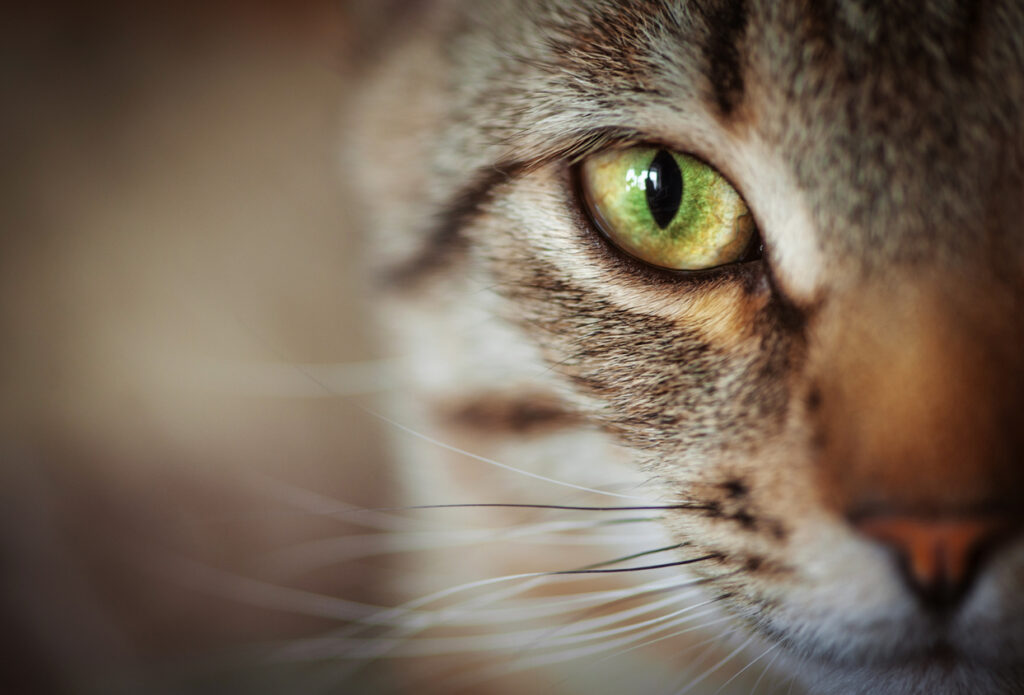
Cats have six times better night vision than humans thanks to a reflective layer behind their retinas called the tapetum lucidum, which is what makes their eyes glow in the dark. This adaptation allows them to hunt effectively in conditions where their prey can barely see at all.
Their eyes are also positioned forward on their heads, giving them excellent depth perception for judging distances when pouncing. The trade-off is a narrower field of vision compared to prey animals, but when you’re an ambush predator, pinpoint accuracy matters more than peripheral awareness.
They have built-in silencers on their feet.

Cat paws have soft pads and fur between their toes that act as natural silencers, allowing them to move almost soundlessly across most surfaces. This evolutionary adaptation makes them incredibly effective at sneaking up on prey without giving away their position.
Their retractable claws stay sharp because they’re only extended when needed, and they can control each toe independently for maximum grip and stealth. The combination of silent movement and razor-sharp claws makes cats the ninja assassins of the animal kingdom.
Their flexible spines make them incredible athletes.
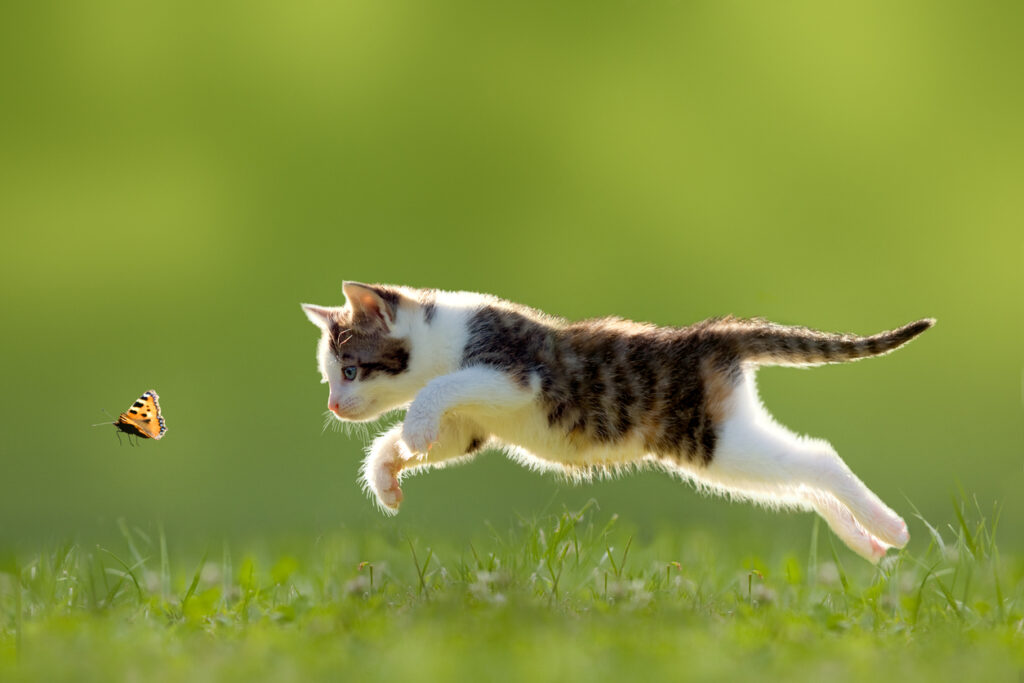
A cat’s spine contains more vertebrae than a human’s and is incredibly flexible, allowing them to twist their bodies in ways that seem to defy physics. This flexibility lets them squeeze through spaces barely larger than their heads and make mid-air course corrections when pouncing.
They can rotate their hindquarters independently from their front quarters, which is why cats almost always land on their feet when falling. This spinal flexibility also allows them to make impossibly tight turns when chasing prey, giving them a huge advantage in confined spaces.
Their whiskers are sophisticated sensory equipment.
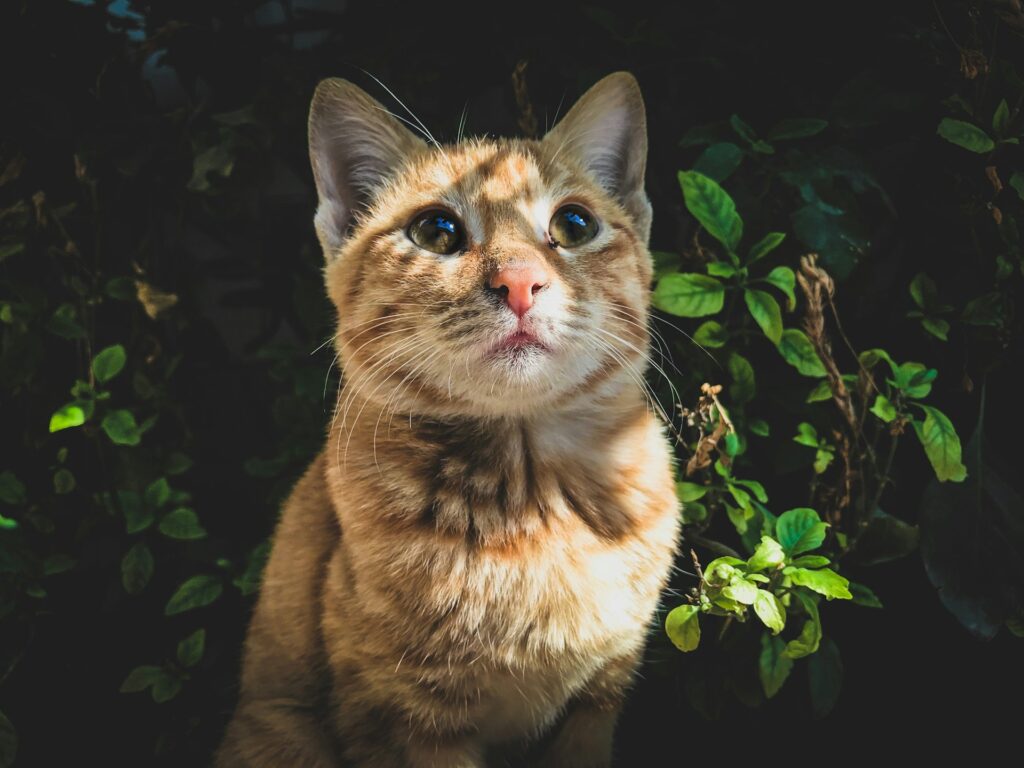
Cat whiskers aren’t just cute facial furniture; they’re highly sensitive sensory organs that can detect tiny changes in air pressure and movement. These vibrissae are so sensitive they can sense when a mouse is moving nearby just from the air displacement it creates.
The whiskers are also exactly as wide as the cat’s body at its widest point, allowing them to determine whether they can fit through a space without getting stuck. They can even detect changes in air currents around objects, essentially giving cats a form of radar for navigating in complete darkness.
They’re perfectly built for explosive power.
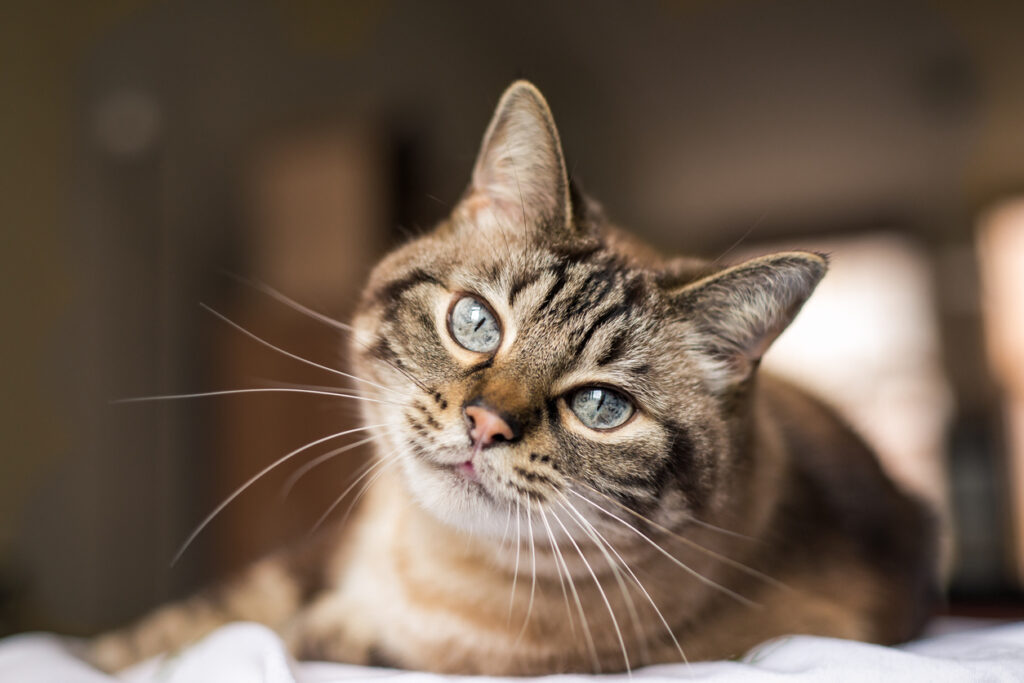
A cat’s hind legs contain incredibly powerful muscles that allow them to jump up to six times their body length in a single bound. This explosive power lets them launch surprise attacks from considerable distances, often before prey animals even know they’re there.
Their muscular build is optimised for short bursts of incredible speed and agility rather than endurance, which is perfect for their ambush hunting style. They can accelerate from zero to 50 kilometres per hour in just a few strides, faster than most prey animals can react.
Their teeth and claws are precision killing tools.
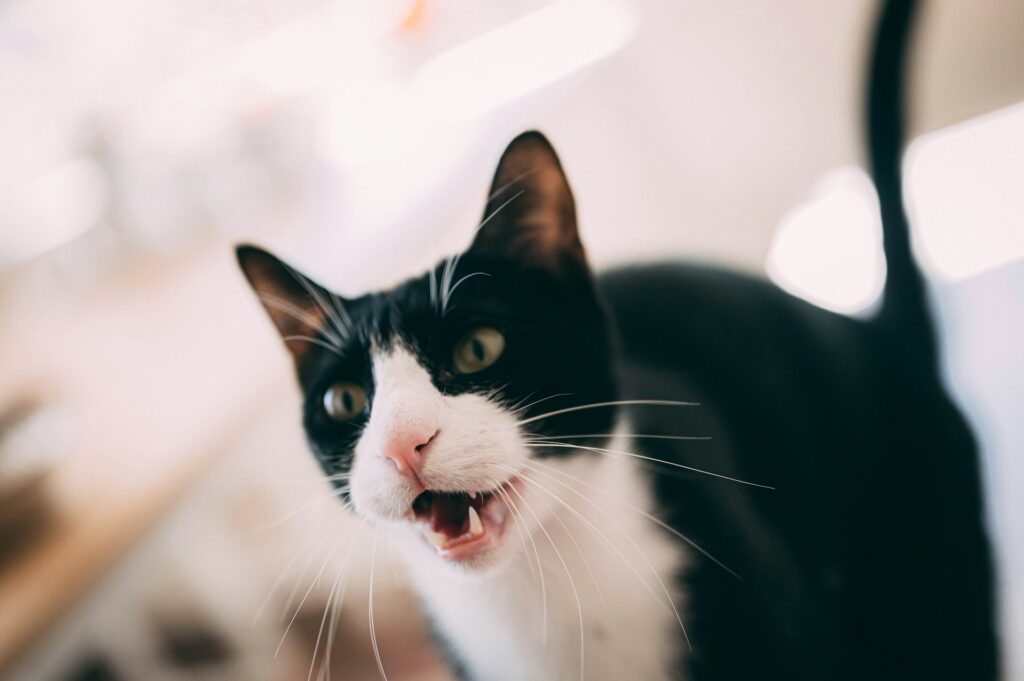
Cat teeth are designed like surgical instruments, with sharp canines perfectly spaced to deliver a killing bite to the neck of small prey. Their bite force is precisely calibrated to crush the vertebrae of rodents and birds without wasting energy on excessive force.
Their claws are curved hooks that dig in deeper the more their prey struggles, making escape nearly impossible once a cat has grabbed something. The claws can also be used independently for manipulation, allowing cats to toy with prey or hold it in specific positions.
They have an instinctive understanding of physics.
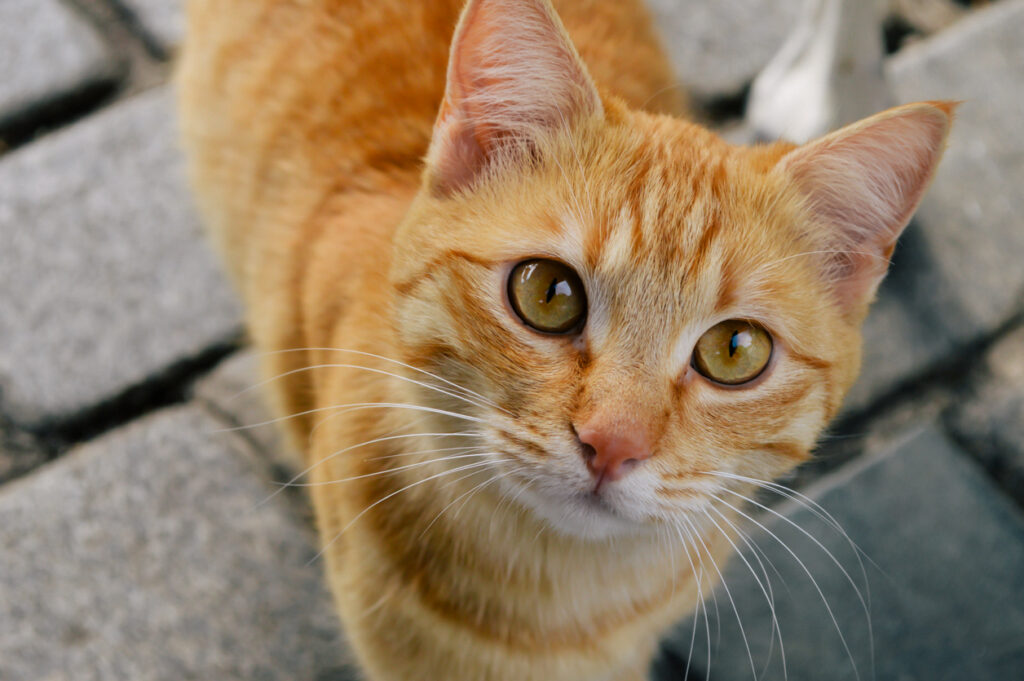
Cats seem to intuitively understand concepts like trajectory, momentum, and timing when hunting, calculating complex pounces with remarkable accuracy. They can predict where a moving target will be and time their attacks accordingly, showing spatial reasoning that would impress a mathematician.
This understanding extends to using their environment strategically, such as positioning themselves at choke points where prey is likely to pass or using elevation advantages to improve their attack angles. They’re essentially furry little tactical geniuses.
They practise hunting from an incredibly early age.
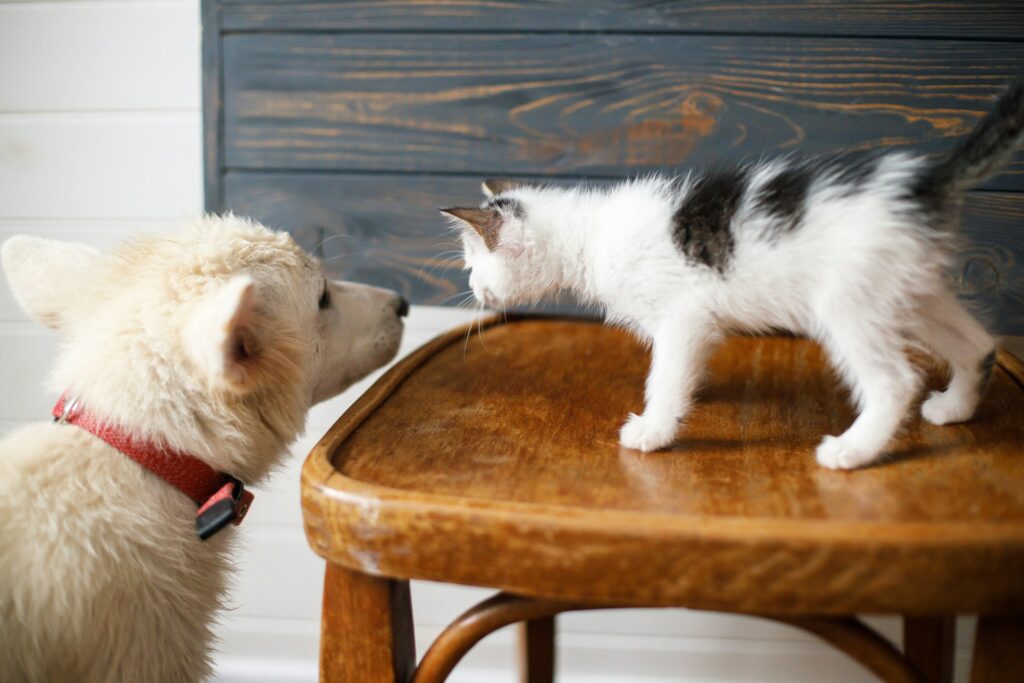
Kittens start developing hunting behaviours when they’re just a few weeks old, practising with toys, siblings, and anything else that moves. This early practice is crucial for developing the precise motor skills and timing needed for successful hunting as adults.
Mother cats often bring live prey back to their kittens to provide hands-on hunting lessons, gradually teaching them to kill effectively. This education system ensures that even pampered house cats retain their predatory instincts and abilities throughout their lives.
They can switch between hunting modes instantly.

Cats can seamlessly transition from patient stalking to explosive action depending on the hunting situation, showing remarkable behavioural flexibility. They might spend ages motionless, waiting for the perfect moment, then strike with lightning speed when the opportunity presents itself.
They’re equally comfortable hunting from ambush positions or actively pursuing prey, and can adjust their tactics based on the type of animal they’re hunting. Their adaptability makes them effective against a wide variety of prey species with different behaviours and escape strategies.
Their brains are wired for predation.

Cat brains have enlarged areas dedicated to processing sensory information and coordinating complex movements, essentially making them biological hunting computers. The regions responsible for processing visual, auditory, and tactile information are all oversized compared to non-predatory animals.
They also have excellent spatial memory, allowing them to remember productive hunting locations and return to them repeatedly. This cognitive mapping ability helps them optimise their hunting efficiency by focusing their efforts where success is most likely.
They’re devastatingly effective against bird populations.

Studies estimate that cats in the UK kill between 55 and 80 million birds annually, making them one of the biggest threats to wild bird populations. Their hunting success against birds is particularly impressive, given that birds have the advantage of flight and excellent vision.
Cats have learned to exploit birds’ behavioural patterns, often positioning themselves near feeders, nesting sites, or regular flight paths. Their patience and timing allow them to catch birds during vulnerable moments, like when they’re feeding on the ground or distracted by mating displays.
They hunt even when they’re not hungry.
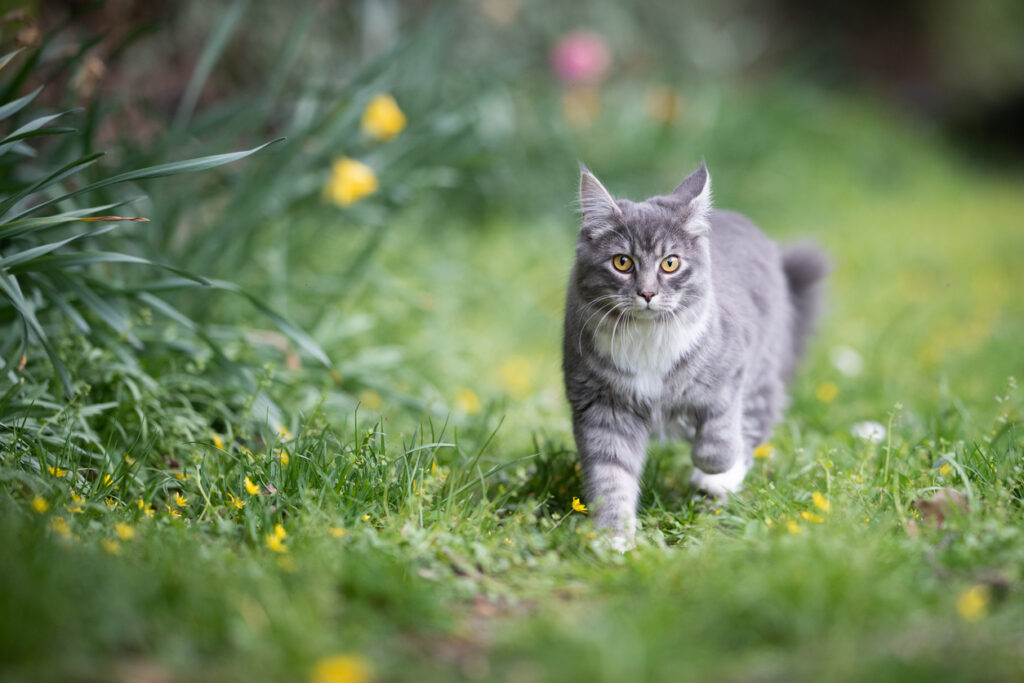
Unlike many predators who only hunt when they need food, cats have a hunting drive that’s completely separate from hunger, which is why well-fed house cats continue to catch prey. This behaviour stems from their evolutionary history where successful hunters had better survival rates regardless of immediate food needs.
The hunting instinct is so strong that it’s triggered by movement and sound, even in cats that have never experienced hunger. This explains why house cats will enthusiastically chase laser pointers, feather toys, or anything else that activates their predatory programming.
They’re still evolving to become better hunters.
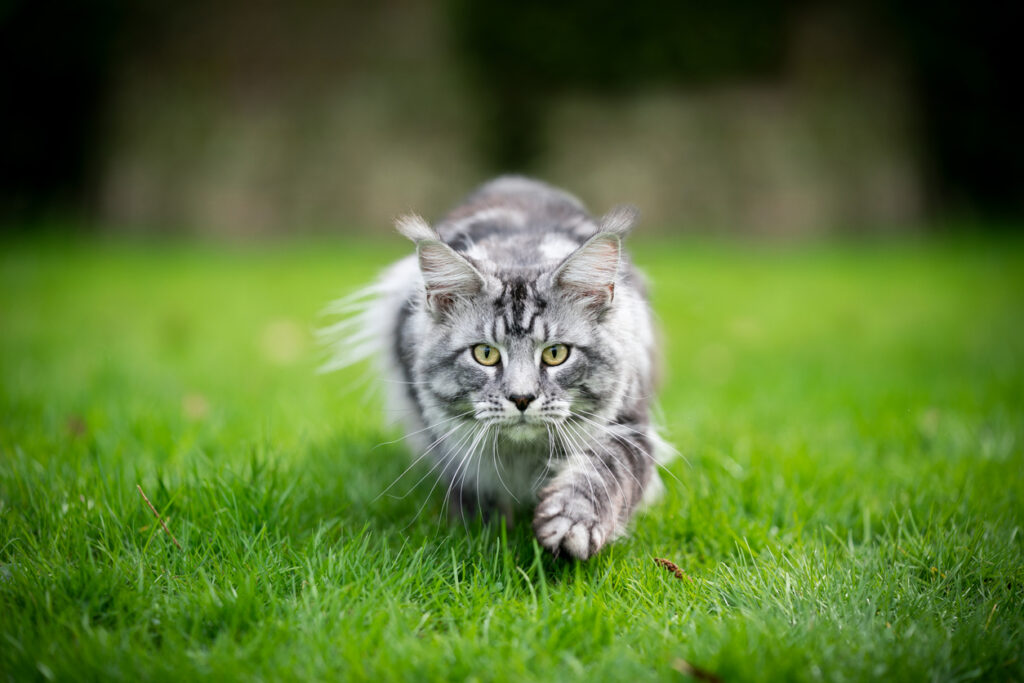
Recent studies suggest that domestic cats are continuing to evolve, with some populations showing improvements in hunting efficiency over just a few generations. Urban cats in particular are developing new strategies for hunting in human-modified environments.
Their genetic diversity and rapid reproduction rates mean that successful hunting traits can spread quickly through populations, potentially making future cats even more effective predators. This ongoing evolution ensures that cats will likely remain apex small-animal predators for the foreseeable future.