Summer in the UK sounds ideal for gardening thanks to long evenings, warm(ish) weather, and plants doing their thing.

However, anyone who’s tried to keep a garden looking decent through July and August knows the reality: it’s chaos. From dried-out borders to slugs that act like it’s an all-you-can-eat buffet, summer gardening comes with its own set of headaches. Here’s how to solve the most common ones before they wreck your hard work.
1. Plants wilting faster than you can water them
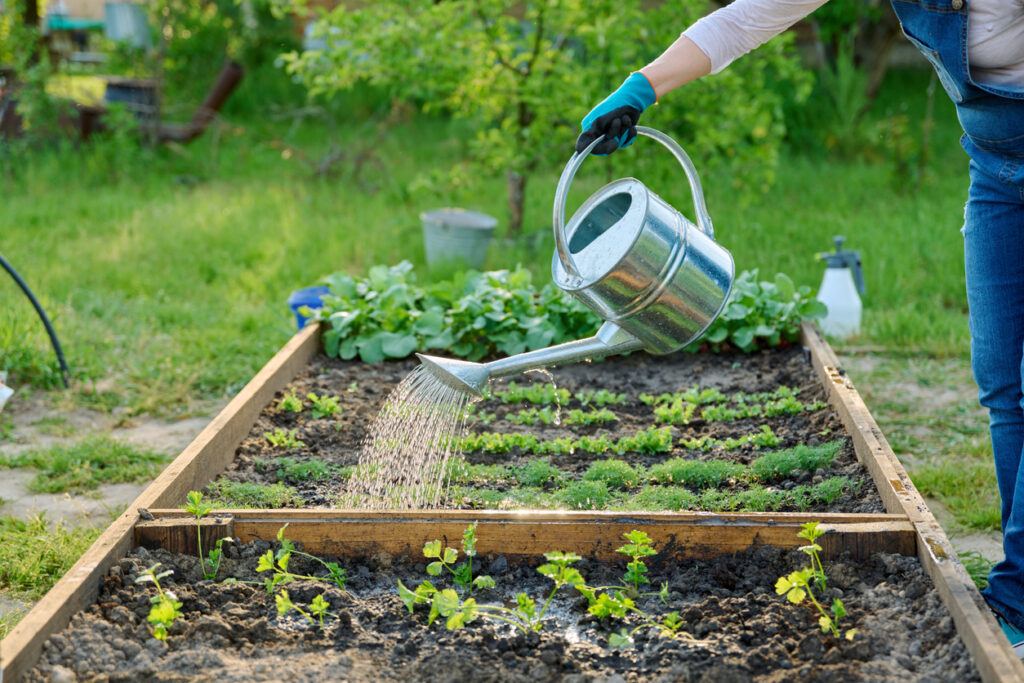
Heatwaves might be rare in the UK, but when they hit, your plants start flopping like it’s a drama audition. Wilting isn’t always just thirst; it can also be from root damage or sun stress. However, it’s usually just dry soil begging for attention.
Don’t just splash a bit of water on the surface. Instead, give plants a deep soak in the morning or evening so it actually reaches the roots. If things are really cooking, a layer of mulch can help stop moisture evaporating faster than you can top it up.
2. Slugs and snails throwing a garden party
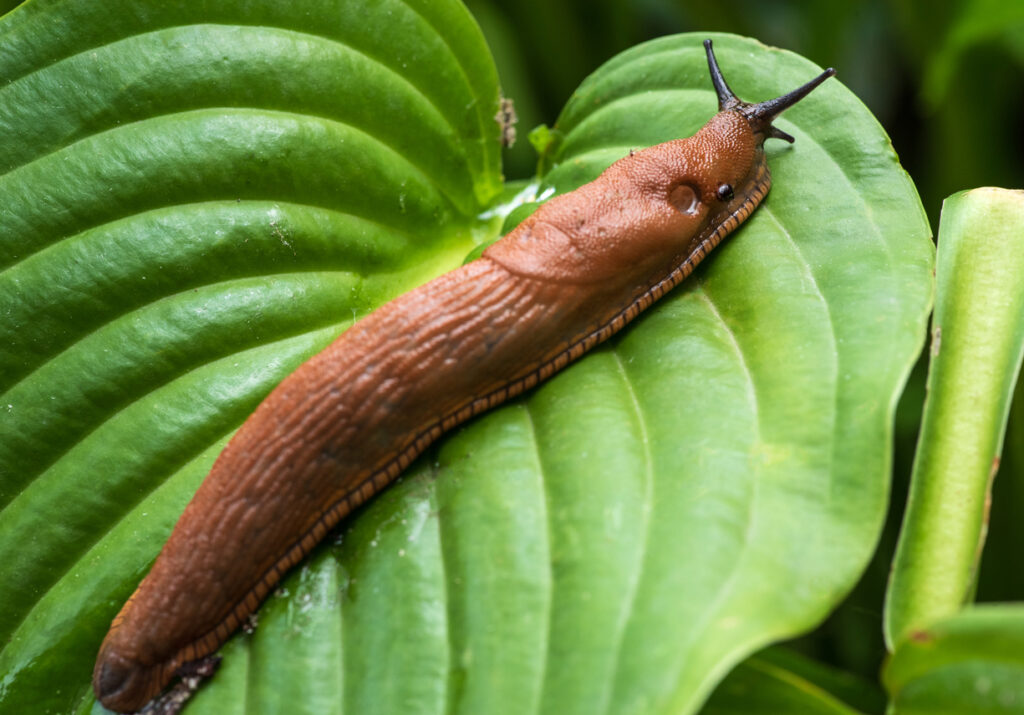
You plant out your seedlings with pride, but the next morning, it’s total carnage. Slugs and snails are summer regulars, especially when it’s been raining overnight. What’s worse, they’ll chew through leaves, stems, and your will to live.
There are all kinds of possible solutions here. Beer traps, copper tape, wool pellets—try whatever works in your space. The real trick is staying consistent, though. Don’t just panic-react after they’ve munched through your dahlias. A little daily patrol (with a torch if needed) works wonders.
3. Lawns turning brown and patchy
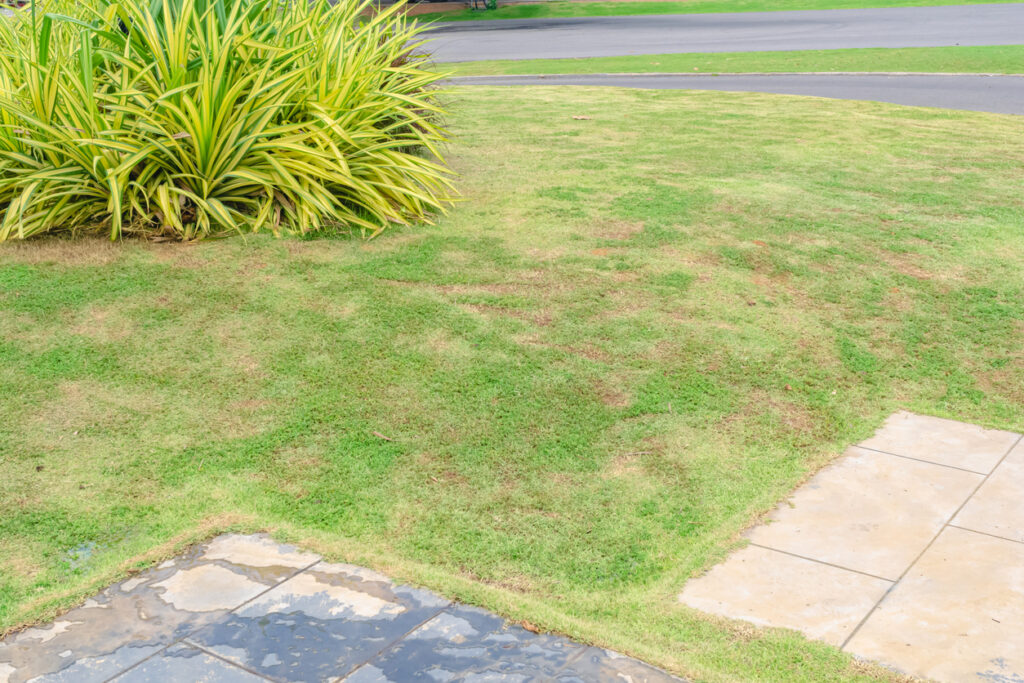
That lush green lawn you worked on all spring are gone. One hot week and suddenly, it’s patchy, scorched, and looking more like straw than grass. There’s no real reason to panic, though, since most lawns bounce back. It’s tougher than it looks.
The worst thing you can do is over-water or over-mow. Raise the blades on your mower and let the grass grow a bit longer. It’ll shade itself and cope better. If you really want to keep it looking fresh, give it a deep watering once or twice a week rather than a daily sprinkle.
4. Tomatoes refusing to ripen
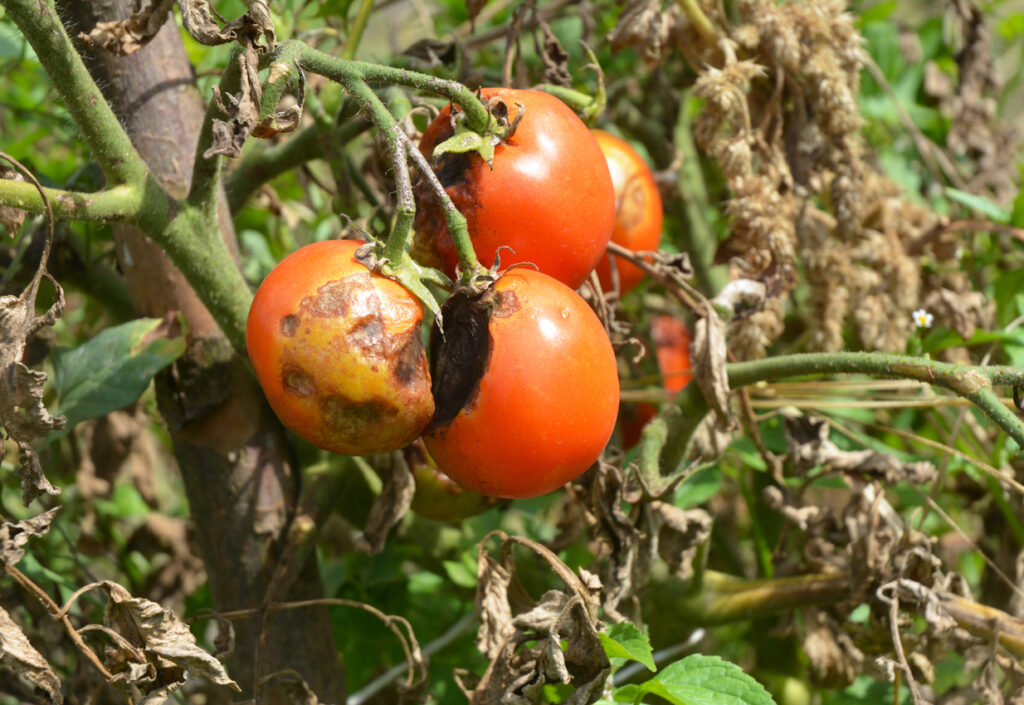
Your tomato plants are loaded with green fruit, but they’re just… sitting there. They’re not turning red or doing much of anything. It’s infuriating, especially when it feels like you’ve done everything right.
The key here is patience and warmth. Tomatoes ripen with heat more than sun, so if August’s a washout, they might stall. Try removing some leaves to let light and warmth reach the fruit. Oh, and hold back on feeding once they’ve set fruit. You want them ripening, not growing more foliage.
5. Powdery mildew on everything

If your courgettes or roses start looking like someone dusted them in flour, that’s powdery mildew. It loves warm days, cool nights, and poor air circulation, which is basically British summer in a nutshell.
Cut off affected leaves and improve airflow by thinning out plants. Try not to water the leaves, and avoid overcrowding. There are organic sprays if things get really bad, but often it’s about damage control, and not stressing if a few leaves look dodgy.
6. Hanging baskets drying out constantly
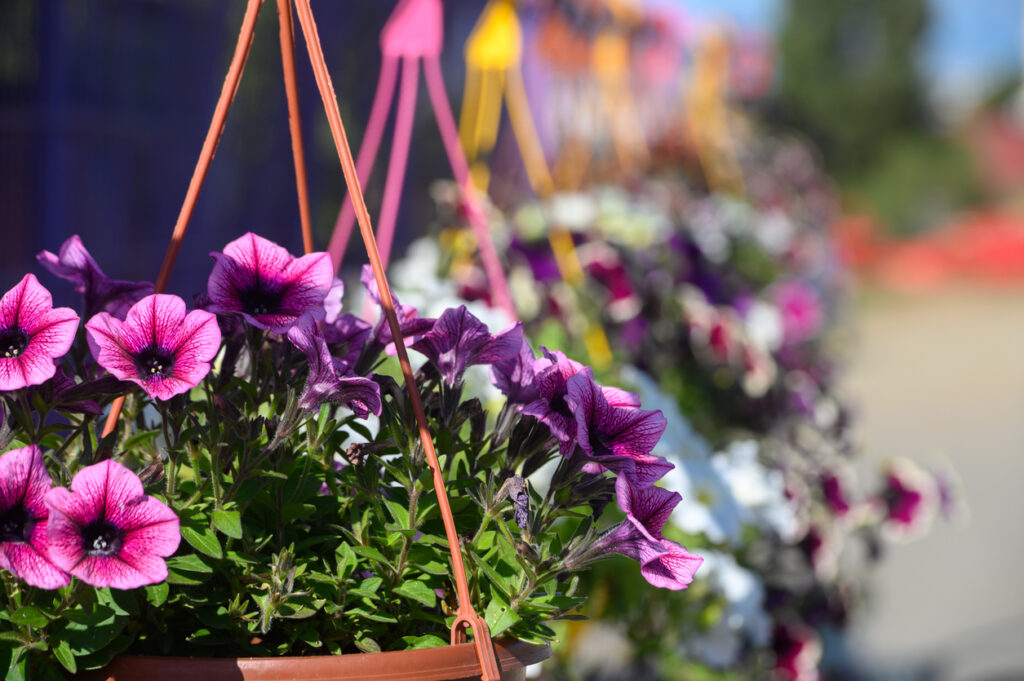
They look gorgeous for about a week, then suddenly they’re bone dry, drooping, and looking tragic. Hanging baskets are dramatic like that. All show, zero resilience if neglected for a day. How on earth are you supposed to keep them looking nice?
Use water-retaining gel when planting them up, and line the basket well to hold more moisture. In hot weather, you might need to water twice a day. It’s a faff, but it keeps them alive. Also, don’t be afraid to chop them back hard if they’re looking tired. They’ll regrow quickly, promise.
7. Bolting salad leaves
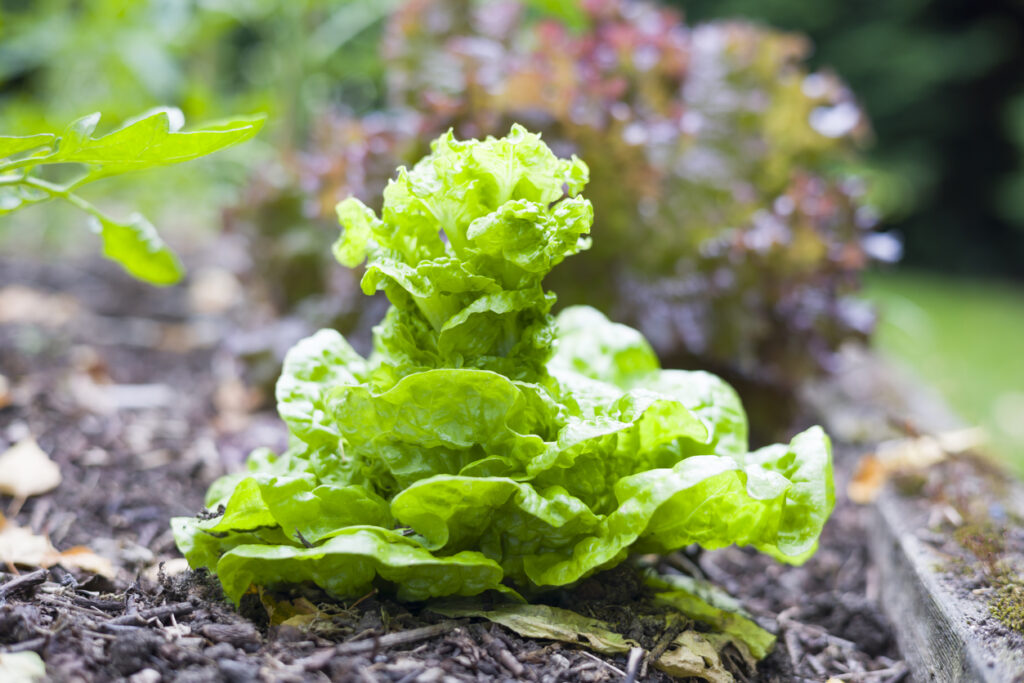
One minute you’ve got a lovely bed of lettuce. The next, they’ve shot up into weird towers of bitterness. Welcome to bolting, which is your plants’ way of saying, “It’s too hot, I’m out.” They’re fussy little things, admittedly.
Salads prefer cooler temps, so sow little and often, and keep them shaded in the height of summer. Water regularly to keep the soil moist and cool, and don’t wait too long to harvest. Pick early and often to keep them tasty and tender.
8. Wasps taking over the garden

Sit down with a drink and within seconds, there’s a wasp hovering around your face like it owns the place. They’re not interested in your flowers; they want your food, your drink, and your general peace. No matter what you do, you just can’t seem to get them gone.
You’re right, in a sense. You can’t get rid of them entirely, but you can distract them. Set up a sugary trap or decoy far away from where you sit. And keep food and drinks covered. They’re just trying to get through summer too, but yeah, they’re still rude about it.
9. Weeds growing faster than anything else
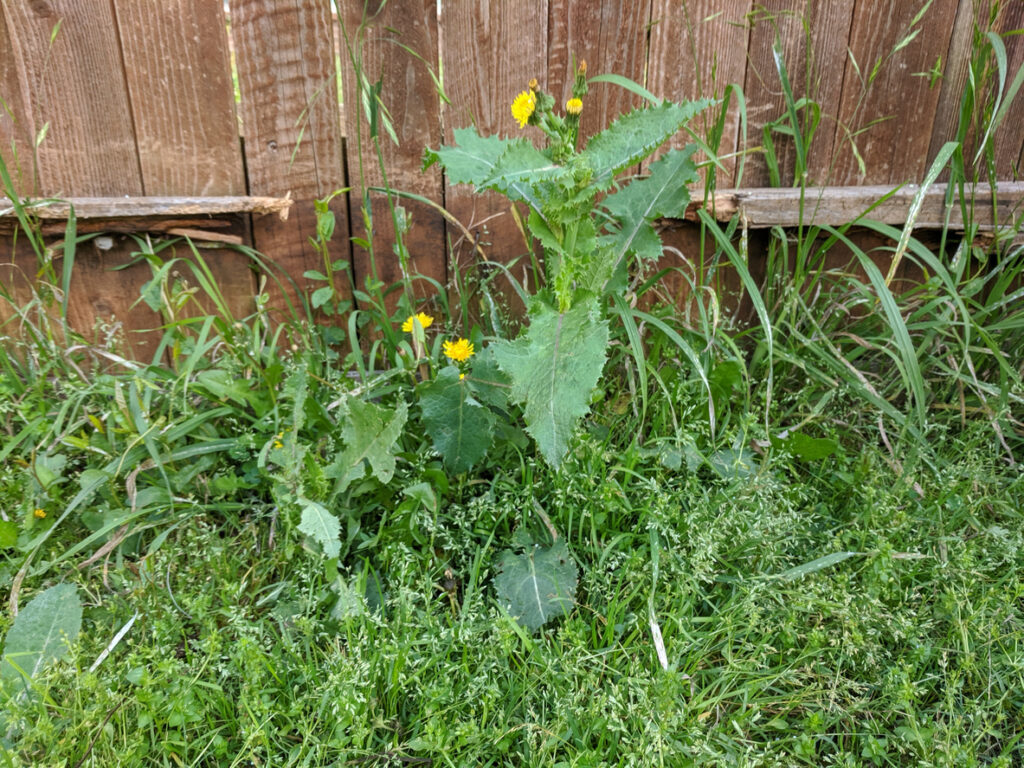
You spend ages planting and pruning, only for weeds to pop up like they’ve got some kind of superpower. Bindweed, ground elder, creeping buttercup, all of them thriving while your prize delphiniums sulk.
Summer weeding needs regular maintenance. Don’t let them go to seed, or you’ll have a full-blown invasion next year. Get them while the soil’s damp and they pull up easier. Also, consider trying mulching beds. It smothers weed seeds and gives you fewer backaches.
10. Blackfly on your beans
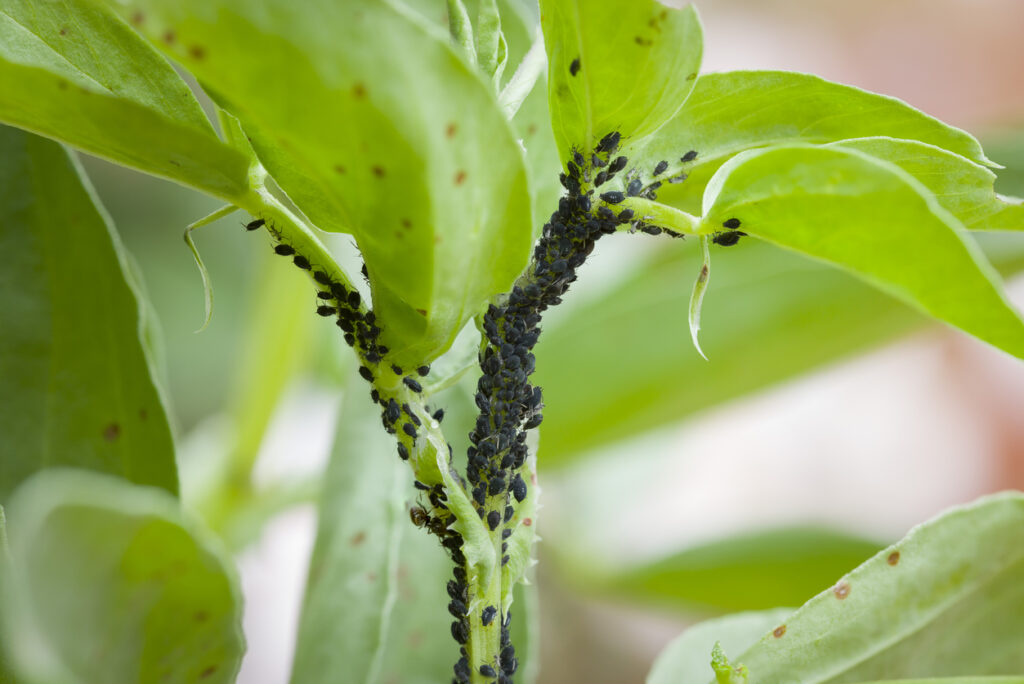
One day your runner beans are looking great, the next they’re covered in tiny black bugs clustering on the tips and stems. Blackfly love beans, and if you leave them, they’ll suck the life out of your crop. Pretty awful, right?
Pinch off the growing tips since that’s where they cluster first, and blast them with a hose if they’re bad. Ladybirds love eating them, so try not to nuke everything with harsh sprays. A bit of patience and regular checks usually keeps them under control.
11. Fruit splitting after rain
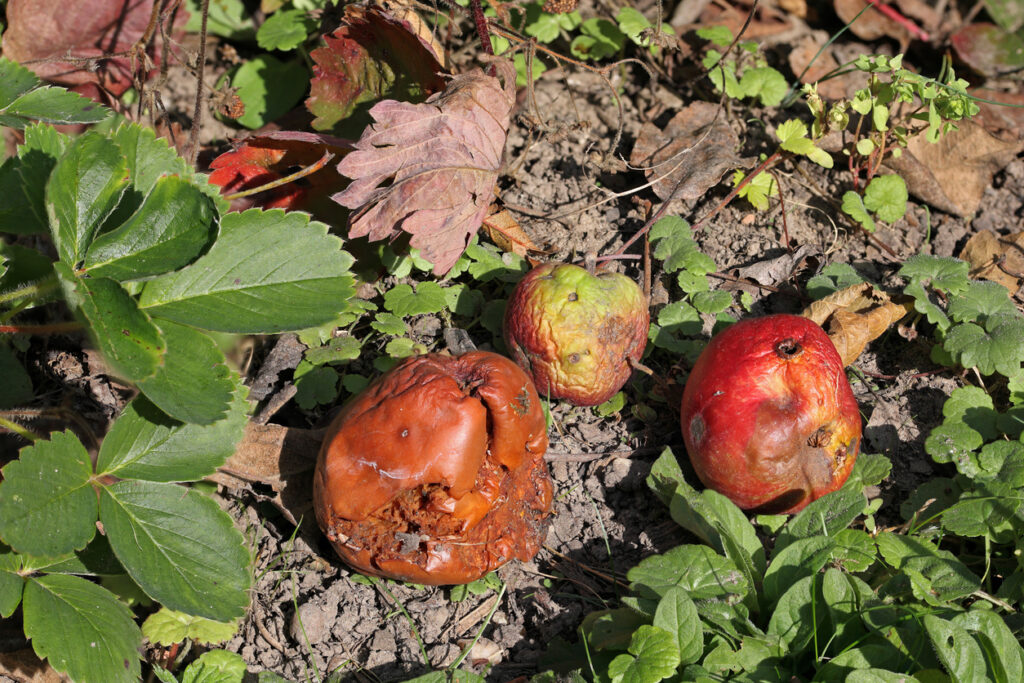
Your tomatoes or plums are nearly ripe, then bam—a bit of rain, and they split wide open. It’s frustrating, especially after weeks of care. This usually happens after a dry spell followed by sudden heavy rain. The fruit can’t cope with the sudden water surge.
Try to keep watering consistent during dry weather, even if the fruit looks fine. That way, they’re less likely to swell too fast when the rain hits. If some split, pick them quickly. They’re still perfectly edible, just not as pretty.
12. Everything looking tired by late August
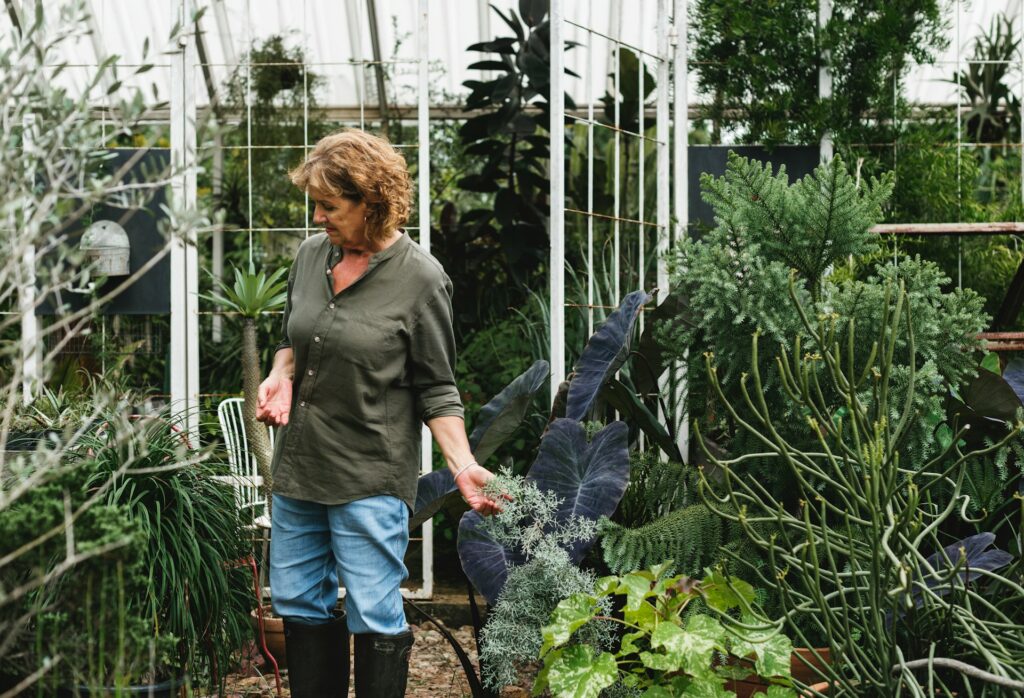
Summer’s not even over yet, but your borders are already looking past it. The early colour’s faded, the perennials are flopping, and it all feels a bit… meh. This is where a bit of planning (or emergency buying) helps.
Cut back early bloomers to encourage a second flush, and add late-season stars like rudbeckia, asters, and sedums if you’ve got gaps. Even a few pots with fresh colour can perk things up. Oh, and remember, a bit of mess is normal. Gardens aren’t showroom-ready all year, and that’s okay.