Bats are famously strange little creatures, and one of their most iconic quirks is the way they hang: feet-up, head-down, like furry little sky-gremlins on pause.
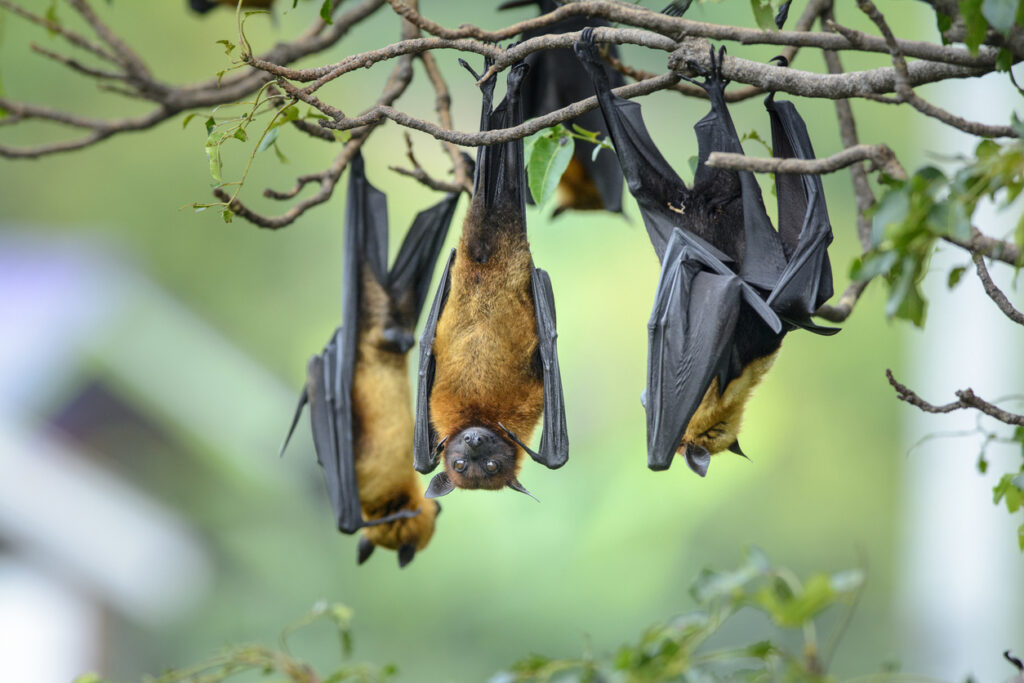
However, this isn’t just some gothic aesthetic choice. There are actually solid biological reasons why bats hang upside down instead of roosting the “right” way up like birds. From survival hacks to body structure, here are 13 reasons why bats live life flipped. It actually makes a lot of sense when you think about it!
1. Their feet are literally built for it.
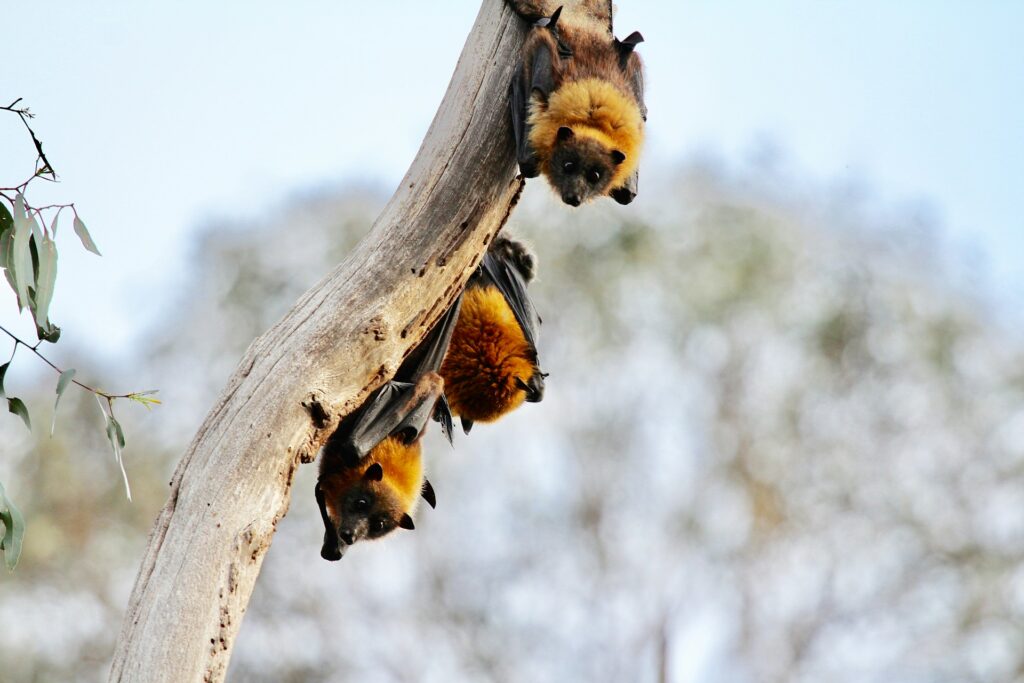
A bat’s feet lock into place when relaxed. That means they don’t need to use any muscle effort to hang. They just grab on, and their tendons do the rest. It’s actually harder for them to stay upright than to hang upside down. This design is super energy-efficient. Birds perch using muscles, but bats just hook in and chill, saving energy while they rest or sleep. It’s more like a built-in hammock system than anything else.
2. It gives them a flying start.
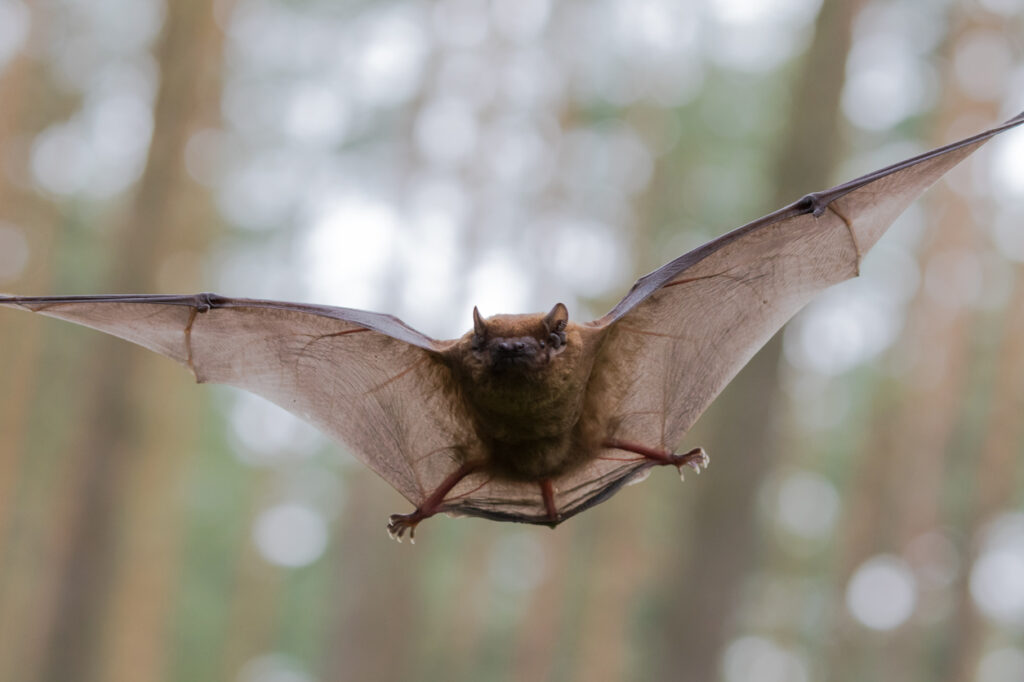
Bats can’t launch from the ground like birds do. Their wings aren’t designed for standing take-off, so they use gravity as a boost. Hanging upside down lets them simply let go, drop, and start flying mid-fall. If they tried to fly from the ground, it would be clumsy and slow—and make them easy targets. Dropping straight into flight is way faster, and a lot safer when you’re a small mammal with predators lurking.
3. Their wings don’t support standing.
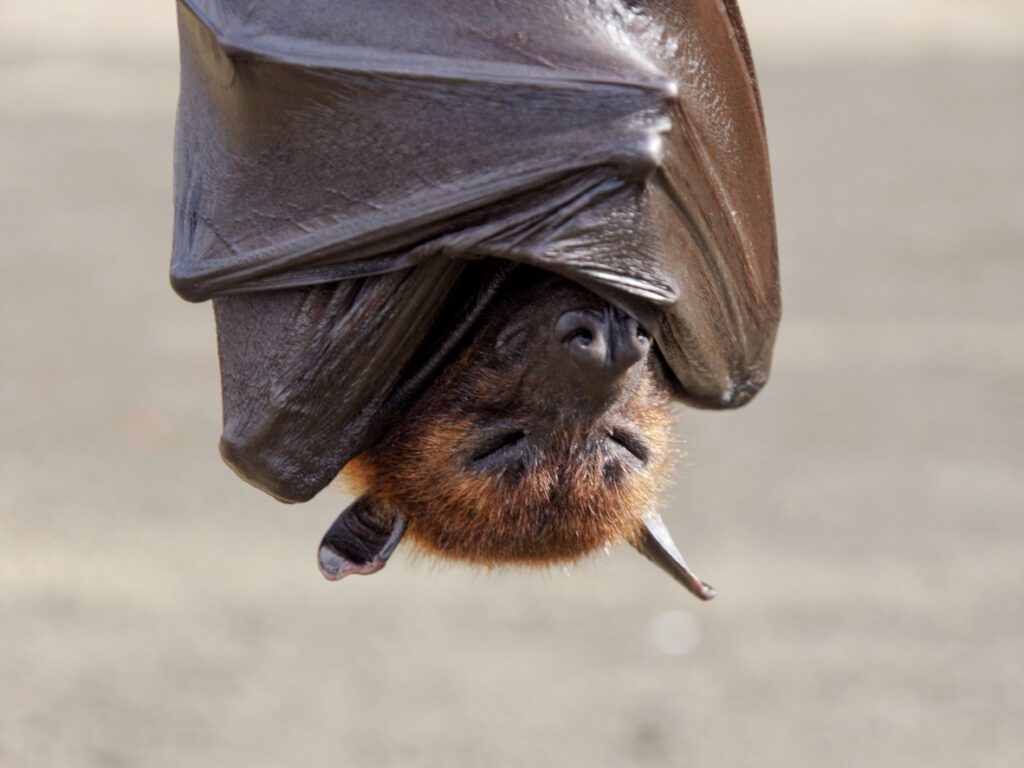
Bat wings are more like long, stretched fingers than solid bird wings. They’re flexible and delicate, not built to support weight from below like legs are. Standing would crush or damage them. By hanging, they avoid putting pressure on their wing structures. It’s the best position for protecting those thin, sensitive membranes that make flight possible in the first place.
4. It keeps them hidden from predators.
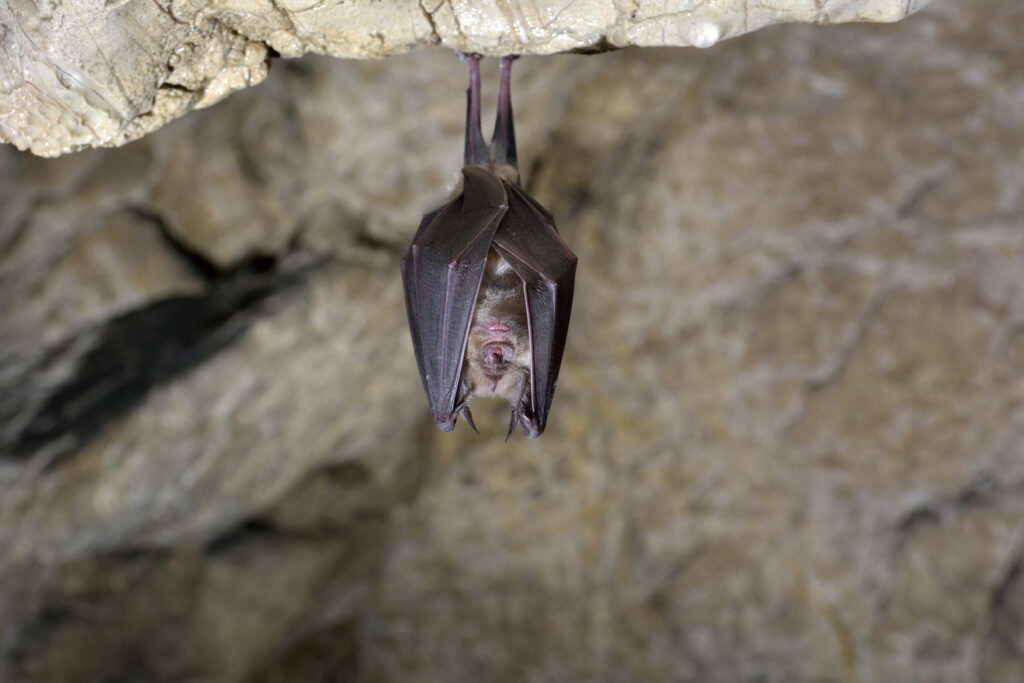
Most bats are active at night and need to hide during the day. Hanging upside down in caves, trees, or roof beams keeps them tucked out of sight where predators like owls, snakes, or cats can’t easily reach them. Plus, not many animals or birds bother checking above eye-level for sleeping prey. By roosting upside down, bats are basically going in stealth mode during their most vulnerable hours.
5. It saves precious energy.
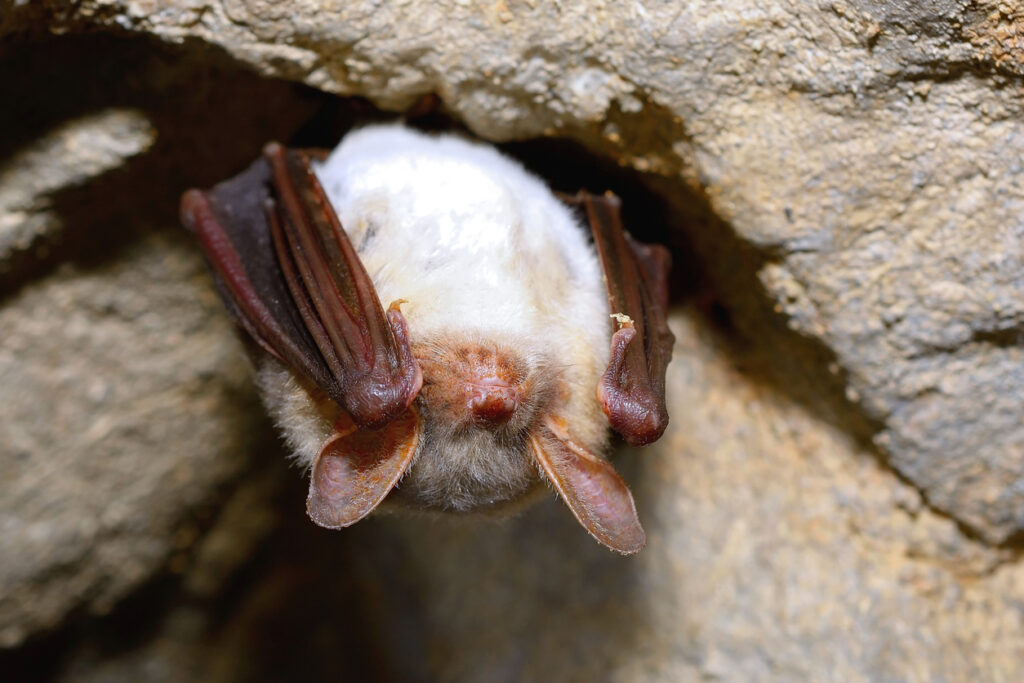
Flying takes a lot of energy, and bats don’t have big fat reserves. By hanging in a position that uses no muscle effort, they conserve every bit of energy they can between flights. This is especially useful during colder months when food is scarce. Some bats even enter a torpor-like state while hanging, reducing their metabolic rate and riding out lean times.
6. It’s a perfect group strategy.
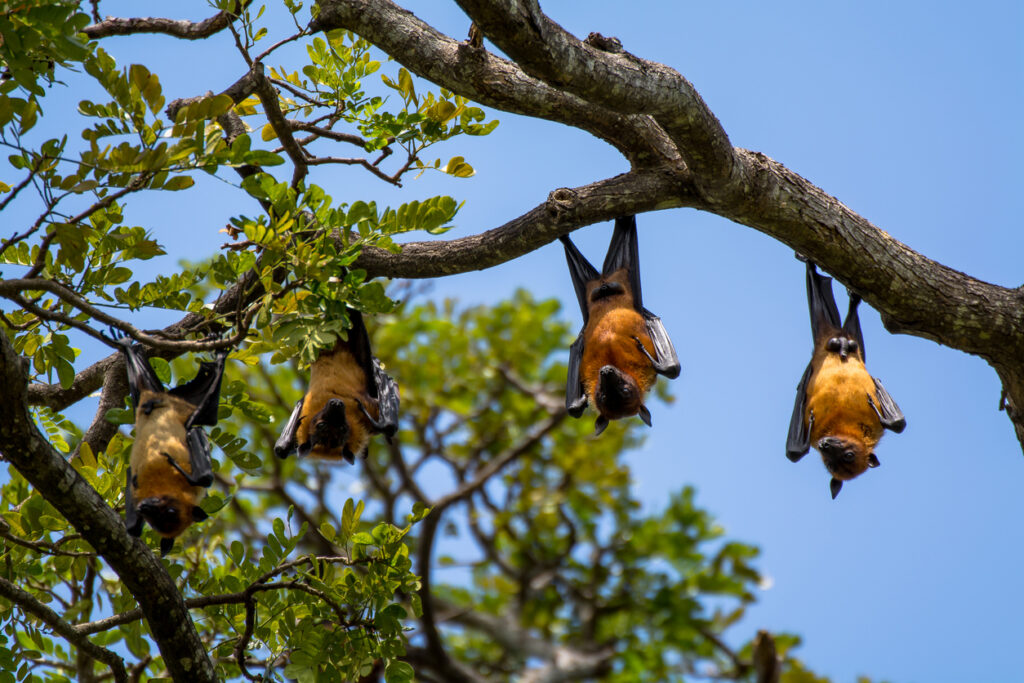
Hanging upside down lets bats roost in tightly packed clusters. Hundreds, sometimes thousands, can cram together in a single spot, helping them share warmth and keep safe in numbers. This wouldn’t be possible if they stood upright or sprawled out. Their topsy-turvy approach lets them use vertical space more efficiently than most other animals.
7. It helps with circulation.
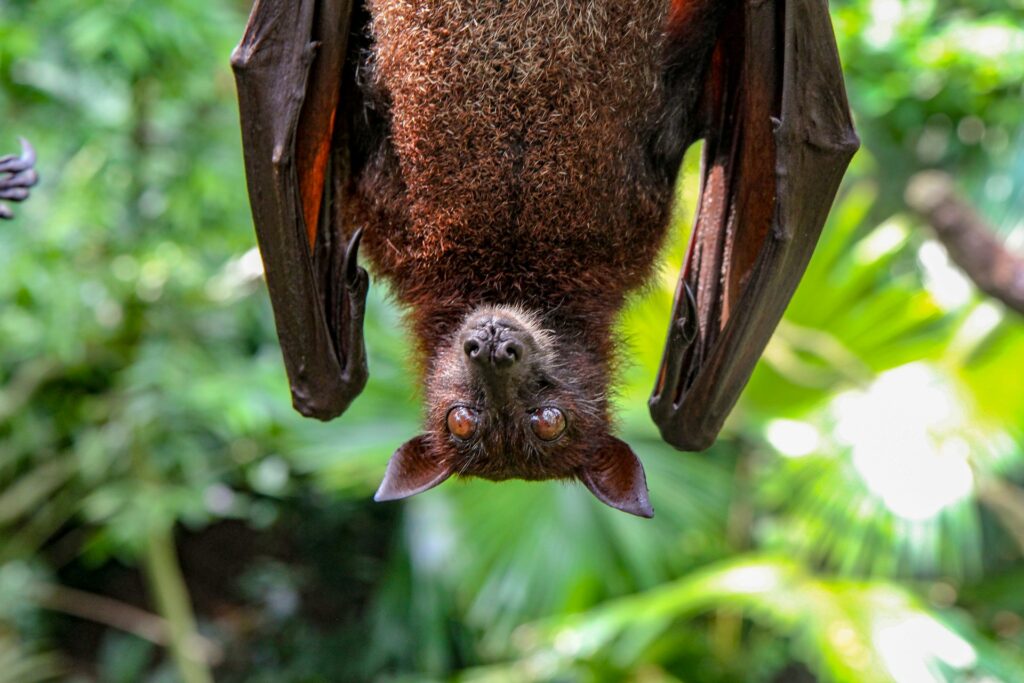
You’d think hanging upside down would be bad for blood flow, but bat bodies are built differently. They have valves in their veins that stop blood from pooling in their heads or wings. This means they can hang for hours, or days, without dizzy spells, discomfort, or pressure building up. It’s not uncomfortable for them like it would be for us.
8. It works in tight spaces.
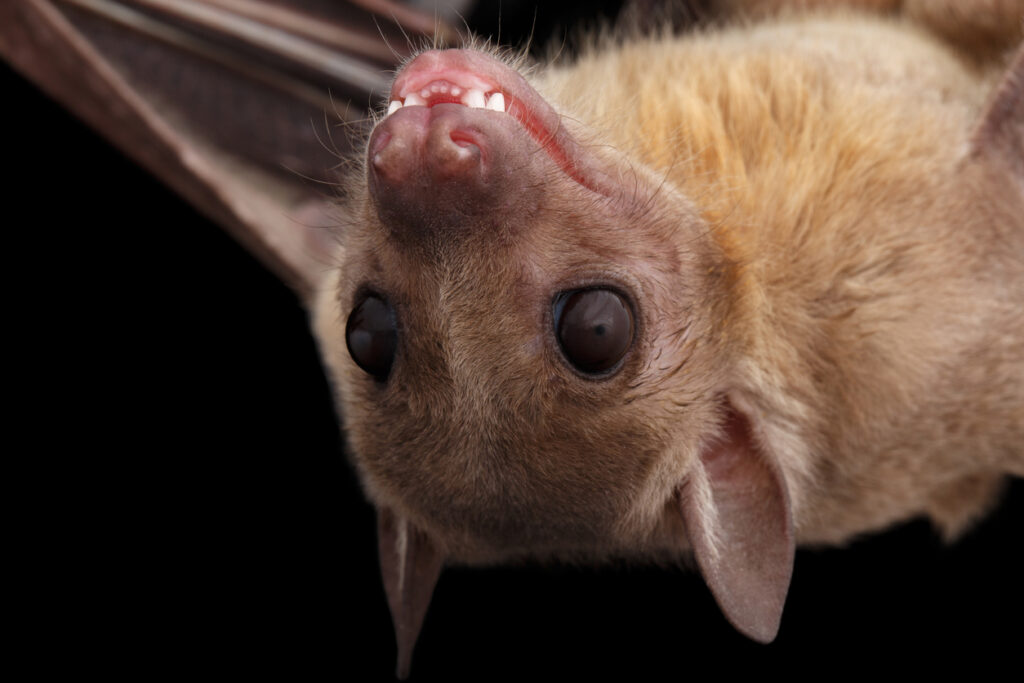
Bats often live in caves, crevices, or tucked behind tree bark, which are places where there’s no flat ground to land on. Hanging from the ceiling means they can live in spots other animals simply can’t access. This gives them an edge in avoiding competition and staying safe from threats. It’s all about making the most of overlooked or awkward environments.
9. It makes sleeping safer.
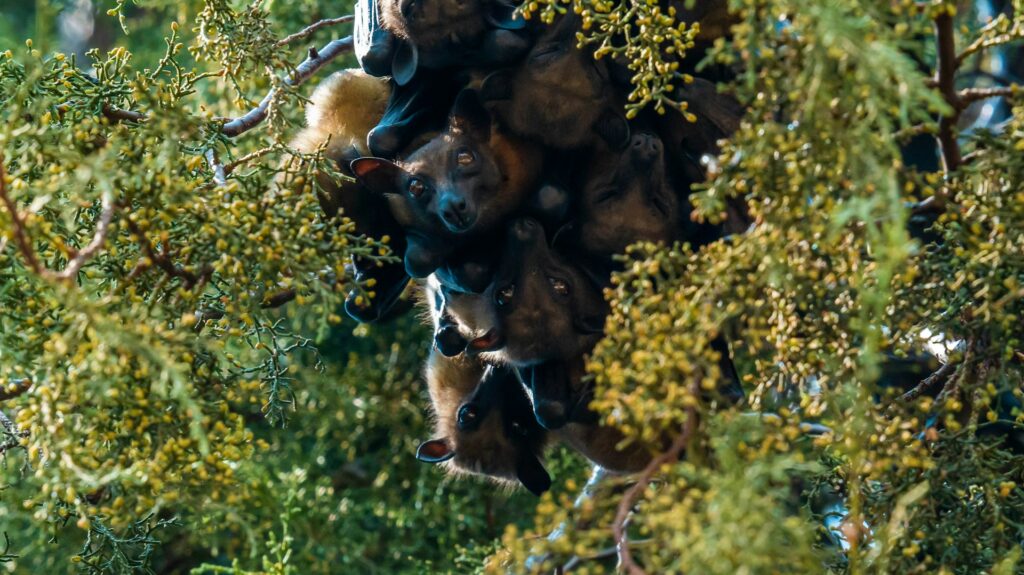
When bats sleep, they’re essentially defenceless. Hanging high above the ground gives them a better chance of waking up and escaping if something disturbs them. And because they can drop straight into flight, their reaction time is faster than if they were lying on a branch or the floor trying to get airborne.
10. It’s how they were designed to rest.
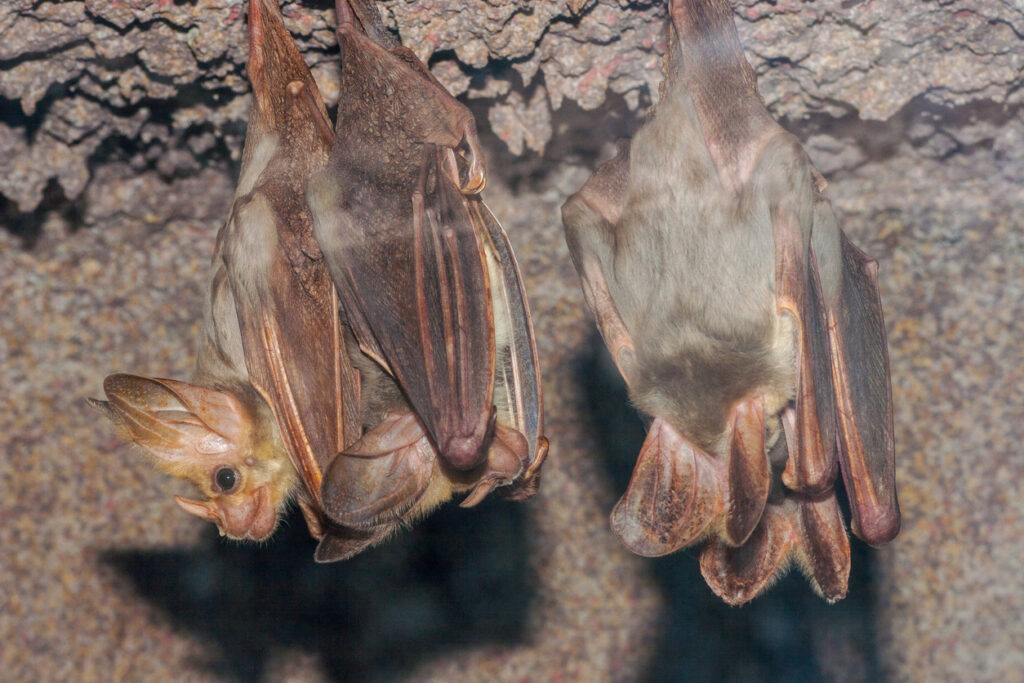
Evolution has shaped bats to rest in this way. Over millions of years, their anatomy has adapted to make hanging the default. It’s not just preference; it’s physical necessity now. From their strong tendons to their hook-shaped claws, every part of their body favours an upside down lifestyle. It’s how they’ve survived and thrived for so long.
11. It helps them regulate temperature.
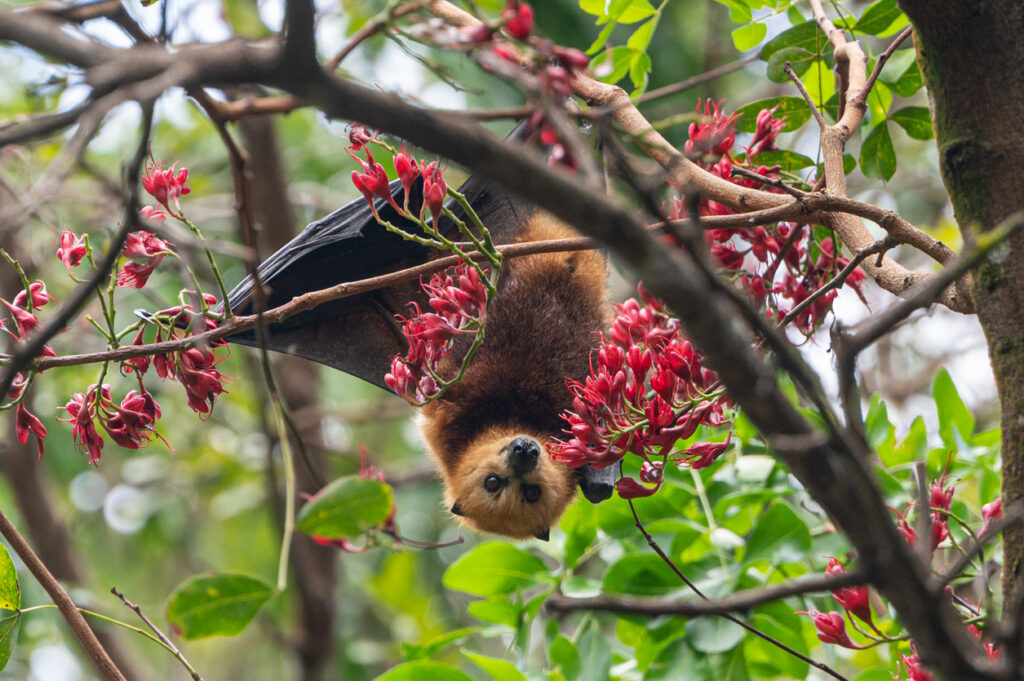
Roosting upside down in large numbers helps bats share warmth and stay at stable temperatures, especially in colder caves or during early spring when nights can still be chilly. Their bodies pressed close together conserve heat far better than if they were spaced out. Being high up avoids ground-level drafts and fluctuations.
12. It protects their wings during rest.
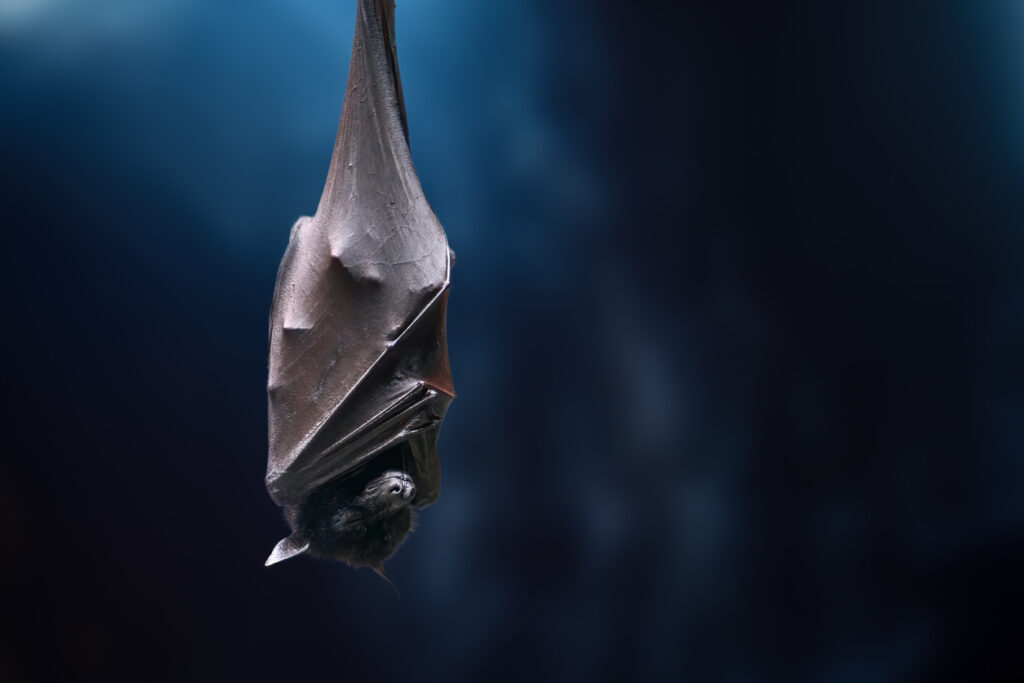
Bat wings are thin and vulnerable. Hanging keeps them folded safely against the body, away from rough surfaces, sharp objects, or other animals that might damage them. It’s a way of tucking themselves in, quite literally, keeping their most valuable asset (flight) protected while they rest. It’s smart, if a little odd-looking.
13. Their leg muscles aren’t very strong.
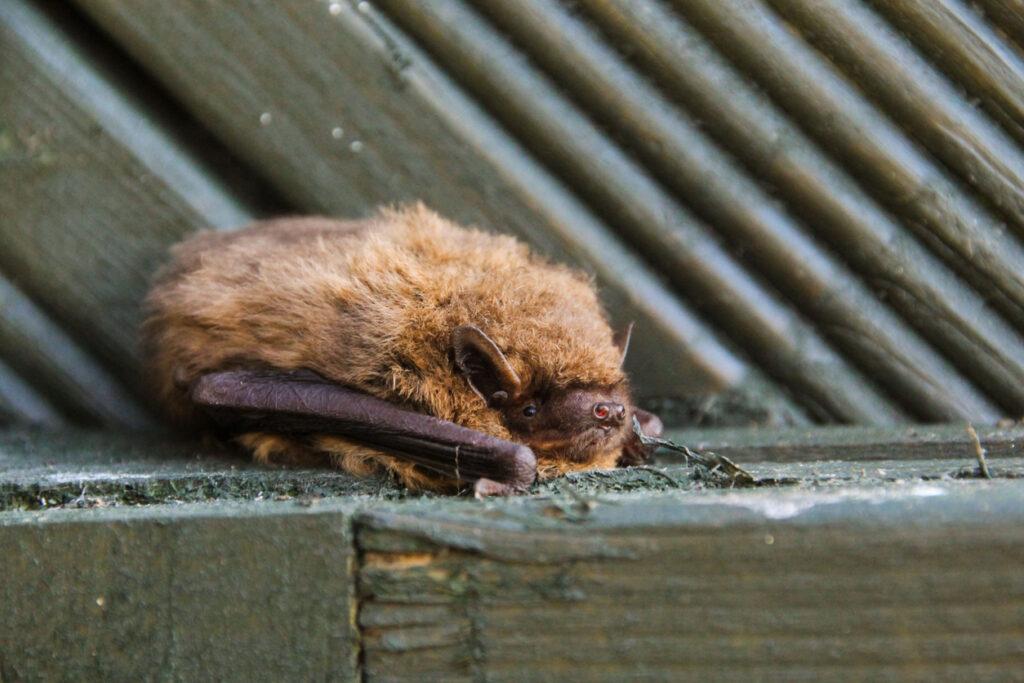
Unlike birds, bats don’t have strong back legs or upright posture. Their legs are small and turned in a way that makes walking or standing awkward at best, and downright impossible for some species. This makes hanging the only real resting option that doesn’t leave them vulnerable or off-balance. It’s not that they won’t stand. It’s that they physically can’t for long without discomfort or risk.