
Bird migration is one of nature’s most incredible journeys, and it’s driven by more than just location. Some birds travel thousands of miles across continents every year, while others barely budge from their neighbourhood park. It all comes down to survival strategies, energy trade-offs, and what each bird needs to thrive. Here’s why some birds take flight and others stay right where they are.
Availability of food and nesting resources
Plenty of birds migrate because their food supply disappears in winter. If a bird relies on insects, nectar, or fruit, those things are scarce in colder months, so it makes sense to fly somewhere warmer. Returning in spring means landing just as food becomes plentiful again, which also makes it an ideal time to nest and raise young.
On the other hand, birds that stick around year-round tend to eat seeds, nuts, or even scraps left out by humans. Their food isn’t as seasonal, and their bodies are better at coping with the cold. If they can find shelter and enough to eat, staying put becomes the easier option.
Seasonal day length as a migration cue
Birds don’t just fly off when they feel cold; many respond to changes in daylight. Shorter days in autumn trigger internal changes that tell them it’s time to move. It’s not just about temperature; their internal clock is wired to prepare for migration before things get rough.
The same goes for spring. As the days get longer, birds get the signal to head back north. Some species are highly tuned into this rhythm, while others don’t respond to it as strongly, which explains why not all birds feel the same urge to move.
Risk versus reward of migration
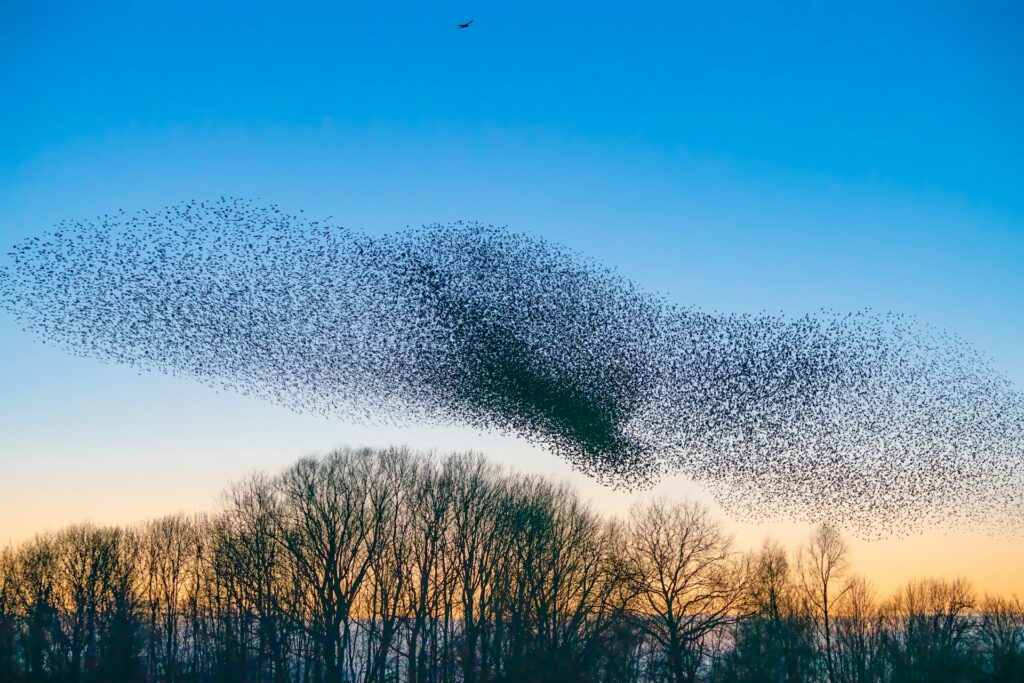
Migrating is a gamble. It takes a huge amount of energy, and there are dangers along the way: storms, predators, exhaustion. For birds that do it, the payoff needs to be big: better food, safer breeding spots, or fewer competitors. Birds that don’t migrate avoid all that risk. They might deal with colder conditions, but they skip the stress and danger of the journey. If they’ve adapted well to their environment, sticking around becomes the more efficient choice.
Body size, physiology, and endurance
Some birds are built for travel. They can store extra fat for fuel, fly for hours without rest, and use wind patterns to save energy. These birds tend to be strong fliers with long wings and efficient metabolisms that help them survive the trek. Other birds simply aren’t equipped for long-distance flights. They might be smaller, more fragile, or have different body needs. These species often focus on finding clever ways to survive where they are, rather than risking migration.
Flexibility within species that allows for partial migration
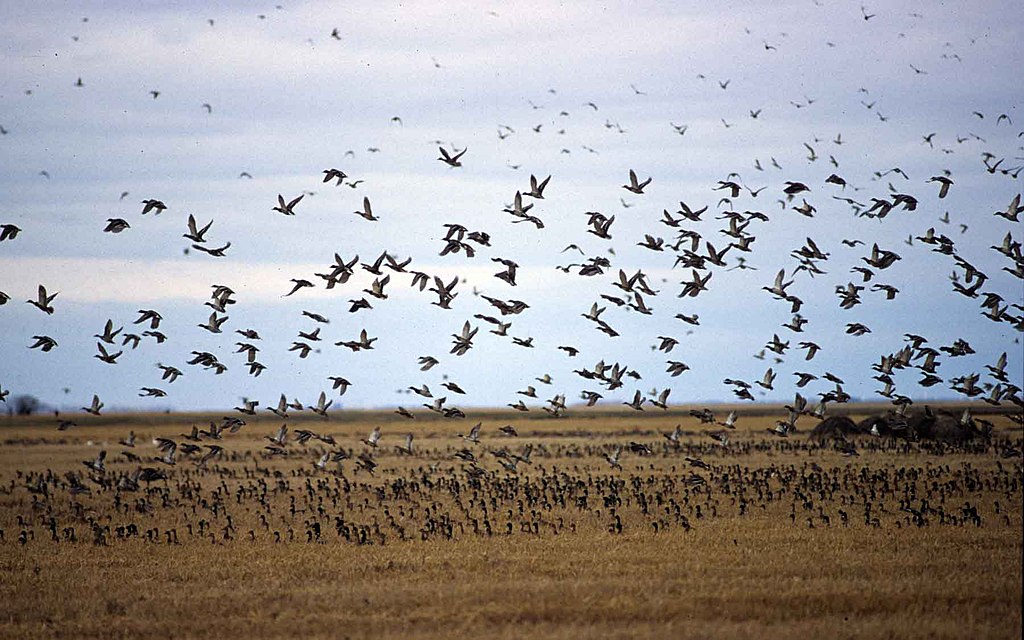
Interestingly, some species do a bit of both. You might find a bird species where some populations migrate and others don’t, depending on where they live. Birds in colder regions might leave for winter, while those in milder areas stick around.
This kind of flexibility shows how migration isn’t always all-or-nothing. Some birds adjust their behaviour based on local conditions, and some have even started staying put in areas they used to leave, likely because of changing climates and urban food sources.
Genetic programming and learning
Some birds are born with migration instincts built into them. Even if they’re raised in isolation, they’ll still feel the urge to fly south at a certain time of year. However, instinct isn’t the whole story. Birds often learn routes and stopovers from their parents or flock mates. This mix of nature and nurture helps explain how migratory paths can evolve over time. Birds might tweak their routes based on experience or pass down shortcuts. It’s a flexible system, even when it looks hardwired.
7. Habitat familiarity and local knowledge
Birds that stay in one place get to know their area really well. They know where to find food when snow covers the ground, which bushes offer the best shelter, and how to avoid local predators. That kind of experience gives them an edge, even in tough conditions. For these birds, staying put is less about laziness and more about efficiency. They’ve adapted to their environment, they know the shortcuts, and they don’t need to leave because they’ve learned how to survive exactly where they are.