Most people assume sunlight is always best for plants, but some species actually prefer life under artificial lights.
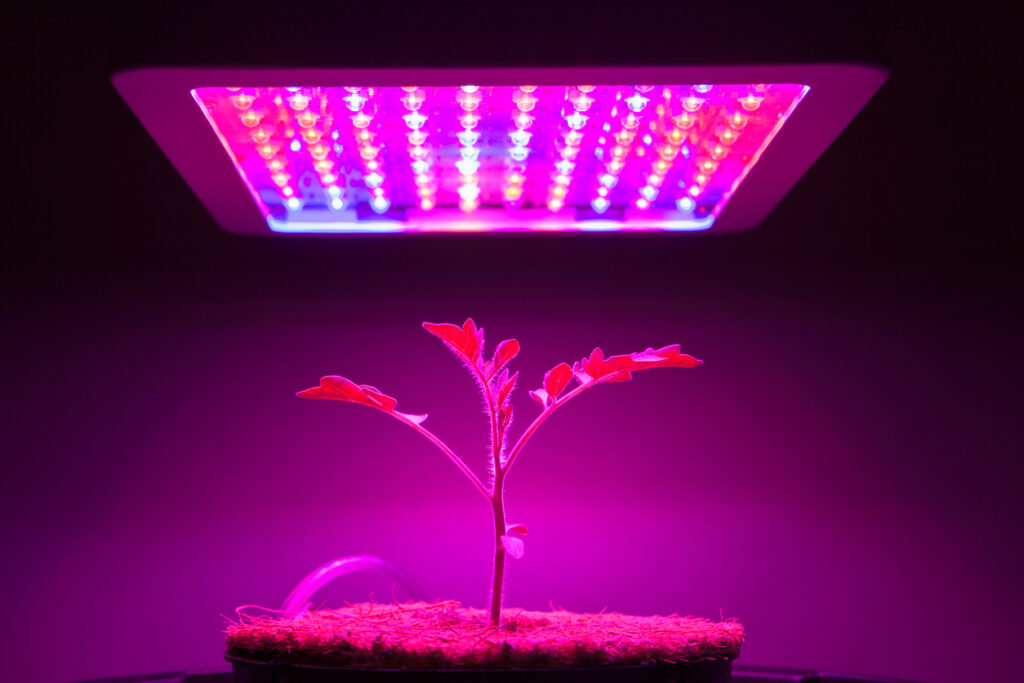
Whether it’s because of lower heat stress, more consistent conditions, or better adaptability to indoor life, a few plants not only survive under grow lights, but they genuinely thrive. If you’re short on windows, or want a low-fuss indoor setup, these are the plants that often do better under bulbs than out in the garden.
1. African violets
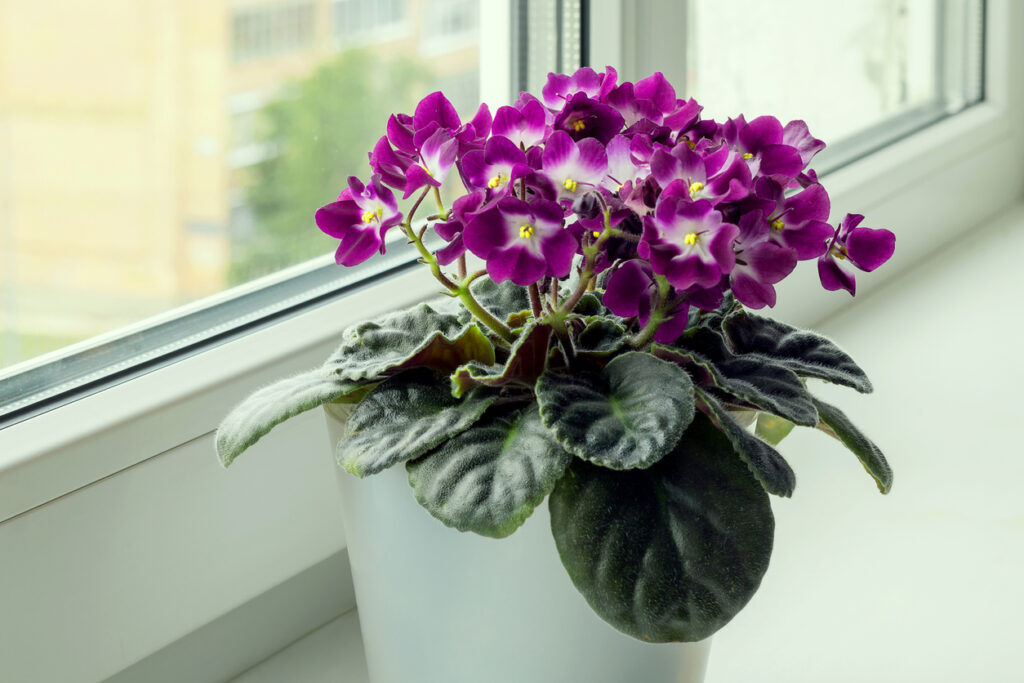
African violets are one of the most popular houseplants for a reason: they’re compact, pretty, and happy under a simple fluorescent light setup. Too much direct sun can scorch their leaves or cause colour to fade, so they often do better under consistent, gentle lighting indoors.
With artificial light, you can control how much exposure they get, and they won’t have to deal with the seasonal changes that windows bring. Keep the light a few inches above the foliage for 12–14 hours a day, and you’ll get lush leaves and regular blooms without the risk of sunburn.
2. Spider plants
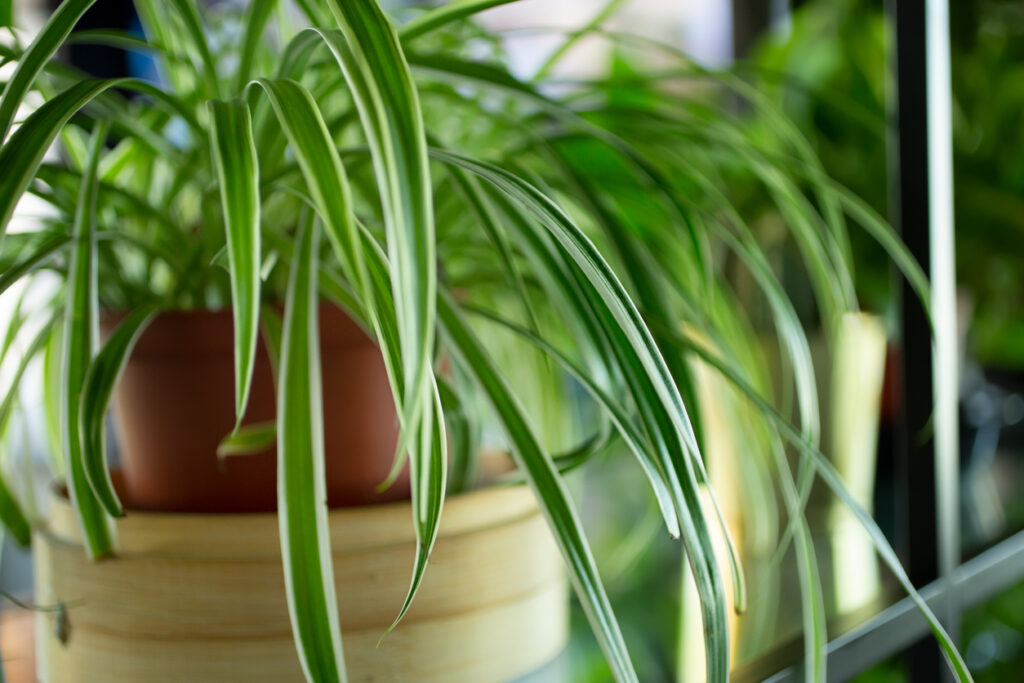
Spider plants are famously adaptable, and while they’ll grow in indirect sunlight, they tend to produce more offshoots and fuller foliage when kept under grow lights. Artificial lighting offers the consistent brightness they need without ever tipping into too harsh or too low.
They also do well in places where natural light is unreliable, like basements or north-facing rooms. You’ll likely notice faster growth and stronger baby plant production when they’re under artificial light for 12–16 hours daily.
3. Pothos

Pothos is another low-maintenance houseplant that thrives under artificial light. In fact, too much direct sunlight can bleach its leaves, especially in variegated varieties. Under fluorescent or LED lighting, pothos keeps its colour, spreads faster, and grows long trailing vines with ease.
Because they’re so adaptable, they’re ideal for offices, flats, or anywhere with poor natural light. Give them a regular watering schedule and a spot under consistent lighting, and they’ll happily fill shelves, hangers, and trellises without fuss.
4. Peace lilies
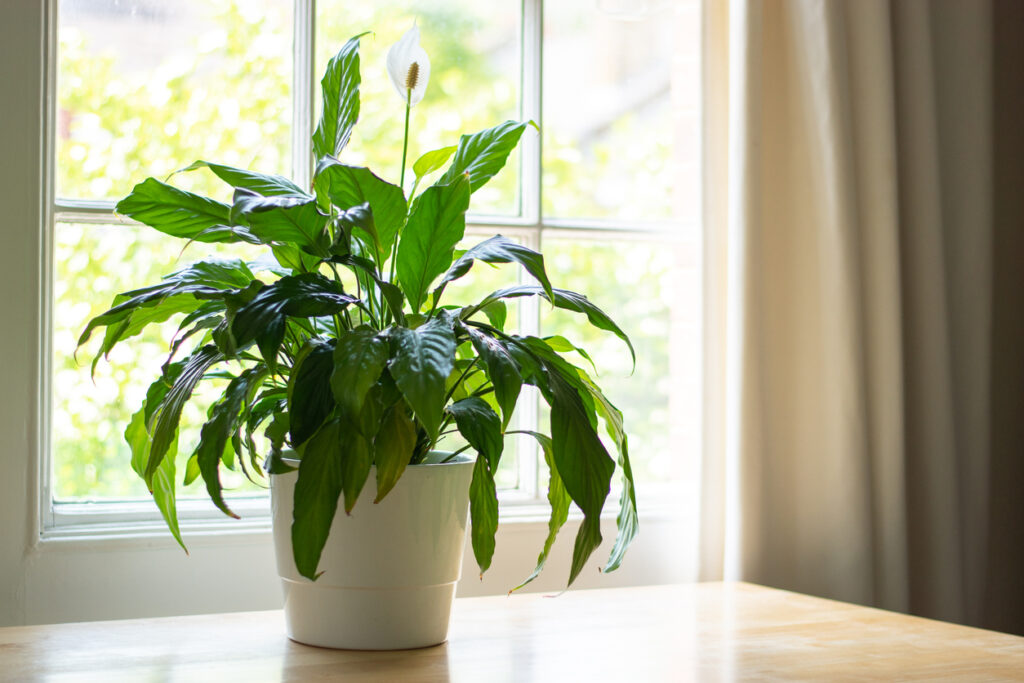
Peace lilies like indirect light in nature, but too much sun can lead to wilting, yellow leaves, or burned tips. They actually respond really well to artificial light, especially full-spectrum fluorescent bulbs that mimic daylight without the heat. You might even get more blooms indoors if the light is consistent. Just keep the soil evenly moist and the air fairly humid, and peace lilies will keep putting out their classic white spathes even in a room without a proper window.
5. Nerve plants (Fittonia)
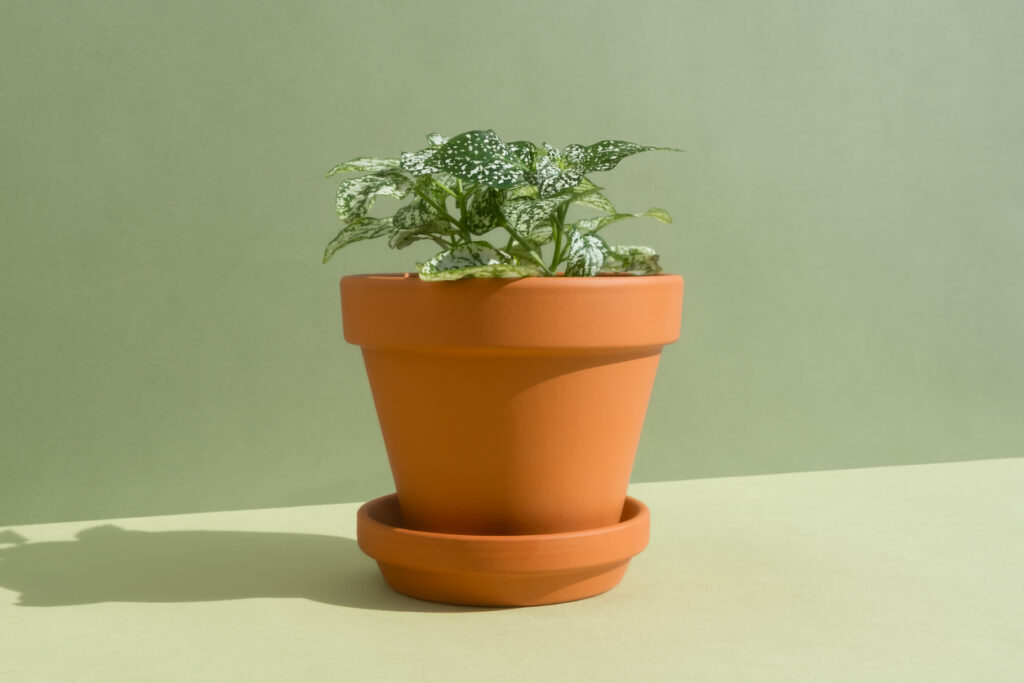
Nerve plants are all about those vivid, patterned leaves, and they tend to lose their vibrant colouring in strong sunlight. Under artificial lights, though, they keep their detail and don’t suffer the leaf crisping that sometimes comes with sun exposure.
They do like a bit of humidity, so pairing your grow light setup with a pebble tray or regular misting helps a lot. But otherwise, they’re compact, eye-catching, and very comfortable in low-light rooms with a good LED or fluorescent light overhead.
6. Calatheas
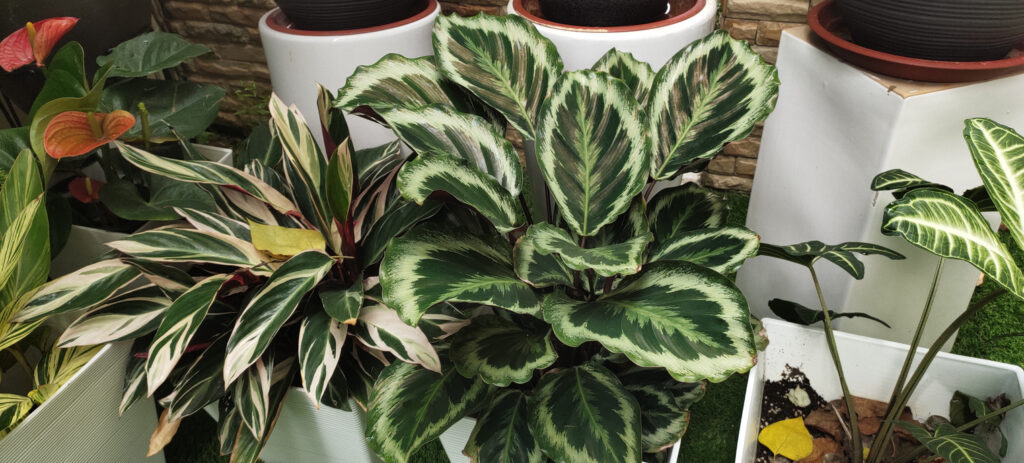
Calatheas are fussy in sunlight. Too much, and their beautiful markings fade or their leaves curl. That’s why they’re often happier under the steady conditions of grow lights. With the right bulbs, they stay vibrant and upright without the leaf drama.
These plants also tend to follow circadian rhythms, opening and closing their leaves with light exposure. Artificial lights let you create a consistent routine they’ll respond well to, especially in darker UK homes where natural light isn’t always reliable.
7. Philodendrons
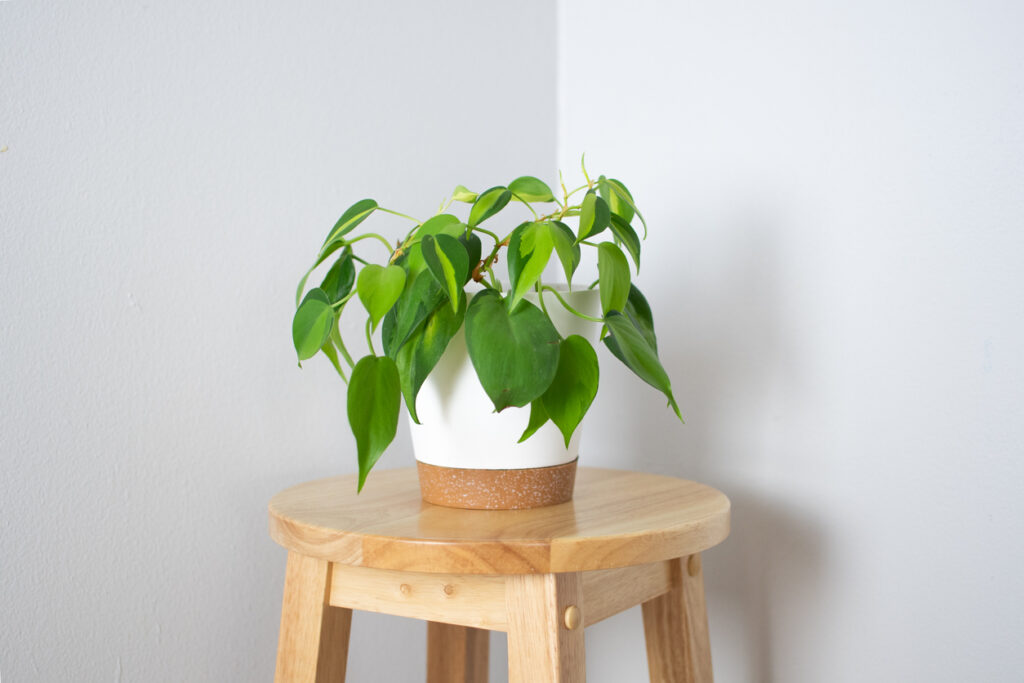
Philodendrons are built for low-light environments, and while they can handle a bit of sun, artificial light often gives better results. The steadiness of indoor bulbs encourages more regular growth without overstretching or legginess. Trailing or upright, philodendrons respond well to 12–14 hours under LEDs. They don’t need high light levels to thrive, and in many cases, too much sunlight can actually stress the leaves and reduce their deep green colouring.
8. Orchids (certain types)
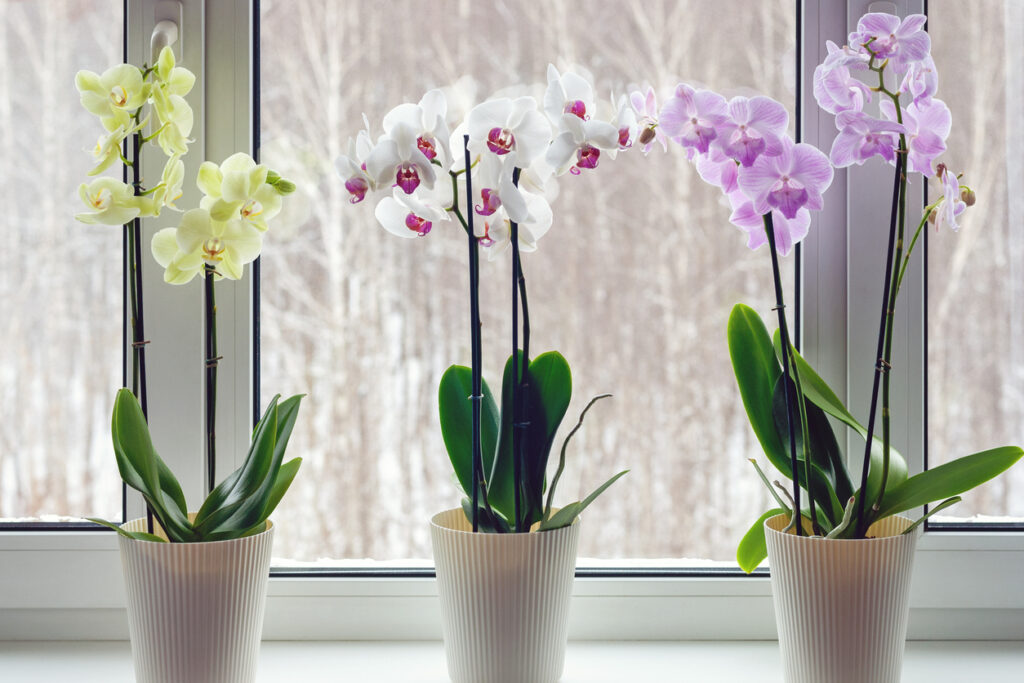
Some orchids, particularly Phalaenopsis (moth orchids), adapt well to artificial light setups. Direct sun can be too intense and lead to leaf scorch or flower drop, but gentle LED or fluorescent lighting supports steady blooming cycles indoors.
They’ll need consistent humidity and a well-draining medium, but if you can give them that, artificial lights can actually extend their flowering season. Just make sure the lights are close enough and on for long enough, as these aren’t plants that love being forgotten.
9. Snake plants

Snake plants are famously low-maintenance and do surprisingly well under artificial light. Bright sun can bleach their tall, stiff leaves, but under a regular LED or fluorescent light, they grow evenly without fading or tipping. They’re perfect for rooms with no natural light at all. Offices, hallways, and windowless bathrooms can still support a healthy snake plant as long as you keep the lighting routine consistent and avoid overwatering.
10. ZZ plants

ZZ plants handle neglect better than most, and they’re incredibly tolerant of low light. That said, they often grow better and faster under artificial light than in patchy natural light, especially in spaces where they’re too far from the window to get much sun. With a bit of consistent brightness from an LED, you’ll get stronger stems, shinier leaves, and more new shoots. They don’t need much attention, but the boost from artificial light makes them look fresher and more balanced overall.
11. Lettuce and leafy greens (indoors)
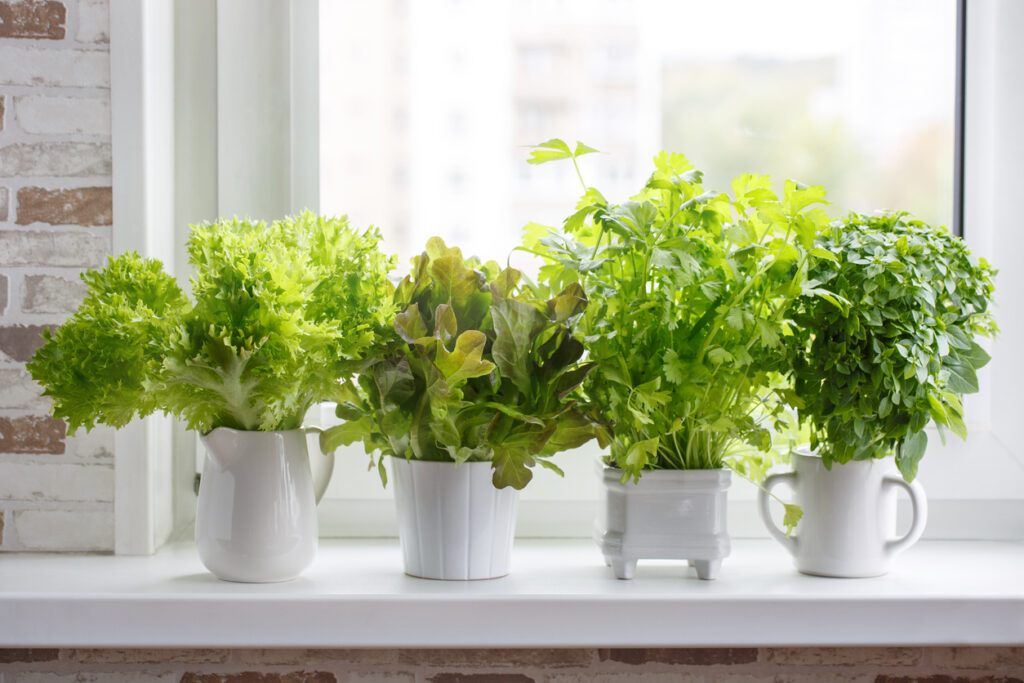
If you’re growing lettuce indoors, artificial lights can be better than windowsills. That’s because you can control the intensity and keep the conditions stable, especially useful when you’re trying to grow year-round in the UK. LED grow lights tuned to the blue/red spectrum encourage faster leaf growth and prevent leggy stems. And because you’re indoors, you avoid pests, temperature swings, and inconsistent daylight hours that can stress outdoor crops.
12. Herbs like basil and parsley
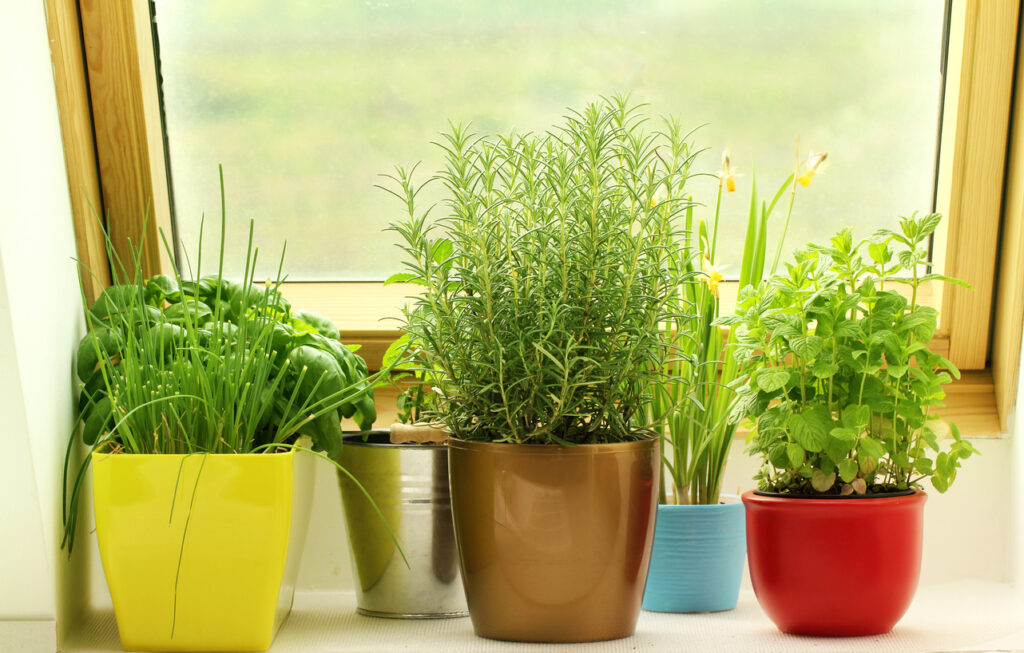
Basil, parsley, and other soft herbs often get too leggy on a windowsill, especially if the light only hits one side. Under grow lights, they develop stronger stems, tighter leaves, and more consistent growth from all angles. You’ll also get more harvestable leaves if the light stays steady each day. A basic LED panel or bulb placed close to the plants works wonders, and many people find they get better results indoors than they ever did on the patio or windowsill.