For decades, sharks have had a reputation for being bloodthirsty killers, thanks largely to Hollywood and a few out-of-context headlines.
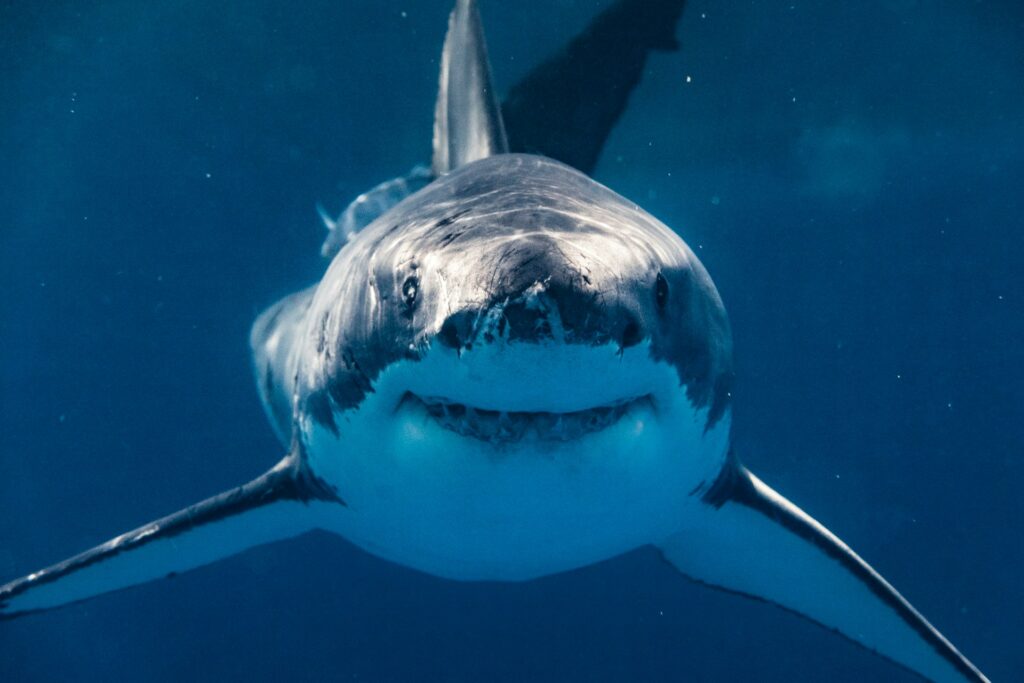
Of course, in reality, the way sharks respond to blood is far more nuanced than people assume. They’re not swimming around in a frenzy at the first drop. In fact, some species barely react at all. Here’s what science actually says about sharks and blood, and why most of what we’ve been told doesn’t quite hold up.
1. Not all sharks are interested in human blood.

Despite what you’ve seen in films, sharks don’t go into a frenzy at the scent of human blood. Some species are curious, sure, but many show little to no interest. It’s a myth that all sharks instantly react the same way to any type of blood in the water. Sharks are selective predators. They’re more tuned in to the scent of the animals they naturally hunt: fish, seals, squid. Human blood just doesn’t smell the same. For some species, it doesn’t even register as food at all.
2. They’re not sniffing out drops from miles away.
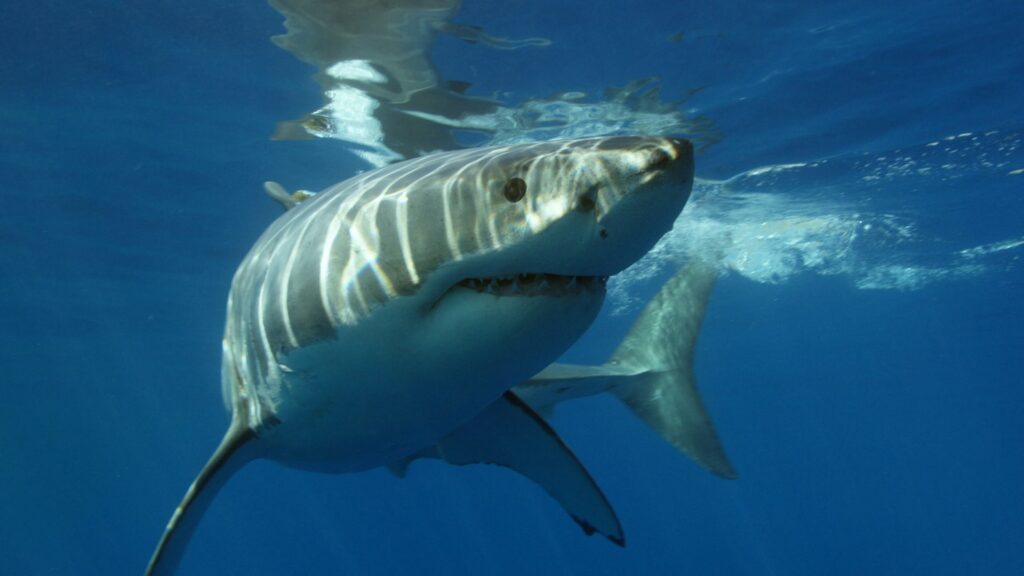
Sharks do have an incredible sense of smell, but the idea that they can detect a single drop of blood from miles away is wildly exaggerated. In calm water, they might notice blood concentrations at a distance, but it has to be enough to trigger interest. The water needs to carry that scent directly to the shark’s sensory organs, and even then, whether it responds depends on hunger, species, and what else is going on in its environment. It’s not a guaranteed reaction; it’s a possibility, not a promise.
3. Blood alone doesn’t trigger a feeding frenzy.
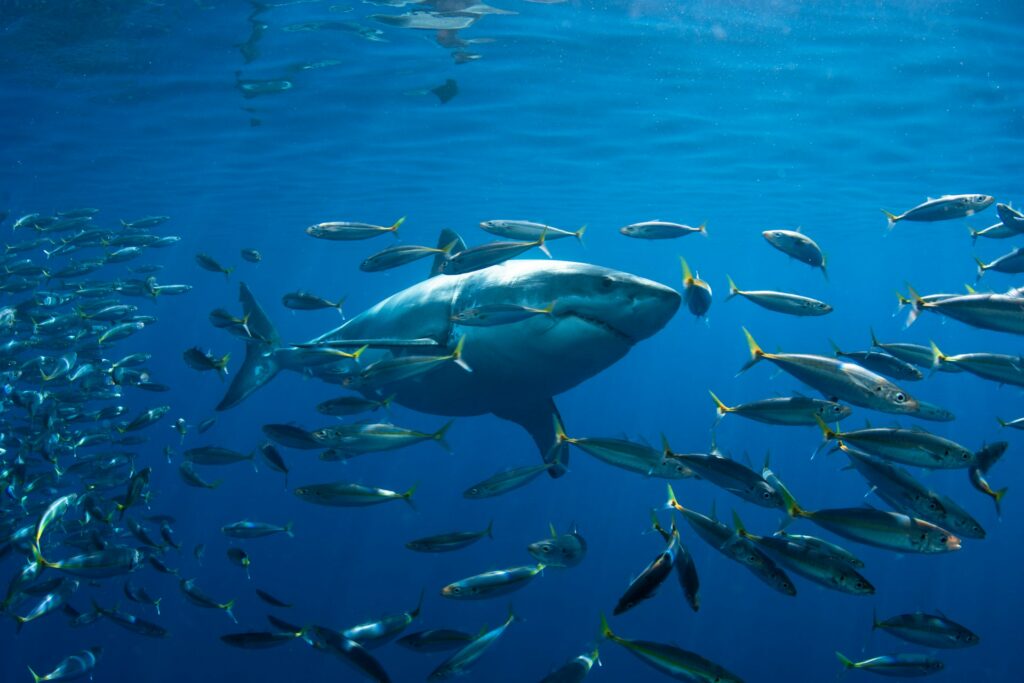
The term “feeding frenzy” makes it sound like blood flips a switch and suddenly all nearby sharks lose control. But frenzies are rare, and usually only happen when multiple sharks are competing for the same prey. Even then, it’s less chaos and more hierarchy. Sharks suss each other out, and dominant individuals often get first access. Blood might get their attention, but it doesn’t make them mindless. They’re calculating, not crazed.
4. Fish blood is a bigger trigger than human blood.
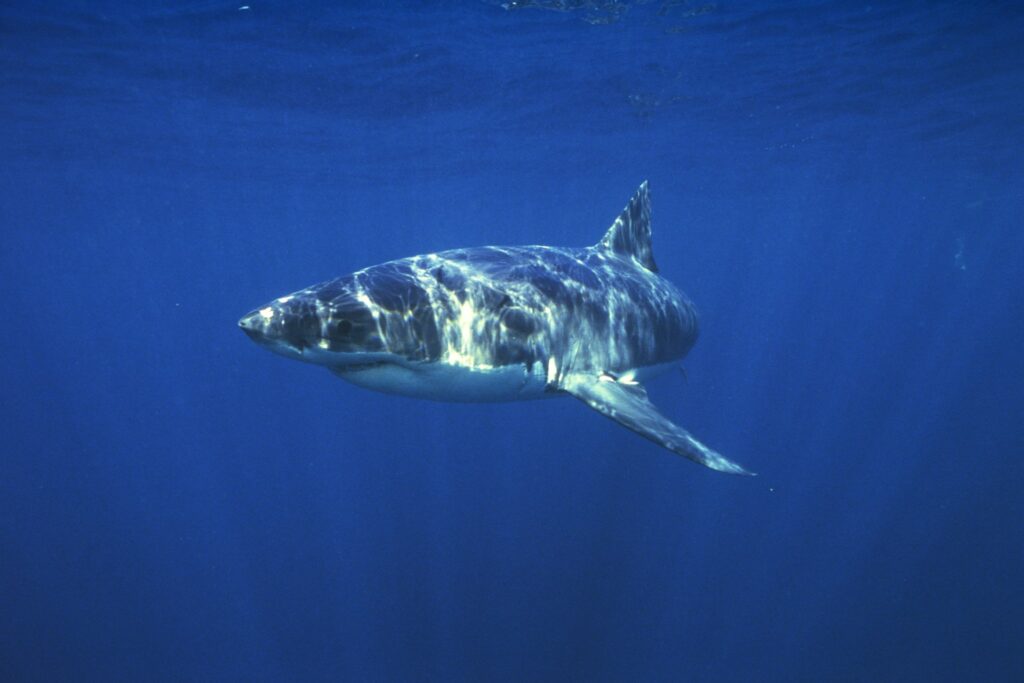
Sharks are hardwired to detect specific amino acids and chemical signals found in the animals they regularly eat. Fish blood contains those markers, especially urea and other compounds, that sharks are attuned to. Human blood, on the other hand, isn’t chemically the same. It doesn’t have the same scent profile that screams “food” to a shark. In studies where both were released into the water, sharks typically preferred the fish blood, if they reacted at all.
5. Most shark species aren’t interested in large mammals.
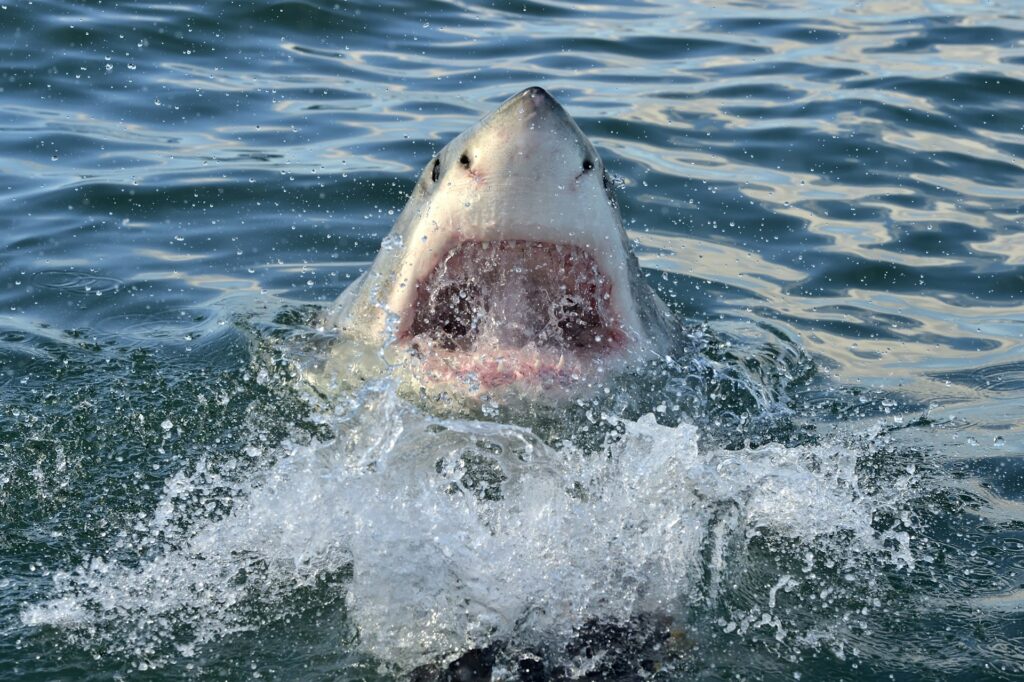
Out of over 500 known species of shark, only a handful are large enough and aggressive enough to even consider attacking a human. The vast majority are either too small, too timid, or too focused on their usual prey to care. Species like the whale shark, basking shark, and nurse shark are completely harmless to humans, even in the presence of blood. They’re filter feeders or bottom-dwellers, not predators chasing anything that moves.
6. They often ignore wounded humans altogether.
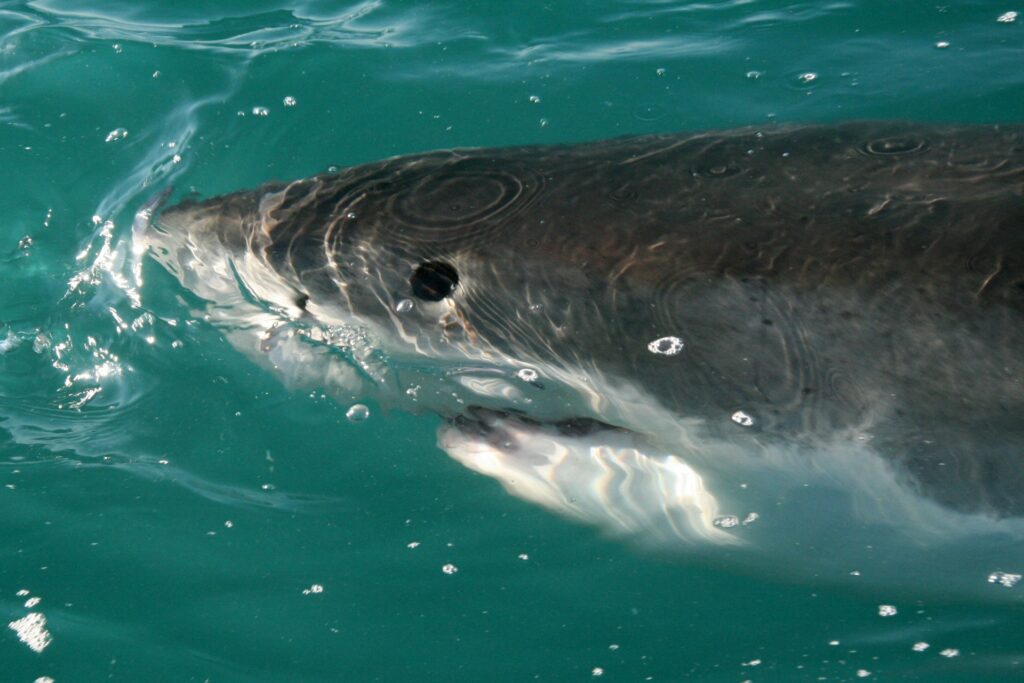
There are plenty of accounts of sharks swimming past bleeding divers or surfers without showing any interest. Some even bump or circle before moving on. That doesn’t fit the “blood = attack” narrative we’ve been sold. Sharks rely on more than smell. They also read electrical signals, body movement, and behaviour. If something doesn’t match their expectations for prey, they’re more likely to investigate and leave than launch into attack mode.
7. Blood in water doesn’t always mean danger.
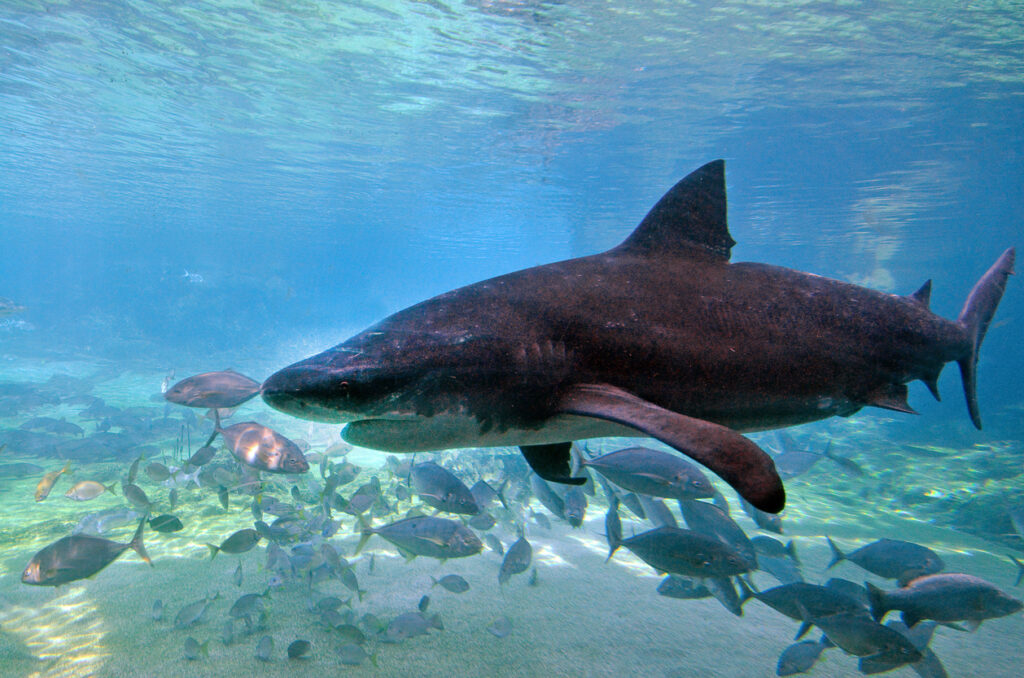
In many shark-rich ecosystems, animals bleed in the water all the time, whether from natural injuries, territorial fights, or feeding events. Sharks don’t attack every time they detect blood because it’s not always a food cue. If anything, they learn to read context. Blood plus erratic movement or struggling prey might get a reaction. But blood alone? It’s not the automatic green light we tend to think it is.
8. Temperature and time of day matter more.
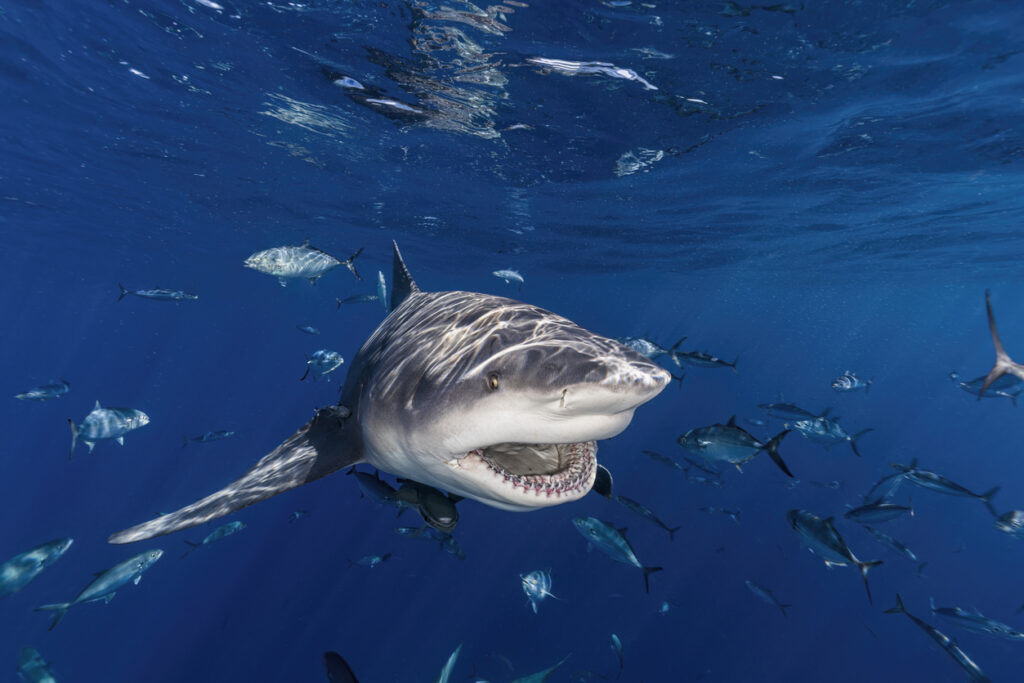
Shark activity often ramps up at dawn or dusk, when visibility is lower and prey is more active. Warmer water also increases their metabolism, making them more likely to hunt. These conditions matter more than blood scent alone. Swimmers and divers who understand when and where sharks are more active tend to avoid unnecessary run-ins, not by avoiding blood, but by being smart about timing and conditions.
9. Blood isn’t the main thing they’re tracking.
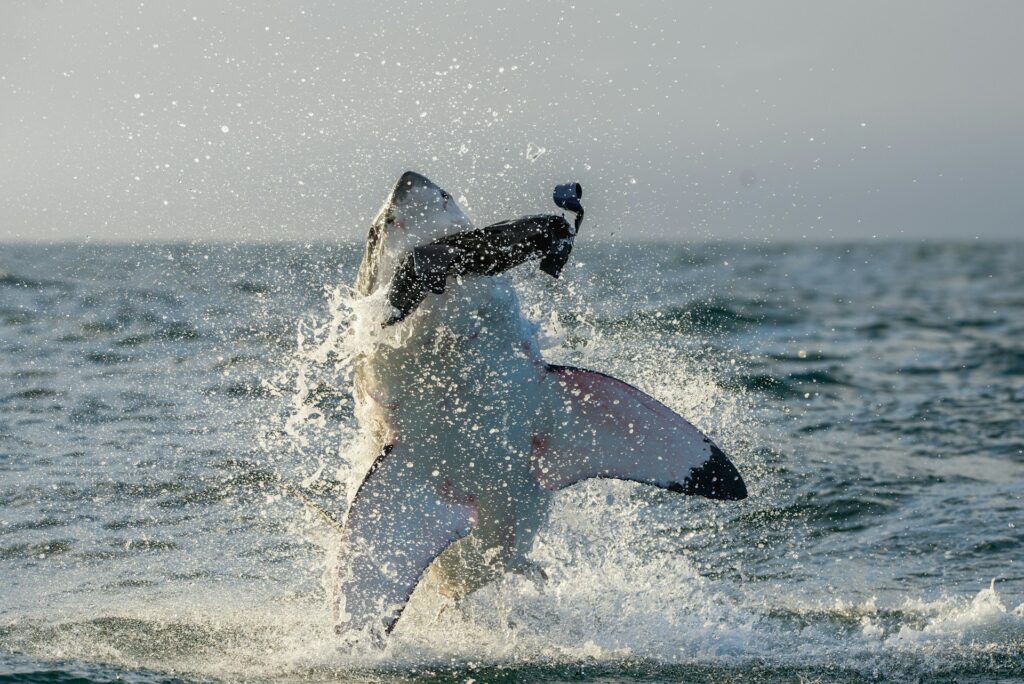
Sharks use a mix of senses when hunting, not just smell. Their lateral line detects movement and vibrations. Their ampullae of Lorenzini can sense electrical impulses. Smell plays a role, but it’s not the whole story. In fact, movement often trumps scent. A fish in distress might draw attention faster than a passive scent trail. That’s why splashing can sometimes attract sharks more quickly than blood ever would.
10. Human scent may actually repel some species.
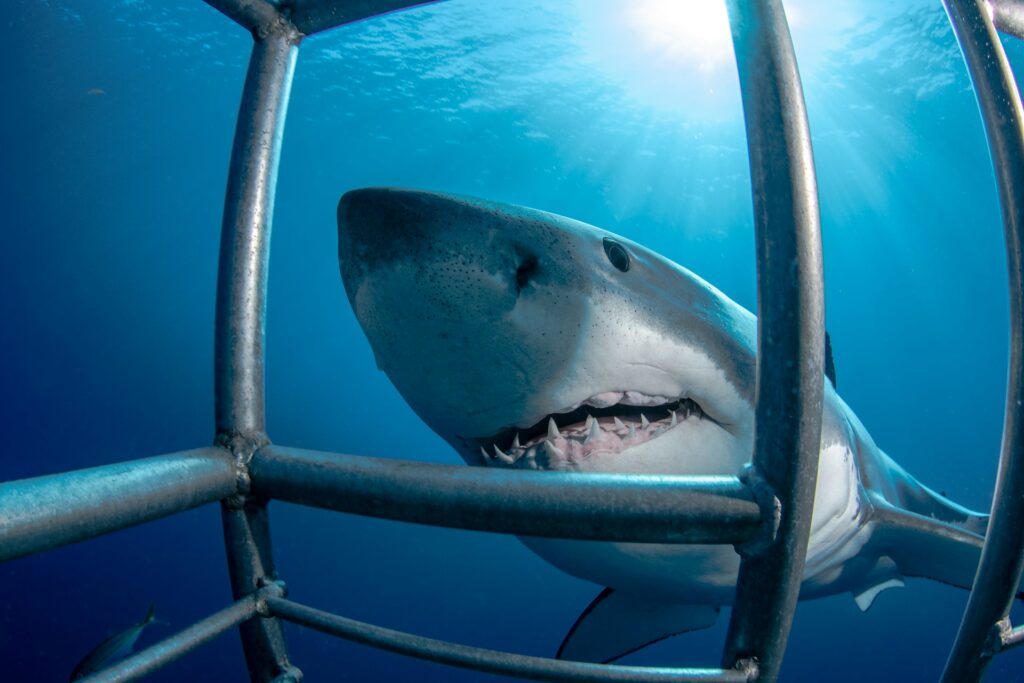
There’s evidence to suggest that some sharks are actually put off by human scent, especially when mixed with things like sunscreen, fuel residue, or metal. We don’t smell like food to them; we smell like trouble. Sharks are cautious hunters. If something smells unfamiliar or strange, they’ll usually steer clear unless they’re desperate. This could help explain why so many sharks ignore people, even in close quarters.
11. They’re more interested in dying fish than live humans.
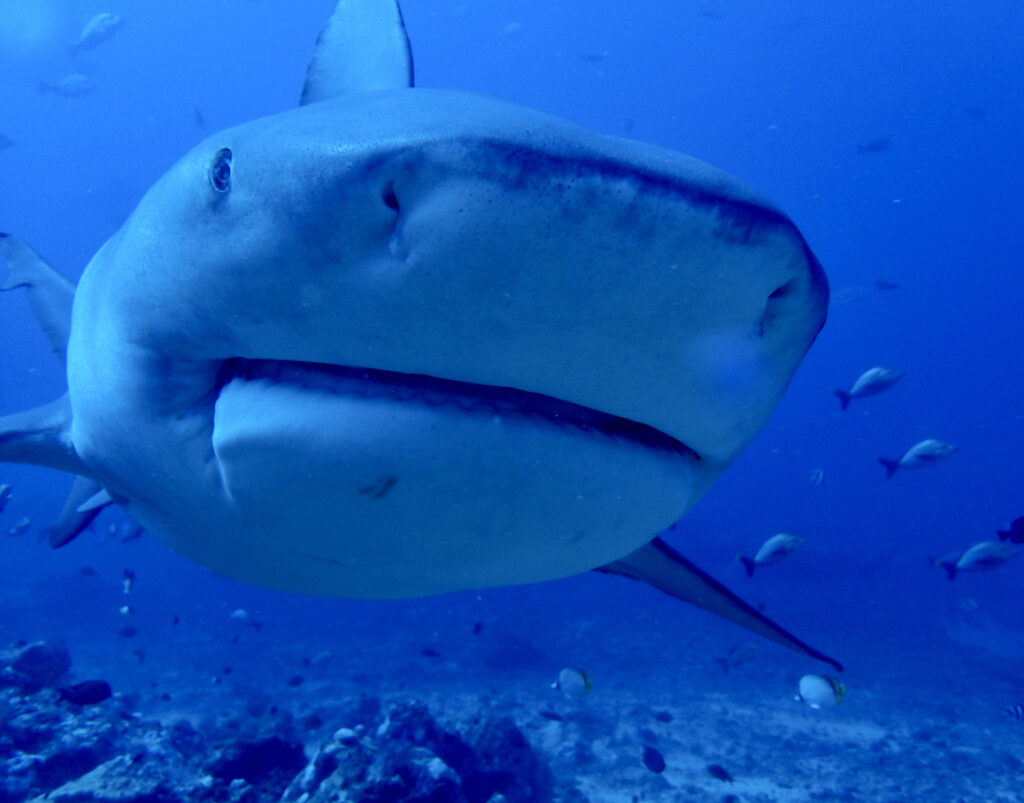
Sharks have a strong instinct to go after weak, injured, or dying prey. That means a thrashing, bleeding fish is a bigger target than a calm human with a cut. They’re built for efficiency, not drama. Most shark attacks on humans are thought to be test bites, or moments of confusion, rather than deliberate targeting. Once they realise we’re not what they’re looking for, they often back off.
12. Shark attacks are still extremely rare.
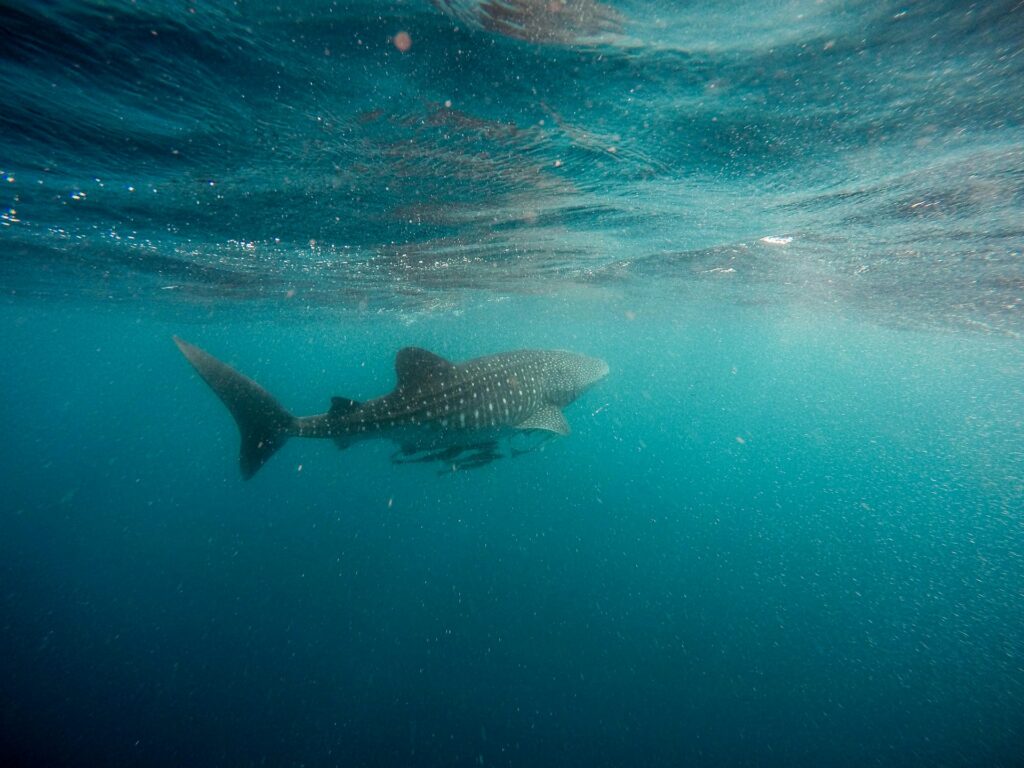
Despite all the fear, you’re still more likely to be struck by lightning than attacked by a shark. They’re not patrolling beaches in search of victims. They’re just doing what they’ve done for millions of years: following instincts in their own habitat. Understanding how sharks actually behave helps cut through the fear and makes space for respect instead. They’re not villains; they’re just misunderstood. And blood, it turns out, isn’t the red flag we thought it was.
13. The myth makes it harder to protect them.
The obsession with shark attacks and bloodthirsty myths makes people less likely to care about shark conservation. But these animals are crucial to ocean ecosystems, and many are now under threat due to overfishing and habitat loss. The more we learn about their actual behaviour, the better chance we have of protecting them. Understanding that they’re not obsessed with blood is one small way to change the story, and maybe start seeing sharks for what they really are.