Lions get all the attention when it comes to dangerous animals, but they’re far from the deadliest.
In fact, some of the creatures that pose the biggest threat to humans (and other animals) don’t look that intimidating at all. Whether it’s through venom, disease, stealth, or sheer numbers, these animals prove that you don’t have to be a roaring predator to be seriously lethal. Here are 14 animals that are, in their own way, much deadlier than those fearsome big cats.
1. Mosquitoes
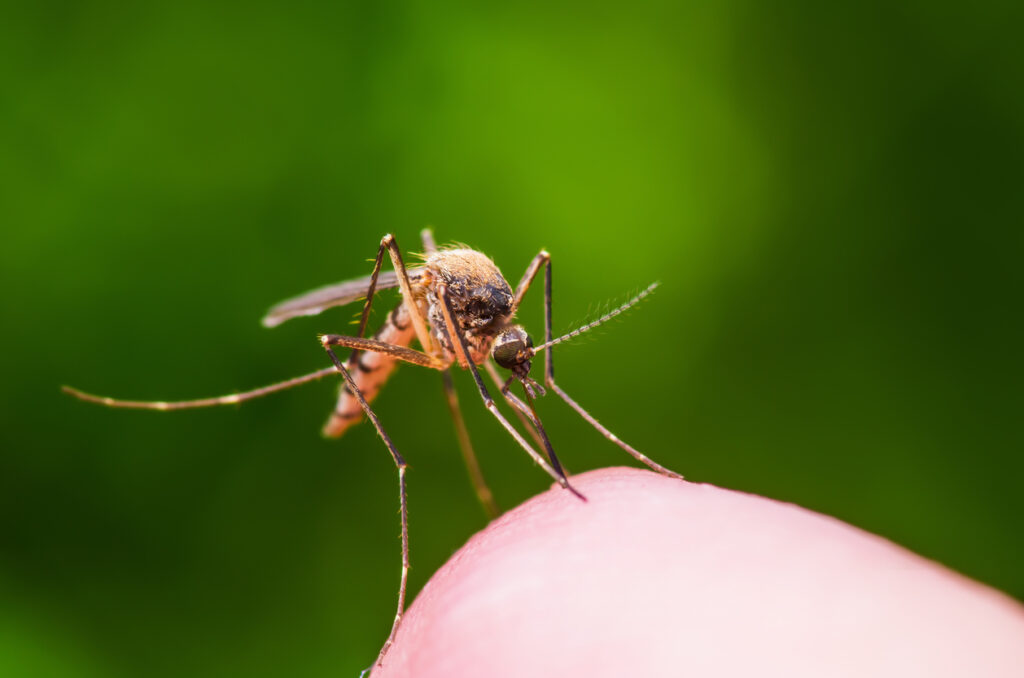
Mosquitoes might look harmless, but they’re the deadliest animals on the planet. These tiny insects spread diseases like malaria, dengue, Zika, and West Nile virus, killing hundreds of thousands of people each year. Their bite might just be an itchy nuisance to most, but in many regions of the world, it’s a serious public health threat.
What makes mosquitoes especially dangerous is how easily they go unnoticed. They don’t need size, speed, or strength—just a bit of still water to breed and the ability to quietly bite you while you sleep. Lions might maul a few humans in a year. Mosquitoes kill millions.
2. Hippopotamuses
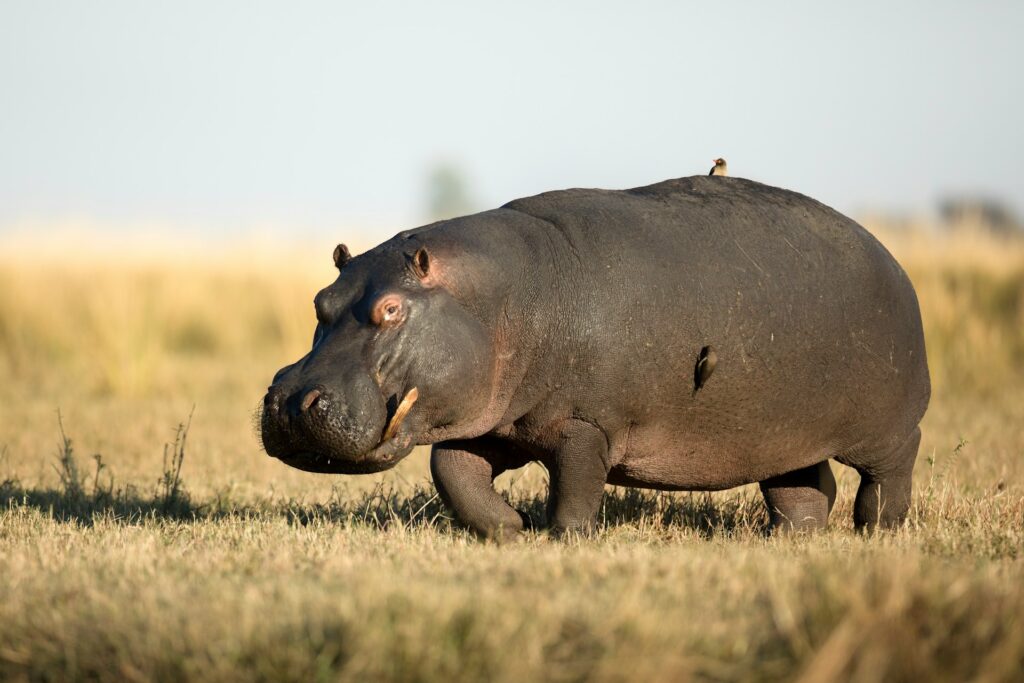
They look slow and almost goofy, but hippos are among the most aggressive animals in Africa. They kill more people on the continent than lions do, often by capsizing boats or charging without warning. Their massive jaws can crush bones like twigs, and they’re surprisingly fast on land and in water.
What makes them especially dangerous is their unpredictable nature. They’re highly territorial and don’t tolerate much, even from humans just passing through. Their size and power make them nearly impossible to stop once they decide they’re threatened.
3. Freshwater snails
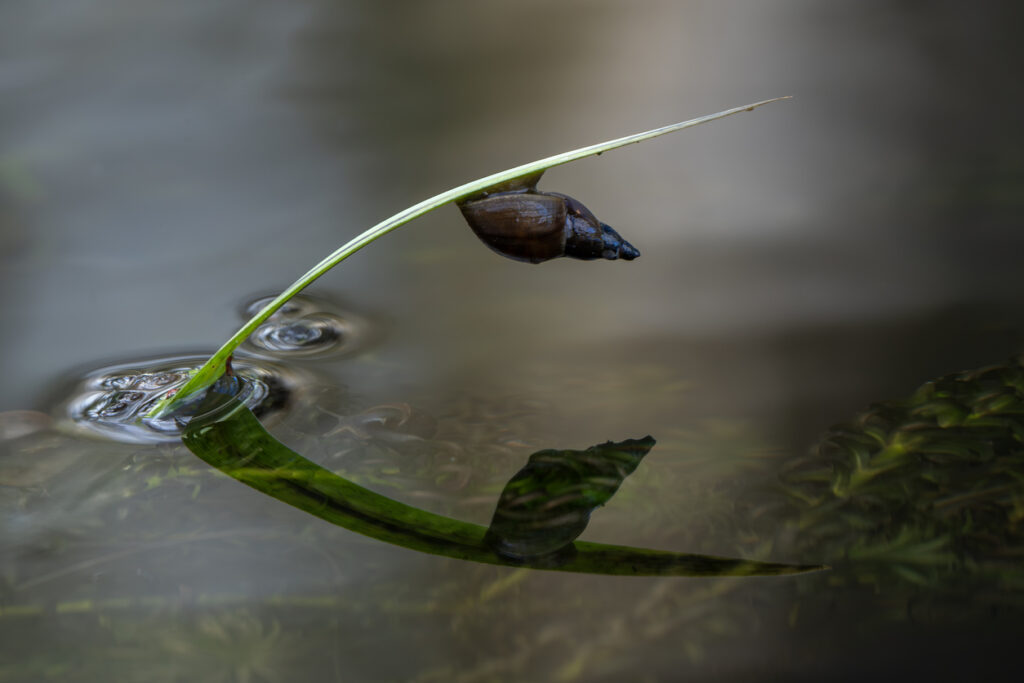
Yes, snails. These slow-moving creatures are host to parasitic worms that cause schistosomiasis, which is a disease that affects millions, particularly in developing countries. The snails themselves don’t do the damage, but the parasites they carry can wreak havoc on the human body. Infected water is all it takes to spread the disease, and the symptoms range from fatigue to liver damage. Snails don’t look threatening, but they’re part of one of the deadliest parasite transmission chains on the planet.
4. Cape buffalo
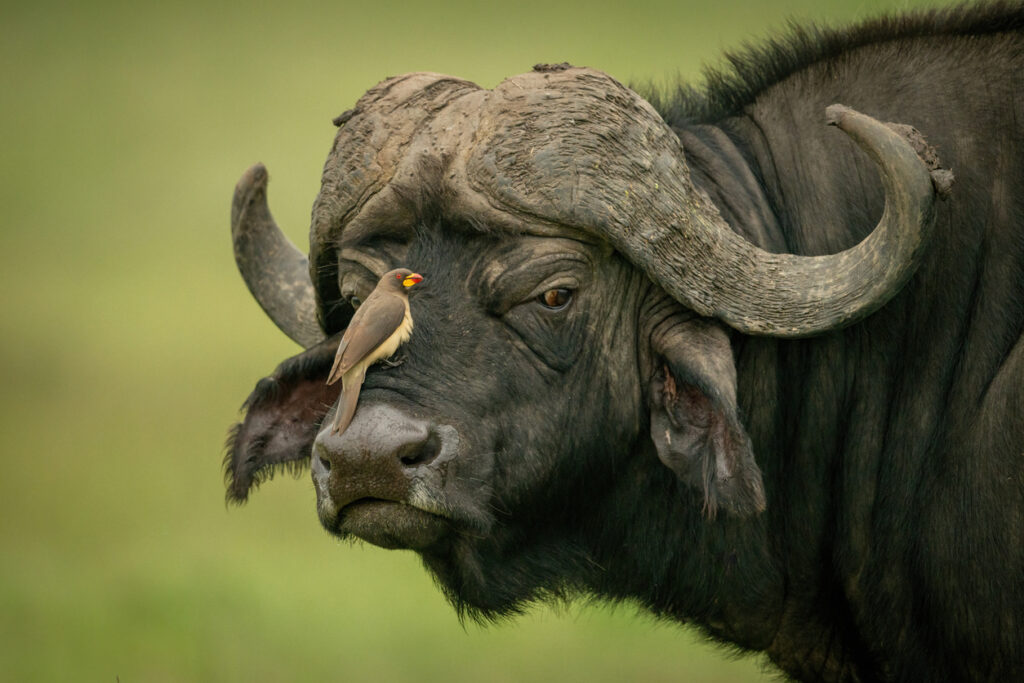
Sometimes called “Black Death” by hunters, Cape buffaloes are unpredictable, powerful, and more than willing to charge. Weighing up to 900 kg and capable of running at 35mph, they’ve been known to ambush and kill big cats, hunters, and anyone who gets too close. They’re especially dangerous when injured or protecting their herd. Unlike lions, which generally avoid conflict unless hungry, Cape buffalo will start a fight and see it through. There’s no warning snarl, just a thunderous charge.
5. Box jellyfish
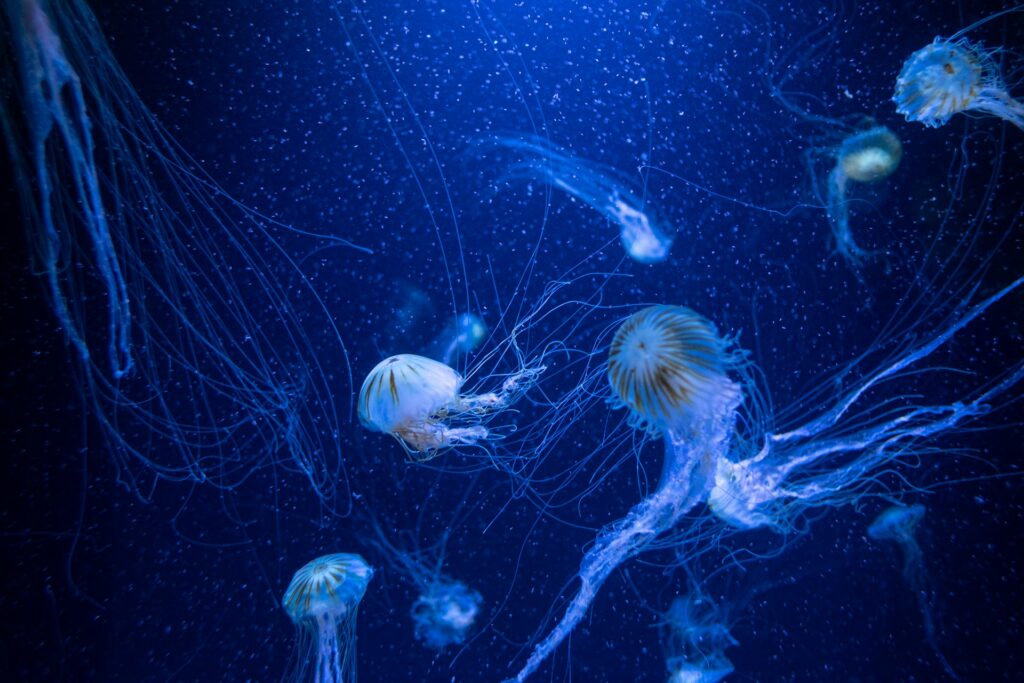
Floating silently in warm coastal waters, box jellyfish are almost invisible, but contact with their tentacles can kill a person within minutes. Their venom attacks the heart, nervous system, and skin, causing excruciating pain and sometimes cardiac arrest before help can even arrive.
What’s terrifying is how easy they are to miss. Swimmers don’t always see them coming, and even a brush against their long tentacles can be fatal. Lions are fierce, but at least you can see them coming and maybe run. Box jellyfish offer no such chance.
6. Elephants

Elephants are intelligent and majestic, but also capable of extreme aggression when provoked or stressed. They’re responsible for hundreds of deaths each year in Asia and Africa, often during human-wildlife conflict or territorial disputes.
Their sheer strength is unmatched. When elephants attack, they don’t hold back; they charge, trample, and destroy with terrifying force. Their memory and emotional complexity also mean they don’t forget past mistreatment, which can lead to revenge-driven behaviour.
7. Dogs (domestic and wild)

It’s hard to imagine your pet as dangerous, but domestic dogs account for thousands of deaths annually, primarily from rabies. In some parts of the world, unvaccinated stray dogs pose a massive public health risk. Even well-loved pets can bite when threatened or poorly trained.
Wild dogs, like African painted wolves, are also highly effective predators. They hunt in coordinated packs, using endurance and strategy to bring down prey. They don’t need brute strength like lions. Instead, they work as a unit and overwhelm through stamina and teamwork.
8. Crocodiles
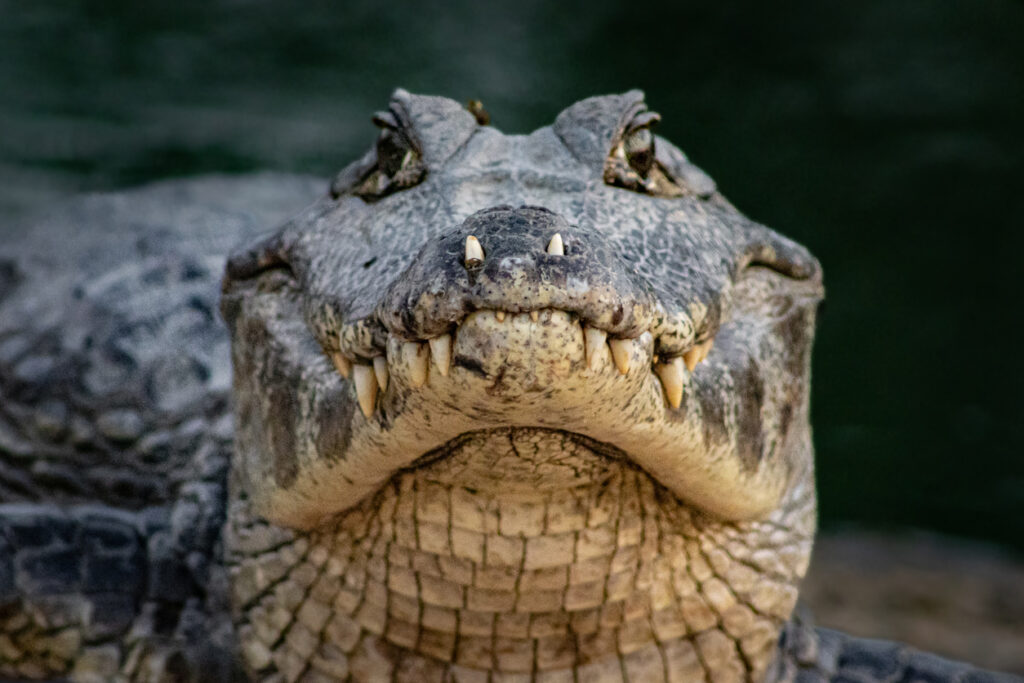
Crocodiles are stealthy ambush predators with lightning-fast reflexes. They kill hundreds of people each year, usually by lurking in murky water and striking before their victim even knows what’s happening. Once they’ve got you in a death roll, there’s no easy escape.
They don’t roar or chase, they wait. That patience, combined with their sheer bite force and ability to blend into water, makes them even more dangerous than a lion prowling the savannah. At least a lion gives you a fighting chance.
9. Tapeworms
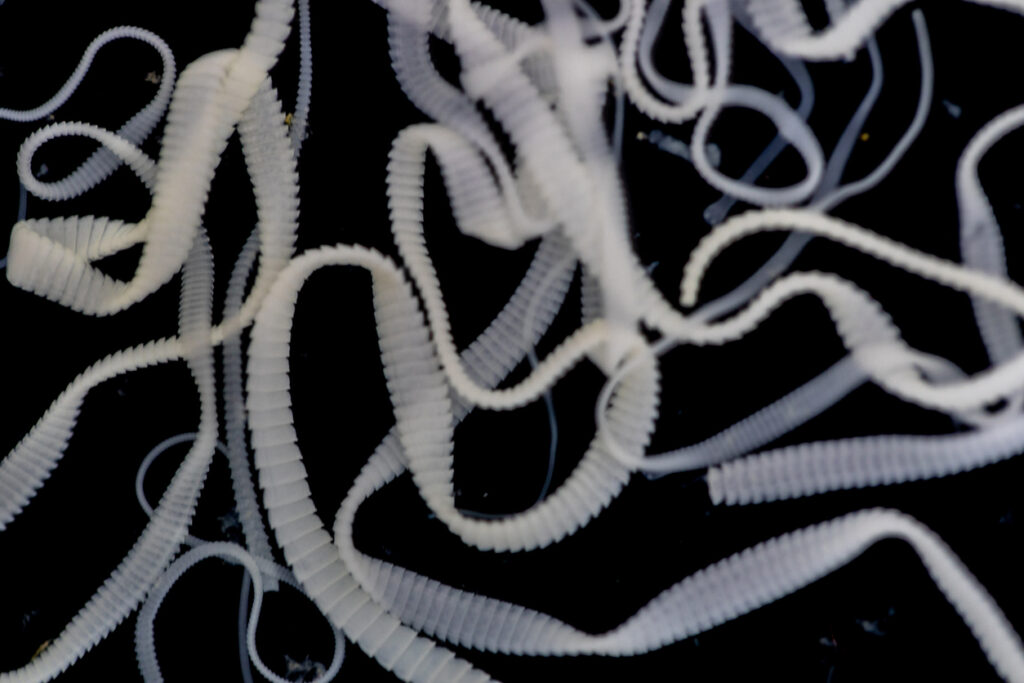
Tapeworms aren’t what most people picture when they think “deadly animal,” but parasitic worms kill more people globally than large predators. Ingested through contaminated food or water, they can grow and live inside the human body for years, causing everything from malnutrition to seizures.
They don’t chase, bite, or strike, but they’re incredibly efficient at hijacking their host. In poor sanitation areas, tapeworms are still a serious threat to public health. Compared to these slow, silent invaders, lions look almost clumsy.
10. Ants (especially driver ants and fire ants)
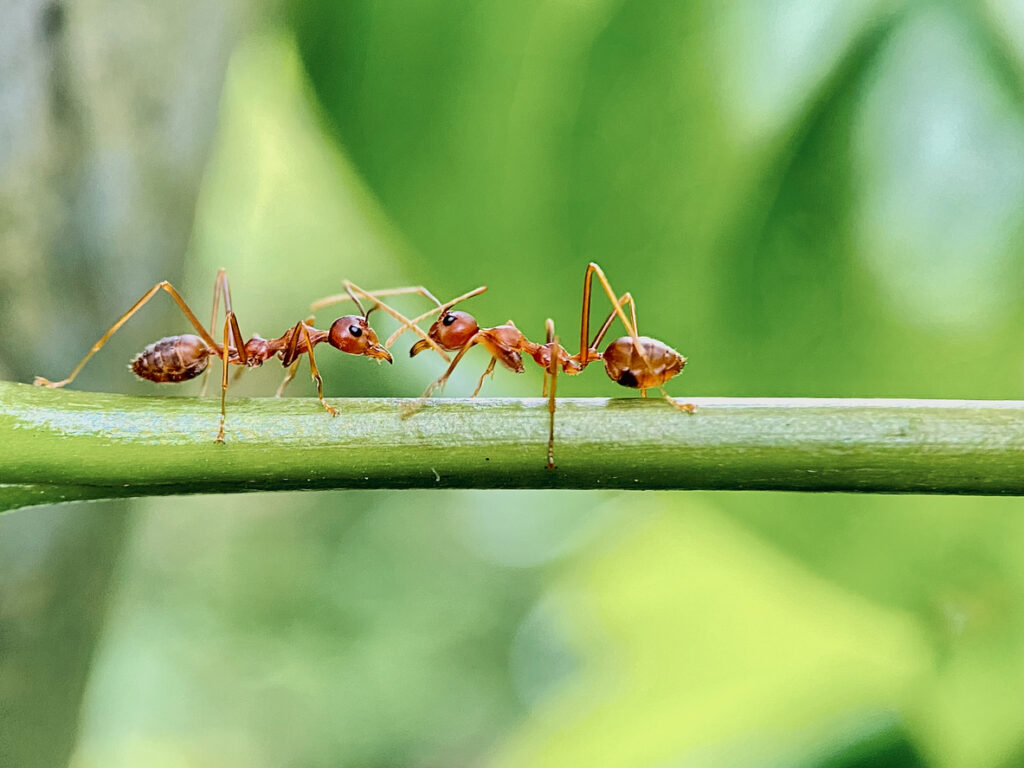
Most ants are harmless, but some species are terrifying in swarms. Fire ants deliver painful stings that can trigger severe allergic reactions, while driver ants in Africa can strip the meat off a carcass in hours and have been known to overwhelm entire villages. It’s not the individual ant that’s deadly; it’s the hive mentality. Their numbers, coordination, and aggression make them a force to be reckoned with, especially in regions where people might not have protection or warning.
11. Bears (especially polar bears)
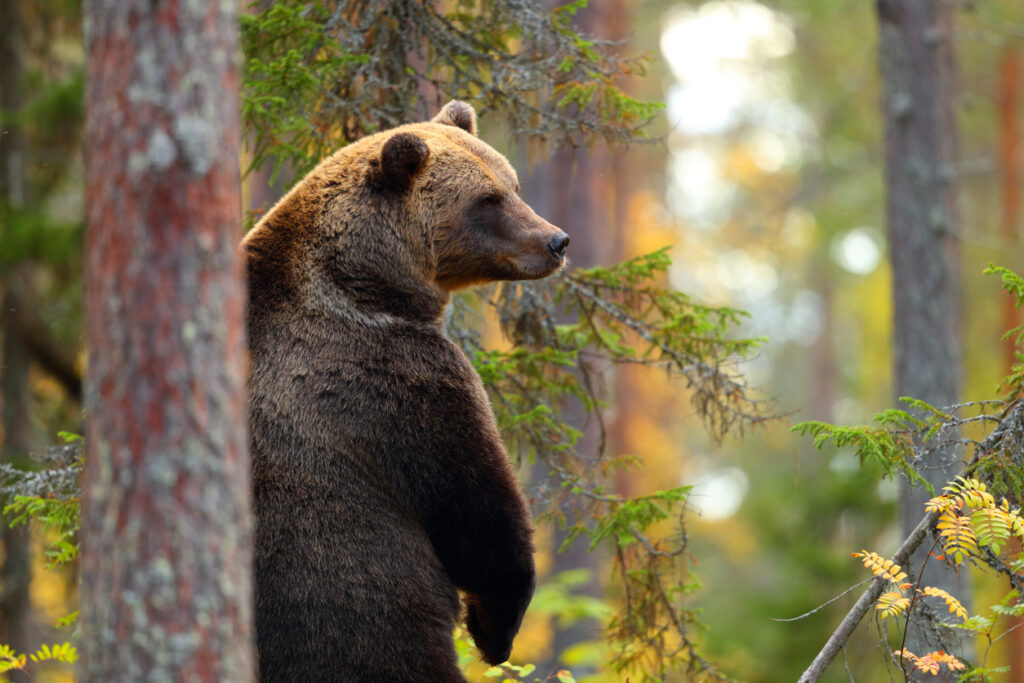
Bears don’t usually seek out humans, but when they do attack, it’s devastating. Polar bears, in particular, are apex predators without any fear of people, and as sea ice melts, they’re coming into contact with humans more often while searching for food.
They’re faster than you’d expect and incredibly strong. A lion might chase you down, but a bear will bulldoze straight through anything in its way. The combination of curiosity, hunger, and raw power makes them one of the few land animals even big cats would think twice about.
12. Sea snakes
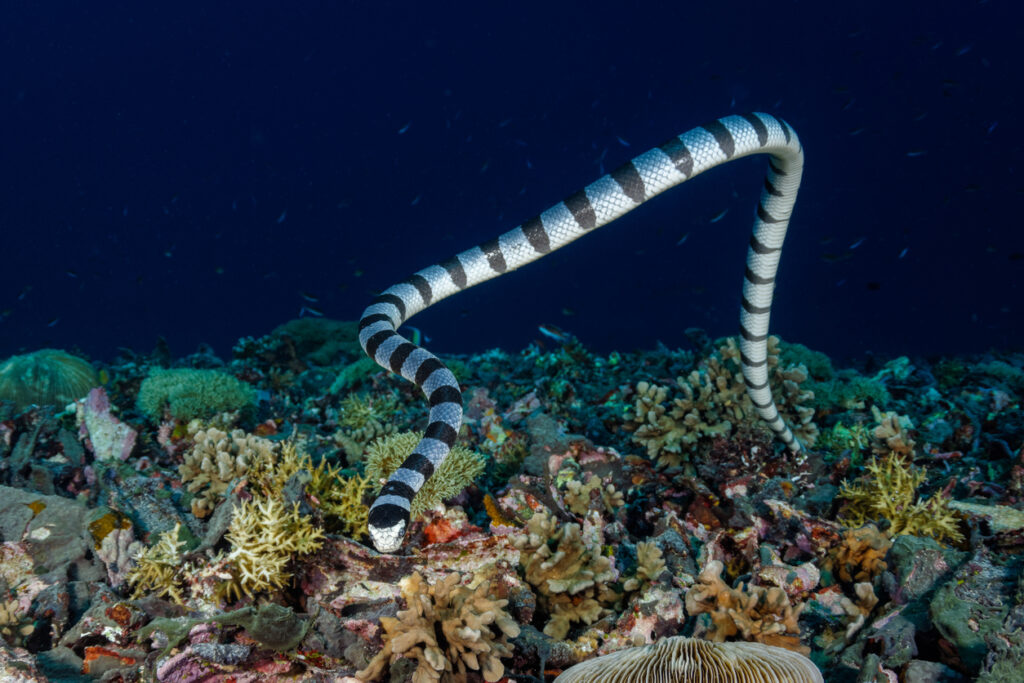
Sea snakes are some of the most venomous creatures in the ocean. Luckily, they’re not usually aggressive, but if threatened or handled, their bite can be fatal. What’s worse is that their bites are often painless at first, so victims might not realise they’ve been envenomed until it’s too late.
They move gracefully in water, and their flattened tails make them strong swimmers. While most people will never meet one, fishermen and divers in tropical waters know to give them space. They’re living proof that deadly can come wrapped in calm.
13. Deer (yes, really)
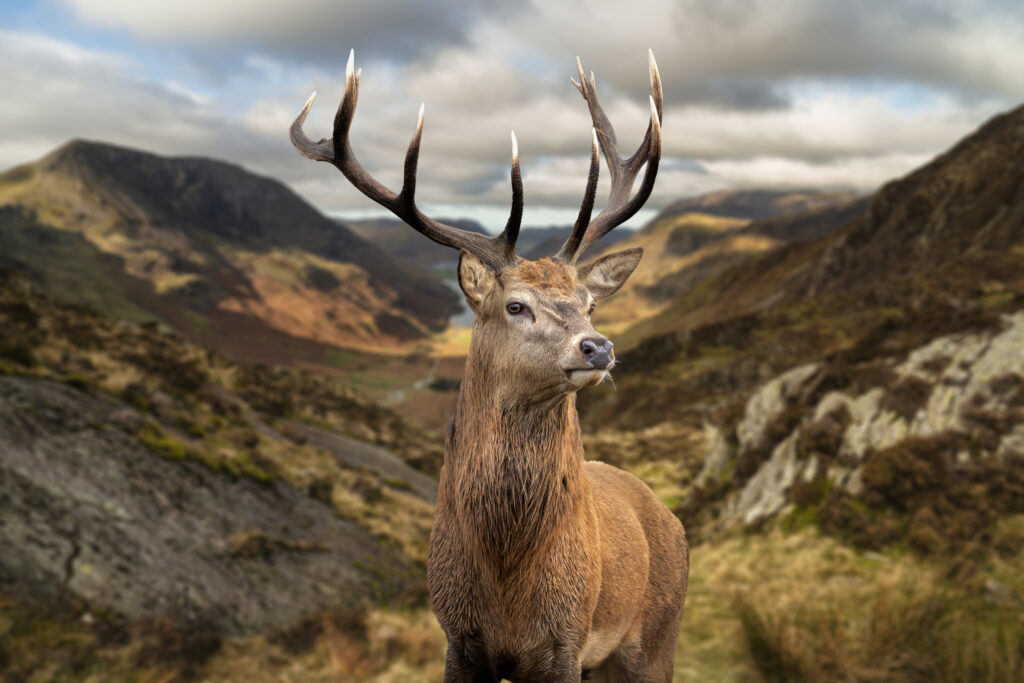
Deer don’t attack people, but they’re involved in an enormous number of car accidents every year, especially in rural areas. In countries like the US, deer collisions cause hundreds of deaths and thousands of injuries annually. They’re not trying to hurt anyone, but the impact is real. They also pose a risk as hosts for ticks that spread Lyme disease, making them part of a much larger web of indirect dangers. Lions kill up close. Deer, oddly enough, do their damage from a distance.
14. Humans

As strange as it sounds, the most dangerous animal to humans is… humans. Between war, violence, environmental destruction, and disease spread, our species causes more harm to each other, and the planet, than any lion ever could.
We have intelligence, power, and choice. That’s what makes us unique, but also what makes our impact so wide-reaching. At the end of the day, it’s not the animal with the biggest teeth you should worry about. It’s the one with the most control.