There’s a long-standing myth that touching toads gives you warts, but is there actually any truth to it?

The short answer is no, but the reasons why that belief stuck around are surprisingly interesting. Toads have bumpy, warty-looking skin and secrete substances that can irritate, but they don’t transmit warts. Here’s what’s really going on with those bumpy amphibians, and what you should know before picking one up.
No, warts don’t come from toads.
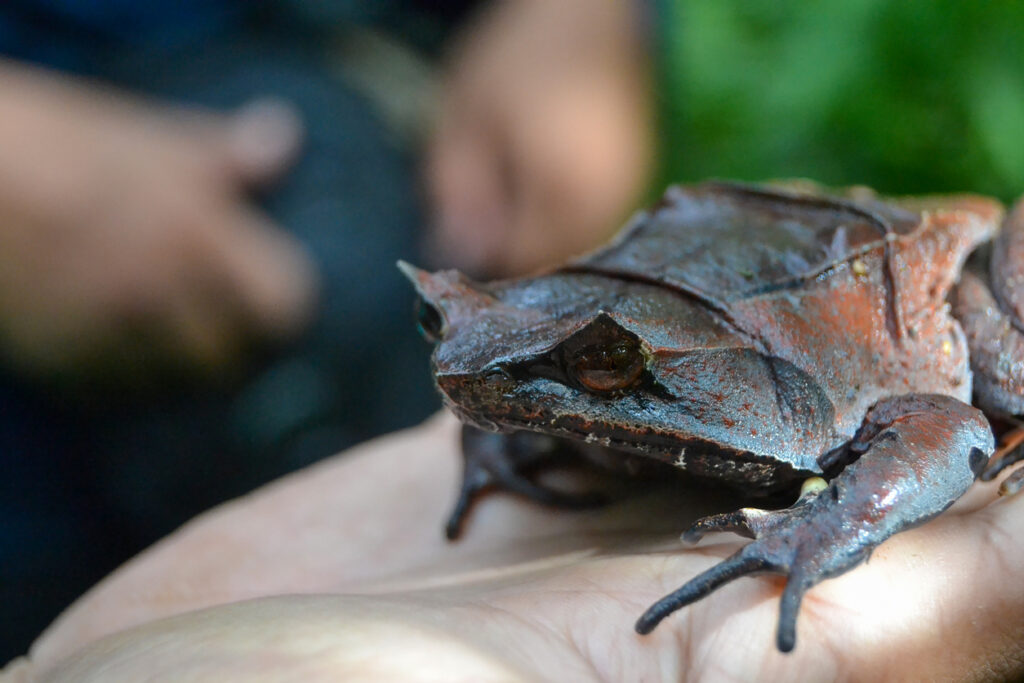
Human warts are caused by the human papillomavirus (HPV), not toads. You can only catch warts from another person through skin-to-skin contact or shared surfaces, like towels or gym equipment. Toads don’t carry or transmit HPV, so the whole “touch a toad, get a wart” thing is pure folklore. The confusion likely comes from how toads look; with all their little bumps and lumps, it’s not a huge leap to assume they might be contagious. But biologically speaking, it’s just not possible for them to give you warts.
Toads do have glands that can irritate skin.
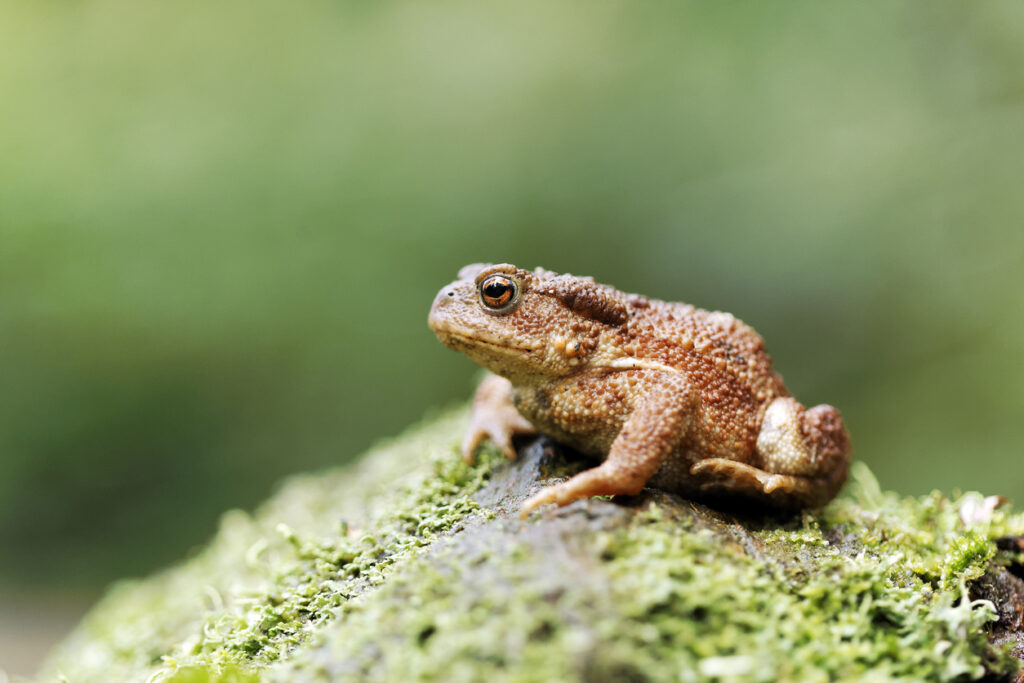
While they won’t give you warts, toads can secrete substances from their parotoid glands (the bulges behind their eyes) that may irritate your skin or eyes. Some toad species produce mild toxins as a defence, especially if they feel threatened. That’s why it’s a good idea to wash your hands after handling a toad and avoid touching your face. It’s not dangerous in most cases, but it’s still smart to treat all wildlife with a bit of caution, and a lot of respect.
The myth has stuck around for centuries.
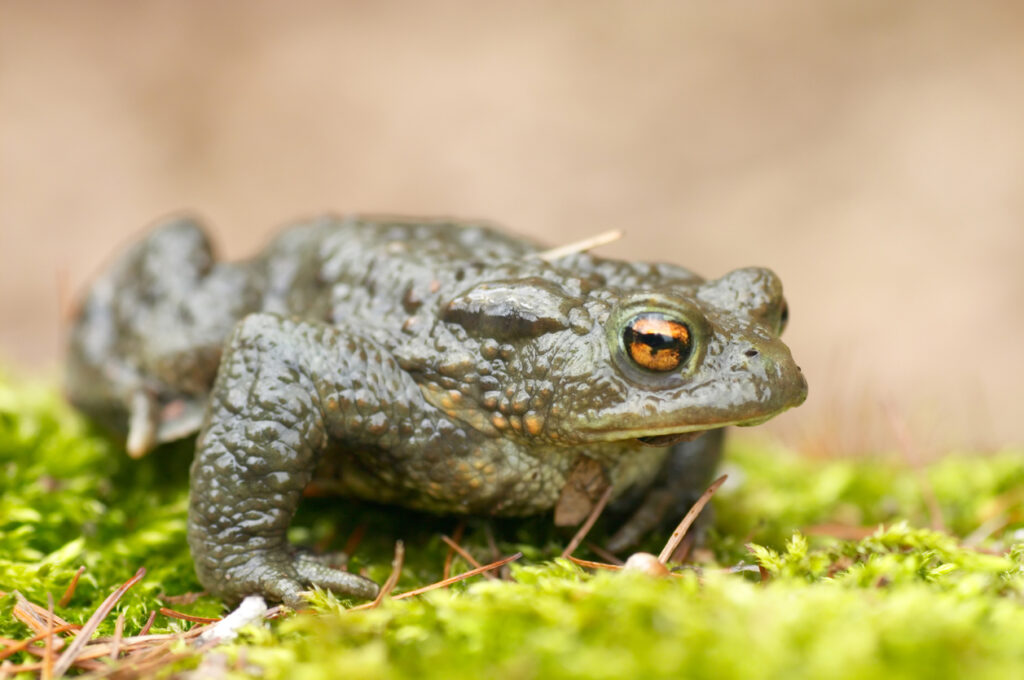
Stories linking toads with warts go back hundreds of years and are rooted in superstition. In medieval Europe, toads were often associated with witchcraft and illness, which only fuelled the idea that they could spread something unpleasant. Despite modern science proving the myth wrong, the idea still lingers, probably because it’s been passed down for generations. But the truth is much less spooky: toads aren’t dangerous, just misunderstood.
You’re far more likely to get warts from people.
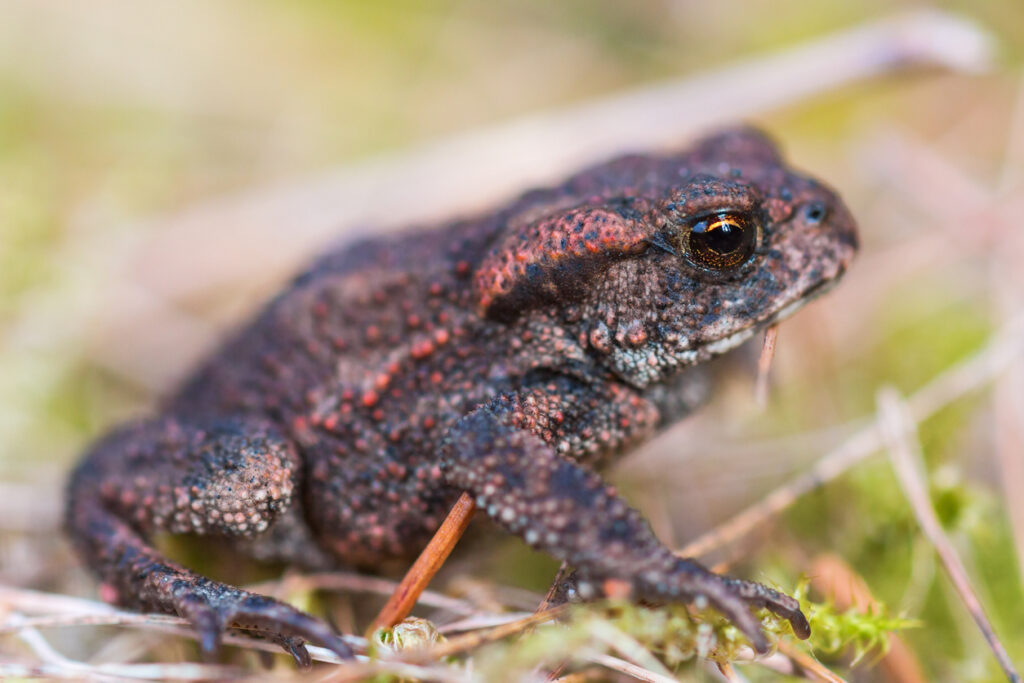
It might not be as interesting as blaming a toad, but most warts come from human contact, like shaking hands with someone who has one, or walking barefoot in shared showers. The virus thrives in warm, damp environments. Kids are especially prone to catching them, and they’re nothing to be ashamed of. Warts are common, harmless, and usually go away on their own, no amphibians required.
Toads are helpful garden allies.
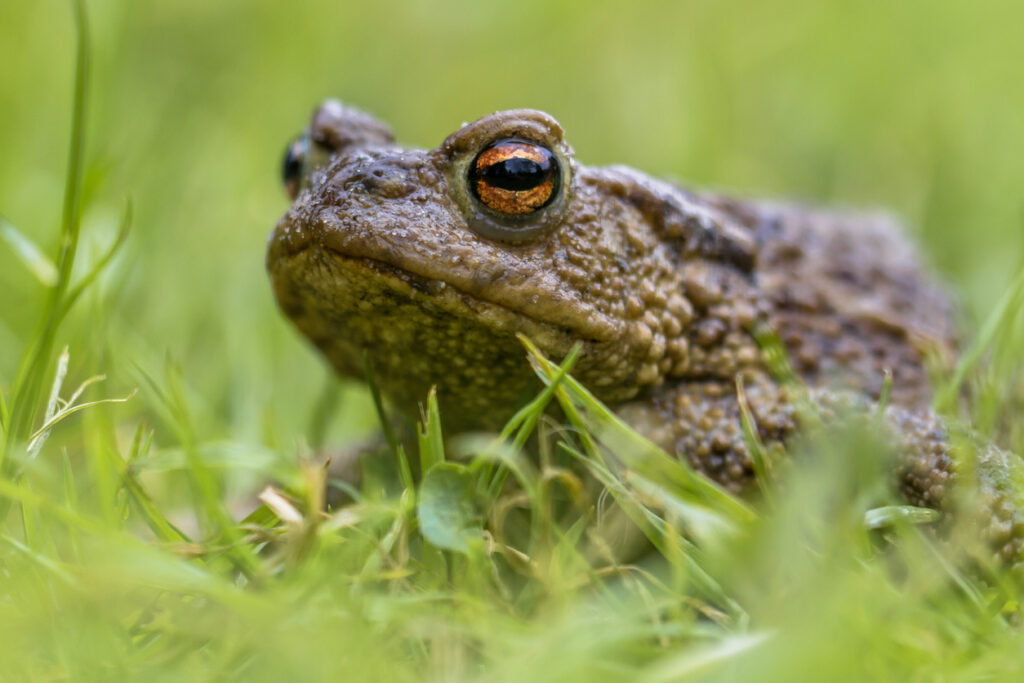
Rather than avoiding toads out of fear, it’s worth knowing they’re actually great for your garden. Toads eat slugs, beetles, and other pests that damage plants, making them a natural form of pest control. Encouraging toads in your garden can keep things more balanced without the need for chemicals. Just avoid disturbing their hiding spots and try to keep water sources clean and safe.
Their skin is bumpy for protection, not disease.
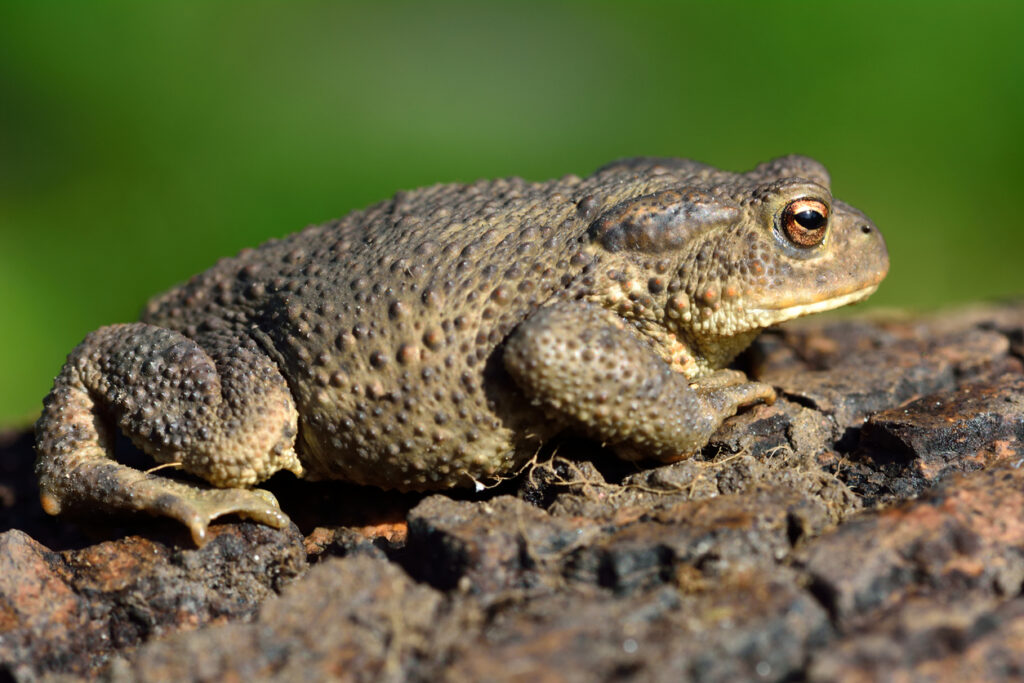
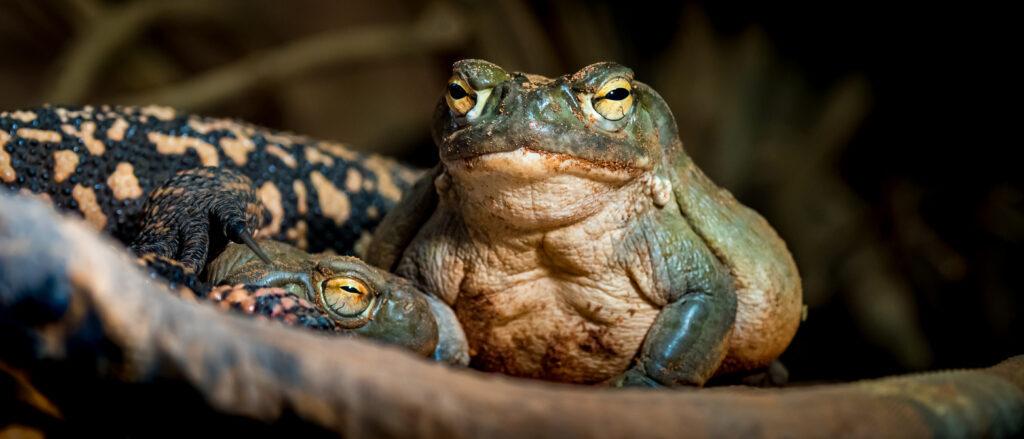
Those wart-like bumps on a toad’s skin aren’t a sign of disease. They help them blend into rough terrain and make their bodies less appealing to predators. Some even contain the mild toxins we mentioned earlier. It’s all part of their survival strategy. What might look like something contagious is really just clever camouflage and chemical defence wrapped in one knobbly little package.
Some toads can be dangerous to pets.
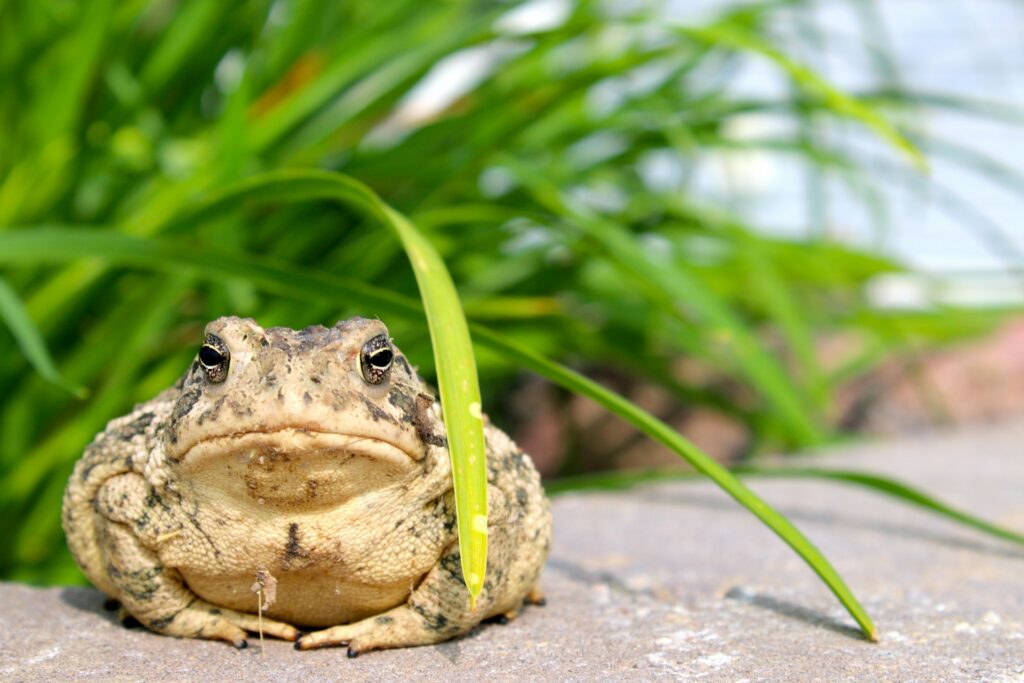
While they’re not harmful to humans, some toads, especially the cane toad (not found in the UK), can be toxic to pets like dogs and cats. Even native toads can cause drooling or vomiting if mouthed by curious pets. So it’s a good idea to keep pets away from them, just in case. If your dog tries to eat one, rinse their mouth with water and contact your vet for advice. For us, it’s usually no big deal, but for pets, it can be more serious.
Kids can safely handle them, but with guidance.

Toads are a great way to help kids connect with nature, but it’s important to teach them to be gentle and respectful. Use clean, wet hands if handling a toad, and never squeeze or hold it too long, as it can stress them out. Make sure kids wash their hands afterwards and understand that toads aren’t toys. With the right care, it’s a brilliant experience that can spark lifelong curiosity about wildlife.
Never take toads away from where you found them.
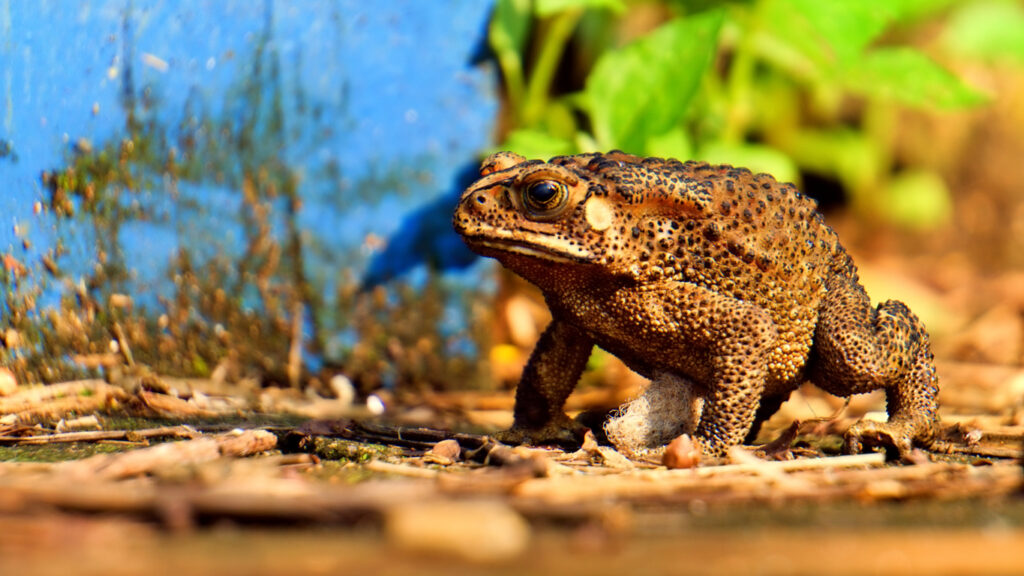
Toads are territorial and rely on specific habitats for food, shelter, and breeding. Moving one to a different location, even with good intentions, can disrupt its survival and mess with local populations. If you see a toad in the wild, admire it, learn from it, but always put it back where you found it. The best way to “help” is to let them be wild and free in the places they belong.
Toad myths are a great conversation starter.
Turns out, that old “you’ll get warts” warning is the perfect icebreaker to chat about toads, biology, and how we still carry superstitions into modern life. Once you know the truth, it’s hard not to feel a little protective of them. Toads deserve better than their creepy reputation. They’re quiet, helpful, and often overlooked. Just maybe not the ones to blame for your warts, after all.