Rock gardens aren’t just for alpine fanatics or dry climates.
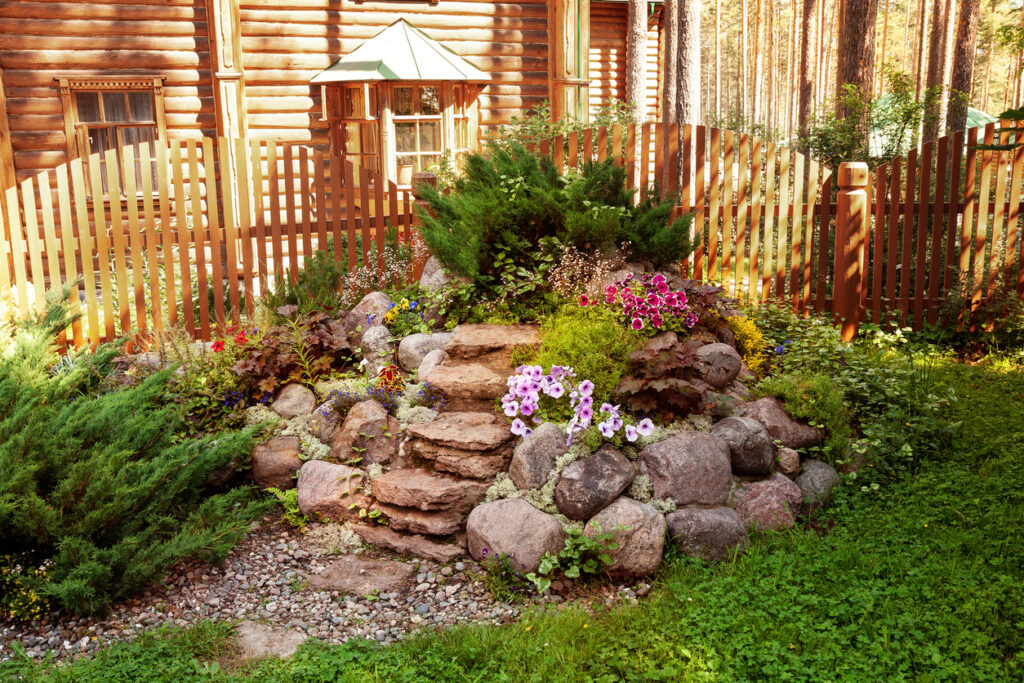
In fact, they’re a brilliant option if you want something low-maintenance, full of character, and a bit different from the usual lawn-and-border setup. When done right, they add texture, shape, and year-round interest without demanding constant upkeep. Whether your garden’s on a slope, filled with awkward dry patches, or just in need of something fresh, here’s how to plan a rock garden that actually works.
1. Choose the right spot.
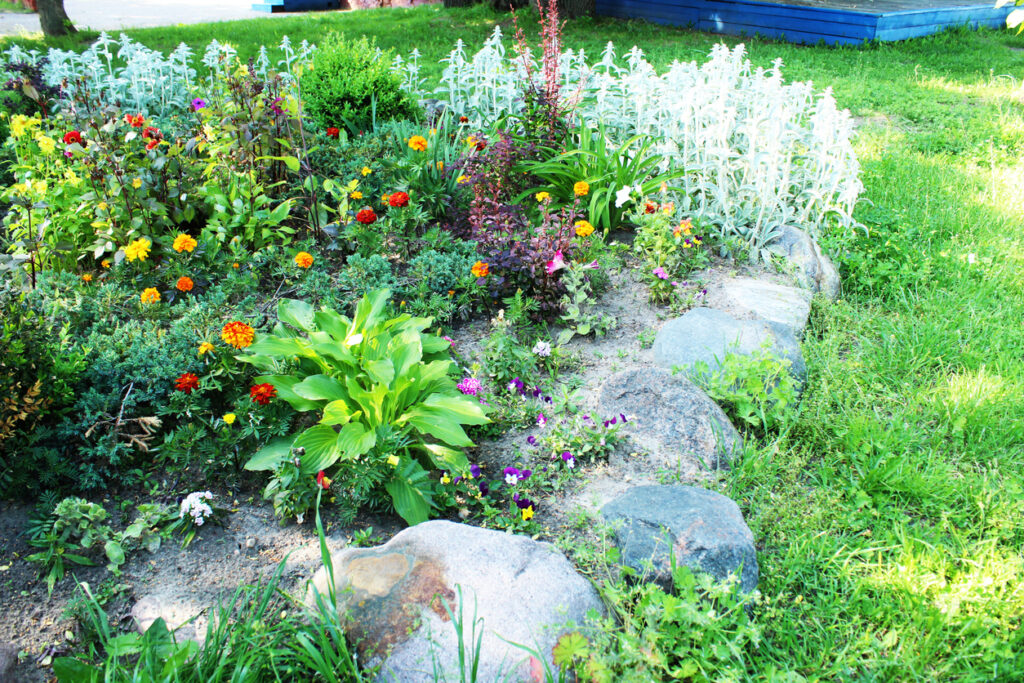
Start by finding a spot in your garden that gets plenty of sun and has good drainage. Rock gardens don’t tend to thrive in boggy or heavily shaded areas, since most of the plants you’ll use prefer drier, sunnier conditions. A slope, awkward corner, or even a raised bed can be ideal if you want to make the most of tricky space.
If you’re working with flat ground, that’s fine too. You’ll just want to think a bit more about drainage and how to build up levels for interest. Ideally, pick an area that already feels a bit wild or open, as this will help your rocks and plants feel like they belong, rather than being randomly plonked in.
2. Sort your drainage first.
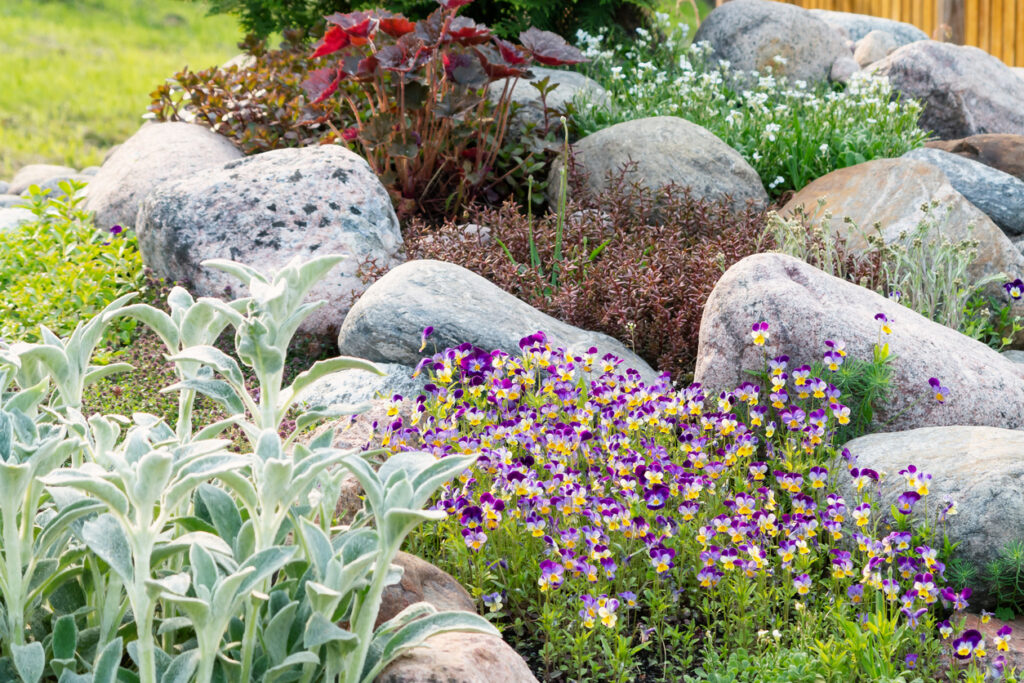
Before you even think about plants, make sure your rock garden won’t end up waterlogged. Good drainage is key, especially for alpine plants or succulents, which really hate sitting in wet soil. If your chosen area doesn’t drain naturally, dig in plenty of grit, sand, or gravel to improve it.
You can also add a base layer of rubble or crushed stone under the soil to help water flow through more easily. Think of it as giving your rock garden a solid foundation. It’s not the most glamorous step, but one that’ll save you a lot of headaches later on.
3. Pick your rocks first.
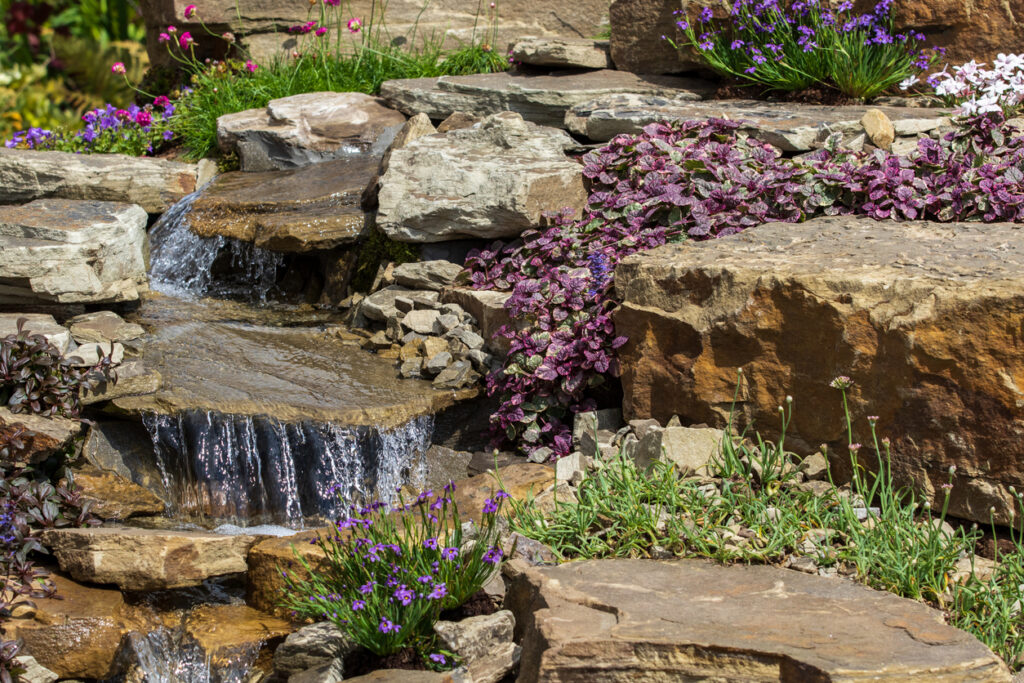
It might seem odd, but rocks should come before the plants. The stones will shape the whole layout and give the garden structure. Choose a mix of sizes: some big anchor rocks, a few mid-sized ones, and then smaller pieces or gravel to tie everything together.
Stick to one type of stone if you can, so it looks natural rather than patchy. Local stone always works well and blends better with the landscape. Try to bury at least a third of each large rock below the surface to make it feel like part of the ground, not just resting on top.
4. Think in layers and shapes.
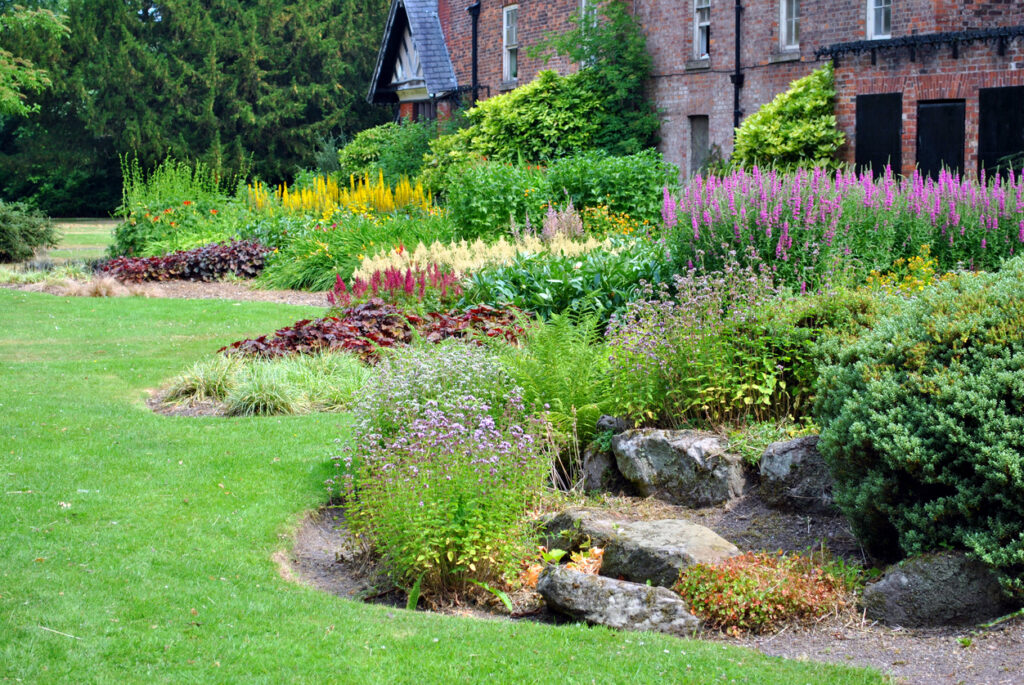
When arranging your rocks, avoid symmetry or neat rows, as it’ll look more authentic if things feel random and organic. Aim for uneven groups, with some height at the back or centre that tapers down naturally. Use gravel or scree around the base to fill gaps and soften harsh edges.
You can also shape the land a bit by mounding up soil in places, so your garden doesn’t look totally flat. Height adds dimension, especially when you start layering in plants with different growth habits—some upright, some trailing, some ground-hugging.
5. Choose plants suited to dry conditions.
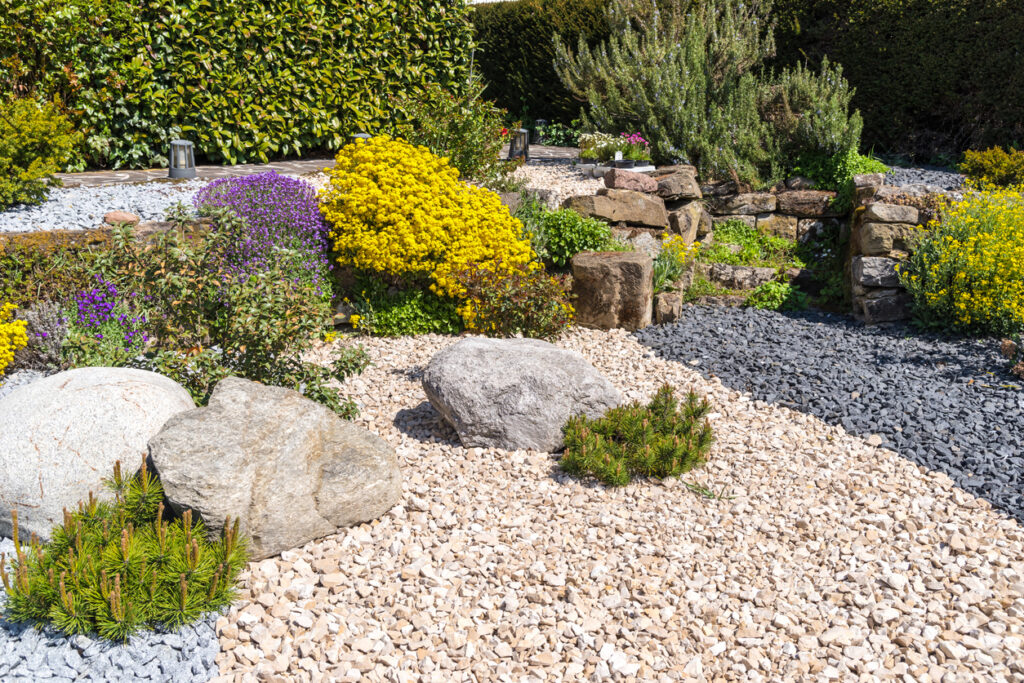
This is where the fun starts. Rock gardens aren’t just about succulents. There’s a wide range of low-growing, drought-tolerant plants that thrive in stony settings. Think alpines like aubrieta, sedums, saxifrages, thyme, and even small ornamental grasses.
Look for varieties that don’t mind a bit of neglect and can handle sun and dry soil. Plants with silvery or fuzzy leaves often do well, as those are natural signs of drought resistance. Avoid anything that needs regular watering or rich, heavy compost, as it just won’t be happy here.
6. Leave space to grow.
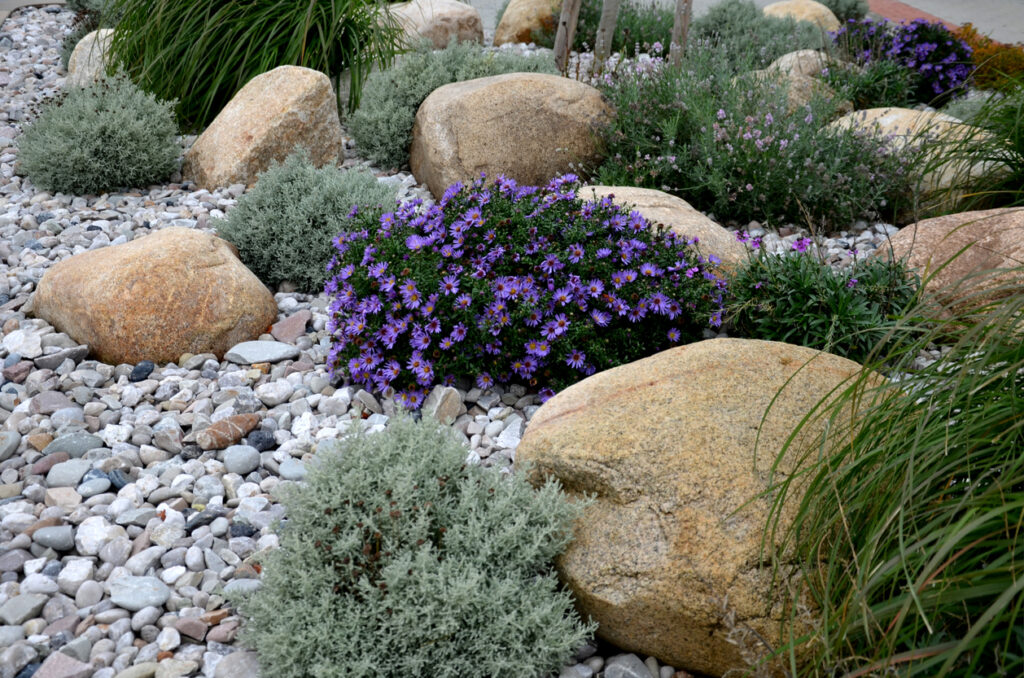
When planting, it’s tempting to cram everything in so it looks full straight away—but resist. Many rock garden plants spread over time, so you’ll want to give them breathing room. Plus, leaving gaps lets your rocks actually stay visible, which is half the point.
Use gravel or small stones as mulch between plants to suppress weeds and keep the look neat. It also helps reflect heat, which alpine plants appreciate. The aim is balance: enough green to soften the stone, but not so much that the rocks disappear.
7. Mix textures and heights where possible.
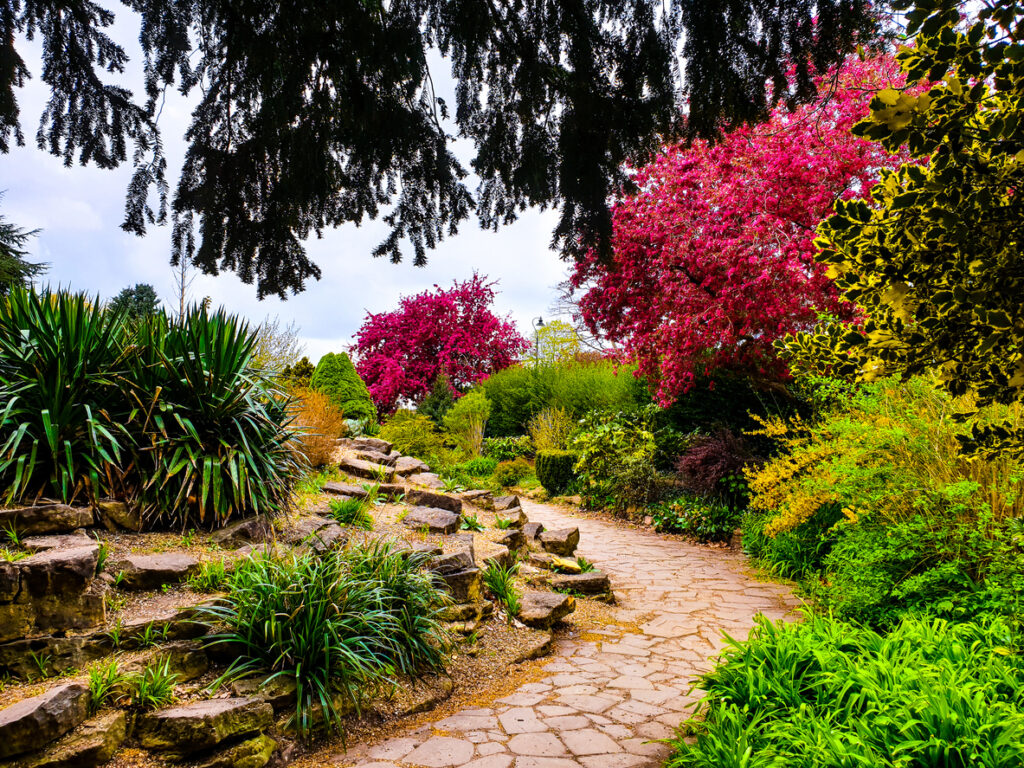
A good rock garden plays with contrast. Pair tight, cushiony plants like thrift or mossy saxifrage with upright shapes like miniature iris or alliums. Trailing plants like creeping thyme can spill over the edges of rocks, softening the edges and making everything feel more natural. Don’t be afraid to include a few showier blooms for seasonal colour, but keep your palette fairly restrained. The goal is to create something that feels cohesive, not chaotic, like it could’ve grown that way on its own.
8. Keep it low-maintenance, not no-maintenance.
One of the biggest draws of rock gardens is how little effort they take once they’re established. But you’ll still need to weed now and again, especially in the first year while your plants settle in and fill out. Mulching with gravel helps a lot, but no garden is truly set-and-forget.
You might also want to top up gravel every so often, trim back overgrown plants, or reposition stones that have moved. The good news is that most of this can be done with a cup of tea in one hand and a trowel in the other, no hedge trimmers or lawn mowers needed.