Most of us pick flowers based on how they look or smell, which is fair enough.
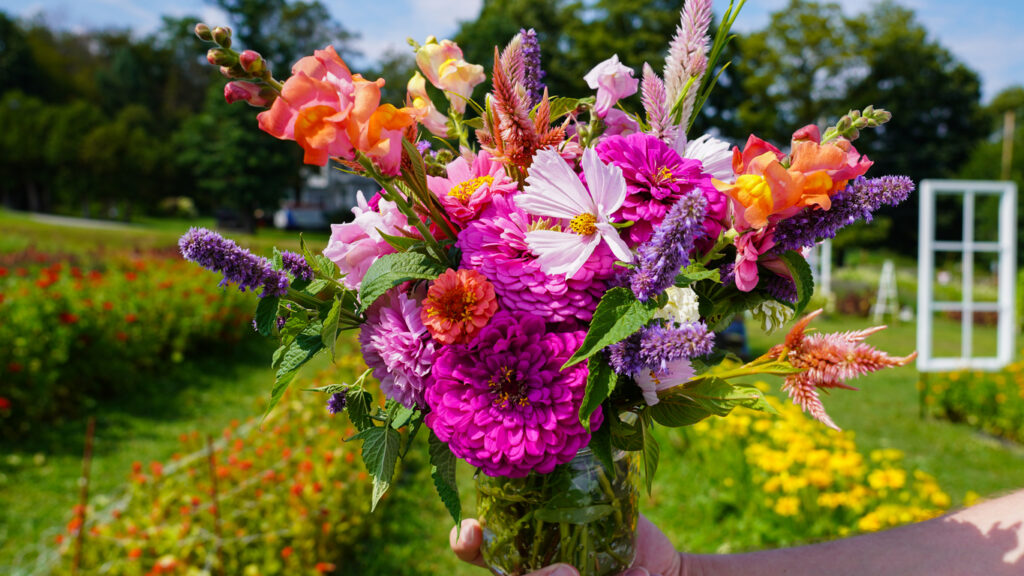
However, traditionally, they’ve also been used to say things people didn’t want to say out loud. For centuries, certain blooms have held secret meanings tied to love, grief, jealousy, forgiveness, and even warnings. Some of these meanings are surprisingly romantic, others are oddly specific, and a few feel like subtle digs wrapped in petals. Here are 16 flowers with hidden messages woven into their stems.
1. Lily of the valley – “I’ll come back to you”
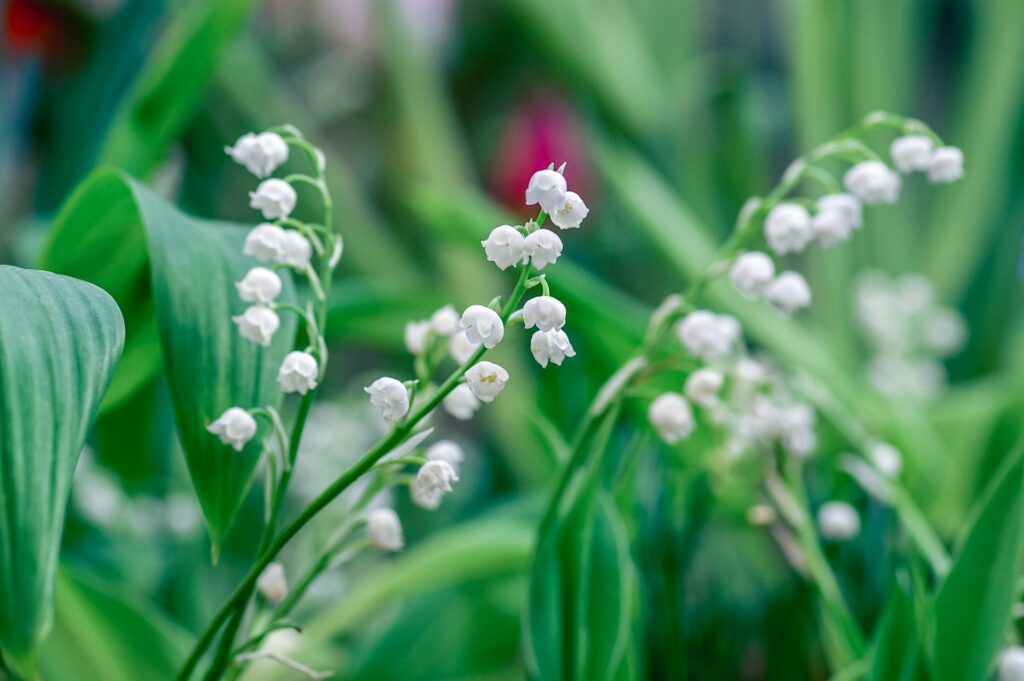
This delicate, bell-shaped flower might look innocent, but it holds a powerful meaning. In the language of flowers, lily of the valley symbolises the return of happiness, and more specifically, the quiet promise that someone will come back after they’ve been away. It’s often linked to lost love, long absences, or hopeful reunions. Despite how dainty it looks, it carries real emotional weight, and has been used for centuries in weddings and memorials alike for that reason.
2. Yellow rose – jealousy and apology

While red roses scream romance, yellow roses have a more complicated backstory. Depending on the era, they’ve represented anything from friendship to jealousy. In Victorian times, giving someone a yellow rose could be seen as a subtle way of expressing suspicion or mistrust. That said, yellow roses also evolved into a symbol of reconciliation, like saying sorry without spelling it out. These days, they’re more often used to represent platonic love and warmth, but the layered meaning hasn’t completely faded.
3. Camellia – “My destiny is in your hands”
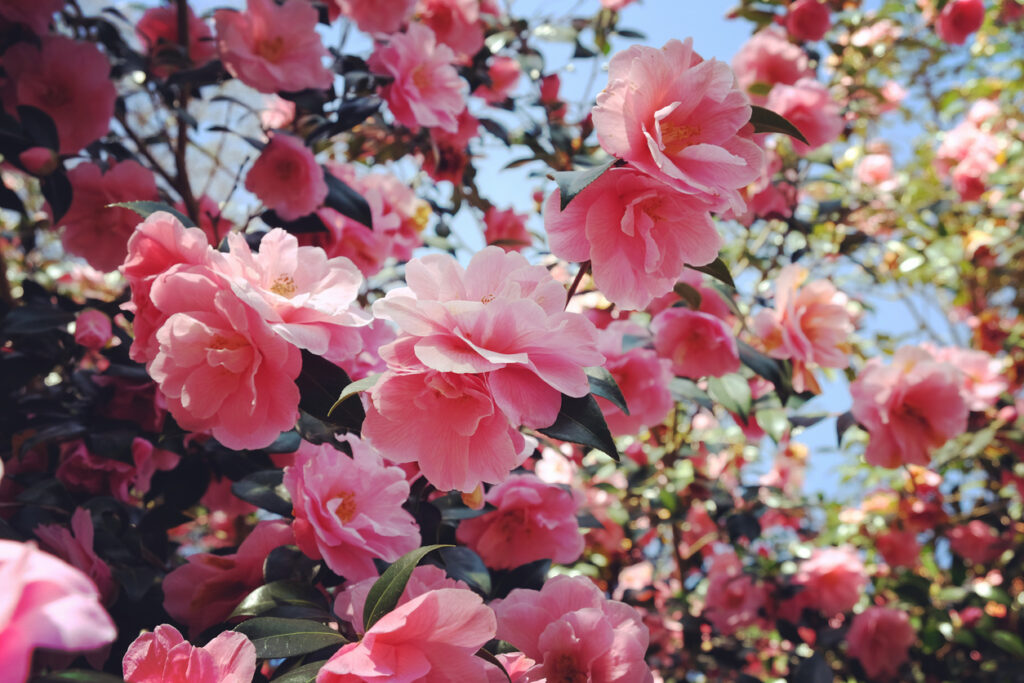
The camellia is elegant and symmetrical, often found in shades of pink, red, or white. But its hidden meaning? It’s all about surrender. Specifically, offering someone a camellia is like saying you’re giving them your heart, and your fate along with it.
This made it popular in secret courtships or situations where someone couldn’t express their feelings out loud. It’s a soft kind of vulnerability wrapped in petals, which might explain why it’s still a popular gift between people who don’t want to be too obvious.
4. Hydrangea – heartfelt emotion or… ingratitude
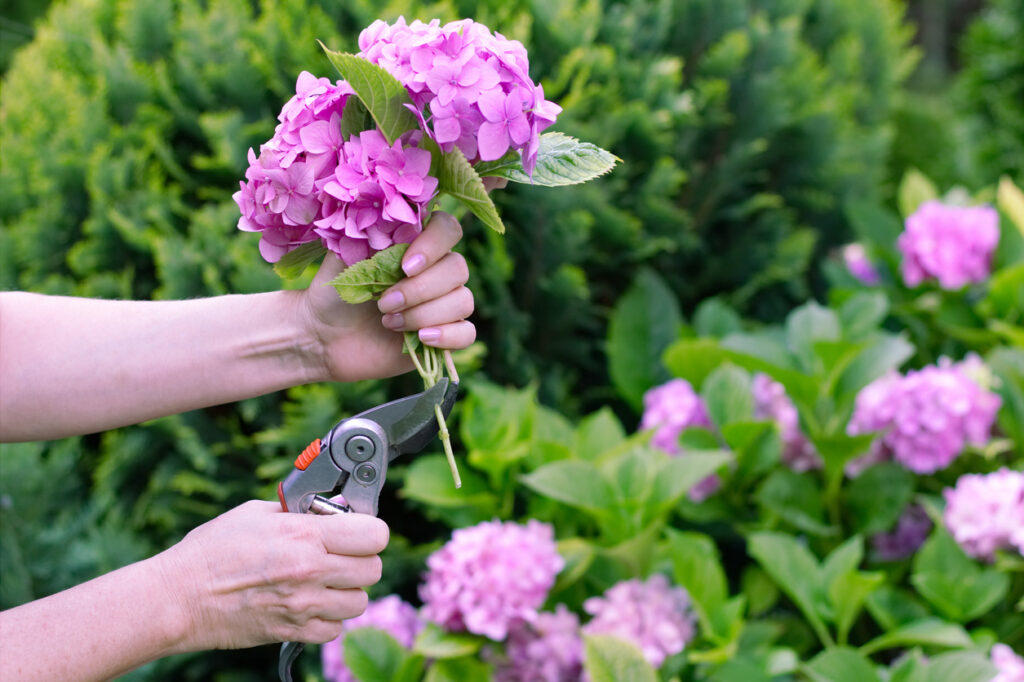
Hydrangeas are bold, beautiful, and often planted in front gardens across the UK. But symbolically, they have a split personality. On one hand, they stand for deep feelings and gratitude, especially when given in soft blues or pinks.
On the other, hydrangeas have also been linked to coldness or emotional distance. In some cultures, they were even associated with arrogance or a lack of sincerity. It all depends on context, which kind of makes them the passive-aggressive flower of the bunch.
5. Peony – shame and bashfulness
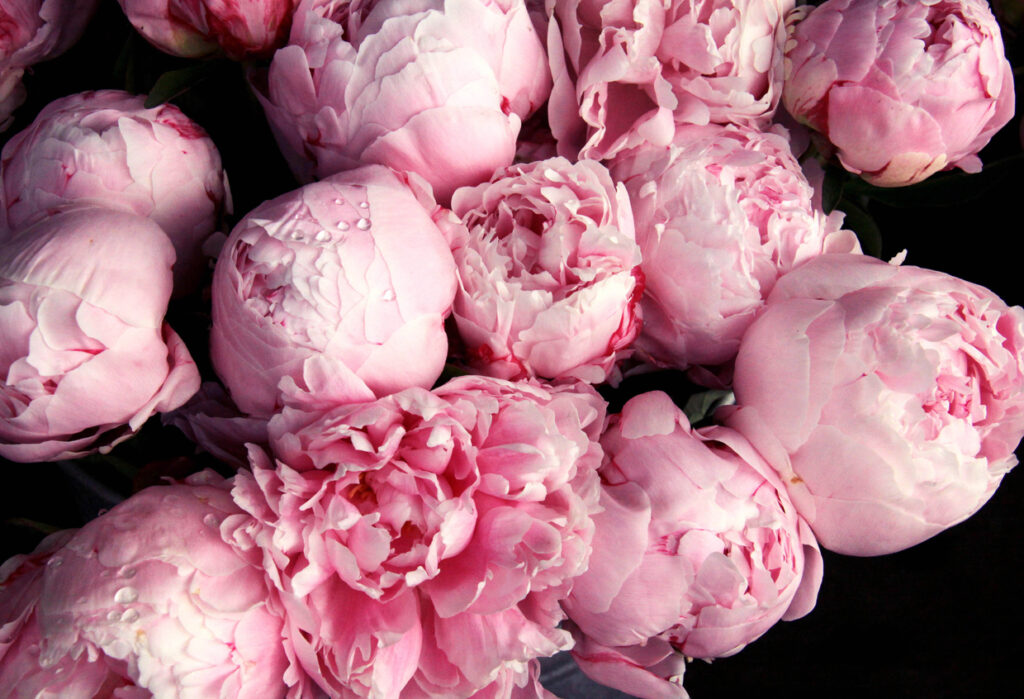
Peonies look extravagant and full of confidence, but traditionally, they’ve symbolised bashfulness and even regret. Some believe it’s because the flowers tend to droop when in full bloom, as if embarrassed by their own showiness. They’ve also been tied to rumours and gossip in historical folklore, especially in Greek mythology. So while they’re now associated with good fortune and marriage, their older meanings hint at a shyer, more hesitant energy beneath the petals.
6. Snapdragon – strength in disguise
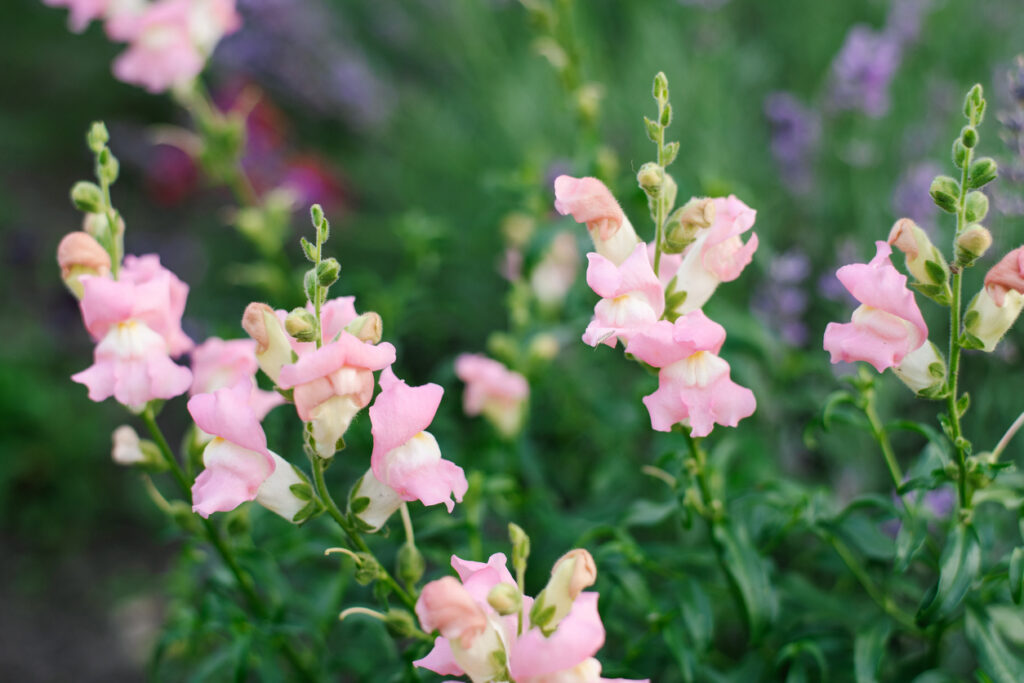
Snapdragons, with their odd dragon-mouth shape, symbolise deception and strength. The name itself hints at their bite, and in Victorian times, they were sometimes used to suggest that someone was hiding something, usually pride or strong feelings.
However, there’s also a resilience to them. Snapdragons grow well in tough soil and bounce back easily after being trampled. So their message can go two ways: you’re either not being told the full truth, or you’re dealing with someone much tougher than they look.
7. Daffodil – “You are the only one”
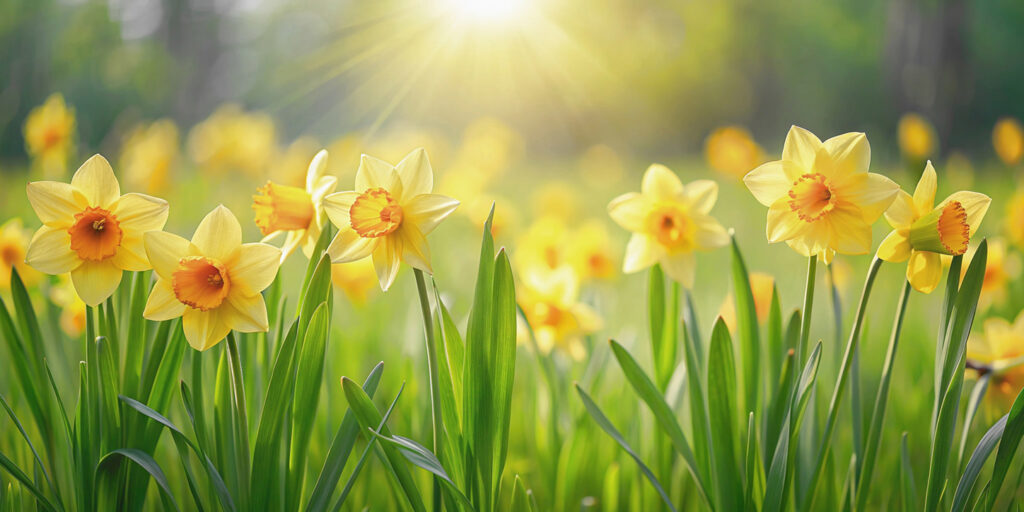
Daffodils aren’t just a cheerful sign of spring; they’re also tied to deep, singular affection. A single daffodil given to someone was once seen as a message that they were the only one in your heart, while a bunch symbolised joy and rebirth. There’s something quietly romantic about this one, especially since daffodils are often the first flowers to bloom after a long, cold winter. They represent hope, but also the kind that’s focused entirely on one person.
8. Marigold – grief and harsh feelings
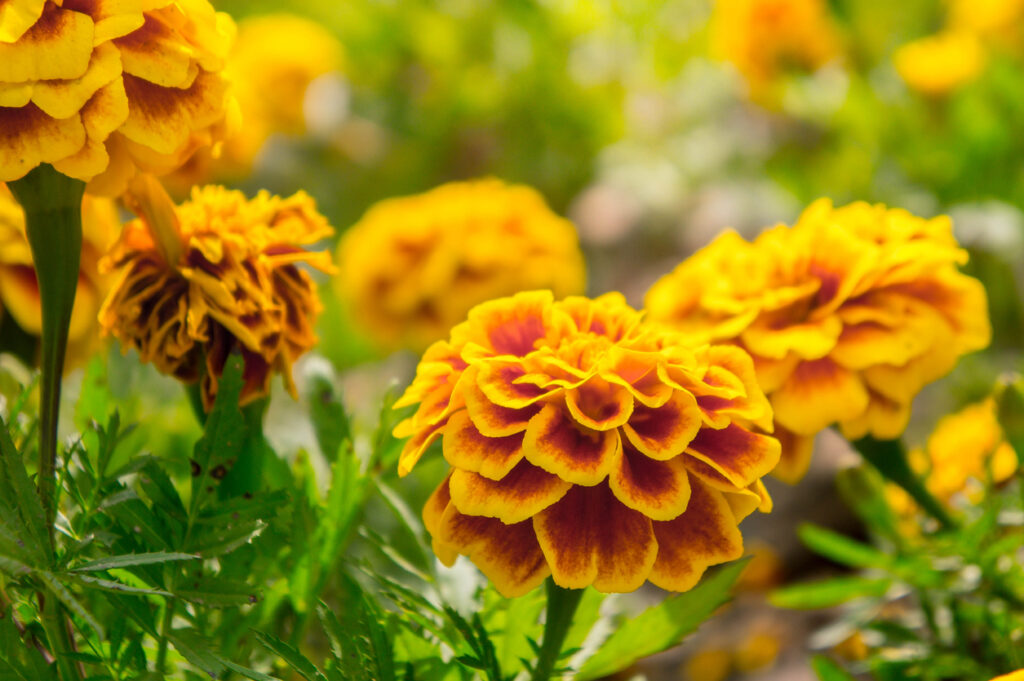
Marigolds, especially the deep orange or gold varieties, have a strong connection to mourning and remembrance. They were once believed to guide souls in the afterlife, especially in traditions like Mexico’s Día de los Muertos. However, marigolds also symbolised despair, jealousy, or feelings that had turned bitter. They were often planted in churchyards and associated with regret, making them one of the more emotionally intense flowers, despite their brightness.
9. Bluebell – constancy and secrecy
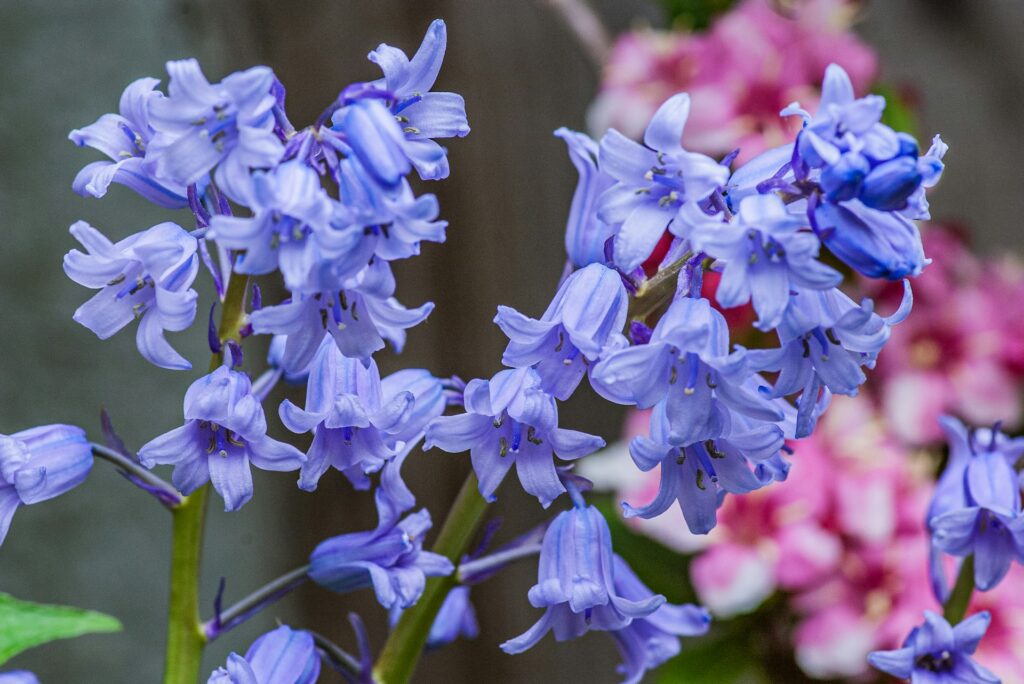
Bluebells are a woodland favourite in the UK, often carpeting entire forests in spring. They’ve long symbolised constancy, being true and loyal, even when no one’s watching. However, they also carry a quieter meaning: secrecy. This comes from folklore, where bluebells were thought to be magical and even dangerous if picked. In flower language, giving someone a bluebell was like saying “you can trust me,” or sometimes, “I’ll keep your secret safe.”
10. Chrysanthemum – honesty, grief, or rejection
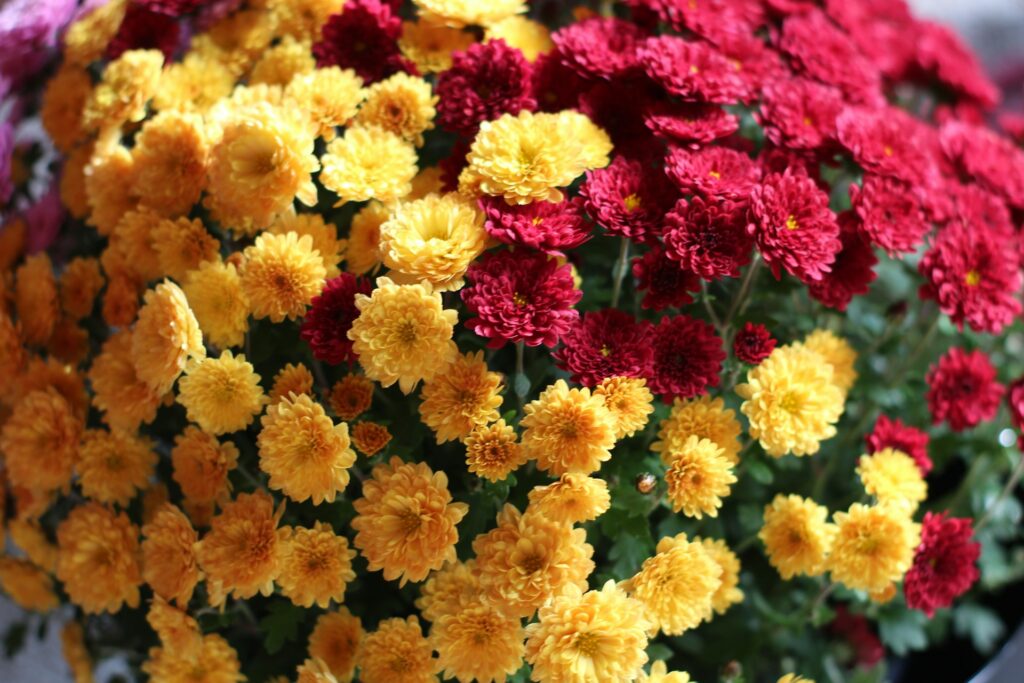
Chrysanthemums get different meanings depending on where you are. In much of Europe, they’re strongly associated with death and used primarily for graves or funerals. In other places, they symbolise honesty or even unrequited love. In Victorian floriography, a white chrysanthemum could mean loyalty or truth, while a yellow one might suggest slighted love. Basically, if someone handed you one of these back then, you’d want to ask a few follow-up questions.
11. Tulip – declaration of love
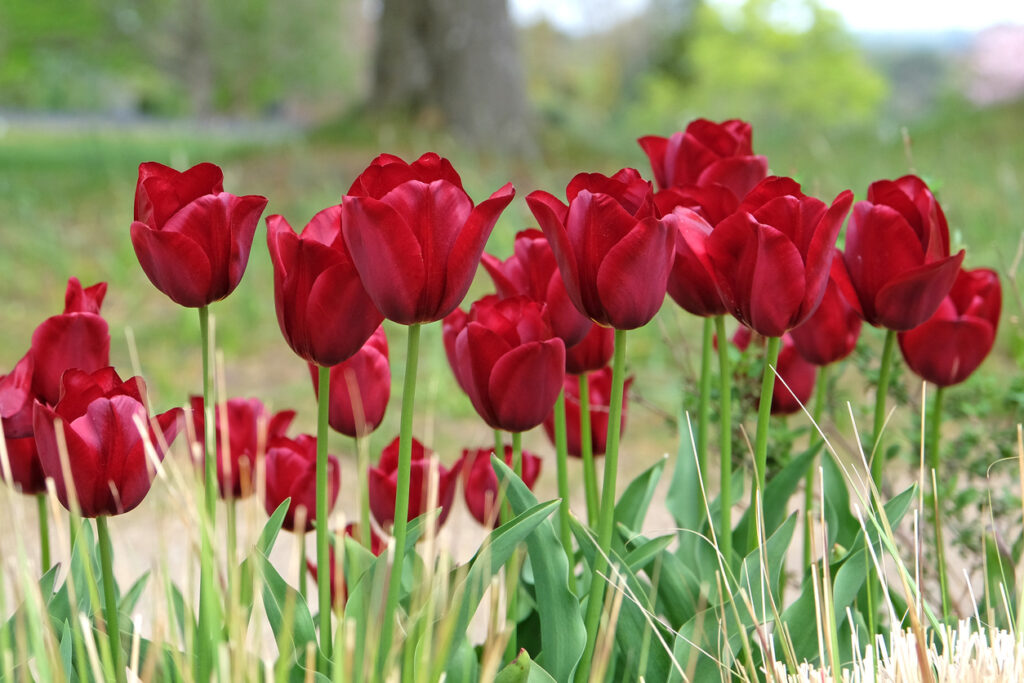
Tulips are simple, graceful, and often associated with springtime romance. Red tulips, in particular, are known to represent a bold declaration of love, sort of a floral “I’m all in.” Unlike the dramatic rose, the tulip delivers that message with a bit more softness. Each colour has its own meaning, but they all circle around love in some form. They’re also associated with elegance and poise, which adds to their charm when you’re trying to make a quiet-but-clear statement.
12. Ivy – fidelity and strong attachment
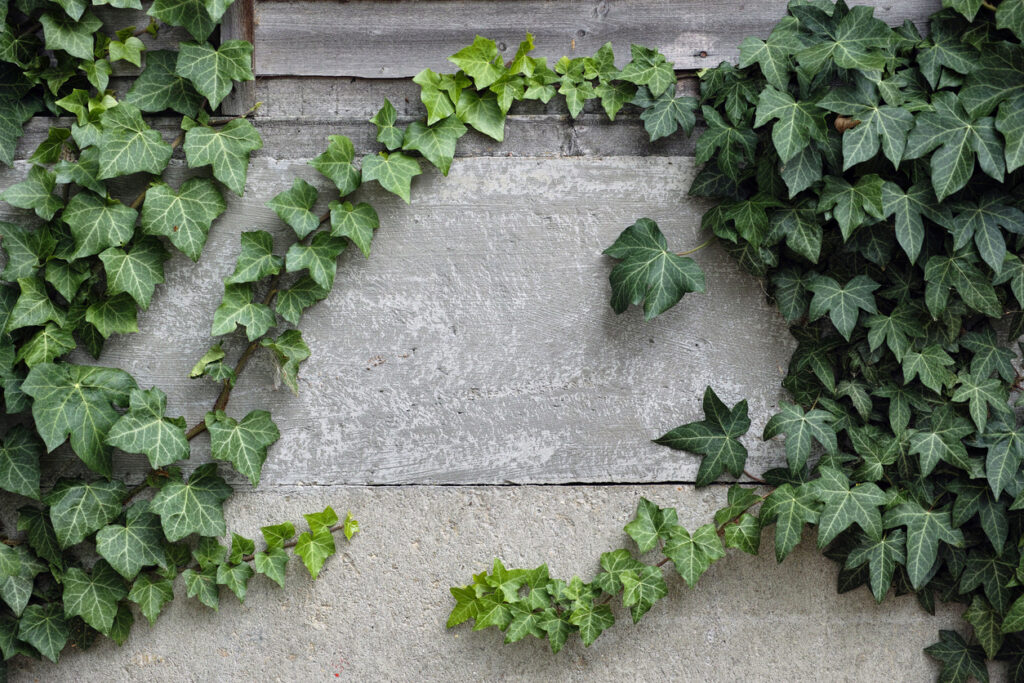
Though not a flower in the usual sense, ivy still carries a strong symbolic message. It’s all about clinging, whether that’s loyalty, friendship, or romantic attachment. Ivy doesn’t let go easily, which is why it’s often used in wedding traditions and old love stories. It also represents endurance. Ivy keeps growing in harsh conditions and will stick with whatever it attaches to. That can be beautiful… or a little intense, depending on the context. Either way, it’s not a symbol you give lightly.
13. Forget-me-not – remembrance and true love
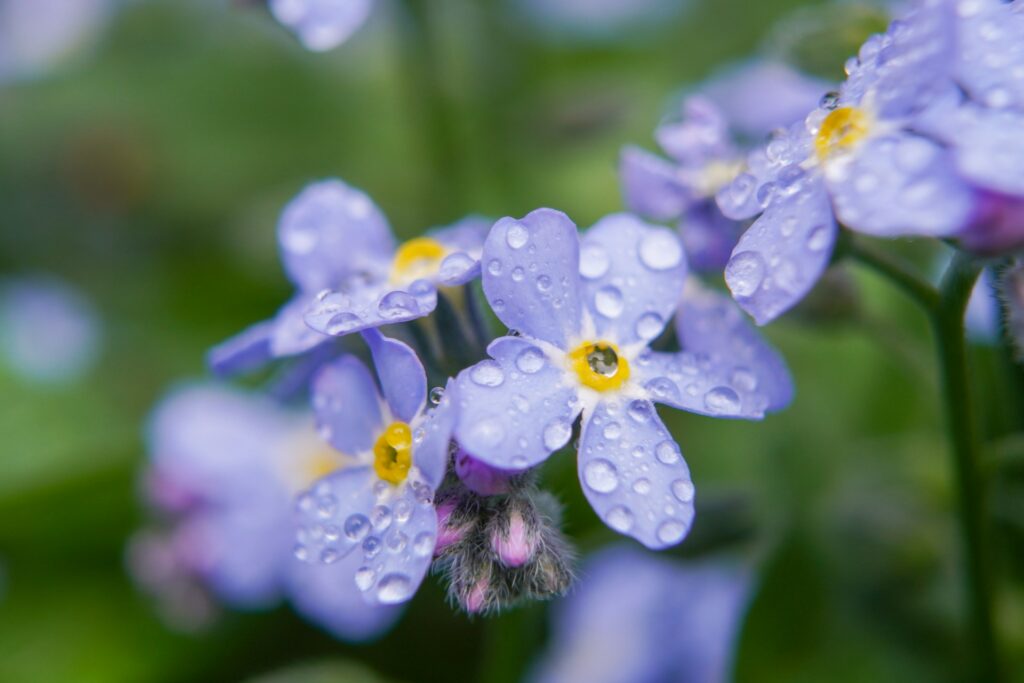
The name says it all. Forget-me-nots are tied to memory, loss, and the kind of love that sticks around long after someone’s gone. They’re often used in memorials or as quiet tokens of devotion between people who are apart. They bloom in modest clusters and don’t make a fuss, but their meaning is one of the most emotionally lasting. Giving someone a forget-me-not is a promise to hold space for them, even without daily reminders.
14. Zinnia – thoughts of absent friends
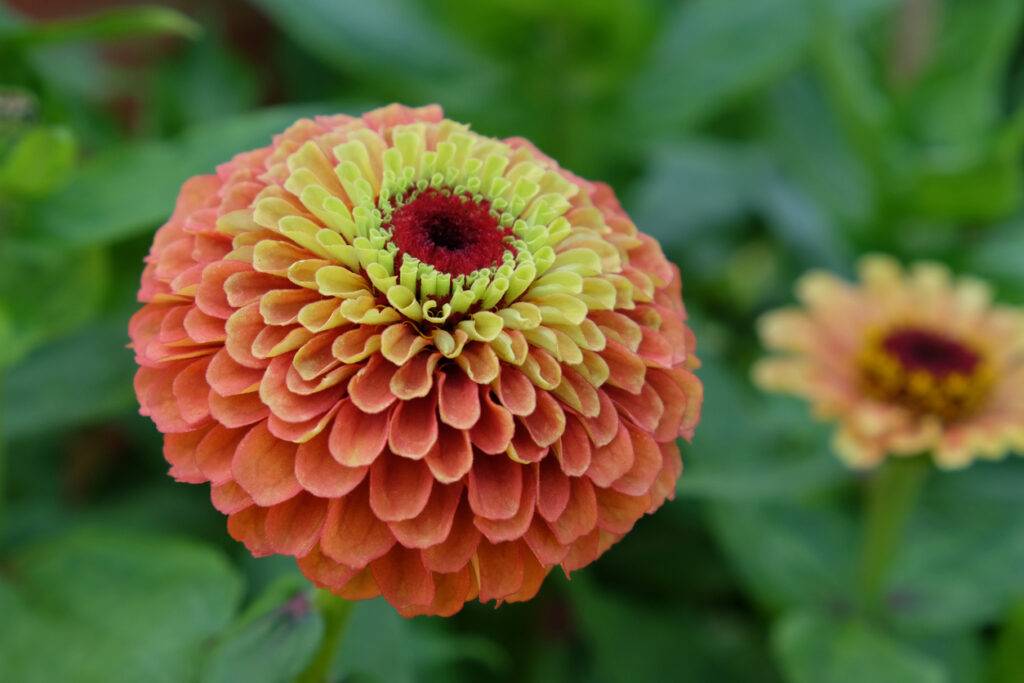
Zinnias aren’t the most common garden choice, but they’ve long been used to represent remembrance—specifically, the kind tied to friends or loved ones who are far away. They’re colourful and cheerful, but with a deeper sentiment underneath. They were often included in letters or farewell bouquets to say “I haven’t forgotten you” or “I hope we meet again.” In a time before constant messaging, that simple flower held a lot of emotional ground.
15. Gardenia – secret love
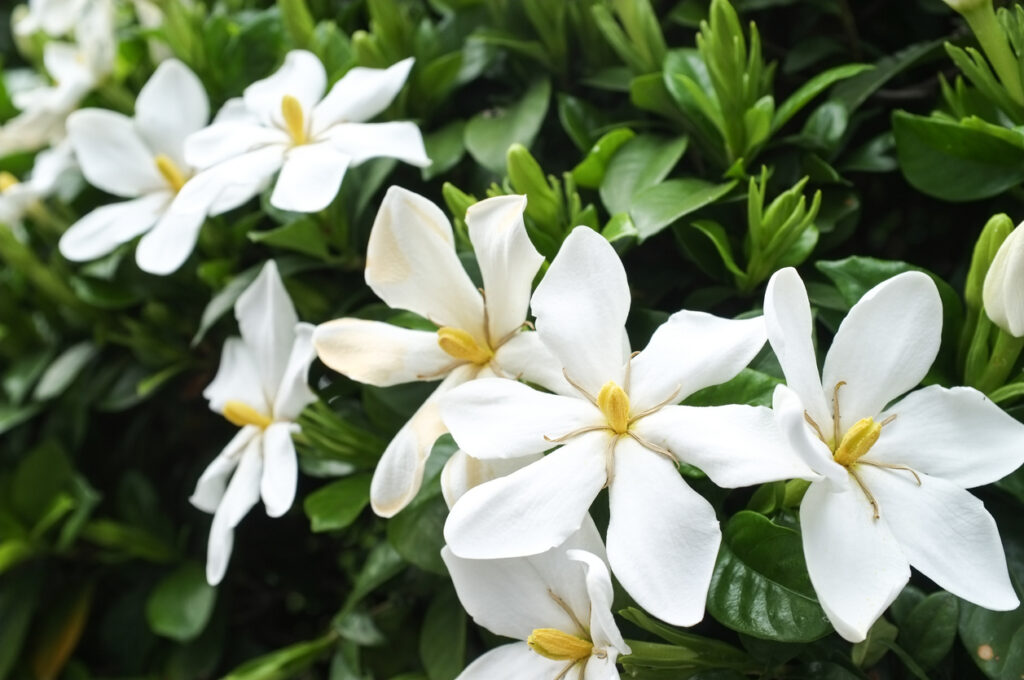
Gardenias are fragrant, stunning, and usually mean one thing: love that’s being kept under wraps. In the language of flowers, they represent secret admiration or feelings that haven’t yet been spoken aloud. They’re often associated with longing, romantic restraint, or affection that’s being hidden, either out of shyness, circumstance, or fear of rejection. Giving someone a gardenia was a bold but indirect move, basically saying everything without saying it.
16. Carnation – fascination and unpredictability
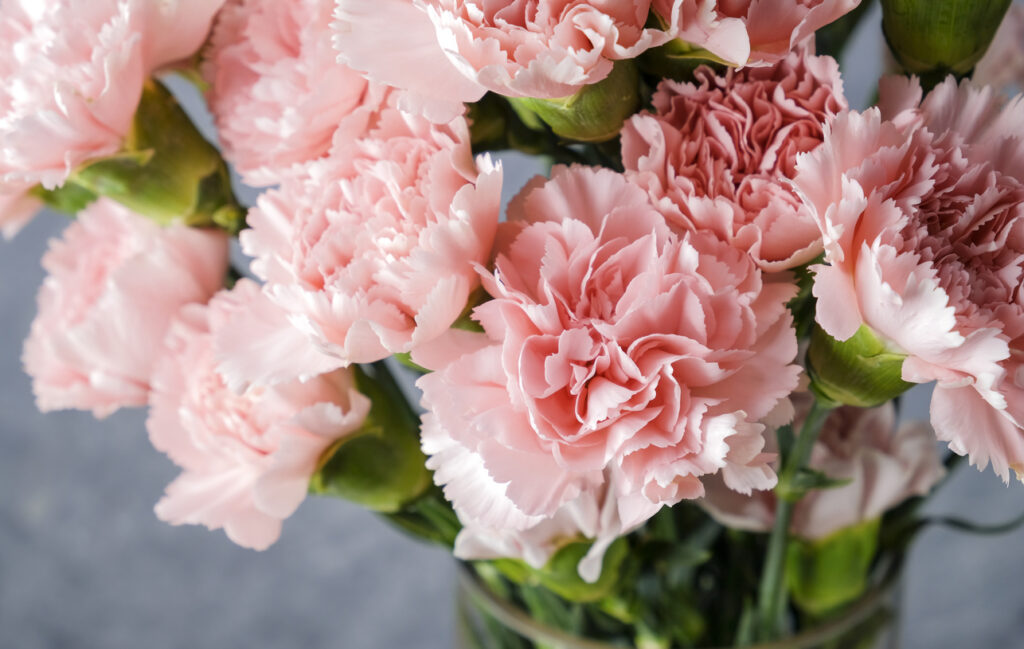
Carnations have one of the widest ranges of meanings depending on their colour. Red often means admiration, pink for gratitude, white for purity. But in general, the carnation symbolises fascination, and sometimes unpredictability or even refusal. In older flower traditions, striped carnations meant “I can’t be with you,” while yellow ones suggested disappointment. Not exactly cheerful stuff, but it shows how a single flower could send a layered and emotionally specific message.