Long before birds ruled the skies, there was an entire cast of prehistoric flying reptiles that made today’s eagles and hawks look like feathered side characters.
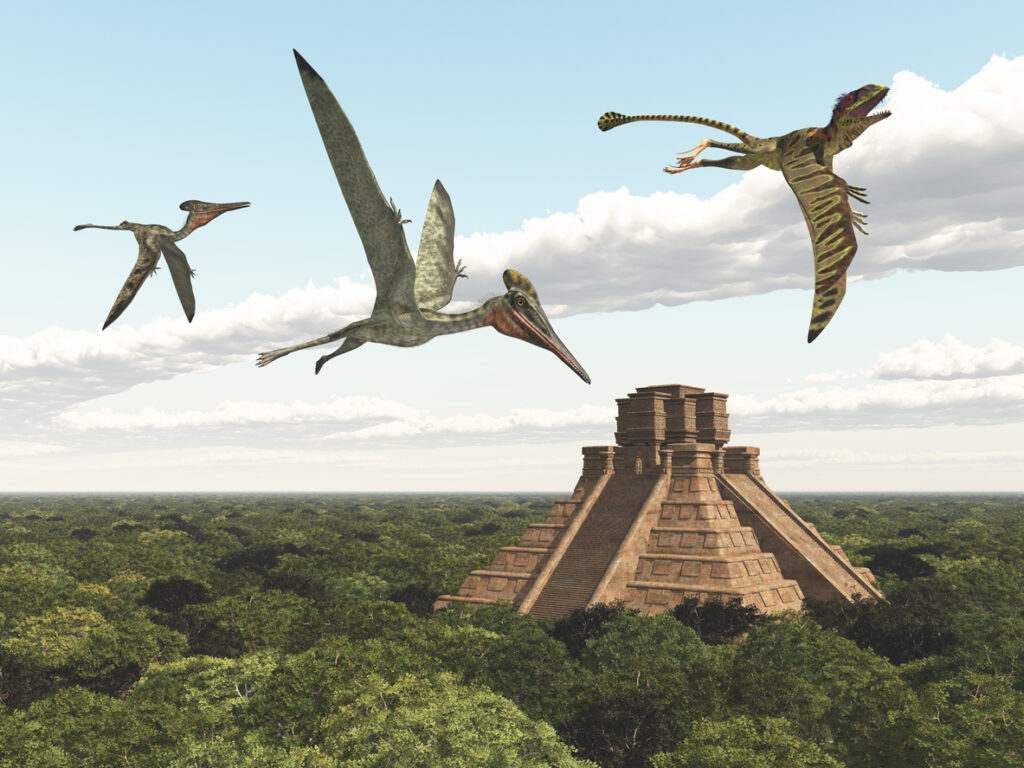
These weren’t dinosaurs, though they lived alongside them. They were pterosaurs, a group of winged reptiles that evolved some of the most extreme wingspans and bizarre body shapes nature’s ever cooked up. From terrifying giants to agile fliers with crests bigger than their heads, here are the extinct flying reptiles that would’ve made even the boldest eagle think twice.
1. Quetzalcoatlus northropi
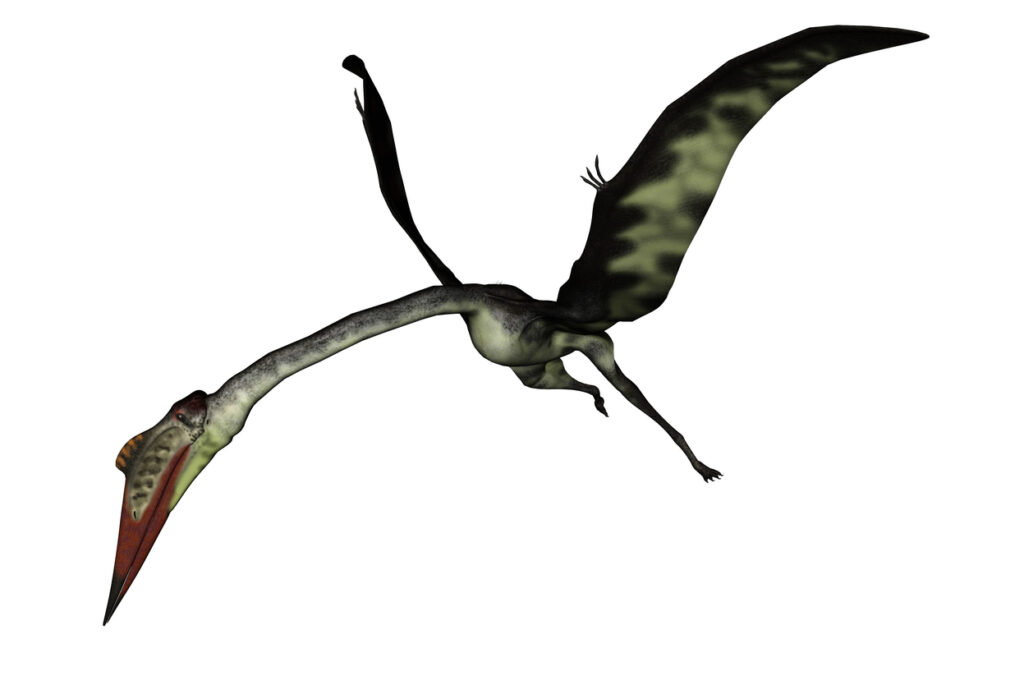
This one’s the undisputed heavyweight champ. With a wingspan that could reach over 10 metres, Quetzalcoatlus was roughly the size of a small plane. It lived during the Late Cretaceous and likely stalked prey on land as much as it soared through the air, using its long neck and sharp beak to snatch up anything small and unlucky.
What’s even more unnerving is that this thing probably flew. Despite its size, research suggests it could launch itself skyward using its powerful legs and glide for miles. If you’d seen it overhead, you’d have sworn it was some kind of aircraft, or a pterosaur cosplay gone rogue.
2. Hatzegopteryx
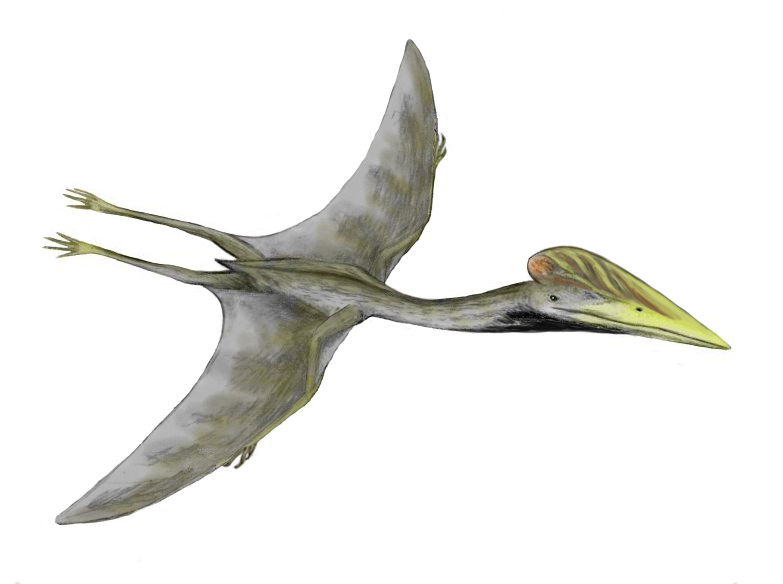
Imagine Quetzalcoatlus, but with a shorter neck and a skull as thick as your car bonnet. Hatzegopteryx was another azhdarchid pterosaur, and while not as long in wingspan, it was even more solidly built. It lived on what is now a part of Romania and dominated a weird, island-dwelling ecosystem.
Because of its bulkier build, many palaeontologists think Hatzegopteryx was a ground-stalker that hunted like a stork on steroids, only instead of fish, it may have been going after dwarf dinosaurs. Whatever it was doing, it made modern raptors look tame.
3. Pteranodon
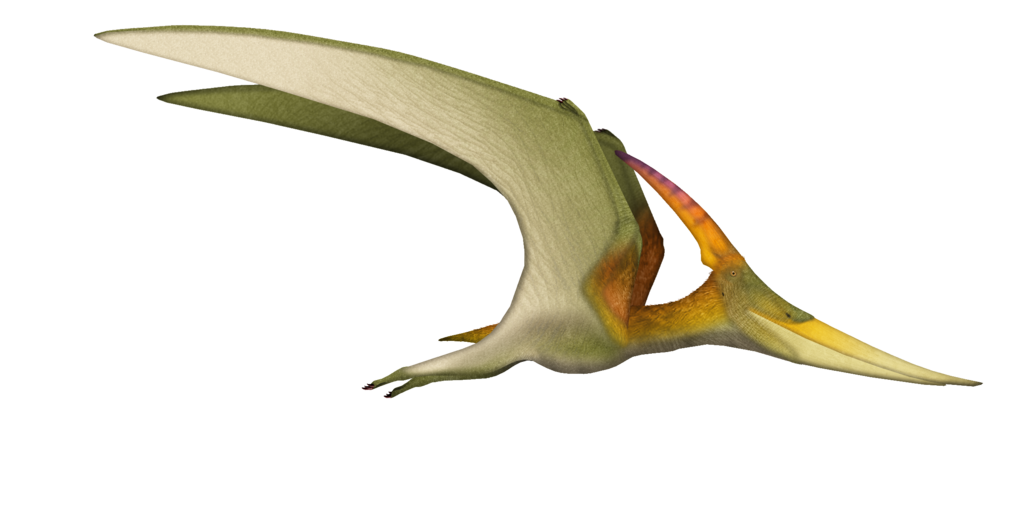
This one’s probably the most famous, thanks to its Hollywood cameos, but the real Pteranodon was no lightweight. With a wingspan of 5 to 7 metres, it would’ve easily dwarfed any eagle today, especially when gliding above the prehistoric seas in search of fish.
Its trademark feature was that backward-sweeping head crest, which may have helped with flight stability or attracted mates. Unlike some of the scarier land-stalkers, Pteranodon was more of a coastal flyer—still huge, but not quite nightmare fuel unless you were a fish.
4. Ornithocheirus
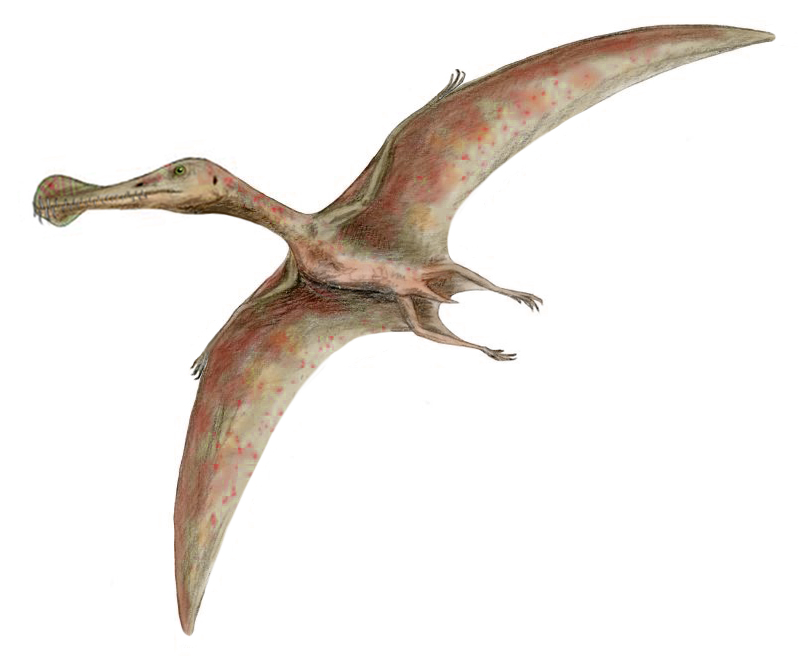
If you’ve ever seen the BBC’s “Walking with Dinosaurs,” you might remember Ornithocheirus making a dramatic ocean-crossing flight. While that version was slightly exaggerated, the real creature was still impressive; wingspans could reach around 6 metres, and its teeth-lined jaws were perfect for fishing mid-flight.
This pterosaur likely soared long distances over open water, using thermals to stay airborne. It probably resembled a massive, crocodile-faced seabird—one that could swoop down and steal your catch before you even saw it coming.
5. Tropeognathus
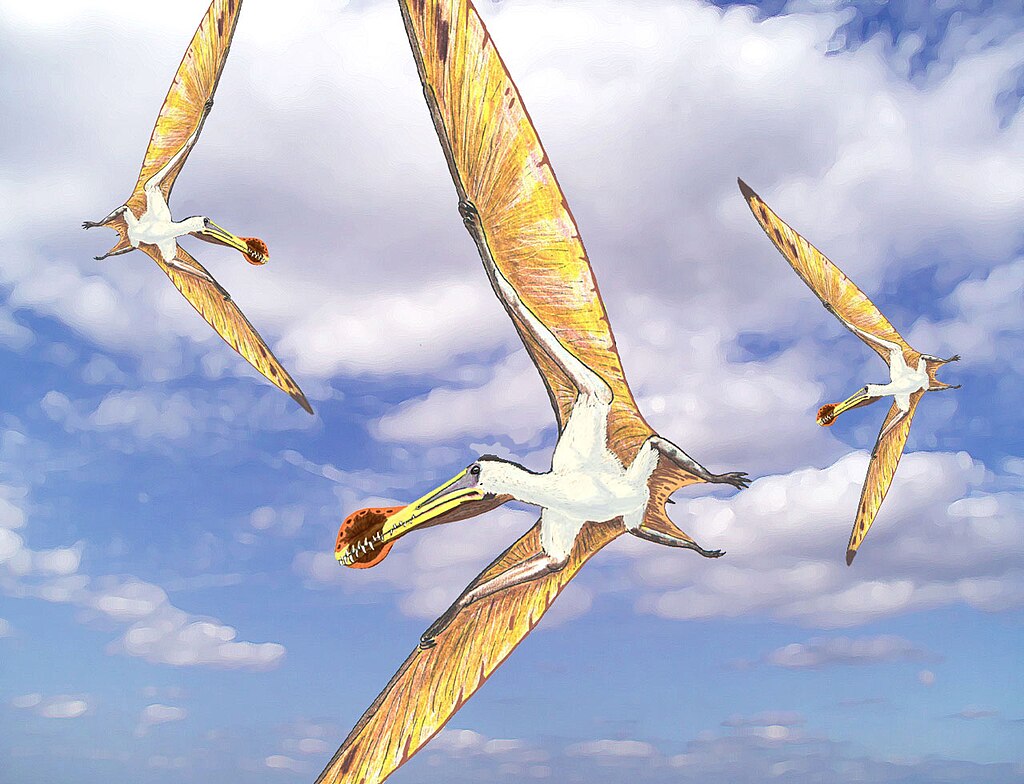
Tropeognathus looked like a gliding crocodile with wings, which isn’t something you say every day. Its wingspan hit around 8 metres, and its beak was lined with interlocking teeth, both of which were for snapping up slippery prey from the ocean surface.
Unlike the lean azhdarchids, Tropeognathus had a more stocky frame and short tail, giving it a different flight style. It’s one of those pterosaurs that probably spent much of its time soaring rather than flapping, which just adds to the eeriness of seeing something that size silently glide overhead.
6. Thalassodromeus
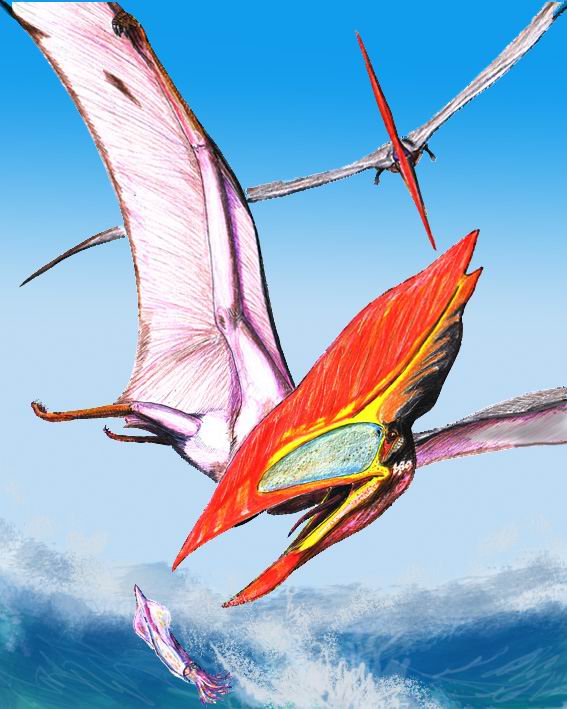
This pterosaur’s name literally means “sea runner,” and it lived up to it with a massive head crest that was nearly as long as its skull. It’s not fully clear whether it fished or foraged inland, but either way, its wingspan (about 4.5 metres) and wild proportions made it look unlike anything flying today. The crest may have helped cool the animal or been used for show. Either way, it was visually striking. Imagine a bird-sized body with a sail for a head, gliding through prehistoric skies like a glider with flair.
7. Dsungaripterus
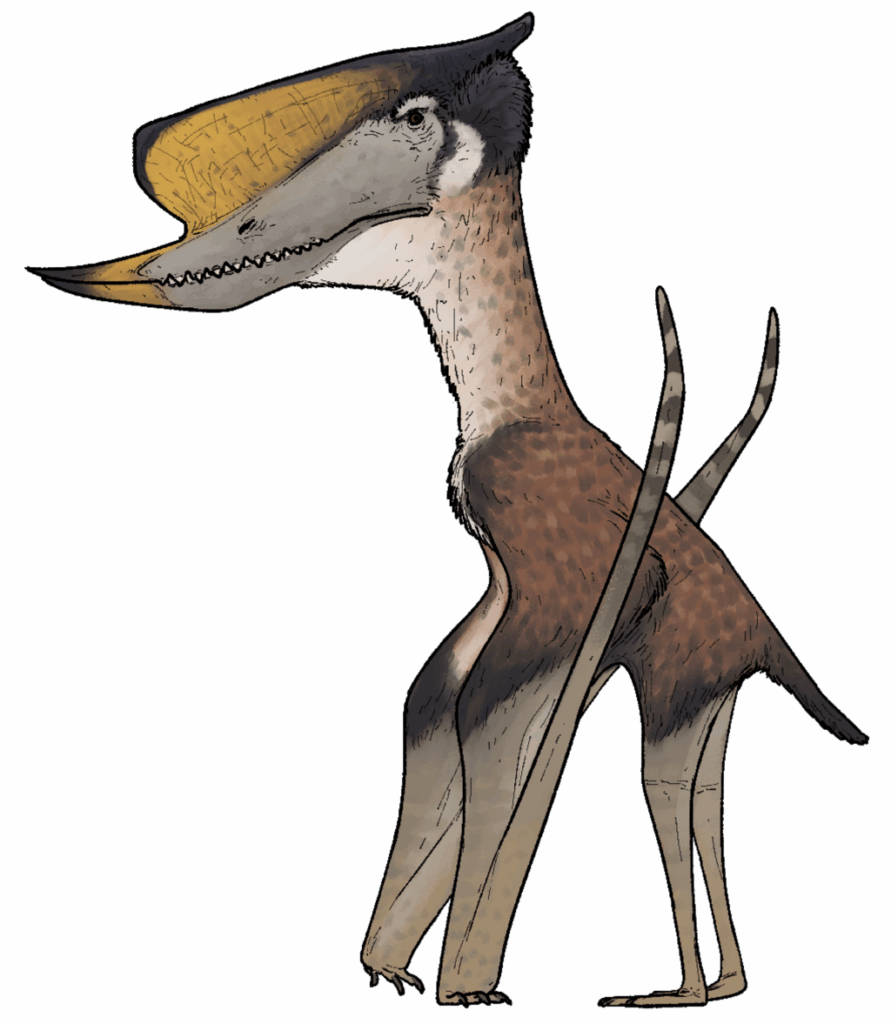
This one didn’t go in for sleek and elegant; it had a thick jaw, a stubby beak, and a face only a palaeontologist could love. Dsungaripterus had a wingspan of about 3 metres and likely used its crushing beak to break open hard-shelled prey like molluscs and crustaceans. While it wasn’t as massive as others on this list, it made up for it with attitude. Its odd jaw structure suggests it spent a lot of time on the ground, stalking rocky coastlines like some prehistoric puffin with a vendetta.
8. Nyctosaurus
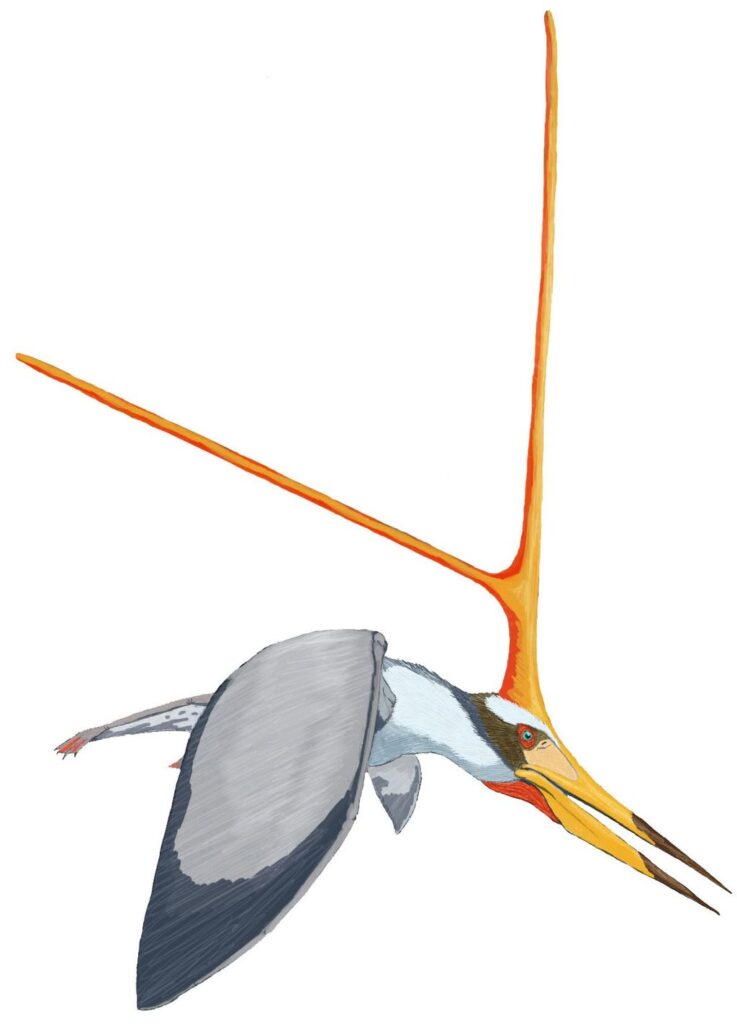
Nyctosaurus was one of the smaller pterosaurs, with a wingspan of around 2 metres, but it earns a spot here thanks to its absolutely bizarre headgear. Some fossils show a crest nearly twice the length of its skull, forming a giant, Y-shaped structure that looks like it belongs in a sci-fi film.
No one’s entirely sure what the crest was for. It may have been for display, or maybe it helped with balance during flight. Either way, it’s a reminder that evolution doesn’t care about your sense of proportion. Eagles may be fierce, but they’ve got nothing on a flying triangle with attitude.