Elephants might be massive, strong, and impossible to ignore, but size isn’t everything in the animal kingdom.

Nature has a habit of handing out surprising advantages to creatures that, on paper, shouldn’t stand a chance. Whether it’s speed, venom, teamwork, or just straight-up chaos energy, there are animals out there that could genuinely take on an elephant in the right circumstances, and maybe even come out on top.
1. Hippos don’t mess around.
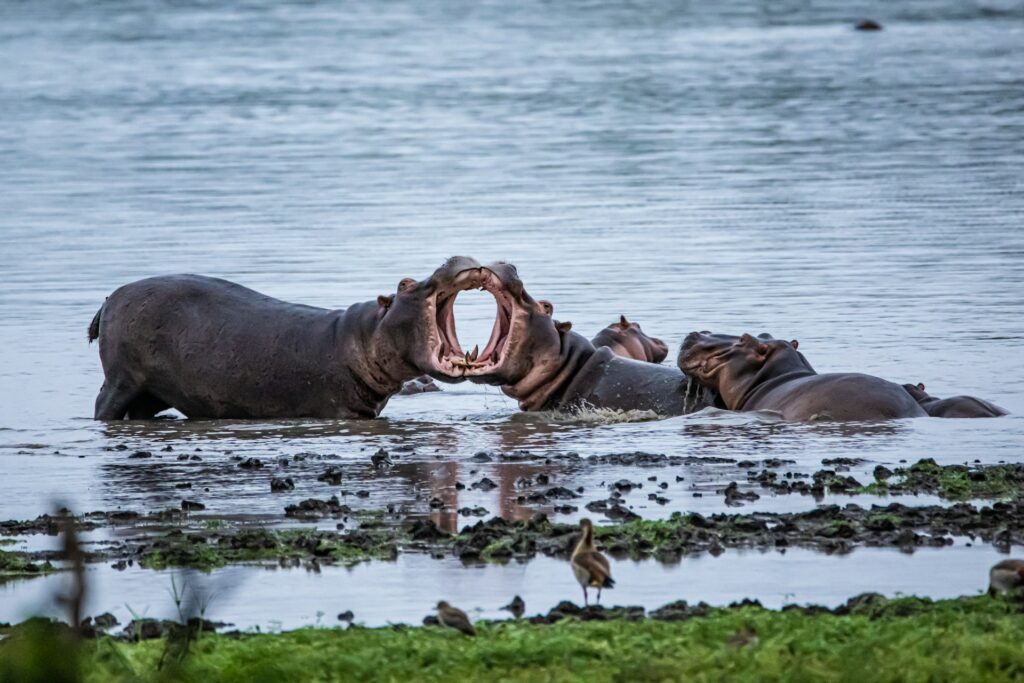
You’d think elephants and hippos might nod respectfully at each other across the watering hole, but not always. Hippos are fiercely territorial, and if an elephant gets too close to their turf, they won’t hesitate to charge. They’ve got huge jaws, powerful bites, and a “don’t test me” attitude that makes them one of the few animals elephants actually avoid.
While elephants have the size advantage, hippos have that unhinged energy that says, “I’ll do it, I don’t care.” Their aggression, combined with the fact they can hold their own on land or in water, makes them a surprisingly tough opponent in the wild.
2. Rhinos bring brute force.
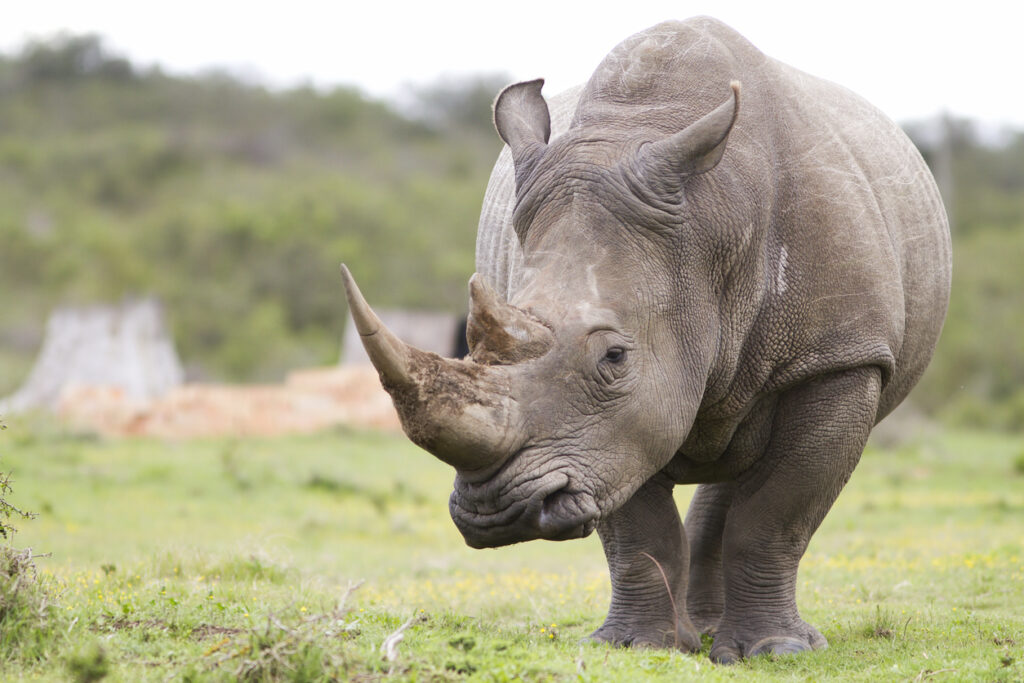
Rhinos might not have the elephant’s height, but they’ve got thick armour-like skin, a lethal horn, and a very short fuse. In places where the two species cross paths, rhinos are known to be unpredictable, and more than willing to challenge an elephant if they feel provoked.
Because rhinos charge with serious speed and aim low, they can do damage before an elephant gets a chance to react. It’s rare for them to go head-to-head, but when they do, it’s less of a gentle nudge and more of a “brace yourself” moment.
3. Tigers don’t fight fair.
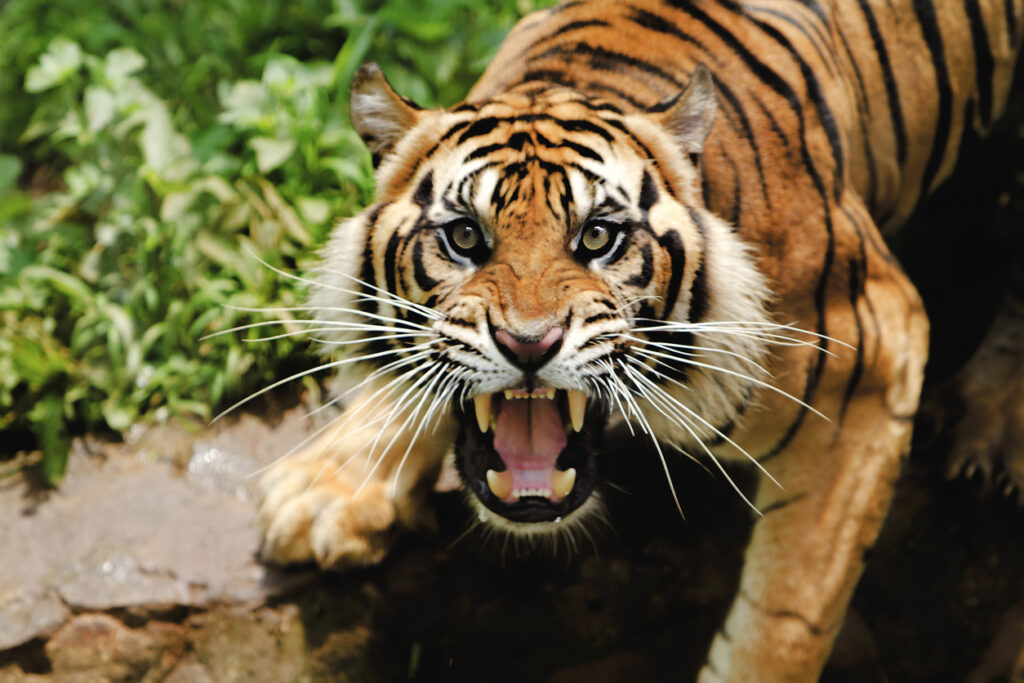
On size alone, a tiger shouldn’t stand a chance against an elephant. However, when hunting calves—or in some rare cases, weakened adults—they’ve been known to strike with shocking precision. Tigers are smart, stealthy, and strong enough to do damage with a single bite to the neck or spine.
They’d never take on a healthy adult head-on, but their ambush skills make them a serious threat when the odds are in their favour. It’s not about brawn; it’s about timing, surprise, and a complete lack of hesitation.
4. Crocodiles are patient killers.
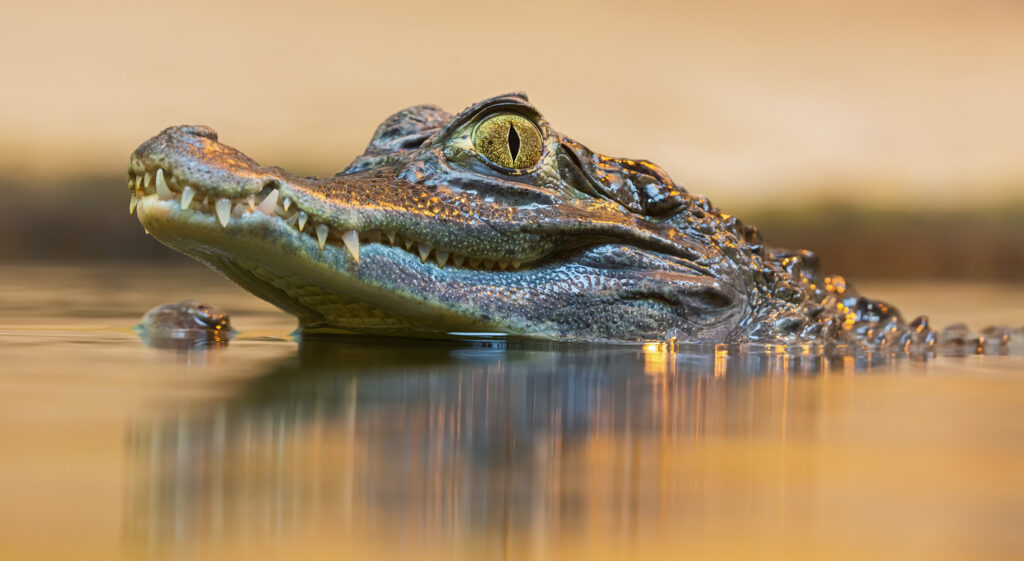
In water, elephants are far more vulnerable, and crocodiles know it. These prehistoric predators wait silently near river crossings, aiming for the legs or trunks of younger or distracted elephants. One well-timed grab can cause panic or injury, giving the croc the upper hand. They don’t need to win a full fight; they just need one opening. Their sheer jaw strength and stealth make them a formidable threat, especially in murky waters where elephants let their guard down.
5. Cape buffalo have no fear.
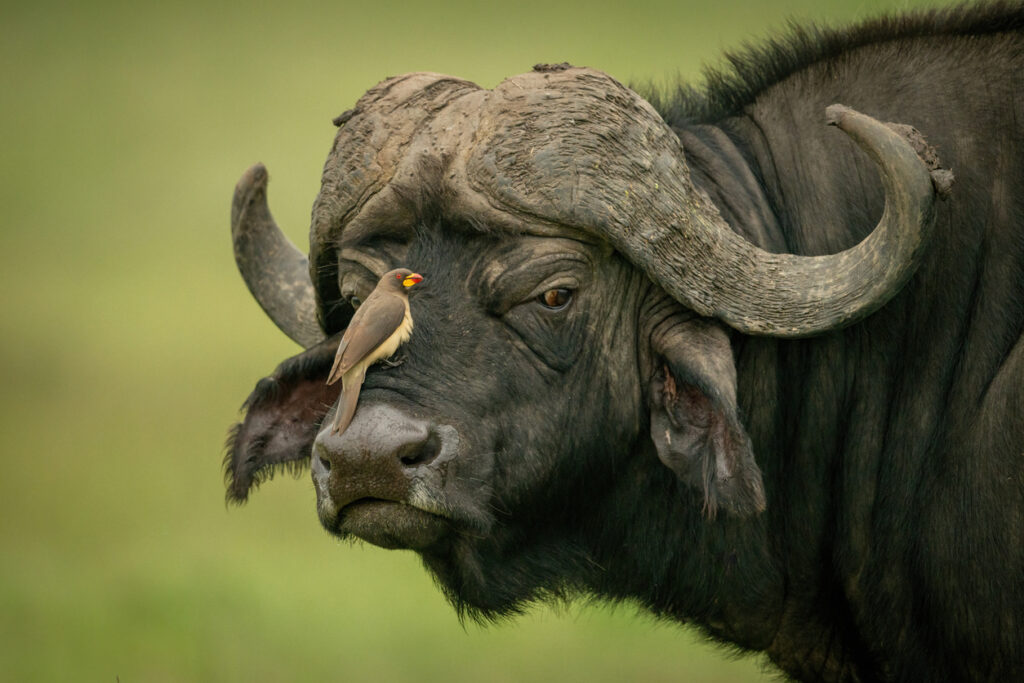
Cape buffaloes are like the pub brawlers of the savannah: grumpy, built like tanks, and always up for a fight. They often travel in herds, and when they’re under threat, they respond with overwhelming force and sheer refusal to back down. Individually, they might not overpower an elephant. However, together, they can wear one down or drive it off. Elephants generally avoid them, not because they’re stronger, but because they’re relentless and completely unpredictable.
6. Honey badgers just don’t care.
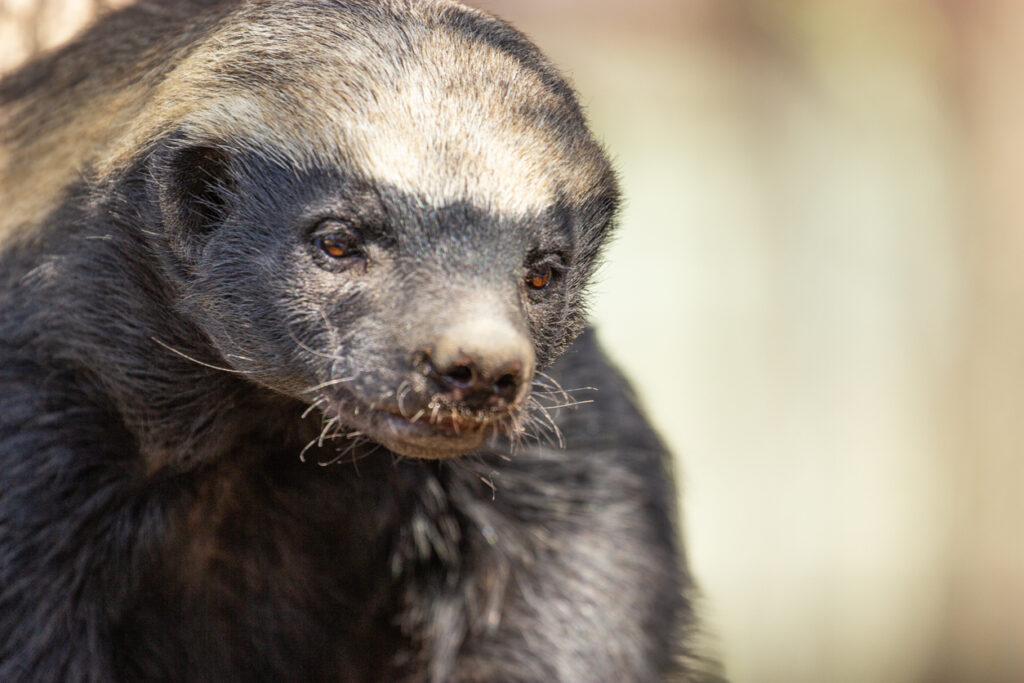
No, they wouldn’t win a fight with an elephant. But they’d absolutely start one, and probably walk away like it was a normal Tuesday. Honey badgers are infamously fearless, and they’ve been known to square up to lions, leopards, and yes, even elephants. They use aggression, persistence, and sharp claws to their advantage. If an elephant were ever to get too close to a honey badger’s den or cubs, it might find itself on the wrong end of a furious, ankle-level attack that simply won’t quit.
7. Orcas would dominate in the water.
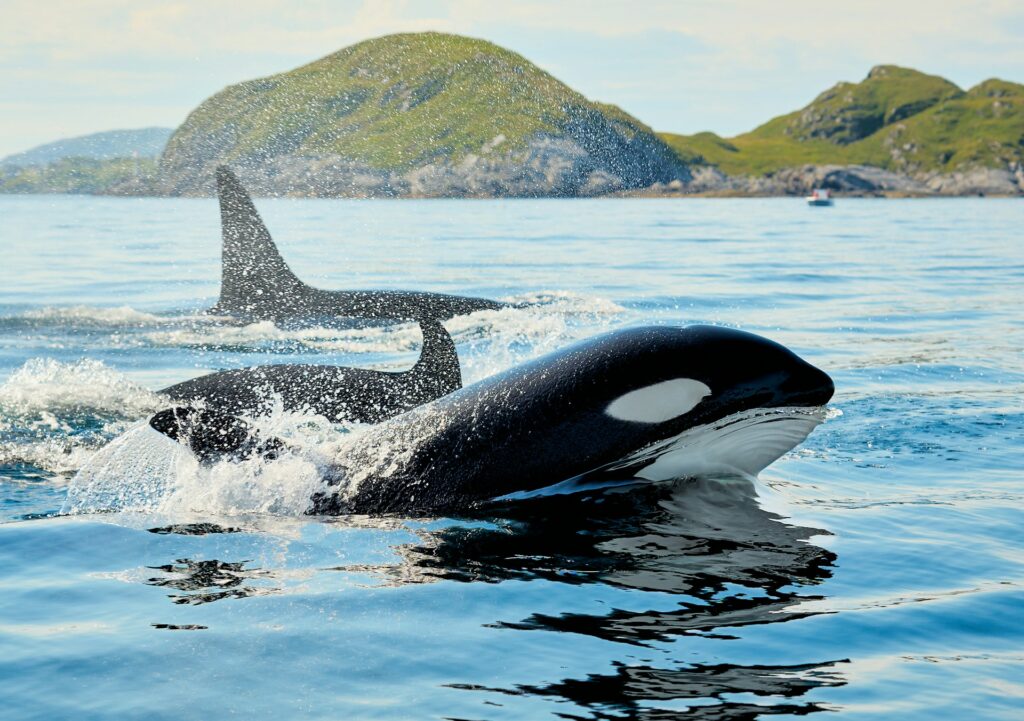
If elephants lived in the ocean, they’d have a serious orca problem. Killer whales are top-tier predators: coordinated, strategic, and built for teamwork. They’re smart enough to isolate prey, take down animals far larger than themselves, and even toy with their food. While the comparison is more theoretical than practical, there’s no doubt that if elephants had to go up against orcas in a marine setting, they’d be totally outmatched. It’s not just strength; it’s strategy, intelligence, and cold efficiency.
8. Lions hunt in teams.
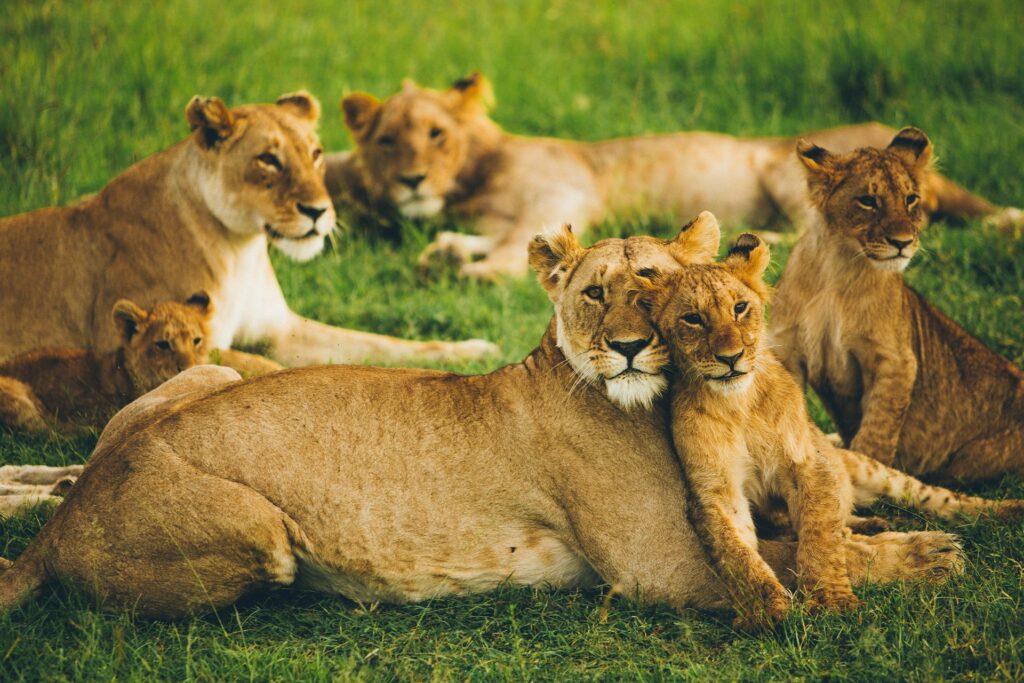
A single lion wouldn’t be much of a threat to a full-grown elephant, but a determined pride is another story. In times of drought, when resources are scarce and calves are more vulnerable, lions have been known to coordinate attacks. They go for the legs, the trunk, anywhere that can destabilise or disorient the elephant. It’s not common, but when it happens, it’s a reminder that group dynamics can sometimes overpower raw size and strength.
9. Elephants themselves are worth looking out for.
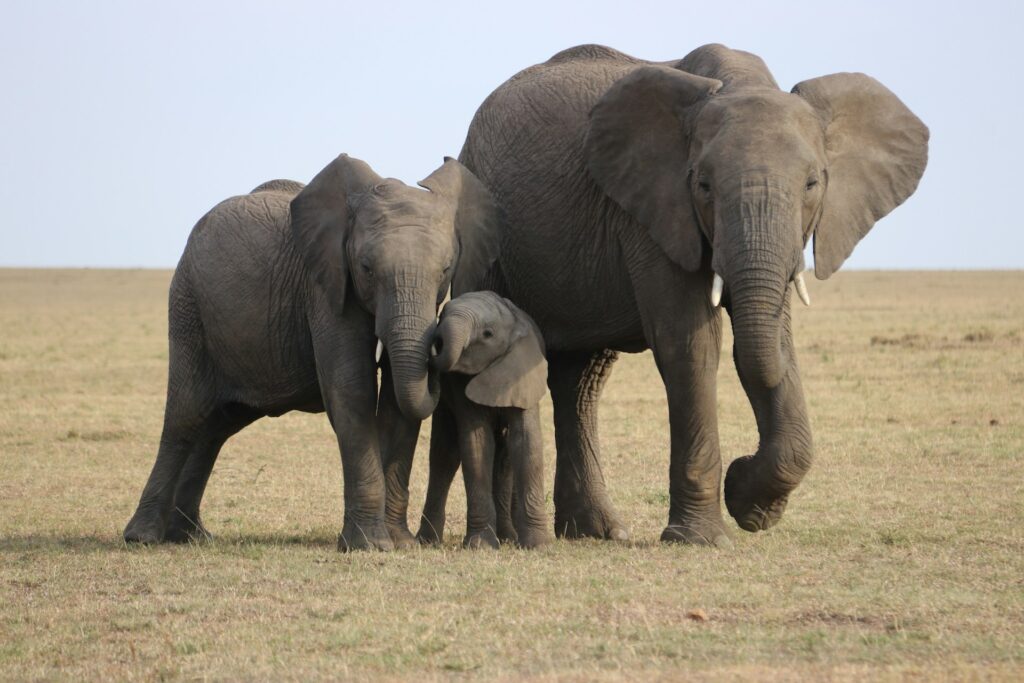
Sometimes, the biggest threat to an elephant… is another elephant. Males in musth (a period of heightened testosterone and aggression) can become violent, unpredictable, and brutally dominant. Fights between bulls can be intense and even fatal.
Because they’re so evenly matched, these encounters don’t always end quickly. Injuries from tusks, internal damage, or exhaustion can take their toll. So while other species are threats in certain settings, the most dangerous opponent for an elephant is often one of its own kind.
10. Parasites play the long game.
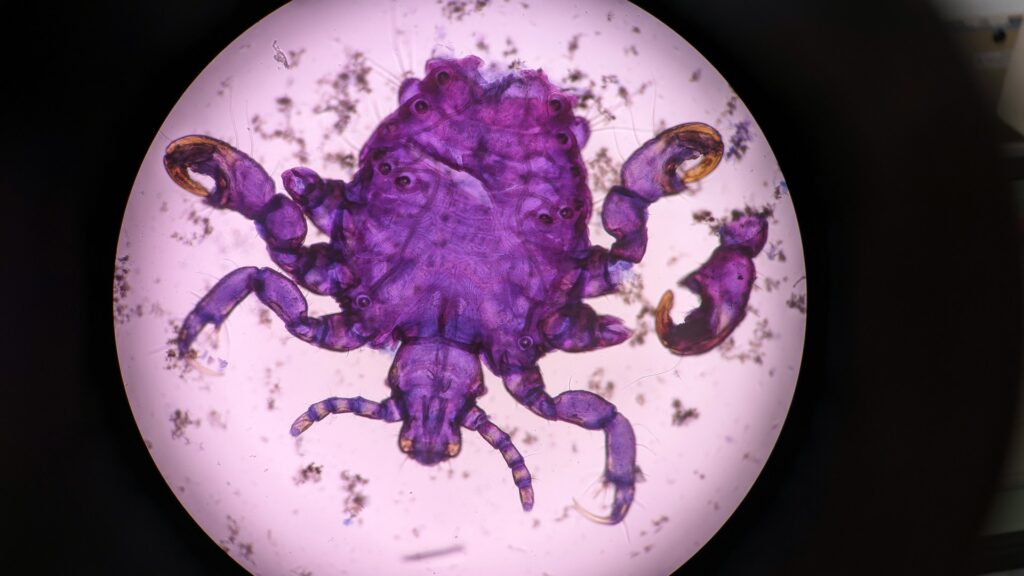
They’re not fearsome in the traditional sense, but parasites and pathogens can take down even the strongest animals over time. Ticks, worms, and bloodborne diseases quietly wear away at elephants’ health, weakening their defences from the inside. It’s not a dramatic battle. It’s a slow, invisible one. And in many cases, it’s these tiny invaders that shorten lifespans, reduce strength, or make elephants more vulnerable to other threats down the line.