Nature’s got a need for speed, and some animals have evolved so far beyond the usual pace of life, they’re practically breaking the rules.
From movements faster than the blink of an eye to escape tactics that would leave a Formula 1 driver breathless, these creatures aren’t just fast, they’re outrageous. They dodge, snap, strike, and sprint in ways that seem to bend biology, physics, and sometimes logic. These animals that move so fast, it doesn’t feel real.
1. Mantis shrimp – punch speed that defies physics
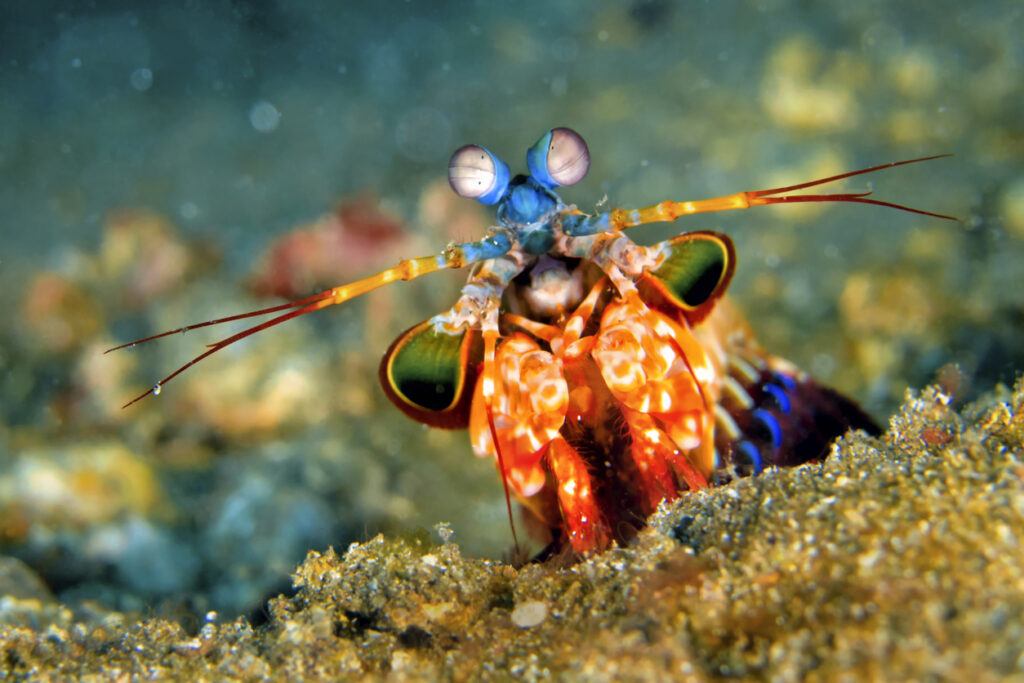
This little crustacean doesn’t look like much, but it’s hiding one of the fastest punches on Earth. The mantis shrimp’s club-like limbs can strike at over 50 miles per hour, creating a shockwave so powerful it actually causes the water around it to boil. That’s not an exaggeration, either. It literally produces cavitation bubbles that explode with heat and sound.
To put it simply, the mantis shrimp punches faster than a speeding bullet. It doesn’t just knock out prey, it obliterates it. Then, just when you think it couldn’t get weirder, it can also see ultraviolet and polarized light, giving it one of the most complex visual systems on the planet.
2. Cheetah – world’s fastest land animal
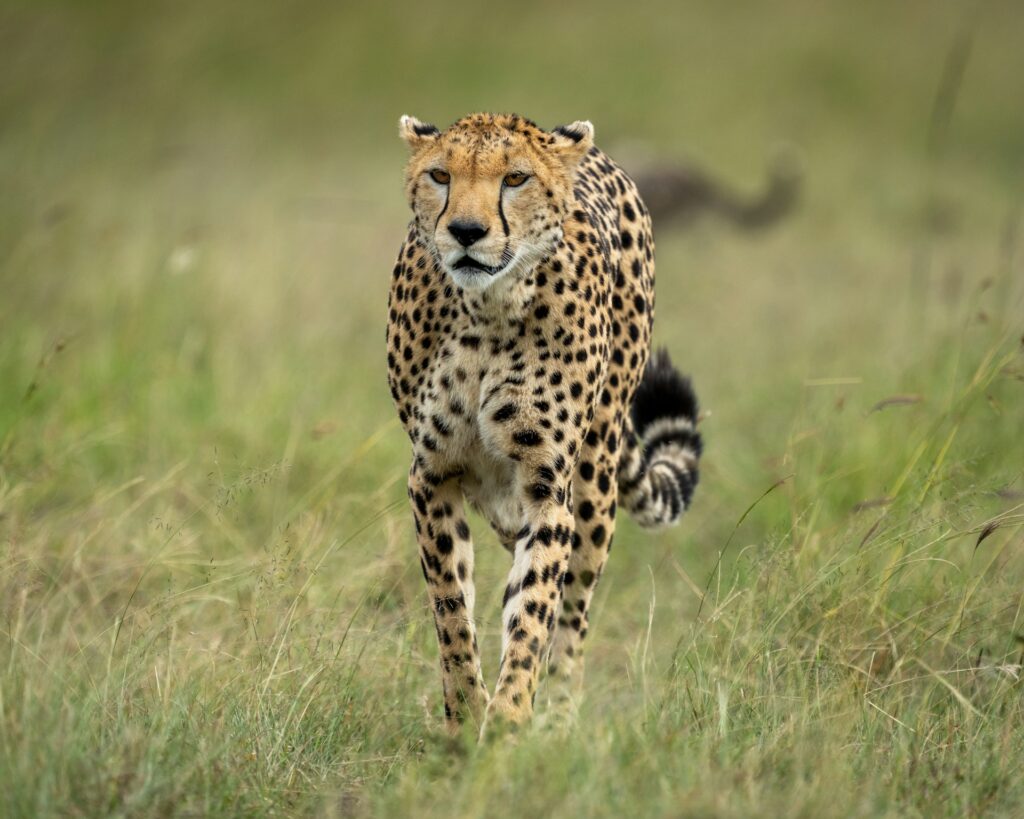
The cheetah is the obvious pick, but it’s here for a reason. It can hit 60 to 70 miles per hour in short bursts, but it’s the acceleration that really breaks your brain. Cheetahs can go from 0 to 60 in just a few seconds, faster than most sports cars. Their spine works like a spring, stretching and recoiling to give each stride insane length and power.
Their claws don’t retract fully, acting like natural cleats for grip. Combined with oversized nasal passages for oxygen and a long tail for balance, the cheetah is basically a biomechanical sprinting machine. However, it can only keep that speed for 20 to 30 seconds before overheating, which is proof that even nature has limits.
3. Peregrine falcon – the fastest dive on Earth
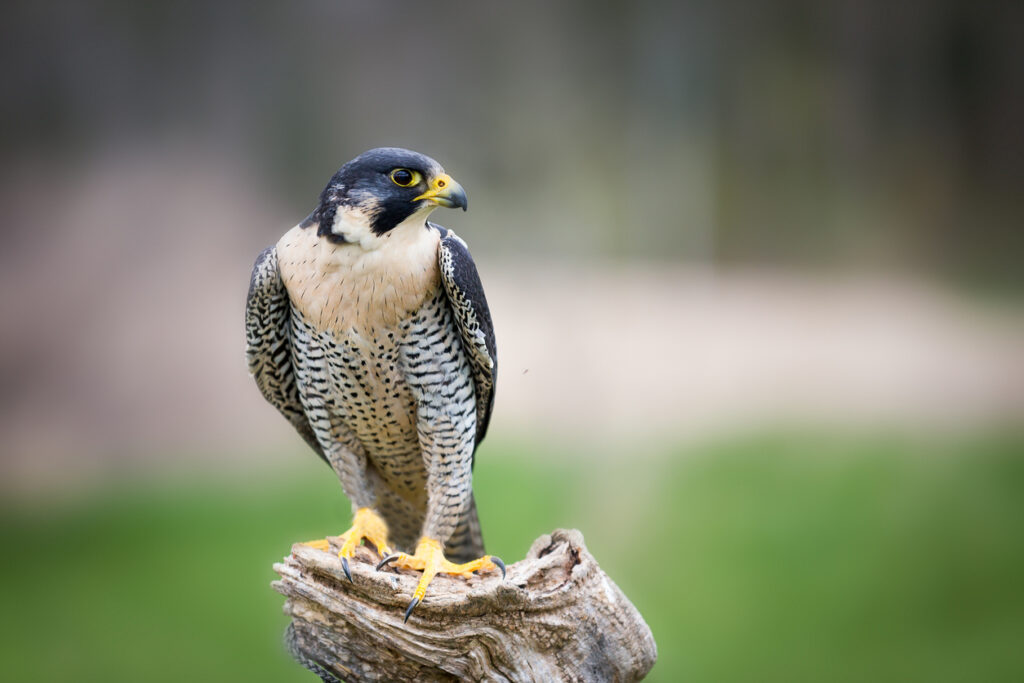
If you’re talking raw speed, no animal on land or sea comes close to the peregrine falcon in a dive. When hunting, it folds its wings and plummets toward prey at speeds over 200 miles per hour. That’s not just fast—it’s supersonic territory.
To survive that kind of velocity, it’s built like an arrow. Its nostrils have tiny baffles that reduce air pressure, and its bones are structured to withstand insane forces. The result? A bird that turns gravity into a weapon and leaves physics textbooks looking nervous.
4. Trap-jaw ant – jaws that snap faster than your neurons fire
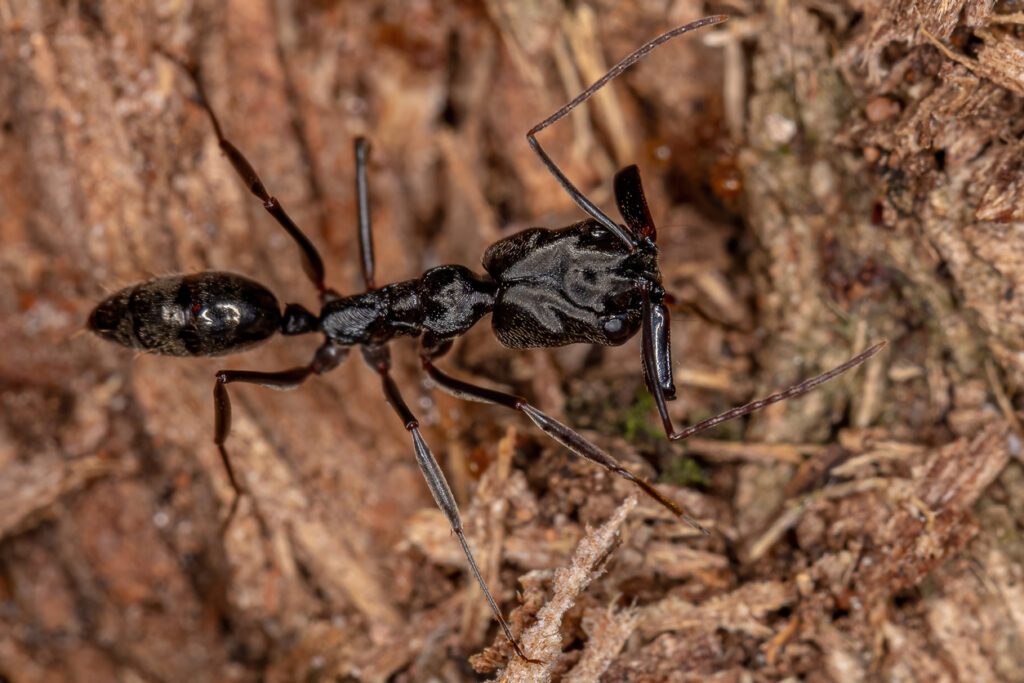
These tiny ants have some of the fastest recorded movements in the animal kingdom. Their jaws can snap shut in just 0.13 milliseconds. That’s so fast, the force can launch them into the air like popcorn. It’s not just about attacking prey; they use their jaws as a literal escape mechanism.
Scientists have recorded their mandibles moving at over 140 miles per hour. For something so small, it’s hard to believe they can generate that much power, but it’s all in the mechanics. Think mousetrap energy, scaled down and souped up.
5. Sailfish – the ocean’s speed demon
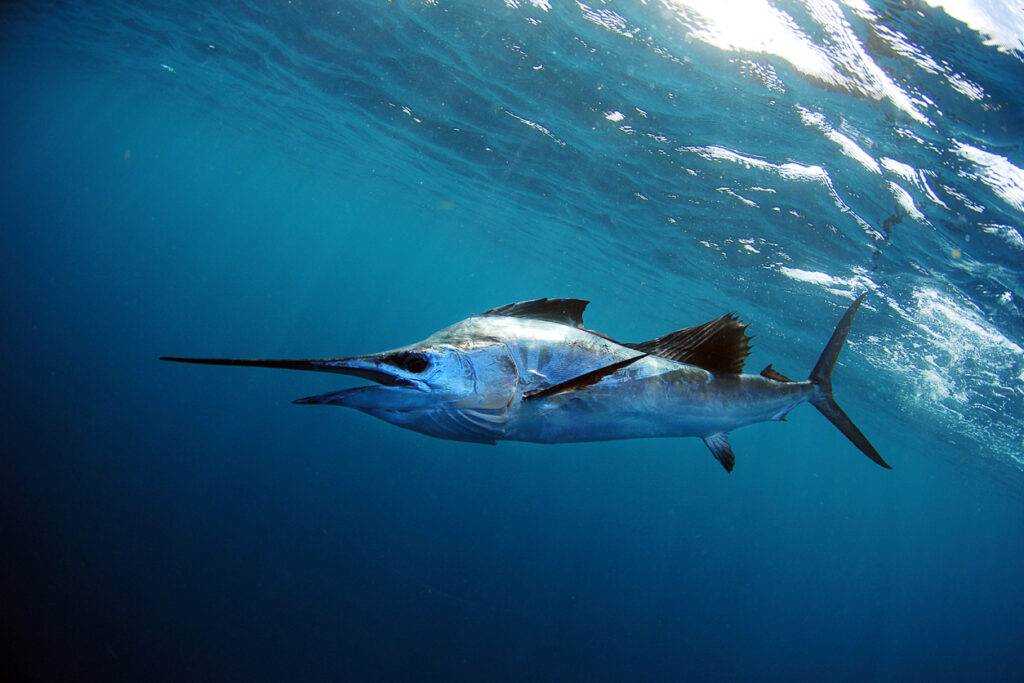
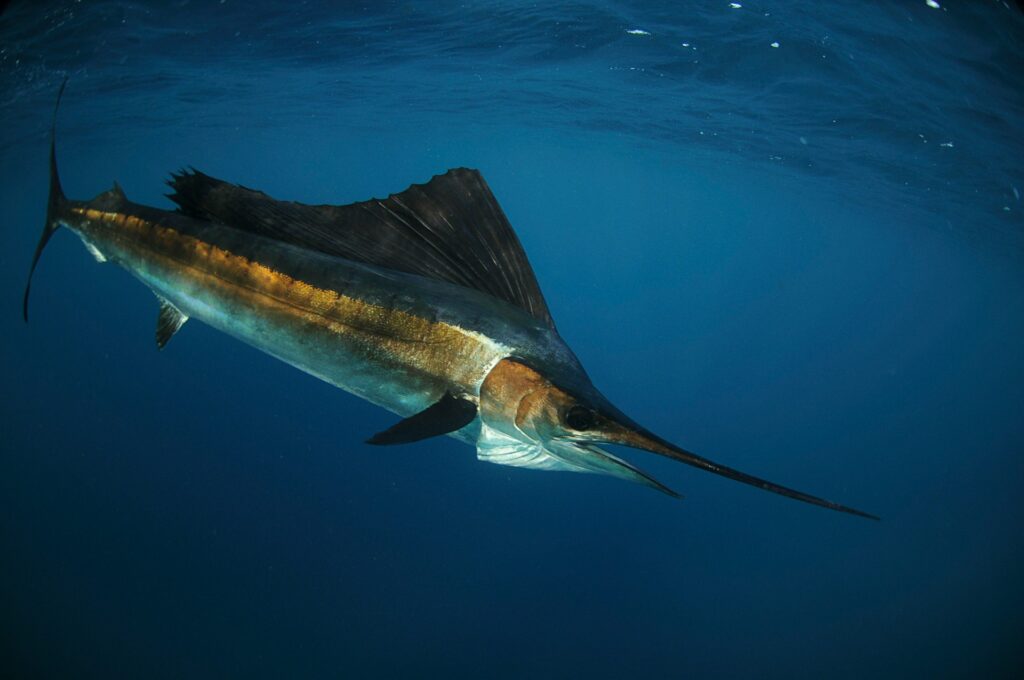
In the sea, the sailfish reigns supreme. Clocked at around 68 miles per hour, it’s the fastest fish in the world. Its body is long and torpedo-shaped, built to slice through water with almost no drag, and its dorsal fin can be retracted like a spoiler for better control.
It doesn’t just use that speed to outrun things. It uses it to make short, devastating charges at schools of fish. When the sailfish attacks, the whole ocean seems to part for it. Watching one move in real time feels more like watching a CGI effect than something real.
6. Hummingbird – the aerial acrobat
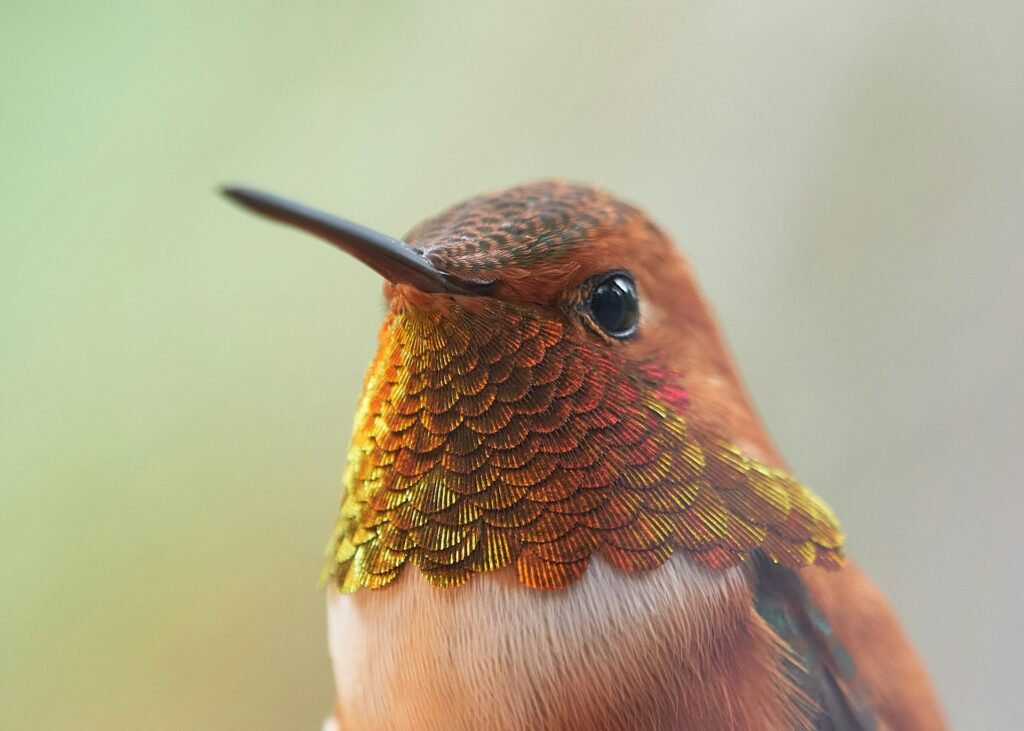
Hummingbirds don’t just flap their wings fast; they rewrite the rules of flight. Some species can beat their wings up to 80 times per second, creating a blur that lets them hover, fly backwards, and even upside down. That level of control and speed is unmatched in the bird world.
To fuel this constant movement, their metabolism is through the roof. Their hearts can beat over 1,200 times per minute, and they have to eat almost constantly just to keep going. They may be tiny, but their speed and precision are anything but small-time.
7. Dragonfly – the fighter jet of the insect world
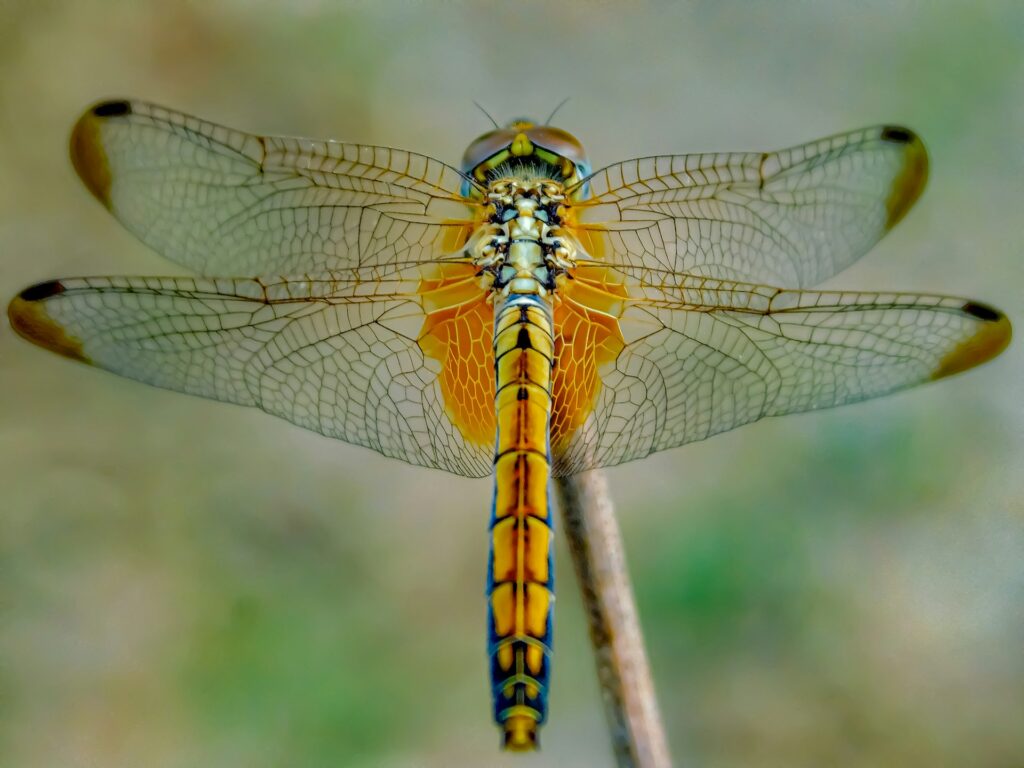
Dragonflies are ridiculously agile. They can accelerate quickly, hover, reverse, and change direction mid-air like they’ve got built-in GPS. Each of their four wings moves independently, which gives them helicopter-like control in flight.
They’re also quick: some species can reach speeds of up to 35 miles per hour, which for their size is absurd. And they use that speed to hunt. Dragonflies are apex insect predators, snatching prey mid-air with terrifying efficiency and almost no misses.
8. Mexican free-tailed bat – fastest level flight
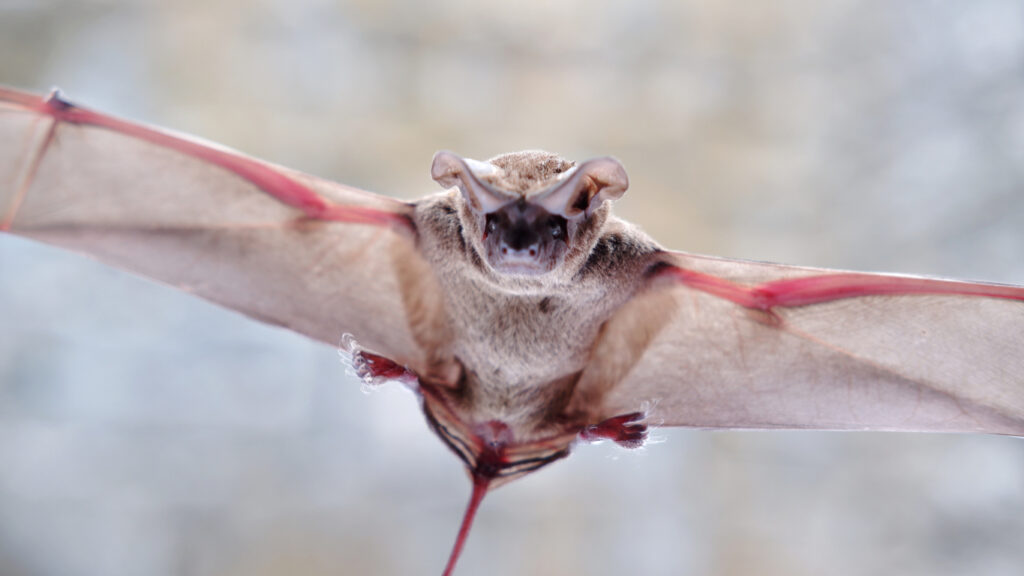
When you’re talking about sustained level flight, not dives or lunges, the Mexican free-tailed bat takes the crown. It’s been clocked flying at over 99 miles per hour, making it the fastest horizontal flier ever recorded. Its long, narrow wings give it high-speed cruising ability, and it’s been known to migrate hundreds of miles at a time. While it doesn’t look all that different from other bats at first glance, it’s built for long-range speed missions, not just the usual flappy flutters.
9. Archerfish – water-jet sharpshooter
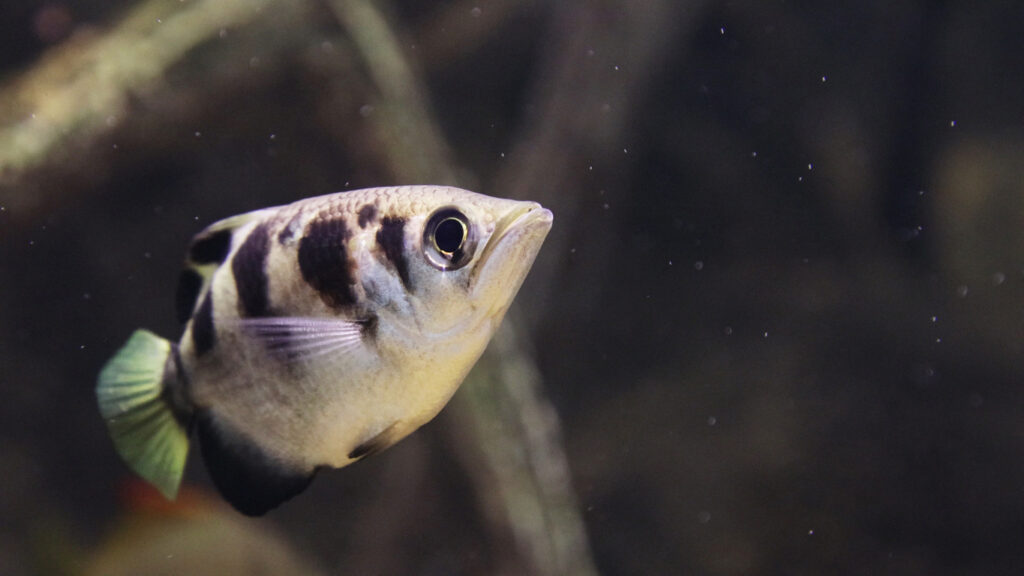
Archerfish might not be fast in the traditional sense, but what they do defies logic. They shoot jets of water at insects above the surface with pinpoint accuracy, adjusting for distance, refraction, and even movement. Their internal calculations happen in milliseconds.
The water hits with just enough force to knock prey into the water, where it’s quickly snapped up. It’s one of the only animals that actively compensates for how light bends in water, basically doing physics homework on the fly, with its mouth.
10. Flea – vertical leap record holder
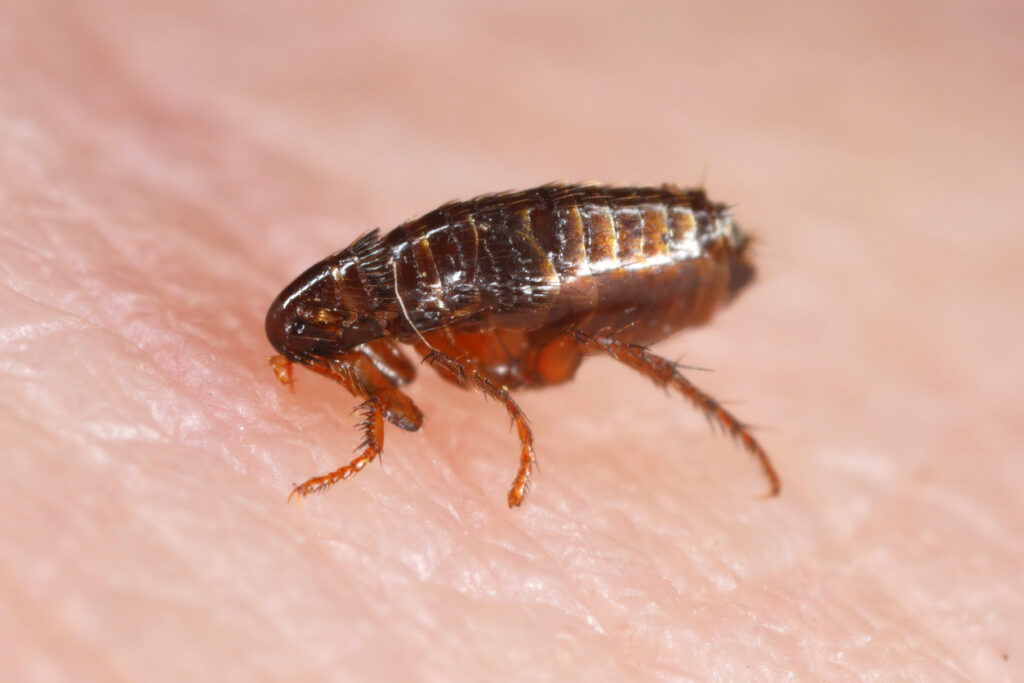
Fleas may be pests, but their jump is next-level. They can leap over 100 times their own body length. Imagine a human jumping up the side of a skyscraper in one go and that gives you an idea here. What makes it wild is how fast they do it, using a protein called resilin to store and release energy like a spring-loaded trap.
Their acceleration rivals that of a rocket launch, and it all happens in the blink of an eye. It’s not pretty, but it works, and it’s one of the most extreme examples of explosive power in the animal world.
11. Venus flytrap – fast enough to trap flies
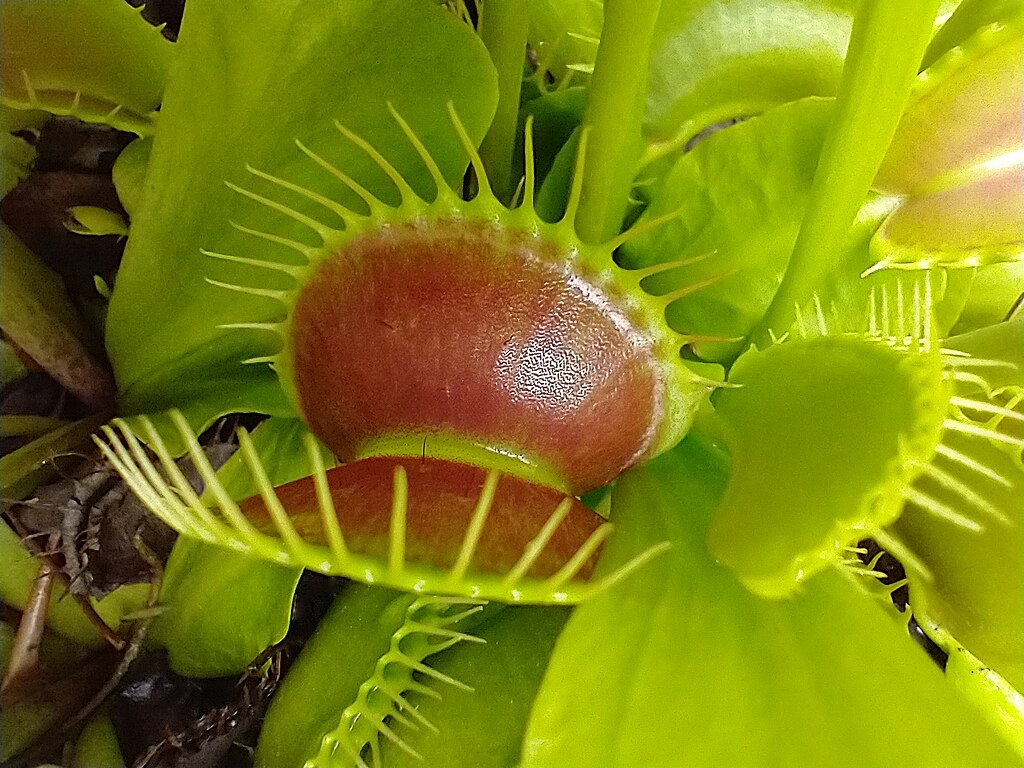
You don’t usually think of plants when you think of speed, but the Venus flytrap is the exception. It can snap shut on its prey in less than a second using specialised trigger hairs that set off a rapid chemical chain reaction. While it’s not exactly breaking the sound barrier, it’s lightning fast for something rooted in the ground. It’s one of the few times a plant moves quickly enough to make you jump, and its mechanism is still being studied for bioinspired engineering.
12. Bullet shrimp – loudest bang in the ocean
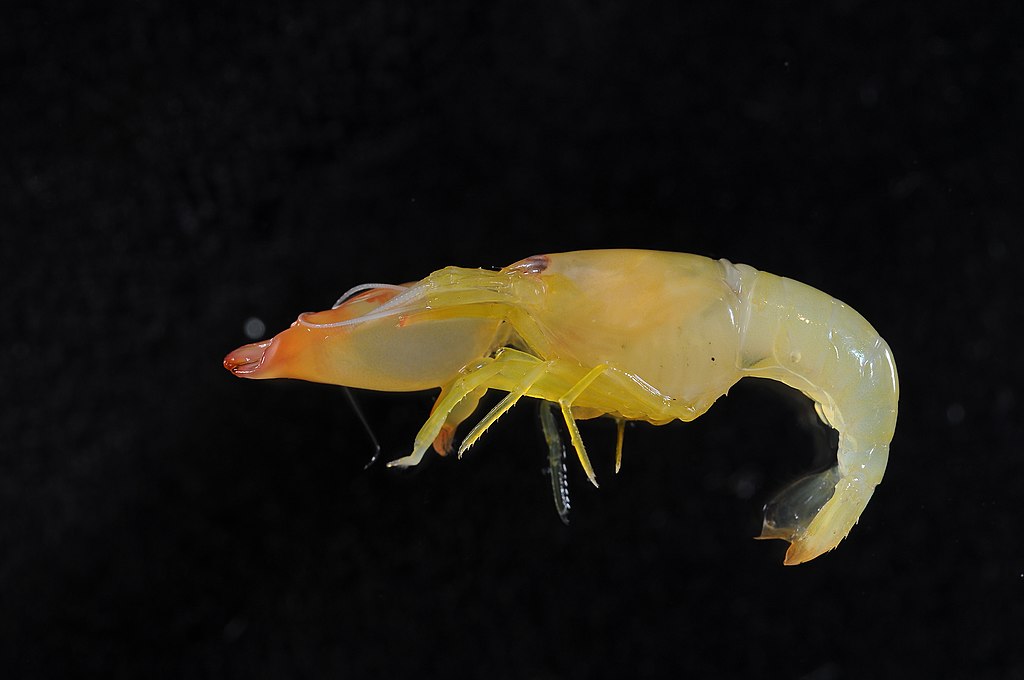
The pistol shrimp, also known as the bullet shrimp, has a claw that snaps shut so fast it creates a cavitation bubble that reaches temperatures of over 4,700 °C. That’s hotter than the surface of the sun for a split second. The snap is so loud it can stun or kill nearby prey.
It’s a perfect example of speed turning into something more than just movement. It weaponises physics in a way that doesn’t even feel real. The bullet shrimp doesn’t need size. It’s got speed, science, and a built-in underwater cannon.
13. Housefly – reaction time champion
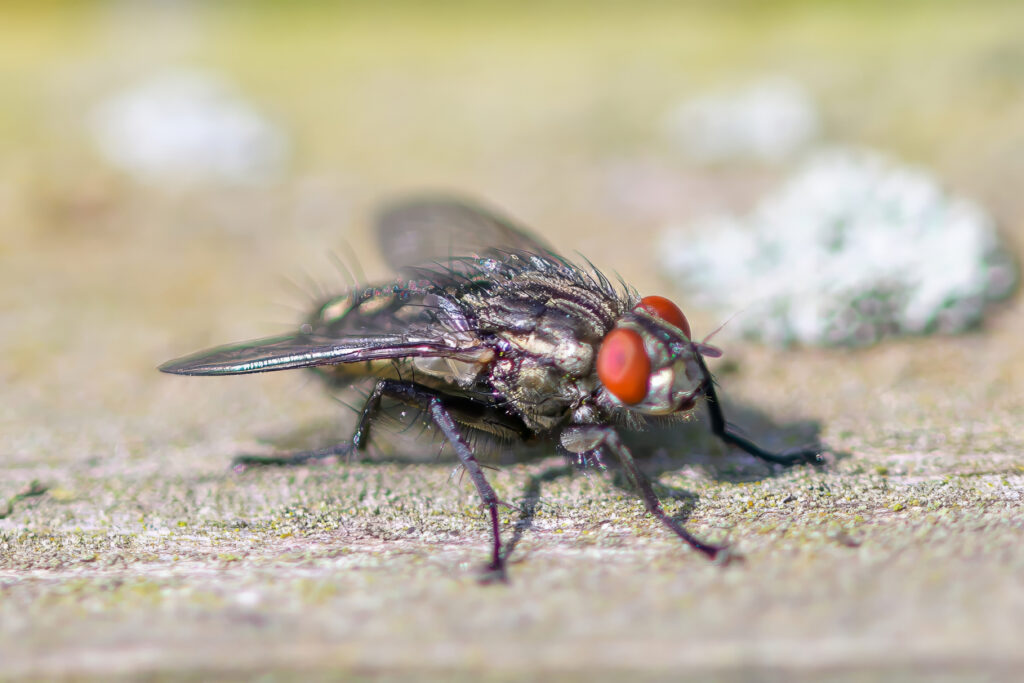
They may be annoying, but flies are fast in a way that’s hard to process. Their reaction times are around four times faster than ours, which is why swatting them feels like trying to catch lightning. They see the world in slow motion and respond before you’ve even moved.
Their wings beat up to 1,000 times per second, giving them jerky, unpredictable flight that’s almost impossible to track. Their nervous systems are hardwired for dodging danger, making them frustratingly good at getting away from nearly everything.
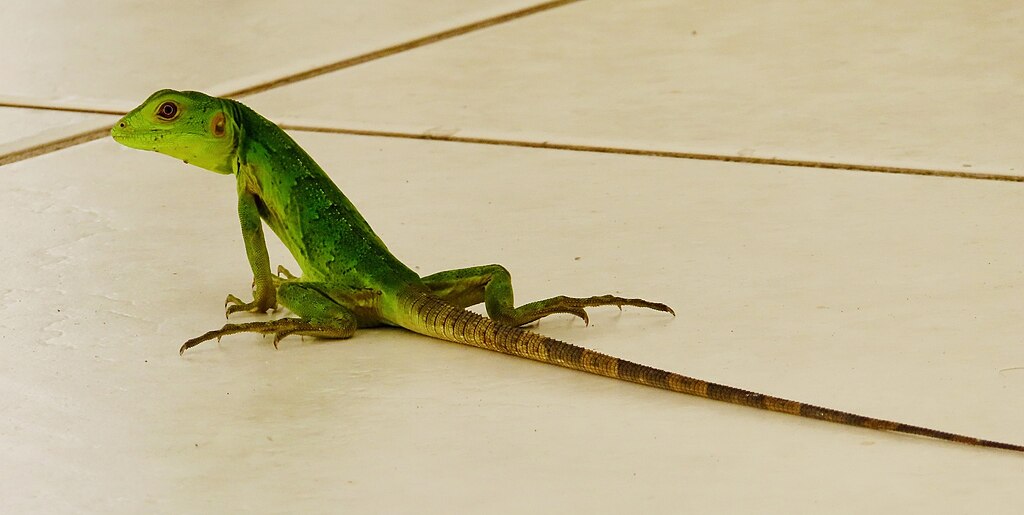
14. Spiny-tailed iguana – fastest lizard alive
This Central American reptile doesn’t look like a speedster at first glance, but it holds the record for fastest lizard, reaching speeds of nearly 21 miles per hour. It’s built low to the ground with strong hind legs, and when it bolts, it’s almost impossible to catch. Its quickness helps it escape predators and zip across hot, rocky terrain. For a cold-blooded creature, the spiny-tailed iguana doesn’t waste time warming up. It’s ready to go when things get serious, and it sprints like it knows what’s coming.